Arctic Ocean exploration 12th May
, 21 Mai 2012
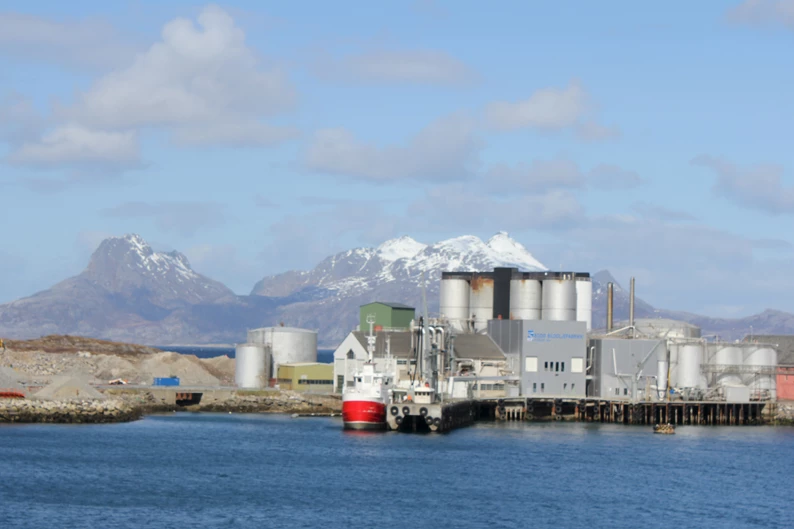
And so to Bodø. Unfortunately the first half of the MAREANO spring 2012 research cruise is at an end. We have arrived in Bodo, the largest city in Nordland county. The views from the bridge of the G.O. Sars reveal the port city (pop. about 50,000) as fairly flat, surrounded by picturesque mountains.
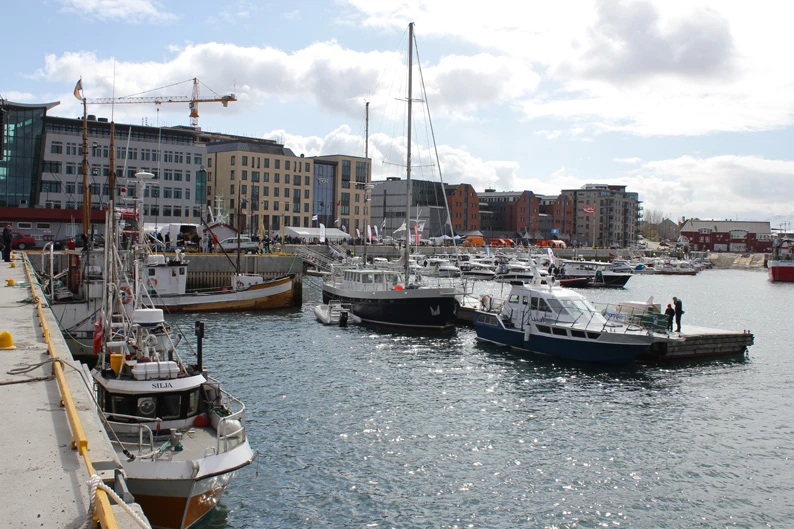
At 10 o’clock, it is sunny and an exploratory walk to the marina and through the town is very pleasant; quite warm in the sun, but bitterly cold in the wind. A weekend marine festival is being set up around the marina and people are starting to arrive. Having got our bearings we return to the ship to say goodbye to many of our fellow scientists, who are catching a taxi to the airport. It is now 11 o’clock, the sky has darkened, and we have near horizontal snow! The sun reappears later, thankfully.
Scientists for the second two weeks of the sampling are beginning to arrive. For this leg, the ship will travel south from ‘Nordland VI’ to an area between Kristiansund and Halten. They will concentrate on video filming the marine habitats there and will not be deploying grabs, trawls or sledges. You can keep up-to-date at with the latest news of the project here.
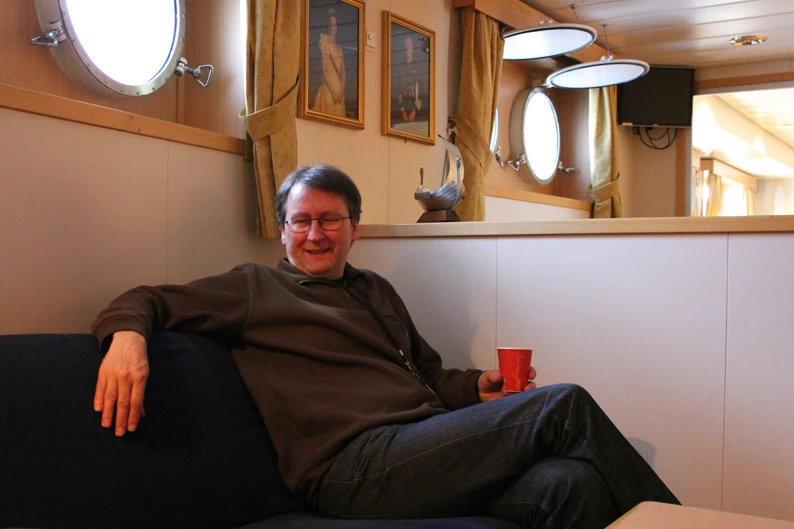
After lunch we meet with Dr Børge Holte, head of the MAREANO programme, and cruise leader for the next leg. We discuss our work during the previous two weeks, and all agree that our participation with the Norwegian science team has been mutually beneficial. There was much in common between the MAREANO and our own series of scientific investigations of the seabed around Wales. You can find out more about the MAREANO project taxonomy here.
Throughout the first leg, we had been comparing and contrasting our similar, but differing, sampling techniques and sample processing procedures. We also had many discussions concerning the animals we find in the seabed habitats off our respective coasts. It was a pleasure to see some of the species we are familiar with (as well as others we rarely or never encounter) in the Arctic region from which they were first discovered.
The ship is set to sail at 3 p.m., so we say our farewells and go to our hotel for a brief rest before flying back to the UK on Sunday morning.
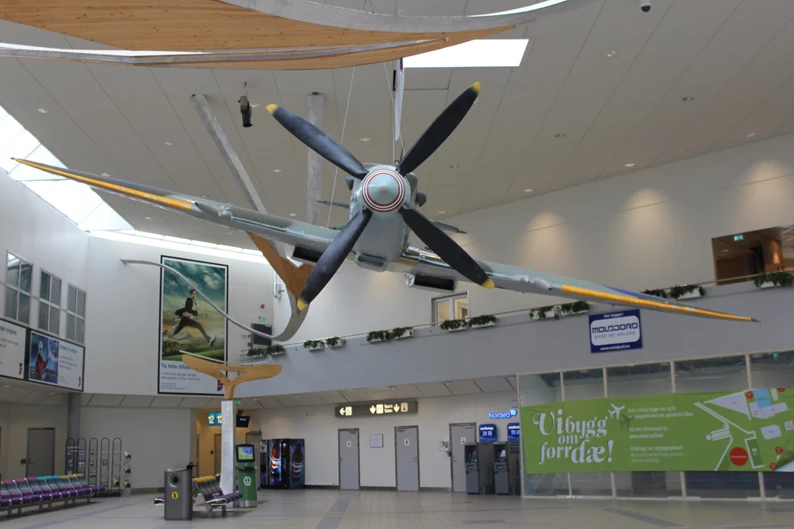
Apart from the port, the tourist appealing landscape and outdoor activities, Bodø is famous for hosting the National Norwegian Aviation Museum. This is situated beside the airport and both have strong links with the UK. The British built the first runway in 1940, when Germany invaded southern Norway. Then, during the Second World War, two Norwegian fighter squadrons flew Spitfires from England. Naturally, the Museum exhibits include the Spitfire alongside the numerous other military and civilian aircraft in its 10,000 m2 floorspace.
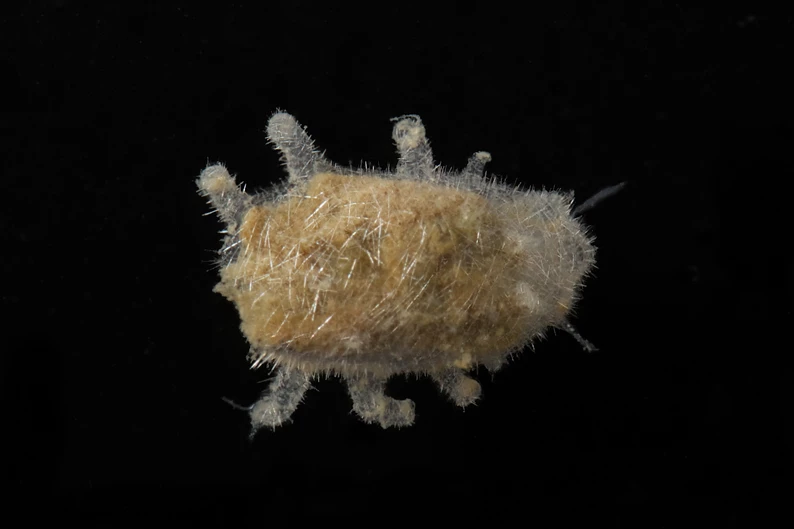
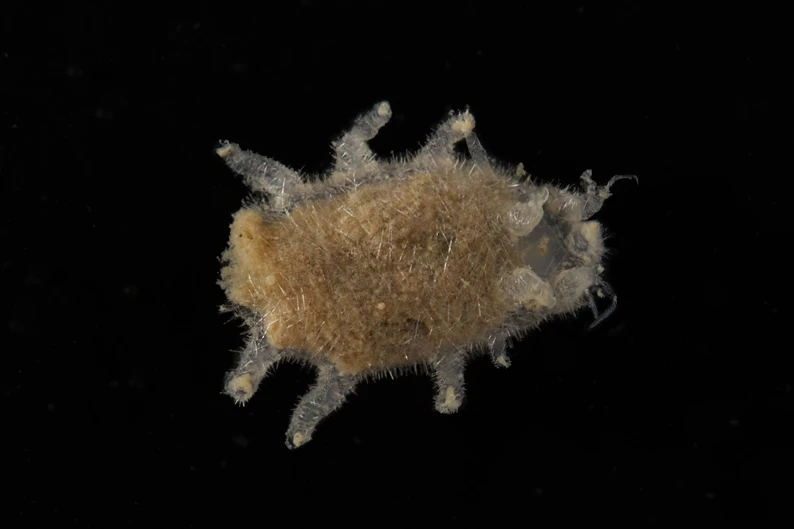
Once back in the UK we will post some photos of the animals we encountered during the trip. In the meantime, here are two photos of a small holothurian (sea-cucumber), Elpidia — affectionately referred to as a ‘sea-pig’ by all aboard the research ship. These interesting animals ‘graze’ the surface of the seabed. This particular species grows to around 2 cm in length, but this specimen (from 1,300 m depth) is only about 4 or 5 mm long. The animal can be seen in situ in a photo from an earlier MAREANO research cruise here