Hanes Naturiol

Of dust bunnies and dust rhinos

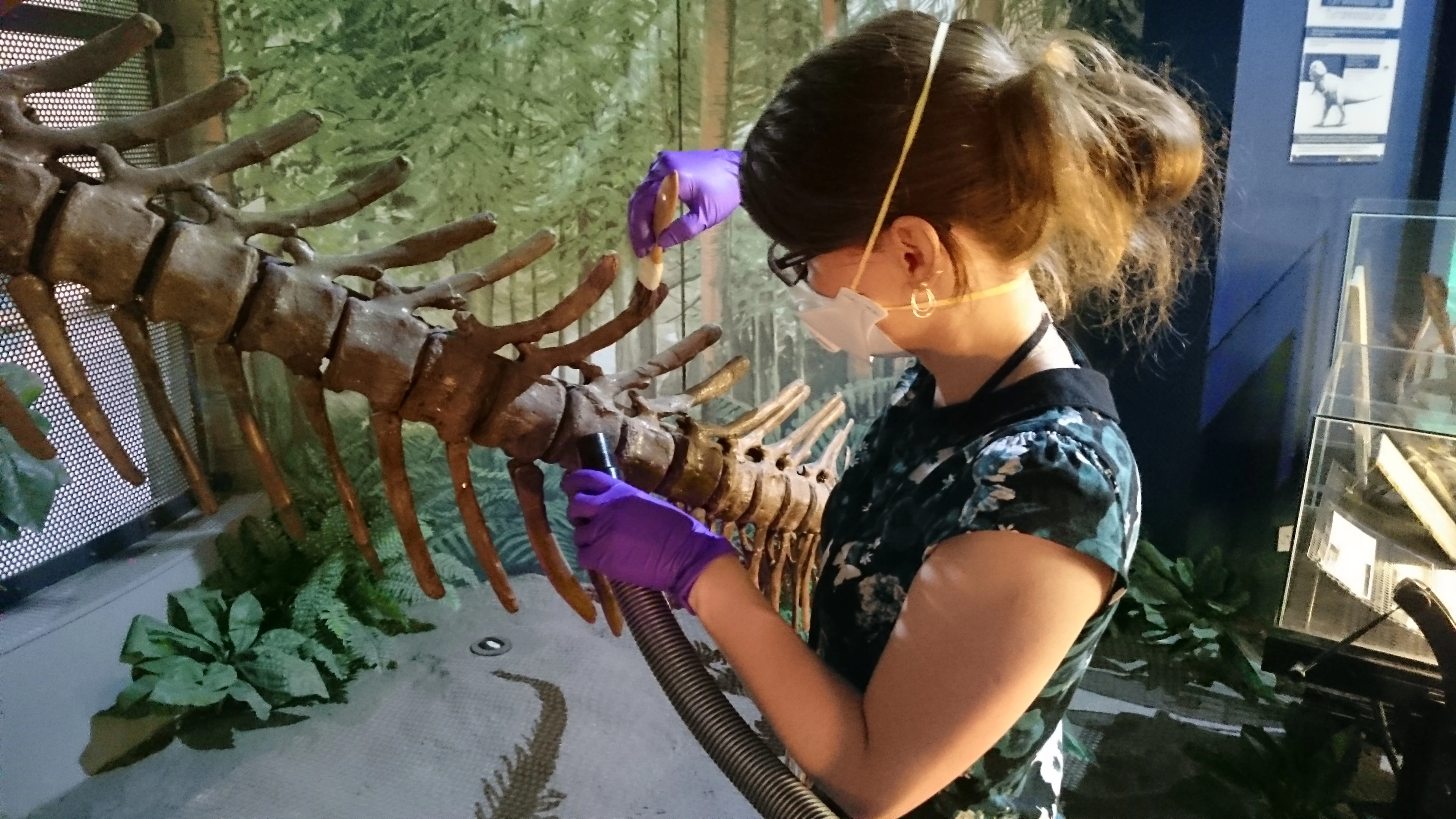
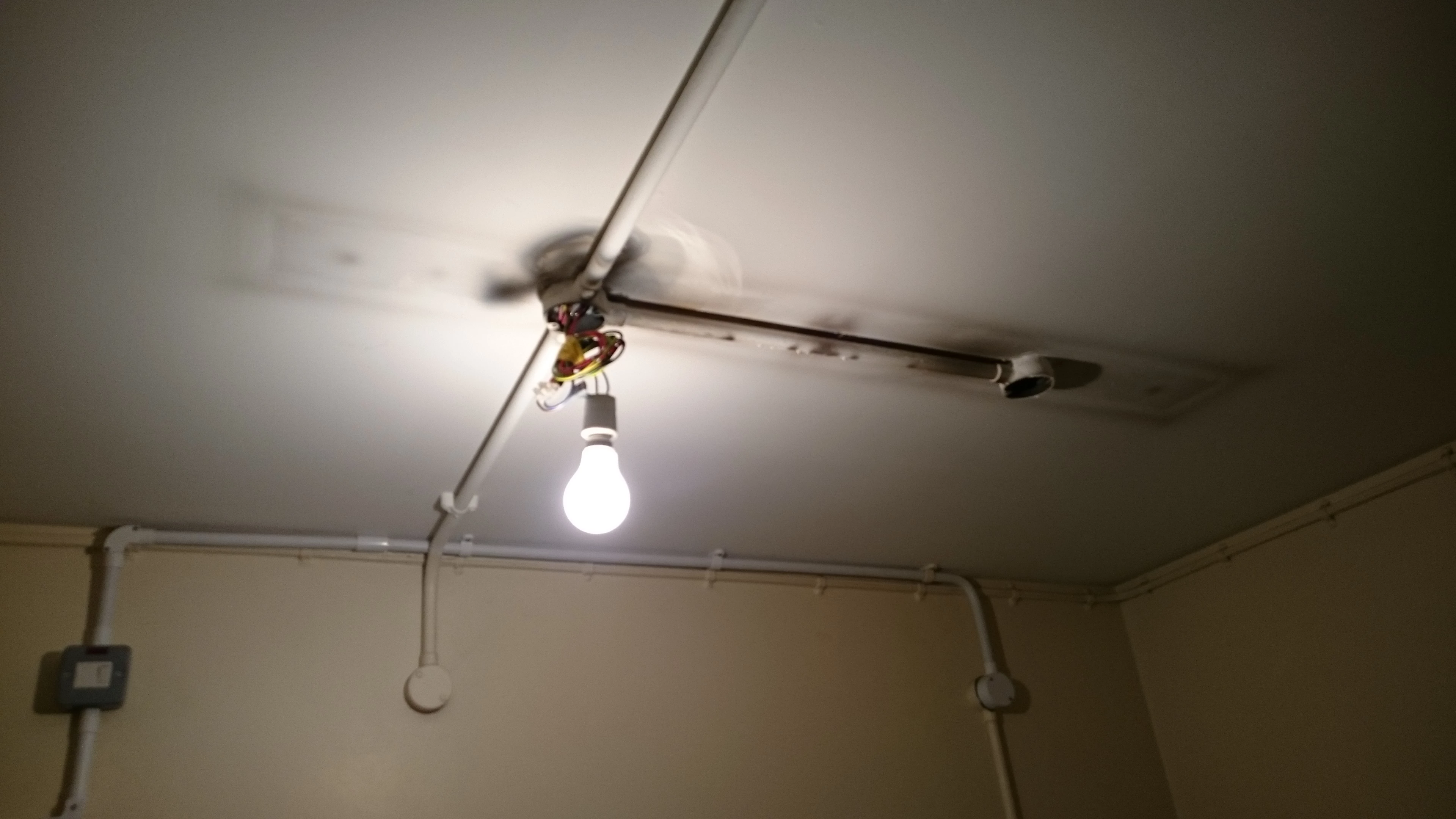
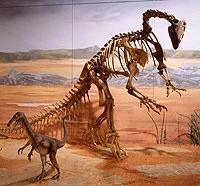
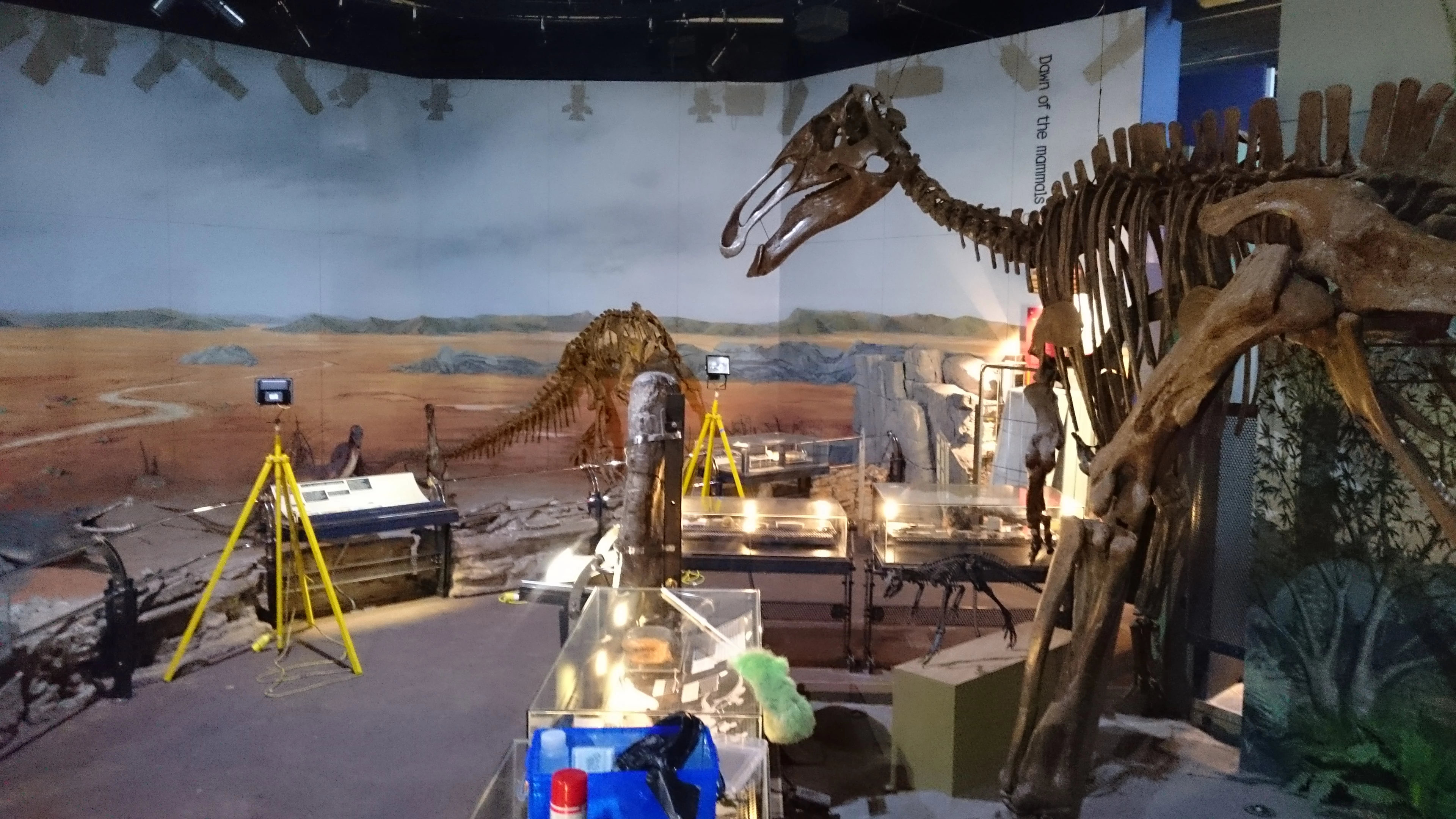
Our Geology galleries at National Museum Cardiff are still closed for essential maintenance. We are changing things around a bit – out with the old and in with the new: we are changing old display screens for new ones; old light bulbs for new ones; old fire beams new ones; old dust – well, for no dust at all. Yes, the dinosaurs are having their vertebrae tickled to release some of the dust of the centuries and keep them looking pretty.

Actually, if you have been to see the dinosaurs recently there is a good chance you have left some of yourself on them. Dust in our galleries is composed of tiny particles that come into the building through our ventilation system (although we have very good air filtration). Other dust particles are fibres from the clothes you wear. But the bulk of dust is, actually – well, there is no easy way of saying this: bits of YOU. Especially hair and skin.

Humans are living beings whose bodies renew themselves constantly. Our skin is our largest organ. New cells are formed constantly at the base layer of the epidermis (the outer part of the skin). These new cells move up through the layers of the epidermis and die as they are further away from blood vessels that supply nutrients. Eventually they reach the corneum, the outermost layer, and slough off.

We love having you in the museum (actually, next time you visit why don’t you bring a friend who hasn’t been for a while). But if you shed your skin while you are in the museum you are inevitably leaving a small part of your body in the building. Nice.

These particles are tiny and very light. They will happily settle on surfaces. Our dinosaurs (and, of course, all other displays) provide ideal surfaces for dust to settle. And no, dust bunnies do not evolve into dust rhinos – so there is no need to set up protective zones to save these cute little things.

Dust will form a layer on objects, which, contrary to popular opinion by people who dislike cleaning, is not protective. On the contrary: dust attracts moisture from the air and then becomes very reactive, which can lead to corrosion and other forms of damage to our objects. This is not only unsightly but can result in expensive conservation treatments or even irreparable damage.

We’re in the business of heritage preservation for the long-term. We want to help keep all of the important national collections for generations to come. This includes removing your dead skin cells from the dinosaur skeletons while we have the space to work in the gallery.

And no, we would not get rid of our vacuum cleaner because it is only collecting dust.

Our Geology galleries are going to re-open on Tuesday 5th July.

Find out more about care of collections at Amgueddfa Cymru - National Museum Wales here.

How many dinosaurs does it take to change a light bulb?

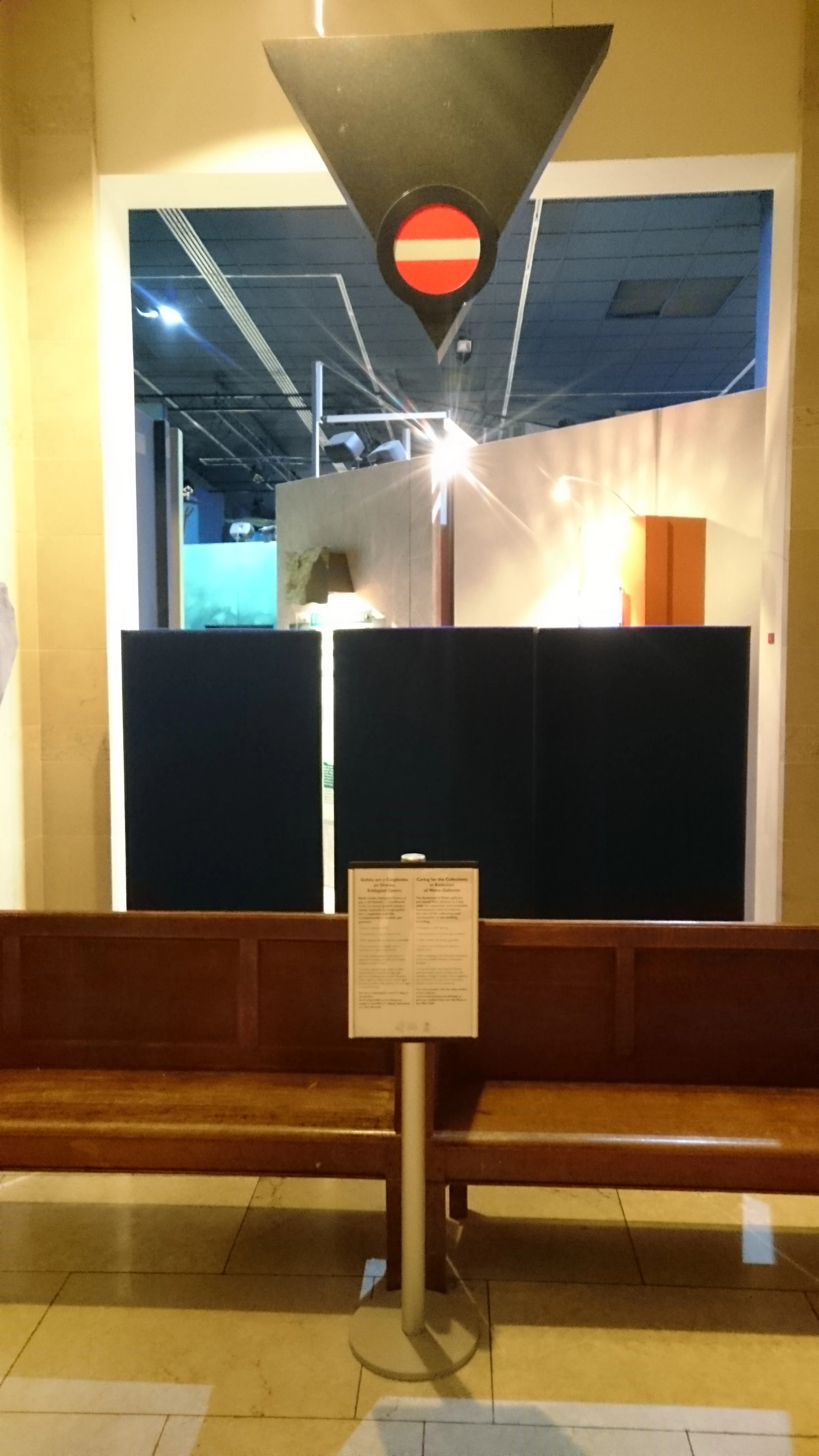
Next week our dinosaurs will go to sleep for two weeks. The Geology exhibition will close for “essential maintenance” – you will have seen similar signs in other places. In our case “essential maintenance” does not mean that the dinosaurs’ toilet is blocked (now we do have coprolites on display but they are well and truly fossilised). But if you thought all the light bulbs were blown and we have to fit new ones you wouldn’t be far off. Except that we never did have any black holes in our galleries – no need to bring miners’ lamps which are absolutely reserved for Big Pit.

What we are going to do does indeed involve changing light bulbs. We need light in order to see, and without light we would not be able to appreciate most objects in museums. Light, however, can damage many types of objects. You may have noticed at home that old photographs fade, as do organic inks and pigments on prints and paintings. Leave a newspaper out on the window sill for a few days and it will have yellowed.

In the museum, where we preserve objects for posterity, the damage done by light can be a major problem. Any such damage is irreversible and cannot be repaired by our best conservators. Ultraviolet (UV) radiation is particularly damaging. How long do you think museum objects should last? As part of our collections care, we plan lighting in galleries carefully to leave colours bright and vivid for as long as possible.

The new lighting systems we are fitting this month at National Museum Cardiff will be more energy efficient. In addition, the new lights will be of better quality which means you will see objects more vibrantly yet safely, without causing unnecessary fading. Because the new lights also produce less heat they will make it easier and cheaper to air condition our galleries.

Changing the lights is not all we are going to do – there are a myriad of additional jobs to be done while we have the opportunity. All this takes a little time – between the 20th June and 3rd July. It won’t really be the dinosaurs changing their own lights, of course – there will be technicians, curators and conservators busily climbing ladders and scaffolding.

We do all we can to preserve our national collections and to improve our sustainability. So please bear with us when you see the signs and come back to see the Geology galleries in a new light in early July.

 Find out more about care of collections at Amgueddfa Cymru - National Museum Wales here.
Blaschka Glass Wriggling Away

On Friday Julian Carter, our Natural History conservator, and I travelled to Swansea to retrieve some Blaschka glass models from one of the cases there and replace them with a new display of marine animals and seaweeds you might find living in rocky areas. The Blaschka models had been on display there for several years and we needed some of them for the new Wriggle! exhibition opening at the end of this week (18th June).

The first job was to actually work out how to get into the case itself as it was so long since anyone had opened it no-one was sure how to do so! It was soon worked out though and the models were carefully placed into their protective packaging  for the journey back to Cardiff.  This involved carefully pinning blocks of plastazote and bubble wrap around them in specially created boxes so that they were cushioned against any jolting during transport. They are so intricate when you look at them that it can be quite nerve-wracking when you are not used to handling them, particularly the worms whose long, delicate tentacles look like they might snap off at any moment.  I was however assured that with careful handling most are actually very easy to move. They will be a wonderful addition to Wriggle!

Once they were packed away, it was the turn of the new specimens to be arranged in their place. The specimens were a range of animals that represent rocky habitats both onshore and offshore including crabs, shells, seaweeds, a piece of honeycomb worm reef and even a cup coral, hopefully some species that people will recognize and some they won’t. Some had been specially prepared for use in this display. It’s always interesting putting something like this together, looking through the collections to see what is available and might be suitable and then preparing it for display.

The display did not take long to finish and then we were done and on our way back to Cardiff after a successful day.

For more information about the Blaschka glass models at National Museum Cardiff click here

Why not pop along to the National Waterfront Museum to see the new display.

Caring for the Evolution of Wales galleries

Between 20 June and 4 July, our popular Evolution of Wales galleries will be closed while we undertake some essential maintenance work.

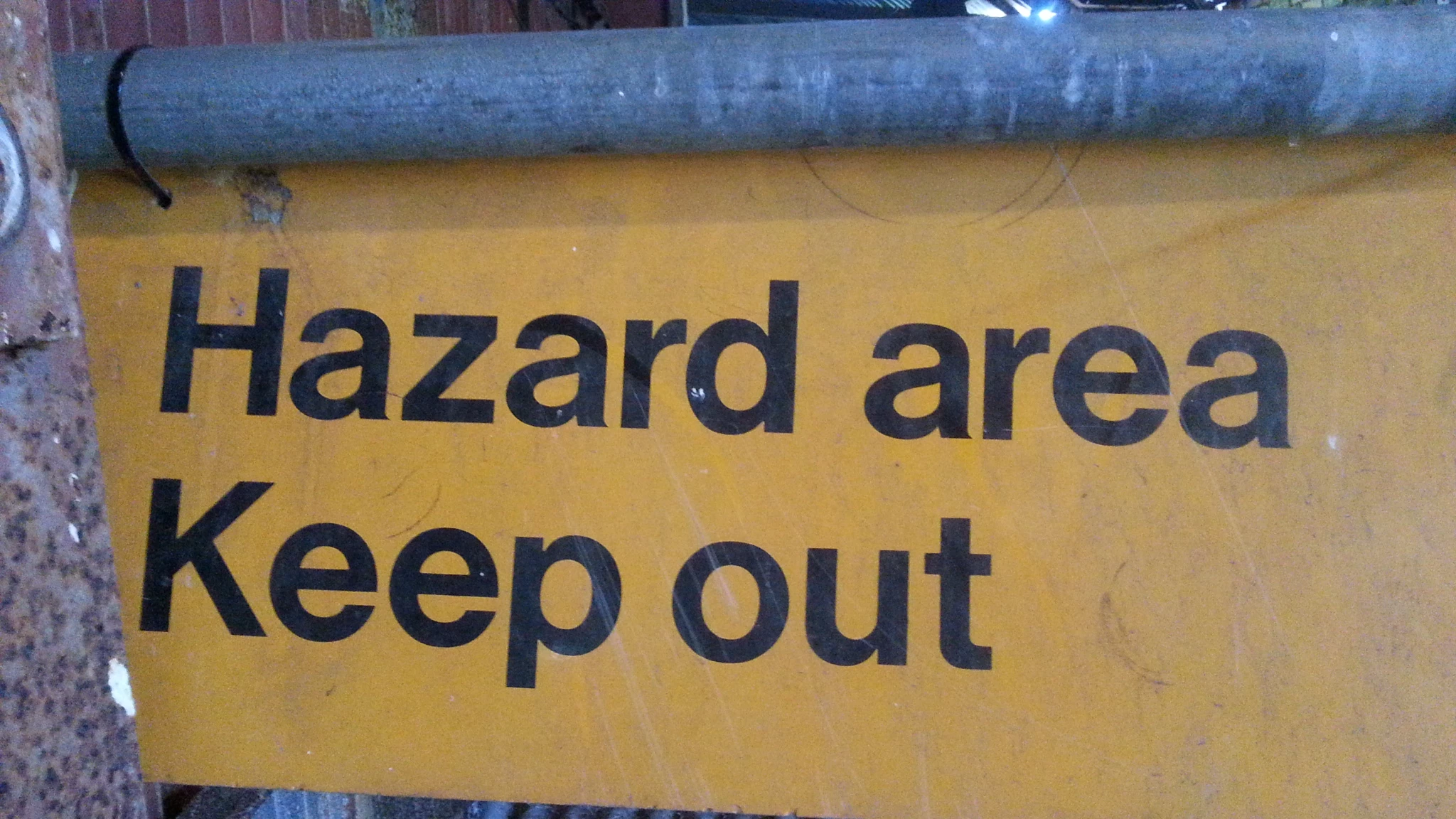
For these two weeks, visitors will not be able to access areas showing the introduction, Big Bang, Carboniferous forest, dinosaurs, mammoth or the Ice Age animals. Other galleries remain open during this time, including the Diversity of Life gallery (with lots of birds), the mineral collection and all the natural history galleries with the British woodland scene, basking shark, hump back whale skeleton and our new exhibition Wriggle! The art galleries upstairs are also open, unaffected by the maintenance work.

The work covers improved care of the collections and sustainability of the building, including:

  1. Changing the gallery lighting to LED, to reduce electricity consumption, our carbon footprint and costs. LED lighting gives off less heat than conventional lighting so the air conditioning system will work better - it’s better for the items on display, because keeping a stable temperature helps maintain the condition of the objects. LED lighting also reduces future maintenance costs, and changes to the lighting will make the galleries brighter in some places.
  2. Improvements to the fire alarm system so it's better for the collections, the building, staff and visitors.
  3. Upgrading video screens from CRT to HD LCD with touch button interactive controls. This will improve video content delivery, reduce maintenance costs and provide a contemporary aesthetic to the gallery, making units more streamlined.
  4. While the galleries are closed curators will be able to secure some of the items that have become loose in the cases, thus improving their long-term care. They will also clean the displays thus reducing the risk of potential pest infestations – pest management is vital to the care of museum collections.
  5. Finally, installation of the new life-sized recreation of the new Welsh dinosaur, Dracoraptor hanigani as part of the dinosaur display.

Diatom diversity of the Falkland Islands

Since 2011 Museum scientists have been part of an international team helping to fill the gap in our knowledge of the diversity of Lower Plants (mosses, fungi and algae) in the Falkland Islands. To date, work has been principally on the mosses and lichens of this environmentally sensitive British dependency. In 2015, Dr Ingrid Jüttner, Principal Curator Botany, was awarded a Shackleton Scholarship to visit the Falkland Islands to study the biodiversity of freshwater diatoms.

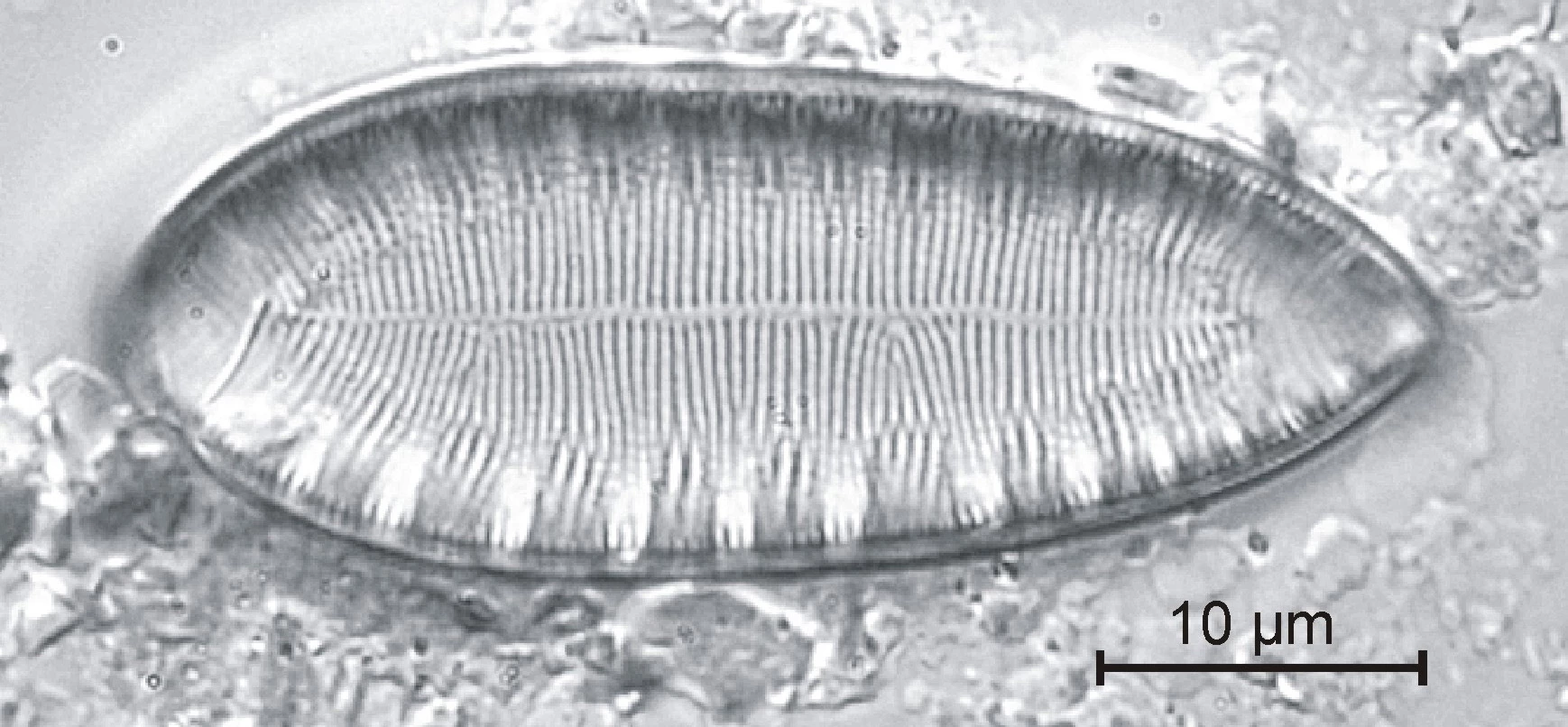
Diatoms are microscopic algae which are found worldwide in all types of aquatic habitats. Their silica cell walls make them relatively easy to collect and study and hence they are much used in studies of water quality and environmental history.

There are only few studies on diatoms from the Falkland Islands. The current research aims to provide a checklist of common species and document them photographically. A collaboration with Dr Roger Flower, University College London, Environmental Change Research Centre, who conducted several studies on Falkland diatoms, and with Prof. Bart Van de Vijver, Botanic Garden Meise, Belgium, who is an expert on freshwater diatoms from (sub-) Antarctic islands, will allow us to compile the most important species and to compare the diatom flora of the Falkland Islands to those from other South Atlantic and (sub-) Antarctic locations.

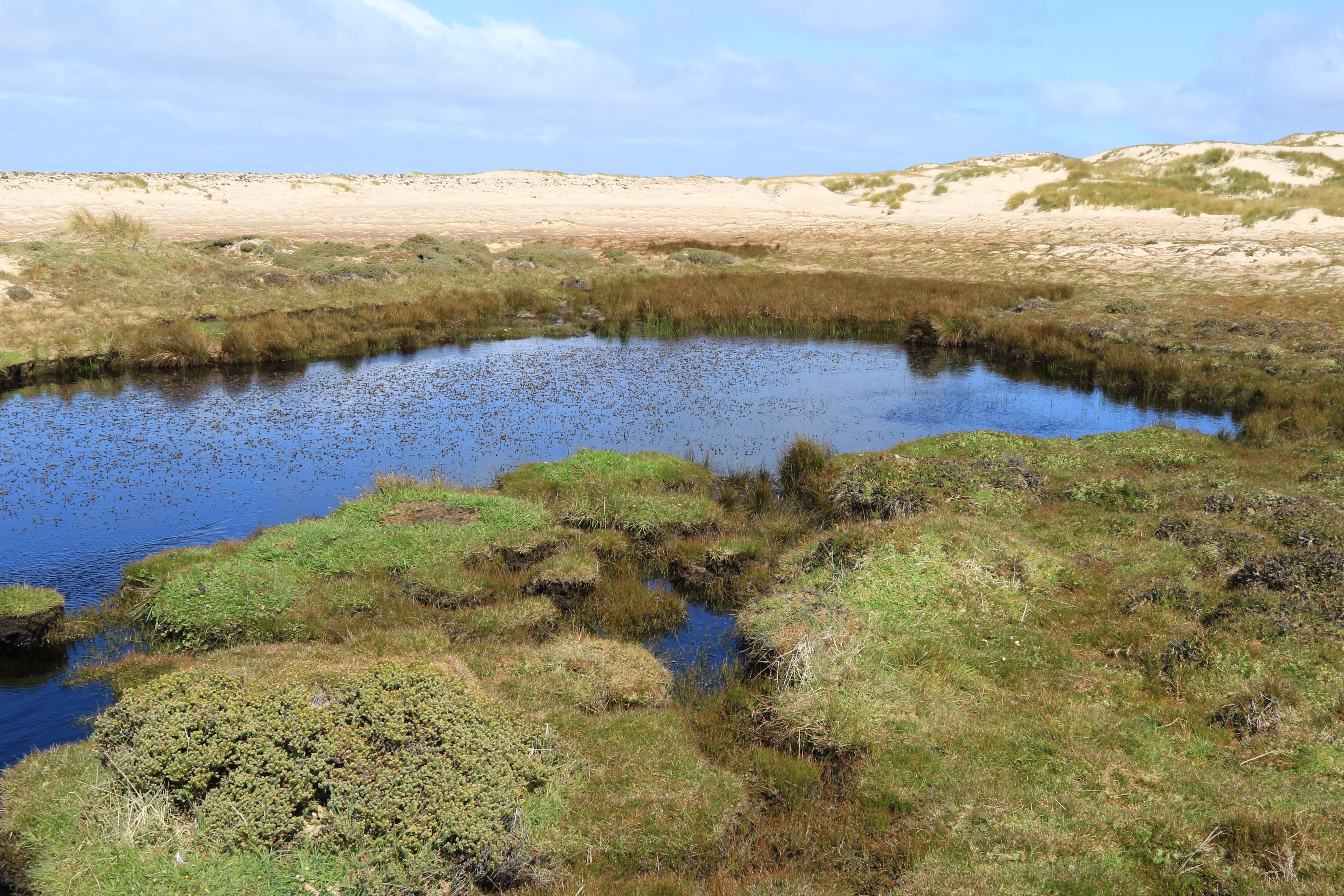
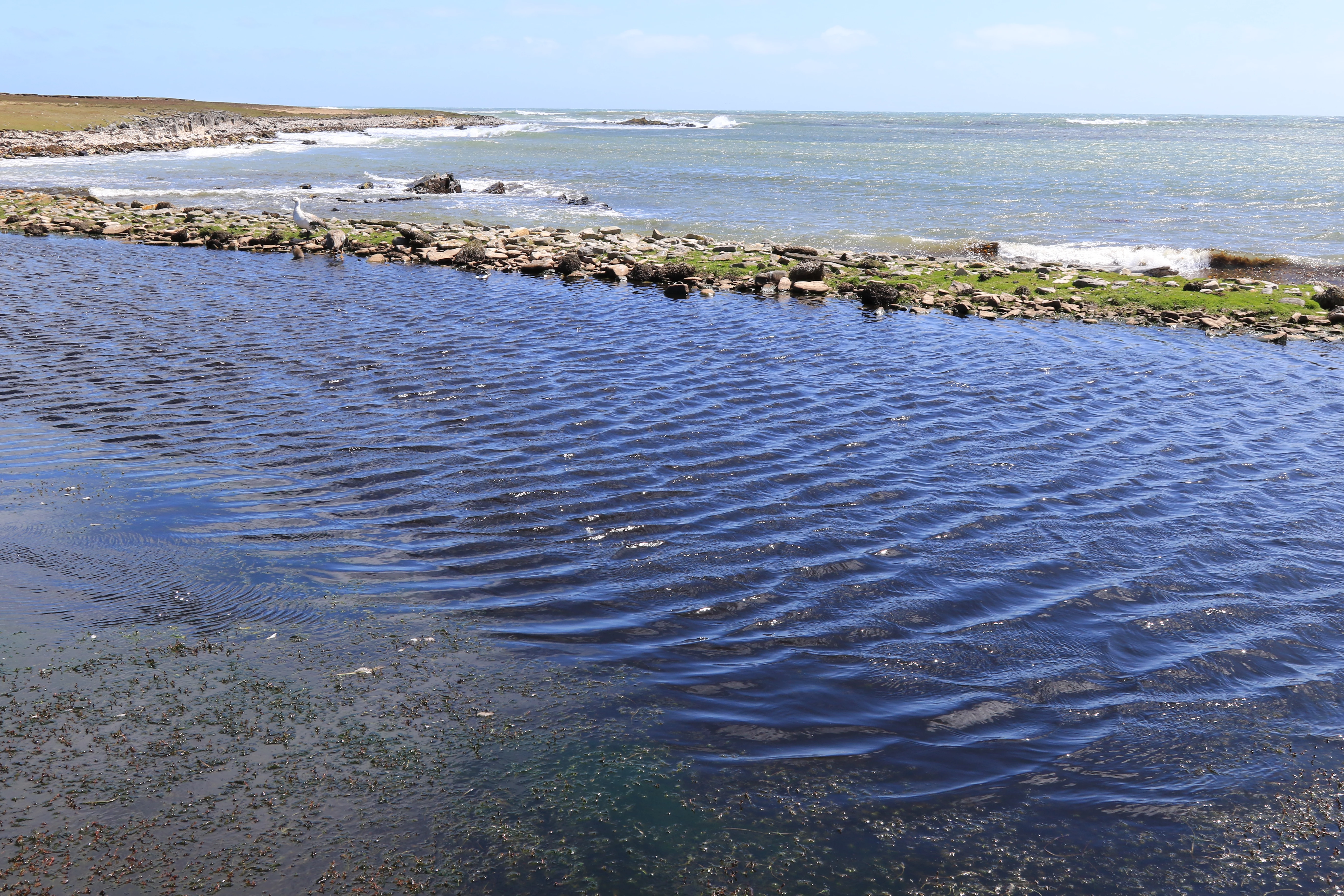
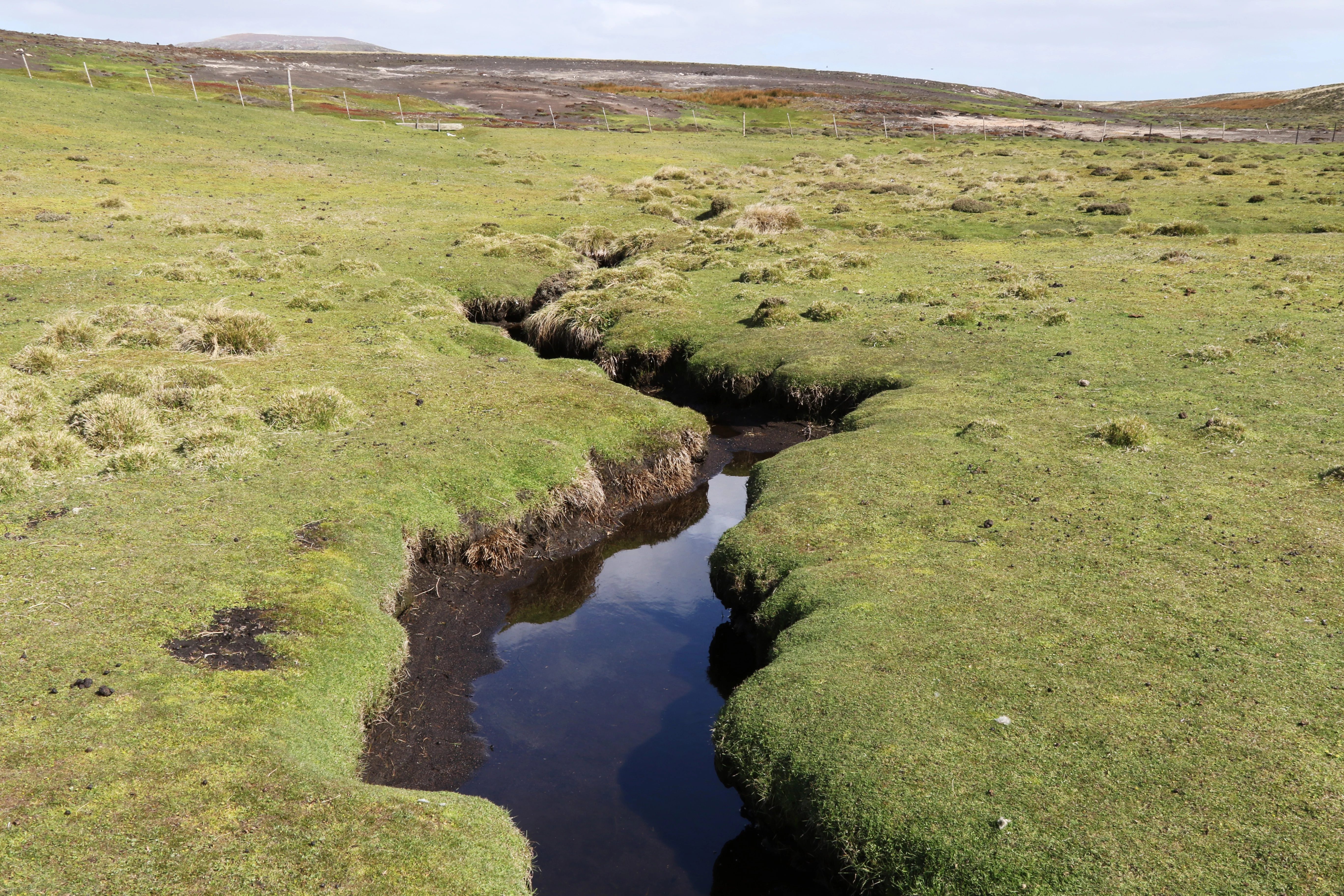
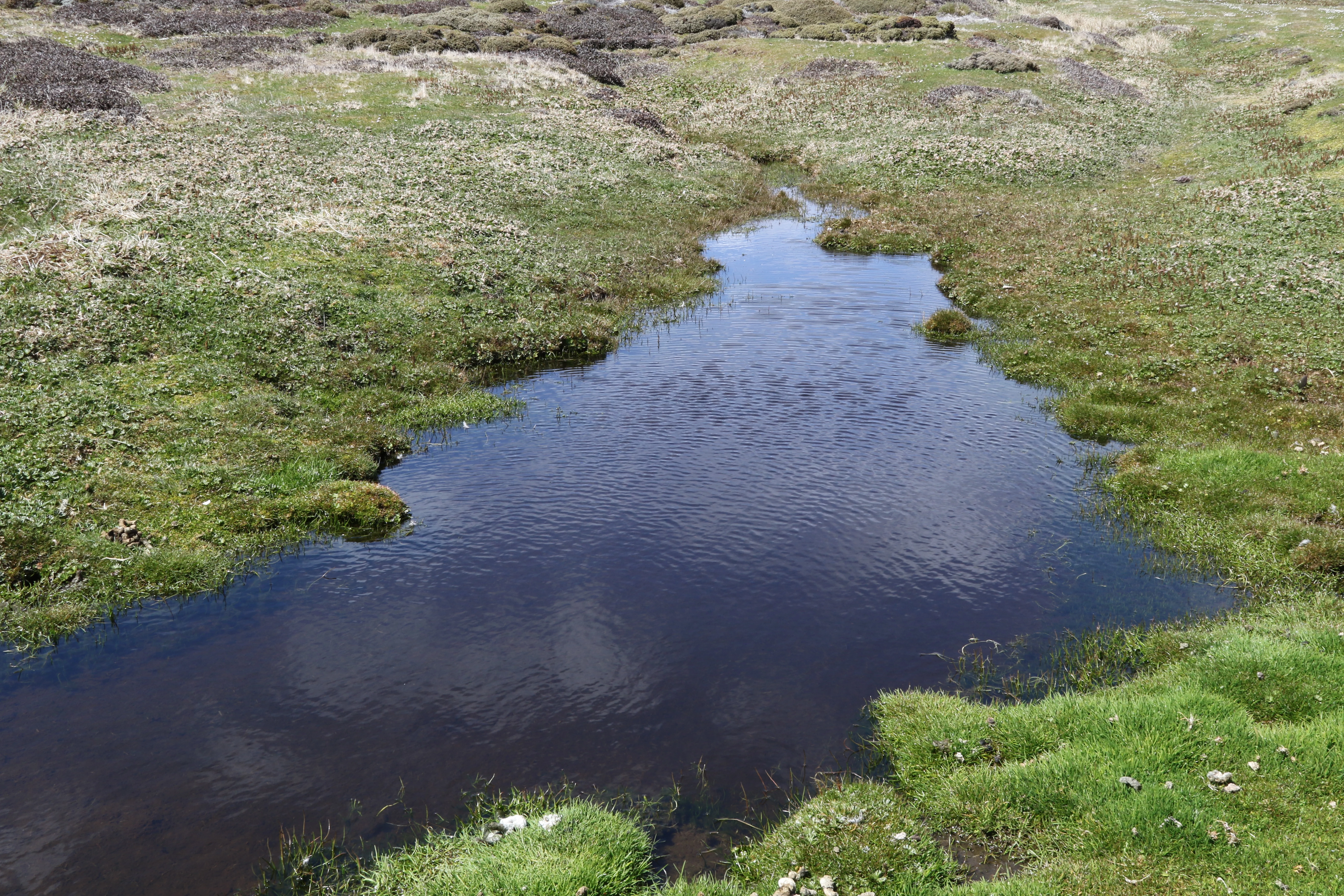
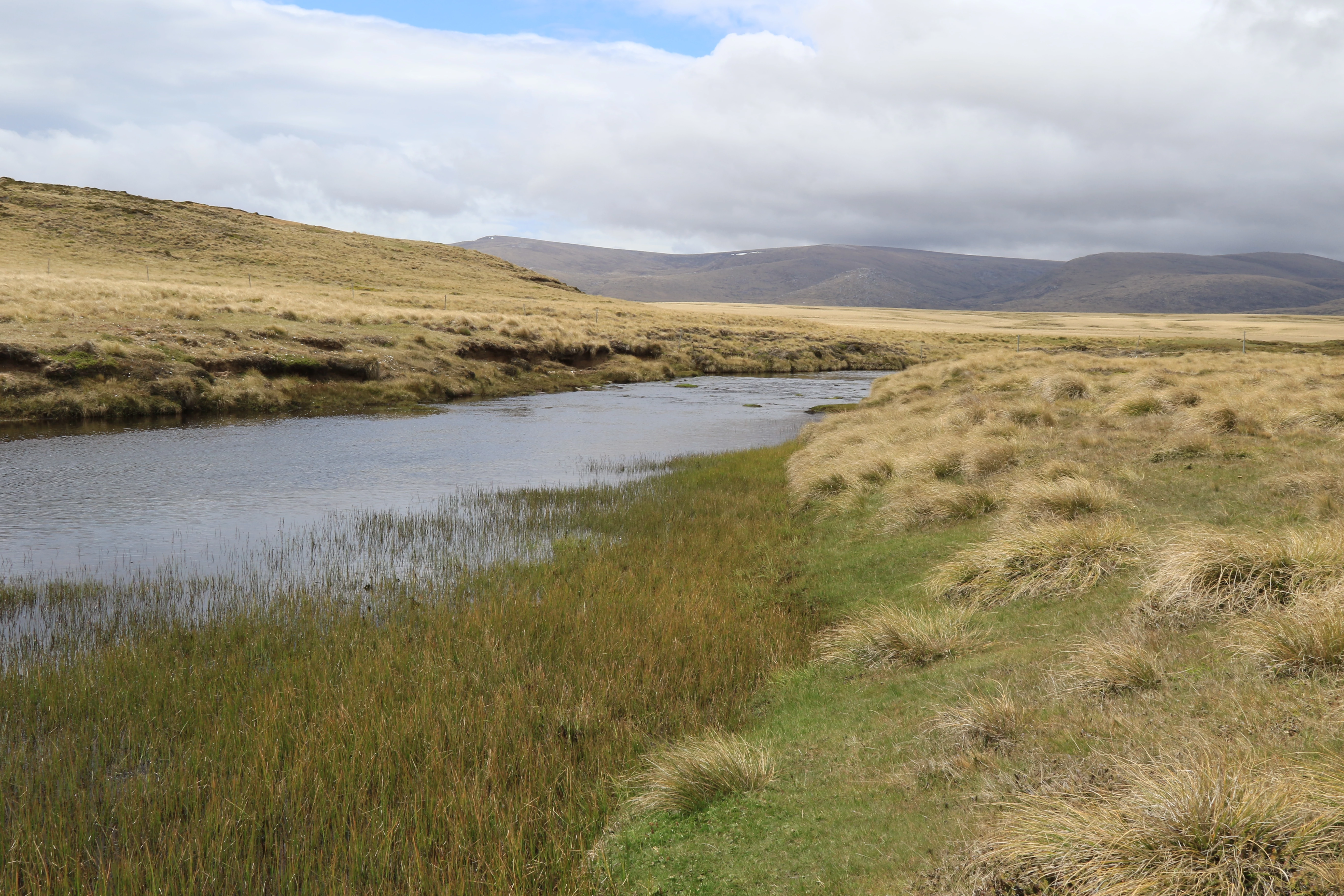
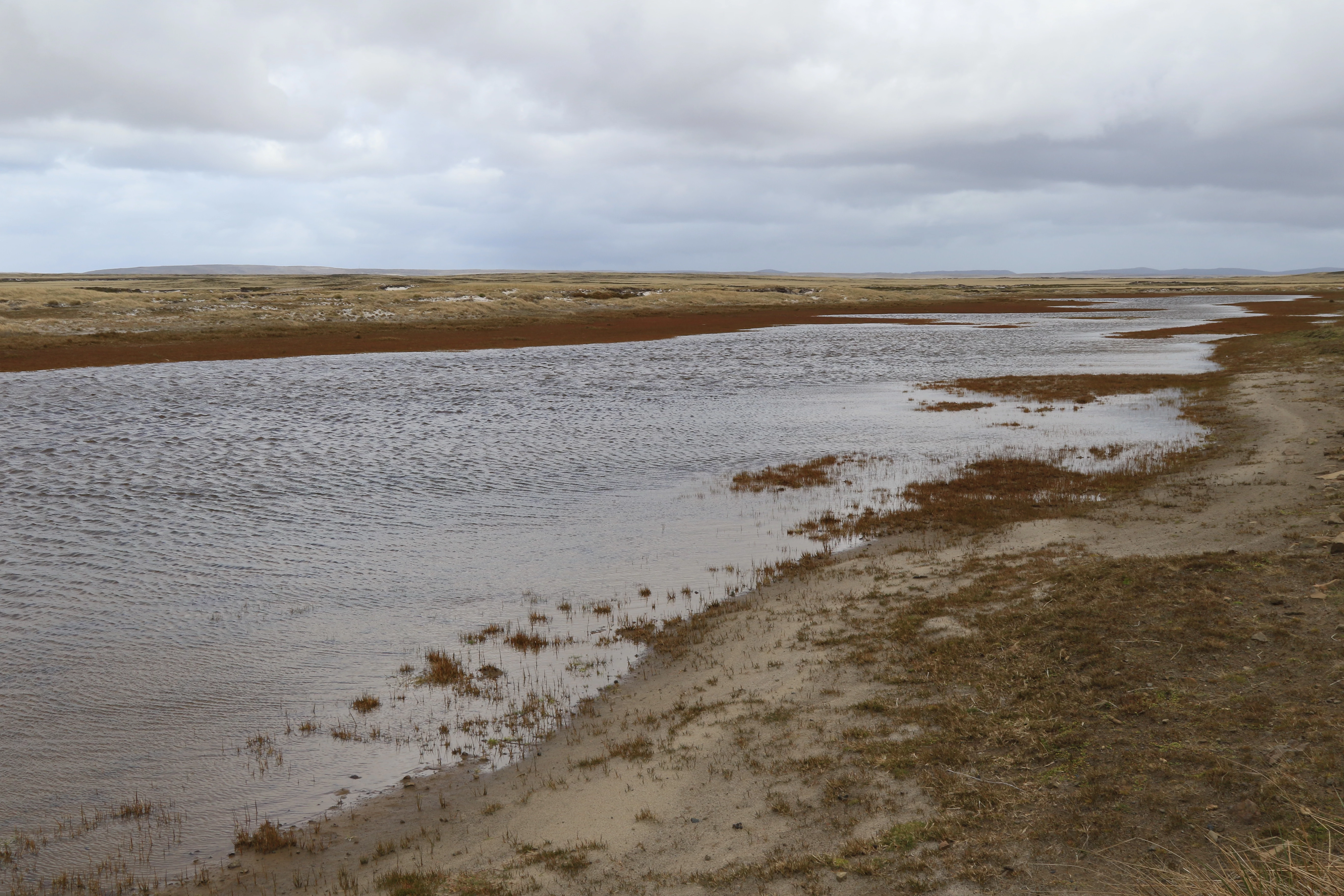
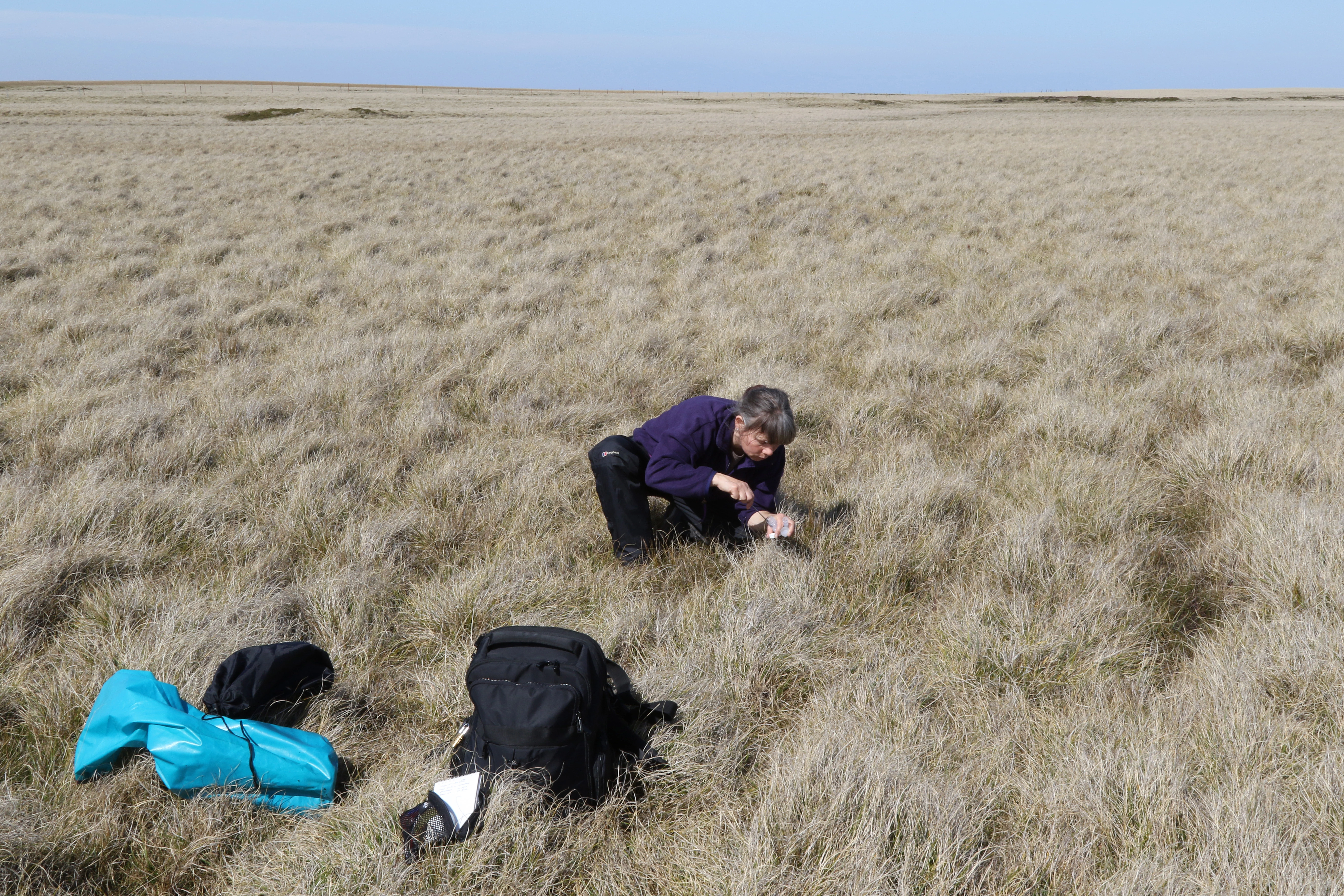
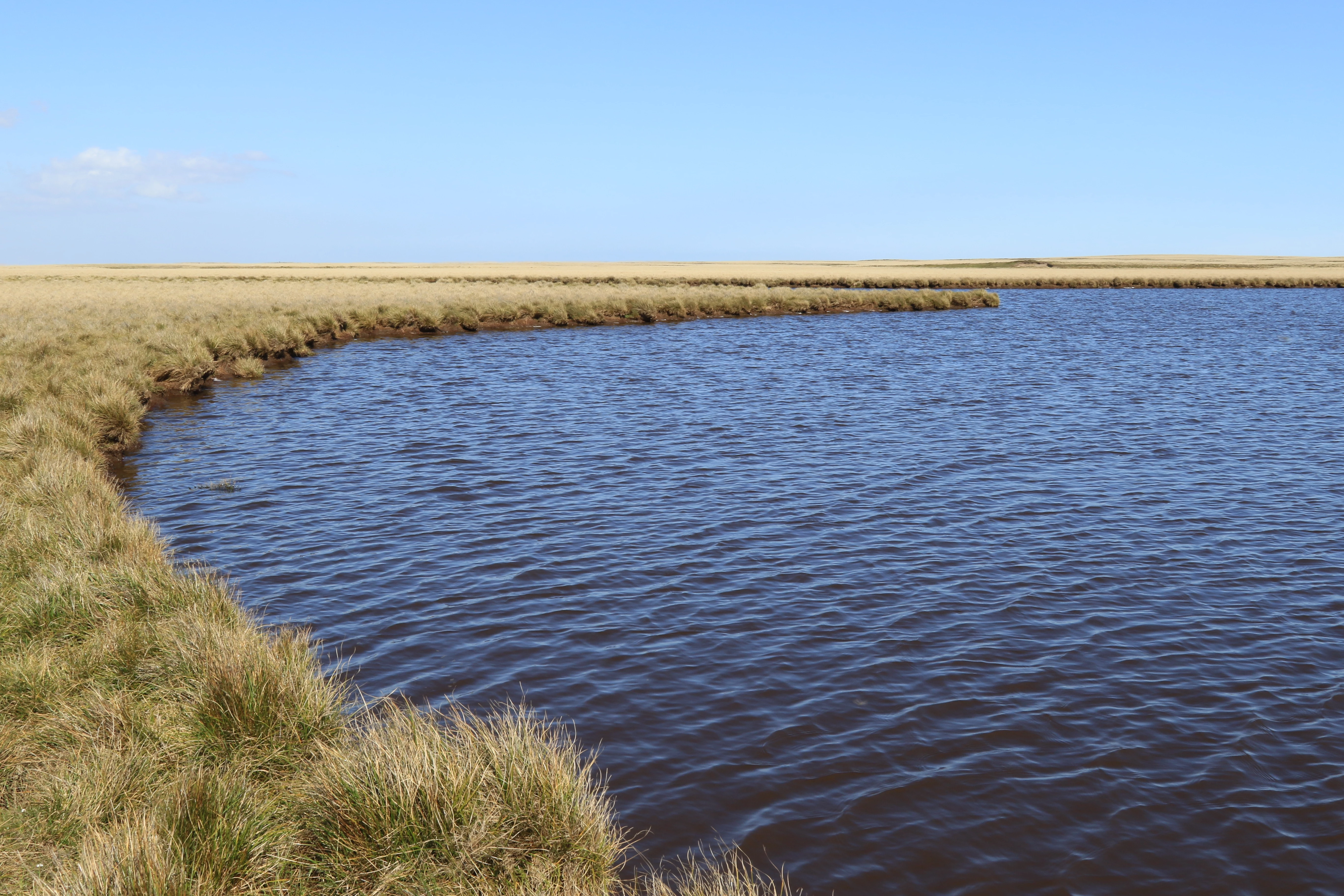
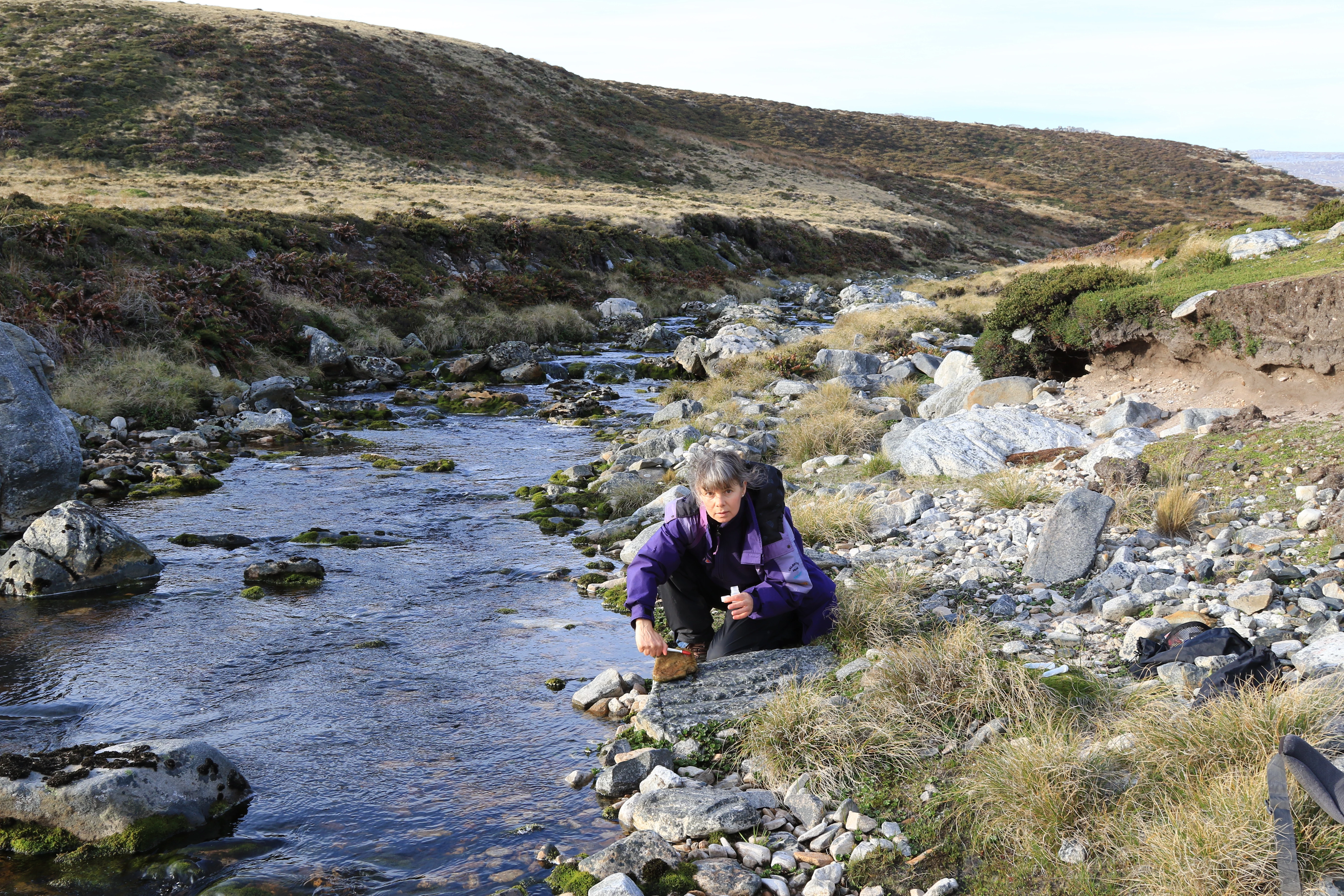
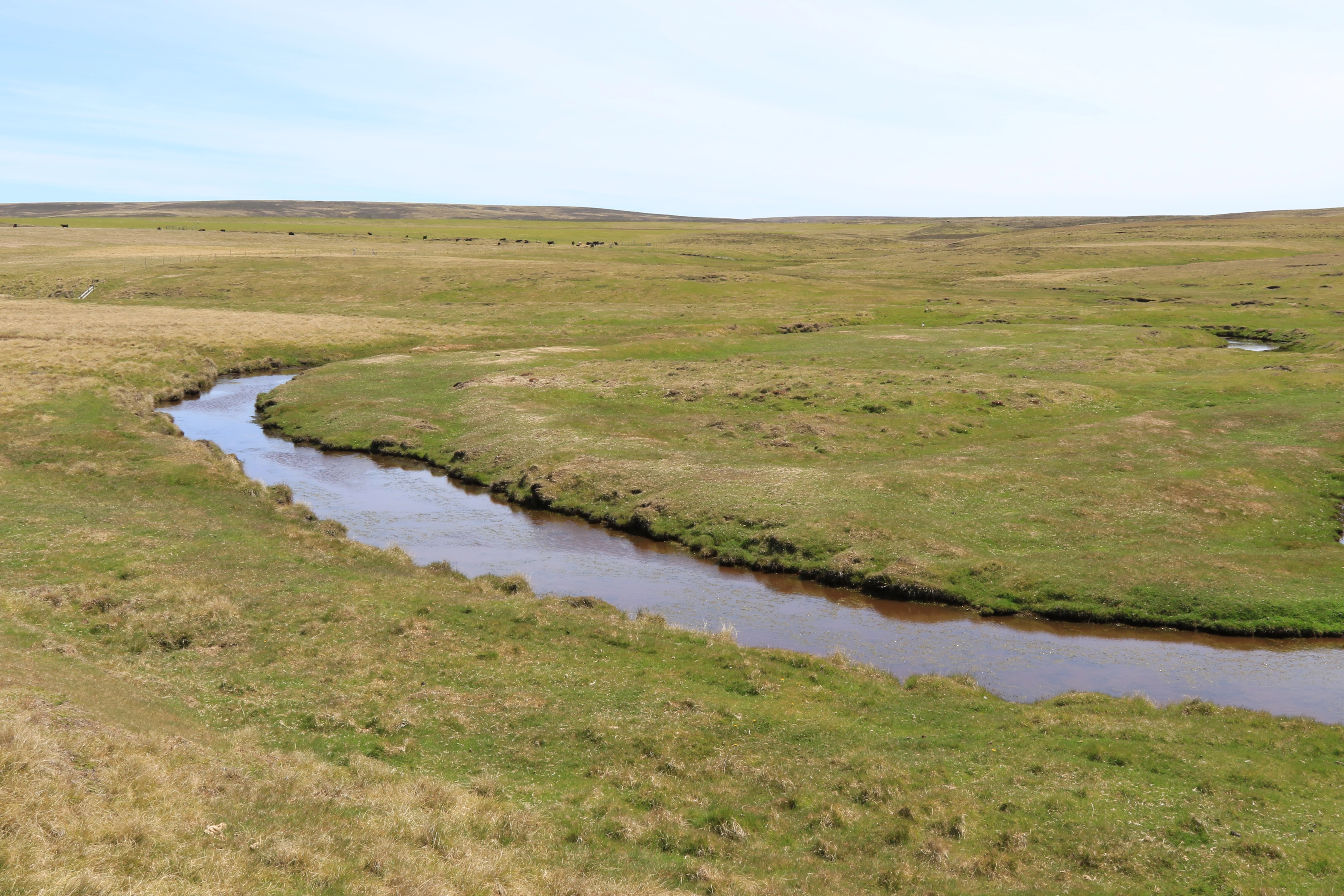
The field work took place in November 2015. Collections of diatoms were made from a range of freshwater habitats on East Falkland, West Falkland and Pebble Island. Samples were taken from ponds, streams, springs and damp terrestrial habitats. Care was taken to collect from a good range of substratum types to allow the study of the different algal communities which can vary considerably between microhabitats.

I stayed on Pebble Island for three days and had opportunities to explore both the western and eastern parts of the island. I collected from sites impacted by agriculture within the vicinity of farmland but also from remote sites away from human activities. The sites were varied and included ponds near the seashore that would receive sea spray, ponds in sand dunes and others which were certainly frequented by upland geese and other birds including penguins and therefore rich in nutrients.

In the western area of the island I took samples from various types of springs, such as a spring with stagnant water (known technically as a limnocrene), a flowing spring (rheocrene), a captured spring supplying drinking water to the Pebble Island settlement, several seepage areas and a stream.

It is difficult to move further afield on the island because there are no roads. However, the very friendly and supportive staff of the farm took me out in their four-wheel drive to reach the remotest corners of the island.

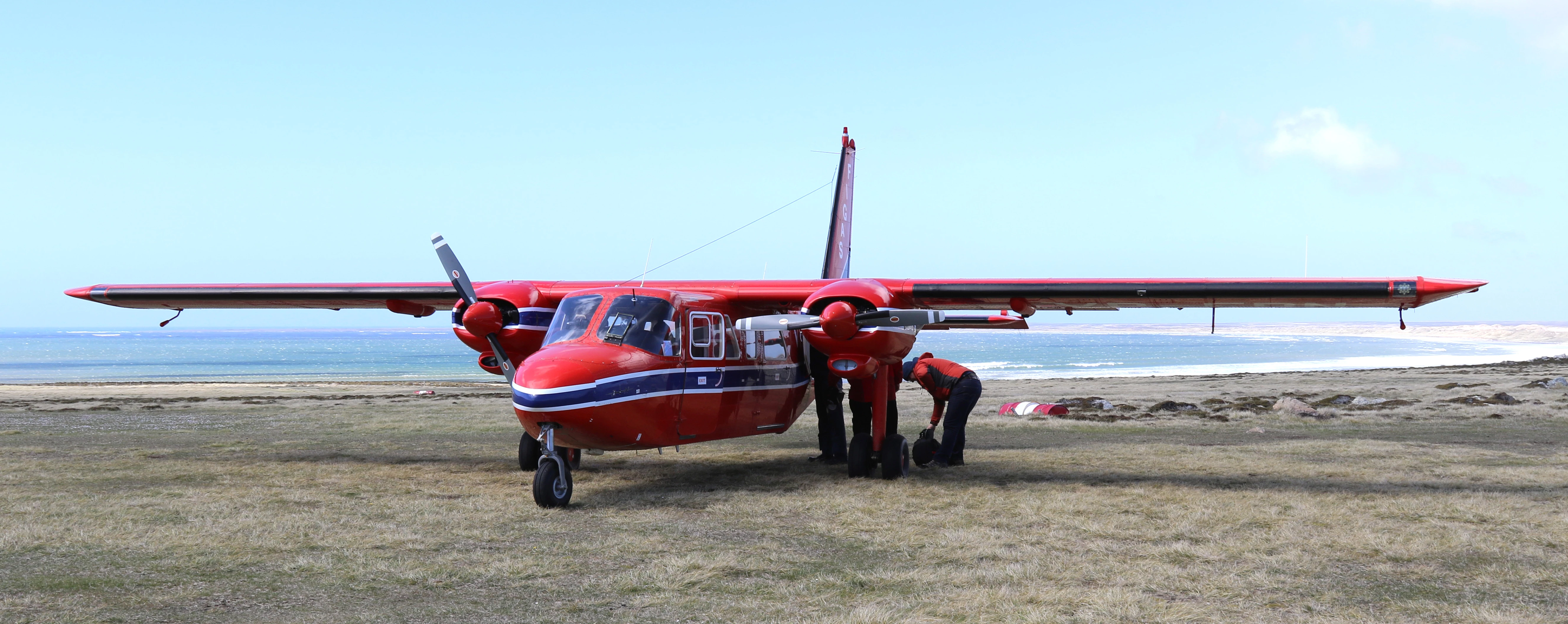
I then flew to West Falkland in a small aircraft. These planes are vital for transport between the different islands of the archipelago and supply the small settlements and remote farms with food and other essentials.

On West Falkland I stayed at Port Howard and explored the area in the vicinity for one day collecting from various ponds and streams. On the second day my host took me on a trip along the road to Chartres which further leads to the area around Fox Bay, providing me with ample opportunities to sample including at the Patricia Luxton Nature Reserve and in the Lakelands area.

On my return to East Falkland I visited three contrasting areas: Lafonia, a large low-lying area in the south-west which has plenty of ponds, lakes, small streams and marshy terrestrial habitats in the Cortaderia (White Grass) grassland; the Cortaderia grassland and Empetrum rubrum (Diddle-dee) plain near Volunteer Point north-east of Stanley and a more agricultural area north of Mount Kent, near Hope Cottage Farm, and along the road between Douglas Station and Salvador.

On the journeys to some of the areas I also collected from rivers draining the central mountain ridge, although higher areas in the mountains were not collected during this visit due to a lack of time.

I am currently processing the diatom samples in the laboratory, and the entire collection of Falkland diatom samples held at the National Museum of Wales (including samples taken by a colleague during earlier visits to the Falkland Islands) has been entered on our diatom database. Imaging and taxonomic investigations will commence soon and a visit to the Botanic Garden Meise, Belgium, to collaborate with Prof. Bart Van de Vijver is scheduled for the beginning of September.

Thank you to David Tatham, Chairman of the Shackleton Scholarship Fund, and other members for awarding me the scholarship; thank you to Nick Rendell, Falkland Islands Government, and to Dr Paul Brickle, Director of South Atlantic Environmental Research Institute (SAERI) for the research licence and support. Many thanks to all the landowners who freely granted access to their land.