Neges y Nodwydd – Baner y Cardiff & District Women’s Suffrage Society Elen Phillips, 8 Mawrth 2017 Heddiw – 8 Mawrth – mae amgueddfeydd ac archifdai ledled Cymru yn dathlu Diwrnod Rhyngwladol y Menywod. #BeBoldForChange yw’r thema eleni – neges amserol, gwta chwe wythnos wedi’r orymdaith fawr yn Washington DC a thu hwnt. Yn y blog hwn, mi fydda i’n trafod gwrthrych o’r casgliad sy’n amlygu ysbryd debyg ar waith yn 1911-13 – sef baner a ddefnyddiwyd gan y Cardiff & District Women’s Suffrage Society i fynnu’r bleidlais i fenywod.Dull di-draisEr mai hynt a helynt y swffragetiaid oedd yn hawlio sylw’r wasg, roedd mwy o lawer o ‘suffragists’ yn bodoli yng Nghymru. Roedd y ‘suffragists’ yn credu mewn gweithredu heddychlon a newid y drefn drwy ddulliau cyfansoddiadol. Yn eu plith, roedd aelodau’r Cardiff & District Women’s Suffrage Society. Hon oedd y gangen fwyaf o’r National Union of Women's Suffrage Societies tu allan i Lundain. Rose Mabel Lewis (Greenmeadow, Tongwynlais) oedd wrth y llyw yng Nghaerdydd – neu Mrs Henry Lewis fel y cyfeirir ati yn nogfennaeth yr Amgueddfa! Yn gyffredinol, roedd aelodau blaenllaw'r gangen yn fenywod dosbarth canol a oedd yn adnabyddus o fewn mudiadau a chylchoedd cymdeithasol y ddinas. I godi ymwybyddiaeth o’u hachos ac i lenwi coffrau’r gangen, roedden nhw’n cynnal digwyddiadau ac yn gwerthu copïau o gylchgrawn y mudiad, The Common Cause. Mae adroddiad blynyddol y gangen ar gyfer 1911-12 yn rhestru gweithgareddau di-ri, yn eu plith dawns gwisg ffansi, gyrfa chwist a ffair sborion. Yn y flwyddyn honno, dyblodd nifer aelodau’r gangen i 920.Crefft ymgyrchuRose Mabel Lewis bwythodd y faner sidan sydd bellach yng nghasgliad yr Amgueddfa – enghraifft bwerus o rym y nodwydd fel arf i ledaenu neges ac i fynegi barn. Er nad ydym yn gwybod union ddyddiad y faner, rydym yn sicr iddi gael ei defnyddio mewn protest yn 1911. Ar 17 Mehefin y flwyddyn honno, arweiniodd Rose Mabel fenywod de Cymru yn y Women’s Coronation Procession yn Llundain. Mae dogfennau derbynodi’r faner yn cynnwys nodyn o eglurhad gan un o gyn-aelodau’r gangen:The banner was worked by Mrs Henry Lewis… [she] was also President of the South Wales Federation of Women’s Suffrage Societies + she led the S. Wales section of the great Suffrage Procession in London on June 17th 1911, walking in front of her own beautiful banner… It was a great occasion, some 40,000 to 50,000 men + women taking part in the walk from Whitehall through Pall Mall, St James’s Street + Piccadilly to the Albert Hall. The dragon attracted much attention – “Here comes the Devil” was the greeting of one group of on lookers”. Roedd baneri fel hyn yn rhan ganolog o ddiwylliant gweledol y mudiad pleidlais i fenywod, ac mae nifer ohonynt i'w canfod mewn amgueddfeydd ac archifdai, gan gynnwys Casgliadau Arbennig ac Archifau Prifysgol Caerdydd. Roedd trefnwyr gorymdaith fawr 1911 yn disgwyl dros 900 o faneri ar y dydd!Dwy flynedd yn ddiweddarach, yng Ngorffennaf 1913, gwelwyd y faner ar strydoedd Caerdydd fel rhan o orymdaith yn y brifddinas i nodi’r Bererindod Fawr i Lundain (the Great Suffrage Pilgrimage). Mae casgliad yr Amgueddfa yn cynnwys lluniau anhygoel o Rose Mabel Lewis, ac aelodau eraill y gangen, wedi ymgynnull gyda’r faner tu allan i Neuadd y Ddinas ym Marc Cathays. Yn ôl adroddiad blynyddol 1913-14, roedd rhai o’r aelodau yn betrusgar ynglyn â’r orymdaith, ond wedi eu bywiogi ar ôl derbyn ymateb ffafriol ar y dydd:It was with misgivings that some members agreed to take part in the procession, but afterwards their enthusiasm aroused and the desire to do something more in the future. The march was useful in drawing the attention of many people to the existance of our society. Creu Hanes a’r canmlwyddiant Yn 2018, bydd y faner i’w gweld yng Nghaerdydd unwaith eto – nid mewn rali y tro hwn, ond ymhlith llwyth o wrthrychau arwyddocaol yn ein hanes cenedlaethol fydd i’w canfod mewn oriel newydd yma yn yr Amgueddfa Werin – penllanw ein prosiect ail-ddatblygu, Creu Hanes. Cyd-ddigwyddiad amserol gan fod 2018 yn nodi canmlwyddiant Deddf Cynrychiolaeth y Bobl 1918. Hyd y gwn i, nid yw'r faner wedi bod ar arddangos ers iddi gael ei rhoi i'r casgliad yn 1950 gan y Cardiff Women Citizens' Association. Ar y pryd, ysgrifennodd drysorydd y gymdeithas honno lythyr at Dr Iorwerth Peate yn mynegi eu balchder fod y faner bellach ar gof a chadw yn Sain Ffagan:A cordial vote of thanks was accorded to you for realising how much the Suffrage Cause meant to women and for granting a memorial of it in the shape of the banner to remain in the Museum.Elen Phillips @StFagansTextile Ffynonellau cynradd:National Union of Women's Suffrage Societies: Cardiff & District Annual Report, 1911-12 (Amgueddfa Werin Cymru).National Union of Women's Suffrage Societies: Cardiff & District Annual Report, 1913-14 (Amgueddfa Werin Cymru).Dogfennau derbynodi 50.118 (Amgueddfa Werin Cymru).Ffynonellau eilradd:Kay Cook a Neil Evans, 'The Petty Antics of the Bell-Ringing Boisterous Band'? The Women's Suffrage Movement in Wales, 1890 - 1918' yn Angela V. John (gol.), Our Mothers' Land Chapters in Welsh Women's History 1830 - 1939 (Caerdydd: Gwasg Prifysgol Cymru, 1991).Ryland Wallace, The Women's Suffrage Movement in Wales 1866 - 1928 (Caerdydd: Gwasg Prifysgol Cymru, 2009).
Newidiadau ar y gweill ar gyfer y cwricwlwm yng Nghymru Marsli Owen, 6 Mawrth 2017 Mae newidiadau ar y gweill ar gyfer y cwricwlwm yng Nghymru, ac mae Casgliad y Werin wedi ailwampio ein tudalennau addysg i helpu athrawon i dderbyn yr her.Y Fframwaith Cymhwysedd DigidolBydd dysgu yn dod yn llawer mwy trawsgwricwlaidd, gyda mwy o bwyslais ar gael plant ysgol yn barod at fywyd gan ddatblygu eu gallu i ddysgu sgiliau newydd a defnyddio gwybodaeth yn effeithiol a chreadigol.Un o’r newidiadau mawr yw cyflwyno’r Fframwaith Cymhwysedd Digidol. Mae'r fframwaith yn gobeithio datblygu nid yn unig sgiliau creu digidol, ond sgiliau cynllunio a gwerthuso sydd yn sgiliau gwerthfawr ar gyfer pob pwnc, ac mae’n cydnabod rôl cyfryngau digidol yn ein bywydau heddiw.Mae nifer o elfennau o fewn y fframwaith. Yn ogystal a cynllunio a gwerthuso, cydweithio a chynhyrchu, mae elfennau dinasyddiaeth a meddwl cyfrifiadurol. Mae’r ddwy elfen yma yn achosi pryder i rai athrawon, gan eu bod yn ymwneud a datrys problemau a chodio, a hefyd rheolau hawlfraint a bod yn gyfrifol ar-lein.Defnyddio Casgliad y Werin Mae'r tudalennau newydd yn anelu i helpu athrawon gyda holl elfennau’r Fframwaith Cymhwysedd Digidol. Rydym wedi creu tudalennau cymorth ar gyfer yr elfennau hynny mae athrawon wedi bwydo nol i ni y maent yn llai hyderus gyda.Mae hefyd cymorth ac enghreifftiau i helpu gyda creu prosiect, er mwyn datblygu sawl sgil o fewn y Fframwaith Cymhwysedd Digidol, trwy gynllunio, creu a’i werthuso.Creu Cynnwys a Datblygu’r SgiliauGall ysgolion greu cyfrif ar gyfer y dosbarth, ac yna defnyddio sgiliau digidol er mwyn creu cynnwys a fydd yn cyrraedd cynulleidfa fyd-eang.Gellir creu casgliad o luniau, dogfennau a fideos, neu stori sydd yn cynnwys rhain ond gyda mwy o le ar gyfer ysgrifennu mewn manylder am bwnc. Math arall o gynnwys yw llunio llwybr, ble gellir plotio cynnwys digidol ar fap ar y wefan er mwyn creu taith ddigidol i ddweud stori.Mae paratoi ac ymchwilio a defnyddio sgiliau a rhaglenni digidol i gynhyrchu cynnwys yn defnyddio nifer fawr o sgiliau o fewn y fframwaith, yn enwedig os yw’r dosbarth yn gwerthuso’r gwaith ar y diwedd.Dewch o hyd i Adnoddau a Datblygu mwy o SgiliauRhywbeth arall sydd wedi newid yw’r pecynnau addysg, dyma enghraifft. Mae nifer fawr o adnoddau addysg ar y wefan, ond nawr maent yn cael eu pecynnu ychydig yn wahanol, yn llawer mwy trawiadol gyda dolenni yn syth i gasgliadau ar y wefan.Hefyd, maent nawr yn cynnwys tasgau digidol ychwanegol gyda’r Fframwaith Cymhwysedd Digidol mewn golwg.Mae Casgliad y Werin yn wefan i bawb, yn galluogi pobl Cymru a’r byd i ymgysylltu gyda threftadaeth Cymreig. Ar gyfer athrawon, nid banc adnoddau addysgiadol yn unig ydi o. Mae’r wefan nawr yn offeryn defnyddiol i athrawon ar gyfer datblygu a defnyddio sgiliau digidol yn y dosbarth.Eisiau Hyfforddiant?Ydych chi’n ysgol a gyda diddordeb mewn derbyn hyfforddiant ar sut i ddefnyddio’r wefan i gyfrannu cynnwys, darganfod adnoddau a datblygu sgiliau o fewn y Fframwaith Cymhwysedd Digidol? Gallwch gysylltu â ni trwy’r wefan am fwy o wybodaeth.
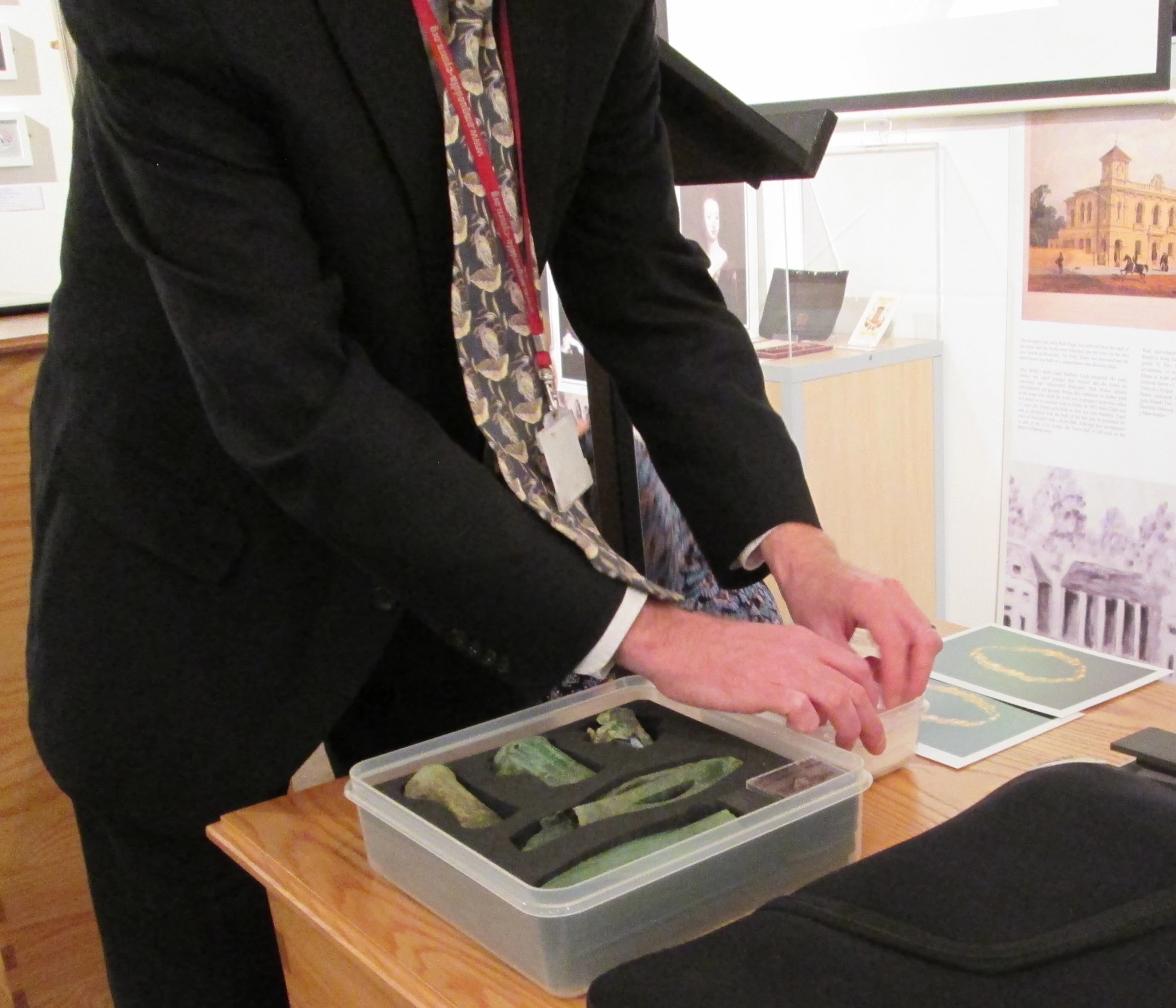
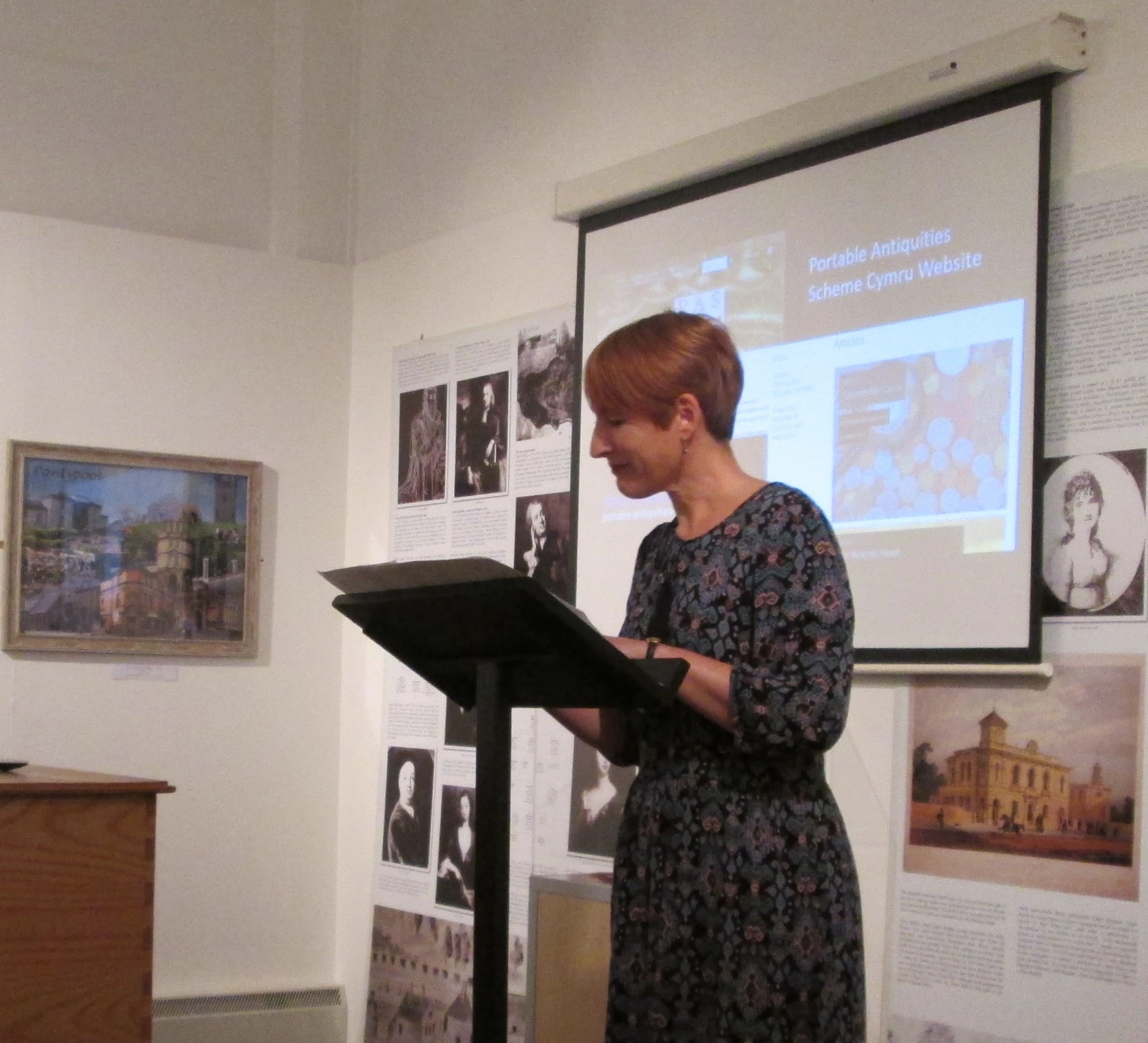
Work experience at Amgueddfa Cymru — National Museum Wales Abigail Dickinson & Roqib Monsur, 3 Mawrth 2017 Amgueddfa Cymru - National Museum Wales and The Saving Treasures; Telling Stories Project have teamed up with the University of South Wales and students on the journalism course.Working in the Archaeology and Communications departments, using their media and journalistic knowledge, the students will be bringing to life significant archaeological discoveries and telling the stories behind the items and the people who found them. There will be a series of two week work placements from a variety of students.Here’s what our most recent students had to say about their time working on Saving Treasures; Telling Stories:Our experience working on Saving Treasures; Telling Stories ProjectComing from a journalism background we were anticipating our placement with the Saving Treasures; Telling Stories project and had a lot of questions of what to expect.What is Archaeology?What do Archaeologists do?And what is the Saving Treasures Project?On our first day Rhianydd, Mark, Adam and the rest of the team were more than welcoming which is always reassuring when on a work placement. They spent the day showing us some mesmerising objects found during archaeological excavations or by metal detectorists and then teaching us everything we needed to know (which wasn’t easy as there are a lot to remember!) It was fascinating for us to begin to understand objects dating back thousands of years ago and their significance to our lives at present.Here is where the fun started.What we didThe rest of our first week we travelled around South Wales to places such as Swansea and Brecon to start recording our interviews about some of the most recently discovered objects.It was a gloomy and rainy Tuesday but nevertheless we travelled to Brecon to meet with Nigel Blackamore and the team at Brecknock Museum (they even gave us biscuits!) who let us spend the day interviewing in their library.We interviewed a local metal detectorist as well as a married couple who, over forty years ago, found a dagger in Swansea Bay and have kept it ever since for good luck and as a symbol of their relationship. An earlier blog about the Swansea Bay dagger can be found here.We also spoke to Nigel about the Portable Antiquities Scheme and the future of museums; as a journalist it’s all about telling stories and getting important information to the public.Roqib also had the chance of fulfilling a lifetime dream of holding a metal detector. (He was really excited). Putting our journalism skills to workOn the Wednesday we went to Swansea Museum to meet with Emma Williams and Phil Treseder about Swansea’s involvement with the Saving Treasures Project and what their aims are for the future of Swansea Museum. We also interviewed collector Geoff Archer, who recently found a very rare Bronze Age mould for making axe heads.To spend the week interviewing people who are so passionate about preserving the archaeology and heritage of South Wales for future generations, in whatever form they can, was an honour and a privilege and certainly put our journalistic interview techniques to the test.Over the following week we were able to edit the interviews and write our articles with the overlooking expertise of Catrin Taylor and the Communications department; again linking in our journalism skills to help tell the stories of the people and objects.A thank you from usWe’ve had a wonderful and insightful two weeks and we’ve met some incredible people during this time. The support we’ve received to create the best possible content has been outstanding and we now know what archaeology is, what an archaeologist does and what the Saving Treasures Project is!We can’t wait to continue to work closely with the Saving Treasures, Telling Stories project and follow its success until 2019. Thank you to everyone who we have met and worked with!@A_Dickinson_@MonsurMedia
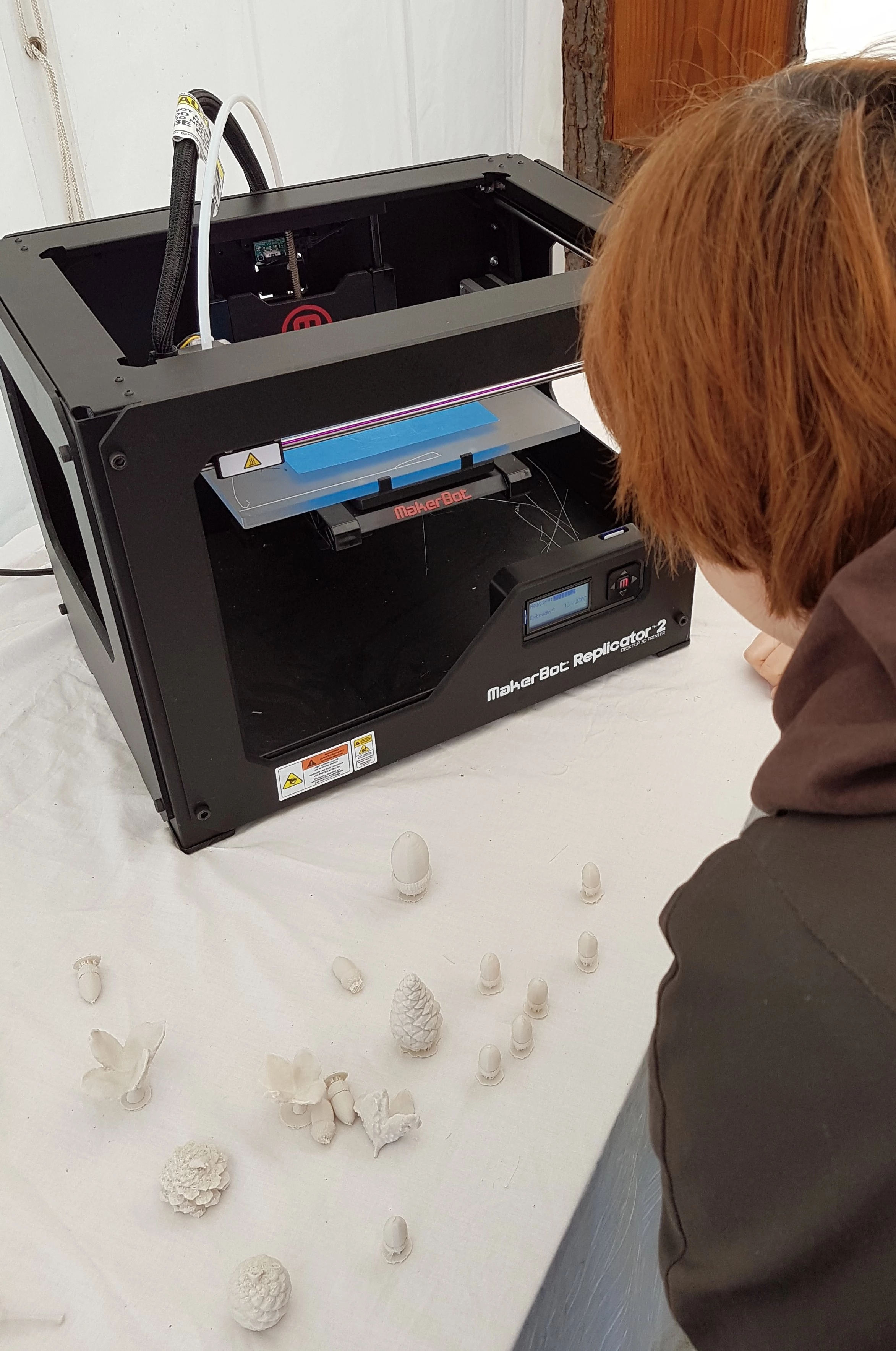
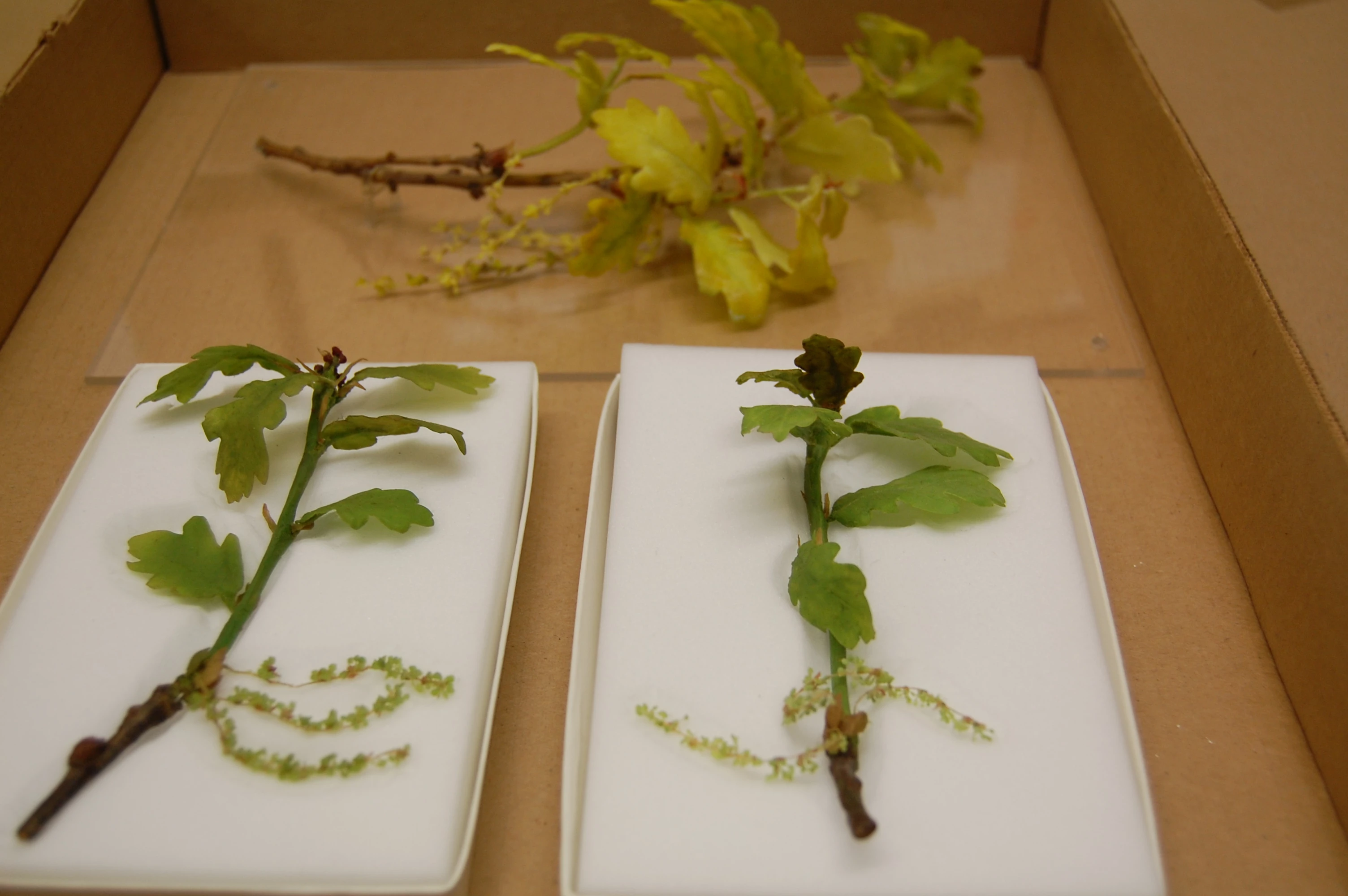
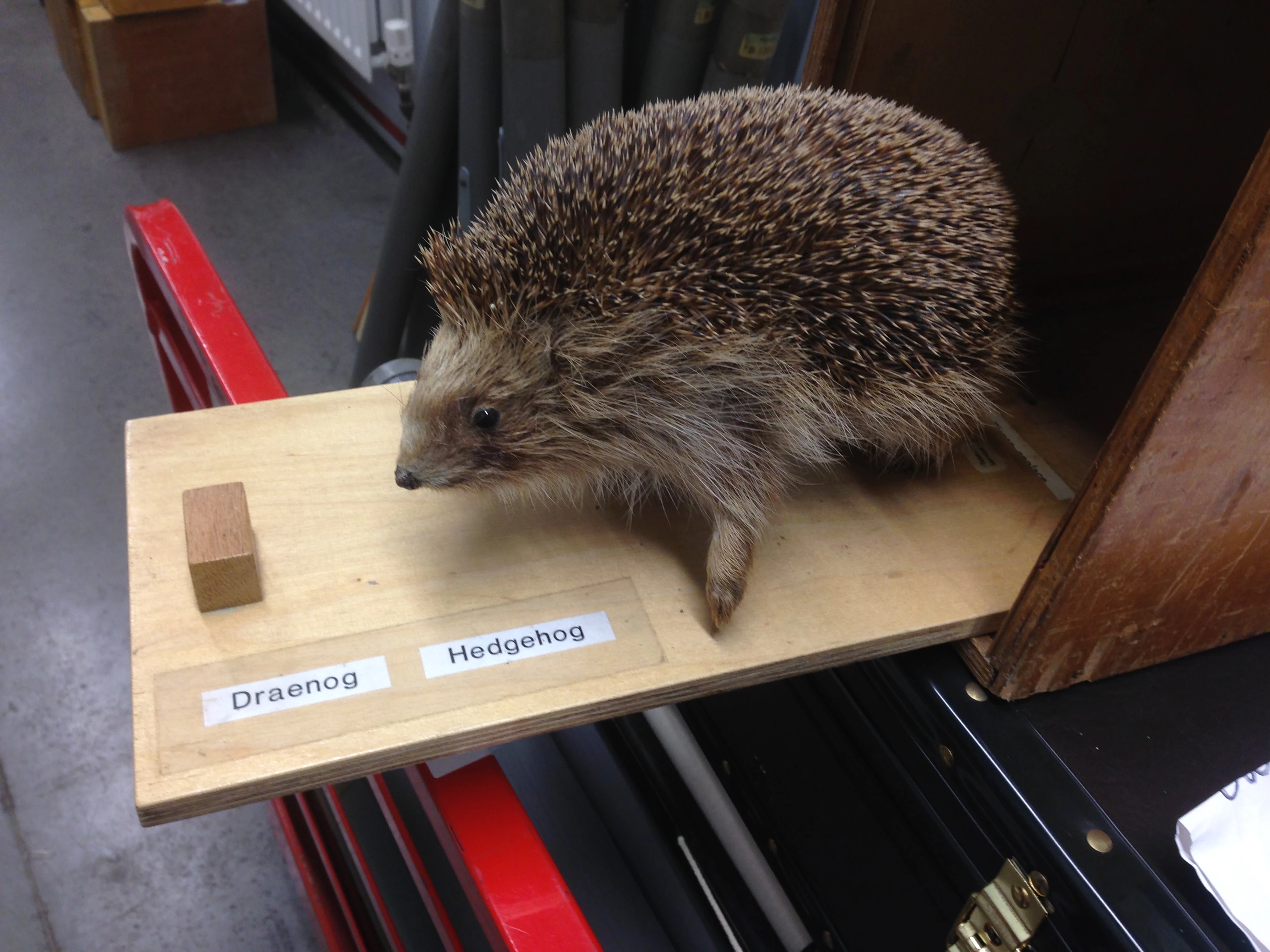
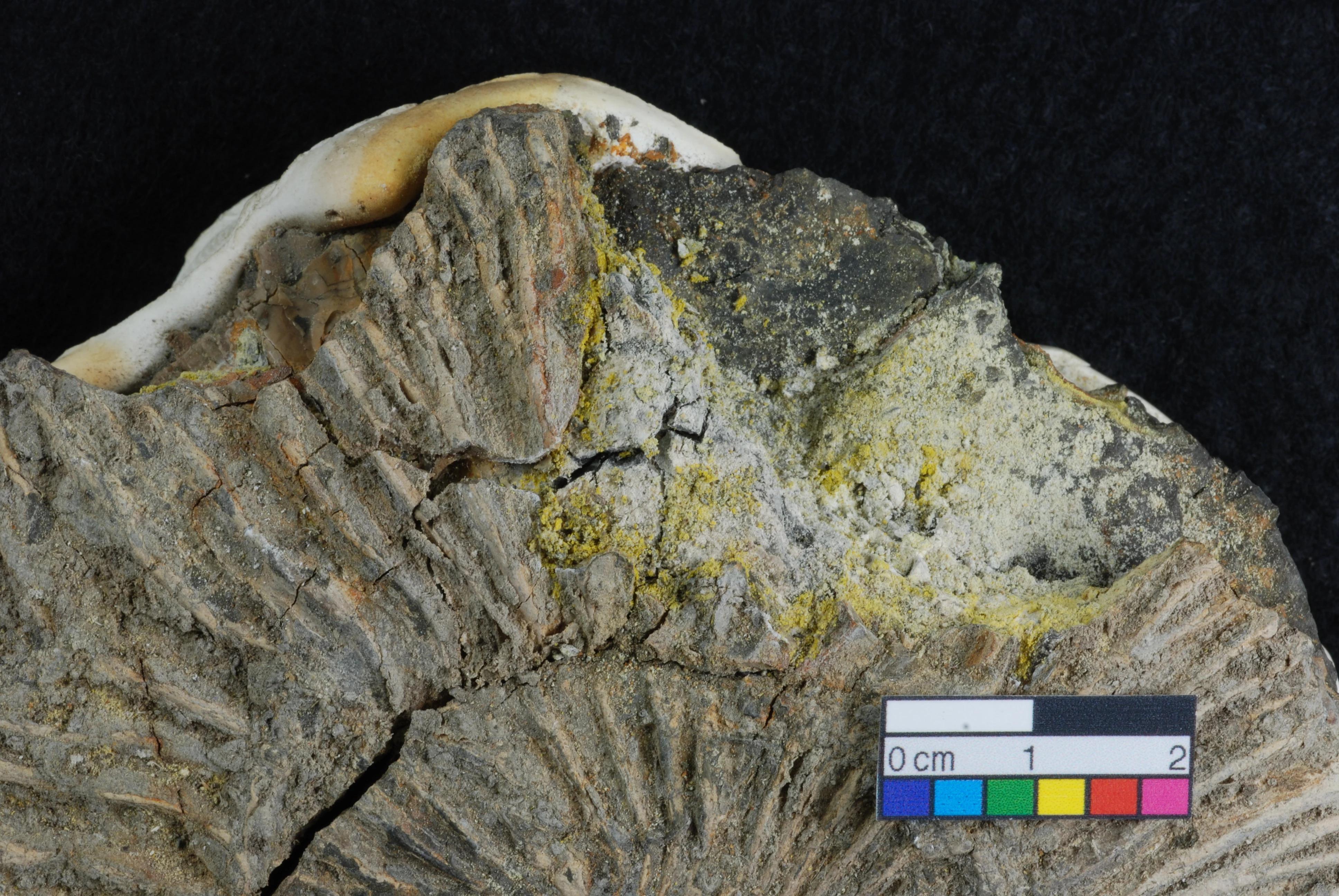
Our visit to the Natural Sciences Department Hannah Lee, Abi Parker & Saskia Mori, 2 Mawrth 2017 Working on the collections in the Natural Sciences Department of the National Museum Wales can be both enlightening and complex. Visiting from Bangor University for a week in Cardiff, we were involved with work in the invertebrate biodiversity section, in particular with bivalves and polychaetes. We were very privileged to gain lots of laboratory skills during this process and undertook a huge variety of tasks!Worm huntingWe were got down to business with sorting a benthic survey sample from 2013 into Polychaeta, Mollusca, Crustacea and Echinodermata by investigating samples under the microscope. To our amazement, we found a big diversity of species just within the samples we looked through, finding everything from bristle worms to isopods! Later in the week we also took on the challenge of trying to identify the polychaete species we found, with some kind help from Teresa. Whilst it was challenging at first, we all became much better by the end and even managed to identify some just by their tails! Teresa also kindly showed us how polychaetes are photographed for publication and identification guides, which was very interesting – it takes a lot of patience and is quite fiddly but the final results are incredible! Another aspect of the laboratory work included sorting some live polychaete samples brought in by Andy from a recent survey. This included smashing up some of the rocks to get to all the invertebrates hiding inside, a bit like cracking an Easter egg open! One of the most stunning specimens we found was of a Serpulidae worm, which at first was curled up with just the operculum visible, but after waiting patiently it uncurled into a beautiful fan-like structure! MolluscsOur work with bivalves began by sorting a collection donated by CCW - Countryside Council for Wales (now Natural Resources Wales) - originally collected by Bangor University back in the 50’s, and inputting the collection details onto the museum's digital database. However, obstacles were met along the way: some sections contained more than one label indicating that more than one species were in the same container, as well as the same species all from different places! But Anna kindly trained us up so we were able to organise shells into the correct species groups and off we went! We sorted some beautiful shells, including razor clams! For some specimens, a light microscope was needed in order to see the most important features for identification. By using the British Bivalves online database, created by museum staff, we were able to ensure that the names of the shells were up to date.While there we had an explore around the collection and came across some stunning shells, including a huge Triton shell, which is from a species of sea snail that preys on Crown-of-Thorns starfish! The mollusc collection at the museum contains lots of other shell bearing creatures such as limpets and snail-like shells, as well as books on molluscs dating all the way back to the 17th century that contain a wealth of knowledge, and are stored in a glass bookcase to protect them from the environment. While the hands-on science occupied the majority of our time at the museum, we also got to explore the treasure trove of wonderful collections that is the Natural Sciences Department of the National Museum Wales. We started off with a behind the scenes tour of a variety of collections, from some containing thousands of shells to others with all the bee species in Britain! We can definitely say we never knew there were so many different species! We slowly explored a snippet of the wonders the museum holds, and the knowledge available from the specimens kept there and the staff who care for them (our 11 o’clock coffee breaks were a great time to discuss the ins and outs of curating a collection with museum staff, from seaweed – which you can press just like a flower! - to penguins and of course, worms!). 3D printing Our adventures behind the scenes didn’t stop there! While working on the collections we were lucky enough to have a go at 3D printing, which is a mesmerising process to behold. In addition to the printing we witnessed how the fantastic images you see on display in the museum gallery and within books and papers from the staff are created. A fine art of patience and care creates beautiful imagery of amazing detail. Our time at the museum was spent just prior to Christmas allowing us to join the wonderful museum carol service, which was held in the main hall and made up of members of the museum staff, all with amazing voices. As for Cardiff, it was our first time in this vibrant city for all three of us; the foods in Cardiff market are amazing and some of the restaurants are a must go – and of course ice skating in front of the beautiful collection of buildings, one of which is the museum (we didn’t fall over either)! The week we spent with the museum has given us an insight into how the amazing collections on display are put together, as well as gaining some hands-on science experience, and we will hopefully return again soon!
Hanes Trist Esyllwg Ceri Thompson, 1 Mawrth 2017 ‘The most beautiful work of art’ - Cadair Eisteddfod Yn y Rhondda Fawr ar Ddydd Gwener y Groglith, Ebrill y 10fed 1903, cynhaliwyd pumed Eisteddfod Gadeiriol Blaenclydach yng Nghapel Gosen y pentref. Roedd 17 yn cystadlu am wobr o gadair (‘darn eithriadol o hardd o gelf’ yn ôl y Rhondda Leader) a £1.11.6d. Rhoddwyd y gadair gan Mr Joseph Jones o Flaenclydach. Y dasg oedd cyfansoddi 120 llinell ar y testun ‘Adgof’ (hen sillafiad o atgof) a'r beirniad oedd Ap Ionawr o Lansamlet. Enillydd y gystadleuaeth oedd ‘Esyllwg’ (hen enw ar dde-ddwyrain Cymru) – enw barddol Thomas Jones, glöwr 30 oed o Aberpennar. Cyhoeddodd yr Aberdare Leader fod bardd cadeiriog cyntaf Aberpennar yn ‘ŵr ifanc gyda gyrfa addawol’, cyn mynd ymlaen i sôn fod bwriad i ‘ailadrodd seremoni’r cadeirio yn Neuadd Bethania (Aberpennar) yn ystod y mis nesaf’. Yn drist iawn, ni chynhaliwyd y seremoni honno fyth. Ganwyd tad Thomas, David Thomas Jones, ym Mrynaman ym 1846, a daeth i weithio yng Nglofa Navigation Nixon yn Aberpennar. Dilynodd ‘Esyllwg’ ei dad i’r lofa ond roedd hefyd yn adnabyddus fel athro dosbarthiadau Cymraeg yn Adran Wyddoniaeth a Chelf, Ysgol Barhad Aberpennar. Roedd hefyd yn aelod ffyddlon o Gapel Annibynwyr Cymraeg Bethania ac yn chwarae gyda Band Llinynnol Caegarw. Capel Bethania, Aberpennar Capel Soar, Aberpennar Carreg goffa Thomas Jones Thomas Jones Damwain Esyllwg Ar Fai y 4ydd, gwta fis wedi’i lwyddiant yn yr Eisteddfod, roedd Thomas yn gweithio ar wythïen 2’9” Glofa Ddofn Dyffryn pan laddwyd ef mewn cwymp. Mae Adroddiad Arolygydd Glofeydd Ei Fawrhydi ar gyfer 1903 yn disgrifio’r digwyddiad fel hyn: “Fall of roof: no.42, Thomas Jones, 30, collier, 4 May 1903, 12.30pm, Deep Duffryn Colliery, Glamorgan, Nixon’s Navigation Co Ltd. “At face, cliff, 10 ft. by 4ft 8 ins. by 44 ins. thick. Deceased wanted to get this stone down, so commenced knocking the props out from under it, and, when he knocked out the last, the fall occurred. Its falling so suddenly was due to a “false slip” in the roof, which could not be seen previous to the fall. Two feet nine seam.” Cyhoeddwyd y newyddion yn yr Aberdare Leader dan y pennawd: “Esyllwg’s Sad Fate”, a disgrifiwyd Thomas fel ‘pêr ganiedydd Pennar’. Daw’r erthygl i ben fel hyn: “The blighting of a budding genius by the grim hand of death is always distressing, but the tragic circumstances make the demise of our friend doubly pathetic. His relatives are the objects of the most sincere sympathy.” Ym 1904 cyflwynodd chwaer Thomas, Claudia, garreg goffa iddo ar wal allanol capel newydd Soar ar Stryd Fawr, Aberpennar. Mae’r capel yn dal i sefyll, er ei fod wedi cau, ond mae’r garreg wedi gwisgo cymaint nes ei bod bron yn amhosibl i’w darllen. Mae’r gadair nawr yn rhan o gasgliad glofaol Amgueddfa Cymru. Pryddest Goffadwriaethol Pryddest Goffadwriaethol ô'r angladd.