Amser Dechre Prynu...

Sara Maidment, 8 Ionawr 2015

Rydyn ni’n edrych ymlaen yn fawr at fynychu’r sioeau prynu anrhegion yn Birmingham a Llundain yn yr wythnosau nesaf. Mae’n teimlo’n rhyfedd paratoi i osod archeb addurniadau Nadolig 2015 tra byddwn ni yno!

Yn Sioeau’r Gwanwyn bydd ein cyflenwyr yn lansio eu cynnyrch newydd ac mae’n gyfle gwych i gael golwg gynnar ar ffasiwn y tymor. Byddwn ni’n chwilio bob tro am gwmnïau Cymreig, gan alw yn eu stondinau a chanfod cwmnïau y gallwn ni weithio gyda nhw i ddatblygu cynnyrch arbennig ar gyfer Amgueddfa Cymru.

Dyma ni’n darganfod cwmni newydd gwych y llynedd. Dyma ragflas o gyfres newydd fydd ar gael yn ein siopau yn y gwanwyn. Rydyn ni’n dwlu ar y denim ac yn meddwl taw pinc llachar yw’r partner perffaith.

Cofiwch edrych yn y siopau a’r siop ar-lein am gynnyrch newydd.

Worms for Wednesday

Katie Mortimer-Jones, 7 Ionawr 2015

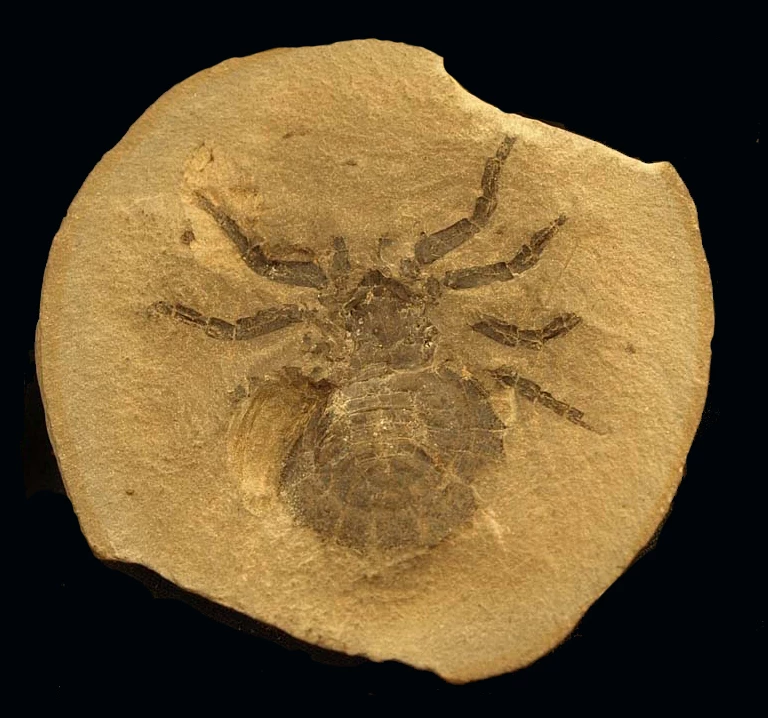
Every week we tweet about worms! Yes, I know not everybody's favourite subject, but one which is both fascinating and important. Staff from the Natural Sciences Department at Amgueddfa Cymru-National Museum Wales have expertise in marine bristleworms (polychaetes), a diverse group of marine worms.

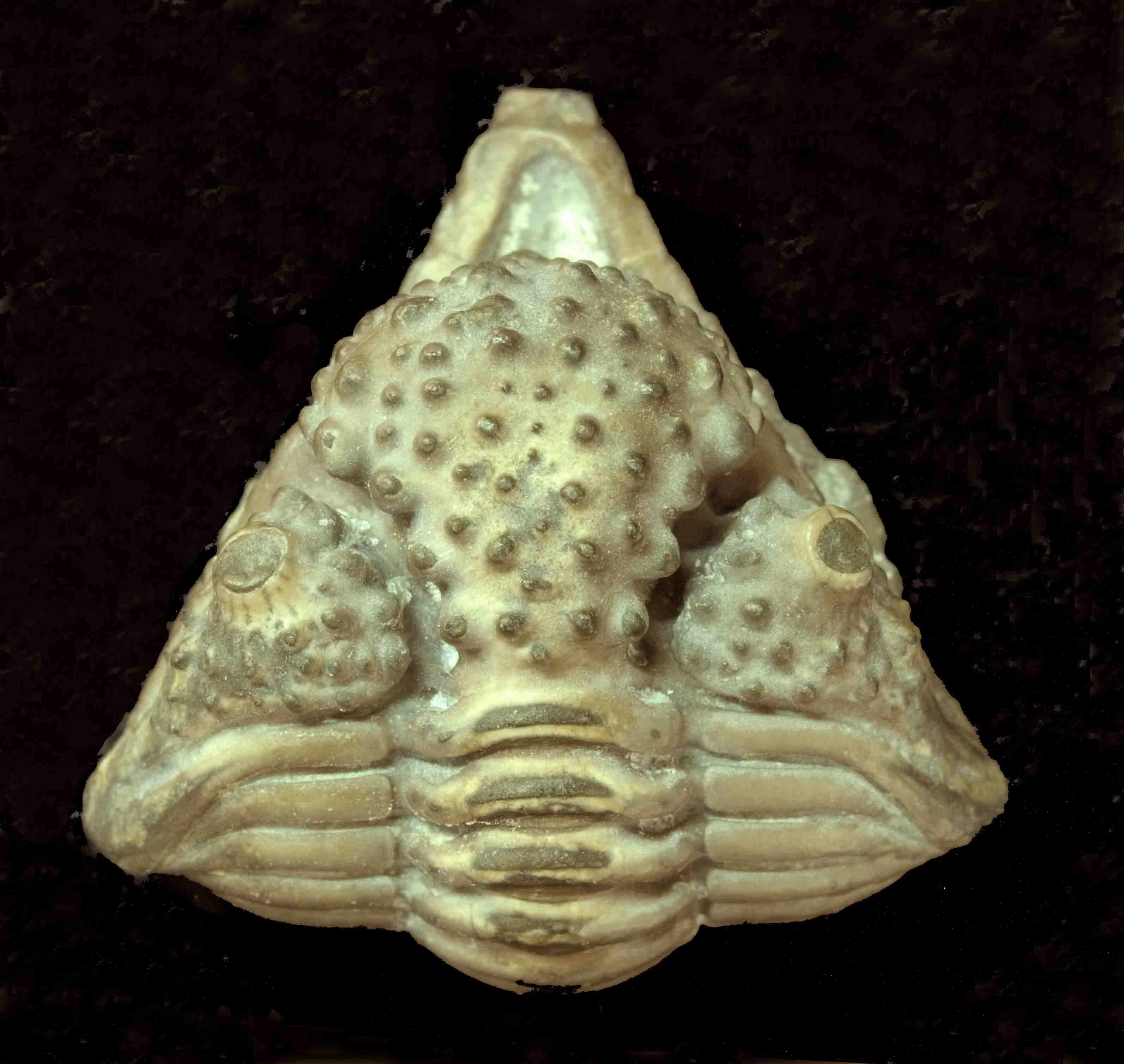
We decided that each Wednesday we would tweet a specimen from our collections, or something based on our research on this subject, from our Twitter account @CardiffCurator. Hence, #WormWednesday was born, to give these animals the prominence their wonderful diversity deserves. This followed on from other successful Twitter hashtags such as #FossilFriday and #TrilobiteTuesday. So, we have been doing this each week for just over a year. We have brought them together in one story for your pleasure. Here are all of the tweets from 2014 and the first few that we tweeted back in 2013 in our Storify Story

A Window into the Industry Collections

Mark Etheridge, 22 Rhagfyr 2014

With Christmas almost upon us I thought I'd start this month's blog with a few wintery scene from our photographic collections. The first photograph is attributed to Mary Dillwyn (1816-1906), sister to John Dillwyn Llewelyn (1810-1882), and was taken in the Winter of 1853/54 probably on John's estate at Penllergare near Swansea. It is very likely to be the first photograph of a Welsh snowman! The second shows Big Pit colliery, Blaenafon (now Big Pit: National Mining Museum) in the snow in 1978.

This month has seen quite a number of new additions to the industry collections. One of the most interesting are these two oil on canvas portraits of Thomas Jenkins and his wife Susannah. Thomas Jenkins was owner of the Avon Vale Tinplate Works (which opened in 1866) and Aberavon Tinplate Works (which opened in 1875), both located at Aberavon, Port Talbot. After his death in 1891, his shareholding was inherited by his two daughters, one of whom had married Colonel David Roderick David, one of Thomas Jenkins' co-partners in the Avon Vale Tinplate Works. The other married William M. Jones, a local ship owner whose vessel 'Sisters' is recalled by the family as having carried the works' product for export.

Neither works are signed nor dated, but both are inscribed on the reverse by the sitters. The inscription states that they sat on their respective 71st and 66th birthdays in February 1879.

This piece of coal was removed by open cast methods from a coal pillar left in the 9' seam at Abercraf Colliery workings in the late 1990s. We have a number of samples in our collection of coal from various Welsh pits including, some mounted like this one, but also many samples collected on the last working day of various collieries.

Many of you will have seen the recent film 'Pride'. If so you'll know the amazing true story of how a group of gay men and women raised funds to help families affected by the miners' strike. This badge was purchased by the donor "at an all night fundraiser for mining families held at the Scala cinema in Kings' Cross in early 1985. At the time they were sold for £2.50 each (which was quite a lot in 1985) with all proceeds going to straight to the Lesbians & Gaymen Support the Miners fund."

We have also had a number of other donations this month relating to the 1984-85 miners' strike. This badge was produced during the 1984-85 miners' strike, and was apparently designed by Tyrone Jenkins, a South Wales cartoonist. We would love to know more if anyone has any information.

2014 was the 30th anniversary of the start of the strike, and this limited edition medallion commemorates this.

We have added a further two share certificates this month to our collection. The first is for The Wemyss Mine Limited, and is dated 1885. The first Wemyss Mine Ltd. Company was floated in 1880 to acquire the Wemyss lead mine adjacent to the Frongoch lead mine near Pontrhydygroes in mid-Wales. After its collapse in 1884 it was replaced by a second company of the same name registered in 1884, to which this certificate relates. In the years 1885-1889 when worked by this company, the mine employed only a dozen men and produced very modest tonnages of lead and zinc ores. The company ceased work in 1889 and was struck off in 1894.

The second certificate very surprisingly relates to the Cardiff Castle Gold Mine!! No, there isn't gold under the castle! This was actually an Australian enterprise run by Welsh emigrants located in the internationally famous Coolgardie goldfields in Western Australia. The company was London-registered in 1895 and so the name probably served as both a sentimental attachment for the emigrants as well as a marketing tool to attract British investors.

This photograph shows the sinking of Wyllie Colliery in the Sirhowy Valley in 1925/26. Wyllie Colliery was sunk by the Tredegar Iron and Coal Company, and named after a director of the company, Alexander Keith Wyllie. It was the last deep mine to be sunk in Monmouthshire, and one of the last in south Wales. The colliery was closed by the National Coal Board in March 1968.

Finally, this 2nd class single ticket is said to have been used on the last train to run from Gorseinon to Swansea (Victoria). It is dated 13 June 1964.

Mark Etheridge
Curator: Industry & Transport
Follow me on Twitter - @CuratorMark

Cyflwyno Kate

Elen Phillips, 19 Rhagfyr 2014

Dw i wrth fy modd yn twrio yn storfeydd yr Amgueddfa. Sdim byd gwell na darganfod gwrthrychau sydd heb weld golau dydd ers degawdau. Llynedd, tra'n chwilota am gasgliadau o gyfnod y Rhyfel Byd Cyntaf, fe ddes i ar draws dyddiadur o'r flwyddyn 1915 mewn amlen yn yr archif. Wrth bori'r tudalennau, a thrafod gyda chydweithwyr, fe daeth hi'n amlwg fod stori'r perchennog yn haeddu cynulleidfa ehangach. Felly, dyma ni - croeso i brosiect @DyddiadurKate.

Eleni, i gyd-fynd a rhaglen yr Amgueddfa i goffau canmlwyddiant y Rhyfel Mawr, mi fydd tim ohonom yn trydar cynnwys y dyddiadur yn ddyddiol - canrif union ers i Kate Ellis, merch ffarm o ardal y Bala, nodi ei gweithgareddau beunyddiol yn ei blwyddlyfr bach coch. Ar y pryd, roedd Kate (Rowlands yn ddiweddarach) yn ei hugeiniau cynnar ac yn byw gyda'i rhieni - Ellis Robert Ellis a'i wraig Alice Jane Ellis - yn Tyhen, gerllaw pentre'r Sarnau. Wrth drydar y dyddiadur, byddwn yn defnyddio sillafu, atalnodi a thafodiaith y ddogfen wreiddiol.

Nid dyddiadur ymsonol mo hwn - peidiwch a disgwyl cyfrinachau o'r galon. Yn hytrach, yr hyn a gawn yw cipolwg ar fywyd dyddiol yng nghefn gwlad Meirionnydd ar ddechre'r ugeinfed ganrif - o'r tywydd a thasgau amaethyddol i brysurdeb diwylliannol y fro. Prin iawn yw cyfeiriadau Kate at y Rhyfel, er i nifer o drigolion yr ardal ymuno a'r lluoedd arfog. Ond mae hynny ynddo'i hun yn ddiddorol - iddi hi, ar yr wyneb beth bynnag, roedd bywyd yn mynd yn ei flaen fel arfer.

Cadwch lygad ar y blog am ragor o fanylion am y prosiect ac i glywed mwy am y bobl a'r digwyddiadau sy'n cael eu crybwyll yn y dyddiadur. Cofiwch hefyd ddilyn @DyddiadurKate o ddydd Calan ymlaen i olrhain ei hanes drwy gydol 2015.

Tro nesaf: Ar drywydd Kate Ellis.

First World War Catalogue Now Online

Elen Phillips, 17 Rhagfyr 2014

After months of behind the scenes activity - rummaging in stores, researching, documenting, conserving and digitising - Amgueddfa Cymru's First World War catalogue is now online. At the moment, the catalogue includes over 500 records - archives, photographs and objects from the collections housed here at St Fagans. New records will be uploaded over the next few weeks, including some fantastic additions from the industry collections. We'll keep you posted.

I can't tell you how much this project has meant to me and my colleagues. It may sound corny, but we really do feel emotionally connected to the people whose lives are commemorated in the collections. From Walter Stinson's delicate beadwork jewellery, to Brinley Rhys Edmunds and his typo-ridden memorial plaque, these stories have captured our imagination. To us, Walter and Brinley are no longer anonymous names on file.

Talking of files, it hasn't been easy to pull-together our First World War collections. When curators speak of "newly-discovered" or "hidden" objects, please don't think that museums are full of misplaced or lost items - there are no "dusty vaults" here! The issue is usually a lack of documentation - the information stored on file which helps us to locate and interpret the collections in our care. Collecting methodologies have changed over the years, so too standards in documentation.

Many objects featured in the database were originally catalogued according to their function, making it difficult for present-day curators to draw-out their First World War significance. A classic example being a set of prosthetic arm attachments used by John Williams of Penrhyncoch. These were found in the medical collections, catalogued in 1966 under "orthopaedic equipment". By chance, I was looking at the accession file a few months ago and found a scribbled note saying "wounded in one arm during WW1". If only the curator had asked more questions at the time, especially given that John Williams himself donated the arm attachments to the Museum!

Thankfully, accession files are never closed indefinitely. New research and the reassessment of collections through community partnerships means that we're constantly editing and tweaking our records. So, if you knew a John Williams from Penrhyncoch who lost an arm during the First World War, please do get in touch.

This project is supported by the Armed Forces Community Covenant Grant Scheme.