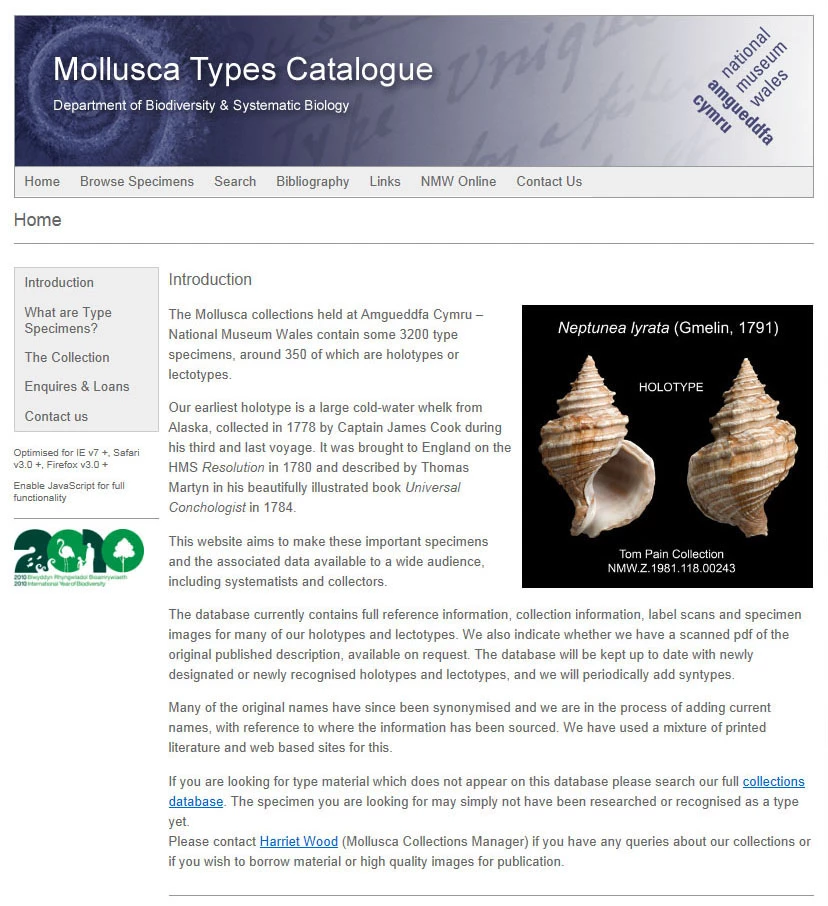

Hafan Catalog Teipiau Molysgiaid.
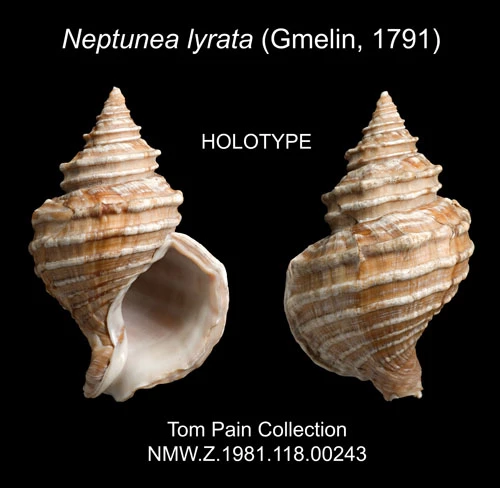
, y sbesimen teip hynaf yn Amgueddfa Cymru, a gasglwyd gan y Capten James Cook yn Alaska ym 1778.
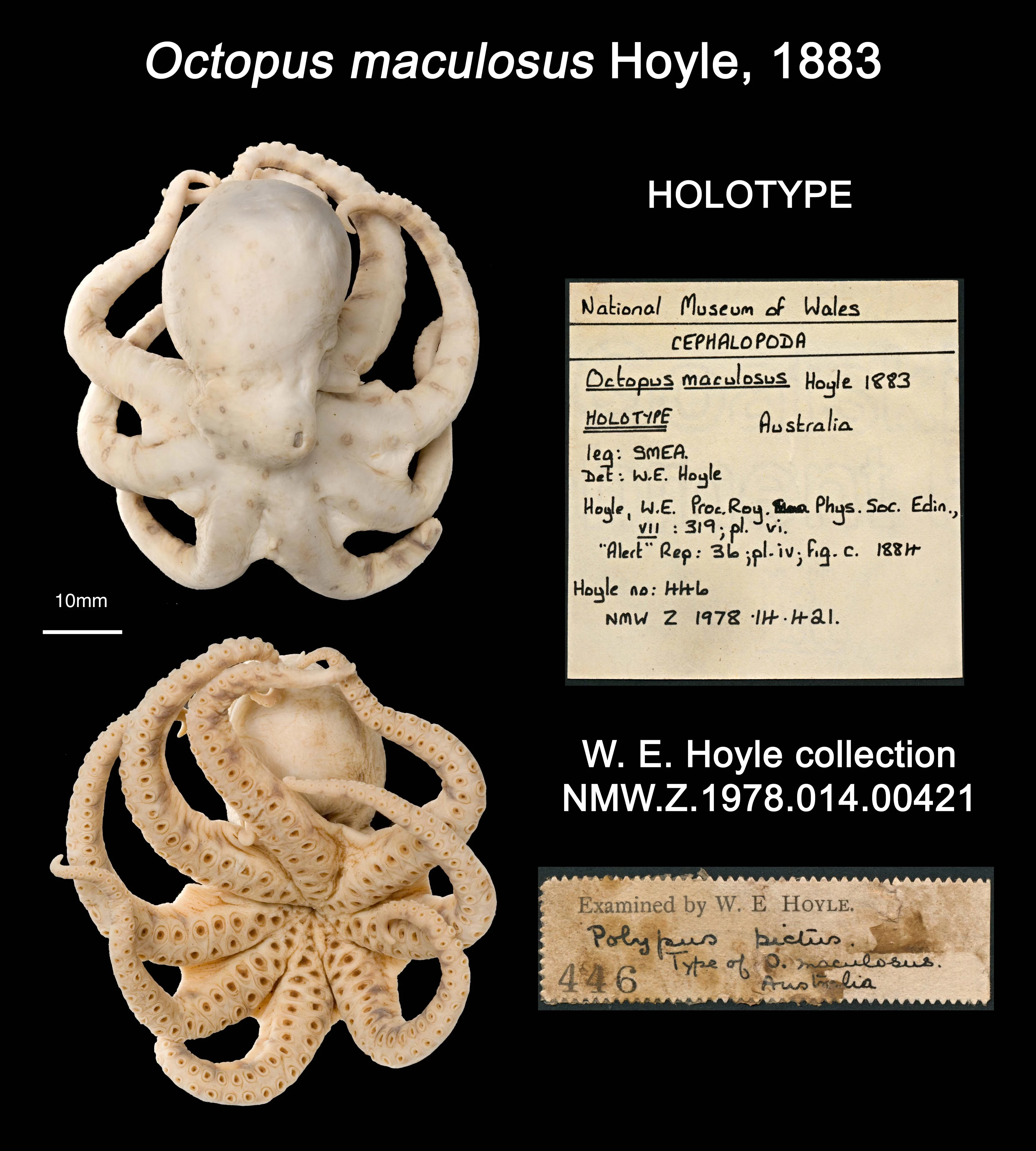
Lluniau a labeli sbesimen ar gyfer y teip Octopus maculosus a ddisgrifiwyd gan ein cyfarwyddwr cyntaf, Williams Evans Hoyle, ym 1883.
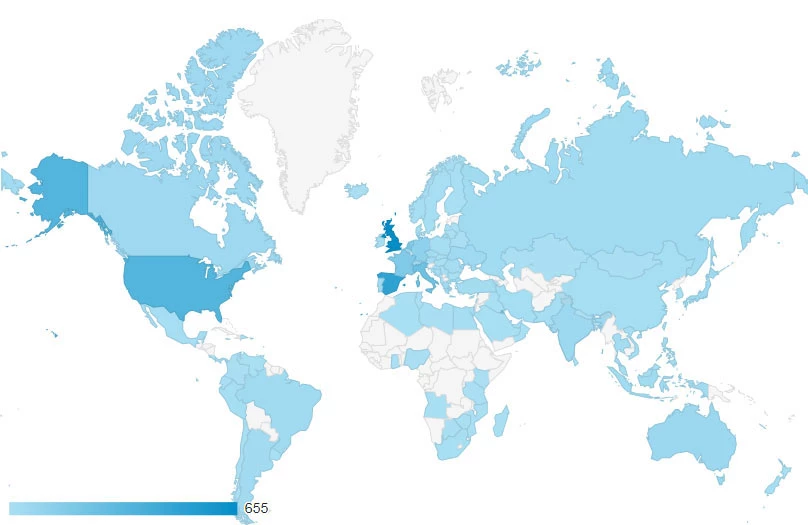
Map yn dangos y 110 o wledydd sy’n gartref i’r bobl sydd wedi ymweld â’n gwefan hyd yn hyn.
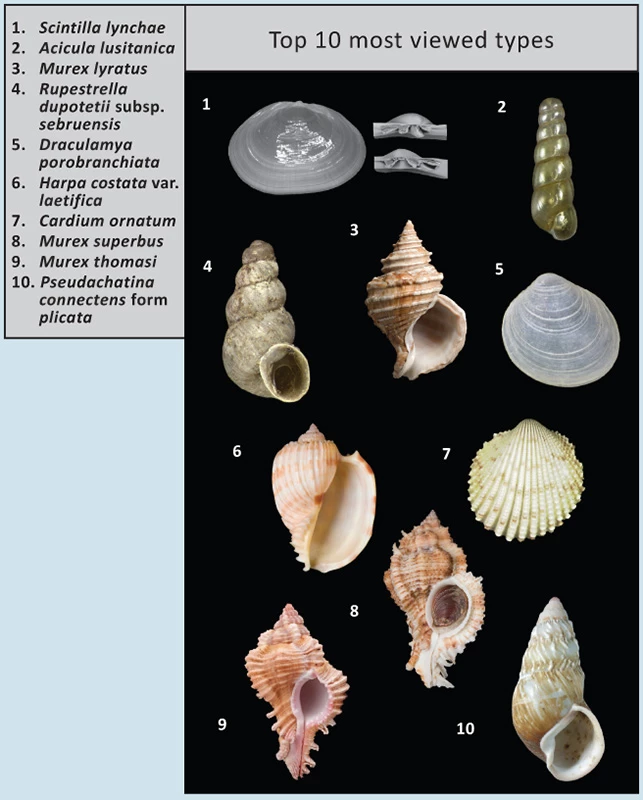
Sbesimenau mwyaf poblogaidd ar ôl 18 mis ar-lein
Cyhoeddodd Amgueddfa Cymru Gatalog Teipiau Molysgiaid ym mis Medi 2012. Hwn oedd y tro cyntaf i’n cynulleidfa gynyddol ar y we allu gweld lluniau o dros 350 o’n sbesimenau pwysicaf o folysgiaid.
Casgliadau Molysgiaid Amgueddfa Cymru (Saesneg yn unig)
Mae casgliadau molysgiaid Amgueddfa Cymru o arwyddocâd rhyngwladol ac maent yn cynnwys cannoedd o filoedd o sbesimenau. Mae molysgiaid yn grŵp hynod amrywiol sy’n bodoli yn y rhan fwyaf o amgylcheddau’r blaned – o falwod tir ar ben mynyddoedd i folysgiaid dwyfalfog mewn fentiau hydrothermol, cregyn côn gwenwynig i gregyn gleision perl dŵr croyw, gwlithod cigysol i fôr-gyllell guddliw. Mae ein casgliad yn adlewyrchu’r amrywiaeth hon a’r amrediad daearyddol ac amgylcheddol.
Beth yw teipsbesimenau?
Mae ‘teipsbesimenau’ unrhyw gasgliad hanes natur ymhlith yr eitemau gwyddonol arbennig sydd angen eu diogelu yn fwy na dim byd arall. Maent yn sbesimenau sy’n cael eu dethol yn ofalus i gynrychioli rhywogaethau newydd, ac maent ar gael yn barhaol i dacsonomyddion y dyfodol gyfeirio atynt.
Mae casgliad Molysgiaid Amgueddfa Cymru yn cynnwys 3200 o deipsbesimenau, wedi’u casglu dros gyfnod o bron i 200 o flynyddoedd. Mae dwy ran o dair o’r casgliad yn dod o gasgliad cregyn enwog
Melvill-Tomlin , gan dystio i ddyfnder gwyddonol a phwysigrwydd hanesyddol y casgliad. Ein teip cynharaf yw gwichiad moch mawr dŵr oer o Alaska, a gasglwyd ym 1778 gan y Capten James Cook yn ystod ei drydedd fordaith (a’r olaf). Disgrifiwyd y teip hwn, a llawer o rai eraill, gan rai o gasglwyr a thacsonomyddion pwysicaf eu hoes, gan gynnwys William Evans Hoyle, cyfarwyddwr cyntaf yr Amgueddfa ac arbenigwr ar Seffalopodau.Y Catalog Teipiau Molysgiaid ar-lein
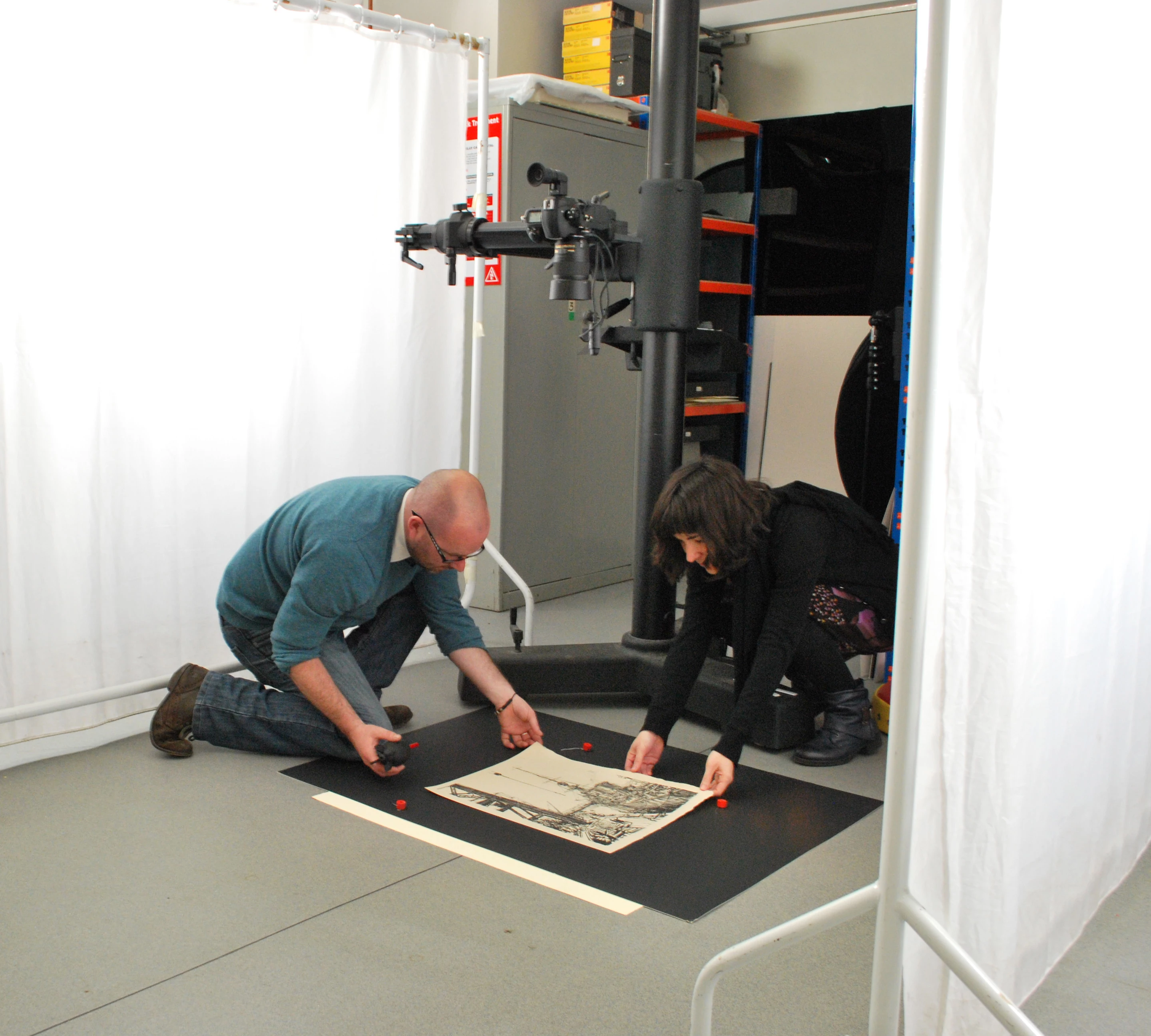
Gan fod llawer o ymholiadau ynglŷn â chasgliadau yn ymwneud â deunydd teip, roeddem yn awyddus i ddatblygu dull o sicrhau eu bod yn hygyrch i bawb ledled y byd, felly aethom ati i greu’r Catalog Teipiau Molysgiaid. Dechreuodd y project yn 2009, gan ganolbwyntio yn y dechrau ar wahanu 350 o’n teipiau pwysicaf o’r prif gasgliad a’u storio mewn cypyrddau newydd haws eu cyrraedd a mwy diogel. Tynnwyd lluniau o’r holl sbesimenau hyn a’u labeli, a gwiriwyd a sganiwyd y cyfeiriadau yn ymwneud â disgrifiadau gwreiddiol y rhywogaethau. Cafodd yr wybodaeth hon ei chasglu mewn cronfa ddata a’i chyhoeddi ar-lein. Ond megis dechrau’r gwaith yw hyn…
Bydd y llu o deipiau sy’n weddill yn cael eu hychwanegu o dipyn i beth, a bydd y staff yn parhau i ymchwilio i deipiau anhysbys yn ein casgliadau. Bydd teipsbesimenau newydd yn cael eu hychwanegu hefyd pryd bynnag y caiff rhywogaethau newydd eu darganfod, a’u disgrifio gan ein tacsonomyddion.
Pwy sydd wedi bod yn edrych?
Ers mynd ar-lein yn 2012, mae nifer yr ymholiadau ynglŷn â theipsbesimenau wedi cynyddu’n ddirfawr. Mae hyn yn dangos cyfraniad pwysig gwefannau at gynyddu mynediad i’n casgliadau a’r defnydd ohonynt. Drwy ddefnyddio Google Analytics, mae gennym rywfaint o syniad o bwy sydd wedi bod yn edrych dros y deunaw mis diwethaf:
- Mae 3,973 o ymwelwyr wedi edrych ar 12,268 o dudalennau.
- Mae pobl o 113 o wledydd wedi ymweld â’r safle.
- Y pum defnyddiwr mwyaf: y DU, Sbaen, yr Unol Daleithiau, yr Eidal, Ffrainc.
- Mae 59.5% yn ymwelwyr newydd a 40.5% yn ymwelwyr sy’n dychwelyd.
- Y sbesimen yr edrychwyd arno amlaf: Scintilla lynchae Oliver a Holmes, 2004
Bwrw golwg
Felly, beth am fwrw golwg drosoch eich hun ac fe gawn ni weld lle rydym arni ymhen blwyddyn…
Wood, H. a Turner, J. A. 2012. Catalog Teipiau Molysgiaid. Amgueddfa Cymru. Ar gael ar-lein yn http://naturalhistory.museumwales.ac.uk/molluscatypes.