Historic Photography Project

Here at the Museum, we've started digitising some of the images from our historic photographic collections. We have been very fortunate to be given funds from the Esmée Fairbairn Foundation to carry out this work, and over the last few months we've been busy, putting together a project team, renovating some office space and sourcing the specialist equipment we need to carry out this work.

A lot of the images that we are working with are around 100 years old, and most of the negatives are captured on glass plates, the medium most commonly used prior to the invention of film. So far we have scanned about 250 images. Some of these show Cardiff Castle during excavation work in the grounds. These photographs were mostly taken around 1901 and they include some striking pictures of the Castle Keep completely covered in shrubs and ivy, looking very different to how local residents know it today.

We have also digitised a collection of glass plate negatives of 'Notable trees of England and Wales' some of which date back to the 1890s. There are some beautiful images contained in this collection, including oak trees with immense canopies and ancient beech woods. We have shared these photographs with some local tree experts and they have helped us to pinpoint the locations of some of these trees. In some cases, if the tree is still there, they have helped us to compare our glass plate negatives with contemporary photographs of the tree to see how it has changed over the last 100 years.

We have plenty more images to scan and I'll be providing updates on our progress as we work our way through the collections. But in the meantime, here are a few of our favourite pictures so far.

Datrys dirgelion, archwilio coed a defnyddio'ch ffon symudol - beth sydd gan hyn i'w wneud a rhifedd?

Ymwelodd nifer o athrawon ag Amgueddfa Genedlaethol Caerdydd yr wythnos ddiwethaf er mwyn mynychu gweithdai a sgyrsiau gyda’r nod o ddysgu ffyrdd creadigol, llawn hwyl o ennyn diddordeb disgyblion mewn rhifedd.

Rhoddodd yr Athro Chris Budd, Prifysgol Caerfaddon a Rob Eastaway, Maths Inspiration, sgyrsiau hynod fywiog a diddorol yn ymdrin â mathemateg yn y byd modern, gan gynnwys sut mae Google yn gweithio a ffyrdd o fod yn greadigol â mathemateg.

Cafodd yr athrawon gyfle yn y gweithdai i raglennu gemau cyfrifiadurol eu hunain (Technocamps), dod yn dditectifs mathemateg i ddatrys trosedd (Techniquest), dysgu sut mae technoleg yn gweithio (Prifysgol Fetropolitan Caerdydd), archwilio mathemateg mewn natur (Amgueddfa Cymru), a datblygu syniadau ar gyfer gemau llawn hwyl sy’n gweithio’r meddwl (TES Science).

Roedd y gynhadledd eleni yn bartneriaeth rhwng y Gymdeithas dros Addysg Gwyddoniaeth Cymru ac Amgueddfa Cymru. Hon oedd y bedwaredd flwyddyn a mynychodd athrawon o Gymru a Lloegr (a hyd yn oed Awstralia eleni!).

Cadwch lygad am fanylion cynhadledd y flwyddyn nesaf – gobeithiwn eich gweld chi yno!

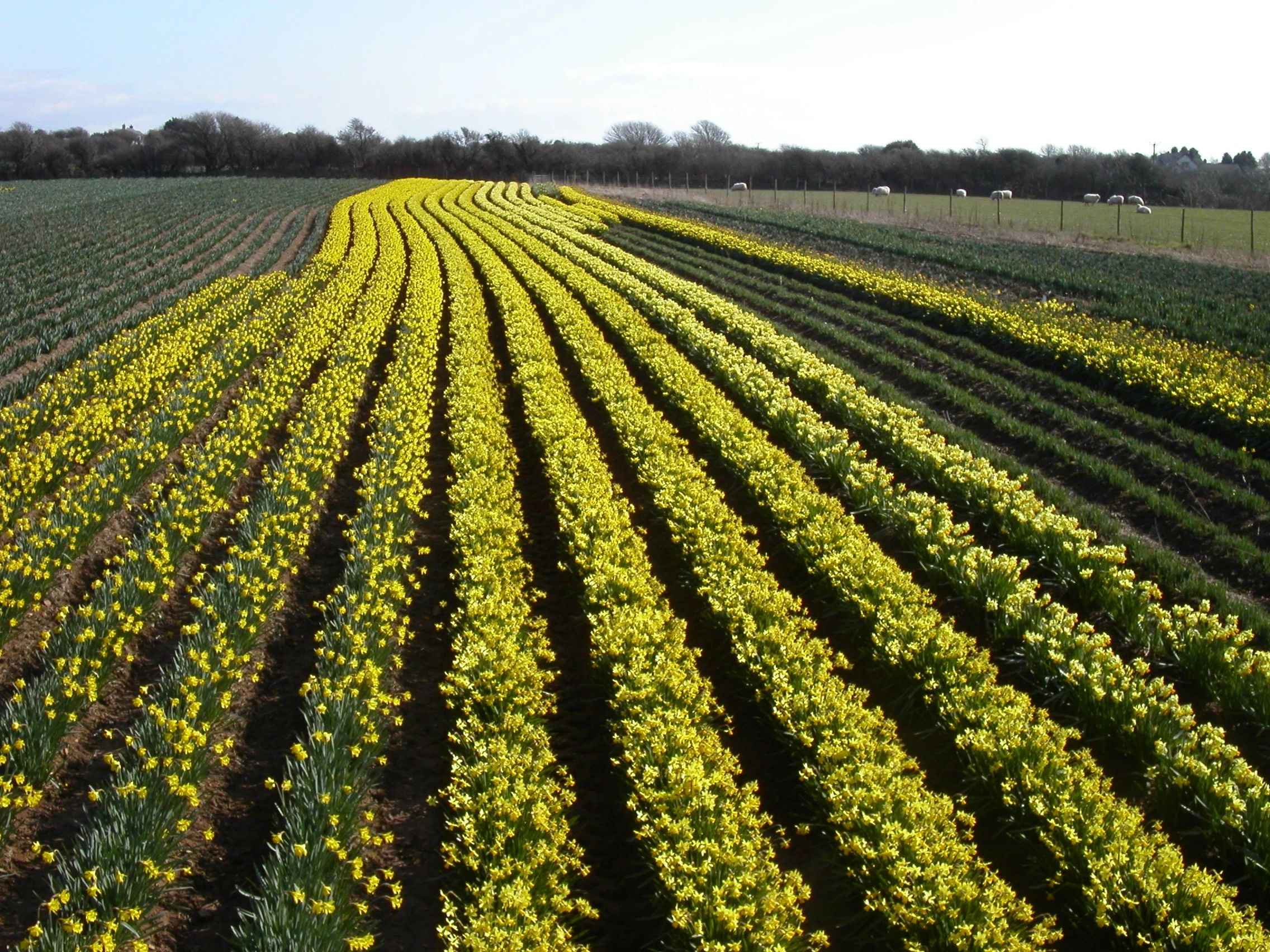
Deuddeg mil o fylbiau yn paratoi i lanio mewn ysgolion ar draws y DU!

Yr wythnos hon, chwe mil a hanner o wyddonwyr ifanc ledled y DU yn paratoi ar gyfer y diwrnod mawr plannu bylbiau.

Bydd deuddeg mil o fylbiau yn cael eu plannu a'u monitro fel rhan o'r ymchwiliad hinsawdd hwn sydd yn cael ei gyd-drefnu gan yr Amgueddfa Cymru. Os oedd record byd am nifer o bobl yn plannu bylbiau ar yr un pryd, (mewn sawl lleoliad) gallem ei hyrddio! Efallai fy mod yn awgrymu categori newydd i'r llyfr cofnodion Guinness ...

Mae pob un o'r bylbiau wedi cael eu cyfrif ac yn gyson yn cael eu dosbarthu i'r 120 o ysgolion ar draws y wlad. Hoffwn groesawu pob disgybl ac athro fydd yn gweithio ar y prosiect hwn! Os nad ydych wedi derbyn fy llythyr eto -  dilynwch y ddolen hon.

Cyn i bob bwlb cael ei phlannu, rhaid i bob disgybl mabwysiadu eu bylbiau ac addewid i ofalu amdano. Os ydych chi eisiau gwybod mwy - dilynwch y ddolen hon.

Mae plant Ysgol St Joseph ym Mhenarth yn gyffrous iawn i ddarllen fy llythyr ac yn awyddus iawn i helpu. Maent wedi ysgrifennu ataf ar bapur ddeilen ac wedi addo i blannu'r bylbiau a gofalu amdanynt. Diolch o galon St Joseph 's Rwyf wrth fy modd y rhain, syniad gwych!

Cyn i chi fabwysiadu eich bwlb efallai y byddwch hefyd yn dymuno gwybod mwy o ble mae'n dod. Mae fy ffrind Bwlb bychan yn mynd i esbonio:

Fi a fy holl ffrindiau bwlb dod o blanhigfa feithrin ym Maenorb?r, ger Dinbych y Pysgod yng Nghymru, fe'i gelwir ' Springfields '.  Roeddem wedi cael eu dewis ac yn llwytho ar fan yn barod i fynd i'n cartrefi newydd. Ar y dechrau roeddwn ychydig yn ofnus, ond pan wnes i gyfarfod Athro'r Ardd yn yr Amgueddfa roeddwn yn deall fy mod i yn diogel a bod gennyf waith pwysig i'w wneud. Rydym i gyd wedi cael eu dewis i helpu i ddeall sut gall y tywydd effeithio ar bryd fydd fi a fy ffrindiau yn gwneud blodau. Mae fy rhieni cyn i mi dyfodd yma hefyd, Springfields wedi bod yn tyfu'n ni 'Daffodils Tenby' am tua 25 mlynedd, rydym yn un o'r ddwy genhinen Pedr sydd yn frodorol i Ynysoedd Prydain.

Dim ond un wythnos tan blannu! Ni allaf aros!

Athro'r Ardd

Syr Thomas Mansel o Fargam a'i wraig, Jane

Sir Thomas Mansel a'i wraig, Jane

Yr Ysgol Brydeinig (17eg ganrif)
Syr Thomas Mansel (1556–1631) a'i wraig, Jane, y Fonesig Mansel
Olew ar gynfas, 121 × 125 cm
Amgueddfa Genedlaethol Caerdydd

Dyma bortread dwbl, gyda llun tri-chwarter o Syr Thomas Mansel o Fargam, aelod o un o deuluoedd mwyaf cefnog y de ar y pryd.

Fe wnaeth teulu'r Mansel o Oxwich ei ffortiwn ar ôl buddsoddi mewn tiroedd mynachaidd yn sgil Deddf Diddymu'r Mynachlogydd Harri VIII. Roedd Syr Thomas yn Aelod Seneddol dros Forgannwg. Etifeddodd gartref y teulu ym 1595, a adeiladwyd ar safle Abaty Margam, ger Castell-nedd.

Yn ystod dau ddegawd cyntaf yr ail ganrif ar bymtheg, fe wnaeth y genhedlaeth hon o'r teulu gomisiynu sawl portread yn y ffurf herodrol ffurfiol, fel y portread hwn. Nid cyfleu personoliaeth yr unigolyn oedd nod portreadau fel hyn, ond arddangos cyfoeth a statws cymdeithasol y teulu yn gyhoeddus.

Old Bones for a New Exhibition

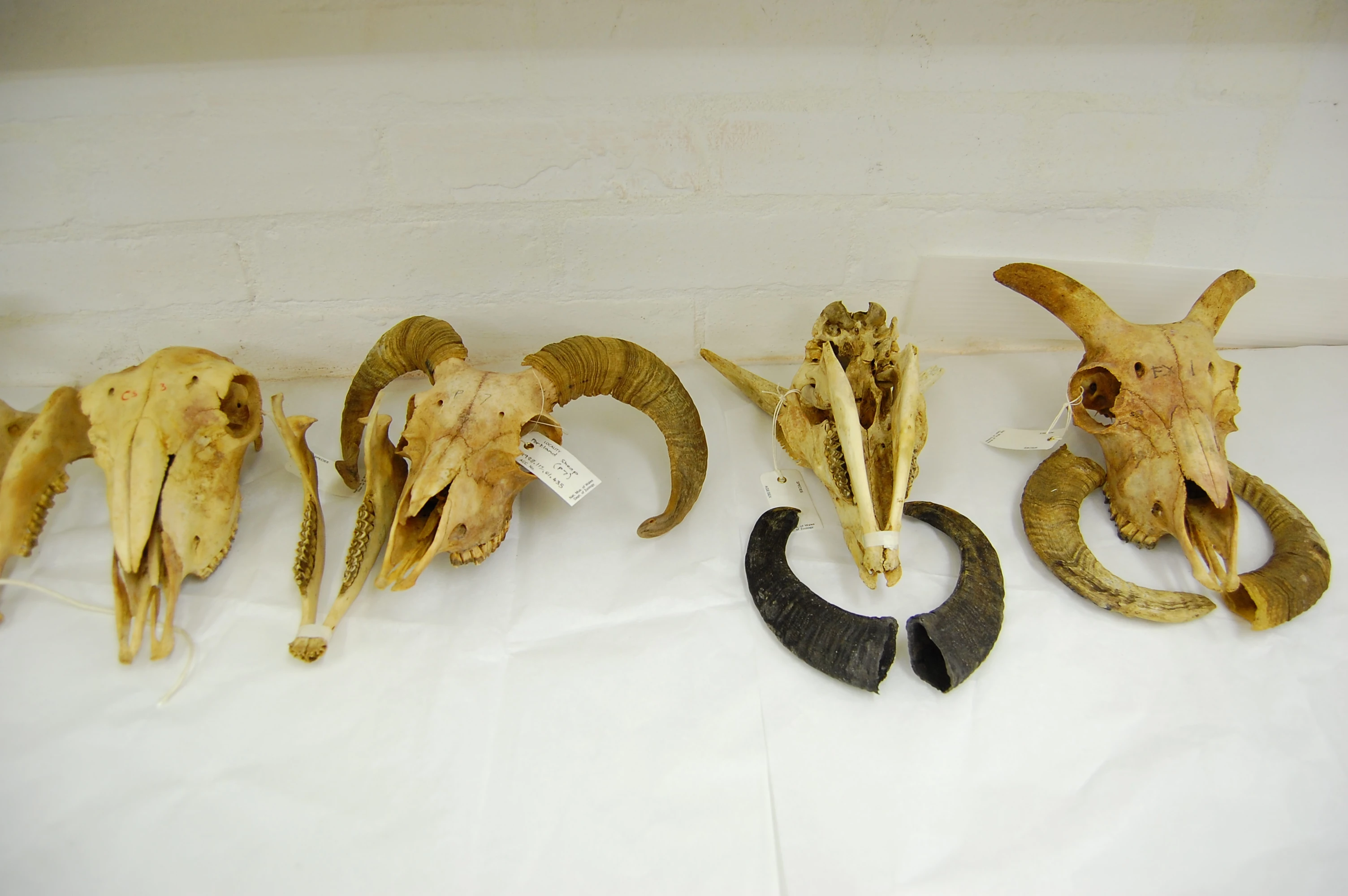
More than 20 years ago the Museum was donated a large research collection of animal bones. This had been put together by a veterinary scientist, Dr Barbara Noddle. The collection mainly consists of sheep, goat and cattle bones from many different breeds.

When it was donated the collection was in a poor state and required extensive conservation and curation. Today it is now housed in over 600 boxes at our offsite Collection Centre at Nantgarw, and a database is available on the website.

Over the years the Noddle Collection has mainly been used in zoo-archaeological research – this is the study of animal remains found at archaeological sites. However parts of the collection will soon find their way into the exhibition limelight!

From the 13th October ‘The Wolf Inside’ exhibition opens. This will be looking at animal domestication, focusing on dogs but also exploring other animals such as sheep and chickens. And this is where Barbara’s collection of old bones finds a new use. We are using a range of skulls from the collection to show some of the diversity found in the different breeds of sheep. A range of these skulls have been checked over and polished up ready for public display.

Along with the skulls there will also be a whole range of animal specimens on display from the museums collections, many of which we haven’t had the opportunity to bring out for many years.

The exhibition runs until February next year.