Sgwrs Fyr am Fron Haul i Ddysgwyr
, 28 Ebrill 2020
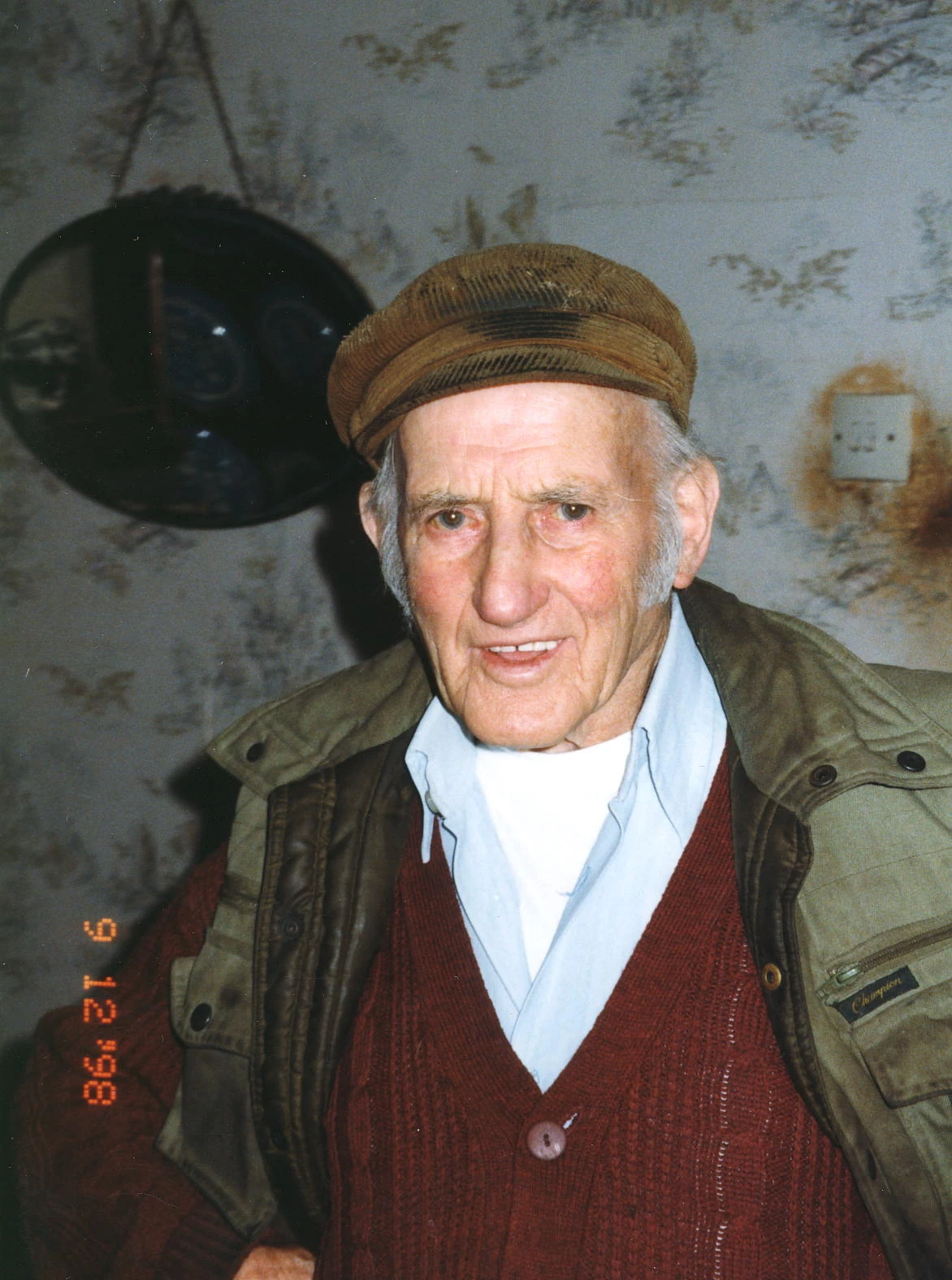
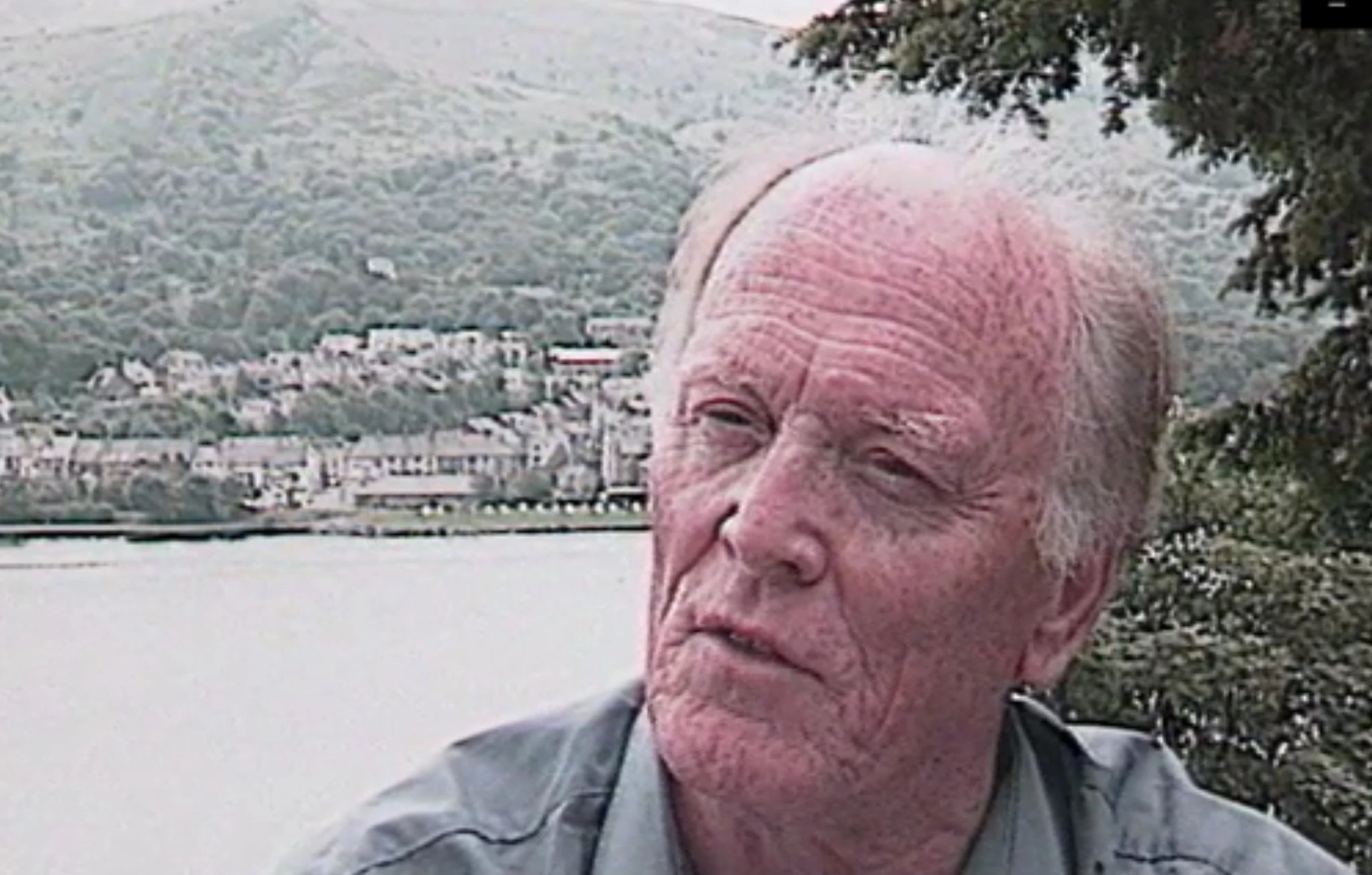
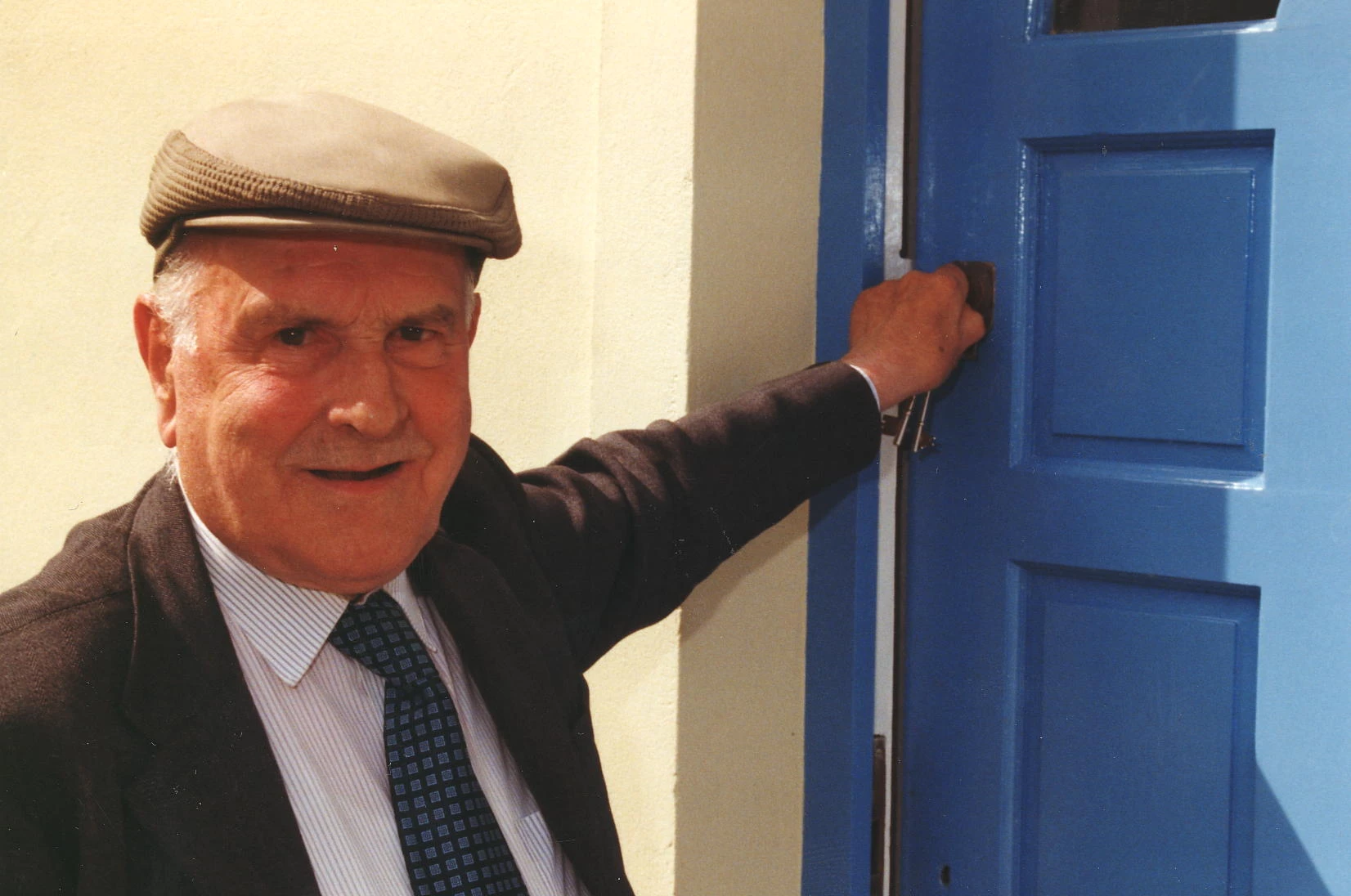
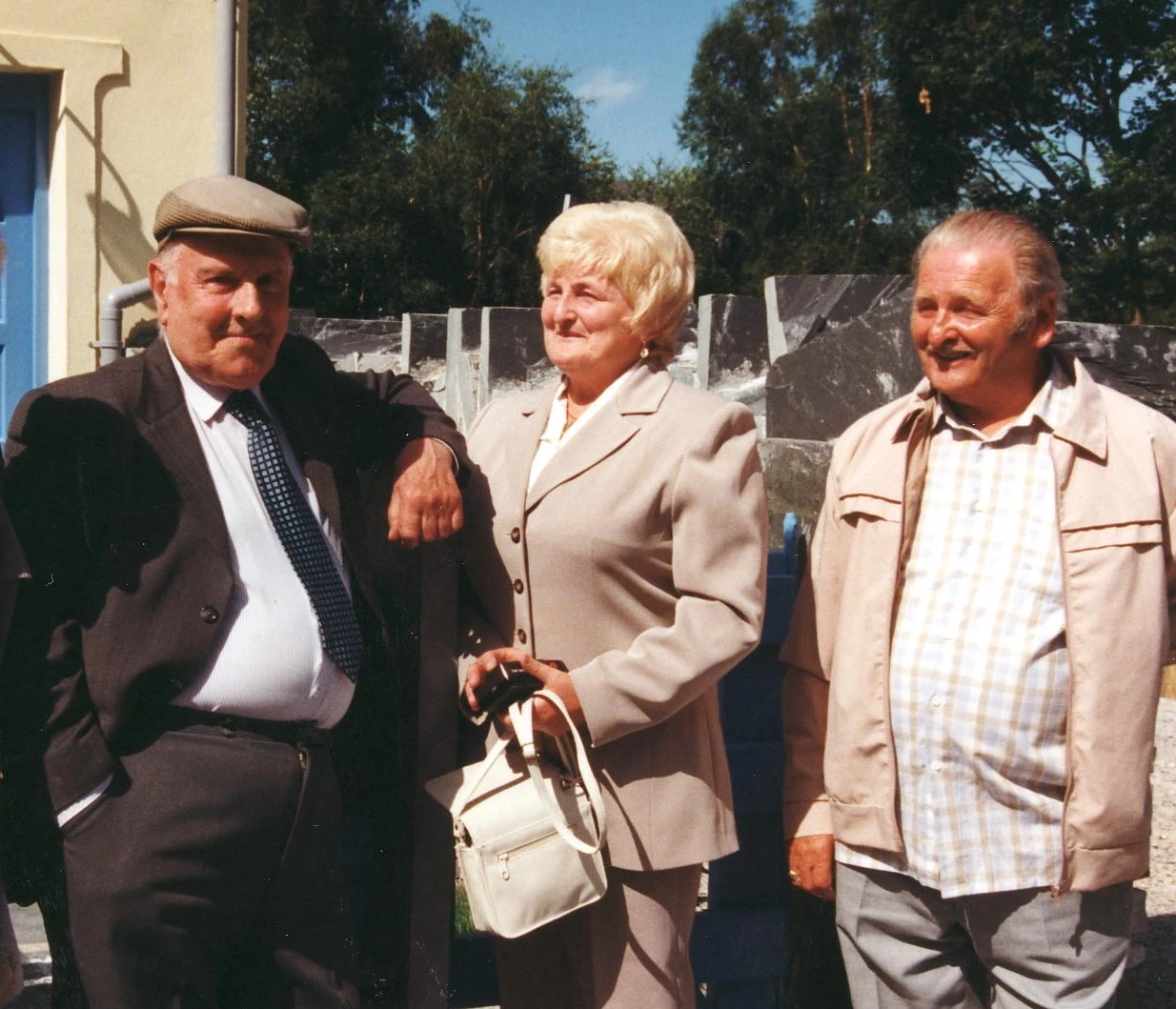
'Dach chi'n dysgu Cymraeg? Dyma sgwrs fer yn cyflwyno hanes tai Fron Haul. Mae'r sgwrs yn addas i ddysgwyr lefel Uwch.
Efallai fod pawb yn gaeth i’w cartrefi, ond mae natur yn ffynnu, a’r planhigion angen sylw. Wrth i erddi ar draws Cymru gael mwy o sylw nag erioed, mae gwaith tîm Uned Gerddi Hanesyddol Amgueddfa Cymru yn parhau, gystal â sy’n bosibl. Dyma Juliet Hodgkiss, sy’n gofalu am erddi hyfryd Sain Ffagan, i ddweud mwy:
I gadw pellter diogel yn ystod y pandemig, mae pob aelod o’r tîm yn gweithio un diwrnod yr wythnos i wneud gwaith garddio hanfodol. Gan mai dim ond un garddwr sydd yn y gwaith ar unrhyw adeg, gallwn ynysu’n llwyr, gan ddiogelu’r tîm a phawb arall. Un o’r swyddi pwysicaf yw plannu a gofalu am ein casgliad o datws treftadaeth. Rhoddwyd y tatws hyn i’r Amgueddfa dros ugain mlynedd yn ôl gan y Scottish Agricultural Science Agency. Fel gwrthrych byw, rhaid tyfu’r tatws hyn bob blwyddyn er mwyn cynhyrchu hadau ar gyfer y flwyddyn wedyn. Mae ein casgliad yn cynnwys y Lumper, y daten oedd yn tyfu yn Iwerddon adeg y newyn mawr. Mae’r Lumper yn tyfu yng ngerddi Nantwallter a Rhyd-y-car. Rydym hefyd yn tyfu Yam, Myatt’s Ashleaf, Skerry Blue a Fortyfold, pob un yn deillio o’r 18fed a’r 19eg ganrif.
Y gaeaf hwn buom yn plannu llawer o goed newydd yn y Gerddi, yn lle’r rhai a gollwyd, er budd ymwelwyr a bywyd gwyllt. Ychwanegwyd pedair merwydden newydd i’r Ardd Ferwydd; sawl rhywogaeth o ddraenen wen, criafol a phren melyn i’r terasau; tair cerddinen wen, coeden katsura, masarnen ‘snakebark’, a merysbren wen ger y pyllau; coed afalau surion ym Mherllan y Castell; ac amrywiaeth o rywogaethau brodorol ar gyfer coedlannu yn y dyfodol. Mae’r gwanwyn yn gynnes a sych eleni, felly mae angen dyfrio’r holl goed hyn i’w cadw’n fyw. Mae llawer ohonynt wedi’u plannu yn bell o dap dŵr, felly mae tipyn o waith cario caniau dyfrio.
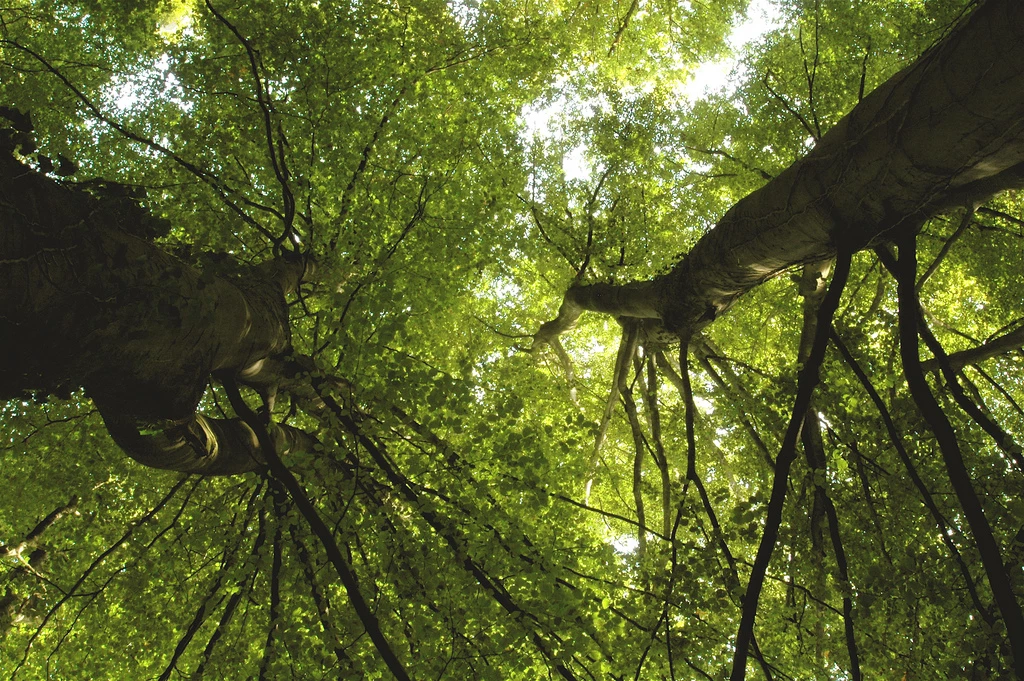
Rydym hefyd yn cadw planhigion y tai gwydr a’r meithrinfeydd yn fyw. Mae llawer o’r planhigion hyn yn brin neu’n unigryw i Sain Ffagan. Maen nhw’n cynnwys dau o ddisgynyddion ein ffawydden rhedynddail ac eginblanhigion o binwydden a gollwyd mewn storm ychydig flynyddoedd yn ôl. Mae angen dyfrio’r rhain bob dydd adeg yma’r flwyddyn. Yn y gwanwyn byddwn yn ailbannu’r gwelyau a’r borderi, ac yn llenwi bylchau’r planhigion fu farw dros y gaeaf. Doedd dim amser i blannu’r holl blanhigion a archebwyd yn y misoedd cyn i ni gau, felly’r nod yw ceisio’n gorau i’w cadw’n fyw a phlannu cynifer â phosibl tra’r ydyn ni’n gweithio efo llai o staff.
For our avid blog readers, you might recall previous articles about a group of worms which certainly dig! They are the shovel head worms, or to give them their scientific name, magelonids. Shovel head worms are a small group of marine bristle worms (polychaetes), which are sea worms related to earthworms and leeches, with bristles along their bodies. Shovel head worms get their name from their spade-shaped heads, which they use to dig in soft sediments such as sands as muds. They are pretty small and delicate, so although we have them around our coasts, they are often tricky to find. Therefore, they are not as well-known as other marine bristleworms such as lugworms and ragworms, often used by fisherman as bait! Their size also means that they can be pretty difficult to collect, ever tried looking for a worm less than 1 mm wide on a beach? We have! Despite their size they are quite beautiful worms (although, I may be slightly biased!) and like other marine bristleworms they are an important food source for many other sea creatures, and also are the gardeners of the ocean, re-working the sediments like earthworms do on land.
Although, I wear many different hats in the museum, one of my principle jobs is being a taxonomist. Taxonomy is the science of naming, describing and classifying life on earth. That may be finding new species, or re-describing species which were discovered many moons ago. When we find a new species, we draw it, take photographs of it (sometimes using Scanning Electron Microscopes enabling us to Zoom in really closely!), describe it and then pick a name for it in Latin. To give you an example here is a species that I described with colleagues in China.
So, what have we been up to recently? We have been reviewing the shovel head worms of Europe, of which there are currently nine species known. Four of which were first described from the UK, three off France, one off Portugal and one off Sweden. Although, these are worms we know, back when the species were first described we didn’t know all of the features/characters that we needed to know in order to correctly identify and seperate them. Unfortunately, this means that the worms get mis-identified, causing problems for people who monitor the health of our seabeds! This is where we step in, re-describing the species and producing identification keys and guides to help people in the future. Over the last year we have been busy reviewing the species, a paper on which has just been published. Now scientists all around the world will be able to correctly identify their European shovel head worms.
We have been doing this with a Professional Training Year Student from Cardiff University, and colleagues from Spain and Portugal.
Find out more about our work on ‘Worms that Dig!’
More on West African shovel head worms
Species new to science, Shovel head Worms from around the world
ACNMW has a dedicated and skilled team of Technicians supporting the care and exhibition of ACNMW’s world class art collections. Here one of the team, Paul Emmanuel, reflects on the links between a piece of his own art work and a work by Claude Monet, ‘Rouen Cathedral’.
Working with the Art collection at the National Museum Cardiff offers incredible privileges, not least is the opportunity of handling works and seeing them close up and out of their frames. This brings new readings to the forms. Techniques and applications appear more visible bringing a visceral quality to the surfaces.
I’m certain that influences from the collection filter into my own Art practice, directly or subliminally. Pink Backward Painting wasn’t made in response to Rouen Cathedral but my work at ACNMW offered a rare opportunity to compare in detail, the surfaces and forms of each work.
The comparison of works comes from a particular time in the conservation studio. Having finished Pink Backward Painting at Nantyffin Chapel and unframed Rouen Cathedral at ACNMW, I felt a resonance between the two paintings which still holds strong today.
You can explore further the work of the Museum’s Art Collections and Paul’s work further online.
Rafting has occurred throughout geological time, and it is how many terrestrial (land-dwelling) species colonised islands and other regions across the seas. A good example of this is the lemurs of Madagascar. 60 million years ago there were no lemurs on the island of Madagascar, but their ancestors were on the mainland of the African continent. So how did they actually get to Madagascar? Palaeontologists tell us that rafting is the answer. Back then, Madagascar was closer to the mainland and currents in the Mozambique Channel were much stronger towards the island than they are now. The lemurs’ ancestors must have found their way onto mats of vegetation or branches and by chance rafted to Madagascar. A completely fluke event!
The rafting species that we are studying start off attaching to plastics in the Caribbean. These plastics eventually float into the warm ocean currents of the Gulf Stream, which originates in the Gulf of Mexico, and provides a conveyor belt to transport non-native species across the Atlantic Ocean to the British Isles. Once here, violent storms then deposit the plastics, with their hitchhikers still attached, onto our shores.
The hotspots for non-native species records are in the southwest of England and western Ireland, but there are also records for western Scotland. Strangely enough there are no records for Wales, even though some of the beaches are prime, exposed shores similar to those in Ireland and England.
I want to discover if there are any welsh hotspots for rafting bivalves, find out which beaches to search and to encourage people to go out to those locations to try and get some records for Wales.
It is important to establish points of entry for any non-native species, which is why we need to map where the rafting species are arriving so that we can monitor numbers of any species arriving alive that could possibly pose a threat. When a species moves to a new location, the species that already live there have to adapt to cope with the newcomer. This can put a strain on populations that use the same food source or habitat as the invading species, which is why we want to know where these rafting species are washing ashore. All the rafting species that we’ve encountered so far cannot reproduce in our waters as they need warmer sea temperatures of 20°C or more to breed. However, if sea temperatures continue to rise, climate change could aid more rafting species to create self-sustaining populations here which could become a real problem
Of the non-native rafting species found so far in the UK, the Bicolor Purse Oyster (Isognomon bicolor) is the one that has shown up in the greatest numbers. It was first described as a species in 1846 by C.B. Adams who collected it in Jamaica. It has been spotted around the coasts of Florida, Texas and Bermuda and several of the Caribbean islands all of which are considered its natural range. However, in 1970 it was recorded outside its natural range in the eastern state of Rio Grande do Norte in Brazil. It has since moved further southwards and is considered an invasive species in Brazil as it is competing with native oysters and mussels for space and is spreading quickly.
The Bicolor Purse Oyster has been found in Cornwall, Dorset and western Ireland by eagle-eyed beachcombers. They noted locations, objects that the oysters were attached to, and they collected the shells. The beachcombers are great photographers so we have a record of the variety of sizes, shapes and colours of the shells found here. The Bicolor Purse Oyster is small (up to 28mm), flattened and elongated. The outside is beige and white, sometimes with purple blotches and is smooth apart from being a bit flaky-looking. The front of the shell has byssus threads of pale to dark brown that protrude ready to attach to hard surfaces. In its natural range this species attaches to rocks and is commonly found in the Florida Keys.
Although there are lots of records of rafting species in Ireland and England, there are none for Wales. Does that mean that they do not wash ashore in Wales? Doubtful! This is why I’ve set up a project to get people out onto beaches looking for any plastics that could be likely rafts. The project involves citizen scientists – volunteers from the general public – who can help to spot these rafting species in Wales.
To find out more about this part of the project see next week's blog entitled Rafting Bivalves - the Citizen Science project.
Goleuo’r Ffordd – Pennod Nesaf Neuadd Weston
Gweithdai Rhithwir Bylbiau'r Gwanwyn i Ysgolion
Cynhesrwydd y Gaeaf yn Amgueddfa Wlân Cymru: Lapiwch Eich Hun yn Hud y Gwlân
Blwyddyn eithriadol! Blwyddyn ers cau drysau'r Amgueddfa Lechi dros-dro ar gyfer ailddatblygu!