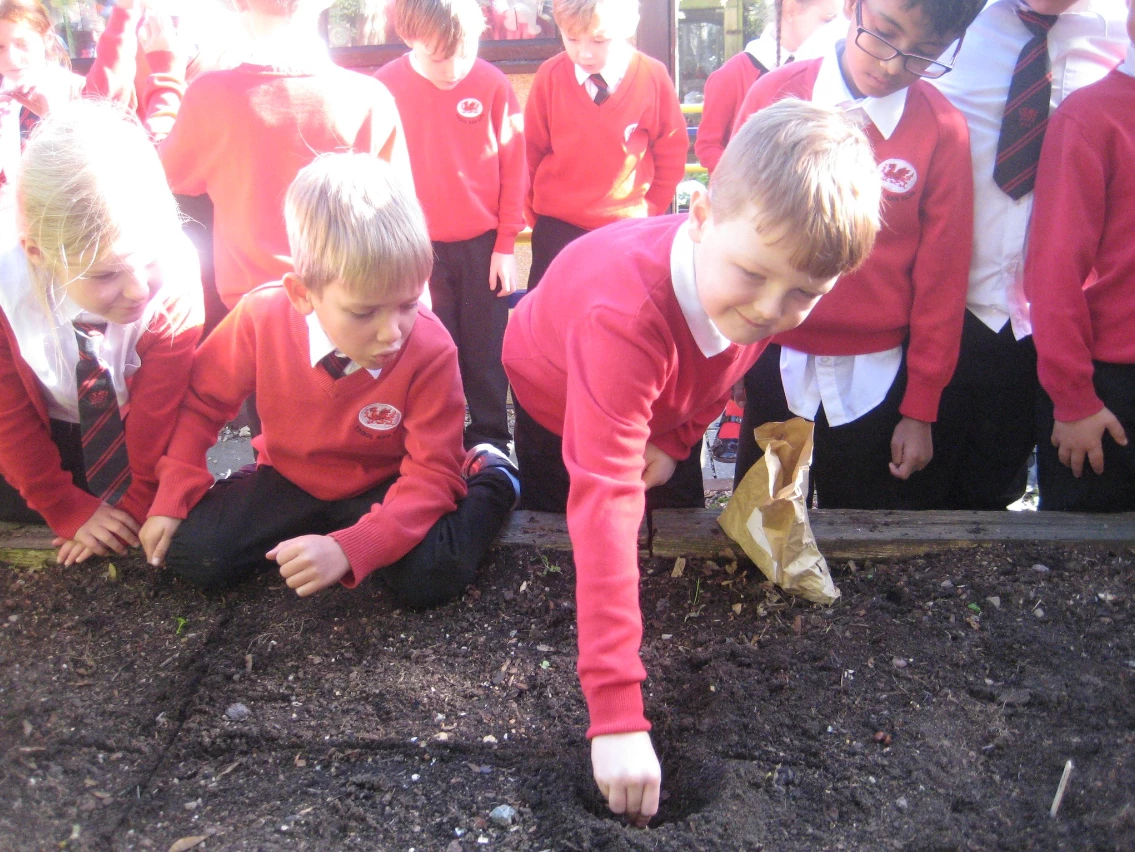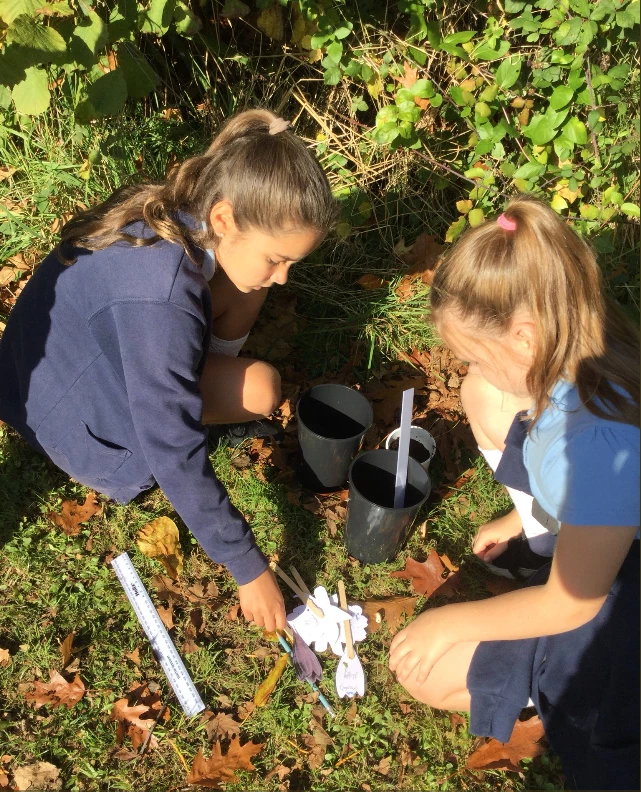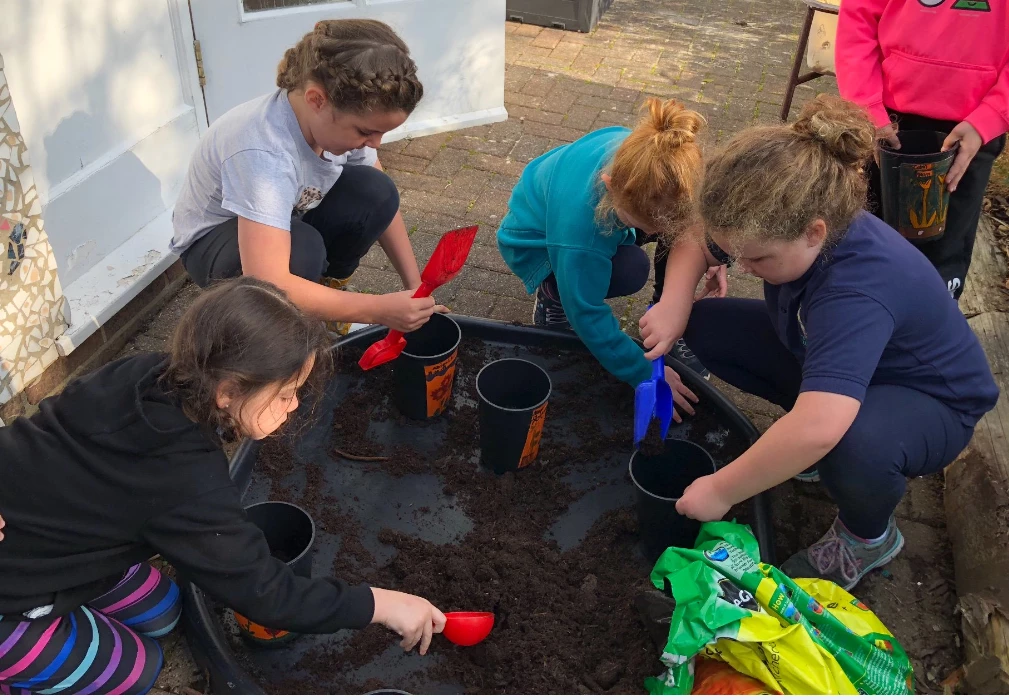
Teuluoedd Taf yn mwynhau cyd-goginio yn Sain Ffagan Amgueddfa Werin Cymru Awst 2019 Clare Dickinson, Uwch Swyddog Buddsoddi Cymunedol, Cymdeithas Tai Taf, 17 Medi 2019 Fel rhan o’n hymrwymiad i Ddeddf Llesiant Cenedlaethau'r Dyfodol a'r nod o greu Cymru fwy llesol, dyma ni’n gwahodd rhai o deuluoedd Cymdeithas Dai Taf i fwynhau diwrnod yn Sain Ffagan Amgueddfa Werin Cymru. Dyma nhw'n dysgu am fwyta'n iach, fydd o fudd i iechyd pawb yn y dyfodol.Roedd gwledd o weithgareddau cyffrous ar gael i'r teuluoedd, gan gynnwys taith drwy erddi'r Amgueddfa i godi shibwns a thorri bresych, arddangosiadau coginio gan ddarlithydd Rheoli Lluniaeth o Brifysgol Fetropolitan Caerdydd, a chyflwyniad ar faeth i gloi. Roedd cyfle i bob plentyn olchi, paratoi a choginio bwyd. Dyma oedd profiad cyntaf nifer o'r plant o greu prydau iach gyda chynhwysion o'r pridd. Fel y dywedodd Alex, sy'n 12 oed, "Roedden ni'n cael blasu'r perlysiau wrth eu hel. Roeddwn i'n hoffi'r mintys – roedd e'n blasu fel gwm cnoi. Yn yr archfarchnad mae perlysiau wedi eu sychu ac mewn pacedi felly allwch chi ddim arogli na'i cyffwrdd nhw." Roedd nifer o rieni yn dweud eu bod hi'n anodd coginio prydau iach yn rhad, ac yn anodd annog plant i fwyta llysiau. Dywedodd un rhiant, "Trefnwyd bysys am ddim i ni – mae mynd â phump plentyn ar draws y ddinas ar sawl bys yn anodd ar y gorau! "Mae'r plant eisiau dechrau tyfu llysiau yng ngardd mam-gu – dwi erioed wedi eu gweld nhw'n bwyta llysiau mor gyflym!" Diolch o galon i Sain Ffagan Amgueddfa Cymru a thîm Widening Access Prifysgol Fetropolitan Caerdydd am drefnu'r cyfle gwych hwn. Rydyn ni'n barod yn trefnu gweithgareddau tebyg yn yr Amgueddfa, gan roi cyfle i fwy o blant ddysgu am fyw yn iach a diwylliant Cymru.
Searching for Medieval Pilgrims in Pembrokeshire Rhianydd Biebrach, 13 Medi 2019 The shrine of St David in St David’s Cathedral, Pembrokeshire, was an extremely important pilgrimage site in the Middle Ages. Two pilgrimages there were worth one to Rome, and thousands of people would have visited before the shrine was destroyed at the Reformation.Inspired by the ‘Beneath our Feet’ project run by Narberth Museum and Tenby Museum and Art Gallery, which is looking at the theme of pilgrimage in Pembrokeshire, Saving Treasures; Telling Stories decided to find out more. What did those long-ago travellers leave behind them?Pilgrim ObjectsTwo kinds of objects were commonly associated with pilgrims in the Middle Ages: ampullae, and badges.Ampullae were little lead scallop-shaped flasks containing holy water that were pinned to clothing or hung around the neck in the belief that they offered spiritual protection. You might expect to find large numbers of them in Pembrokeshire, with its important holy shrine.It seemed a fair bet that local metal detectorists had found plenty over the years.But, a search on the Portable Antiquities Scheme (PAS) database, where over a million detectorist finds are recorded, revealed some surprises.In fact only SIX examples from Pembrokeshire have been recorded with PAS – a surprisingly small amount! Surely there should be many more?To compare, we looked at the records for Kent, home of medieval England’s most important pilgrim destination – the shrine of St Thomas Becket at Canterbury Cathedral. Even here, only 50 pilgrim ampullae have been recorded with PAS, not such a huge number considering the many thousands of people who travelled there.Contrast this with Lincolnshire, where 232 ampullae have been recorded, the biggest number of any county in Wales and England. Lincoln Cathedral boasted two important shrines (both to saints called Hugh), but this does not explain such a big difference in numbers.What’s going on?Confused, we turned to pilgrim badges. These were usually made of lead or pewter and depicted saints, letters and religious scenes and symbols. They were bought at shrines as souvenirs and pinned to clothing.Surely lots of these cheap objects would have been lost by the visitors to St David’s?But a search on the PAS database turned up NO examples from Pembrokeshire at all!Even in St Thomas Becket’s Kent, no more than 11 badges have been recorded with PAS. Greater London has by far the highest number, at 119.Then we saw that five pilgrim badges had been reported from Swansea, which seemed unusual as there was no important medieval shrine in the town. One of them was a badge of none other than Thomas Becket himself. How had that got there?It turned out that each one of these badges had been discovered, not in the city itself, but under the sands of Swansea Bay.Intrigued, we chose a random sample of the London badges and discovered that they had all been found in the River Thames.We checked the find spots of the ampullae, and sure enough, two had been found on Tenby beach and two others in the coastal village of Manorbier. There was a definite watery theme!Giving thanks?In an age when travel was difficult and dangerous, ships were the fastest method of transport, though not necessarily safe.So it makes sense that pilgrims going on long journeys would travel at least part of the way by water, and would be relieved and thankful when they reached the shore safe and sound. The evidence of all these badges and ampullae dug from the sands and fished from the Thames suggests that returning pilgrims threw them into the water, perhaps as a way of giving thanks for a safe return.
Siop y Teiliwr 11 Medi 2019 Roedd stryd fawr tref ddiwydiannol yng Nghymru yn nechrau’r 20fed ganrif yn edrych yn wahanol iawn i’r stryd fawr fodern – byddai yno siopau unigryw, arbenigol yn hytrach na siopau mawr yn gwerthu amrywiaeth o nwyddau. Roedd siopau defnydd yn rhan annatod o’r stryd fawr, yn gwerthu brethyn a ffabrigau fesul llathen. Cai dillad eu gwneud yn y cartref neu gan deiliwr lleol a cai rholiau o ddefnydd eu torri i faint penodol y cwsmer. Gyda degawdau eto cyn gwawrio’r oes fasgynhyrchu dillad, roedd galw cyson am ffabrig a dillad yn lleol.Gyda datblygiad y diwydiannau glo a haearn yn ne Cymru yn ystod y bedwaredd ganrif ar bymtheg gadawodd nifer fawr o bobl gefn gwlad Cymru i chwilio am waith. Dyna oedd hanes y gŵr ifanc Emlyn Davies, a anwyd yng Nghastellnewydd Emlyn ond a symudodd i Ddowlais i weithio fel cynorthwy-ydd yn siop J.S Davies Drapers. Ym 1898 agorodd ei siop ddefnydd ei hun. Gwerthu lliain fyddai Emlyn Davies yn bennaf a prynai’r mwyafrif o’i stoc o Felin Cambrian Dre-fach. Byddai David Lewis, perchennog Melin Cambrian, yn teithio i’r cymoedd i gasglu archebion am liain a’r defnydd yn cael ei gludo ar y trên i Ddowlais o stesion Henllan. Byddai’r lliain yn cael ei droi’n grysau a dillad isaf i weithwyr y pyllau glo a’r gweithfeydd haearn lleol. Emlyn Davies ar drip blynyddol y staff i'r Fenni 1912 Byddai gweithwyr y pyllau a’r gweithfeydd haearn yn gwisgo lliain Cymreig am ei fod yn treulio’n hynod dda ac yn wych am amsugno chwys diwrnod caled o waith. Roeddent yn gweithio mewn amodau anodd ac roedd tân yn berygl beunyddiol. Golygai nodweddion gwrth-dân naturiol gwlân taw lliain Cymreig oedd y defnydd delfrydol tan y 1920au. Emlyn Davies, staff a theulu 1914 Prynu ar gredyd fyddai cwsmeriaid Emlyn Davies gan gymryd eu nwyddau a thalu cyfran o’u bil bob wythnos. Byddai’n teithio i drefi cyfagos i gasglu archebion gan ddosbarthu’r nwyddau yr wythnos ganlynol, ac roedd ganddo hefyd stondin ym marchnad wythnosol Aberhonddu. Emlyn Davies, jiwbilî arian 6 Mai 1935 Roedd busnes y siopau dillad a lliain yn ffynnu tan y 1920au. Arweiniodd cyfuniad o ddatblygiadau yn y ddegawd honno at ddirywiad y busnes; dillad isaf wedi’i weu gan gynhyrchwyr hosanau dwyrain canolbarth Lloegr; cotwm rhad wedi’i brintio a dillad parod wedi’i fasgynhyrchu. Gyda streiciau, cynnwrf gwleidyddol a’r dirwasgiad mawr yn y cymoedd diwydiannol ar ben hyn oll, caeodd nifer o siopau dillad. Roedd busnes Emlyn Davies ar ei anterth ym 1920 ond bu’n dirywio’n gyson tan ei farw ym 1937. Wedi hynny, ei ferch Miriam fu’n rhedeg y busnes gan werthu cotwm a dillad wedi’i fasgynhyrchu cyn i’r busnes gau ar ei hymddeoliad ym 1962. Miriam Miriam Davies o flaen siop ddillad ei thad ar East Street, Dowlais tua 1917 Emlyn Davies tu allan i'w siop gyda ffrindiau a theulu, Diwrnod y Coroni, 12 Mai 1937
Oes y Tywysogion Joe Lewis, 28 Awst 2019 Dros Nos yn Llys LlywelynMae Amgueddfa Cymru yn edrych ymlaen at lansio ein rhaglen aros dros nos yn Llys Llywelyn yr haf hwn.Ail-gread yw Llys Llywelyn o un o Lysoedd Tywysogion Gwynedd yn y 13eg ganrif. Mae wedi'i seilio ar weddillion Llys Rhosyr yn ne-orllewin Ynys Môn.Bydd cyfle i ysgolion aros dros nos yn Llys Llywelyn rhwng Ebrill a Hydref. Yn ystod y dydd bydd y grŵp yn cymryd rhan mewn gweithdy chwarae rôl i ddysgu mwy am fywyd yn Llys Llywelyn. Gyda'r nos bydd cyfle i weld tu ôl i'r llenni yn Sain Ffagan, chwarae gemau canoloesol a chysgu gan drawstiau lliwgar yr adeilad hynod hwn.Mae'r pecyn yn cynnwys gweithdy awr o hyd, gweithgareddau hunan-arwain gyda'r nos, swper, siocled poeth, brecwast a llety dros nos.Chwilio am nawdd i aros dros nos yn Llys Llywelyn? Gall ysgolion wneud cais am grant Ewch i Weld i fynychu sefydliadau diwylliannol.Adnoddau DosbarthYn ogystal ag adeilad y Llys ei hun, rydym wedi cynhyrchu pecyn o adnoddau dosbarth sy'n dysgu mwy am Oes y Tywysogion.Cydweithiodd Amgueddfa Cymru â Llyfrgell Genedlaethol Cymru, Cadw a Chomisiwn Brenhinol Henebion Cymru i gynhyrchu'r adnoddau. Rhannwyd yr adnoddau yn 6 thema, gyda gweithgareddau dosbarth posibl ar gyfer hyd at 5 gwers i bob thema:Trosolwg, Tystiolaeth, Bywyd Bod Dydd, Cestyll a Llysoedd, Rheolwyr Cymru, a Choncwest Cymru. Mae'r adnoddau i gyd yn defnyddio casgliadau o bob sefydliad partner i ddod ag Oes y Tywysogion yn fyw.
Hortus Sanitatis: an early herbal Kristine Chapman, 22 Awst 2019 If you visit the Snakes exhibition at National Museum Cardiff (open till 15 September), you will see a 16th century book from the Library collections. This unusual book is known as Hortus Sanitatis (although it is also written as Ortus Sanitatis) which roughly translates to ‘The Garden of Health’ in Latin. It is an early example of a herbal, a book containing descriptions of plants, along with how to prepare and use them as medicinal remedies. It started life in 1485 as a German ‘Herbarius’, also called the Gart der Gesundheit, before an extended version, translated into Latin, was published in 1491. Unlike the German version, the new Latin version didn't just focus on plants, but also included remedies involving animals, birds, fish and minerals. Over the next 50 years the book was published in many more editions and languages. As well as new Latin and German editions, it was also translated into Dutch and English (although often in shortened versions). The English edition is called the Noble lyfe & natures of man, of bestes, serpentys, fowles & fisshes, and was produced around 1527. All these editions indicate just how popular this book was in the 15th and 16th centuries. Perhaps it saw so many reprints because unlike most herbals of the period, it covered more than just plants. But by the 1530s it was being replaced by the herbals of the 'German Fathers of Botany', Bock, Brunfels, and Fuchs. Our copy of Hortus Sanitatis is one of the Latin editions published in Strasburg in 1517 by Reinhard Beck. The full title is Ortus sanitatis de herbis et plantis. De animalibus et reptilibus. De avibus et volatilibus. De piscibus et natatilibus. De lapidibus et in terre venis nascentibus. Urinis et earum speciebus. It has no known author, as was common with herbals of this period, and is heavily illustrated. The illustrations, along with the purchase of the paper for printing, would have been the most expensive part of producing the book, and so were re-used from other works. Unusually for the period, many of the woodcuts are coloured. Our copy of this book is from the Willoughby Gardner Library, but also has a bookplate identifying it as part of the former collection of Charles Butler. Charles Butler, Esq. [1821-1910] was an English politician and collector. He held a very extensive and valuable library at Warren Wood, Hatfield, which was sold off at Sotheby’s in 1911. It’s most likely that Willoughby Gardner purchased the book from that sale, either directly or indirectly from a rare books seller. He regularly purchased books from famous libraries, and so would have been well aware of such a significant auction. The title page of the book also gives us a clue to a much earlier owner. Written in ink are the words ‘Monasterii Montis S. Georgii 1659’, indicating that it might have formerly been in the possession of a monastery in Austria. The monastery of St. Georgenberg was founded on the site of a hermitage, near Stans, and held an extensive library. In the 17th century the abbot decided to reorganise it and give the books new marks of ownership, written on the first and last folios, and usually dated (most often in 1652, 1659, and 1661). In 1850 the monastery sold a number of books from their library in order to raise money, and many of them have since ended up in public collections in the UK. It is quite likely that Charles Butler acquired Hortus Sanitatis from that sale. Further reading;Anderson, Frank J. An illustrated history of the herbals. New York, Columbia University Press, 1977Arber, Agnes. Herbals: their origin and evolution, 3rd edition. Cambridge, Cambridge University Press, 1986