Beyond Single Repositories

The Peabody Essex Museum in the USA have been working on several web projects collaboratively through the ECHO project. The project is a mix of Native and non-Native institutions within USA and is funded by Federal Government grant.

Even though ECHO is challenged by different educational standards at state and national level, they continue to work to engage young people and children in local communities. They also mentioned some cross-cultural design issues, though some issues have been successfully overcome with their interactive map and artists' gallery on newtradewinds.org.

We also listened to a Flickr representative talking about a new project called 'The Commons' (flickr.com/commons), which they developed alongside the Library of Congress. It's a more formal way for institutions to increase access their photographic collections through Flickr. The number of tags and comments added are unbelievable - in two and a half days the Library of Congress' online collection had 20,000 tags, and have had 4,000 comments so far. And some of the feedback has been added into their records, which means it's a good way for the public to contribute knowledge.

A very brief update on new media

It's great to be back at the international Museums & The Web conference. The last conference helped shape a lot of the work we've been doing in the last year, so now seems a good time to update you on a few of those developments.

Around this time last year we launched a new blog area. If you haven't seen it yet, click 'refresh' and you're here! Since then we've expanded the feature and published over 70 blog entries. Similarly, we launched our first podcast in October of last year. There's more work to do here and in the short term, you'll see an overhaul of our blog pages and, of course, lots more content.

Tying a lot of things like this together is our new collections site,

Rhagor

. The goal behind Rhagor was to open up our collections and stories to the public in ways that weren't possible before, and really engage visitors with our collections.

The creative process and technical challenges behind our work is sometimes unseen in the final product of an exhibition or an event. We'd also often like to tell you the interesting stories behind our objects without filling our galleries full of text. For me, this really enriches the experience of going to museum for real. We're going to be doing a lot more work to tie our blogs, podcasts and Rhagor features into our visitor pages to give a fuller picture of the work we do.

This is all part of a wider plan we're working on and an evaluation of everything that goes into our site. As always, feedback is welcome. I'll keep you updated as this work develops, but like this time, I'll try to keep it short and sweet!

Engaging Museum Audiences

Today's sessions at Museums and the Web kicked off with an interesting opening plenary by Michael Geist, from the University of Ottawa. He looked at where we were 10 years ago in relation to internet policies, as well as current trends on the web, and looking towards the future for current policy approaches.

The session I attended this morning was about engaging museum audiences, with the Brooklyn Museum impressing again as they showed why they are one of the best at utilising familiar social networking technologies. They've had some interesting developments since last year including a Facebook application (Artshare) and a YouTube-based video competition. They also approached 10 photographers that posted on Flickr to photograph their collections in a different way. These images were much more dramatic than their current library, as the photographers seemed to give the objects much more character (presumably due to a free rein).

Also in the same session the Australian Museum showed some of the work they had been doing to classify their users, which was much different from the normal demographic data. They created characters to try and understand why people engage in certain behaviours, which allowed them to see how certain types used the internet.

Keeping the Focus on Learning in e-Learning


Today I went to a workshop that drew on the National Museums Online Learning Project (NMOLP), which was presented by staff from the Tate Museum and the Victoria & Albert Museum (V&A).

The project is the development of an e-learning resource for students, teachers, and lifelong learners. There are nine museums collaborating on this project, which will use all of the partners' online collections. It is a three year project that will launch in March 2009, funded by the UK Government.

The exercises for schools are called 'WebQuests', which are task-based lessons that draw content distributed across the partner museums' websites. For lifelong learners there is more of a social media portal, which uses an open source technology and although it is hosted by each partner museum it is continually updated via RSS feeds.

The workshop was interesting from a project management perspective, stating the importance of knowing your target audience and what you want to achieve. It's also important to establish who is leading the project, who needs to be involved and what the implications are after the funding ends.

They showed how they used wireframe sketches of the interface to shape the final product - testing their ideas with children and other stakeholders before starting web development. The project coordinators also gave templates to content producers to standardise the information supplied for WebQuests. I look forward to seeing the final result!

Chris and I will be blogging throughout the week about the sessions held at this year's Museums and the Web conference.

Cregyn bylchog sy'n bwyta nwy

Genws newydd Spinaxinus sentosus o gargo organig y llong suddedig Francois Vieljeux

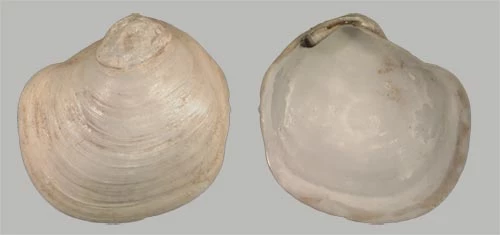
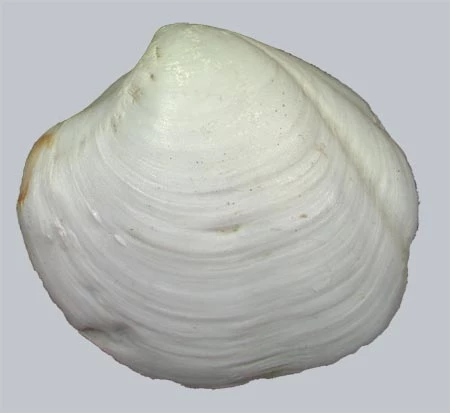
Casglwyd y rhywogaeth a'r Genws newydd Spinaxinus sentosus o gargo organig y llong suddedig Francois Vieljeux. Mae'r genws yn wahanol i thyasiridau eraill hysbys, a dyma'r unig gofnod o'r rhywogaeth hon hyd heddiw.

Thyasira methanophila

, cragen fylchog newydd i wyddoniaeth o ardal tryddiferfannau methan oddi ar arfordir Concepción, Chile. Mae ei enw'n awgrymu ei ddibyniaeth ar fethan.

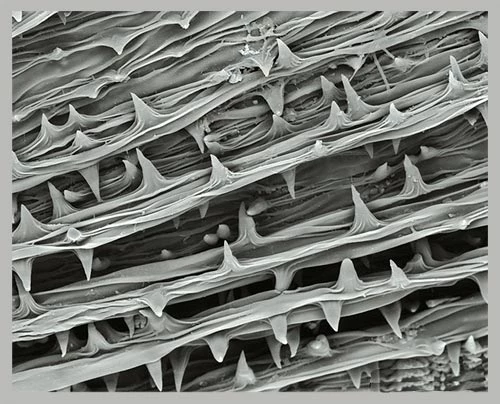
Darlun manwl o gragen allanol Spinaxinus sentosus

Darlun manwl o gragen allanol Spinaxinus sentosus a ganfuwyd yng nghargo organig y llong suddedig Francois Vieljeux. Ar ôl i wyddonwyr yr Amgueddfa chwyddo'r llun a sylwi ar y pigau, galwyd y genws newydd yn 'Spinaxinus'.

Ceir cronfeydd mawr o olew a nwy naturiol yn ddwfn o dan wely'r môr, ond ni ddarganfuwyd tan yn gymharol ddiweddar fod methan yn tryddiferu o arwyneb gwely'r môr. Gelwir y mannau hyn yn 'dryddiferfannau nwy', ac mae rhai anifeiliaid wedi esblygu yn benodol i fanteisio ar yr amgylchedd unigryw hwn.

Diet o fethan a sylffwr

Mae cymunedau o gregyn bylchog yn byw wrth y tryddiferfannau methan hyn sy'n defnyddio'r nwy fel ffynhonnell fwyd. Nid ydynt yn bwyta'r nwy, ond maent wedi esblygu i lochesu bacteria yn eu meinwe sy'n cyflawni'r dasg yn eu lle.

Gelwir yr organebau hyn yn rhai 'cemosymbiotig', ac mae rhai grwpiau o gregyn bylchog wedi bod yn llwyddiannus iawn wrth addasu i'r amgylchedd hwn.

Mae'r grŵp hwn o gregyn bylchog yn gallu ecsploetio sylffwr hefyd, ac maent yn byw mewn mannau lle ceir haenau o blanhigion yn pydru, o amgylch carcasau pydredig morfilod, wrth agorfaoedd poeth, a hyd yn oed mewn mwd sydd wedi'i lygru ag olew disel.

Oherwydd bod y cregyn bylchog hyn yn dod o amgylchedd anghyffredin, ac yn aml o ddyfroedd dyfnion, mae llawer ohonynt eto i'w hastudio'n fanwl. Anfonwyd nifer ohonynt i Amgueddfa Cymru i gael eu hadnabod a'u disgrifio.

Cregyn bylchog o Chile

Anfonwyd cregyn yn ogystal â sbesimenau byw o gregyn bylchog i'r Amgueddfa yn dilyn darganfyddiad tryddiferfan nwy oddi ar arfordir Chile 700-900m o dan arwyneb y môr.

Roedd un rhywogaeth o'r fath, mewn grŵp o'r enw Thyasira, yn newydd i wyddoniaeth. . Astudiwyd y bacteria ym meinwe tagell y gragen fylchog drwy ddefnyddio microsgop sganio electronig. Cadarnhaodd hyn y symbiosis (dibyniaeth) rhwng y bacteria a'r gragen fylchog.

Darganfuwyd bod rhywogaeth o'r genws Lucinoma yn newydd i wyddoniaeth hefyd, ond hyd yma dim ond cregyn a ddarganfuwyd. Mae'n debygol bod y mwyafrif o'r rhywogaethau sy'n byw ar y safle hwn yn endemig (wedi'u cyfyngu i'r lleoliad hwn) ac nac ydynt yn bodoli unrhyw le arall yn y byd.

Glandir Pacistan

Anfonwyd rhywogaeth fach o Thyasira atom ar draws y byd o Indus Fan oddi ar arfordir Pacistan. Fe'i casglwyd yn ystod astudiaethau o'r ffawna anghyffredin sy'n byw yn nyfroedd ocsigen isel yr ardal.

Canfuwyd y gragen fylchog bitw hon mewn dwyseddau hyd at 500/y metr sgwâr ac mae'n sicr ei fod wedi manteisio ar y bwyd helaeth. Dyma genws arall sydd heb ei astudio, ac mae'r Amgueddfa'n cydweithio â'r Amgueddfa Hanes Natur, Llundain sy'n astudio trefn folecwlar (DNA) y grŵp.

Cragen fylchog â blas am longddrylliadau

Manteisia'r cregyn hefyd ar ffynonellau artiffisial o fethan a sylffwr, ac un o'r rhyfeddaf ohonynt oedd cargo'r llong gynwysyddion suddedig "Francois Vieljeux". Suddodd y llong oddi ar arfordir gogledd Sbaen mewn 1160m o ddŵr, ynghyd â'i chargo o ffa castor a hadau blodau'r haul.

Yn ystod yr ymdrechion i achub y llong sylwyd bod cregyn bylchog wedi setlo ac wedi tyfu ar y cargo. Roedd y cregyn bylchog i gyd yn perthyn i grwpiau cemosymbiotig ac yn ecsbloetio'r sylffwr a ryddhawyd gan y cargo pydredig. Roedd un o'r cregyn bylchog yn Thyasira tebyg i'r sbesimen o Chile.

Basn Cascadia, oddi ar Dalaith Washington

Tarddell boeth yng ngogledd ddwyrain y Môr Tawel yw Baby Bare Seamount sy'n gartref i rywogaeth newydd o Axinus (tebyg i Thyasira). Mae'r safle'n anghyffredin oherwydd nad oes yno enghreifftiau o'r rhywogaethau deufalf eraill sy'n nodweddiadol mewn lleoliadau tryddiferfannau methan ac awyrellau poeth. Ar y cychwyn roedd ffynhonnell maeth yr anifeiliaid yn ddirgelwch gan fod y lefelau methan a hydrogen sylffid mor isel.

Llosgfynyddoedd Mwd Cadiz

Oddi ar arfordir de Portiwgal ceir nifer o losgfynyddoedd mwd a ffurfiwyd gan wasgiannau'r platiau tectonig Affricanaidd ac Ewrasiaidd. Mae'r gwasgiannau'n gwthio hylif sy'n llawn methan a sylffwr o grombil y llosgfynyddoedd i wely'r môr uwchben. Erbyn i'r hylifau gyrraedd yr arwyneb maent wedi oeri, felly gelwir y llosgfynyddoedd yn dryddiferfannau oer. Ceir nifer o rywogaethau o gregyn bylchog Thyasira ar y safleoedd hyn, ond dim ond rhai ohonynt sy'n llochesu'r bacteria cemosymbiotig i'w galluogi i dynnu maeth o sylffwr a methan. Yn sgil cydweithio rhwng yr Amgueddfa a Phrifysgol Cadiz, Sbaen, disgrifiwyd rhywogaeth newydd o'r enw Thyasira vulcolutre, sy'n golygu 'perthyn i losgfynydd mwd'.

Erbyn hyn, mae'r Amgueddfa, mewn cydweithrediad â Phrifysgol Bangor, yn gweithio ar dacsonomeg Thyasira a gasglwyd mewn folcano mwd yn yr Arctig, a misglen o'r genws Idas a gasglwyd o fwd a lygrwyd gan ddisel o dan lwyfan olew ym Môr y Gogledd.

Mae'r gwaith hwn gan Amgueddfa Cymru yn cynorthwyo i ymchwilio'r posibilrwydd o ddefnyddio'r cregyn bylchog hyn i lanhau mannau llygredig ar wely'r môr.