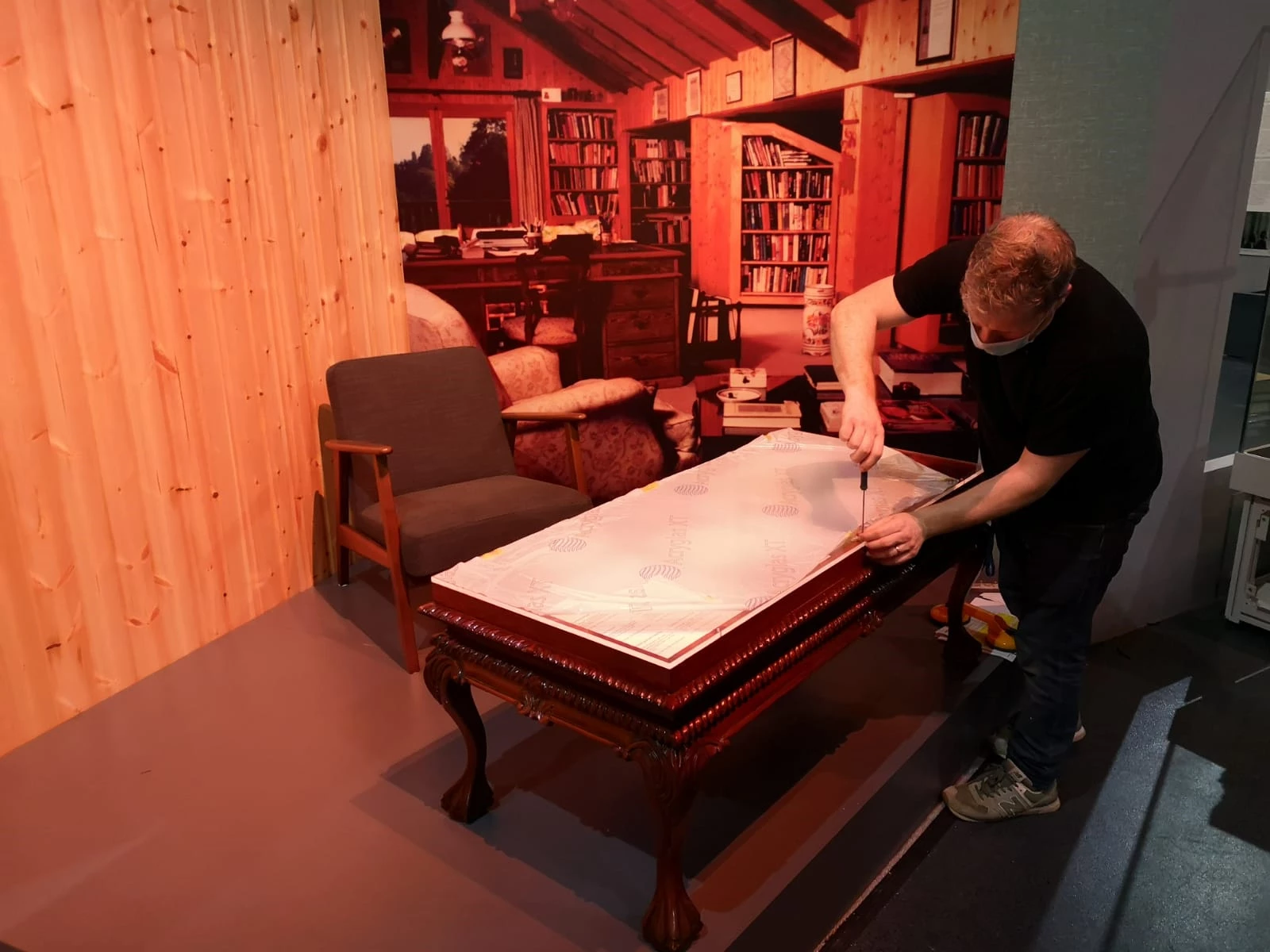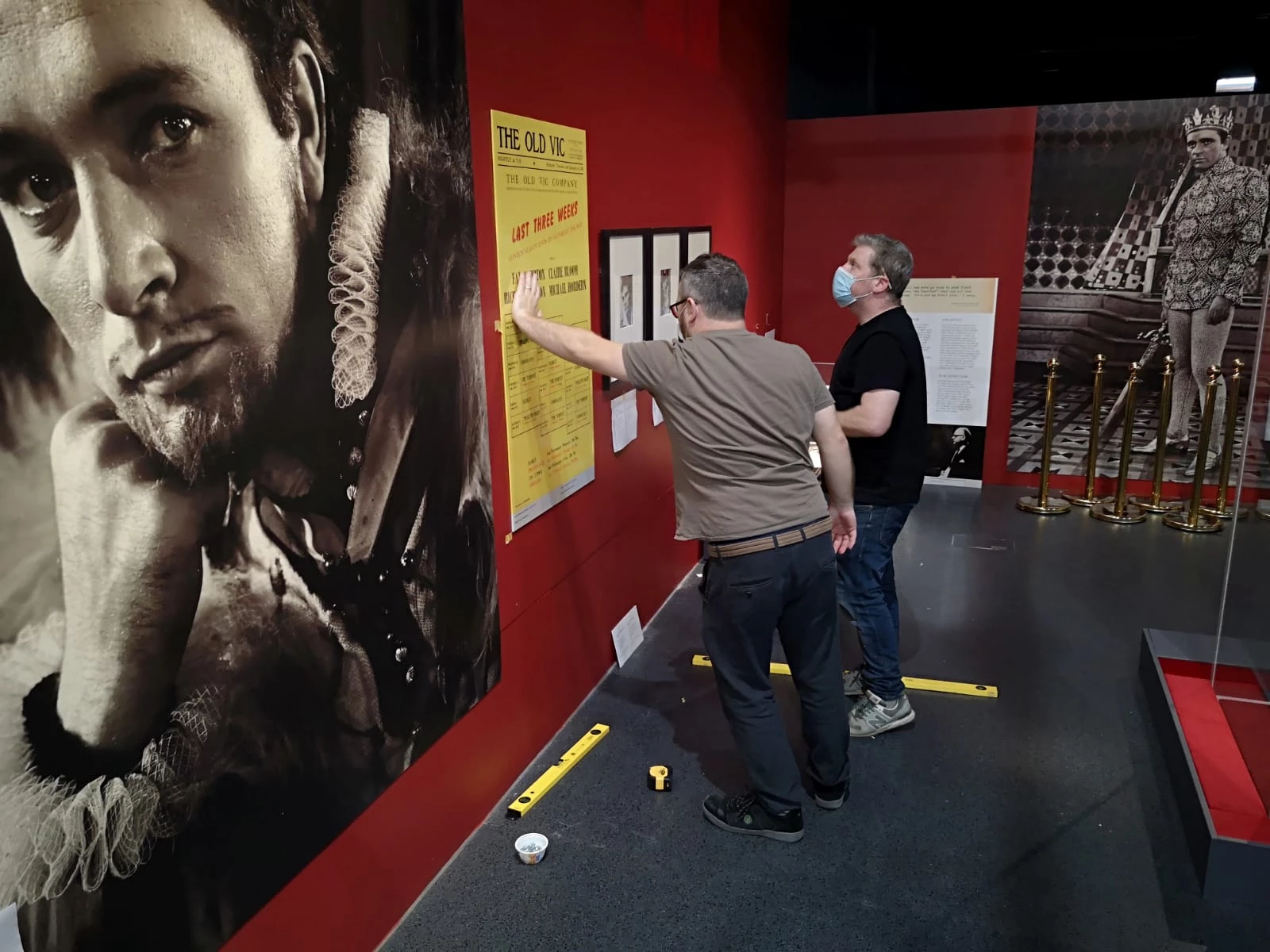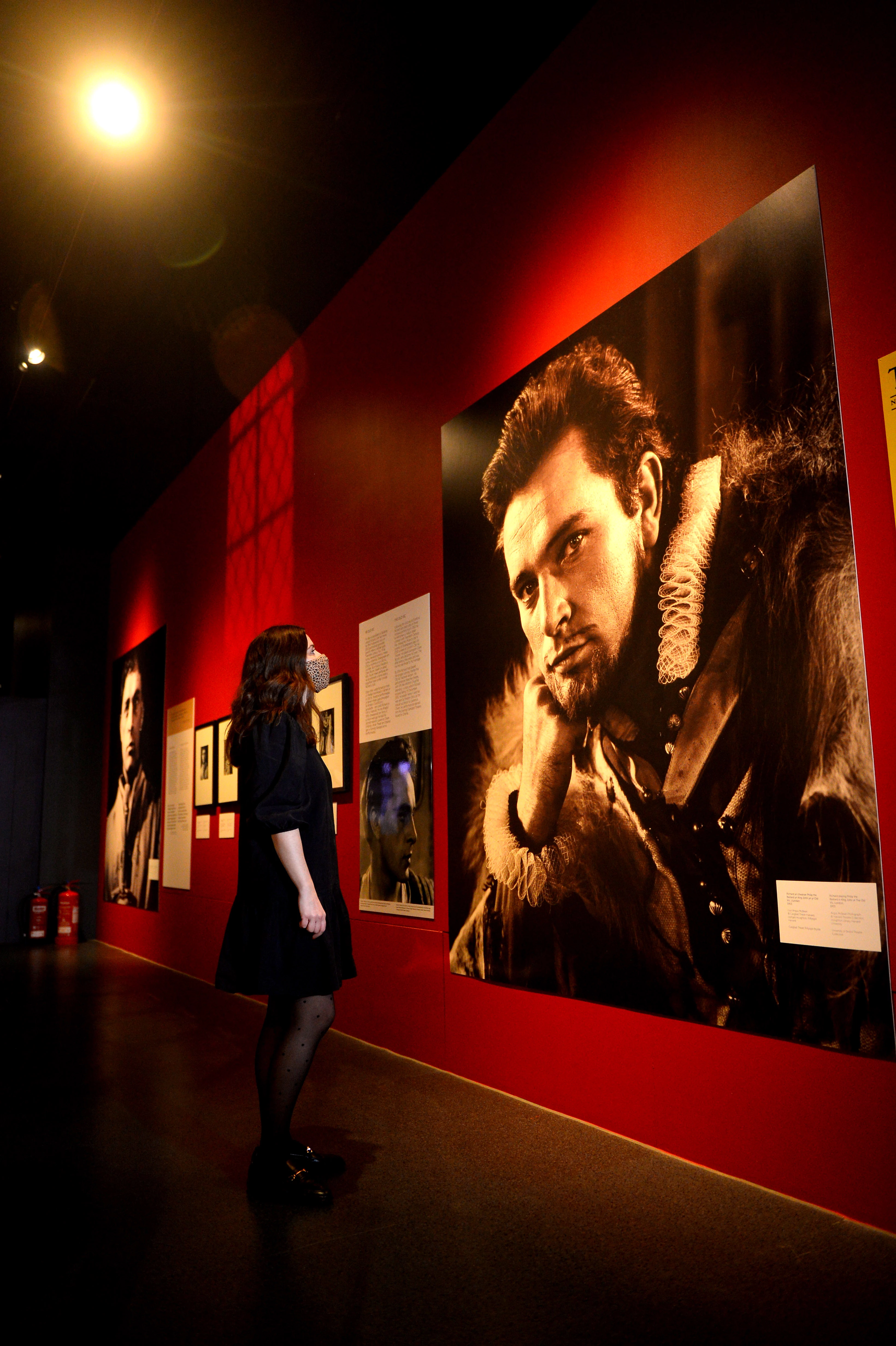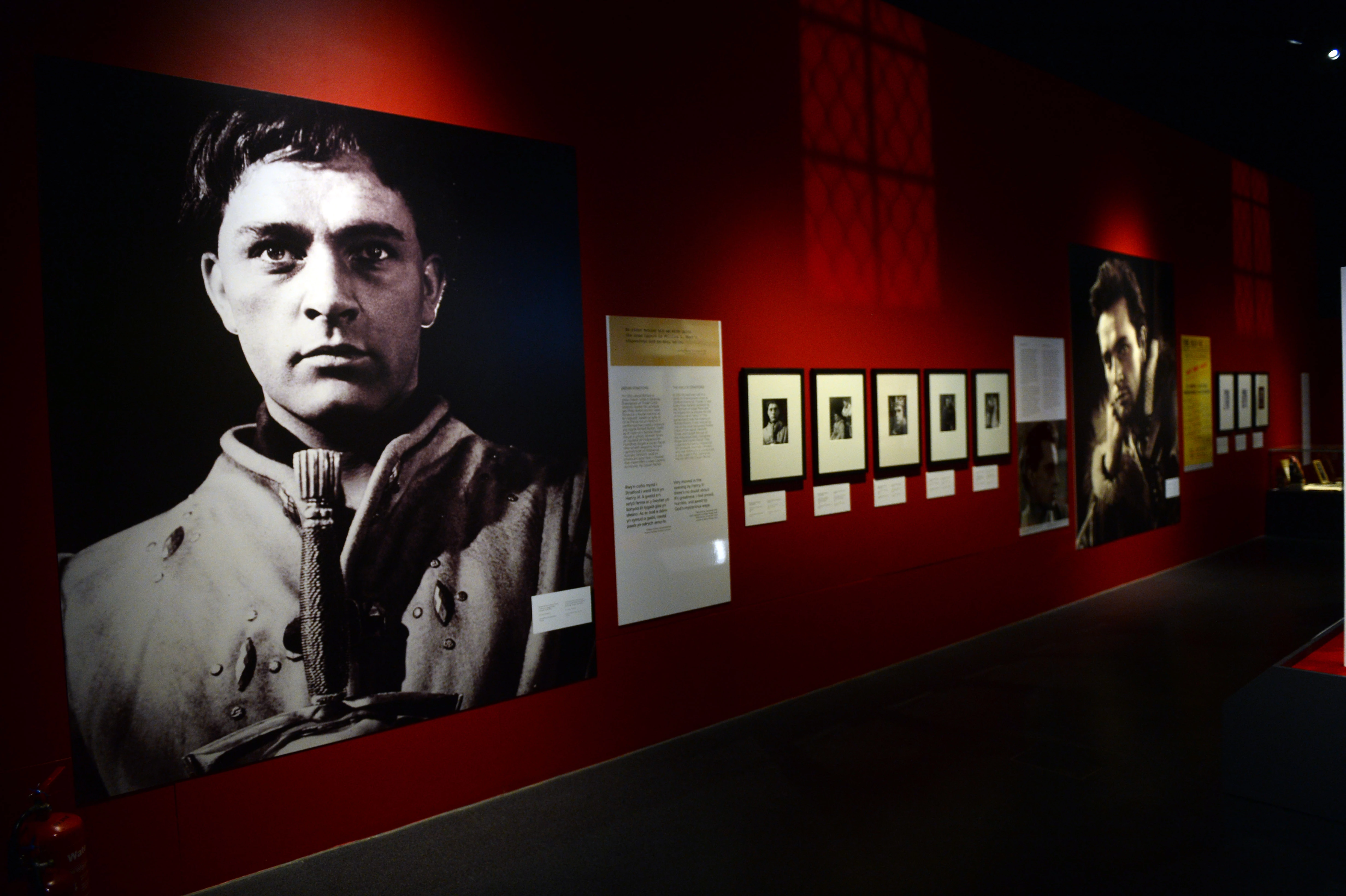
Becoming Richard Burton: Setting up an exhibition during a national lockdown

Ashley McAvoy, 21 Rhagfyr 2020

When a UK-wide lockdown came was announced on 23 March of this year, we were in the final stages of delivering Becoming Richard Burton, the first major exhibition anywhere, about one of Wales’ most iconic names and faces.

The exhibition was due to open on 4 April after nearly four years of planning, but with ten working days left until opening, the Museum was closed to the public, the staff sent home and the exhibition mothballed until it was safe to reopen.

With its origins in a partnership between ACNMW and Swansea University, where the Richard Burton Archives are held, the original scope of the exhibition sought to bring together as much material from around the world as could be gathered, to tell the story of Burton’s fame, wealth, success, decline and legacy.

It quickly became apparent that the objects, images, and media associated with Richard Burton, are still a lucrative source of income for those people and organisations in possession of the collections, copyright, and licenses for that material.

Very quickly, costs escalated beyond what was feasible or achievable to deliver, which required a revision of the agreed approach and for us to ask ourselves, what story can we tell about Richard Burton at ACNMW that hasn’t been told before?

Following some evaluation testing with target audiences, it also became apparent that Burton was almost an unknown to younger people born after his death at 59, in 1984.

Despite having been the most famous and photographed man in the world at the height of his fame, his death at a young age meant denied him the opportunity of a third act to his career, as an older actor.

There were no Star Wars, Lord of the Rings, Harry Potter or Marvel superhero films to provide the later life profile afforded to Burton’s contemporaries, such as Richard Harris, Robert Hardy, Alec Guinness, and Christopher Lee.

Presented with this revelation, we set ourselves the challenge of ‘rebooting’ Burton’s legacy for a 21st-century audience, whilst also serving an older audience already familiar with him, by providing new insights into the life of the man behind the well-known myths.

Focusing the story in this way became the key that unlocked the puzzle for ACNMW Curators, as they researched the contents of the Richard Burton Archives and found the less well-known father, son, brother, friend, writer, reader, and fiercely proud Welshman.

The contents of the archive are largely two-dimensional paper objects, which brought another set of challenges in designing an engaging, three-dimensional exhibition experience, leading to a decision early on in the process, to secure a selection of targeted supporting loans that would add texture and depth to the exhibition.

Likewise, as the costs associated with licensing film clips and photography presented such a practical obstacle, we took a strategic approach to identify those that would serve our story best.

Thanks to further partnerships in Wales with BBC Wales, ITV Wales, National Library Wales, Royal Welsh College of Music and Drama, West Glamorgan Archives, and the Dylan Thomas Centre, we were able to assemble a list of loans that would enhance the archive contents, at a fraction of anticipated costs, to support the personal narrative we were developing.

Additional loans were secured from the Royal Shakespeare Company, Bristol Theatre Museum, and Costume d’Arti in Rome, which following a few nervous weeks of frantic logistics, arrived on-site just as Europe began to lockdown in early March.

By the end of February, we were feeling confident we had everything in place to deliver the exhibition we had envisaged, despite the challenges encountered, but nobody expected what would happen before the end of March, when the Museum closed and we were all asked to stay at home.

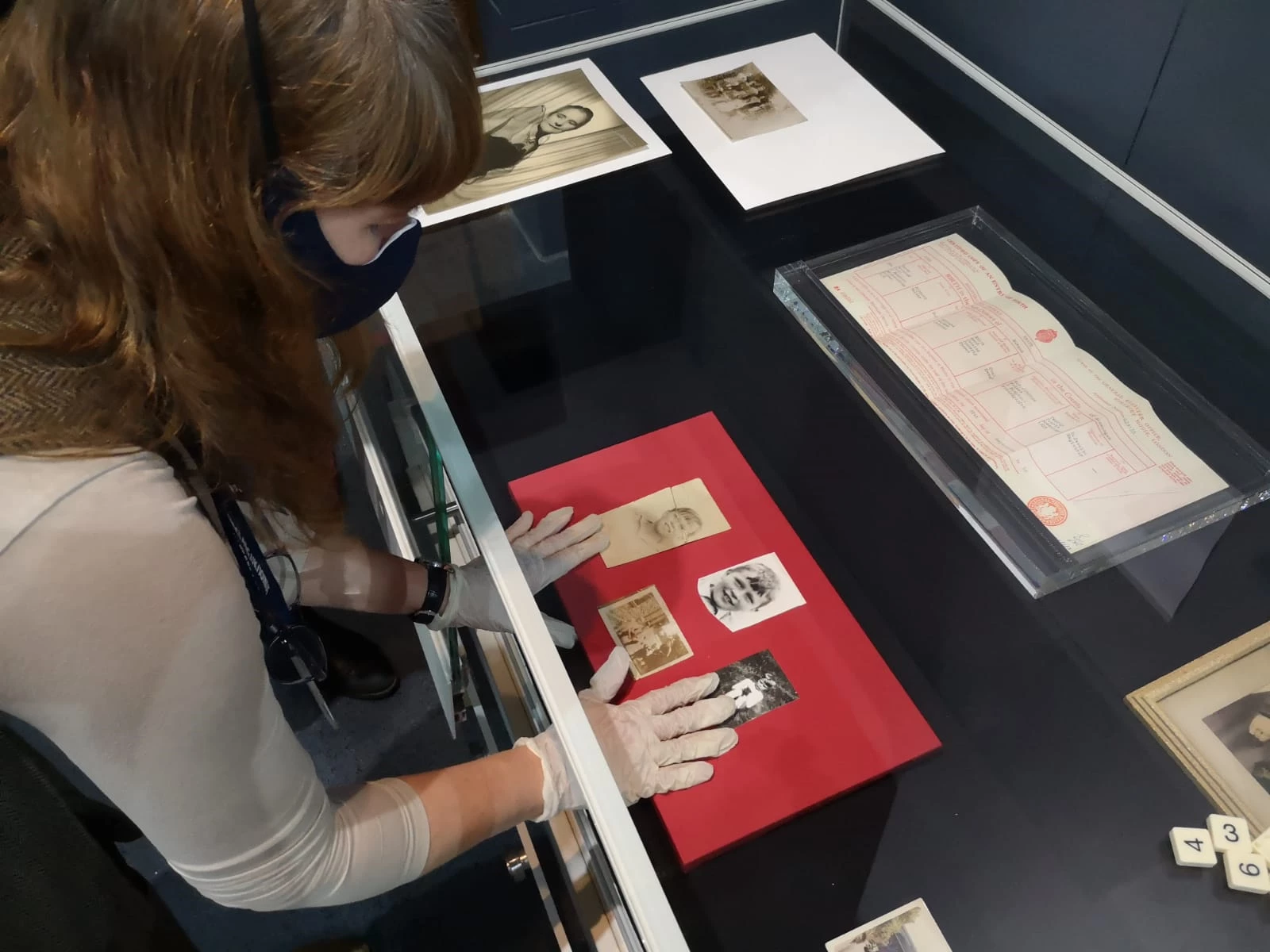
When the dust had begun to settle and we’d all begun to adjust to working from home, our thoughts turned to how we might need to adapt the exhibition experience within the context of COVID-19, as it has been designed in a pre-social distancing world.

Following the lead set by other public spaces, our first step was to embrace a one-way system through the exhibition galleries.

Fortunately, the one-way system was largely consistent with the biographical narrative of the exhibition, which we co to reinforce at a few points with brass barriers and velvet rope, just like the type you might see at a cinema or theatre premiere.

We had to upgrade the specification of our graphic panels to be laminated with an anti-bacterial sealant, as this allows the panels to be cleaned with anti-viricidal chemicals without causing damage.

A planned cinema-space had to be revised and opened out, with seating removed, to allow visitors to watch archive interviews if Burton on Welsh television whilst maintaining social distancing.

Interactivity was the most significant casualty of the planned experience, as we had to remove any push buttons, touchscreen displays, or headphones, and ACNMW Digital and Technical teams were tasked with re-designing audio playback in the gallery, as synchronised, passive experiences.

On reflection, revising the exhibition design allowed us to enhance the overall experience and the challenges we were presented with became an opportunity to improve upon the original design.

We decided to open a new exhibition during a pandemic for the same reason we continue to keep our Museums open; the importance of maintaining free access to the nation’s culture and heritage, in support of good mental health and well-being for all.

Exhibitions are complicated projects that draw teams of staff from across the organisation and take a great of time and planning to deliver.

To come so close to opening, just before the first national lockdown, we were all disappointed to think the exhibition would never open.

Thanks to the hard work and commitment of the Museum staff and partners, we have adapted the exhibition and are delighted it will now be open to the public.

Unfortunately, at the time of writing the Museum is closed to the public again, in line with Wales Government restrictions, but will hopefully re-open again soon, when it is safe to do so.

The cycle of opening/closing at short notice will inevitably reduce the number of people who will get to visit the exhibition compared to pre-COVID times, but we are certain it will be greatly enjoyed by those visitors that manage to see it.

Whilst Museum opening continues to remain uncertain, we have developed a digital Becoming Richard Burton exhibition, which will be launched on 15 December, to provide an online platform for the exhibition content.

The digital exhibition will not seek to replicate the experience of visiting the physical gallery, as there is no substitute for engaging with real objects.

Instead, we are adapting the exhibition content as an interactive experience online, where users can engage with the Richard Burton story, as a complement to the physical exhibition. You can visit the digital exhibition now.

The exhibition will also include several fun games and creative interactives that users will be able to share across social media platforms, such as Instagram, TikTok, and Facebook.

Not only will the digital exhibition provide support while the Museum is closed due to COVID, but it will also provide access to the Museum for users around the world, remaining online beyond the life of the physical exhibition as a research resource.

The journey over the last four years from inception to opening Becoming Richard Burton has become an epic worthy of the man who played both Alexander the Great and Mark Antony, a labour of love for all the staff and partners who have contributed, which we are all so proud to share with our visitors in Wales and online across the world

Nadolig Llawen Gyfeillion y Gwanwyn

Penny Dacey, 16 Rhagfyr 2020

Helo Cyfeillion y Gwanwyn,

Diolch am eich gwaith caled yn cymryd cofnodion tywydd dros y wythnosau diwethaf. Byddwch yn cymryd darlleniad tywydd nesaf yr wythnos o’r 4-8 Ionawr. Wrth gofnodi eich darlleniadau i’r wefan, plîs nodwch ‘dim cofnod’ ar gyfer y dyddiau rydych i fwrdd o’r ysgol.

Does dim rhaid cymryd eich potiau adra dros y gwyliau. Os yw’r potiau mewn lle saf, bydda nhw’n iawn. Mae'r pridd yn cadw’r bylbiau yn ddwfn yn erbyn y tywydd oer.

Mae’r tywydd wedi bod yn eithaf cynnes am y gaeaf, a bydd o’n ddiddorol i weld yr effaith mae hyn yn cael ar ein bylbiau!

Mwynhewch eich gwyliau Cyfeillion y Gwanwyn.

Nadolig Llawen a Blwyddyn Newydd Dda,

Athro’r Ardd a Bwlb Bychan

What’s behind the doors?!

Katie Mortimer-Jones, Lucy McCobb & Katherine Slade, 10 Rhagfyr 2020

Have you ever asked yourself the question “What’s behind the gallery doors of National Museum Cardiff”? Well, if you have then this blog might be for you. The specimens and objects you see in the galleries are just a fraction of those we have in the museum’s collections. So why do we have so many? Specimens in the galleries do suffer when exposed to light while on display, and occasionally from being touched by little sticky fingers! To help protect them, we regularly swap fragile objects on display with those in our stores. We also change objects round for the different exhibitions we produce. Objects behind the scenes are also used for a whole variety of different activities such as education and research. 

While we may not be able to put all of our specimens on display, we do like to share as many of them as we can via our social media channels. In the Natural Sciences Department, we do that via the @CardiffCurator Twitter account. Each week, we might share our worm highlights on #WormWednesday, some of our fantastic fossils on #FossilFriday and various other amazing specimens on other days of the week via various alliterations! 

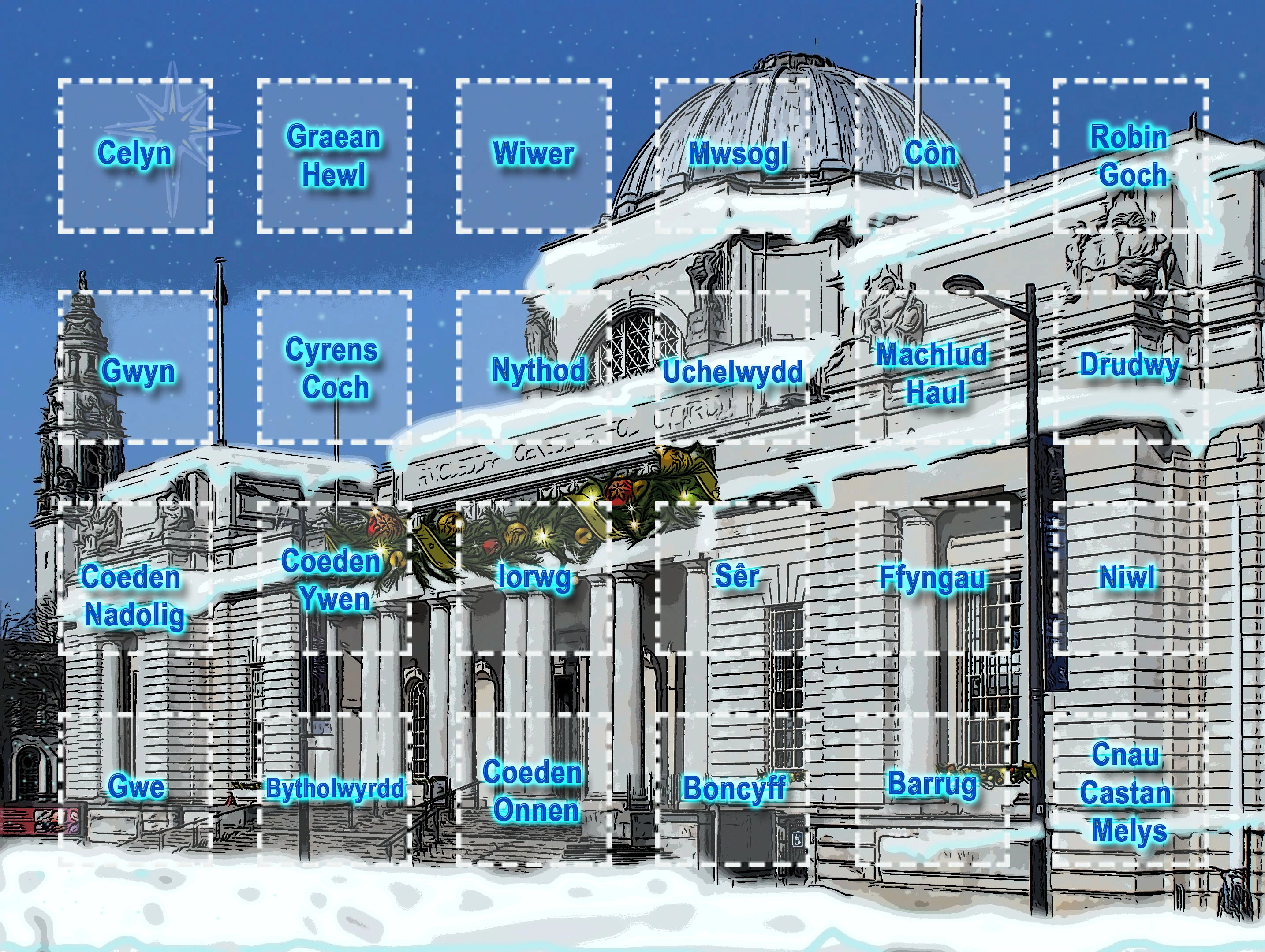
Of course, the festive season is no different and each year we promote Christmassy objects via a #MuseumAdvent calendar. For 2020, our calendar has been inspired by the ‘Nature on your doorstep’ program which the museum has run throughout lockdown aimed at reconnecting people with nature. One of the main activities has been photo bingo, where we challenged people to find and photograph a number of objects. For winter bingo, we released a card at the end of November with 24 wintery things, such a robin, holly, frost and a sunset. Behind every door of our museum advent calendar, we included helpful tips and photographs from our collections, alongside live photos to help people find everything on the bingo sheet.

We are nearly half way through the calendar, but if you would like to join in why not follow the #MuseumAdvent hashtag over on @CardiffCurator and see if you can call “House” before the 24th December.

Nature Photo Competition for Unknown Wales 2020

Katherine Slade, 8 Rhagfyr 2020

Cymru Anhysbys - Unknown Wales, our evening of talks about Welsh wildlife hosted by the Museum and the Wildlife Trust for South and West Wales, was held on 29 October this year. It was special not just because it was entirely digital for the first time, but also because it was the 10th anniversary of the event. As part of the celebrations, we shared nature-related activities for families including a quiz which was set in our natural history collections, and a nature photo competition.

On the evening, our natural science curators gave quick-fire talks showcasing the museum collections and their work. We heard about sponges and sea squirts, 200 years of geology in Wales, Xylella and the meadow spittlebug, as well as alien molluscs rafting on plastics from the Caribbean!

We welcomed Roger Thomas, former director of the Countryside Council for Wales who asked us how we, Homo sapiens, can stay off the endangered list. Isabel Macho, biodiversity officer for Carmarthenshire Council, explained the high value of bogs in environmental engagement and in combating climate change. A call to arms for nature in Wales by Iolo Williams gained support on social media:

“Neges ysbrydoledig gan @IoloWilliams2 heno yn #CymruAnhysbys #UnknownWales Di-flewyn-ar-dafod, penderfynol, positif. RHAID i ni wneud hyn.” (Inspirational message from @IoloWilliams2 tonight at #CymruAnysbys #UnknownWales Outspoken, determined, positive. We MUST do this). @elenbendduen

With eight talks, and a special message from Iolo Williams, we had a record audience for the 10th anniversary of Cymru Anhysbys - Unknown Wales!

During lockdown our curators released weekly photo bingo cards for people to find and take photos of animals, plants and other things from nature. This #NatureOnYourDoorstep campaign was inspiration for the Unknown Wales photo competition. For the competition, we asked people to share their photos of nature taken during lockdown, and tell us the story behind them.

The entries we received have highlighted how nature has kept many of us going through the lockdowns and unsettling times of 2020. People appreciated nature during their daily exercise, and started noticing nature more as traffic and human noise decreased. Nature contributes to our daily sense of well-being, and lockdowns lead us to focus on what is close to home, especially the nature on our doorstep.

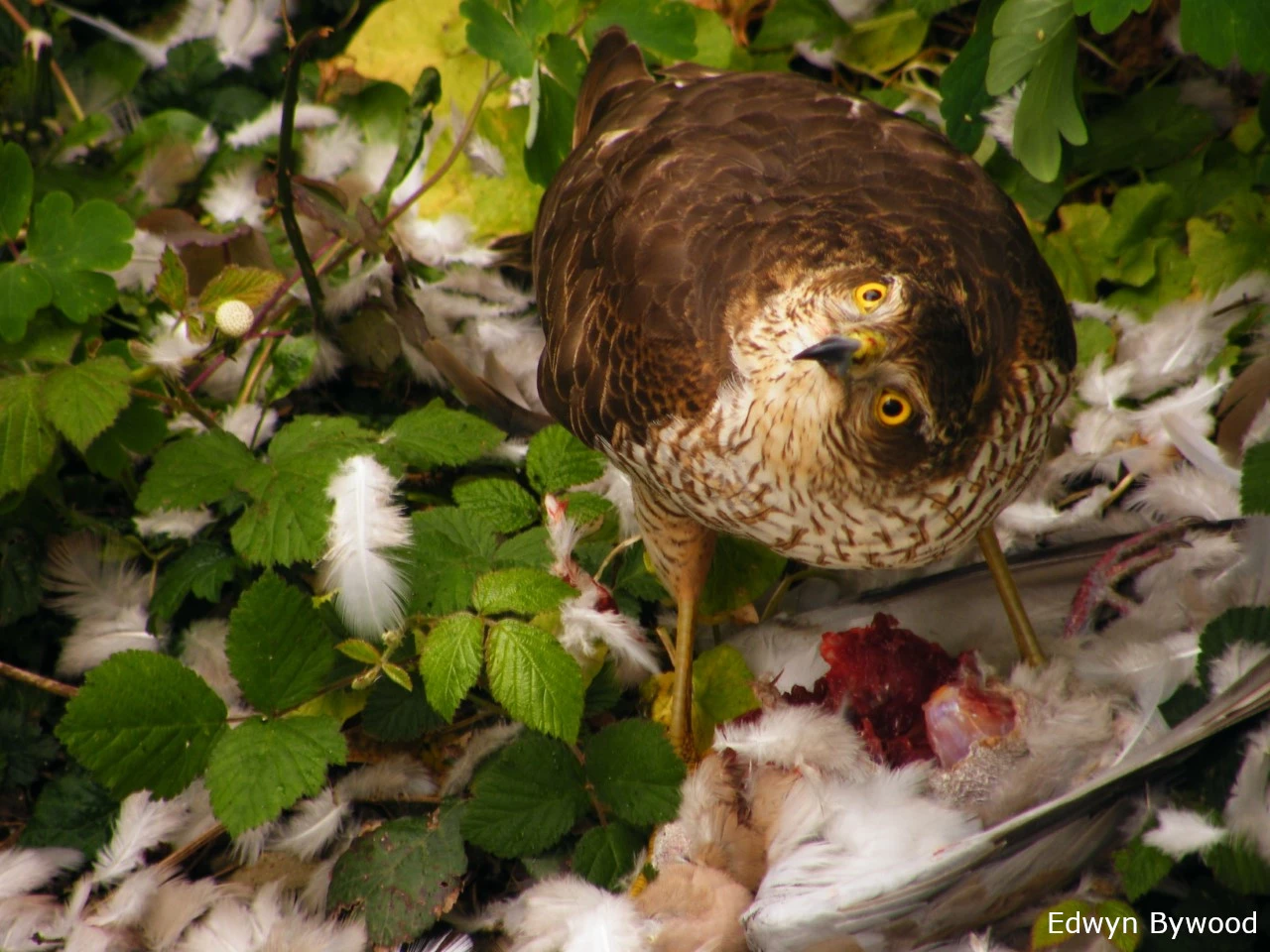
We received some amazing entries, however, 15 year old Edwyn Bywood’s photo of a Sparrowhawk was chosen as the winner by the judges. They said, this is literally ‘nature on your doorstop’! A very engaging photo with the Sparrowhawk looking straight at the viewer.

Edwyn shares his story: “One day I was in bed and heard a commotion, I looked out and there were feathers everywhere and a big female sparrowhawk holding its collared dove prey near the back doorstep. I took a lot of pictures but this is my favourite.”

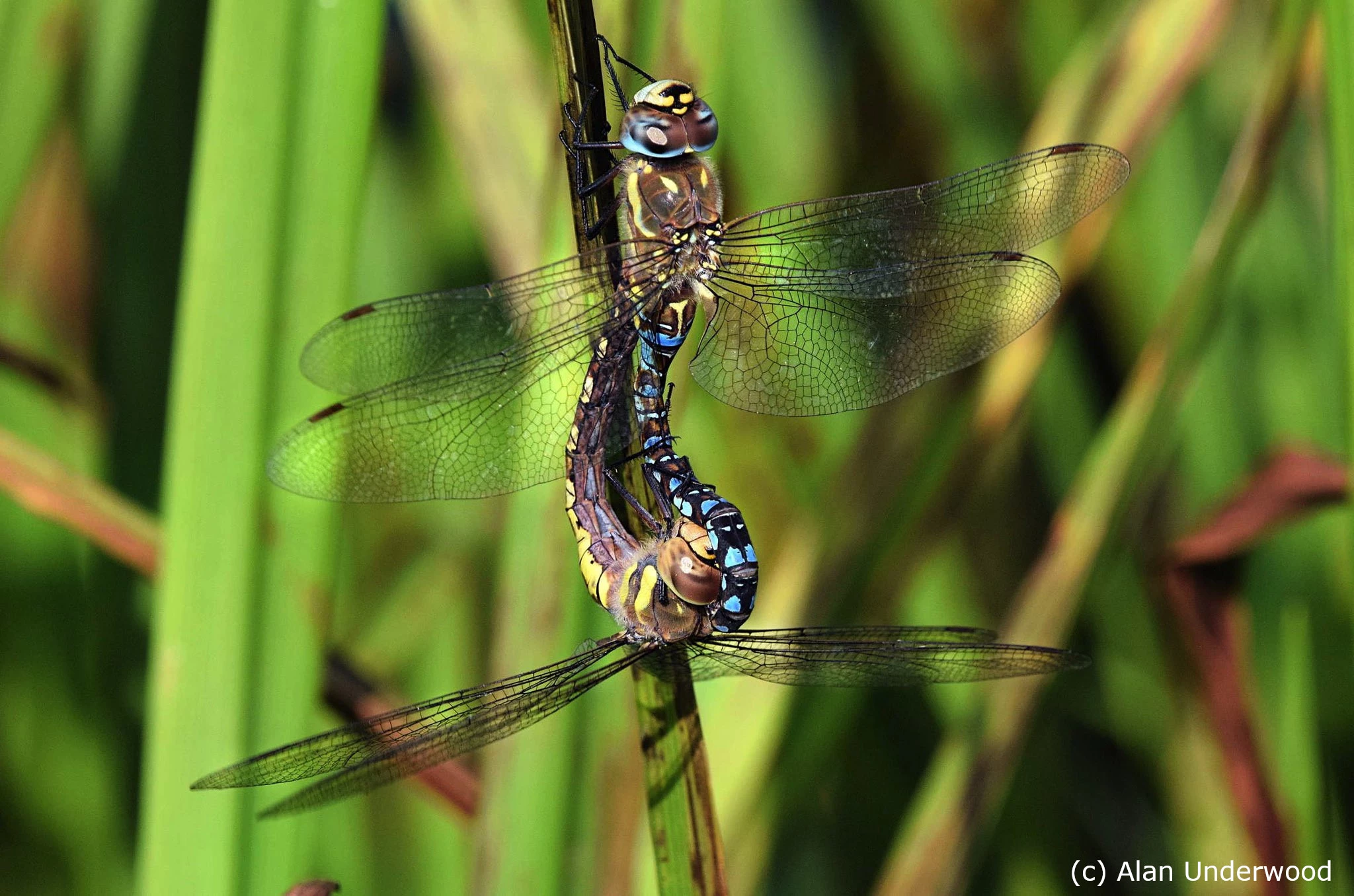
Alan Underwood’s photo of Migrant Hawker dragonflies was highly commended, especially from a technical detail standpoint. “Late summer and down amongst the reeds at the pond’s edge Migrant Hawkers perpetuate the circle of life in their elegant mating wheel. It’s how dragonflies do it - if you are lucky enough to catch them at it!”

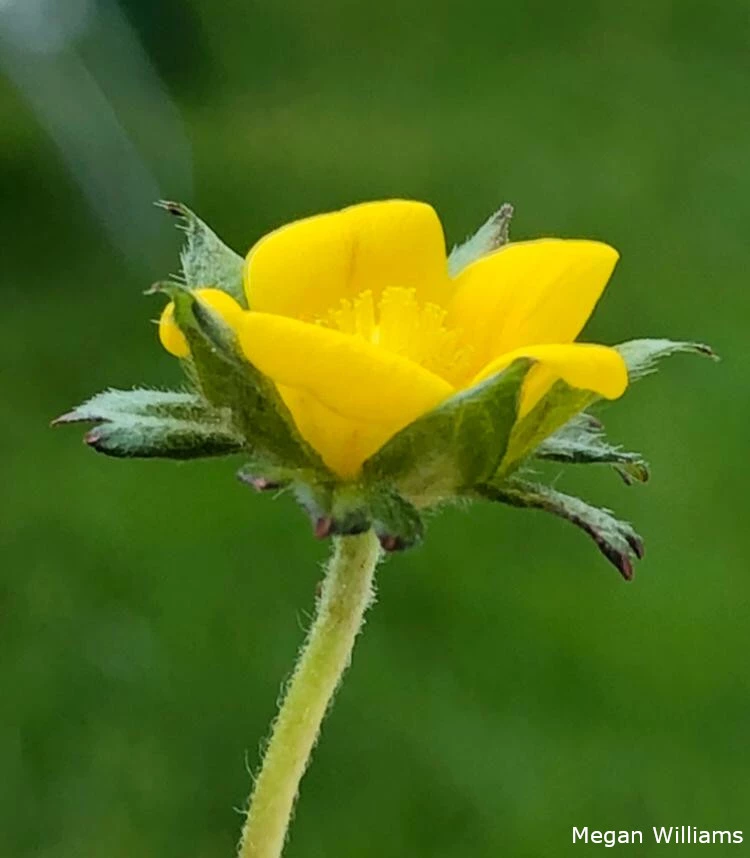
The first runner up was Megan Williams, aged 12 for her photo of a buttercup. Megan tells a story that may be familiar to many of us: “In lockdown my family and I went on family walks in the area around my house. We never went far but I discovered loads of places we never knew were there.  We were too busy before with my mum and dad’s jobs and our activities to appreciate what was on our doorstep.  We have decided as a family to make sure that we carry on going on these walks and spending family time when this horrible pandemic is over so at least something good will have happened from it.”

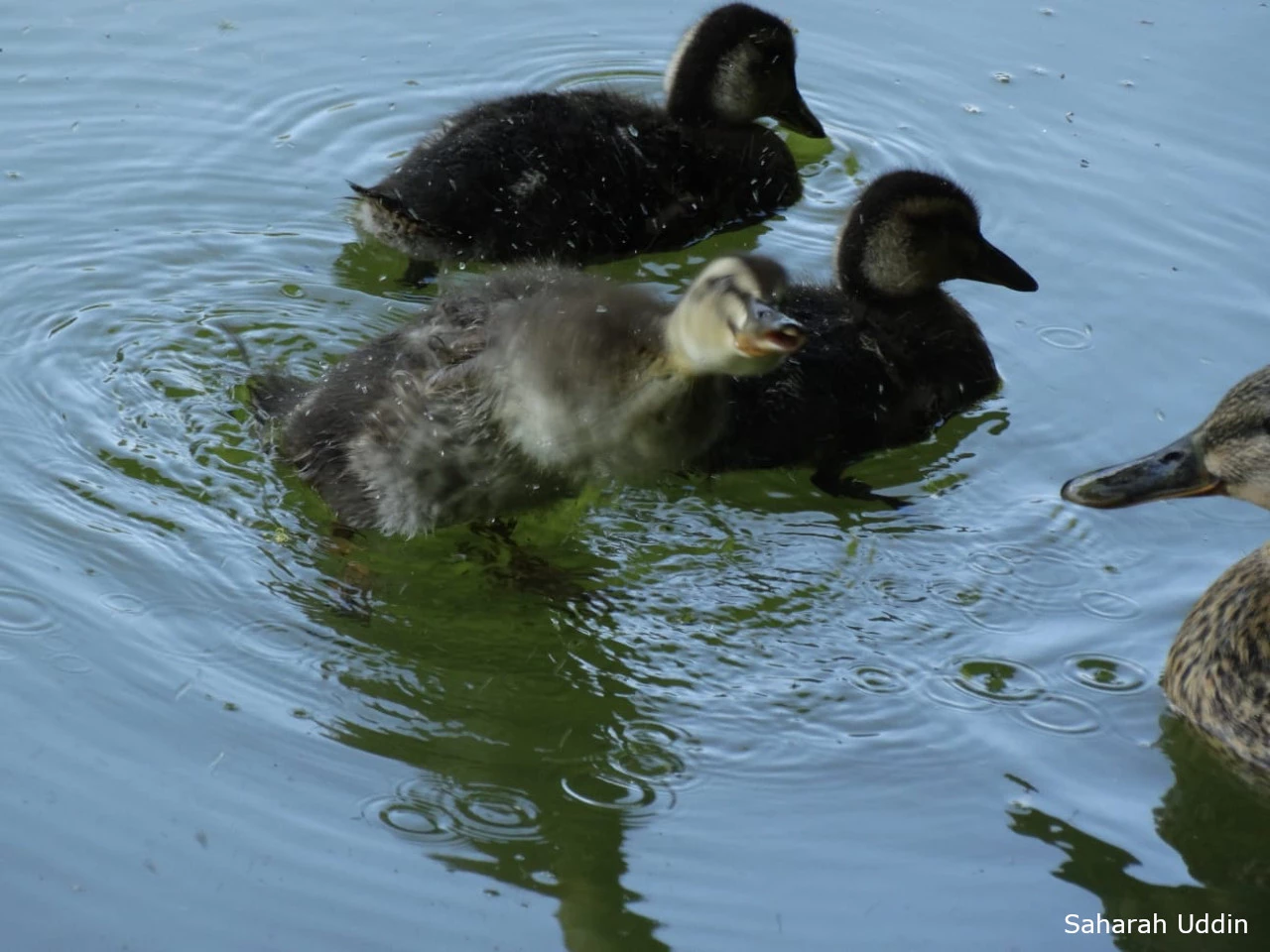
Saharah Uddin, aged 11, was the second runner up for her photo of a family of ducks she has been keeping an eye out for since the start of lockdown. “The photo shows her favourite duckling (named Daisy Duck) shaking water off after diving into the river to join her family. Daisy was originally the smallest duckling in the family so Saharah made a point of going out every evening with some food. And now she is a very healthy little duckling with a feisty personality.”

Below are further stories and images of nature from lockdown that were shared with us for the competition. If you wish to share your stories, follow @CardiffCurator on Twitter and use the hashtag #NatureOnYourDoorstep. For those who missed the evening of talks for Cymru Anhysbys-Unknown Wales, you can take a look back at the tweets from the evening via the Twitter Moment.

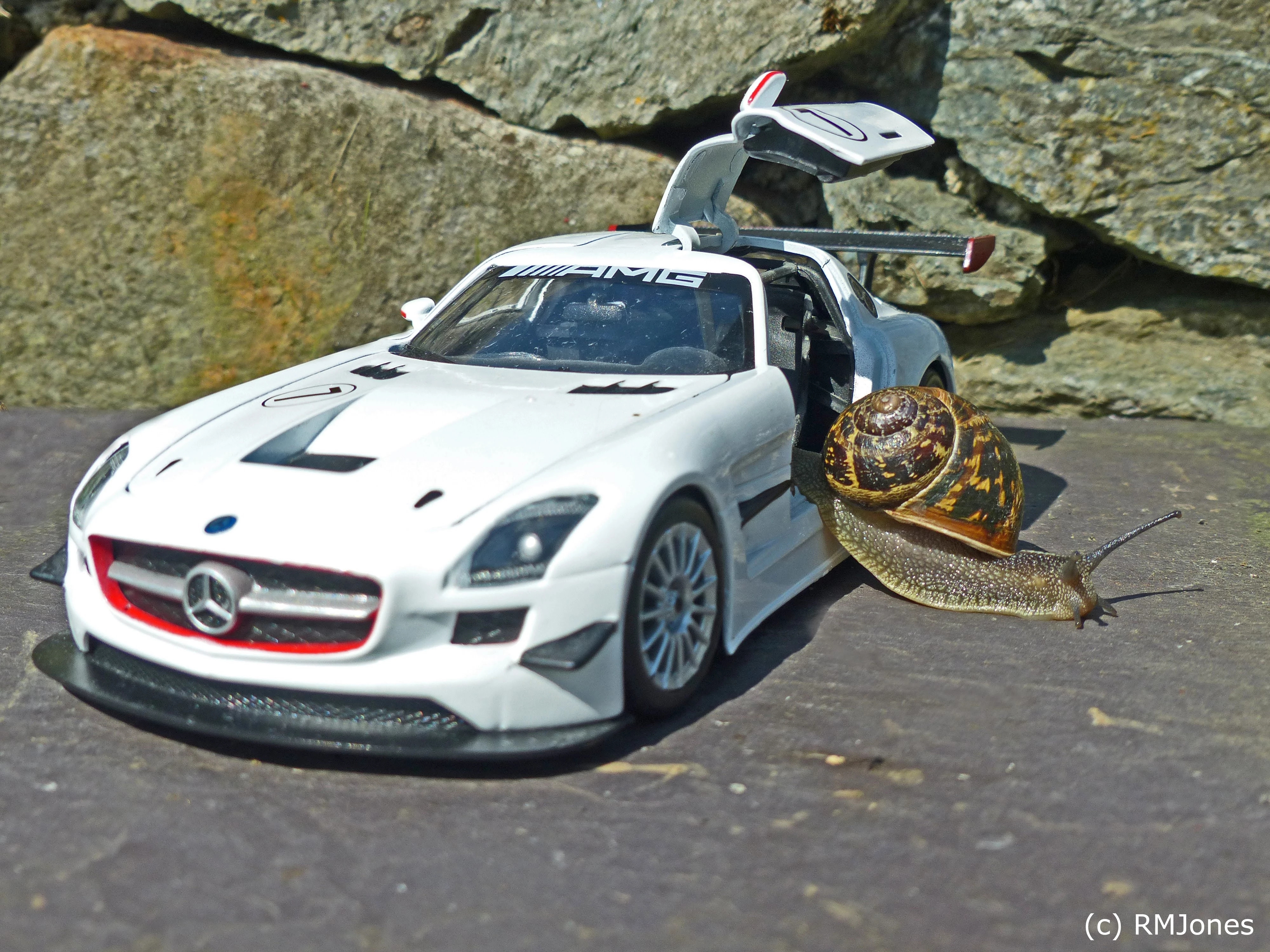
Ruth Jones: “Roedd y falwen yma yn amlwg yn hoff iawn o'r car tegan oedd wedi'i adael allan yn yr ardd gefn dros y cyfnod clo.  Efallai ei bod eisiau gwybod sut deimlad oedd teithio ar 100 milltir yr awr tra fod pawb arall ar "lockdown", ond ar ol cael y profiad mae'n amlwg wedi troi ei chefn arno a phenderfynnu mai bywyd hamddenol malwen ydi'r bywyd gorau wedi'r cwbwl.”

Jo Jones: “With the New Lock Down starting today I couldn`t believe my good luck when this beautiful Sparrow hawk decided to sit and have a rest on a log in my garden. What was so unbelievable was being able to grab my camera and take the picture before the Sparrowhawk flew away! These birds nested nearby during the first Lock down which gave so much of our Wildlife the peace and space to thrive.  Every cloud does have a Silver Lining and there will be better days to come in the future.”

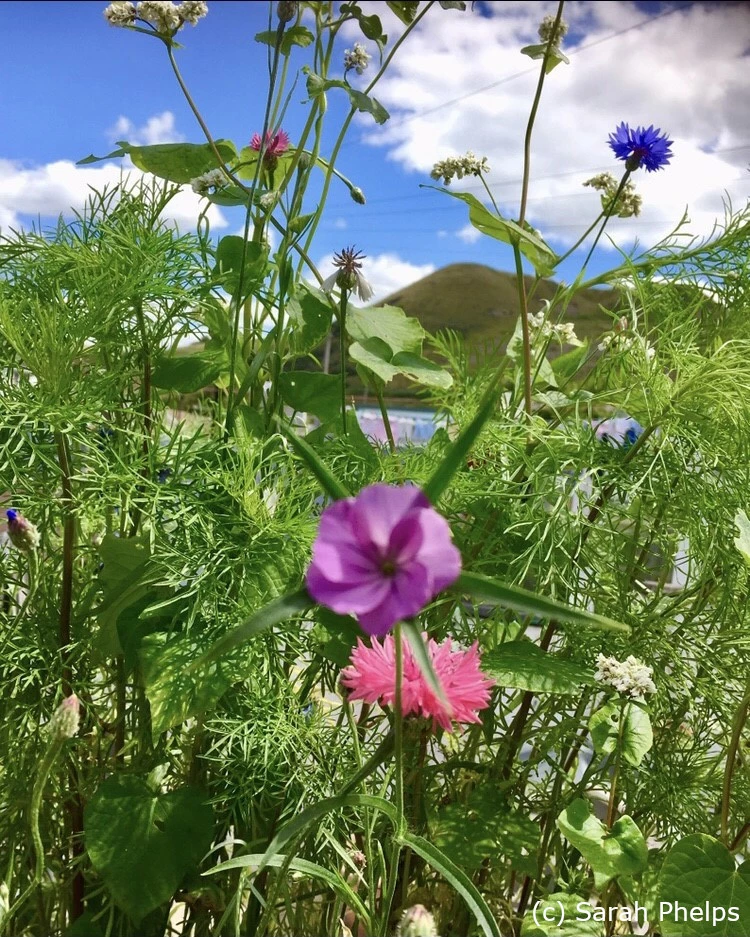
Sarah Phelps: “Lockdown did give us the opportunity to embrace what outdoor space we did have, however small, and we planted vegetables and wildflowers in whatever pots we could find. We loved to see the bees, butterflies and other insects that the wildflowers attracted. The photograph gives a little snapshot of the beautiful flowers that came out of our small pot and I love how I have caught the old coal mining tip in the background. Our flowers are still growing strong and new colours are emerging every week even during these cold Autumn days. They have definitely brought colour into our lives when we needed it the most.

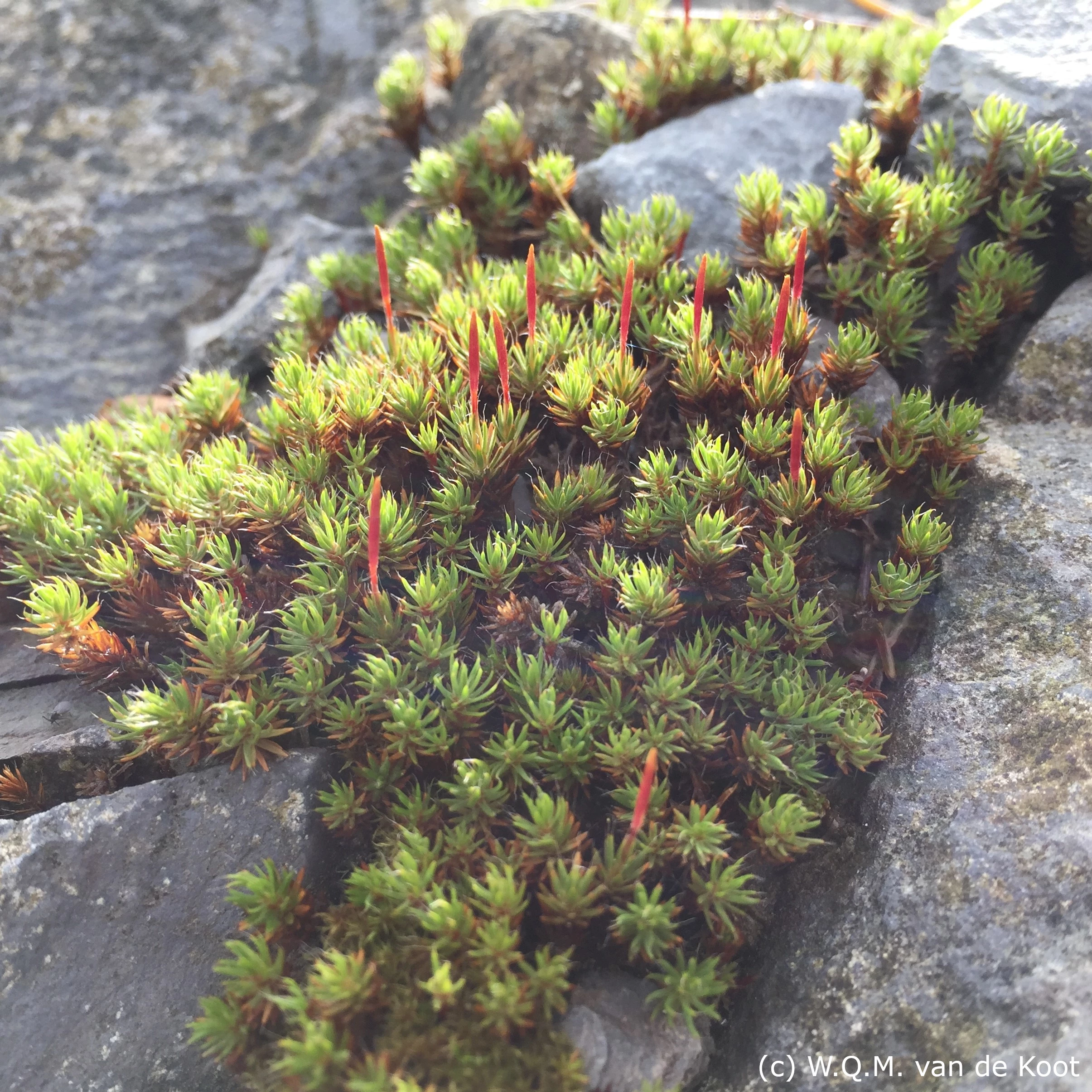
Willem van de Koot: “During one of my fieldwork trips at a site called Tyn y Bryn I spotted this beautiful patch of Bristly Haircap (Polytrichum piliferum) in the morning sun. Just the way it caught the sunlight, combined with the lovely highlights provided by the striking red newly forming sporophytes makes this one of my favourite pictures I have ever taken. Also the fact that its thriving in such a rough environment between the slate rocks shows how tough these often overlooked plants really are, something they have in common with the Welsh people.”

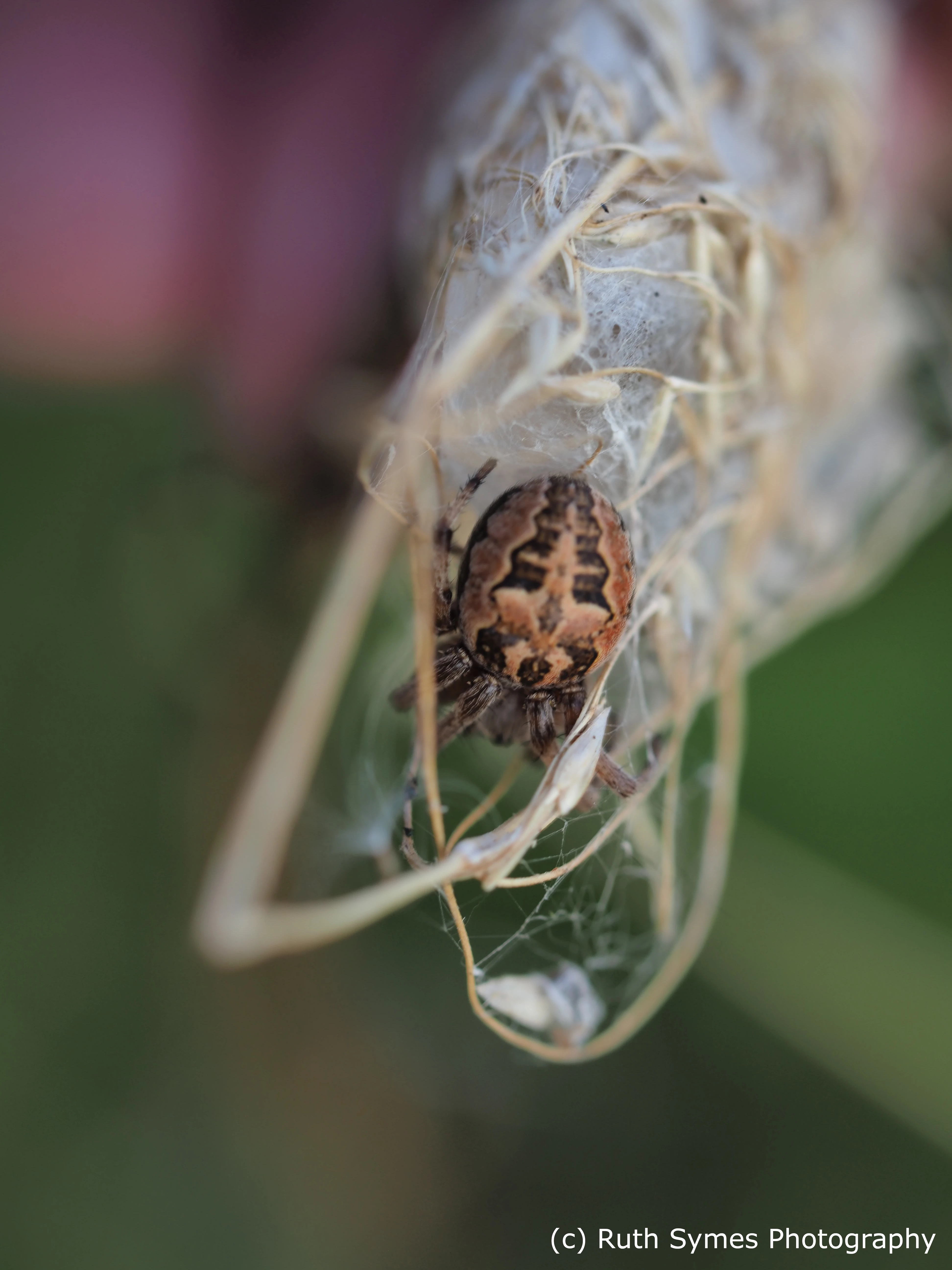
Ruth Symes: “An Orb Weaver spider emerging from its retreat at Garn lakes Blaenavon. During lockdown I became interested in macro photography and explored the area photographing insects.”


Llawn Hosan Nadolig o Hanes Sanau yng Nghymru!

Mark Lucas, 4 Rhagfyr 2020

Gan ei bod yn bryd hongian hosanau Nadolig unwaith eto, dyma ni’n fforio’n harchifau a gofyn i Mark Lucas, Curadur y Diwydiant Gwlân yn yr Amgueddfa Wlân Cymru am hanes yr hosan yma yng Nghymru. Fel mae'n digwydd, mae yna lawer i'w ddweud, ac os cewch eich ysbrydoli i roi cynnig ar wau eich hosan Nadolig eich hun, mae gennym ni batrwm hawdd iawn i'ch helpu chi i wneud hynny.

Hanes gweu hosanau yng Nghymru

Mae traddodiad hir o weu hosanau yng Nghymru, ac yn yr 18fed a’r 19eg ganrif, cyfrannodd gweu hosanau at economi ddomestig cefn gwlad Cymru. Byddai hosanau yn cael eu gweu ar yr aelwyd yn y gaeaf, a’r teulu cyfan yn helpu. Roedd y Noson Weu yn draddodiad yn y Gymru wledig, lle byddai cymdogion yn dod ynghyd i weu yn gymdeithasol, a gwrando ar hen straeon, caneuon hynafol neu gerddoriaeth ar y delyn.

Bala a Thregaron oedd y canolfannau gweu hosanau, a chynhaliwyd marchnadoedd mawr deirgwaith y mis yn y trefi hyn. Ym 1851, roedd 176 o hosanwyr yn Nhregaron a’r cylch.

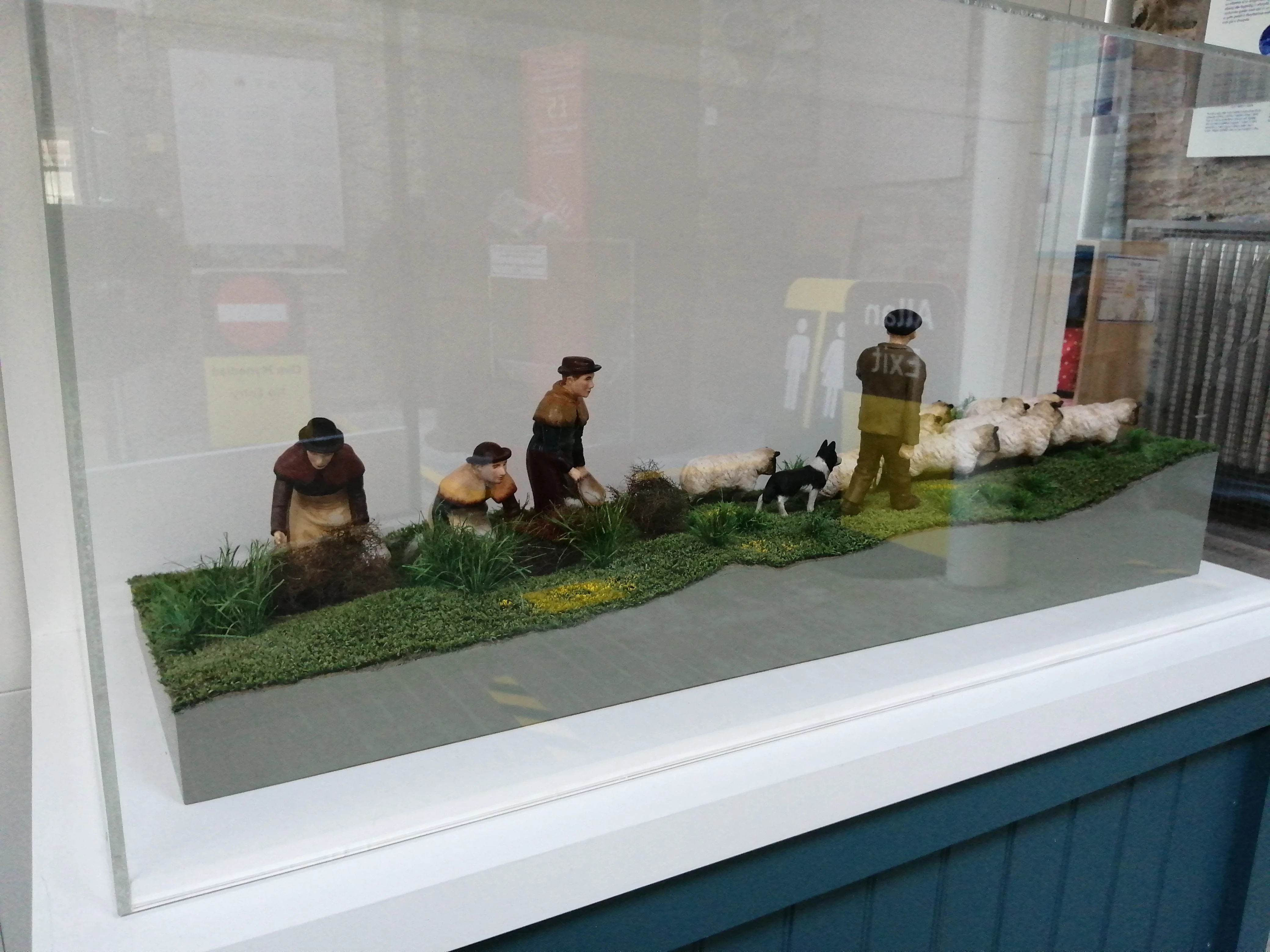
Mae gwlana yn hen draddodiad Cymreig arall. Byddai grwpiau o fenywod yn dilyn porthmyn neu gerdded y ‘llwybrau gwlana’. Bydden nhw’n casglu’r darnau bach o gnu o’r caeau a’r llwyni, yn plygu, estyn a thynnu bob un darn o gnu gwerthfawr. Byddai’r menywod yn ymweld â ffermydd ar

Diorama Gwlana

hyd y ffordd gan gyfnewid llety, bwyd a newyddion lleol am waith o gwmpas y fferm. Weithiau, os oedden nhw’n lwcus, byddai’r ffermwr wedi cadw cnu i’r menywod. Roedd yr hawl i gasglu’r cnu’n werthfawr, a byddai menywod ifanc a oedd yn gweithio fel morwynion yn sicrhau eu bod yn cael bythefnos i ffwrdd ar gyfer casglu cnu bob blwyddyn. Byddai’r menywod yn dychwelyd adref gyda’i sachau trwm llawn gwlân. Bydden nhw’n ei olchi a nyddu’r edafedd er mwyn ei ddefnyddio i weu hosanau a dillad eraill.

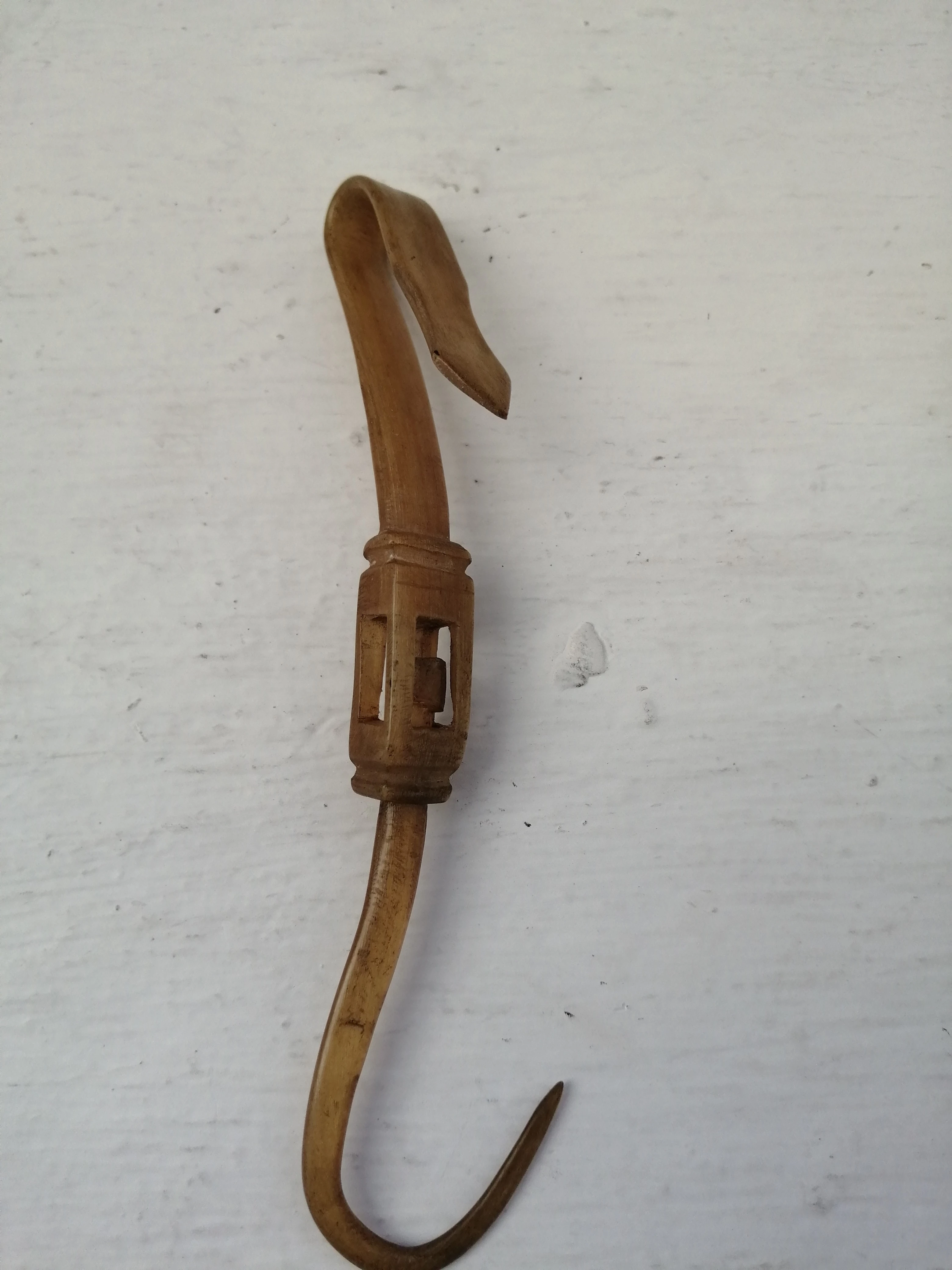
Bachyn edafedd

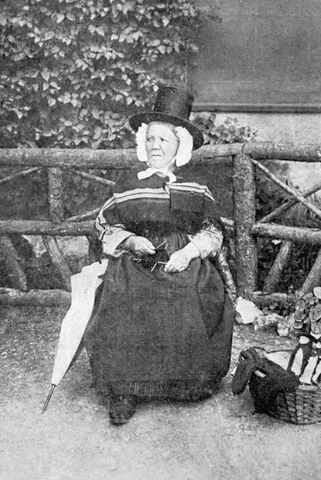
Oherwydd diffyg trafnidiaeth yn y Gymru wledig, os byddai rhaid i bobl deithio bydden nhw’n cerdded, ac wrth gerdded byddai menywod yn gweu gyda bachyn edau. Mae bachyn edau ar siâp S, gydag un pen wedi’i gysylltu â gwasg eich dillad a phellen ar y pen arall, er mwyn i chi gael eich dwy law yn rhydd i weu wrth gerdded. Yn Sir Aberteifi yn yr 19eg ganrif, byddai menywod yn cario mawn o’r mynyddoedd i’w ddefnyddio fel tanwydd. Bydden nhw’n cario hyd at 27kg o fawn mewn basgedi ar eu cefnau, i gadw eu dwylo’n rhydd i weu wrth gerdded. Byddai menywod hefyd yn gweu ar eu ffordd i’r capel, ond yn stopio cyn camu i dir cysegredig.

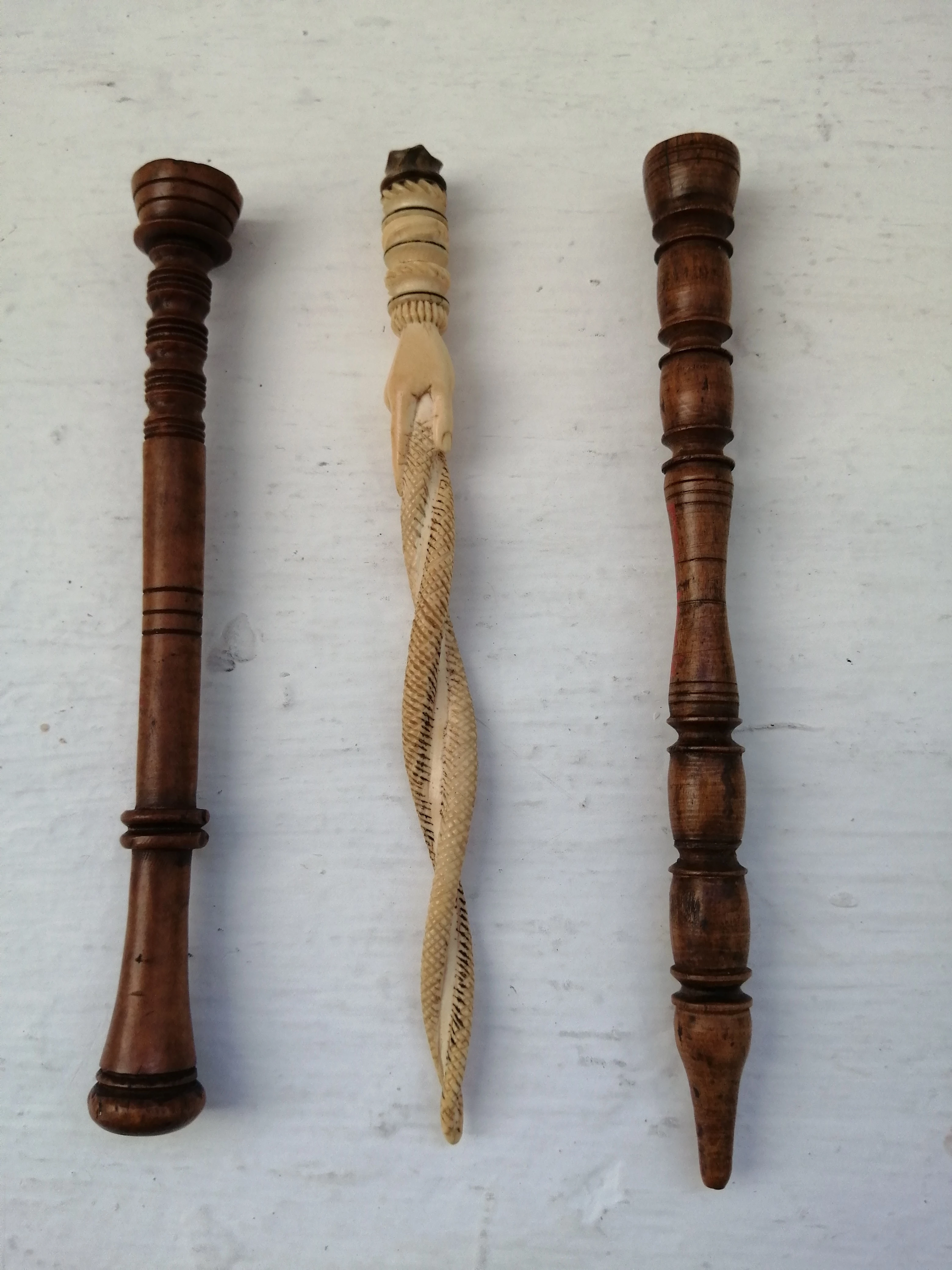
Gwisgwyd gweiniau gweill ar ochr dde’r corff ar ongl i ddal gwaelod y waell, gan adael y llaw chwith yn rhydd i weithio’r edau ar y waell arall. Byddai’r wain yn dal pwysau’r gwlân ac atal y bachau rhag cwympo oddi ar y gweill.

Gweiniau nodwyddau gweu

Traddodiad Cymreig yw rhoi gweiniau gweill fel arwydd o gariad. Cai’r rhain eu cerfio’n gywrain gan ddynion ar gyfer eu cariadon. Fel arfer maent wedi’u cerfio o bren, ond mae enghreifftiau i’w gweld o ifori a metel.

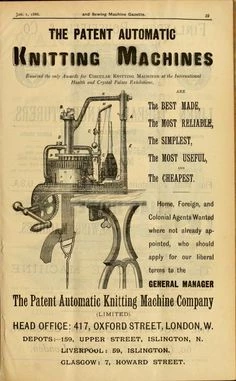
Manylion peiriant gweu hosanau 

Yn Oes Fictoria, daeth peiriannau hosanau yn boblogaidd. Gallai’r peiriannau hyn weu hosanau’n gyflymach o lawer nac y byddai merched yn gweu â llaw.

Cynhyrchodd diwydiant hosanau gogledd Cymru 300,000 pâr o sanau i luoedd y Cynghreiriad yn ystod y Rhyfel Byd Cyntaf.

Ym 1966 gallai Melin Dreifa yng Nghwm Morgan, dan berchnogaeth David Oliver, gynhyrchu 7 pâr o hosanau’r awr, a byddai’r peiriannau gweu trydanol yn aml yn cynhyrchu 250 pâr yr wythnos.

Esiampl o sanau Corgi

Mae’r traddodiad yn fyw hyd heddiw yn ffatri Corgi yn Rhydaman, sy’n cyfuno sgiliau traddodiadol a pheiriannau modern i gynhyrchu sanau gwlân. Maent yn adnabyddus ar draws y byd am greu sanau a hosanau moethus ac ymhlith eu cwsmeriaid y mae’r Teulu Brenhinol.

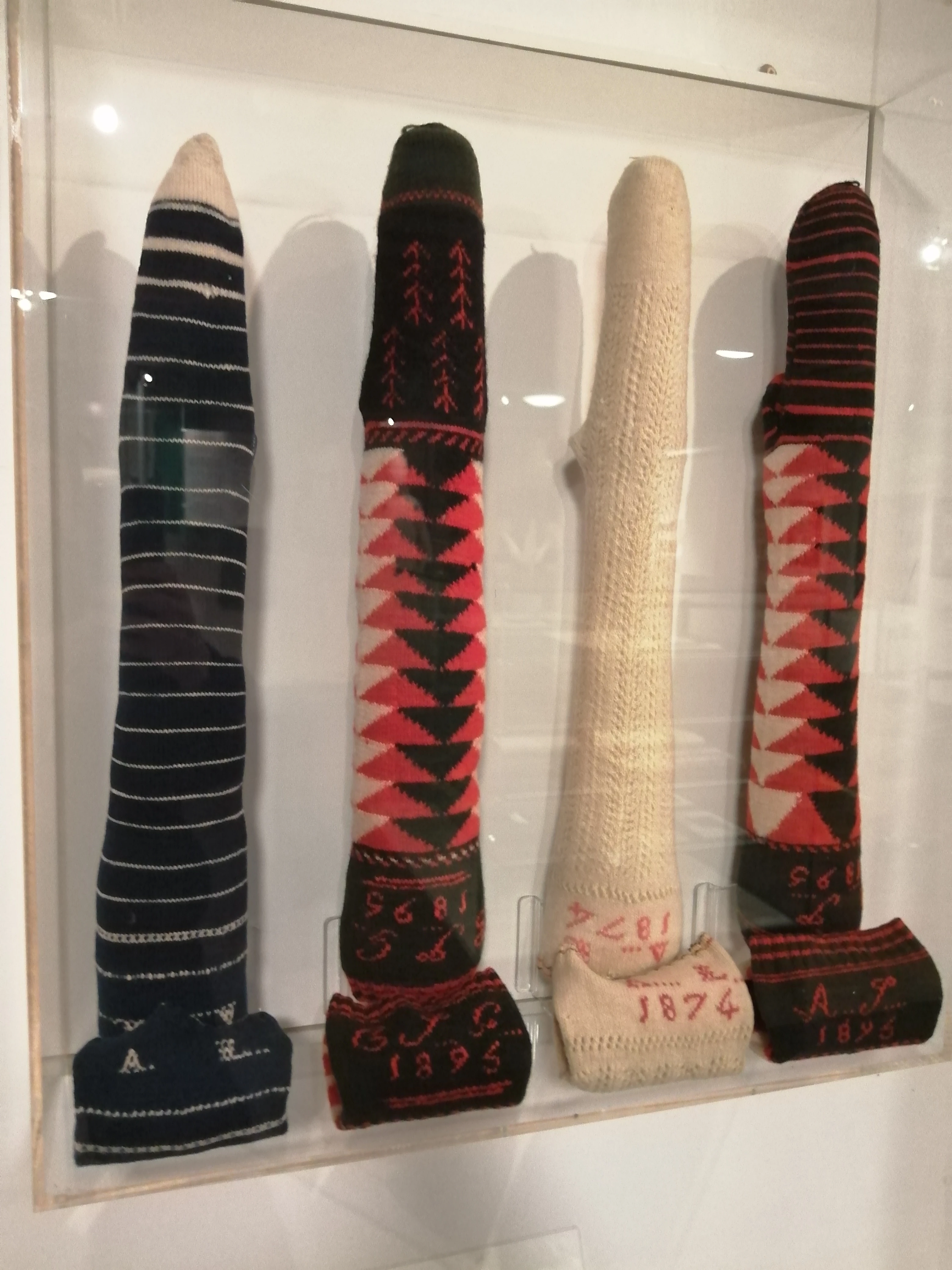
Hosanau ar ddangos yn Amgueddfa Wlân Cymru.

Beth am wau hosan Nadolig eich hun?

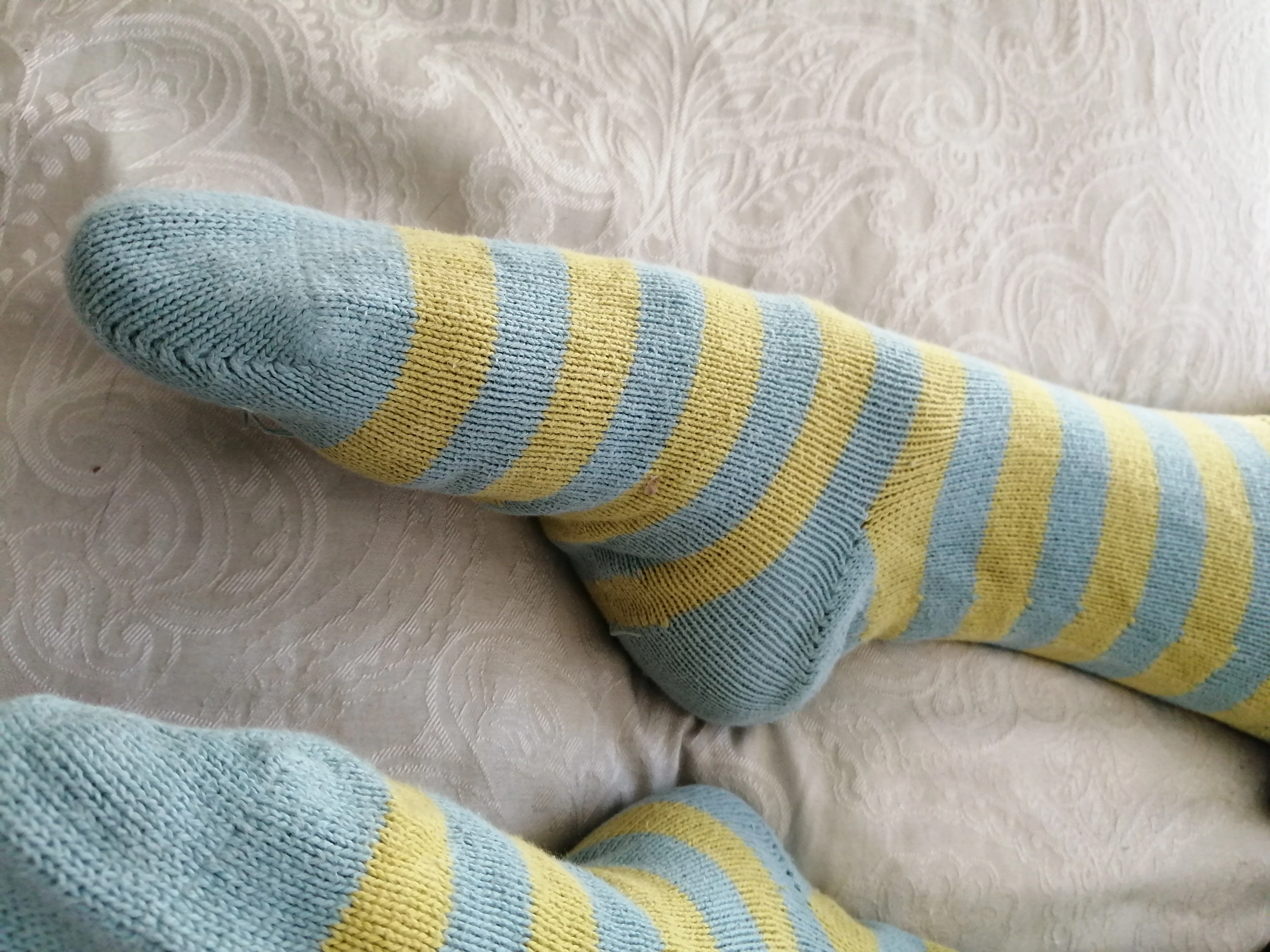
Mae gennym ni hosanau gwau cain iawn yng nghasgliad Amgueddfa Wlân Cymru, ond os hoffech chi roi cynnig ar rywbeth symlach, mae gennym ni batrwm gwau syml iawn ar gyfer hosan Nadolig y dylech chi allu ei baratoi mewn pryd ar gyfer ymweliad Siôn Corn. Er na allwn warantu y bydd yn cael ei lenwi, mae ein siopau yn Amgueddfa Sain Fagan ac yn yr Amgueddfa Llechi Genedlaethol yn Llanberis (gwelwch eu gwefannau am fanylion agor cyn cychwyn) yn cynnig gostyngiad o 10% ar eitemau i lenwi'r hosan, i unrhyw un sy'n dod â hosan Nadolig wedi'i gwau â llaw gan ddefnyddio'r patrwm hwn. Felly, ewch ati i wau!

GELLID LAWRLWYTHO'R PATRWM SYML I WEU HOSAN NADOLIG YMA