Sarah Williams - Ysgol Gyfun Cwm Rhymni, 15 Medi 2017
Eleni, am y tro cyntaf, fe fachon ni ar y cyfle i gymryd rhan mewn pedwar gweithdy Gwyddoniaeth o dan ofal Grace Todd. Ond, yn gyntaf, fe ddewision ni wneud y daith hunan-arweiniol o gwmpas yr amgueddfa gan ddefnyddio’r llyfryn lawrlwythog.
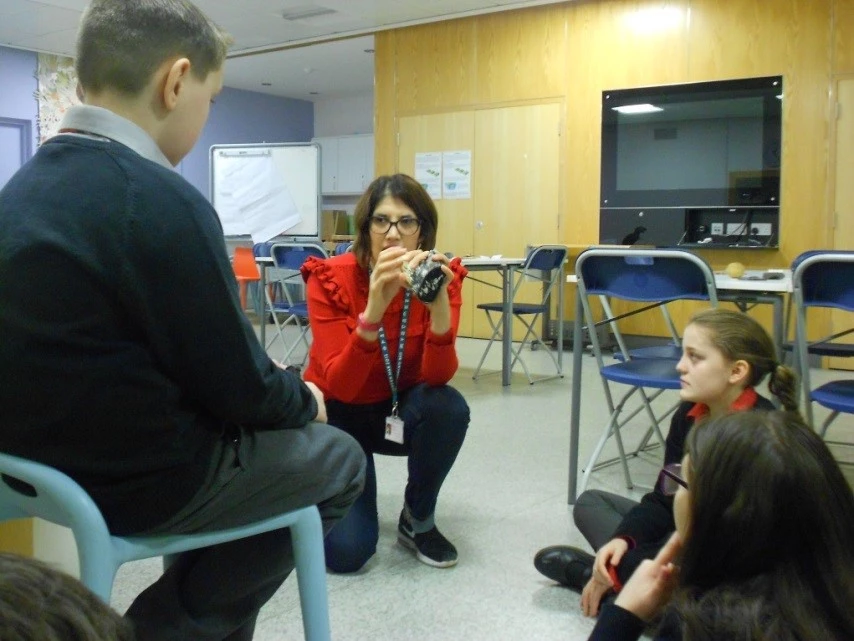
Mae dau grwp bach Blwyddyn 7 anghenion addysgu ychwanegol lawr wedi mynychu’r amgueddfa o ddau safle Ysgol Gyfun Cwm Rhymni. Roedd y daith gychwynnol yn llwyddiant llwyr gyda chynnwys a gofynion y llyfryn yn addas iawn at oed a gallu’r plant gyda chymorth cynorthwyydd a finnau. Roedd y daith yn rhoi cyflwyniad i’r plant o beth sydd yn yr amgueddfa ond hefyd cyfle i astudio addasiadau a chynefinoedd yn ogystal ag esblygiad trwy edrych ar adran y deinosoriaid. Ymateb y plant wrth fynd i mewn i’r adeilad am y tro cyntaf oedd ‘Waw!! Mae’n awsym!’.
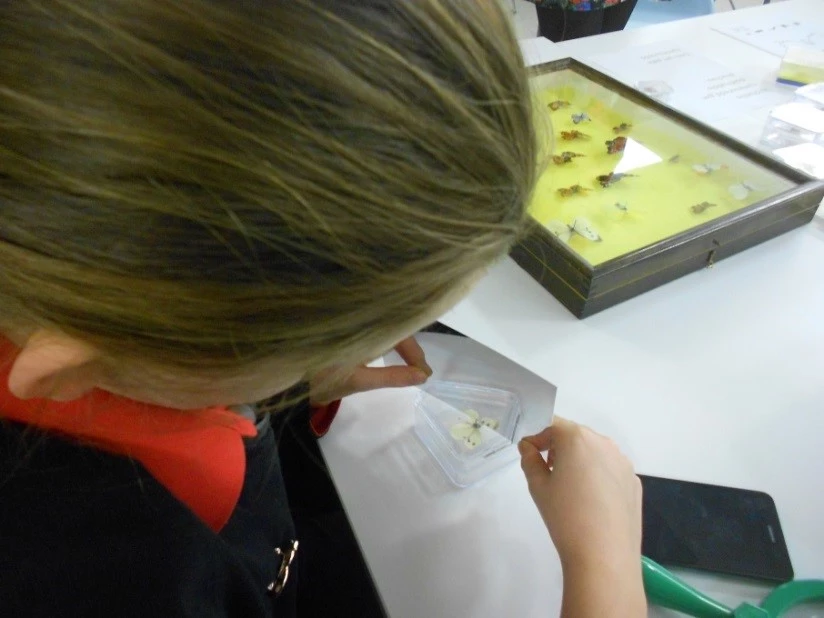
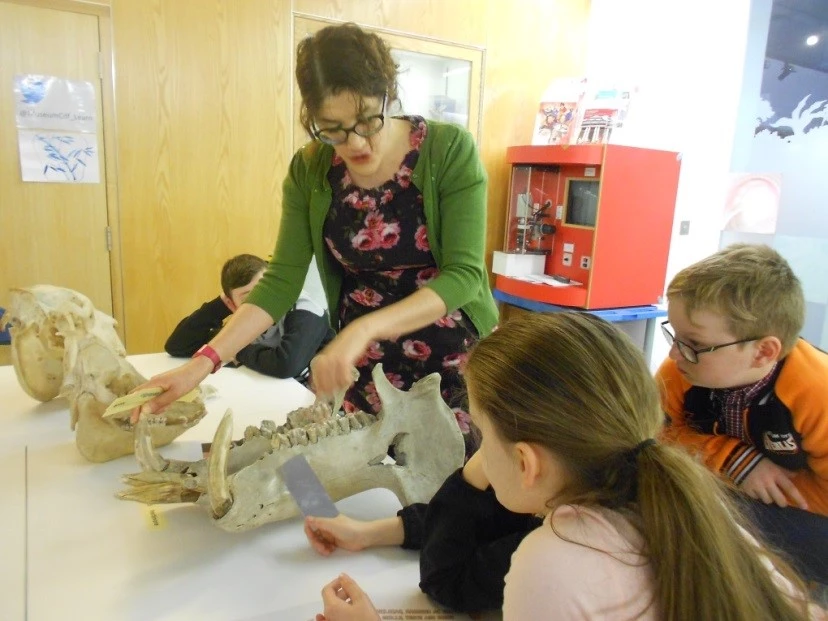
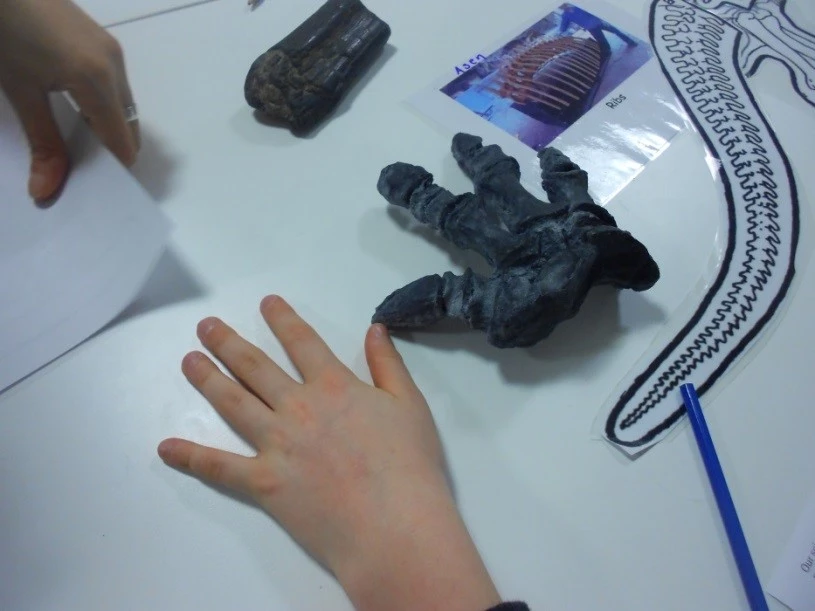
Roedd y broses o fwcio’r gweithdai yn hwylus iawn trwy ebost (gydag Alun) ac wedyn bant â ni gyda’r pedwar gweithdy: Darganfod!, Ditectif y Deinosoriaid, Penglogau, Dannedd ac Esgyrn, a Bwystfilod Bac. Roedd modd wrth wneud y gweithdai yma, dynnu sawl peth astudiwyd eisoes yn yr ysgol i mewn e.e. y corff, Mathemateg (trwy wneud cymesuredd ac ati). Beth o’n i’n hoffi fwyaf oedd y ffaith bod y plant yn gallu ymdrîn ag artiffactau ac eitemau casgliadau go iawn. Yn y gweithdy terfynol, roedd y plant yn cael ymchwilio cannoedd o eitemau, eu trin, eu pwyso, eu mesur, eu disgrifio…ac wedyn, roedd pob un yn dewis un er mwyn creu arddangosfa dosbarth. Profiad mor werthfawr ac addysgiadol. Yn ogystal â’r sgiliau gwyddonol oedd Grace yn eu hyrwyddo, roedd cyfle i’r plant ddatblygu sgiliau cyfathrebu trwy drafod gyda’i gilydd a chyflwyno o flaen pawb.
Felly, diolch Grace ac Amgueddfa Genedlaethol Cymru. 😊
(Rydyn ni hefyd wedi gwneud y gweithdy Celf gyda Catrin ac roedd hyn yn fuddiol iawn. Wedi lawrlwytho adnoddau eraill o’r wefan ar gyfer lleoliadau eraill e.e. Pwll Mawr a Sain Ffagan.)
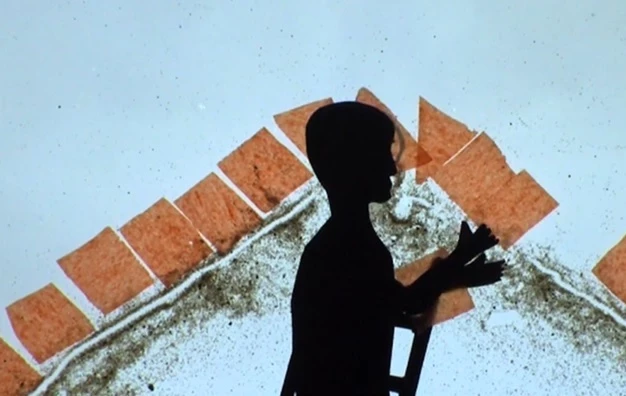
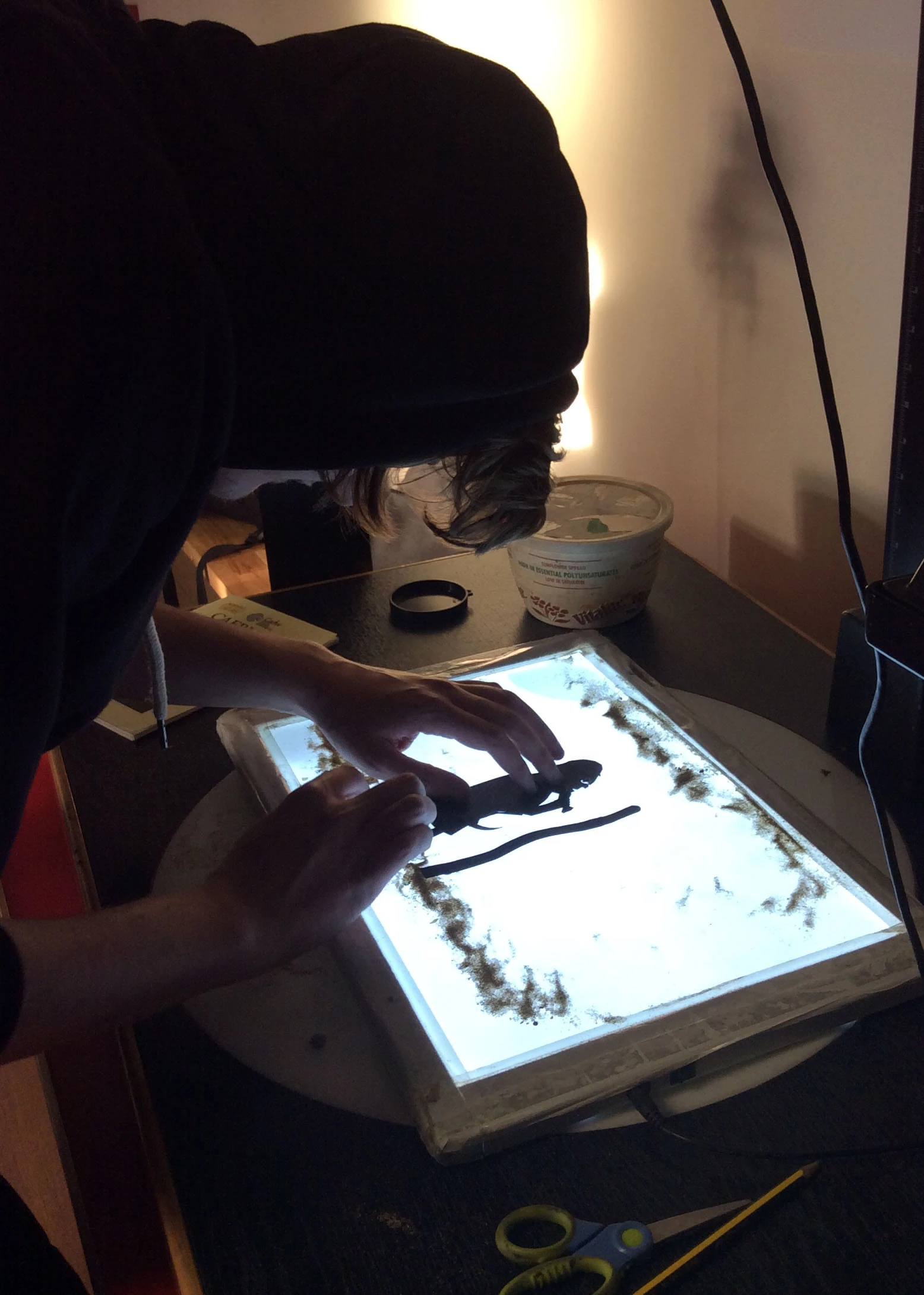
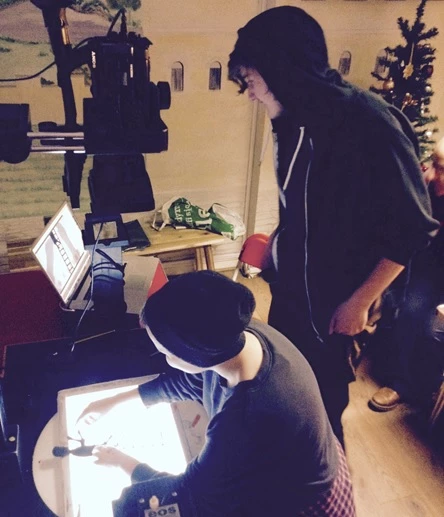
Ysbrydolwyd y stori hon gan gasgliadau Amgueddfa Lleng Rufeinig Cymru. Bu Bethan Thomas a Jacob Rendle yn gweithio gyda chwmni ffilm Gritty Realism i greu’r ffilm fer hon.
Fel rhan o’r broses buont yn edrych ar archaeoleg Rufeinig ac yn dysgu technegau animeiddio. Ariannwyd y project gan Gasgliad y Werin Cymru a chafodd ei drefnu gan Amgueddfa Lleng Rufeinig Cymru a thîm addysg Cymunedau’n Gyntaf Casnewydd.
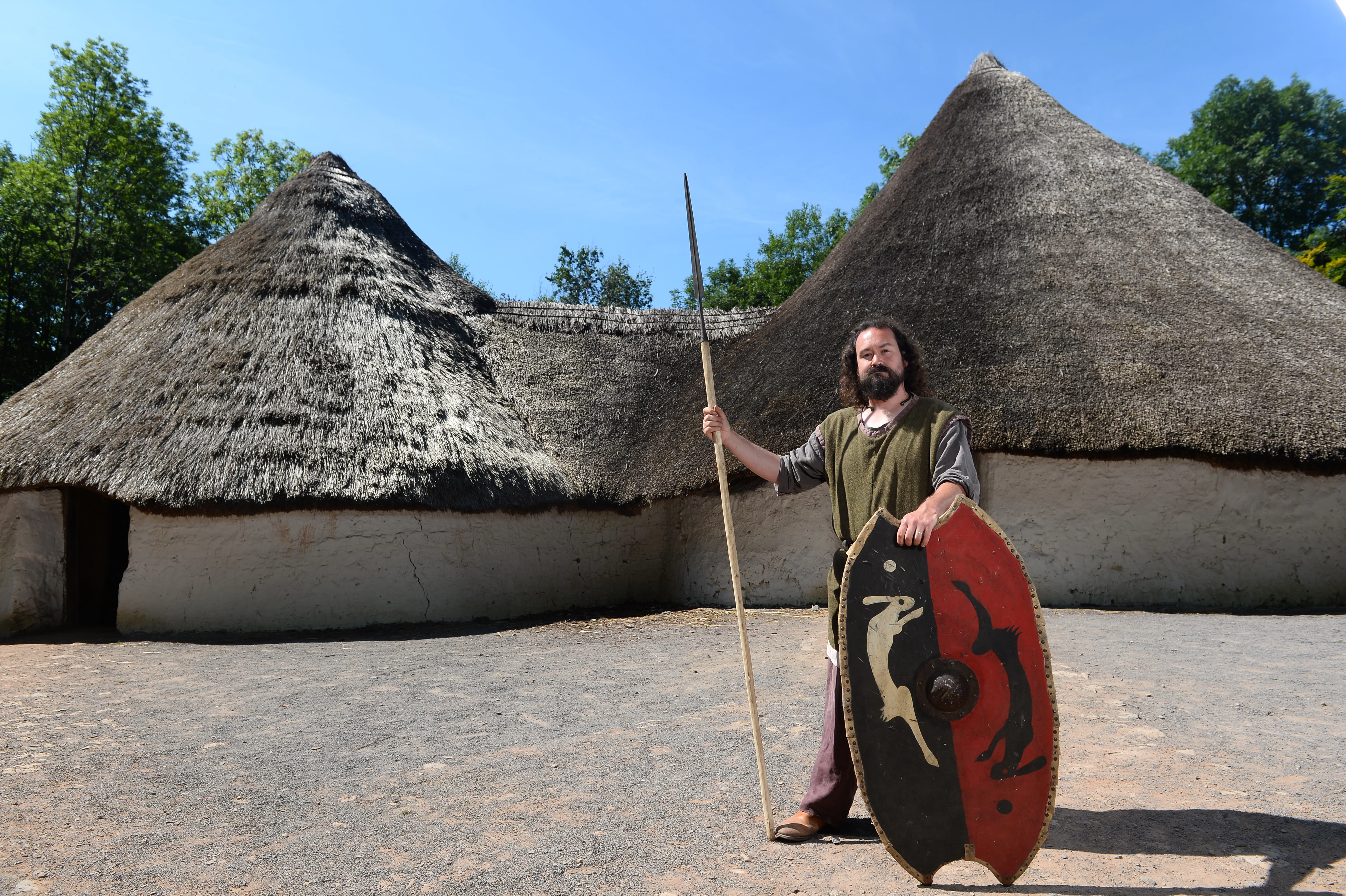
Er nad yw dim o’r stori hon yn wir cafodd ei hysbrydoli gan rai o’r gwrthrychau go iawn a adawyd ar ôl gan y Rhufeiniaid yng Nghaerllion – 2,000 o flynyddoedd yn ôl!
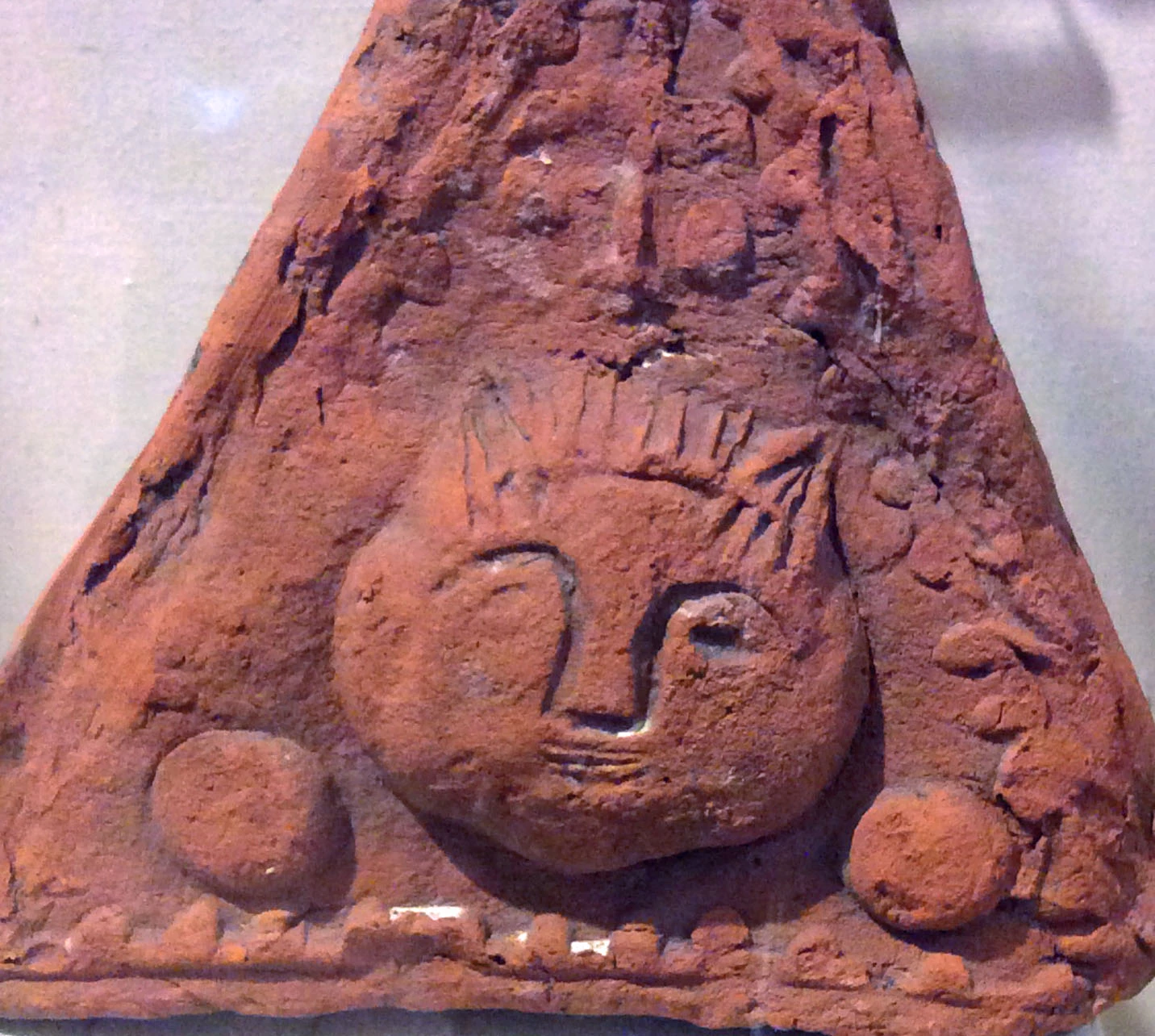
Er engraifft, mae gennym dystiolaeth fod milwr Rhufeinig, ci a chath wedi camu ar y teils clai wrth iddynt gael eu gosod.
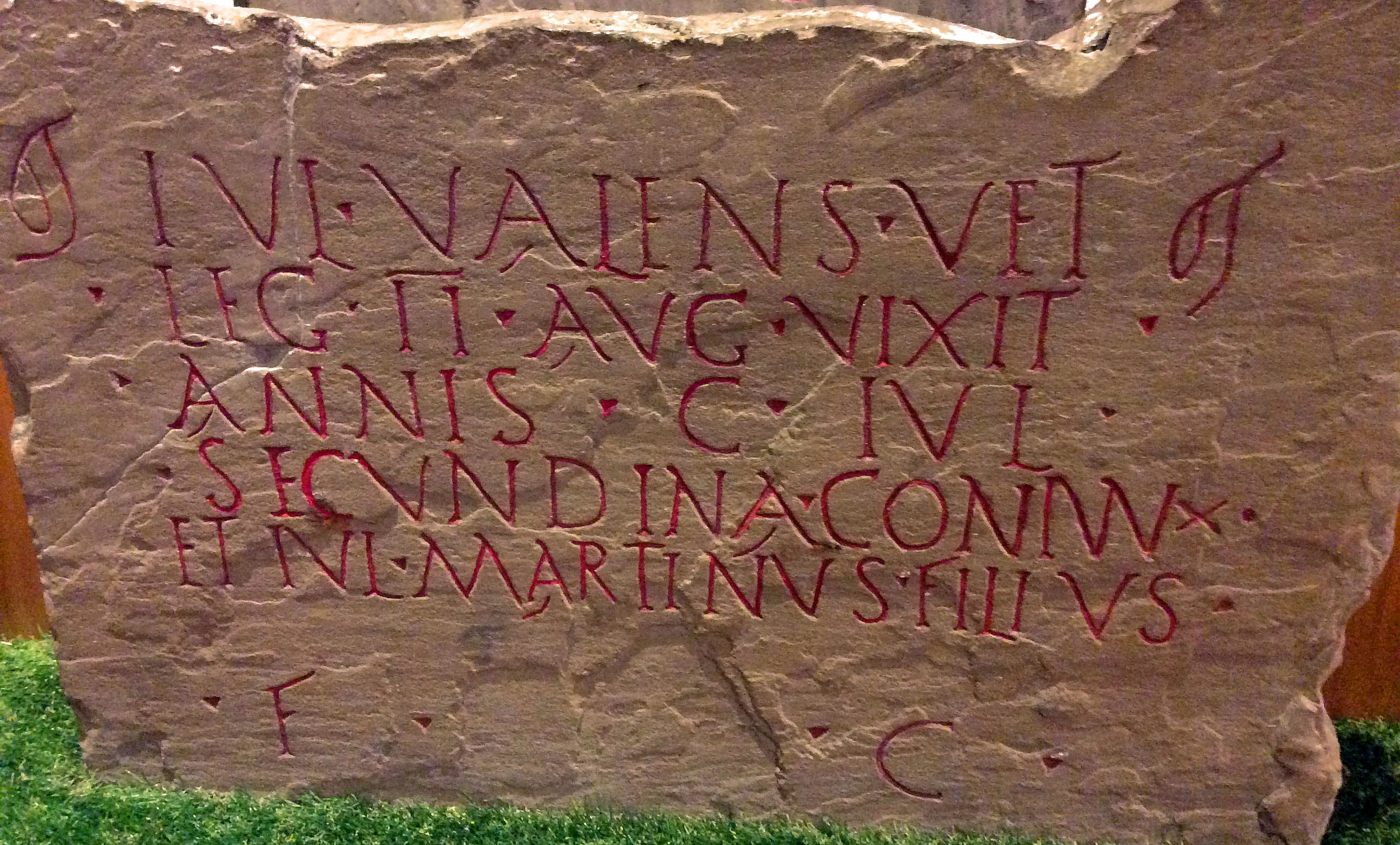
Milwr Rhufeinig oedd Julius Valens, a bu fyw nes ei fod yn gant! Mae ei garreg fedd yn yr oriel. Hefyd, ôl troed milwr a’r deilsen siâp cath fyddai’r Rhufeiniaid yn ei rhoi ar flaen eu tai i gadw ysbrydion drwg draw.
Dewch i weld yr animeiddiad a'r gwrthrychau diddorol hyn yn Amgueddfa Lleng Rufeinig Cymru tan fis Medi 2017.
Artist 'dwi, ac ar hyn o bryd dwi'n astudio gradd MA mewn dylunio a chrefft cyfoes. Fe ymwelais i â’r casgliad Molysga ar ôl darllen blog am strwythr mewnol cregyn ar wefan yr amgueddfa. Mi wnes gysylltiad rhwng strwythurau mewnol cregyn a sut y mae printwyr 3D yn gweithio ac yn creu siapiau. Ar y blog roedd rhif cyswllt ar gyfer Curadur Molysga, felly mi gysylltais â Harriet Wood, heb wybod beth i’w ddisgwyl.
Pan esboniais fy ngwaith yn gyda prosthetau wrth Harriet, a’r cysylltiadau rhwng strwythr cregyn ac argraffu 3D, mi wahoddodd fi i ymweld â’r casgliadau, ac i fy nghyflwyno i’r person sy’n gyfrifol am sganio ac argraffu 3D yn yr amgueddfa.
Mynd 'tu ôl i'r llen'
Fuaswn i fyth wedi gallu dychmygu ymweliad gystal. Fe gwrddais â Harriet wrth ddesg wybodaeth yr amgueddfa ac yna mynd ‘tu ôl i’r llen’, ble cedwir y casgliad. Roedd cerdded trwy’r amgueddfa i gyrraedd yr ardal ‘cefn tŷ’ yn braf a modern. Roedd yn f’atgoffa o bapur academaidd y darllenais cyn ymweld, o The International Journal of the Inclusive Museum: ‘How Digital Artist Engagement Can Function as and Open Innovation Model to Facilitate Audience Encounters with Museum Collections’ gan Sarah Younan a Haitham Eid.
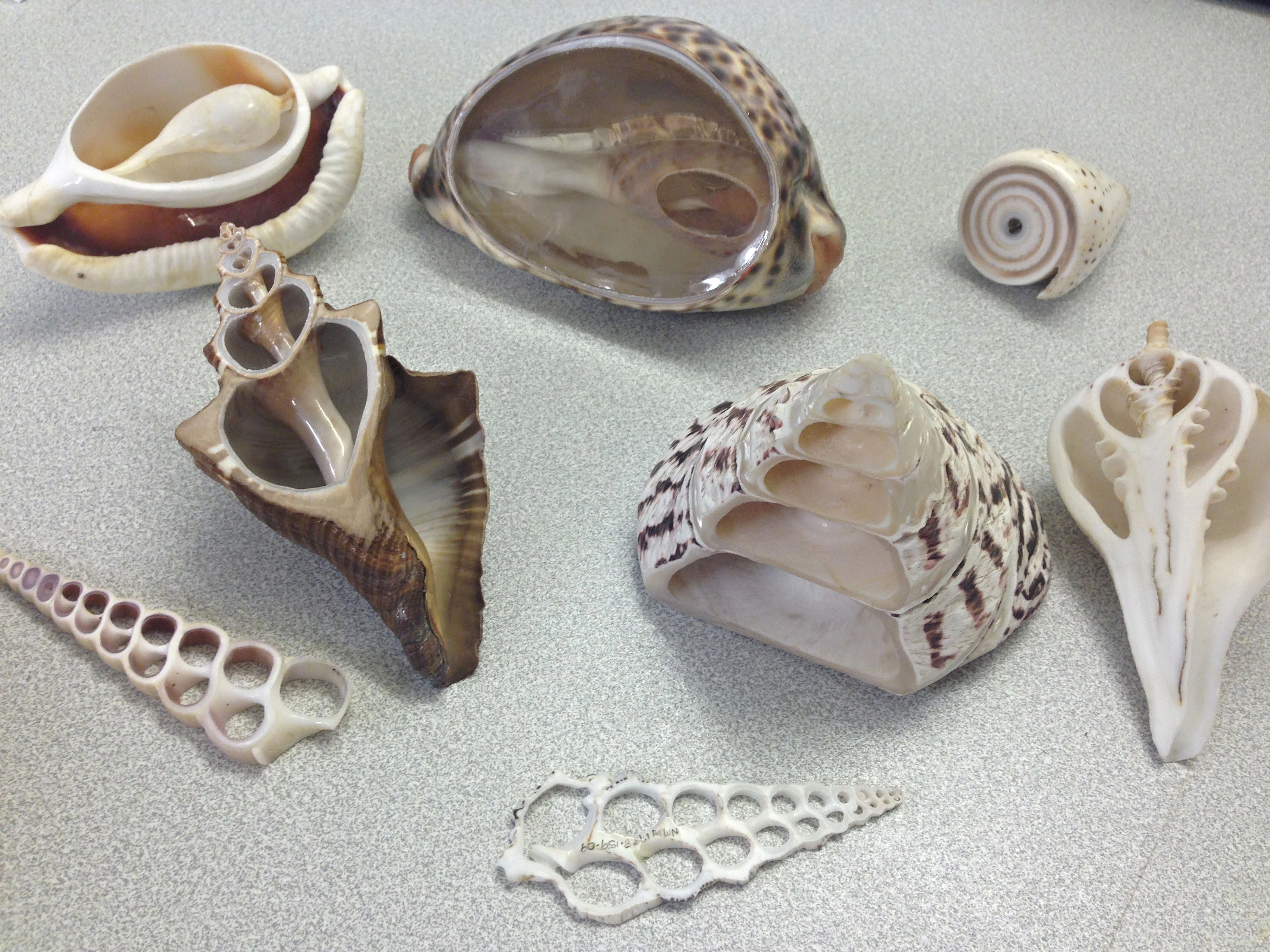
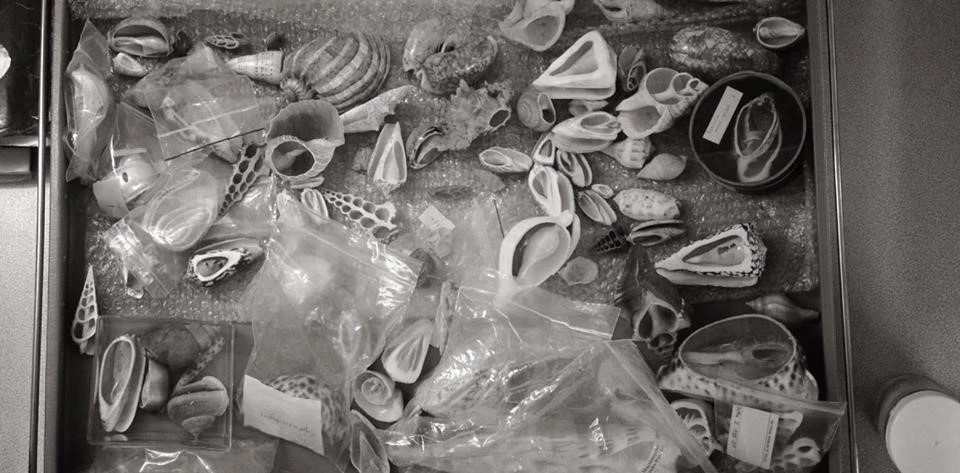
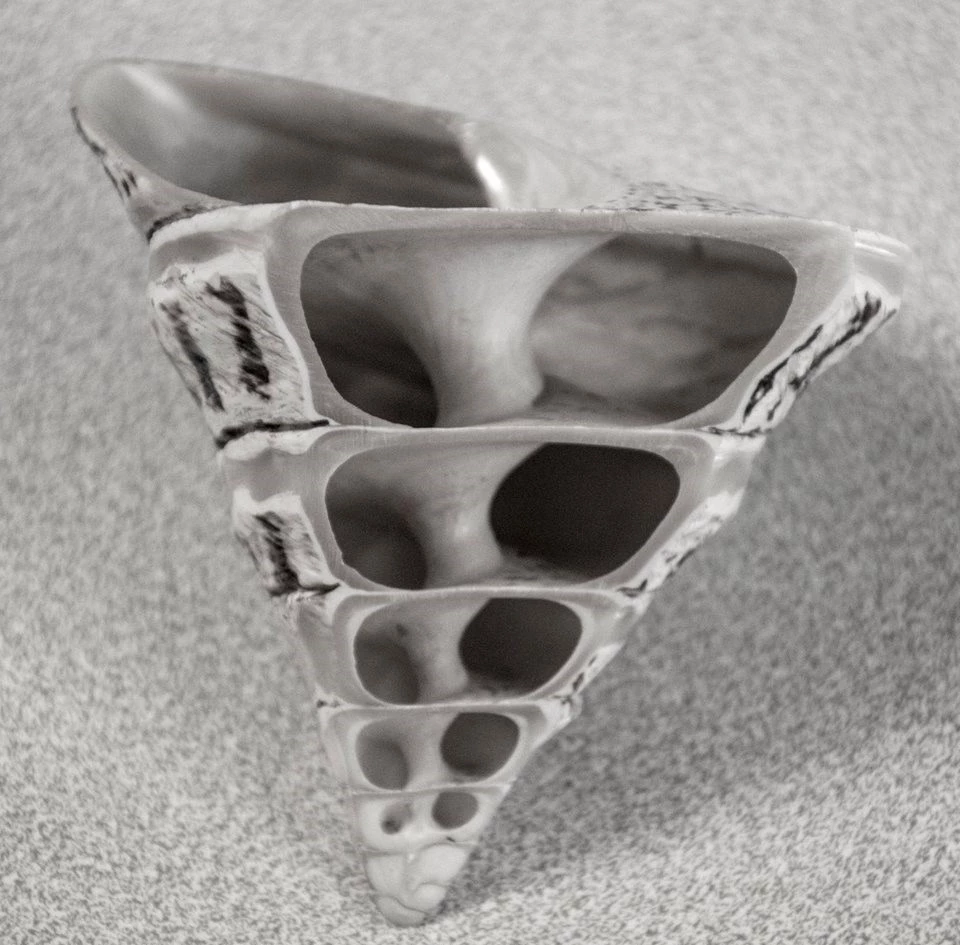
Mae gan ‘cefn tŷ’ yr amgueddfa naws arbennig – dyw’r cyhoedd ddim yn cael mentro yma heb drefnu o flaen llaw. Roedd yn fraint cael cerdded trwy stafelloedd yn llawn cregyn ‘mae pobl wedi eu casglu, ac wedi’u gwerthfawrogi am eu harddwch, dros y blynyddoedd. Beth oedd yn fwya diddorol imi oedd pa mor berffaith oedd y toriadau yn y cregyn. Roedd yn cregyn wedi’u torri yn edrych fel taw dyma oedd eu ffurf naturiol – roedd pob toriad yn gain iawn ac yn gweddu i siâp y gragen. Dyma beth oeddwn i eisiau ei weld.
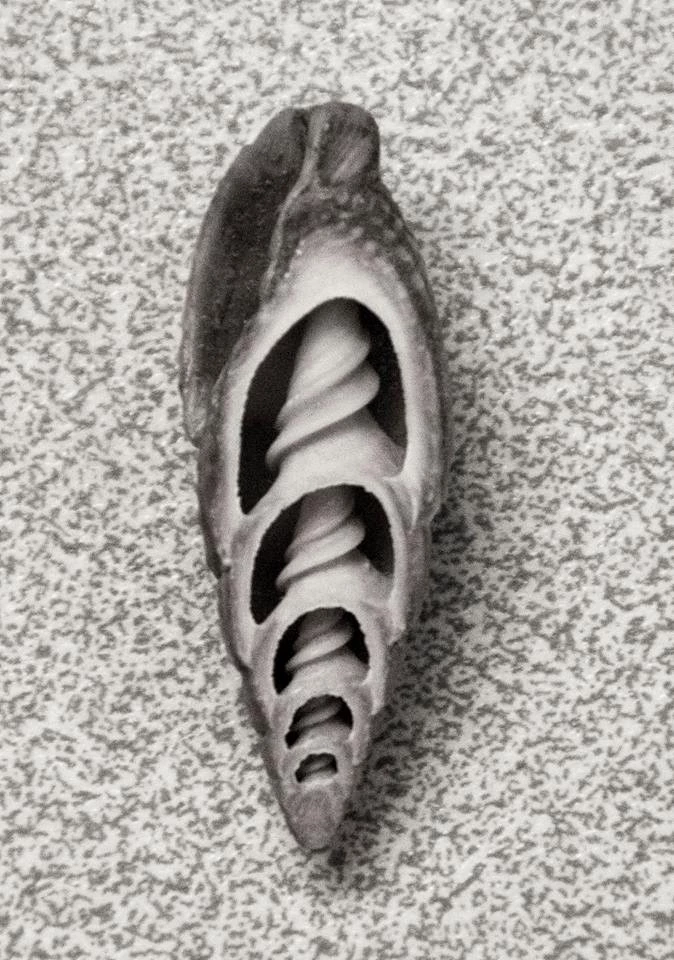
Doedd gen i ddim geiriau i fynegi fy hun pan welais i’r casgliad yma o gregyn – yn enwedig gweld y darn o’r gragen na fyddwn ni’n cael ei weld fel arfer. Rodd yn gyffrous gweld y strwythr mewnol, am ei fod yn ychwanegu gwerth asthetig i’r cregyn. Roedden nhw’n fy atgoffa o waith cerflunio Barbara Hepworth, artist dwi’n ei hedmygu yn fawr.
Rydym ni’n gweld cregyn ar y traeth drwy’r amser, a mae’n nhw’n fy nghyfareddu – yn enwedig cregyn wedi torri ble gellir gweld y tu fewn i’r gragen. Mae hwnnw fel arfer yn doriad amherffaith, yn wahanol iawn i’r toriadau bwriadol yn y casgliad, sydd wedi’u gwneud yn bwrpasol i ddangos ini beth sydd ar y tu fewn. Caf fy atynnu at ffurfiau naturiol sydd wedi eu siapio gan berson.
Sganio 3D: Celf a Gwyddoniaeth
Cyn archwilio’r cregyn fy hyn, cynigiodd Harriet i fynd â fi i lawr i weld Jim Turner, a dyna ble buom ni’n trafod am rhan helaeth fy ymweliad, am fod ei waith mor ddiddorol.
Mae Jim yn gweithio mewn labordy sy’n defnyddio proses ffotograffig o’r enw ‘Stacio-z’ (neu EDF, ‘extended depth of field’), sy’n cael ei ddefnyddio yn aml mewn ffotograffeg facro a ffoto-microscopeg.
Ar hyn o bryd, mae'n creu archif o wrthrychau wedi’u sganio mewn 3D ar gyfer gwefan yr amgueddfa, ble all bobol ryngweithio gyda’r sganiau yn defnyddio cyfarpar VR – gan greu profiad hollol newydd i’r amgueddfa.
Gallais ddeall yn syth beth oedd Jim yn ei wneud o fy mhrofiad i. Esboniodd y broses a roedd nifer o elfennau technegol tebyg. Roedd yn bleser cael siarad gyda rhywun sy’n defnyddio sganio 3D mewn ffordd wahanol imi. Mae Jim yn defnyddio sganio 3D mewn ffordd dwi wedi ei weld mewn papurau academaidd. Er nad yw’n gwneud gwaith creadigol gyda’r cregyn, mae e dal yn rhoi gwrthrychau mewn cyd-destun newydd, ble all pobl ryngweithio â nhw yn defnyddio technoleg ddigidol fel cyfarpar VR neu ar y we trwy sketchfab.
'Fel bod ar y traeth...'
Pan ddes i ‘nôl at y casgliad molysga, mi ges i amser i ymchwilio’r casgliad ar fy liwt fy hun a doedd dim pwysau arna i i frysio – felly ces gyfle i edrych yn graff ac archwilio’r cregyn. Roedd fel bod ar draeth a chael oriau i archwilio’r holl wrthrychau naturiol.
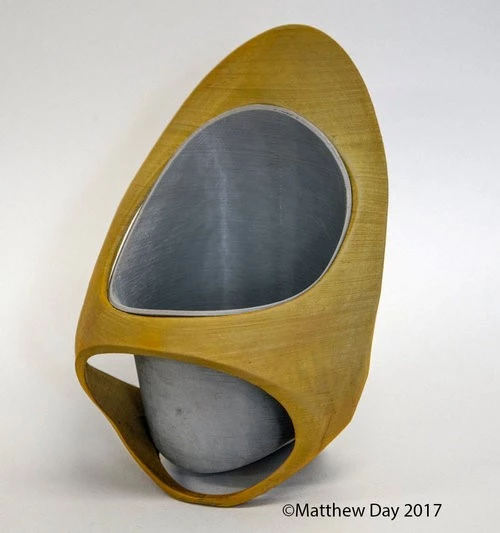
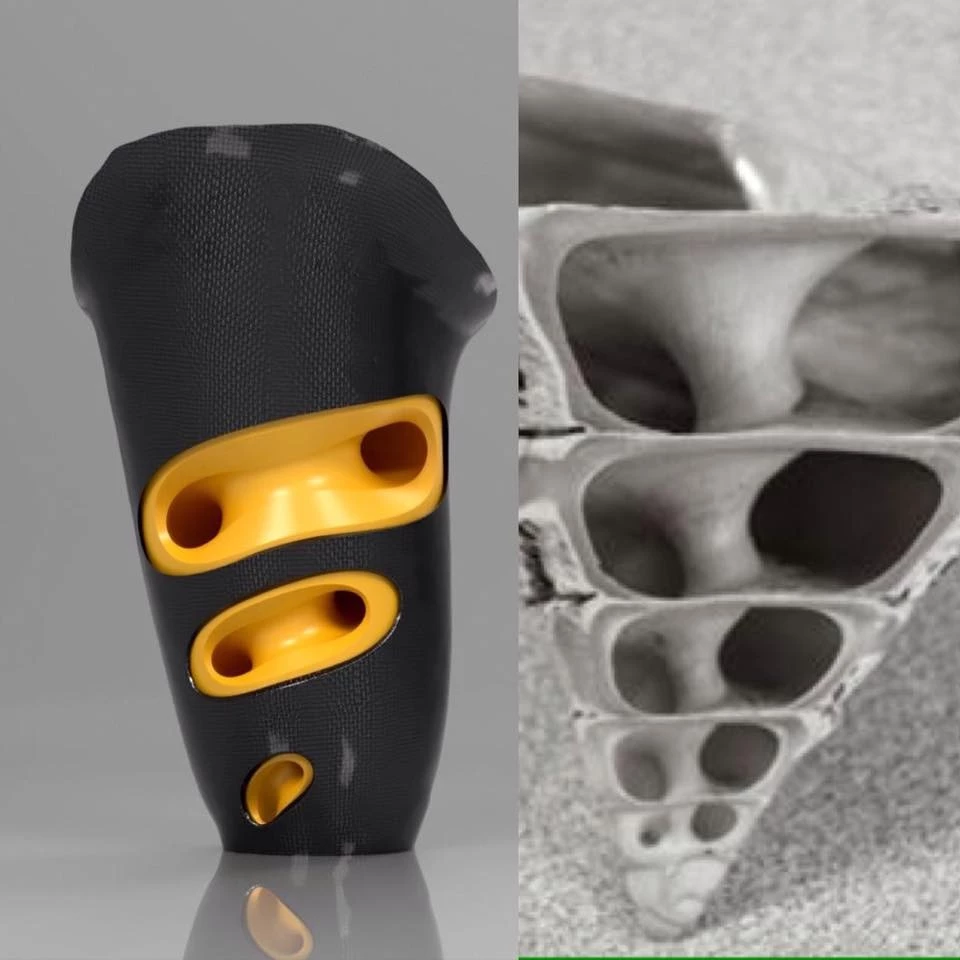
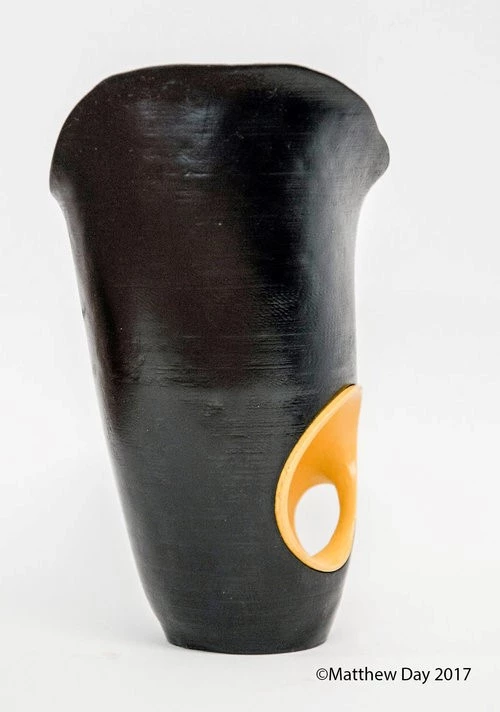
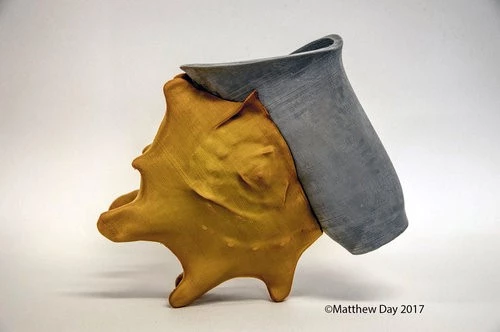
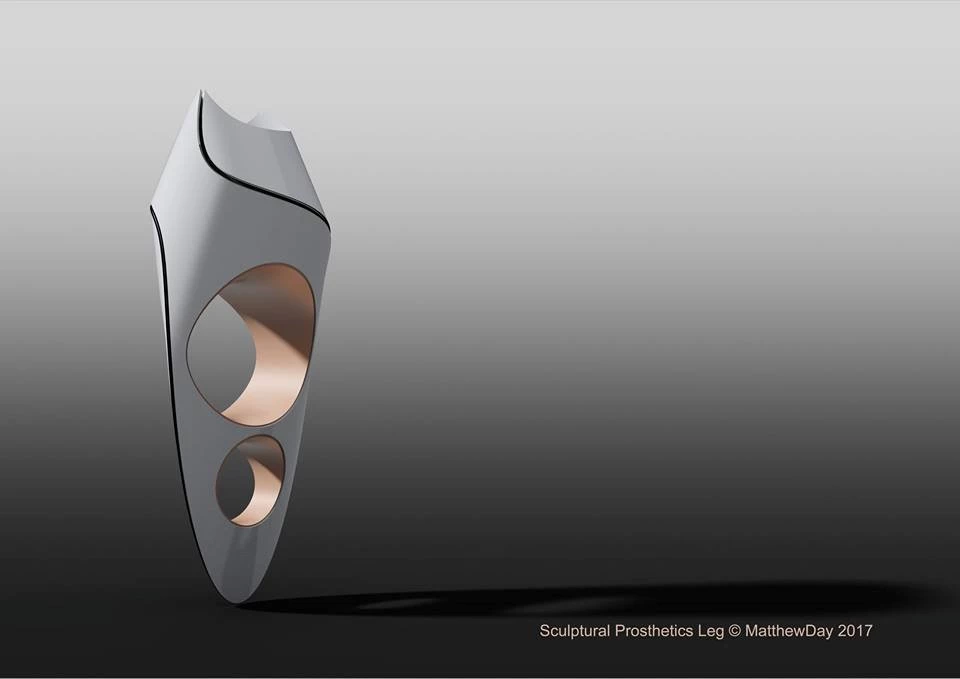
Cafodd yr ymweliad effaith wych ar fy mhrosiect MA – a mawr yw’r diolch i Harriet a Jim am eu hamser. Trwy’r ymweliad, fe fagais hyder i gysylltu ag amgueddfeydd eraill, fel Amgueddfa Feddygol Worcester, ‘ble bues i’n gweithio gyda soced prosthetig o’u casgliad. Mi sganiais y soced, ac wedi fy ysbrydoli gan gasgliad molysga Harriet, mi greais gyfres o socedi prosthetic cerfluniol, wedi’u hysbrydoli gan strwythurau mewnol cregyn, oedd yn darlunio croestoriadau rhai o’r cregyn mwya atyniadol yn y casgliad.
'Cerflun ynddo'i hun': fy nghasgliad o gerflunwaith brosthetig
Mae fy ngwrs MA nawr ar ei anterth, a dwi’n edrych ymlaen at ddechrau’r prif fodiwl dros yr haf.
Ar gyfer y rhan olaf o’r cwrs, hoffwn i gymryd yr hyn dw i wedi ei archwilio a’i ymchwilio hyd yn hyn, a’i ddefnyddio i greu darn prosthetig a allai fod yn rywbeth all rhywun ei wisgo, ond sydd yn gerflun ynddo'i hun – a mae’r gwaith yn mynd yn dda.
Hoffwn i greu rhywbeth wirioneddol syfrdanol yn defnyddio argraffu 3D, gan ymgorffori asthetig wedi’i ysbrydoli gan y casgliad cregyn a’i uno gyda’r cerflunwaith prosthetig a welwch yma ar y blog.
Gyda’r haf yma unwaith eto, mae hi’n amser i’r Adran Addysg yn Amgueddfa Werin Cymru Sain Ffagan edrych nôl dros y flwyddyn a fu ac i ddechrau’r paratoadau ar gyfer mis Medi. Ni fydd llawer o ymlacio i'r tîm dros yr haf!
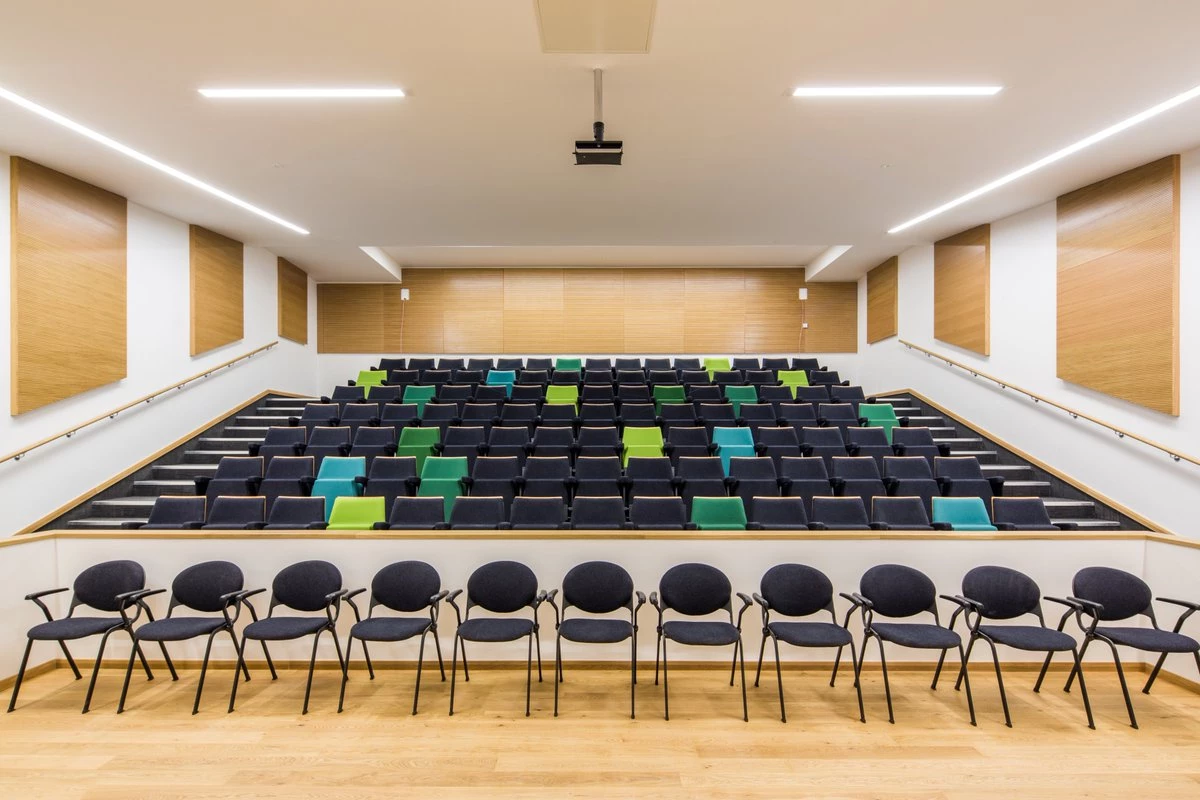
Mae hi’n amser cyffroes iawn i’r tîm yma. Gyda’r prif adeilad wedi ail-agor yn ei newydd wedd, erbyn mis Medi, byddwn yn croesawu ysgolion i’r Ganolfan Ddysgu Weston newydd sbon. Bydd hyn yn rhoi derbynfa benodol at ddefnydd ysgolion, dwy stiwdio addysg, darlithfa ag ystafell brechdanau ar gyfer ysgolion. ‘Da ni methu aros tan fis Medi er mwyn dechrau defnyddio’r gofodau yma gydag ysgolion!
Gyda gofodau newydd, mi fydd cyfleoedd newydd. Trwy gydol y proses ail-ddatblygu mae hi wedi bod yn anodd i ni gynyddu’r cynnig ar gyfer ysgolion, ond, o fis Medi ymlaen, mi fydd yr adran yn cynnig gwledd o weithdai newydd a hefyd yn gweld rhai gweithdai yn dychwelyd ar ôl ychydig o orffwys!
Yn dilyn trafodaethau gydag athrawon, fel rhan o’n Fforwm Addysg Ffurfiol, rydym wedi cynyddu’r nifer o weithdai sy’n ategu at ei gilydd. Mi fydd hyn yn galluogi ysgolion i fwcio mwy nag un gweithdy i’w grwpiau er mwyn llenwi’r ymweliad gyda gweithgareddau. I weld pa weithdai sydd ar gael ar gyfer Cyfnod Sylfaen a Chyfnod Allweddol 2, cymrwch olwg ar ein tudalennau we addysg. Dilynwch y linc yma i’w gweld: https://amgueddfa.cymru/sainffagan/addysg/
Rydym yn awyddus iawn i ddangos y Ganolfan Ddysgu Weston newydd i athrawon, felly rydym yn cynnal noson agored ar gyfer Athrawon Ysgolion Cynradd ym mis Medi. Mi fydd y noson agored yn gyfle i athrawon gweld y gofodau newydd ac i ddod yn gyfarwydd â’r safle cyn ymweld gyda grŵp. Bydd hefyd cyfle i gwrdd â’r tîm - ‘da ni gyd yn reit gyfeillgar! Mae’r noson agored yn cymryd lle ar Fedi 20fed, ac mae gwybodaeth bwcio i’w ffeindio yma: https://amgueddfa.cymru/sainffagan/addysg/athrawon/
Er ein bod yn edrych ymlaen at yr haf, ‘da ni methu aros i ddechrau croesawu ysgolion eto ym mis Medi. Gobeithio nawni gweld chi pryd ni!
There are times in life when a problem and its solution come together seamlessly.
The problem – one which every museum faces: cryptic causes of deterioration of stored objects.
The solution: investigation using the latest chemical analyses.
One step better: to combine this analysis with the mission of museums – inspiring people – and undertake the investigative work with full public engagement.
Like most museums, National Museum Cardiff has the task of slowing down corrosion to preserve collections. Think of your family silver tarnishing and you know what I am talking about. Multiply this by hundreds of thousands of metal objects in our collection and you understand the herculean task we face when we come to work every day.
Like most museums, we do not have much equipment to undertake complex chemical analyses. So when we want to investigate the magnitude of potential sources of corrosive airborne substances in our collection stores, we often work in partnership with academic institutions.
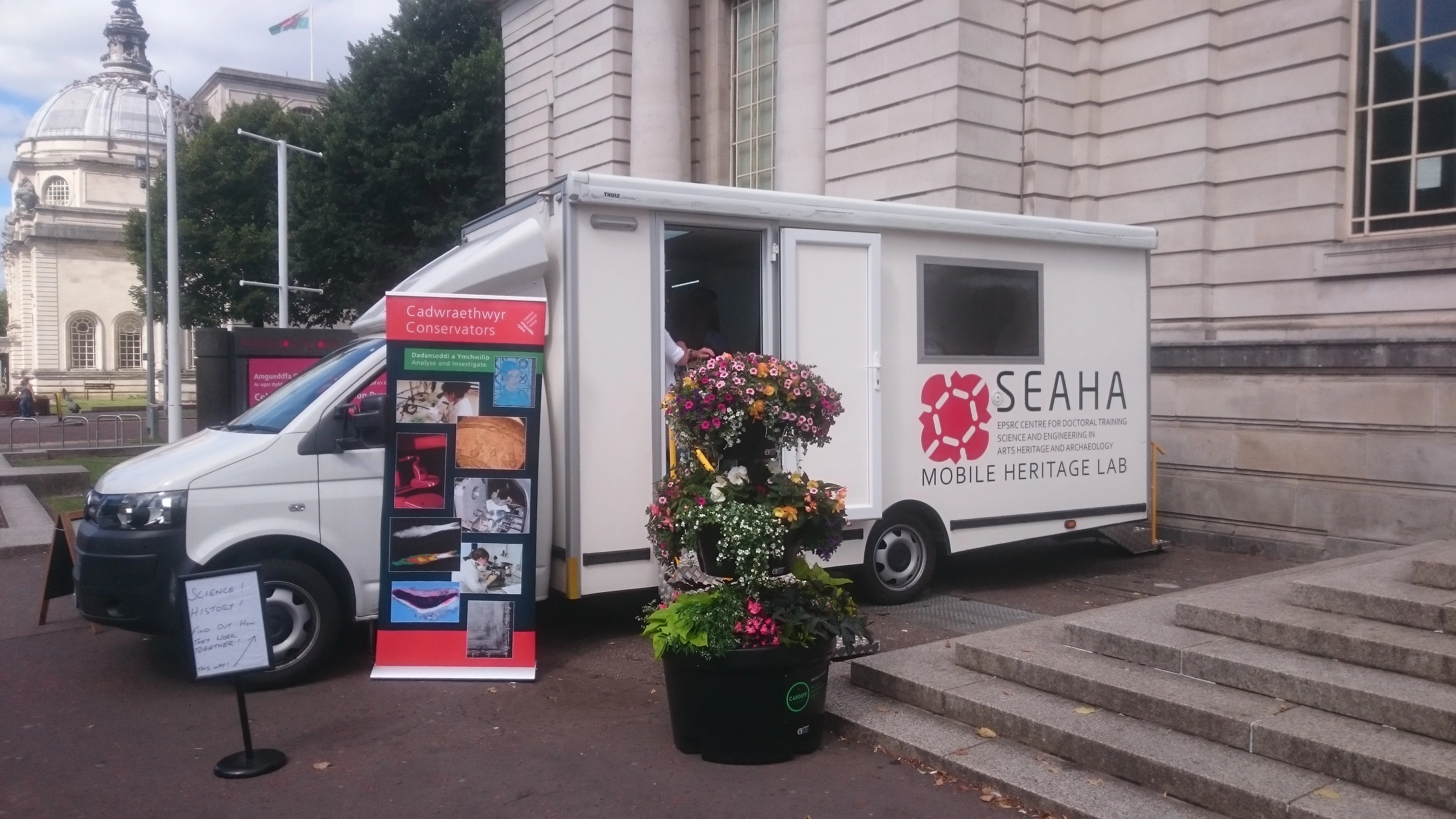
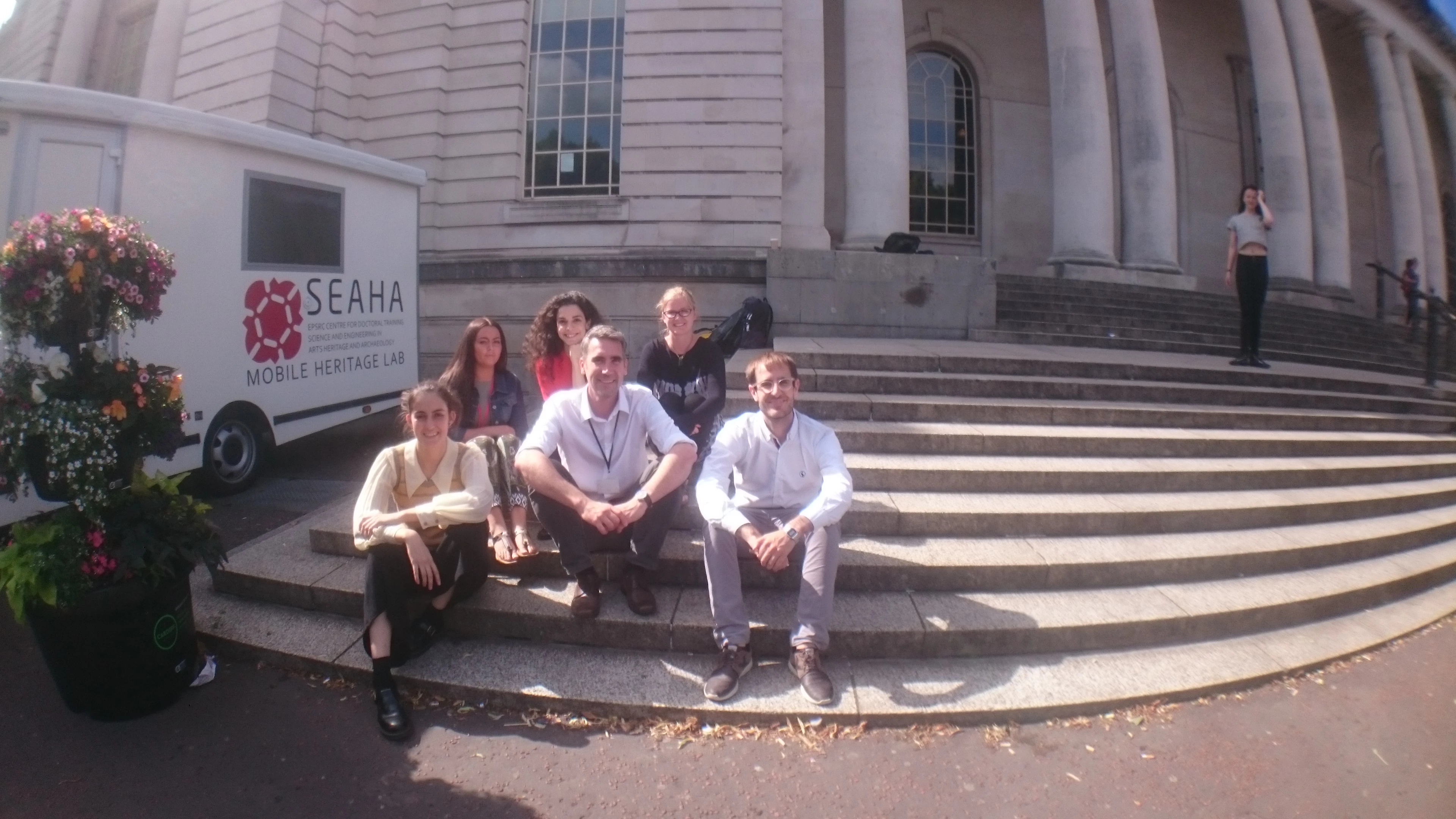
SEAHA is an initiative between three universities with industry and heritage partners to improve our understanding of heritage science. Heritage science is multi disciplinary and includes experts with chemistry, imaging, IT, engineering, architecture and other backgrounds. One of SEAHA’s amazing facilities is a fully equipped mobile laboratory. We submitted an application last year for the mobile lab to come to Cardiff which, amazingly (there is much demand for this vehicle), was approved. Last week, staff and postgraduate students from University College London, one of SEAHA’s academic partners, visited National Museum Cardiff.
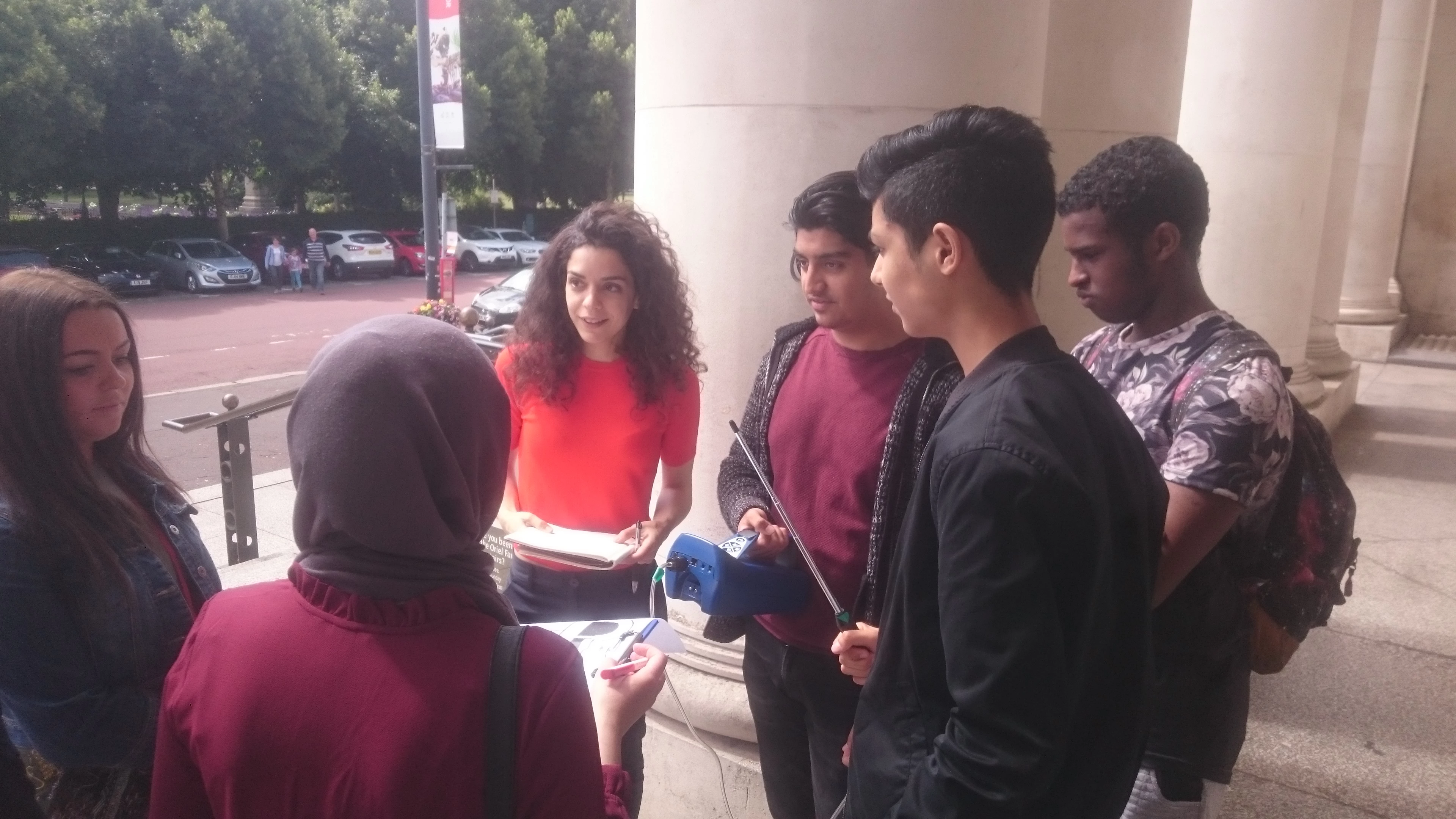
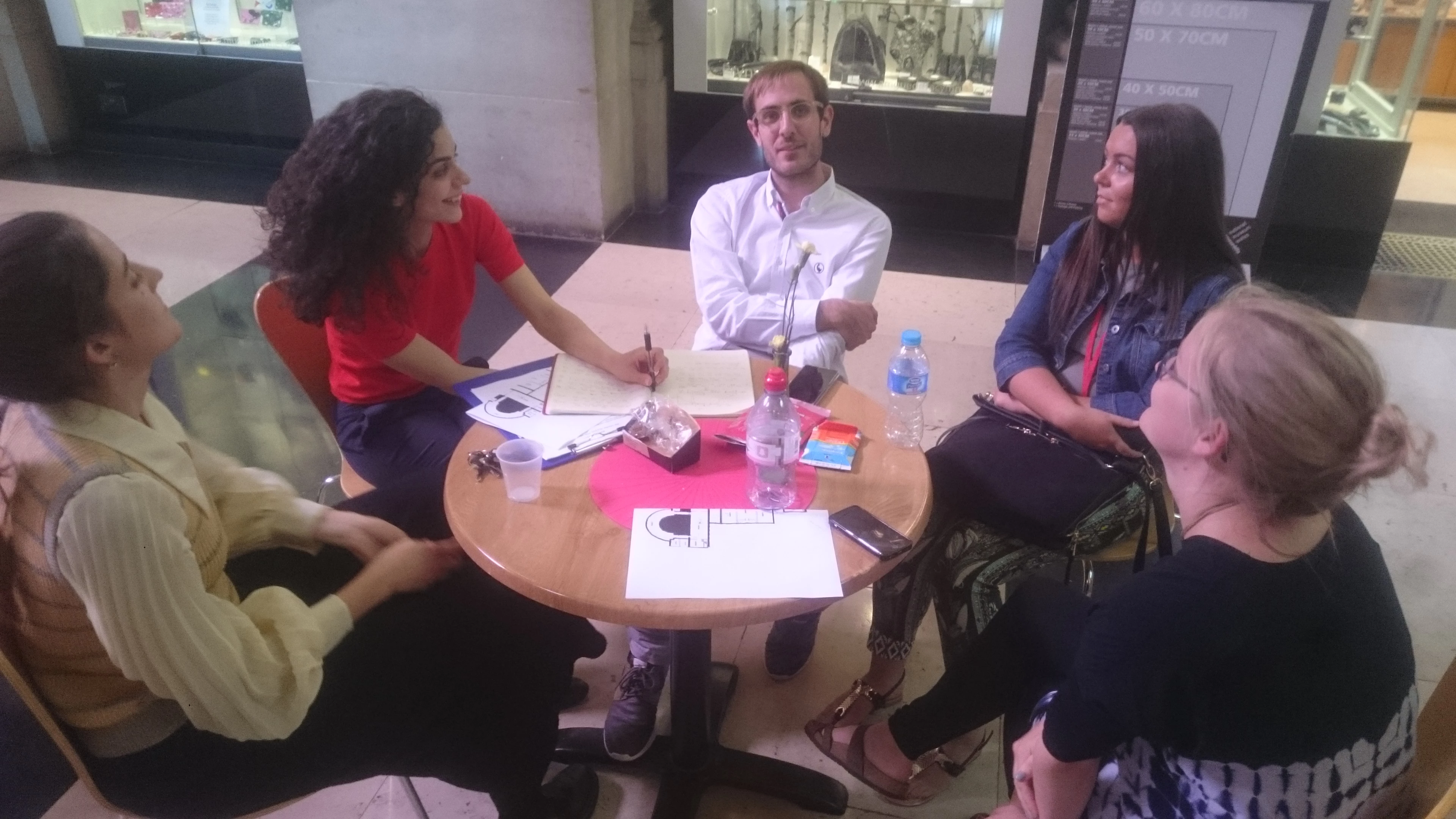
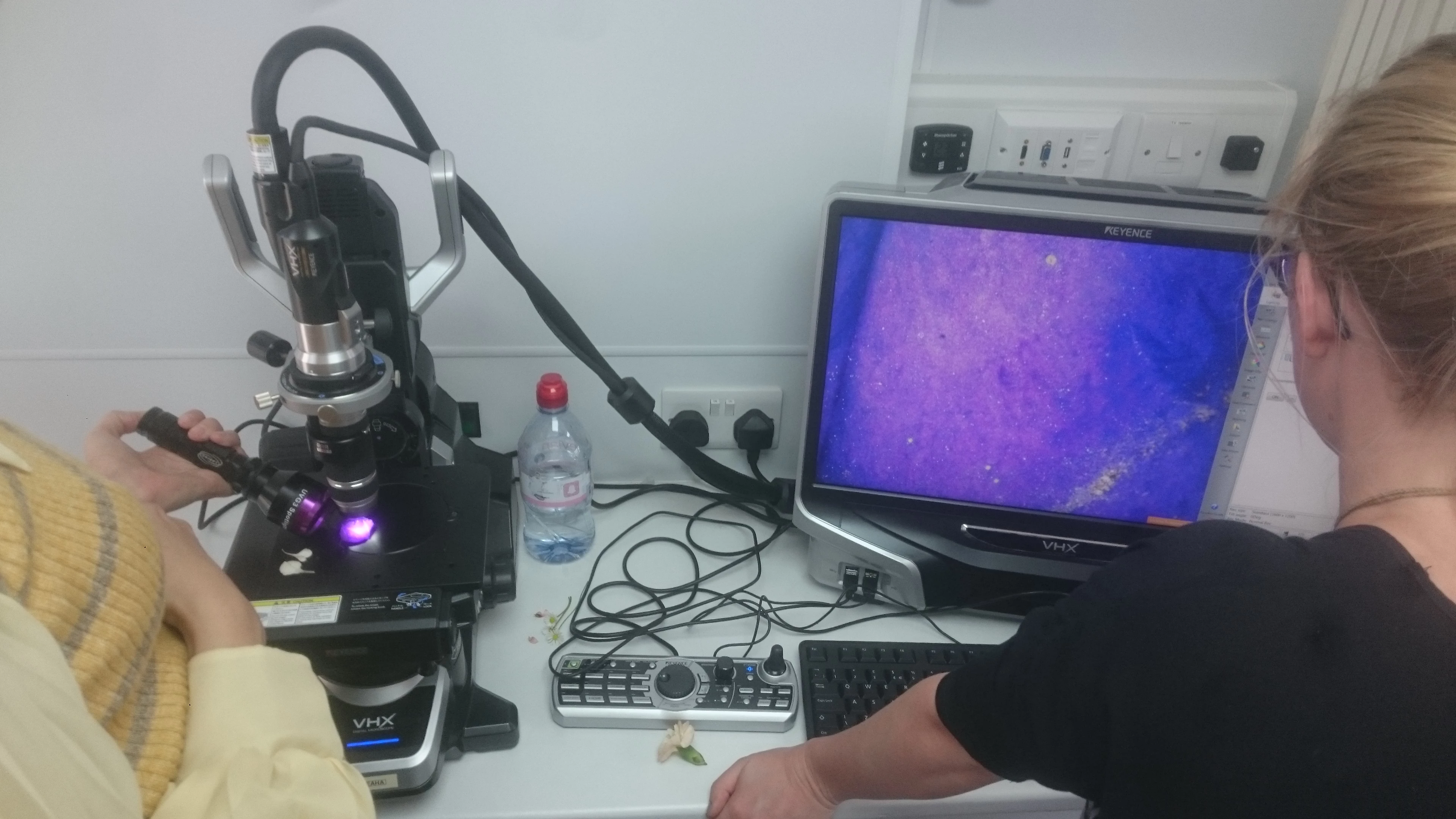
The Mobile Heritage Lab was at the museum for two days. During this time, we assessed environments and pollutants in collection stores and in public galleries. We undertook this work with full involvement of our museum visitors. The mobile lab was parked next to the museum entrance where we encouraged our visitors to explore the on-board analytical equipment. UCL staff and students were at hand to explain how science helps us preserve heritage collections, for example how UV fluorescence is used to explore paintings.
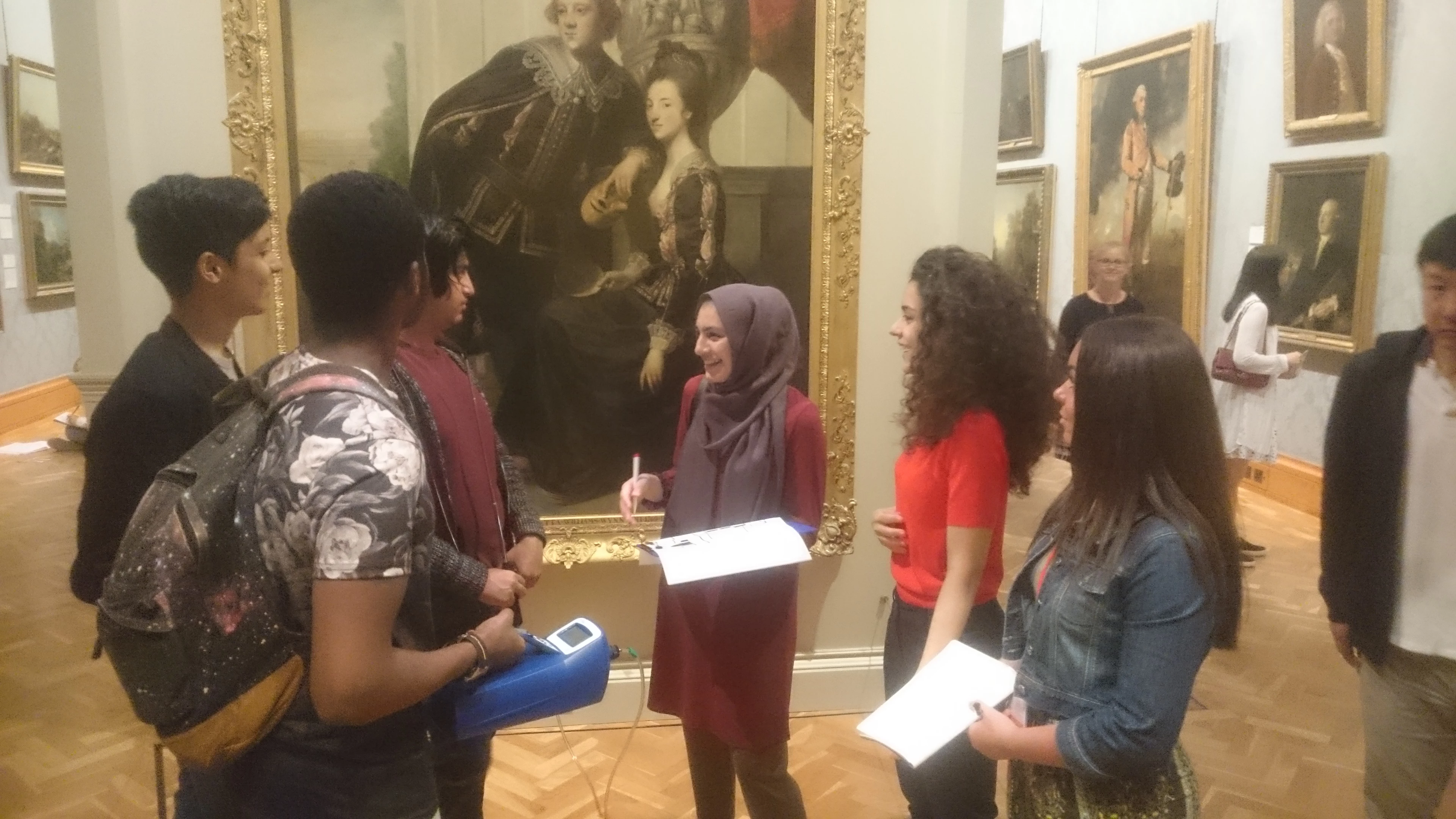
We received a visit by A-level students from Fitzalan High School in Cardiff in the morning. The students were especially interested in chemistry. After a quick introduction, we gave the students an ultra-fine particle counter to produce a pollutant map of the public galleries at the museum. The students used this equipment to measure ultra-fine dust inside and outside the museum. We are still analysing these data, but the early results indicate that the museum’s air filtration system is doing a good job at keeping dust out of the building. This is important because the gases associated with ultra-fine particles (for example, SO2) can damage paper and other organic materials.
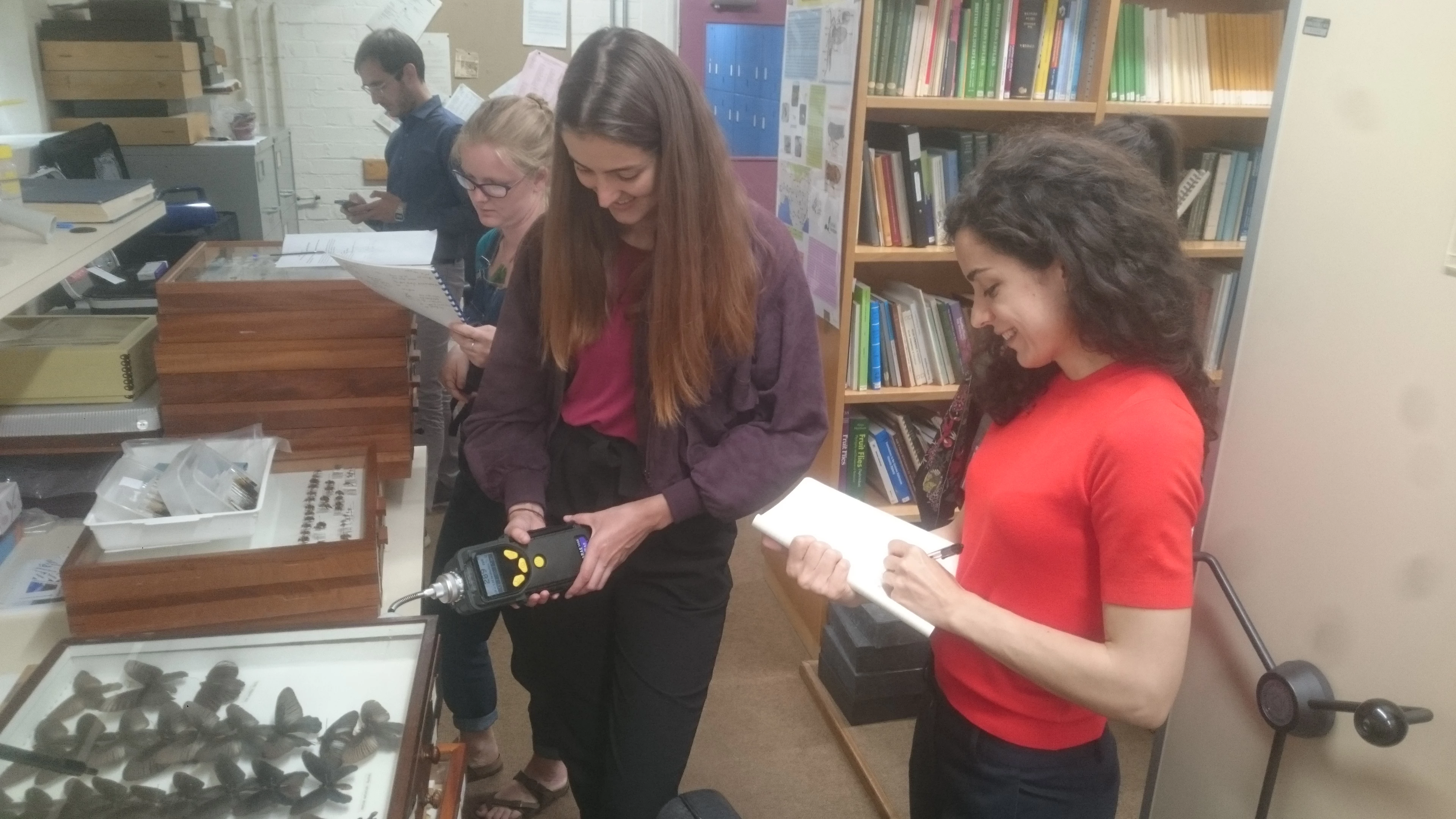
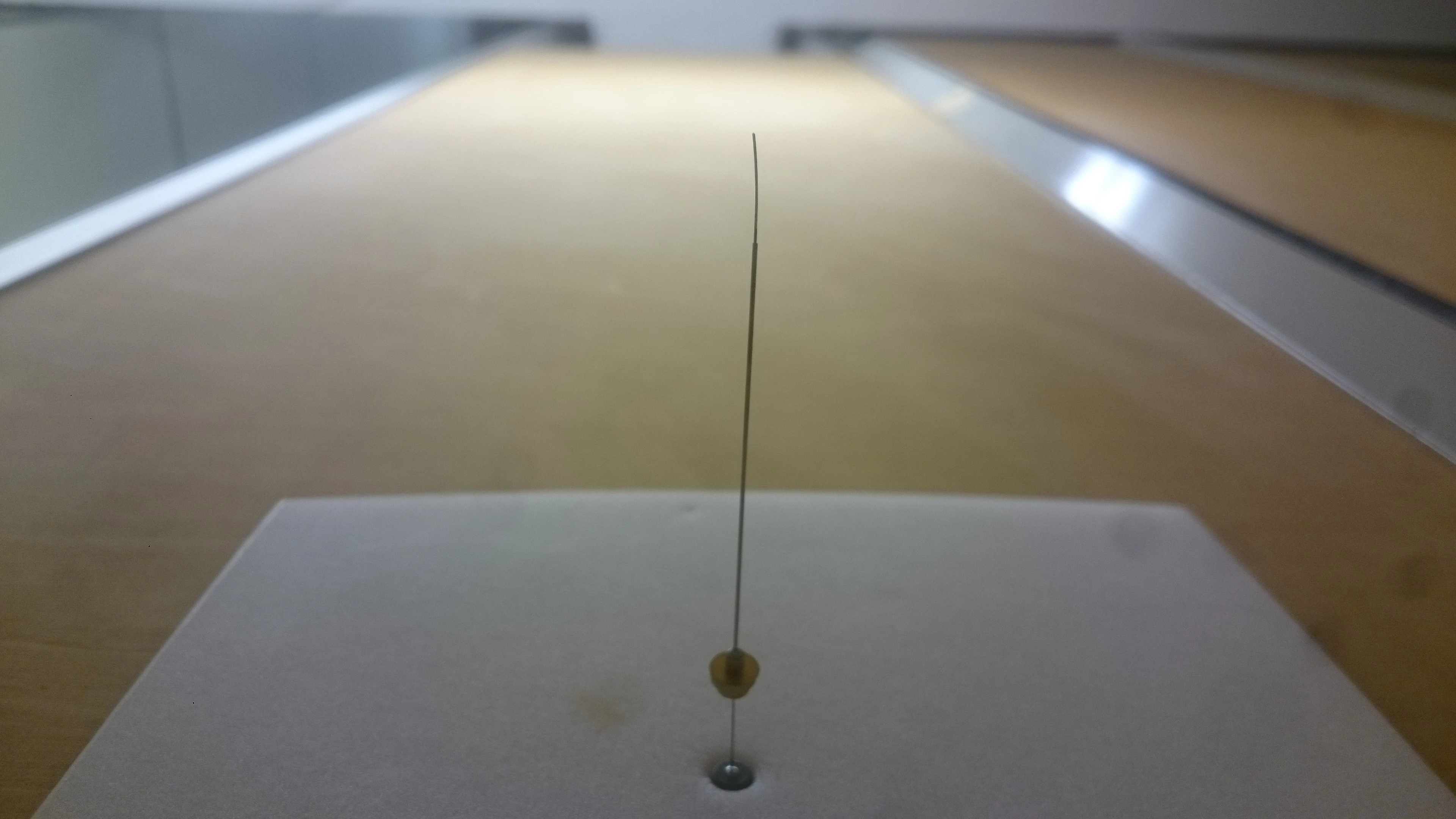
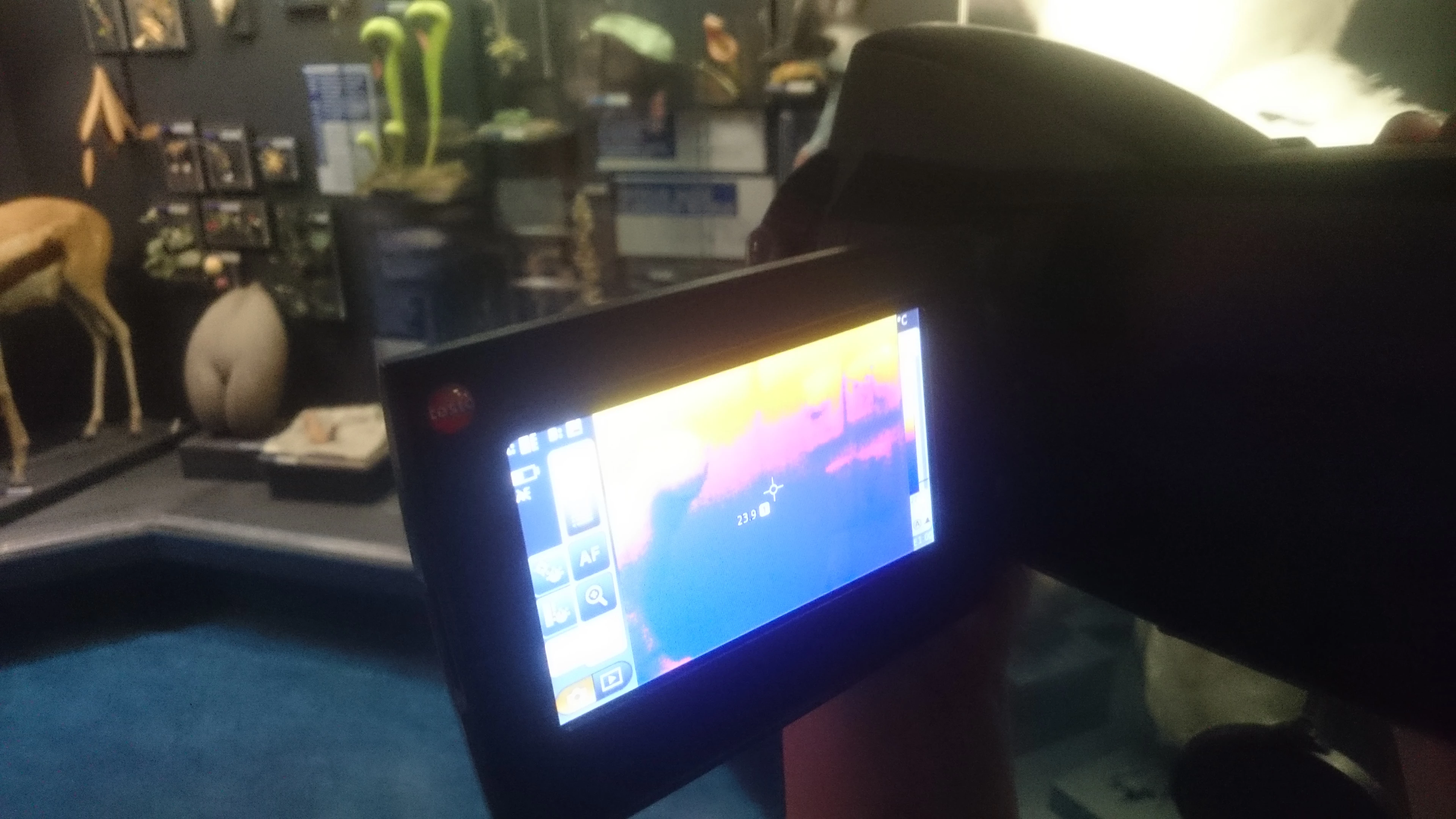
We also measured concentrations of volatile organic compounds (VOC) in collection stores and found that levels were higher inside drawers in the Entomology collection than in the store itself; this is important in the context of entomological pin corrosion. We managed to confirm that work we undertook recently to reduce the levels of VOC in the museum’s Mineralogy store had been effective and successful. In addition, we used a thermal imaging camera to check whether relatively high temperatures in a display case are caused by heating pipes in the wall behind the case, or by in-case lighting.
The Mobile Heritage Lab’s visit provided us with an opportunity to answer some important questions about the way we care for the museum’s collections. At the same time, we managed to teach students the practical applications of investigative science and analytical chemistry. Lastly, we spoke to many museum visitors about the role played by science in the preservation of heritage collections. We are extremely grateful for the fruitful partnership with SEAHA and hope to collaborate on additional projects in the near future. For example, there are some interesting questions surrounding the deposition of different types of dust which we discussed over a beer on Thursday evening. Watch this space as multi-disciplinary heritage science is becoming ever more important for answering questions of collection care and preservation. Museums are best placed to working in partnerships on important scientific questions while achieving public impact by explaining to a wider audience how science works.
Find out more about Care of Collections at Amgueddfa Cymru - National Museum Wales here and follow us on Twitter.