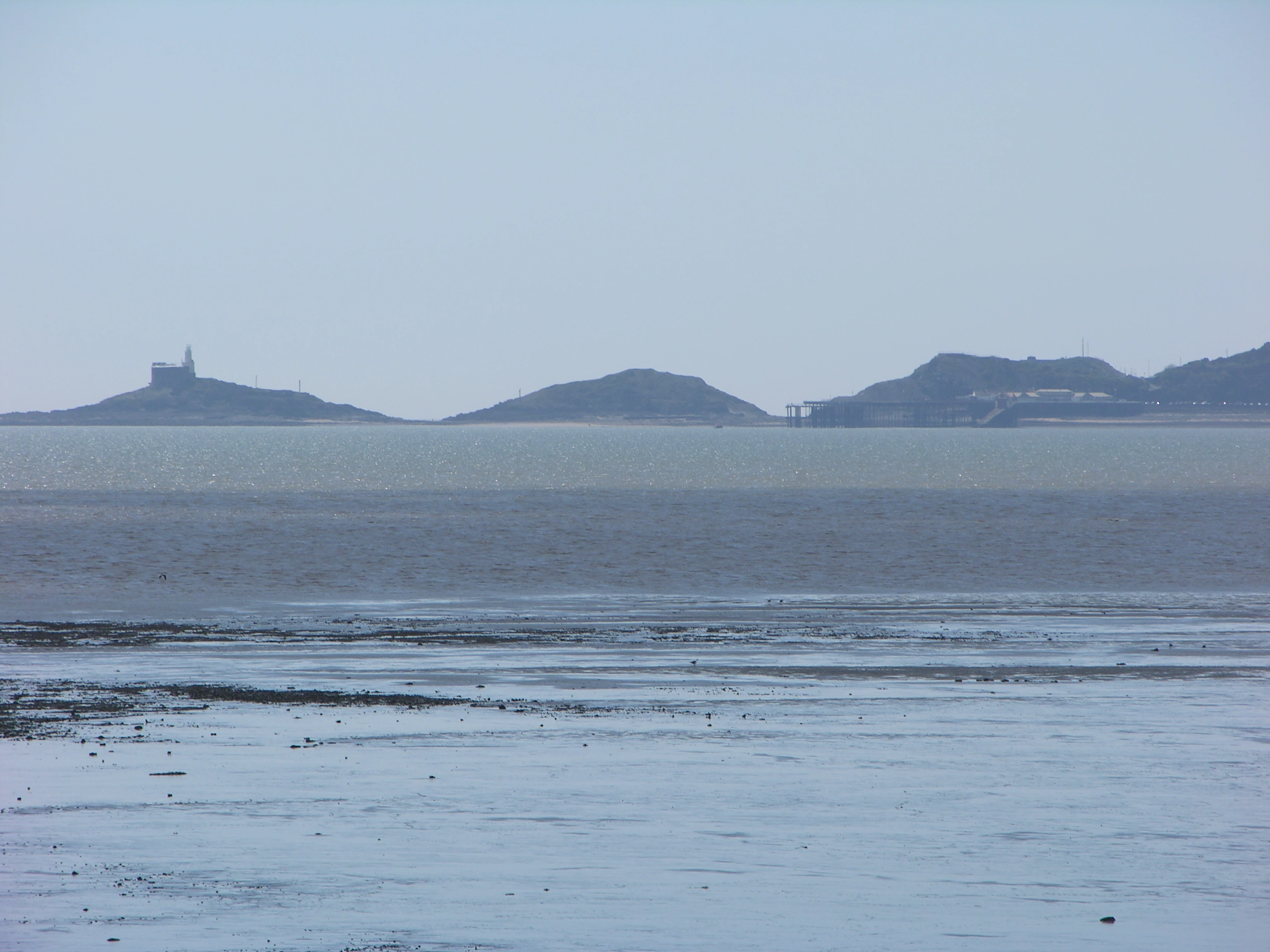
The Moon and a Smile

Mark Etheridge & Bronwen Colquhoun, 20 Mawrth 2017

Amgueddfa Cymru – National Museum Wales has loaned 25 photographs from the John Dillwyn Llewelyn collection for the exhibition, A Moon and a Smile, which runs from 4 March to 23 April 2017 at the Glynn Vivian Art Gallery, Swansea. The exhibition responds to a period in the 1840s and 1850s, when Swansea was at the centre of early experiments in photography worldwide. In particular, the Dillwyn family circle was prolific in the development of photography, especially Mary Dillwyn and John Dillwyn Llewellyn.

Commissioned by the Glynn Vivian, the exhibition features new work by nine international artists including Helen Sear, Anna Fox, Sharon Morris and Sophy Rickett, alongside a display of 19th century photography by members of the Dillwyn family circle. The commissions have been created in response to collections held at Amgueddfa Cymru, National Library of Wales and Swansea Museum.

Amgueddfa Cymru’s involvement in the exhibition began back in February 2015, when Mark Etheridge (Curator: Industry & Transport) led a workshop on the photography of the Dillwyn Llewelyn family held at the National Collections Centre, Nantgarw. The workshop focused on the work of John (a Welsh pioneer in early photography), but especially the photography of his sister Mary Dillwyn and his daughter Thereza, two of the first female photographers in Wales.

This link is for the exhibition page at the Glynn Vivian 

You can find out more about John Dilwyn Llewelyn and the collection here


The Lure of the Archive symposium

To coincide with the opening of the exhibition, The Lure of the Archive symposium was organised by Falmouth University in conjunction with the exhibition A Moon and a Smile. Through presentations and discussions the symposium explored the challenges and strategies of artists, curators and writers in approaching and engaging with historic photographic collections and archives. Bronwen Colquhoun (Senior Curator of Photography) and Mark Etheridge participated in this symposium, and talked about both the Art and Industry photographic collections. The symposium was held on the 4th March 2017 at the Glynn Vivian Art Gallery.

Speakers included exhibiting artists – Greta Alfaro, Anna Fox, Astrid Kruse-Jensen, Neeta Madahar and Melanie Rose, Sharon Morris, Sophy Rickett, Helen Sear, Patricia Ziad; and Helen Westgeest, Assistant Professor of Modern and Contemporary Art History and Photography Theory, Leiden University; writer, curator and artist, David Campany Westminster University; Bronwen Colquhoun, Senior Curator of Photography, National Museum Wales; Mark Etheridge, Curator, Industry and Transport, National Museum Wales; Paul Cabuts, Director, Institute of Photography, Falmouth University; Jenni Spencer-Davies, Director, Glynn Vivian Art Gallery, Katy Freer, Exhibitions Organiser, Glynn Vivian Art Gallery and freelance curator Kate Best.

Voices from the Archives: Lambing in Pembrokeshire, 1984

Gareth Beech Senior Curator: Rural Economy, 17 Mawrth 2017

The Voices from the Archives series is based on recordings in the Oral History Archive at St Fagans National History Museum. Connected to the agricultural activities, demonstrations and displays at the Museum - they provide an insight into the lives and histories of farming people, the agricultural practices in the past, how they developed into contemporary agriculture.

Lambing in Pembrokeshire, 1984

March is lambing time at Llwyn-yr-eos Farm, the Museum’s working farm. Lambing in the past and present was described by Richard James, Portfield Gate, Pembrokeshire, south west Wales, in a recording made in 1984. Aged 79, he recalled lambing in an interview about his life in farming, but also described how it was being done on a farm in the area in the year of the interview. The following short clips are from the recording.

Pembrokeshire born and bred, Richard James had farmed at Lambston Sutton in the south west of the county. It stood between the large county town of Haverfordwest a few miles to the east, and the coastline of St Bride’s Bay to the west. The lowland coastal areas, warmer climate and lower rainfall made agriculture more diverse than in many other parts of Wales, with the keeping cattle and sheep and the growing of early potatoes and cereal crops. The coastal areas could be exposed to the winds and rain from the Atlantic Ocean though, and weather conditions could strongly influence lambing, to which Richard James refers in the first clip:

Richard James, Portfield Gate, Sir Benfro

When lambing was to take place was decided by when the ewes were put to the rams. Up until then the rams on the farm had to be kept separate from the sheep. It was always a concern that rams might break through a poor fence or hedge and cause lambing to start at the wrong time. Also, a ram of poorer quality or a different breed from another flock could also result in poorer quality lambs and reduced income. After mating, a ewe is pregnant for between 142 and 152 days, approximately five months or slightly shorter.

In this clip, Richard James describes at what time of year lambing took place on a local farm, and how it was being done by a farmer using a former aircraft hangar.

Richard James, Portfield Gate, Sir Benfro

The final clip is about working the day and night shifts:

Richard James, Portfield Gate, Sir Benfro


Teigr Newydd ar gyfer Amgueddfa Cymru

Jennifer Gallichan, 17 Mawrth 2017

Croeso Bryn, ein sbesimen hanes natur diweddaraf.

Ffotograff o Bryn, spesimen Teigr Swmatraidd sy'n rhan o gasgliad hanes natur Amgueddfa Genedlaethol Caerdydd

Bryn y Teigr Swmatraidd

Teigr Swmatraidd yw Bryn. Treuliodd ei fywyd yn Sw Mynydd Cymru ym Mae Colwyn fel un o’r trigolion mwyaf eiconig. Yn ystod ei fywyd, rhoddodd bleser mawr i ymwelwyr y sw, gan helpu i godi proffil cyflwr y rhywogaeth hon sydd mewn perygl difrifol. Roedd ganddo bersonoliaeth hamddenol a hoffus ac roedd yn rhan allweddol o’r profiadau ‘Ciper am Ddiwrnod’ a ‘Cyfarfod Anifail’ yn Sw Mynydd Cymru. Bu farw o achosion naturiol ym mis Awst 2016, yn 17 oed. Wrth sefyll ar ei bwys, cewch deimlad go iawn o harddwch a phŵer yr anifeiliaid anhygoel hyn.

Dim ond ar ynys Swmatra yn Indonesia y mae Teigrod Swmatraidd yn byw ac mae ymdrechion cadwraeth sylweddol ar waith ledled y byd. Mae eu niferoedd wedi gostwng yn ddramatig yn ystod y blynyddoedd diwethaf er gwaethaf yr ymdrechion hyn, ac amcangyfrifir bod llai na 400 o deigrod ar ôl yn eu cynefin. Mae colli cynefinoedd, masnach anghyfreithlon a diffyg bwyd i gyd wedi cyfrannu at y gostyngiad hwn. Mae’r teigrod yn byw mewn amrywiaeth eang o goedwigoedd – o iseldiroedd arfordirol i fynyddoedd – ac mae’n well ganddyn nhw goedwigoedd tawel sydd heb eu haredig gydag isdyfiant dwys a llethrau serth. Mae miliynau o erwau o’r coedwigoedd hyn yn cael eu torri bob blwyddyn i wneud lle i’r planhigfeydd cnydau dwys fel olew palmwydd ac acasia. Mae hyn yn golygu bod llai o ysglyfaeth iddyn nhw eu hel, a bod poblogaeth teigrod bellach yn dameidiog, gan beryglu’r broses o adfer y rhywogaethau. Mae masnachu darnau o deigrod yn anghyfreithlon yn dal i fod yn gyffredin er gwaethaf diogelwch cenedlaethol a rhyngwladol llawn, ac mae darnau o deigrod dal ar werth yn agored ar yr ynys.

Felly pam cael Teigr Swmatraidd mewn amgueddfa yng Nghymru? Pam cael anifeiliaid wedi’u stwffio o gwbl? Mae hyn yn gwestiwn sy’n cael ei ofyn yn aml yn yr Amgueddfa. Yn gyntaf, mae amgueddfeydd yn chwarae rhan bwysig fel stordai ar gyfer bioamrywiaeth, drwy roi cofnod o rywogaethau ar gof a chadw. Er enghraifft, mae gennym anifeiliaid diflanedig fel y Thylacine (Blaidd o Tasmania) a’r Carfil Mawr, a sgerbwd Dodo hyd yn oed, yn ein casgliadau. Gyda niferoedd teigrod Swmatraidd mor isel, mae’n bwysicach nawr nag erioed ein bod yn cadw cofnod o’r rhywogaeth hon.

Yn ail, mae creaduriaid eiconig yn rhan bwysig o gasgliadau amgueddfeydd. Mae fertebriaid yn cael llawer mwy o sylw cyhoeddus nag unrhyw grŵp arall o anifeiliaid neu blanhigion. Yn aml iawn, maen nhw’n ddel ac yn apelgar, ac felly’n dod yn symbolau ymgyrchoedd i godi ymwybyddiaeth y cyhoedd o faterion cadwraeth. Gall y creaduriaid hyn gael eu defnyddio i hoelio sylw’r cyhoedd ac i siarad am amrywiaeth eang o faterion sy’n effeithio ar fywyd gwyllt ledled y byd. Fel lleoliad di-dâl, rydym mewn lle da i ymgysylltu pobl gyda’r byd o’u cwmpas. Yn aml iawn, amgueddfeydd yw un o’r llefydd cyntaf y mae pobl yn cael golwg agos ar fywyd gwyllt. Mae hyn yn ein rhoi mewn sefyllfa wych i siarad am y bygythiad i fywyd gwyllt, nid yn unig dramor ond ar garreg y drws. Cofiwch, nid anifeiliaid egsotig mewn llefydd pellennig yn unig sydd mewn perygl. Yr anifeiliaid ‘rhwysgfawr’ hyn yw’r ‘fynedfa’ i anifeiliaid llai rhodresgar ond sydd eto’n wynebu’r un perygl, megis Cragen Las Berlog, Britheg Frown neu Ddafad-Frathwr. Boed yn deigr o Swmatra neu’n durtur o’r DU – yr un yw’r neges. Rydym am i’n hymwelwyr fod yn fwy ymwybodol o’r byd naturiol o’u cwmpas a rhoi’r pŵer iddyn nhw gymryd rhan fwy actif wrth ei fwynhau a’i warchod.

Bryn fydd canolbwynt ein Diwrnod Teigr Cenedlaethol, 29 Gorffennaf 2017, felly bydd cyfle i chi ddod i weld y creadur enigmatig hwn gyda’ch llygaid eich hun. Dewch â’ch teuluoedd a chymerwch ran mewn gweithgareddau, dysgwch fwy am beth mae amgueddfeydd yn eu gwneud gyda’u casgliadau a beth allwch chi ei wneud i ddiogelu teigrod fel Bryn.

Gallwch chi ddysgu mwy am Deigrod Swmatraidd a’r gwaith o’u gwarchod ar wefan y WWF.

Gallwch chi ddysgu mwy am warchod bywyd gwyllt Prydain ar wefan yr Ymddiriedolaeth Bywyd Gwyllt, a gwefan yr RSPB.

Gallwch chi ddysgu mwy am y casgliadau o anifeiliaid asgwrn cefn ar wefan Amgueddfa Cymru.

It just keeps coming back: dust

Christian Baars, 13 Mawrth 2017

We wrote of dust before, for example here and here. The museum is like your home, dust gathers everywhere. Unlike my own house though, the museum is very, very big. The museum's dust problems are correspondingly large.

Last year a student from Cardiff University, Stefan Jarvis, undertook a dust monitoring project in the museum. Stefan was studying for an MSc in Care of Collections, which is a subject very close to my heart. Stefan is also the author of one of our guest blogs. Stefan placed a large number of dust traps around the museum building: in stores and exhibition galleries. You may be familiar with some of the galleries he investigated: our Geology gallery with the dinosaurs, the current “Wriggle” exhibition on worms, the Whale gallery and the Organ gallery where we display some of the largest paintings in the museum.

Collecting dust is really easy: prepare a sampler. Leave it out in a suitable location. Wait. For. Four. Weeks.

Once Stefan had gathered some dust he analysed the samples: he identified each particle under the microscope and determined where they all came from. This is where things started getting really interesting. For while undertaking scientific investigations are often laborious and involves much routine work, the results are often extremely illuminating.

This is what Stefan found:

  • More dust accumulates in areas of high traffic (i.e., many people walking past).
  • More dust accumulates at low levels (the closer you get to floor level the more dust you will find).
  • Dust composition differs between spaces. For example, most dust fibres in a library store are paper fibres, while most fibres in public galleries are textile fibres, hair and skin.
  • We found biscuit crumbs on the dust samplers in two galleries. This indicates that food was being consumed in these galleries.

Now, we love having people in the museum. In fact we undertake some of our collection care work during museum opening hours so that you can see what we are up to a lot of the time. Therefore, we are happy to accept that visitors always leave us a little reminder that they have been, in the form of a few dust particles. You can feel a ‘but’ coming on: but we do not encourage the eating of biscuits (or any other foodstuffs) in our galleries. Eating food in our galleries bears the risk of small amounts of food ending up on the floor, in displays, behind cupboards - or, as part of dust. Food encourages the spread of pest insects which, once they have eaten all the available biscuit crumbs, then start munching our collections. This is not something we endorse, because we try to preserve our collections for you to enjoy.

This means you can actually help us preserve the collections - by not eating in the galleries. We will be doing more work on this in the near future, by encouraging visitors to consume food in our fabulous restaurant or cosy cafe, not in galleries. In the meantime, we really do appreciate your cooperation and understanding for our no-food-in-galleries policy.

Find out more about Care of Collections at Amgueddfa Cymru - National Museum Wales here.


Digideiddio'r Stiwt

Richard Edwards, 10 Mawrth 2017

Ym Medi 2017 bydd Institiwt y Gweithwyr Oakdale yn dathlu ei gan-mlwyddiant. Wedi ei adeiladu yn ystod y Rhyfel Byd Cyntaf, mi roedd unwaith yn ganolbwynt gymdeithasol bwysig i drigolion pentref Oakdale. Symudwyd yr adeilad i’r Amgueddfa yn 1989 ac i nodi penblwydd yr adeilad eleni, mae’r Amgueddfa wedi lawnsio prosiect #Oakdale100. Bwriad y prosiect yw ail-ddehongli’r adeilad a’i ddod yn fyw unwaith eto gyda lleisiau’r gymuned.

Fel rhan o’r gwaith paratoi, mae staff yr Amgueddfa wedi ail-ymweld ag archifau’r adeilad, gan dynnu ynghyd ffotograffau, cyfweliadau hanes llafar a gwrthrychau perthnasol. Dwi wedi bod yn edrych ar y casgliad ffotograffau yn benodol. Gyda chymorth yr Adran Ffotograffiaeth, rydym wedi digideiddio cannoedd o ddelweddau a oedd gynt ar gael ar ffurf negatifau yn unig. Mae’r ffotograffau hyn yn dangos ystod y digwyddiadau ar gweithgareddau a oedd yn cael eu cynnal yn y Stiwt – o ymweliad y Tywysog Albert yn 1920 i berfformiadau dramatig y 50au. Maen nhw hefyd yn dogfennu pensaerniaeth yr adaeilad a manylion yr ystafelloedd mewnol. Fy hoff lun i yw hwnnw o’r bachgen yn ei arddegau yn pori silffoedd y llyfrgell.

Yn ogystal â digideiddio’r deunydd sydd eisoes yng nghasgliad yr Amgueddfa, rydym hefyd wedi bod yn brysur yn ymgysylltu gyda’r gymuned yn Oakdale heddiw. Llynedd cynhaliwyd gweithdy galw-heibio yn y pentref i annog trigolion yr ardal i rannu storiau ac i sganio eu ffotograffau ar gyfer archif yr Amgueddfa a Casgliad y Werin.

Yn ddiweddar, rydym hefyd wedi agor tudalen Facebook ar gyfer y prosiect ac mae’r ymateb wedi bod yn anghygoel! Mae llu o bobl wedi cyfrannu eu hatgofion, gadael sylwadau a rhannu delweddau ar y dudalen. Yn ddi-os, mae Facebook yn adnodd gwych i ail-gysylltu gyda’r gymuned.

Os oes gennych unrhyw storiau neu ffotograffau sy’n gysylltiedig â Stiwt Oakdale, cysylltwch â ni. Byddem wrth ein boddau i weld unrhyw ffotograffau o bartion neu gigs yn y Stiwt yn ystod y 1960au-80au.