Beans on Toast

Ciara Hand, 9 Gorffennaf 2013

3 primary schools took part in activities exploring the new Beans on Toast exhibition at the National Museum Cardiff last week.

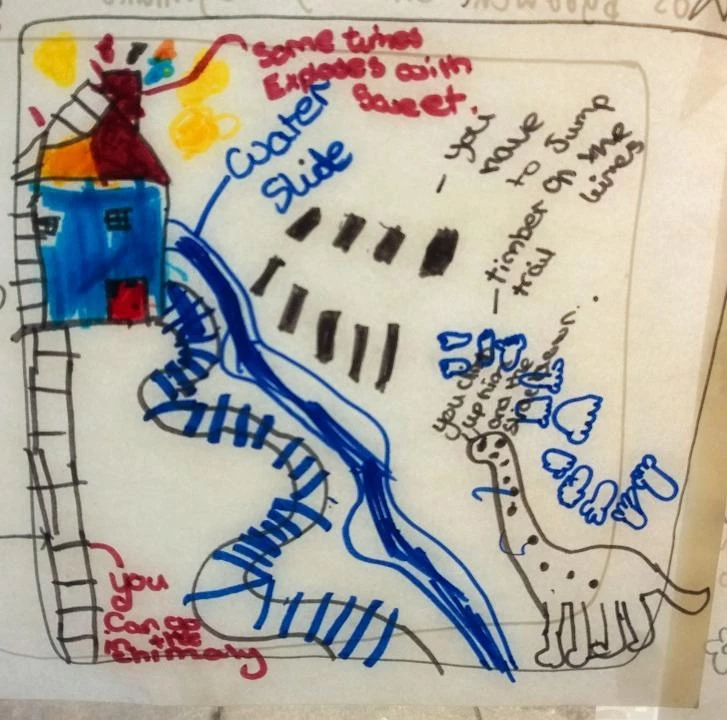
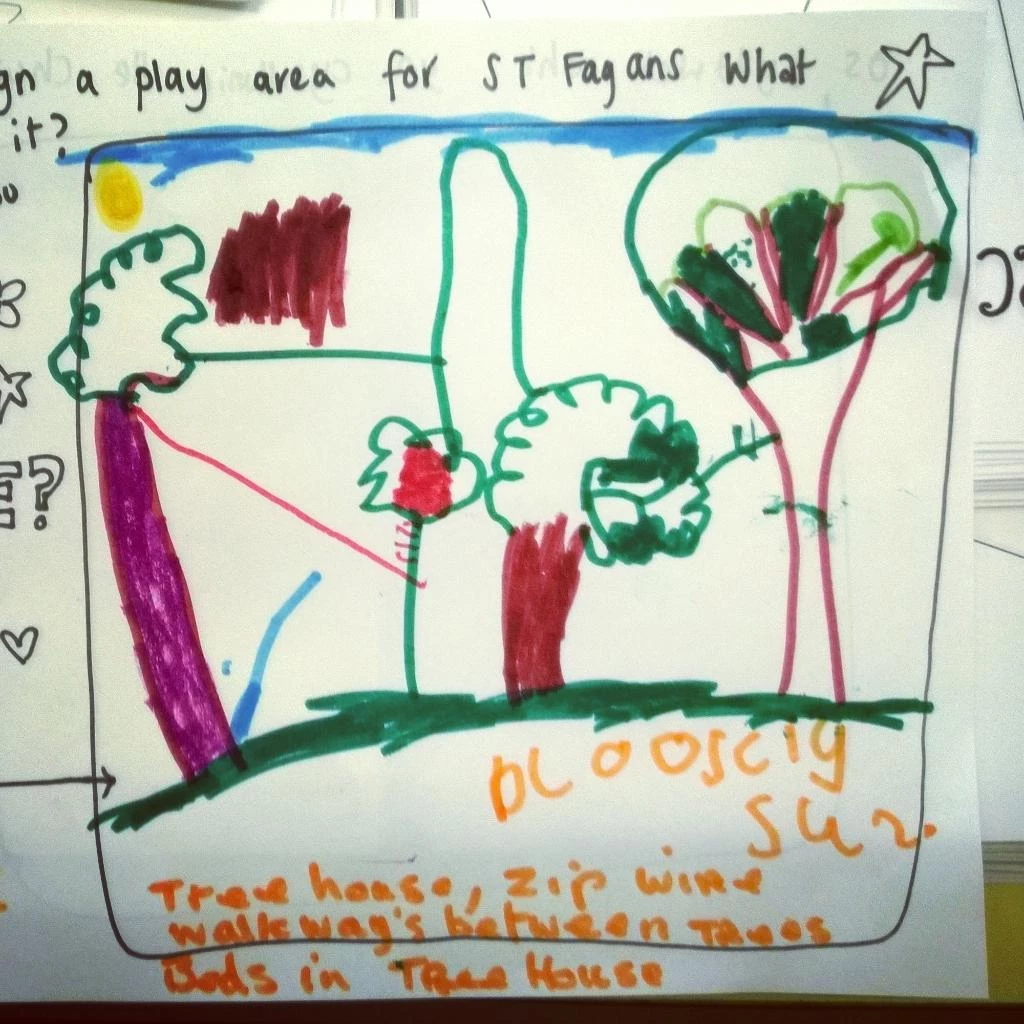
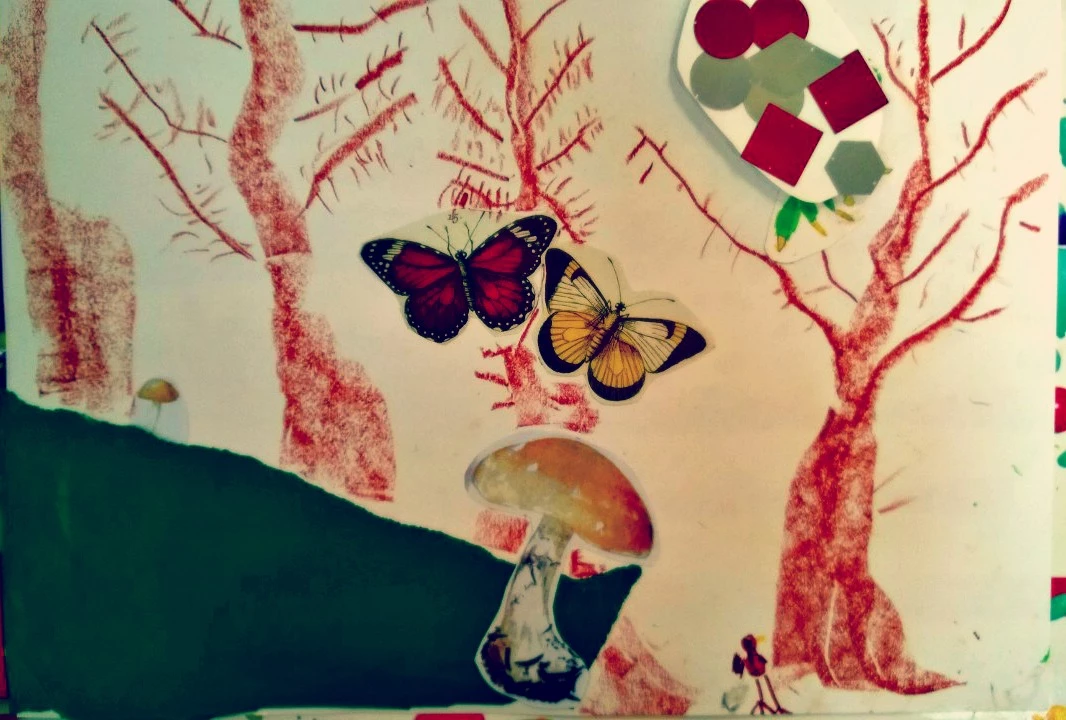
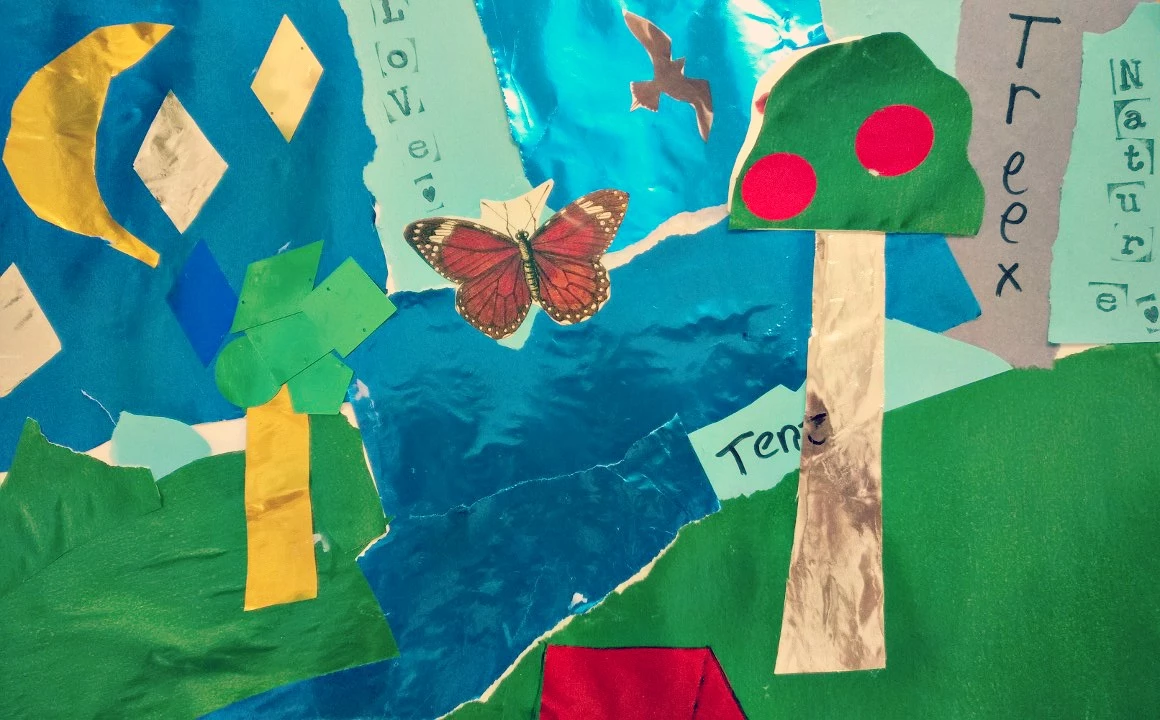
Pupils from Windsor Clive Primary School, Trelai Primary School and Ysgol Wirfoddol Abergwili explored where in the world our food comes from and how we can make sustainable choices about the food we buy. They then worked with an artist to create a 'World Food Stall' display to encourage discussion on the issues of food security back in school.

Funding was received to work with the artist through the British Ecological Society.

The exhibition will be open until 29 September 2013. Contact the Learning Department 029 2057 3240 if you would like to take part in future activities.

http://www.museumwales.ac.uk/en/whatson/?event_id=6501 

Gwyddowyr Gwych yng Nghwm Rhondda

Danielle Cowell, 8 Gorffennaf 2013

Ysgol Gynradd Williamstown, yng Nghwm Rhondda, ddaeth yn gyntaf o’r chwedeg tri o ysgolion yng Nghymru a gymrodd ran yn ymchwiliad Bylbiau'r Gwanwyn yr Amgueddfa eleni.

Enillodd y dosbarth o Wyddonwyr Gwych daith natur i Sain Ffagan: Amgueddfa Werin Cymru, lle cawsant eu tystysgrifau. Fel rhan o'r daith, cawsant gyfle i astudio madfallod dŵr, chwilio am fwystfilod bach, gwylio ystlumod ac adeiladu nythod mawr yn y goedwig!

Athro'r Ardd: ''Cafodd pob un o’r disgyblion ddiwrnod gwych a dylen nhw fod yn falch iawn o'r ffordd maen nhw wedi cynrychioli eu hysgol. Roedd y safon yn uchel iawn eleni; mae’r ysgolion i gyd yn gwella wrth gofnodi eu data. Gwnaeth Williamstown yn arbennig o dda gyda'u cofnodi ac wedi bod yn frwdfrydig iawn o'r cychwyn fis Tachwedd diwethaf tan ddiwedd y gwanwyn – a ddaeth yn hwyr iawn eleni!"

Alison Hall, Athrawes yn Ysgol Gynradd Williamstown: "The pupils said it was the best day out they had ever had - they loved viewing the bat roost in particular! In terms of the investigation, the children have have loved the whole process from planting and recording to measuring and waiting for the first bloom to appear. It has been great for improving their science, numeracy and ICT skills. We are now really enthused about nature and the environment and are keen to set-up more outdoor investigations in our school grounds".

Os hoffech chi gymryd rhan yn y project hwn y tymor nesaf, llenwch y ffurflen gais ar-lein: www.amgueddfacymru.ac.uk/cy/1738/

I weld ein hadroddiad gwerthuso gan athrawon (Saesneg yn unig), cliciwch ar y ddolen hon: https://scan.wufoo.com/reports/spring-bulbs-for-schools-evaluation-report/

Fel y gwelwch o'r cwestiwn gwerthuso isod mae’r project yn drawsgwricwlaidd:


Theatre of insects

Jennifer Evans, 8 Gorffennaf 2013

Thomas Moffet [Moufet, Muffet] (1553-1604), was a physician and naturalist. After graduating from Cambridge, he travelled abroad, gained the degree of MD in 1579 from Basel University and eventually established a successful medical practice in Frankfurt. In 1580 he visited Italy, where he studied the culture of the silkworm and developed an absorbing interest in entomology. By 1588 he had returned to England and secured a good practice, first in Ipswich and afterwards in London. On 22 December of that year he was admitted as a candidate of the College of Physicians, then became a fellow and eventually censor. In 1589 he was appointed to a committee responsible for compiling the Pharmacopoeia Londinensis (1618) for the College of Physicians.

Moffet combined real literary aptitude with his interests in natural philosophy, publishing the lengthy poem, The Silkworms and their Flies, in 1599.

Theatre of Insects was published posthumously. In 1590 he had completed a compendious work on the natural history of insects, partly compiled from the unpublished writings of Edward Wotton, Conrad Gesner and Moffet’s friend [and fellow physician] Thomas Penny. After Moffet’s death, this still unpublished manuscript (BL, Sloane MS 4014) came into the hands of his apothecary [Darnell], who sold it to Sir Theodore Mayerne, who published it in 1634 as Insectorum, sive, Minimorum animalium theatrum. It was translated into English by J. Rowland as The Theatre of Insects, or Lesser Living Creatures and appended to Edward Topsell’s History of Four-Footed Beasts and Serpents (1658).

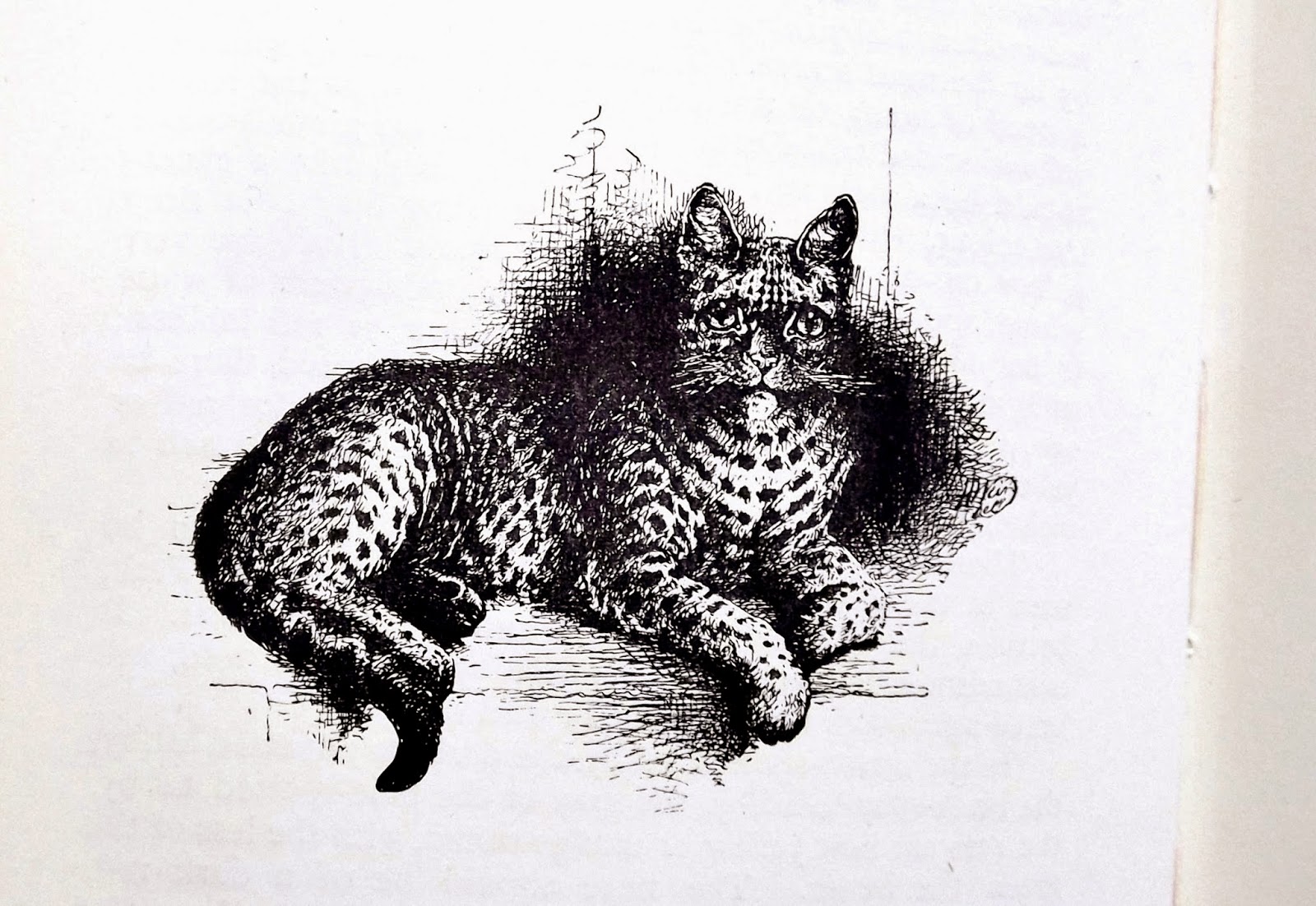
We hold copies of both the 1634 and 1658 editions; the copy photographed here is one of the earlier editions.

These books, along with many other early natural history works, were bequeathed to the Library by Willoughby Gardner in 1953 [for more details visit our website or see The Willoughby Gardner Library: a collection of early printed books on natural history, by John R. Kenyon, published by Amgueddfa Genedlaethol Cymru / National Museum Wales, 1982]

It has been supposed, on the basis of Moffet’s interest in spiders that his daughter Patience was the ‘little Miss Muffet’ of the nursery rhyme; although some sources state this unlikely as the rhyme did not appear in print until 1805.

Biographical information taken from Oxford Dictionary of National Biography


The famous Mold Gold Cape comes to Wales

David Anderson, 5 Gorffennaf 2013

Im delighted that one of Europes most important Bronze Age finds has arrived at National Museum Cardiff this week! The display of the Mold Gold Cape, on loan from the British Museum, was officially opened in a special event on Wednesday by the Minister for Culture & Sports, John Griffiths.

A highlight exhibit at the British Museum, the ceremonial gold cape, found in north Wales, was made around 3,700 years ago during the Early Bronze Age. Its one of the finest examples of prehistoric sheet and embossed-gold working in Europe. It's craftsmanship and materials reveal the wealth and significance of north east Wales at this time.

The cape was discovered by workmen near Mold in 1833, many years before the establishment of Amgueddfa Cymru - National Museum Wales. Having the Mold Gold Cape return to Wales from the British Museum offers a wonderful opportunity for local people and visitors to enjoy and find out more about their heritage and the early past.

The ancient artefact is in Cardiff until 4 August and then goes to Wrexham Museum from 7 August -14 September, as part of Spotlight Tours, a programme of loans organised through the British Museums Partnership UK Scheme.

Working in partnership with other museums enables precious artefacts of Welsh origin like this to be more accessible to the people of Wales. The Mold Cape contributes significantly to our understanding of cultural expression and power relations in Early Bronze Age Europe, reflected both in life and in death.

There are activities and events related to the Mold Cape here all month so if youre in the Cardiff area, or in Wrexham next month, why not come and have a look at this unique artefact?

A species new to science!

Peter Howlett, 5 Gorffennaf 2013

The first results and new species have now been published from the project on the Polychaetes of the Falkland Islands. The project, which started in 2011, intends to document the polychaetes (marine bristleworms) of the intertidal region around the islands, information that will help inform marine environmental work and improve future identification of the group in the area. Further details of the project can be found in a Rhagor article here and earlier blogs here that documented the fieldwork.

The new species, Micromaldane shackletoni, was named in recognition of the Shackleton Scholarship Fund who support the work. The species is of particular interest as it is a simultaneous hermaphrodite, which means that it produces eggs and sperm at the same time that fertilise internally. The larvae are then brooded inside the animal's tube until they are large enough to leave and build their own tube. This method of reproduction has only been reported once amongst other species in the same genus. To document the stages of reproduction involved using a scanning electron microscope to look in detail at the eggs and sperm (see photo) from inside the body, the developing larvae and other structures on the adult bodies (see photo of head). Animals are only 0.3mm wide and around 11m long. The species description and details have been published in the scientific journal Zootaxa.

Teresa Darbyshire