Diwrnod Byw yn Wyrdd!

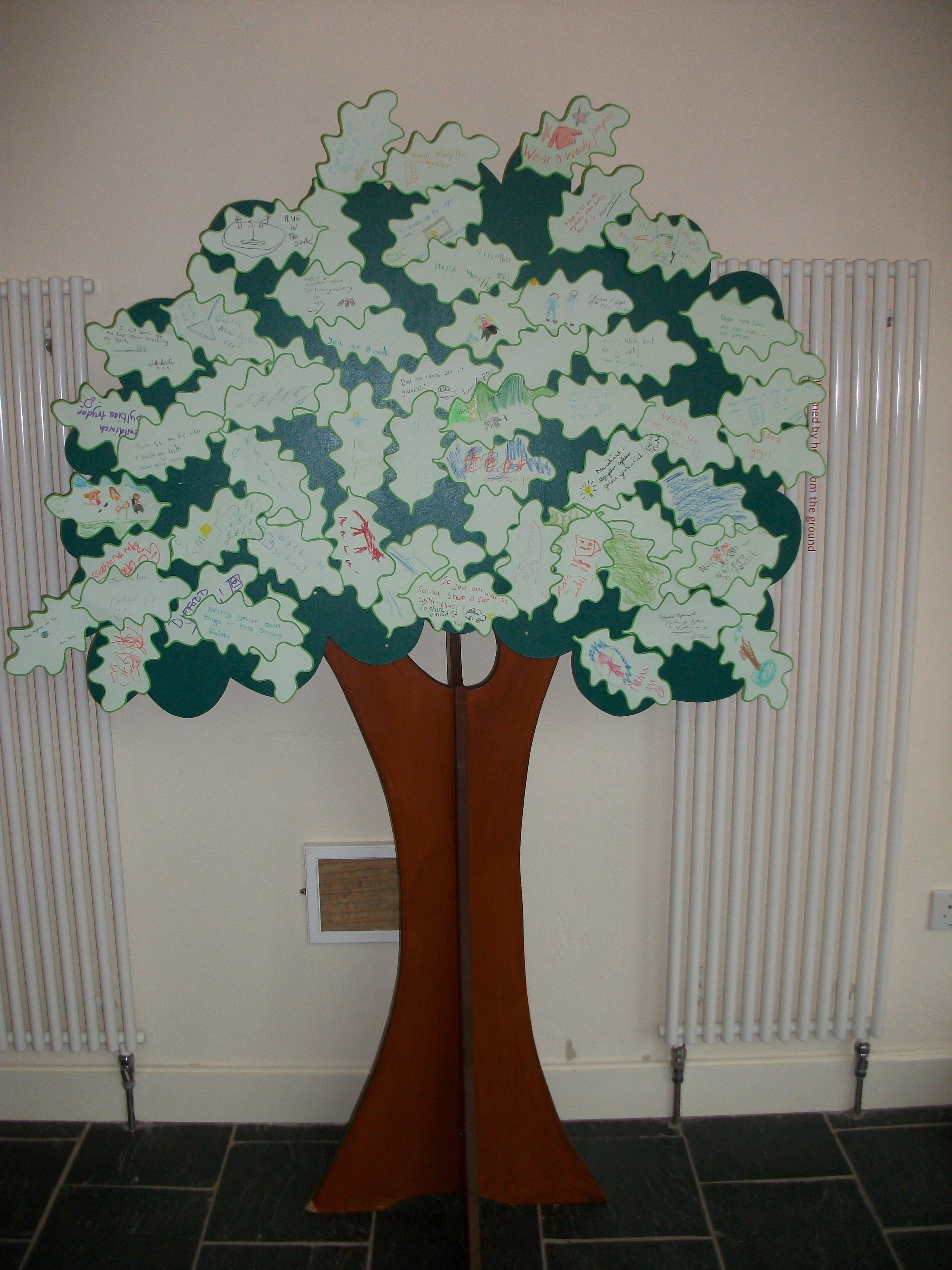
Helo! Dydd Sadwrn, Tachwedd 5ed cynhaliwyd digwyddiad ‘Byw yn Wyrdd’ yn y T? Gwyrdd.


Bwriad ‘Byw yn Wyrdd’ yw cynnig syniadau hawdd a syml ar sut i arbed ynni ac ar yr un pryd arbed arian! O gerdded i’r ysgol, gosod plwg mewn sinc pan yn ymolchi, diffodd y golau pan yn gadael yr ystafell a llawer mwy. Mae hyn mor hawdd a syml!

Am ragor o syniadau syrffiwch draw i'r linc canlynol:: http://tiny.cc/w4iqr


Roedd gofyn i ymwelwyr 'Byw yn Wyrdd' ddewis un weithgaredd newydd sbon a chadw ati ar ôl dychwelyd adref.


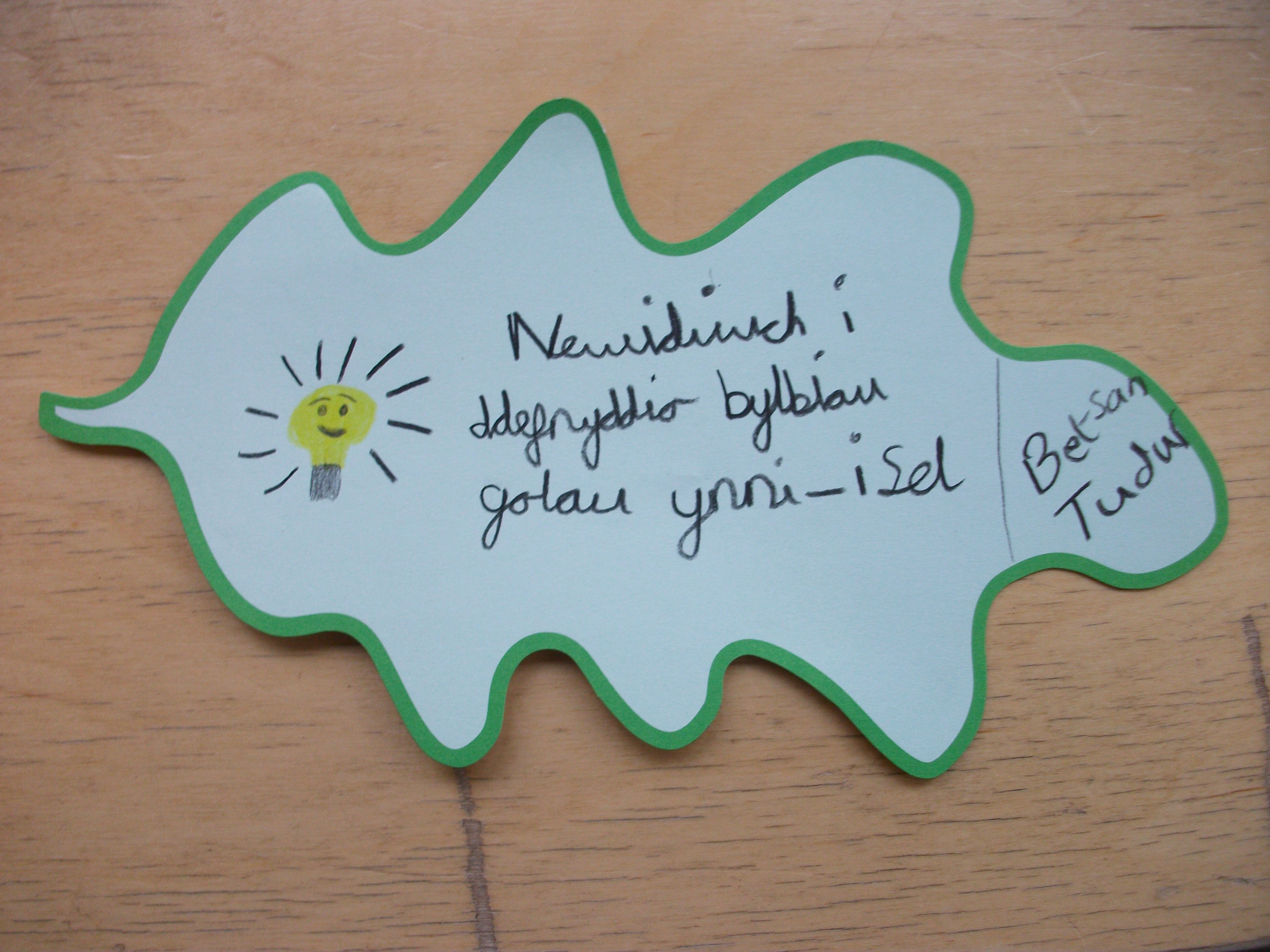
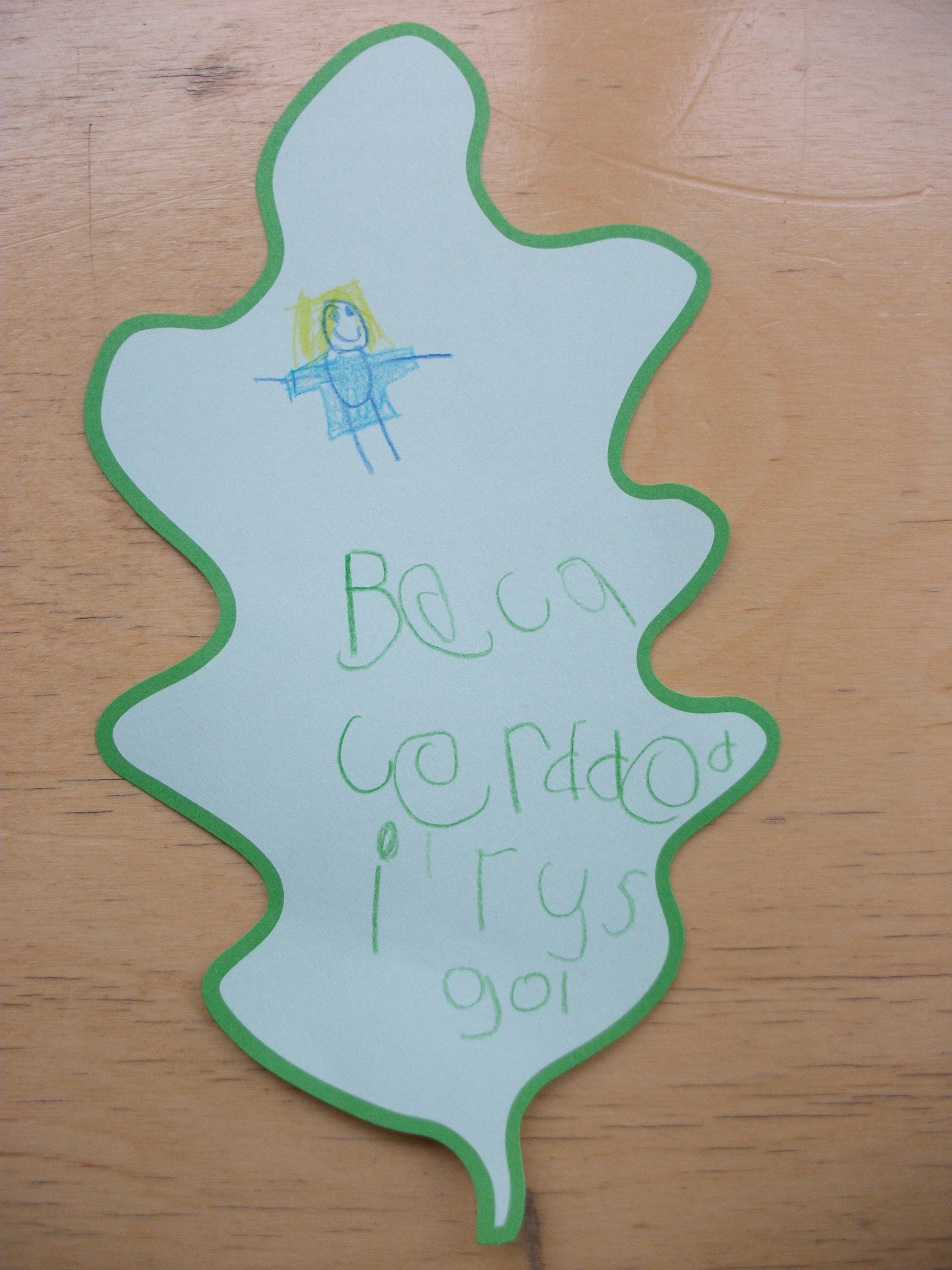
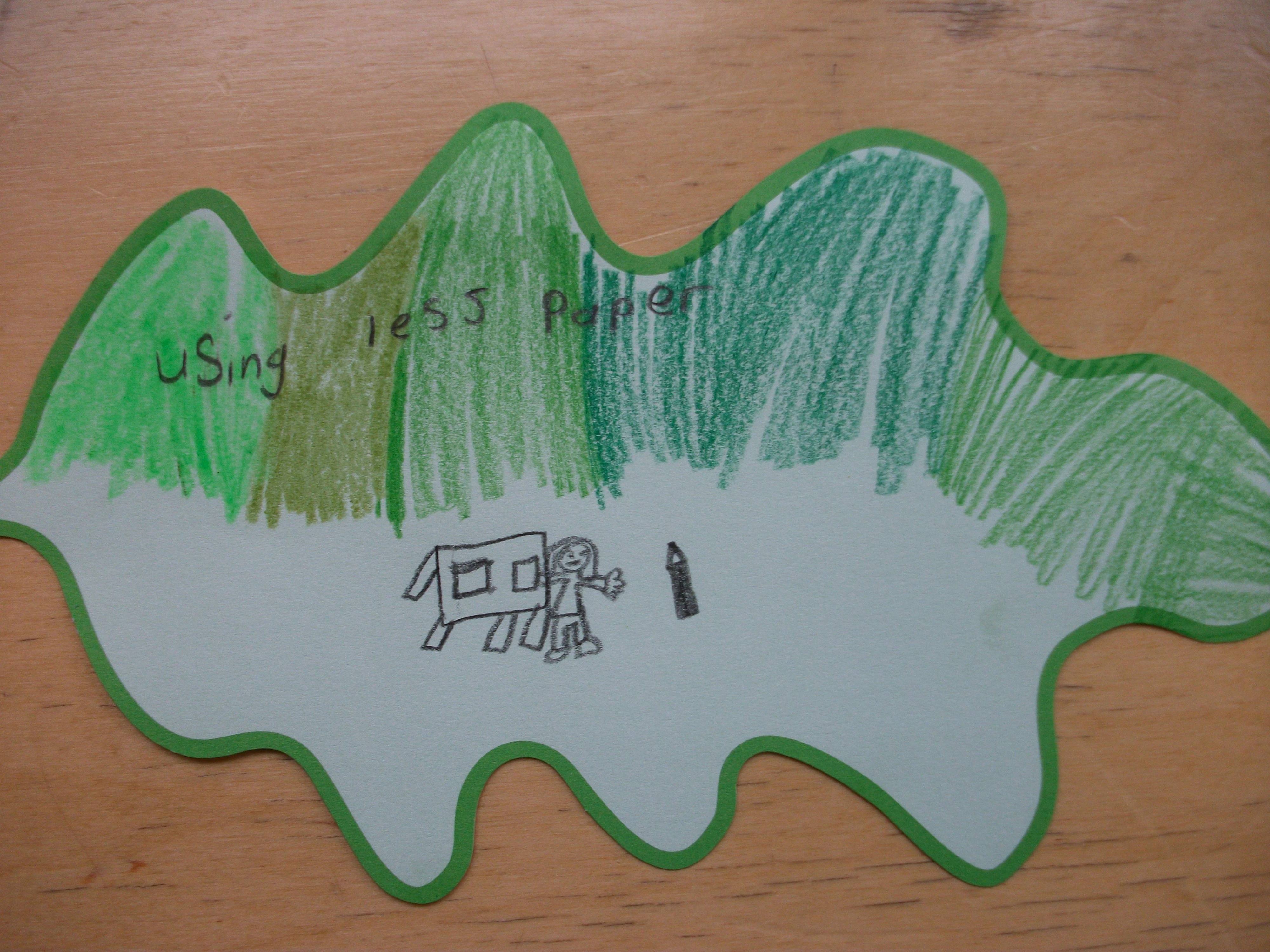
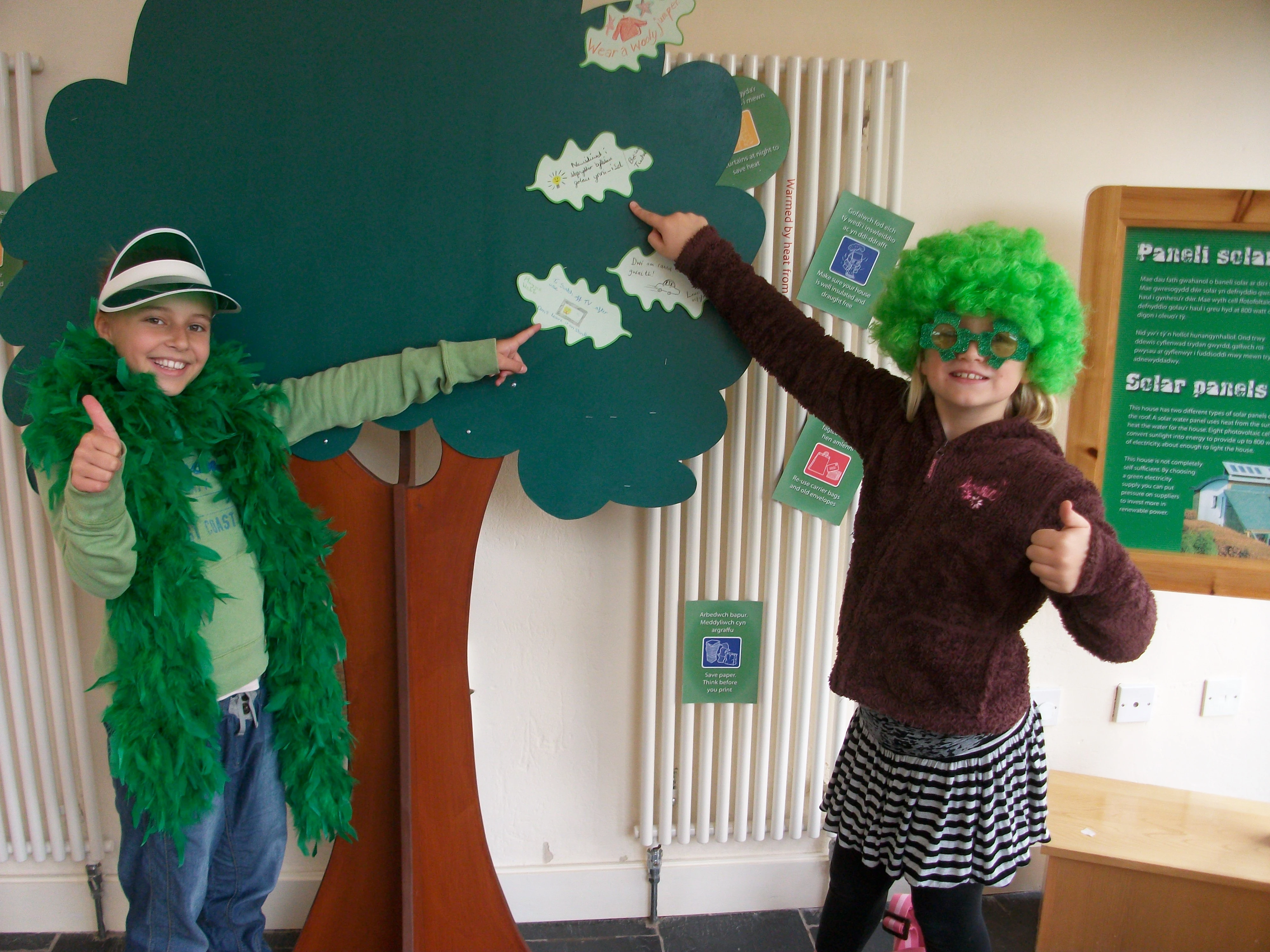
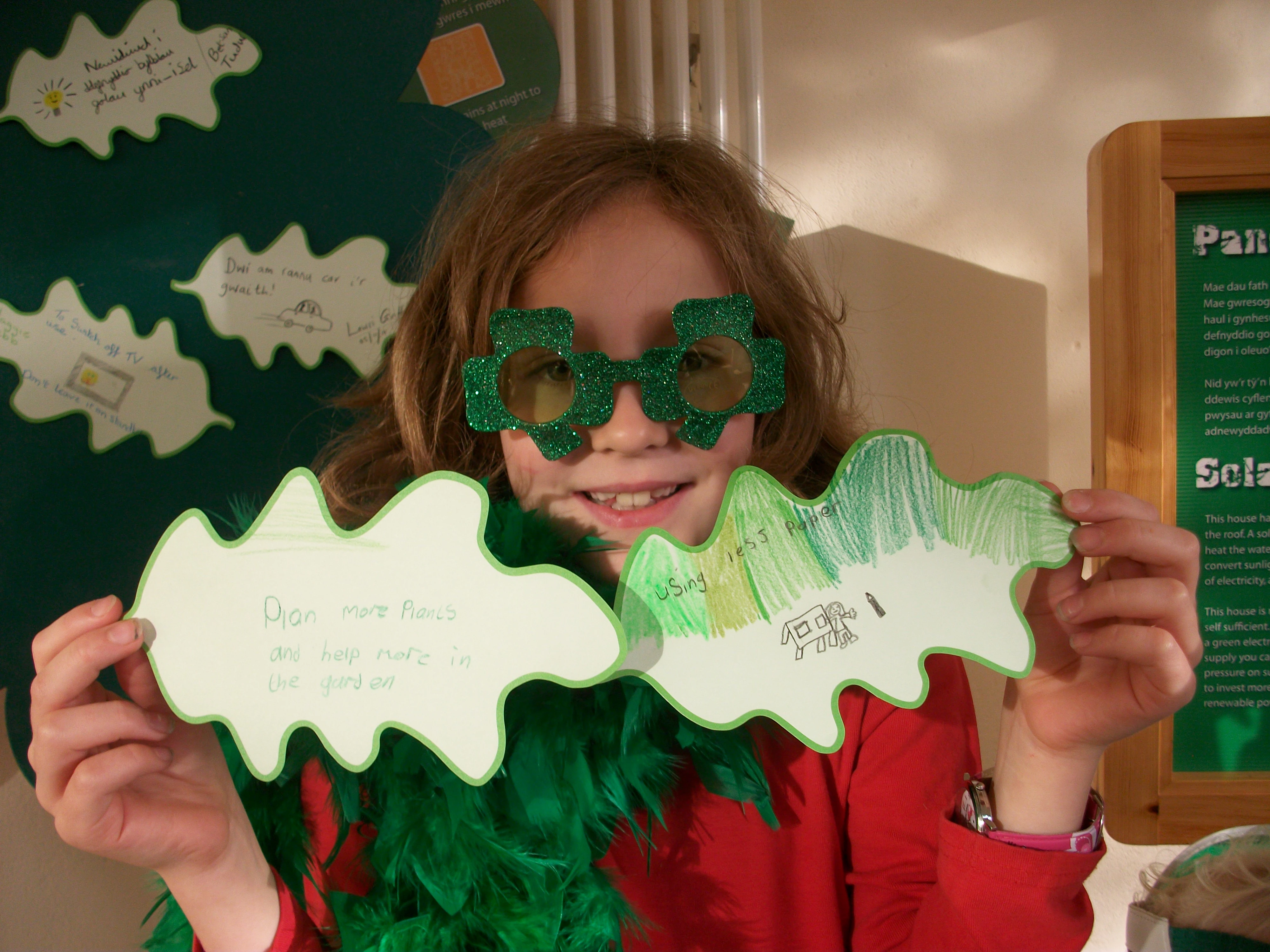
Er mwyn gwneud yn siwr bod pawb yn cadw at eu haddewidion newydd roedd gofyn i bawb eu hysgrifennu ar ddeilen ac yna glynu’r ddeilen ar goeden ‘Byw yn Wyrdd!’

Cyn pen dim roedd y goeden yn llawn addewidion gwyrdd ac yn amrywio o gerdded i’r ysgol, i wisgo siwmper i gadw’n gynnes. Gwych!


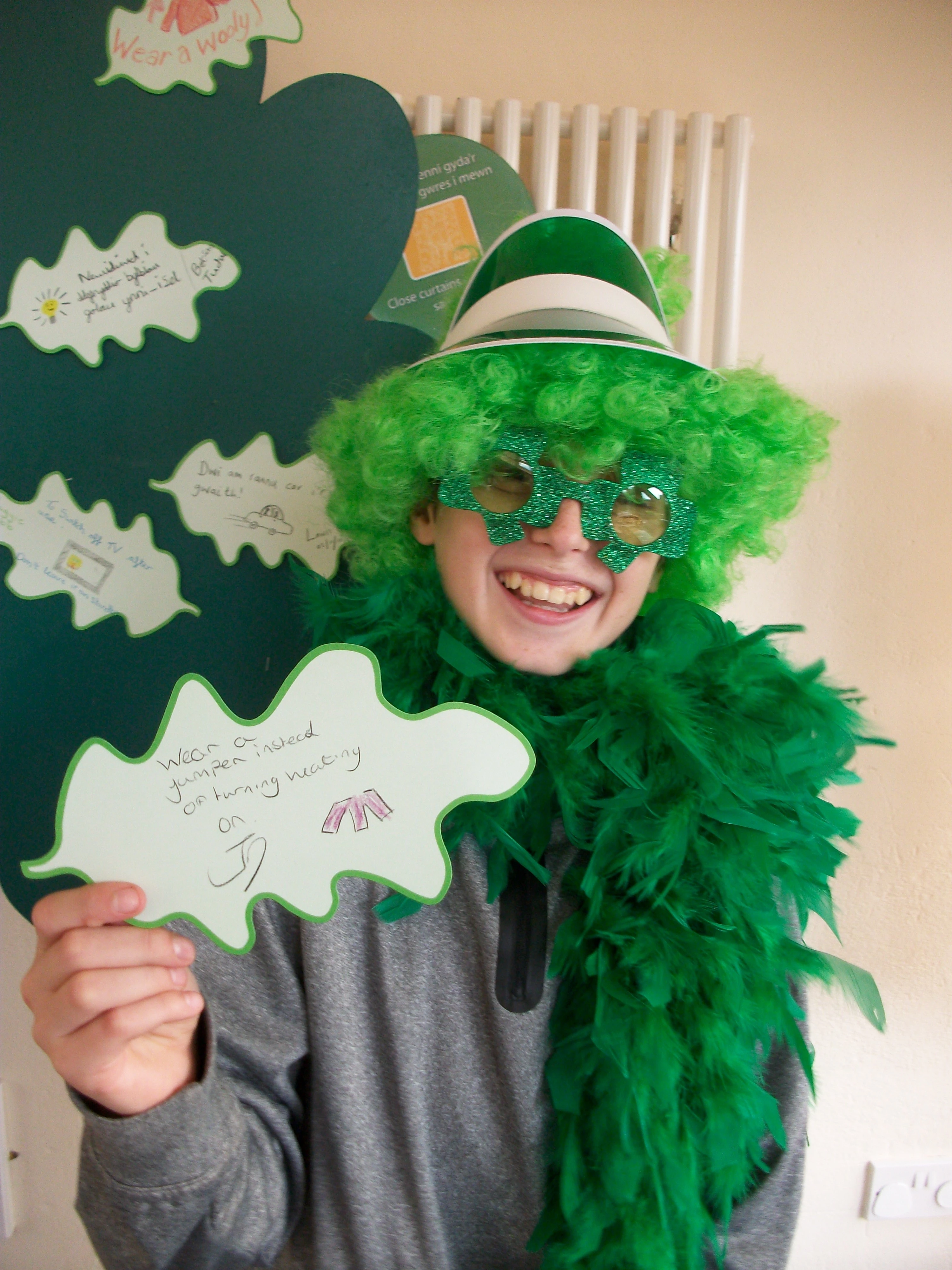
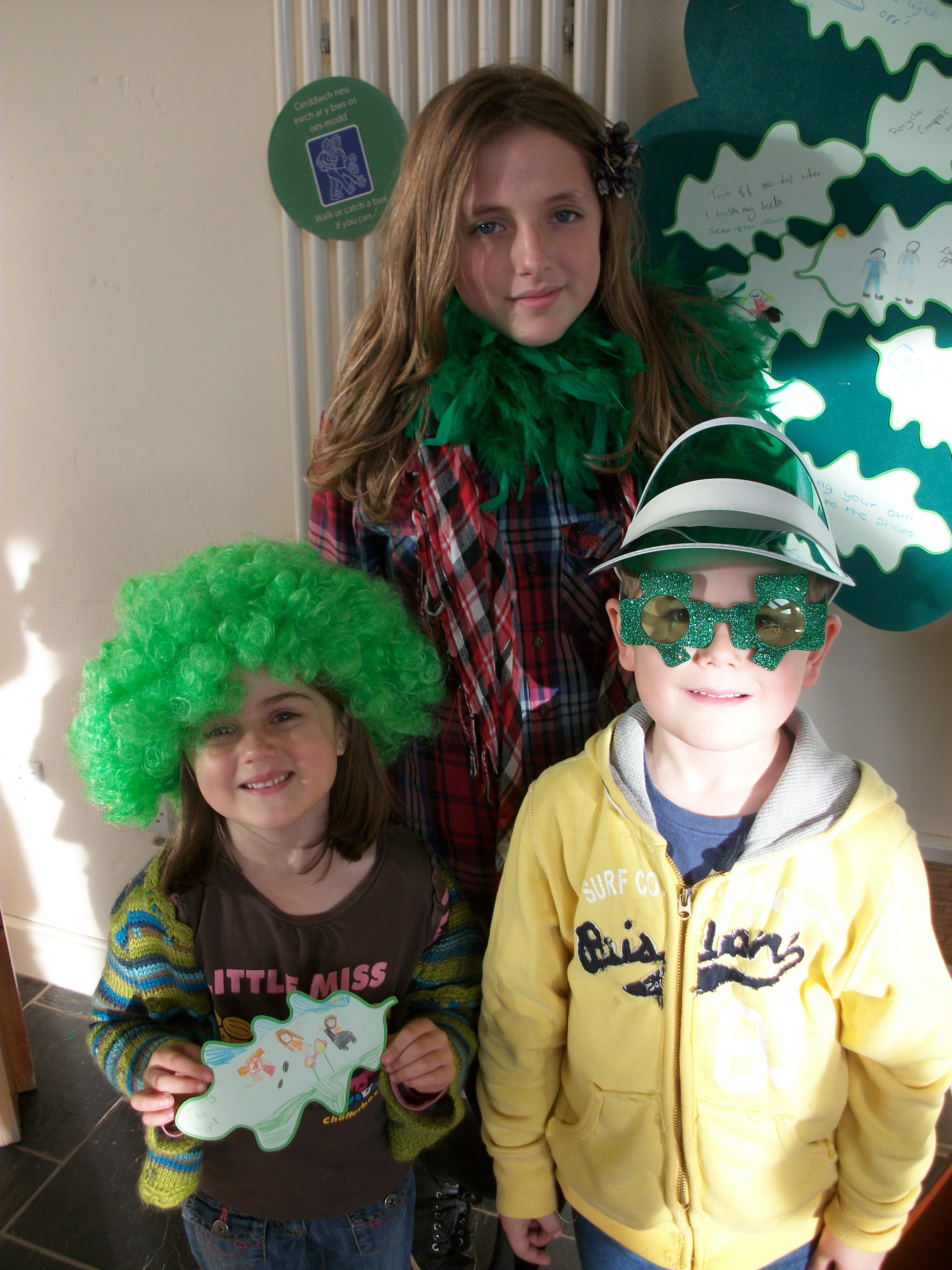
Mae’n werth crybwyll bod ambell un wedi bachu ar y cyfle i droi’n wyrdd (yn llythrennol) wrth daflyd boa plu gwyrdd a sbectol sgleiniog T? Gwyrdd amdanynt! Am gyfnod roedd hi’n debycach i sesiwn swreal Strictly Come Dancing! Dwi’n amau mai dyna’r tro cyntaf i lechi caled llawr T? Gwyrdd weld camau y tango! Go dda!


Diolch yn fawr i bawb ddaeth draw….digwyddiad nesaf T? Gwyrdd yw ‘Nadolig Cynaliadwy’ ar Rhagfyr 3ydd. Cyngor ar sut i wneud eich Nadolig chi yn un gwyrdd a throi eich llaw at wneud eich haddurniadau eichhunan. Os oes ganddoch chi syniadau ar sut i ddathlu’r Nadolig mewn modd cynaliadwy – gallwch drydaru eich syniadau i’r cyfeiriad canlynol:

www.twitter.com/tygwyrdd


Diolch yn fawr,

T? Gwyrdd

Saith mil o fylbiau

Yn ystod y pythefnos diwethaf mae gwyddonwyr ifanc ar draws y DU wedi plannu saith mil o fylbiau er mwyn helpu ni ddeall newid yn yr hinsawdd!

Rwyf wedi cael llawer o adroddiadau gan athrawon yn dweud bod eu disgyblion yn edrych ymlaen at ddechrau cadw cofnodion tywydd i helpu gyda'r ymchwiliad hwn pwysig.

Hoffwn ddymuno pob un o'r disgyblion yn dda gyda'u gadw cofnodion ac dwi methu aros i weld y cofnodion tywydd cyntaf yn ymddangos ar ein tudalennau gwe ar dydd Gwener! Defnyddiwch y cysylltiadau canlynol i'ch helpu i gofnodi. Cadw cyfnodion tywydd a Beth i'w gofnodi a phryd.

Peidiwch ag anghofio i danfon unrhyw luniau sydd gennych i fi.

Cwestiwn yr wythnos: Hyd yn hyn mae'r hydref hwn wedi bod yn un cynnes iawn. Roedd yr mis Hydref yma yr wythfed cynhesaf yn y 100 mlynedd diwethaf! Ydych chi'n meddwl y bydd Tachwedd aros yn gynnes neu'n oer droi? Ydych chi'n meddwl y gallai eira? Pa dywydd hoffech i ni ei gael? Gadewch eich sylwadau isod.

Diolch

Athro'r Ardd


Cadw Casgliad Tegeirian Cŵyr Gerddi Kew

Mae Gerddi Botaneg Brenhinol Kew yn galw ar arbenigwyr cadwraeth Amgueddfa Cymru i ofalu am gasgliad o 25 replica Tegeirian cain wedi'u gwneud o gŵyr gwenyn, sidan, weiren, plu a gwallt.

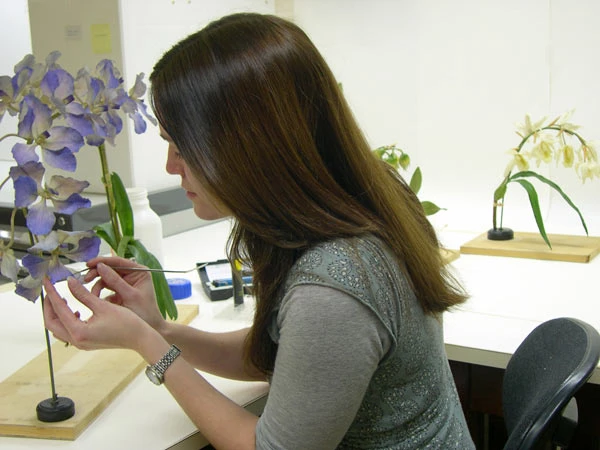
Annette Townsend yn gwneud gwaith cadwraeth ar y modelau tegeirian cwyr

Annette Townsend yn gwneud gwaith cadwraeth ar y modelau tegeirian cwyr

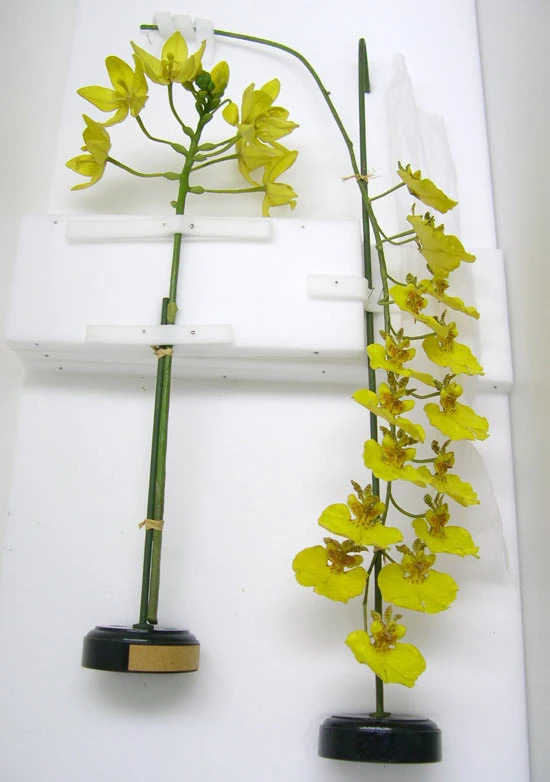
<em>Spathglotis lobbi</em> Rchb.f. in W.G.Walpers & <em>Oncidium varicosum</em> Lindl. Modelau mewn deunydd pacio archifol
Spathglotis lobbi

Rchb.f. in W.G.Walpers & Oncidium varicosum Lindl. Modelau mewn deunydd pacio archifol

Yn 2005, gofynnwyd i gadwraethwyr Amgueddfa Cymru Annette Townsend a Vicky Purewal i wneud arolwg o gasgliad o fodelau cŵyr ym meddiant Gerddi Botaneg Brenhinol Kew, Llundain. Yn y casgliad roedd 25 model tegeirian naturiol a gopïwyd o gasgliad planhigion byw Kew gan yr artist botanegol Edith Delta Blackman (1868-1947).

Gwnaed o modelau o gŵyr gwenyn, sidan, weiren, plu a gwallt, gan amrywio mewn maint o grŵp bychan o flodau 10cm x 10cm, i dusw mawr bwaog dros fetr o led.

Dangosodd gohebiaeth yn archif Gerddi Kew i'r modelau gael eu comisiynu ym 1893 gan y cyn Gyfarwyddwr William Thiselton-Dyer ar gost o 4 punt a 4 swllt y model.

Niwed ac esgeulustod

Cafodd y modelau eu harddangos yn Kew am flynyddoedd cyn cael eu storio, Doedd atmosffer cynnes, sych y stordy ddim yn ddelfrydol ac achoswyd niwed i'r modelau. Perodd y gwres i'r cwyr feddalu, pilio a hollti, gan alluogi llwch a baw i gronni dan arwyneb y modelau.

Y project cadwraeth

Yn ffodus, dyma ymwelydd â'r gerddi yn ffoli ar y modelau a ddifrodwyd a phenderfynu noddi gwaith cadwraeth ar yr holl gasgliad. Mae gan Annette a Vicky brofiad di-ail yn y DU ym maes cadwraeth modelau cwyr botanegol o'r fath, wedi gweithio gyda'u gilydd am flynyddoedd ar gasgliad unigryw Amgueddfa Cymru o dros 1000 o fodelau cwyr. Dyma Kew yn gofyn iddynt ymgymryd â'r gwaith.

Gwaith araf a thrylwyr

Gwnaed y gwaith mewn rhannau dros sawl blwyddyn. Mae gwaith cadwraeth ar fodelau cwyr yn broses araf a thrylwyr iawn ac mae'n anodd symud y gwrthrychau am eu bod mor fregus. Yn 2007, paciwyd y grŵp cyntaf o fodelau a'u cludo ar hyd yr M4 i Gaerdydd er mwyn dechrau ar y gwaith.

Er mwyn canfod cyfansoddiad y cwyr, dadansoddwyd darnau bychan drwy ddefnyddio techneg Fourier Transform Infra Red (FTIR), fel y gellid dewis deunyddiau addas ar gyfer y gwaith atgyweirio. Tynnwyd ffotograffau o bob model, cyn eu dogfennu, eu glanhau a'u hadfer.

I gwblhau'r broses, paciwyd pob un mewn blychau pwrpasol, a phrofwyd sadrwydd pob pecyn cyn eu cludo yn ôl i Kew. Cwblhawyd y gwaith atgyweirio olaf yn 2010 a dychwelwyd y model olaf i Kew.

Ailarddangos y Tegeirianau

Mae’r tegeirian i’w gweld ar hyn o bryd yn Llysieufa gerddi Kew, ac ar gael i’w gweld gan ymwelwyr.

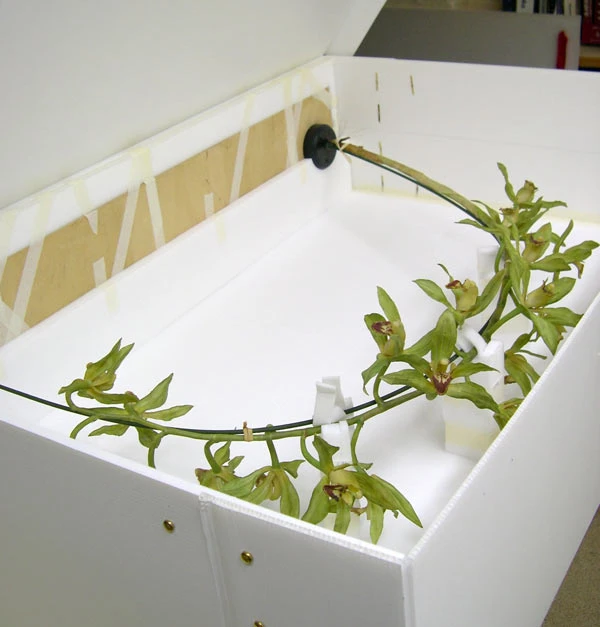
<em>Cymbidium lowianum</em> (Rchb. f.) Rchb. f. Model wedi'i bacio mewn blwch pwrpasol
Cymbidium lowianum

(Rchb. f.) Rchb. f. Model wedi'i bacio mewn blwch pwrpasol

<em>Caularthron bicornutum</em> (Hook.) Raf. Rhan o'r model cyn y gwaith cadwraeth.
Caularthron bicornutum

(Hook.) Raf. Rhan o'r model cyn y gwaith cadwraeth.

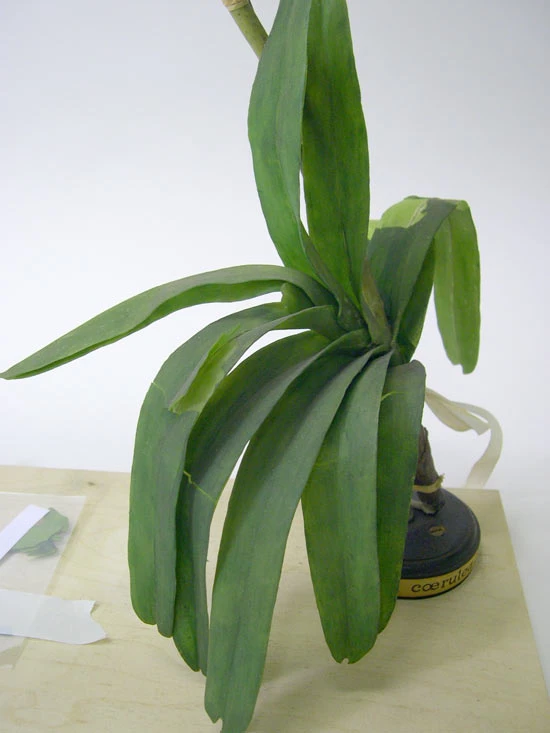
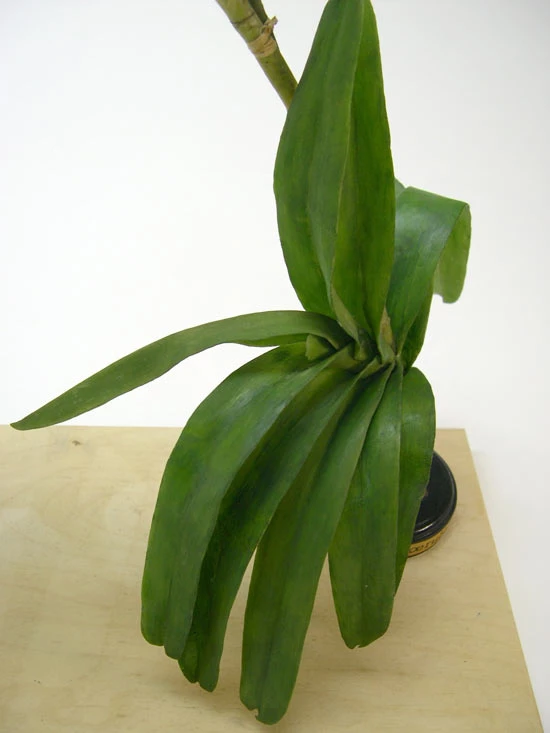
<em>Vanda coerulea</em> Griff. ex Lindl. Modelau cyn gwaith cadwraeth.
Vanda coerulea

Griff. ex Lindl. Modelau cyn gwaith cadwraeth.

<em>Vanda coerulea</em> Griff. ex Lindl. Modelau wedi'r gwaith cadwraeth.
Vanda coerulea

Griff. ex Lindl. Modelau wedi'r gwaith cadwraeth.

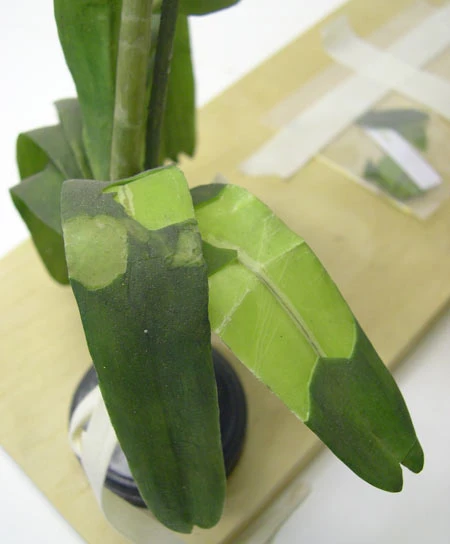
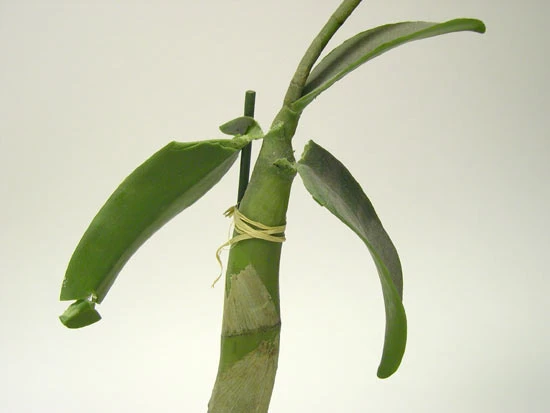
<em>Vanda coerulea</em> Griff. ex Lindl. Golwg fanylach ar ddail wedi'u difrodi cyn y gwaith cadwraeth.
Vanda coerulea

Griff. ex Lindl. Golwg fanylach ar ddail wedi'u difrodi cyn y gwaith cadwraeth.

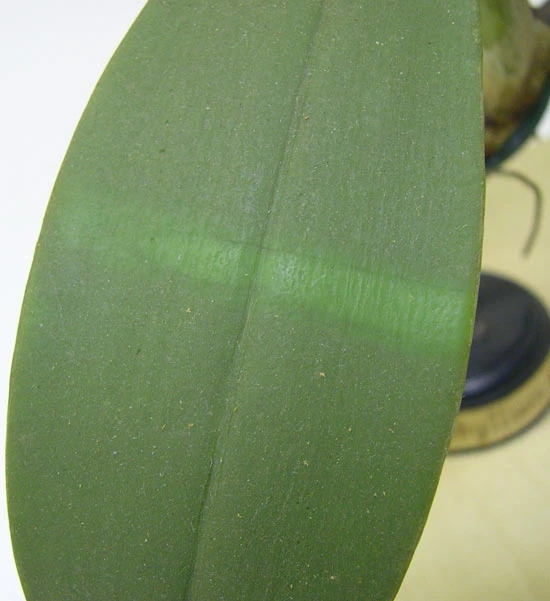
<em>Bulbophyllum grandiflorum</em> Blume. Deilen yn dangos lle mae llwch wedi cael ei waredu
Bulbophyllum grandiflorum

Blume. Deilen yn dangos lle mae llwch wedi cael ei waredu

Deconstruction: Blocklifting from the Blocklift

As mentioned in the previous post, the only way to advance the study of this large blocklift was to take x-rays of the excavated ‘features’, in order to get a better idea of the condition of the archaeological metals, and to see if there were objects beneath the ones excavated. For this to happen, the five features had to be separated and lifted in miniature blocklifts.

As readers can see by the first photograph which shows the whole soil block after the completion of micro-excavation, separating features was a difficult task: whilst feature 1 was a discrete item, easily removed from the rest of the block, I had to make certain executive decisions about breaking up the rest of the block. Where possible, I tried to divide the features from each other using the cracks that were already present in the block, or by cutting over and under overlapping features. Inevitably, some damage did occur to the peripheries of features during the lifting process.

The process of blocklifting was remarkably easy: effectively, I blocklifted these features in the same way that they were lifted on site, except that as I was working in a laboratory, I had the opportunity to use conservation-grade materials in a much more controlled environment.

To begin with, I had to stabilise the artefacts in preparation for a process which would jar them quite a lot. I first consolidated the exposed artefacts using a removable adhesive called Paraloid B72, and then added a layer of melted wax, called Cyclododecane, to provide a more intimate support. Handily, this layer will eventually sublime by itself.

I then wrapped features in Clingfilm, to act as a barrier layer between the archaeology and the rigid material I would use hold the block together. For this, I selected polyurethane foam (readers may have come across this whilst completing DIY projects; it is often used as an insulating filler), as it has a very low density, and will not interfere with the attainment of an image of the mineralized iron plate. Polyurethane is prepared by mixing two liquid components together, and could be poured around the covered feature, reaching all nooks and crannies. Walls of plastic card and clay had been built around the feature to enclose the polyurethane.

Once the polyurethane had hardened, I began to pedestal the feature being lifted, before undercutting it. The separated feature could be turned over, and large amounts of extraneous burial deposit removed, which would have otherwise interfered with x-raying the metal artefacts.

I repeated this process until all the features were lifted, and prepared for X-radiography.

Investigation of Caerleon Armour: X-radiography

After having managed to break the large soil block up into small enough blocks to get into the x-ray machine, I finally began the task of x-raying the archaeological artefacts.

For this, I had the chance to use the Museum’s newly acquired computerised radiography system. Here, instead of using the traditional wet-plate method requiring film and much time spent in a dark room, we use a phosphor plate which can be used around 1000 times. This plate is read by a scanner, and an image produced within about 45 seconds.

This new system has allowed us to capture so much more detail about the inside of the blocks and the condition of the armour than would ever have been possible using the traditional method. The x-ray records the density of materials at every point, and the software used to view the image allows for manipulation in much the same way as programs like Photoshop: we can zoom into areas of the image, adjust brightness and contrast, apply filters, invert the negative, etc. Thus far all of the features have been x-rayed, and the results have been astounding: I have included copies of the images, complete with annotations. It would appear that a lot more existed beneath the surface excavated than previously supposed.

I had hoped that the x-rays could be used as a guide for further excavation of the features and eventual extraction of the artefacts: however, the condition of the metal inside suggests almost complete mineralization of the iron, and cautions against this course of action. The most that can really happen with these soil blocks now is that they are extensively x-rayed, and stored safely in case of future research.

Aside from highlighting areas of interest on the x-rays, and explaining certain phenomenon, my role as conservator for this project has come to an end. Now, curators, archaeologists and specialists will have to identify objects in the x-rays, marry up these images with the photographic record of my excavation, and begin to tie this information into the narrative of the site overall.