Rediscovering First World War collections

Jonathan Wheeler, 19 Chwefror 2016

Since late 2012, with the centenary of the First World War in mind, curators at St Fagans have been involved in a project to digitise objects with relevance to the conflict. The results are on the First World War database which you can see on this website. But in 2016, the project is still very much ongoing. One aspect which has surprised everyone involved is that objects with stories to tell about the war are still being rediscovered.

Before we began looking specifically for these objects, their potential to reveal stories about the conflict had not always been realised, and connections between objects not always made. Huge numbers of objects were often collected in the past - some in the years immediately following the war - meaning that the information recorded at the time was often limited.

Sometimes a bit of luck has been involved. As part of the Making History project, thousands of items from the collection have moved between storerooms and conservation labs. While auditing an area containing military and civilian uniform, I recently found a collection of badges and buttons of relevance to the period, taking the extent of our First World War collections beyond what we had previously realised.

As artefacts of war, these objects often have poignant associations. One lapel badge was recently found complete with a tiny photograph of a soldier who was killed in 1915. A shoulder badge and button of the Grenadier Guards were found belonging to a soldier who was involved in the retreat from Mons in 1914, and of whom there is also a photograph in our collections. We have also discovered objects from areas of the conflict previously thought to be unrepresented in the collections, such as this South Wales Borderers cap badge commemorating the Egyptian campaign.

The exciting aspect of working on this project has been the discovery of collections not previously categorized by their First World War associations. We have uncovered objects in a variety of areas: among pictures and photographs, letters and certificates, medical equipment, textiles, badges and medals. Not only can these items be seen on our First World War database, but some of the stories we have discovered will be told within the displays planned for the new galleries here at St Fagans –  just one example of enabling the full richness of our collections to be permanently shared.

#WalesRemembers #CymrunCofio

This project is supported by the Armed Forces Community Covenant Grant Scheme.


Sgrinwyna 2016

Bernice Parker, 18 Chwefror 2016

Bugail Sain Ffagan gyda'r cwads cyntaf erioed yr amgueddfa

Mae’r rhyngrwyd yn dwlu ar anifeiliaid bach, ac ar Ddydd Gŵyl Dewi bydd y #sgrinwyna yn dychwelyd – ffrwd fyw 24 awr yn dangos hynt a helynt y sied ŵyna yn Sain Ffagan Amgueddfa Werin Cymru, Caerdydd. Lansiwyd y project yn 2015 ac aeth y neges ar dân dros y cyfryngau cymdeithasol. Ond dan yr wynebau ciwt mae neges addysgiadol...


“Roedd y #sgrinwyna yn gyfle i ni rannu ein harbenigedd a’n sgiliau traddodiadol â phobl o bedwar ban byd, drwy gyflwyno’r tymor ŵyna ar y we mewn cyfres o erthyglau, digwyddiadau a ffrydiau fideo byw. Drwy hyn dyma ni’n treblu’r amser y mae defnyddwyr yn ei dreulio ar y wefan, ar gyfartaledd, a chynyddu cyfraniad ymwelwyr at y drafodaeth ar gynnyrch Cymreig, adnoddau naturiol, lles anifeiliaid ac amaeth.”       
Sara Huws – Swyddog Cynnwys Digidol, Amgueddfa Cymru

Pwyntiau pwysig wrth gwrs, ond... DRYCHWCH AR YR ŴYN BAAAAAACH!!!

Yn ogystal â rhoi mynediad 24 awr i’r sied ŵyna, mae’r #sgrinwyna yn cadw cofnod cyfredol o enedigaethau (Gofal – gall cyfri defaid achosi blinder a chwsg!). Mae yno hefyd oriel uchafbwyntiau o’r sied a’r newyddion diweddaraf am iechyd y defaid a’r ŵyn ar y blog. Gall ymwelwyr hefyd alw draw i’n gweld ni ar benwythnosau a gwyliau ysgol drwy gydol Mawrth. Os ydych chi am dorchi llewys, gallwch chi fwynhau diwrnod yn helpu yn y sied ŵyna ar un o gyrsiau newydd Profi Ŵyna yr Amgueddfa.

Os ydych chi’n un o gewri’r cyfryngau cymdeithasol, am fod yn fugail, neu yn ymwelydd cyson â Sain Ffagan galwch draw i weld gŵyl y geni yn yr Amgueddfa dros y gwanwyn.

#sgrinwyna #instalamb @StFagans_Museum

Cadw cofnodion blodau

Penny Dacey, 15 Chwefror 2016

Helo Gyfeillion y Gwanwyn,

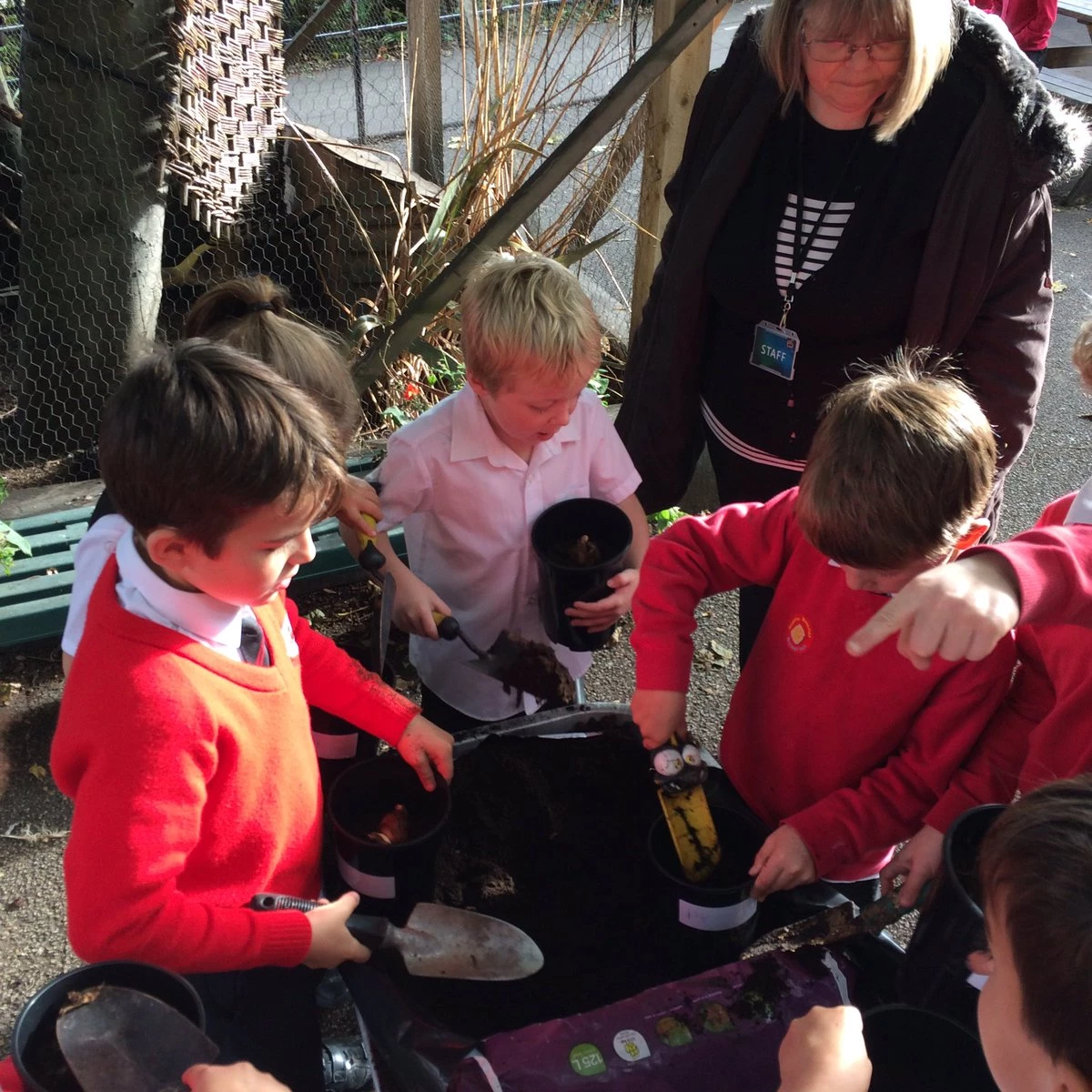
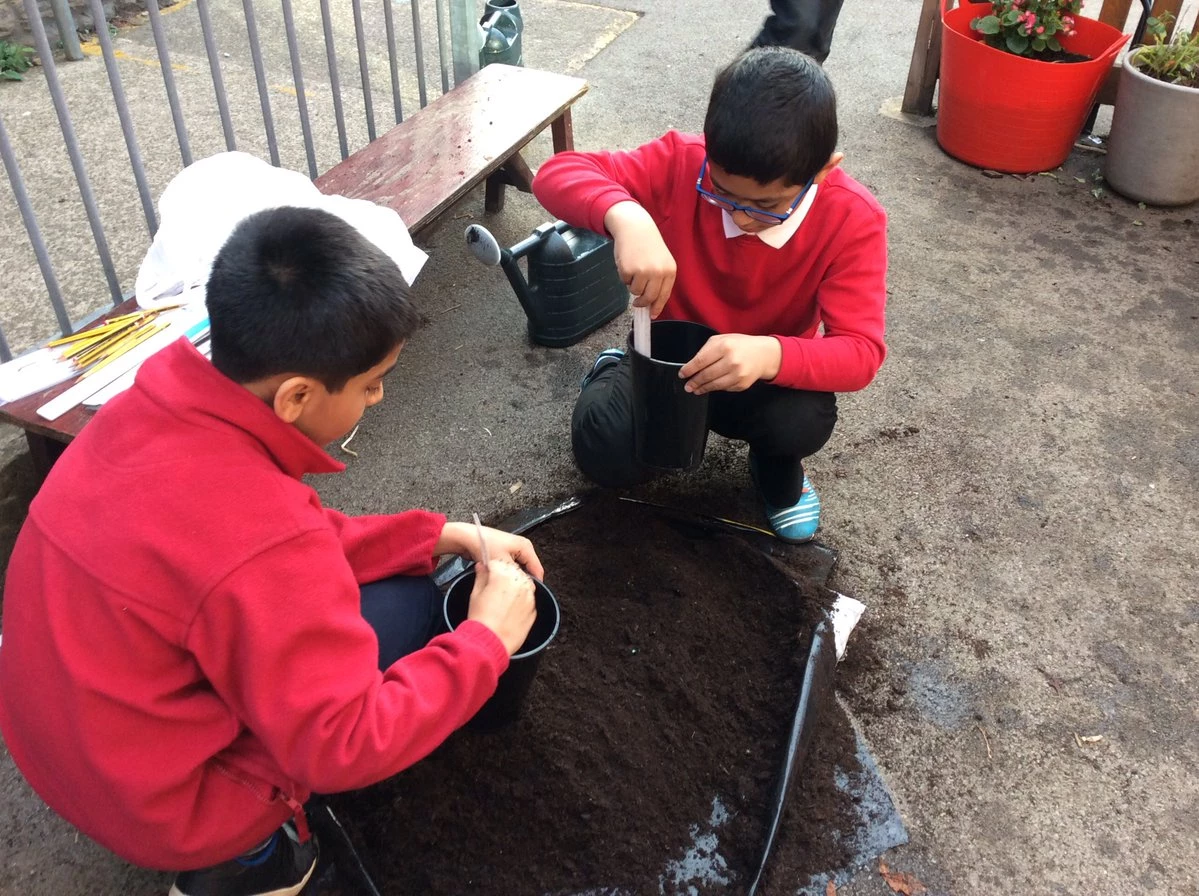
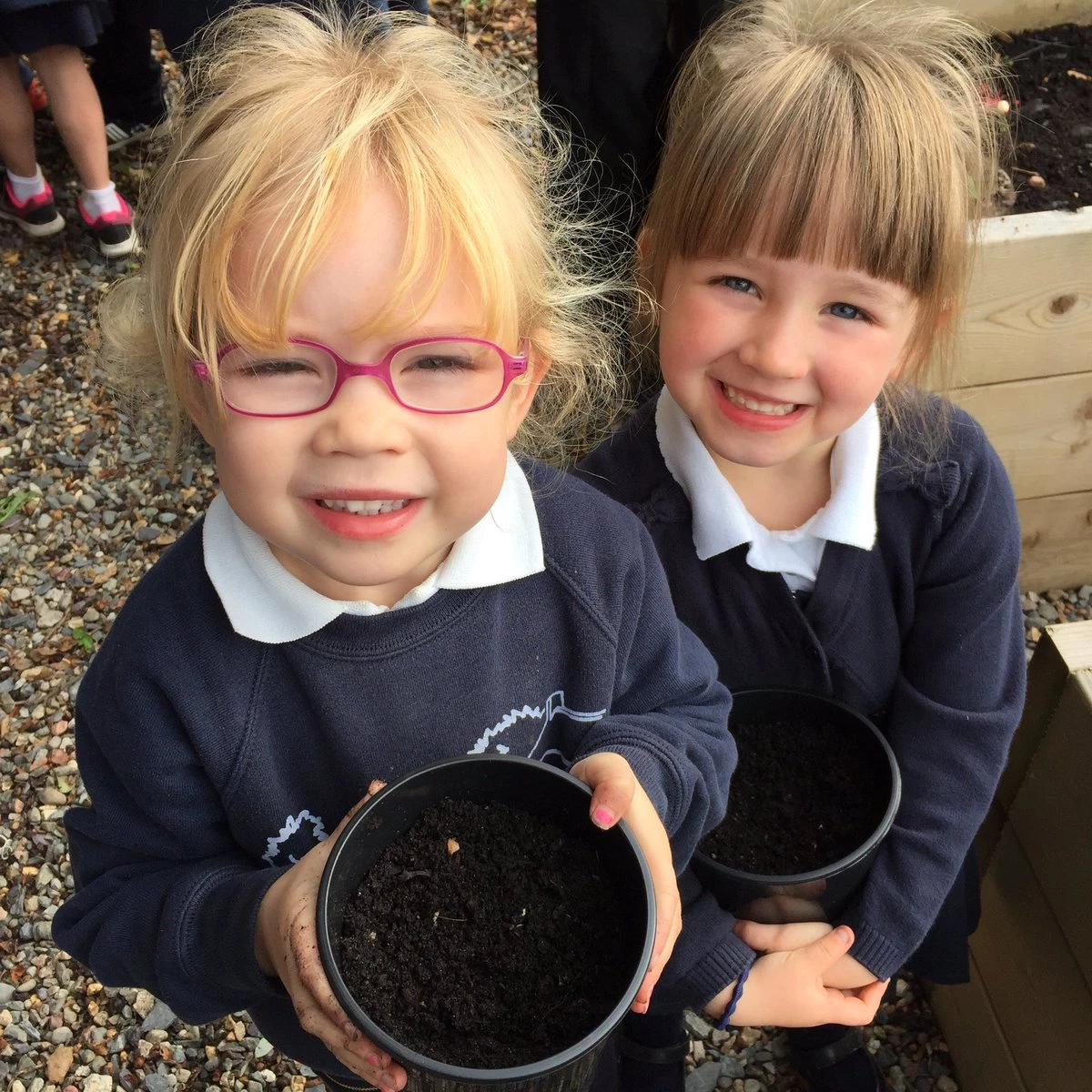
Mae nifer o ysgolion wedi cofnodi bod eu Cennin Pedr a Chrocws wedi cychwyn tyfu. Mae rhai ysgolion wedi nodi bod eu planhigion yn edrych yn agos at flodeuo. Fallu, mae'n amser da i drafod rhan nesaf y prosiect - cofnodion blodeuo! Mae adnodd ar y wefan Bylbiau Gwanwyn i Ysgolion o dan y teitl 'cadw cofnodion blodau'. Mae'r ddogfen hon yn dweud wrthych sut i gadw cofnodion blodau, pa offer sydd angen ei ddefnyddio a’r dulliau ar gyfer casglu gwybodaeth.

Oedd y pecyn adnoddau a anfonwyd i'ch ysgol yn fis Hydref yn cynnwys siart blodeuo Crocws a siart blodeuo Cennin Pedr.  Gallwch ddefnyddio'r rhain i gofnodi'r dyddiad mae eich blodau yn agor ac uchder eich planhigion ar y dyddiad hwn. Wedyn, gallwch rannu dyddiad blodeuo ac uchder eich planhigyn ar y dyddiad hwn i wefan Amgueddfa Cymru. Unwaith mae'r diwrnod blodeuo cyntaf wedi ei gofnodi ar gyfer eich ysgol, bydd blodyn yn ymddangos wrth ymyl eich ysgol ar y map ar wefan Amgueddfa Cymru.

Mae rhywfaint o ddryswch wedi bod ynghylch pryd i gofnodi dyddiad blodeuo ar-lein. Gallwch fonitro taldra eich planhigion bob wythnos a gadael i mi wybod yn yr adran ‘sylwadau’ wrth i chi gofnodi’r tywydd. Ond dim ond wedi i’r planhigyn flodeuo y dylech gofnodi ‘dyddiad blodeuo’ a thaldra’r planhigyn ar ddiwrnod blodeuo.

Mae rhywfaint o ddryswch wedi bod ynghylch pryd i gofnodi dyddiad blodeuo ar-lein. Gallwch fonitro taldra eich planhigion bob wythnos a gadael i mi wybod yn yr adran ‘sylwadau’ wrth i chi gofnodi’r tywydd. Ond dim ond wedi i’r planhigyn flodeuo y dylech gofnodi ‘dyddiad blodeuo’ a thaldra’r planhigyn ar ddiwrnod blodeuo.

Edrychwch ar y llun o Gennin Pedr yn Sain Ffagan. Cafodd y llun ei dynnu ar ddiwrnod oer, felly nid oedd y blodau wedi agor yn llawn. Ond, gallwch weld pa rai sydd wedi blodeuo trwy edrych yn ofalus. Os yw’r holl betalau i’w gweld yn glir yna mae’r planhigyn wedi blodeuo. Cyn blodeuo mae’r petalau yn cael eu gwarchod gan gasyn tynn fel hwn:

Pan fydd y blodyn wedi aeddfedu, a’r tywydd yn ddigon cynnes, bydd y casyn yn dechrau agor. Gall hyn gymryd ychydig oriau neu rai dyddiau! Efallai y gallwch weld hyn yn digwydd, os wnewch chi wylio’r planhigion yn ofalus iawn! Pan fyddwch yn gallu gweld yr holl betalau a’r casyn wedi disgyn gallwch fesur taldra’r blodau a chofnodi hyn ar y wefan. Wedi i chi wneud hynny bydd blodyn yn ymddangos ar fap yn dangos lle mae eich ysgol.

Gallwch fesur uchder eich planhigion i weld pa mor sydyn mae nhw’n tyfu. Os yw’r planhigion yn dal yn fach gallwch eu mesur o dop y pridd. Ond, pan fyddwch yn mesur er mwyn cofnodi ar y wefan, dylech fesur o dop y pot blodau i bwynt uchaf y blodyn.

Ydych chi wedi cymharu uchder y blodau yn eich dosbarth? Oes yna wahaniaeth mawr yn uchder y planhigion a pha mor aeddfed ydyn nhw, neu ydyn nhw i gyd yn debyg? Beth am y planhigion sydd wedi’u plannu yn y ddaear? Yw’r rhain yn fwy na’r rhai mewn potiau? Pam hynny tybed? Gallwch ddweud beth ydych chi’n feddwl yn yr adran ‘sylwadau’ wrth i chi gofnodi’r tywydd yr wythnos hon!

Gyrrwch eich straeon a lluniau i’r blog blodau a dilynwch Athro’r Ardd ar Twitter!

Daliwch ati Gyfeillion y Gwanwyn!

Athro’r Ardd


Diolch am rannu newyddion am eich planhigion Cyfeillion y Gwanwyn:


Ysgol Pentrefoelas: Dim llawer o law ond yn gynnes. Aethom am dro i weld y lili wen fach yn nghoed y Foelas ac roedd miloedd yno fel carped gwyn. Dim swn am bennau ar ein bylbiau ond maent yn dechrau tyfu. 4 pot heb ddim byd yn y golwg!

The Blessed Sacrament Catholic Primary School: Not so much rain this week but some frost at night. Almost all the crocuses have shoots now.

Arkholme CE Primary School: Warmer week than usual. Rainfall was less than last week. Bulbs are growing well. Some of last year’s bulbs are flowered.

Bacup Thorn Primary School: We have noticed a real growth in our bulbs and shoots. We have also observed a faster growth in our experimental plants indoors. Our crocus bulbs are around 9cm high and dafs are around 12cm indoors and 10cms outdoors.

Maesycoed Primary: A few crocuses are popping through the surface, yay!

East Fulton Primary School: Some of our bulbs are starting to sprout.

The Blessed Sacrament Catholic Primary School: Variable weather, mostly windy with a little rain. The daffodils are growing well and 22 of the 30 crocuses are showing shoots. They still don't need watering.

Silverdale St. John's CE School: One of the daffodils has nearly opened - it might happen over the weekend!

Darran Park Primary: This week, the growth of the Spring Bulbs was 5cm. Last week it was 2.5cm, therefore it has gone up 2.5cm

Grange Primary School: We have lots of shoots appearing! Children very excited to see their first flower.

Braidwood Primary School: Still no signs at all of any growth in the bulbs planted in the ground. The bulbs in pots show some growth in the form of shoots.

The Blessed Sacrament Catholic Primary School: This week has been quite windy with rain at times; the end of storm Jonah! The bulbs still don't need watering! It is quite warm outside for this time of year. We have noticed that 2 crocuses have now got shoots and the daffodils are growing quickly. It is very exciting.

Darran Park Primary: Last week, the growth of the spring bulbs, was 1cm but it has increased by 2 cm this week, and is now, 3 cm.

Stanford in the Vale Primary School: Very windy week observed and we have 3 daffodil flowers in the ground out in flower!

Castlepark Learning Centre: The crocus are starting to appear.

Castlepark Learning Centre: The first daffodils are showing.

Arkholme CE Primary School: It was not very wet this week, mild temperatures as well. Some snow on Saturday and Sunday. Our bulbs are growing well because it is very mild weather.

Ysgol Esgob Morgan: We have had a very windy week, but the daffodils are starting to grow now. From W.

Darran Park Primary: The majority of the pots the spring bulbs have sprouted around 1-2 cm.

Drumpark Primary ASN School: We can see the leaves sticking out but not all of them yet.

Stanford in the Vale Primary School: Starting to feel like spring....


Artist in Residence: Building a Play Area

Sian Lile-Pastore, 12 Chwefror 2016

While Nils, Fern and Imogen get stuck into searching archives and stores, looking at the Museum's collections and working with visitors and groups to get their ideas, how about we think about what play areas we like? what local ones have you played in or taken children to and they loved? what ones have you been to that you didn't like? have you seen play areas that just look amazing? What makes a playground good? what do want from a playground? does it have to look nice? does it have to look like a playground? I'd be really interested in hearing your thoughts and ideas.

Meanwhile, I have been collecting images of play areas which I think are good design, look fun, are imaginative, look exciting... i'm not suggesting we have a play area exactly like these in St Fagans, but it wouldn't it be great to have something different and unexpected?

How the Welsh landscape was transformed by events in Turkey – 300 million years ago

Christopher Cleal, 11 Chwefror 2016

Turkey may seem a long way away to the people of Wales. But events there some 300 million year ago have had a profound and lasting effect, on our Welsh climate, landscape and wildlife.

For about 10 million years, Wales was part of an enormous tropical swampland extending from eastern North America to Turkey and the Caucasus. The dead remains of the plants that grew there caused massive deposits of peat to build-up. This peat was then buried by mud and sand, and the resulting heat and pressure changed it into the coals on which much of the industrial growth of places such as Wales depended, especially in the 19th and early 20th centuries.

But nothing lasts for ever, and the swamps eventually dried up and the accumulation of the economically important coal-forming peat came to an end. What caused this profound change to the environment has been the subject of much scientific debate. Research co-ordinated from Amgueddfa Cymru–National Museum Wales (as part of the International Geoscience Programme project IGCP 575) suggests that it was due to the combination of two major factors.

  1. Landscape Change: The collision of two large continental plates (Euramerica and Gondwana) caused a massive upheaval of the landscape, with rivers changing direction and new mountain ranges forming. The effect of these changes was particularly felt in the areas where the swamps had been.
  2. Climate Change: The changing landscape caused a different type of vegetation to grow here, and this coincided with a significant warming of the climate and a reduction in rainfall.

Importantly, these environmental changes started first at the eastern end of these swamplands, in places such as northern Turkey, and then progressively moved westwards towards Wales.

So, in order to understand properly what caused the collapse of this ancient wetland in Wales, we need to study events in Turkey. To do this might have needed extensive (and expensive) field excursions to the area. Fortunately, we have a scientific resource nearer to hand that can provide at least a start to this work. In the years just before and after World War II, the great Dutch palaeobotanist Wilhelmius Jongmans led expeditions to northern Turkey to collect Carboniferous plant fossils. He sadly died before he could properly work on them. Fortunately, however, his collection of over 5,000 Turkish fossils is now stored safely in the Naturalis Museum in the Netherlands.

Chris Cleal from Amgueddfa Cymru–National Museum Wales is now leading a collaborative project with colleagues from the Netherlands, Germany and the UK, to research this collection – using expertise developed in Wales to bear on an internationally important problem. It will help us understand what controlled the formation of coal deposits such as those found in Wales, and how vegetation, atmosphere and climate interacted in Carboniferous times. 

The world 300 million years ago was in many ways similar to today (far more similar to what it was in the intervening millions of years ago, for instance in Mesozoic times, when the dinosaurs were roaming around). Studying how climate, vegetation and the atmosphere interacted in this ancient world therefore allows us to check some of the assumptions on which scientists have been basing their modern-day climate models.

This shows the importance of international collaboration between museums in scientific research – why it is vital for scientists in Wales to work with colleagues from across the world.