: Hanes Naturiol

Describing new worms

Julian Carter, 21 Tachwedd 2012

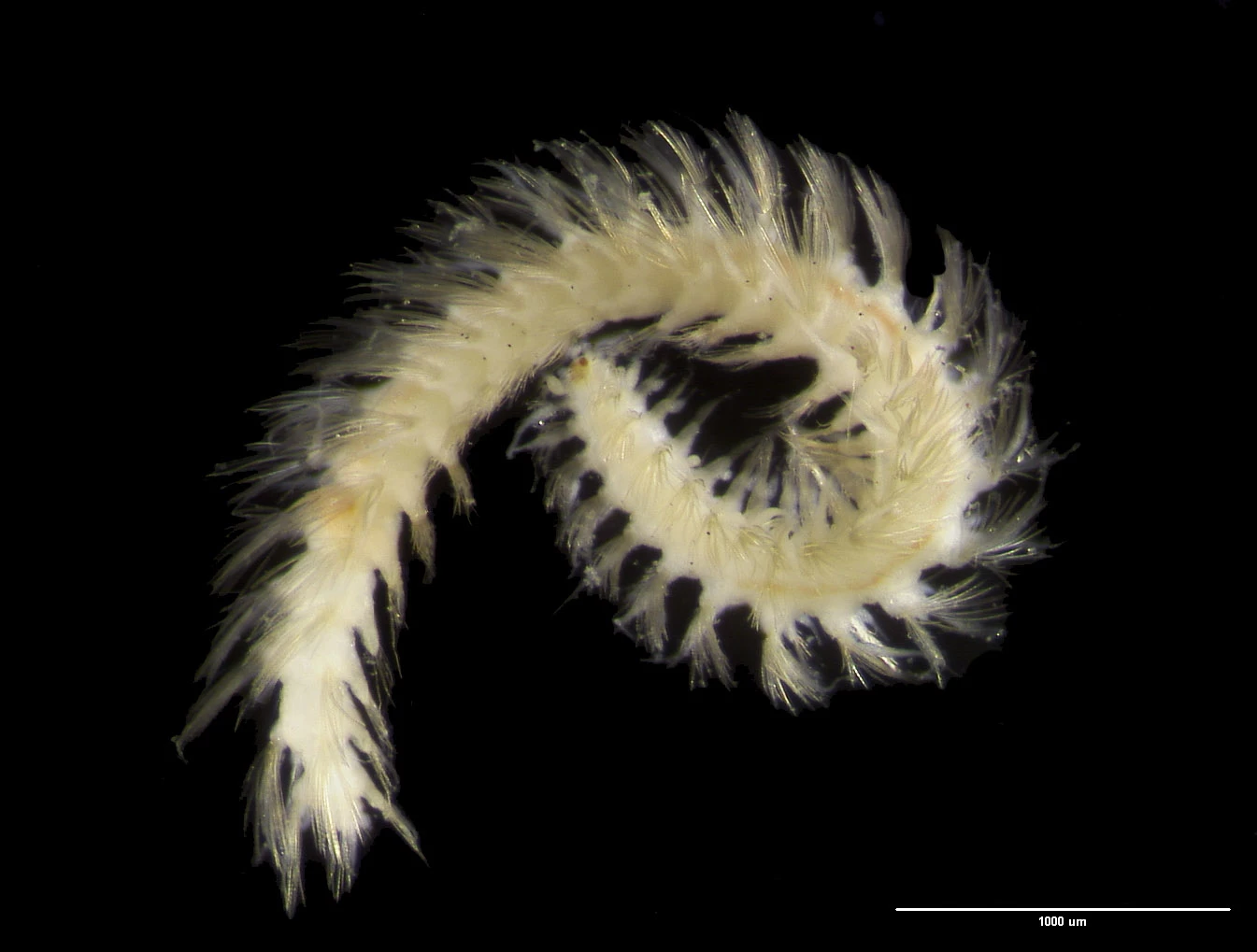
Marine scientist Teresa Darbyshire has just re-discribed a new species of Polychaete (commonly called marine bristleworms).  Unfortunately, a recent description of the new species, Dysponetus joeli (Olivier et al. 2012) used damaged specimens and errors were made.
 
This is because Polychaetes react notoriously badly to being handled roughly which is usually unavoidable with large marine surveys. Collected specimens are often in very bad condition by the time they are identified.
 
However, hand collected specimens by Amgueddfa Cymru - National Museum Wales from survey work done in 2009 in the Isles of Scilly were found to be the same species but in very good condition.
 
Using these specimens and comparing them with the original specimens from the Muséum National d’Histoire Naturelle Paris, enabled the errors to be corrected. 
 
A re-description and revised species key have now been published - http://goo.gl/uAUqM.
A new species of fly for Britain

Peter Howlett, 19 Tachwedd 2012

A species of fly new to Britain has been found from the Wye Valley by scientist Adrian Plant, working at Amgueddfa Cymru - National Museum Wales. Platypalpus nigricoxa is thought to be a boreo-alpine relict (left behind when ice retreated at the end of the last glacial period). Apart from the Wye valley, it is only known from the extreme north of Scandinavia, the Kola peninsula in northern Russia and some mountains in eastern Europe.

Natural History Halloween Open Day - more scary pictures!

Julian Carter, 13 Tachwedd 2012

Following on from the last post about our Natural History Halloween Open Day, we thought you might like to see some more pictures of the event.

We had some freshly collected fungi on display, including an invitation to sample the smell of a fresh stinkhorn and to speculate on the significance of the smell to the biology of the fungus. We found it got some interesting reactions (although it’s not so fun being sat downwind from it!).

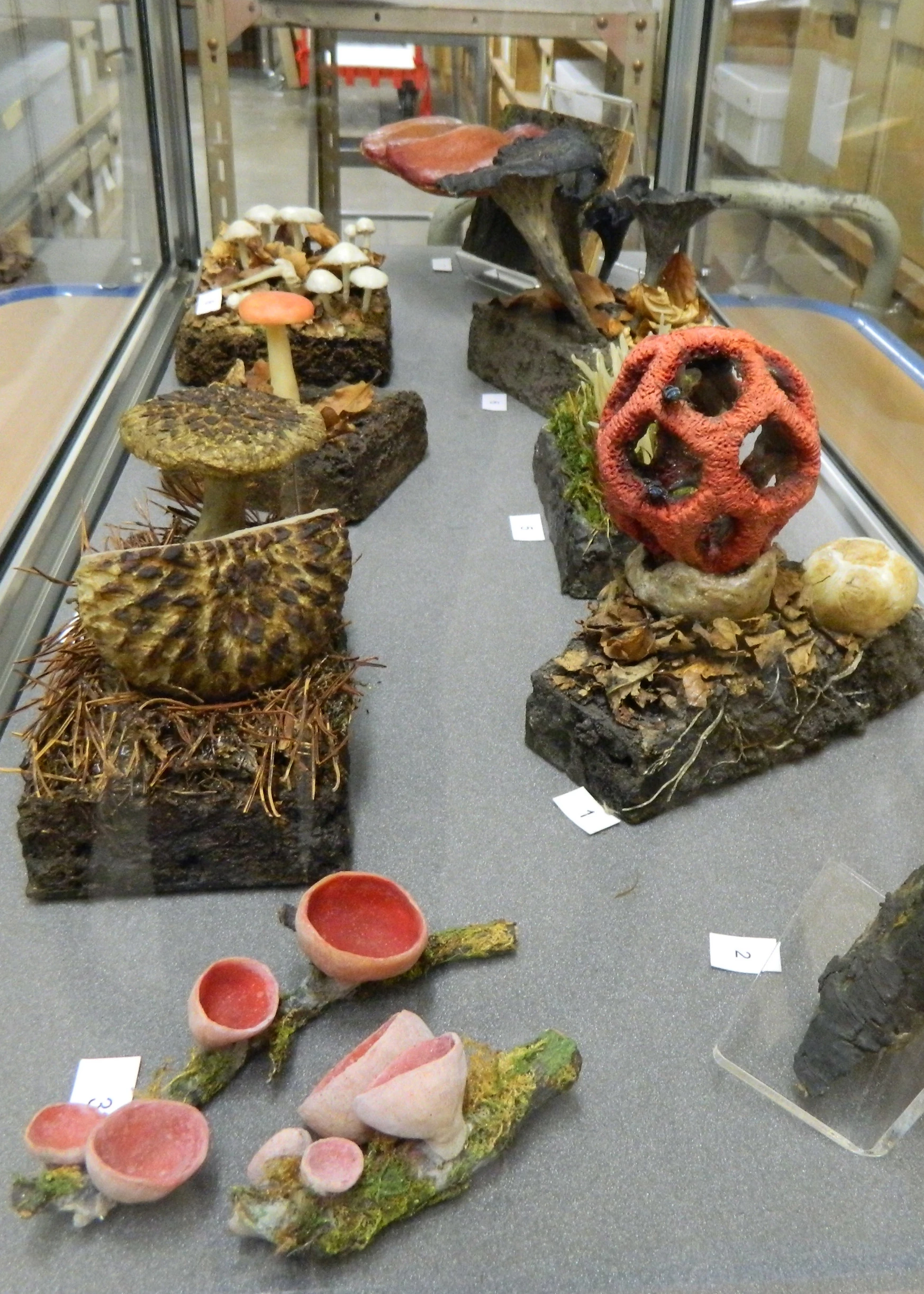
There were also some less stinky but realistic wax models of fungi. These were made in the mid 1900s by our in-house botanical model-maker, a practice that continues today.

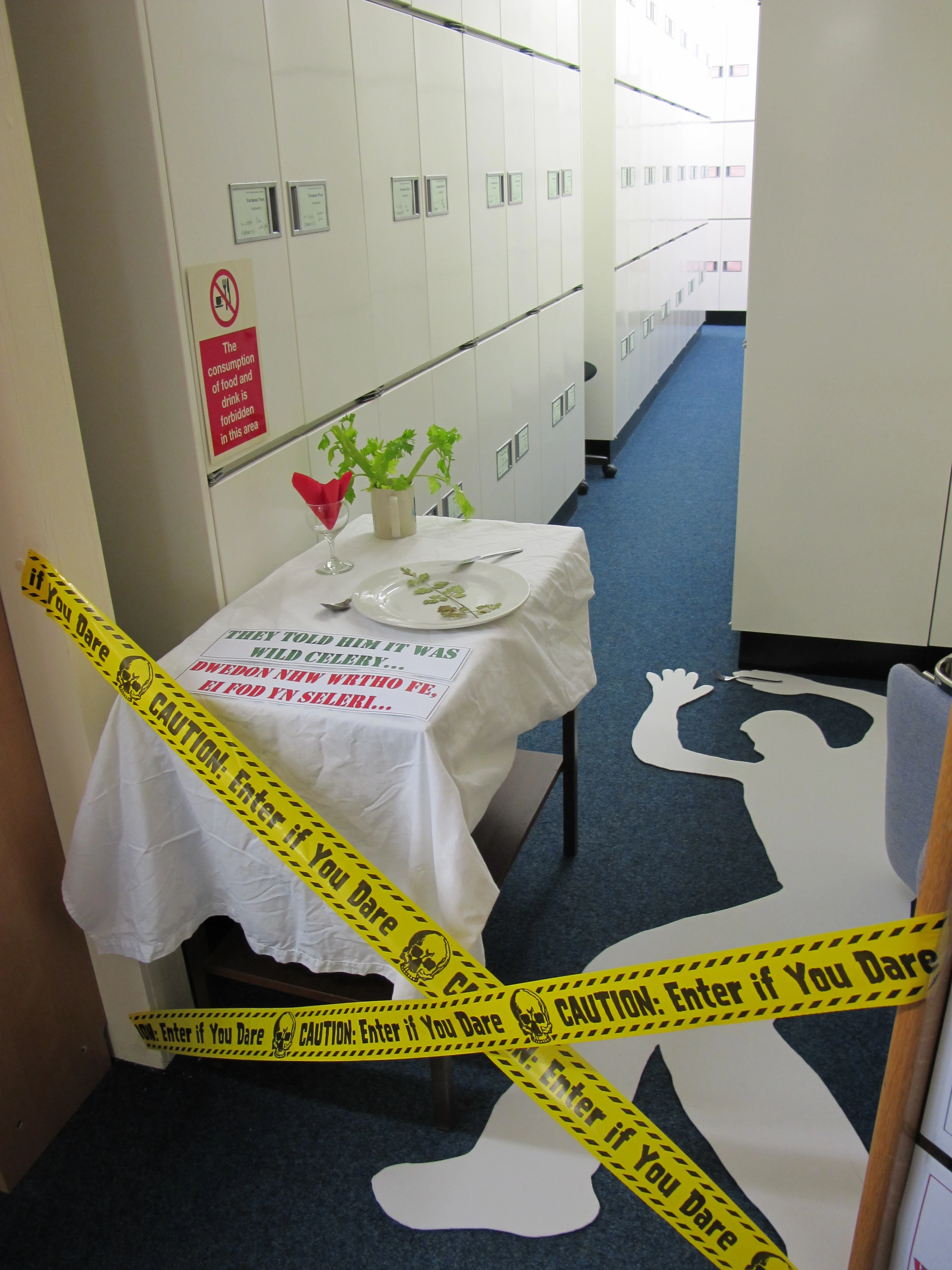
A ‘murder mystery’ had also taken place in our herbarium (the plant collections), an area not usually open to the public. Whilst surrounded by our quarter of a million pressed herbarium specimens, you had to work out which plant was used to poison the victim!

If this has whetted your appetite, keep an eye on our Natural History collections Twitter feed @NatHistConservation for more behind the scenes sneak peeks. Also stay tuned to the What’s On guide on our main website for details of the next Open Day. More stories from behind the scenes can also be found on the 'Rhagor' pages of our website e.g. conserving wax models.

Natural History Open Day.

Julian Carter, 7 Tachwedd 2012

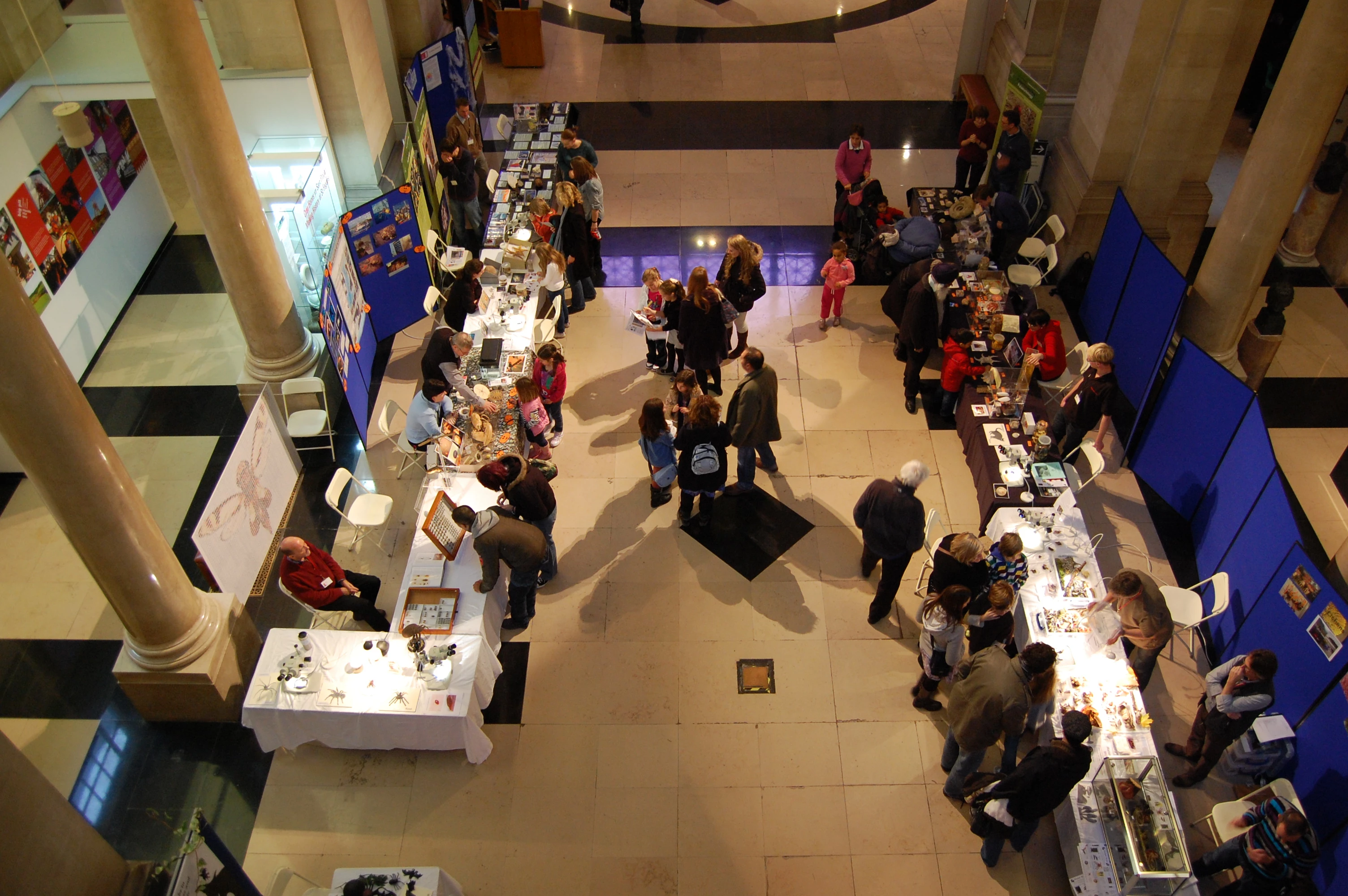
During half term we held a Natural History open day in the main hall at National Museum Wales, Cardiff. It was a great opportunity for us to chat to visitors about our work and show them parts of the collections not normally seen by the public.

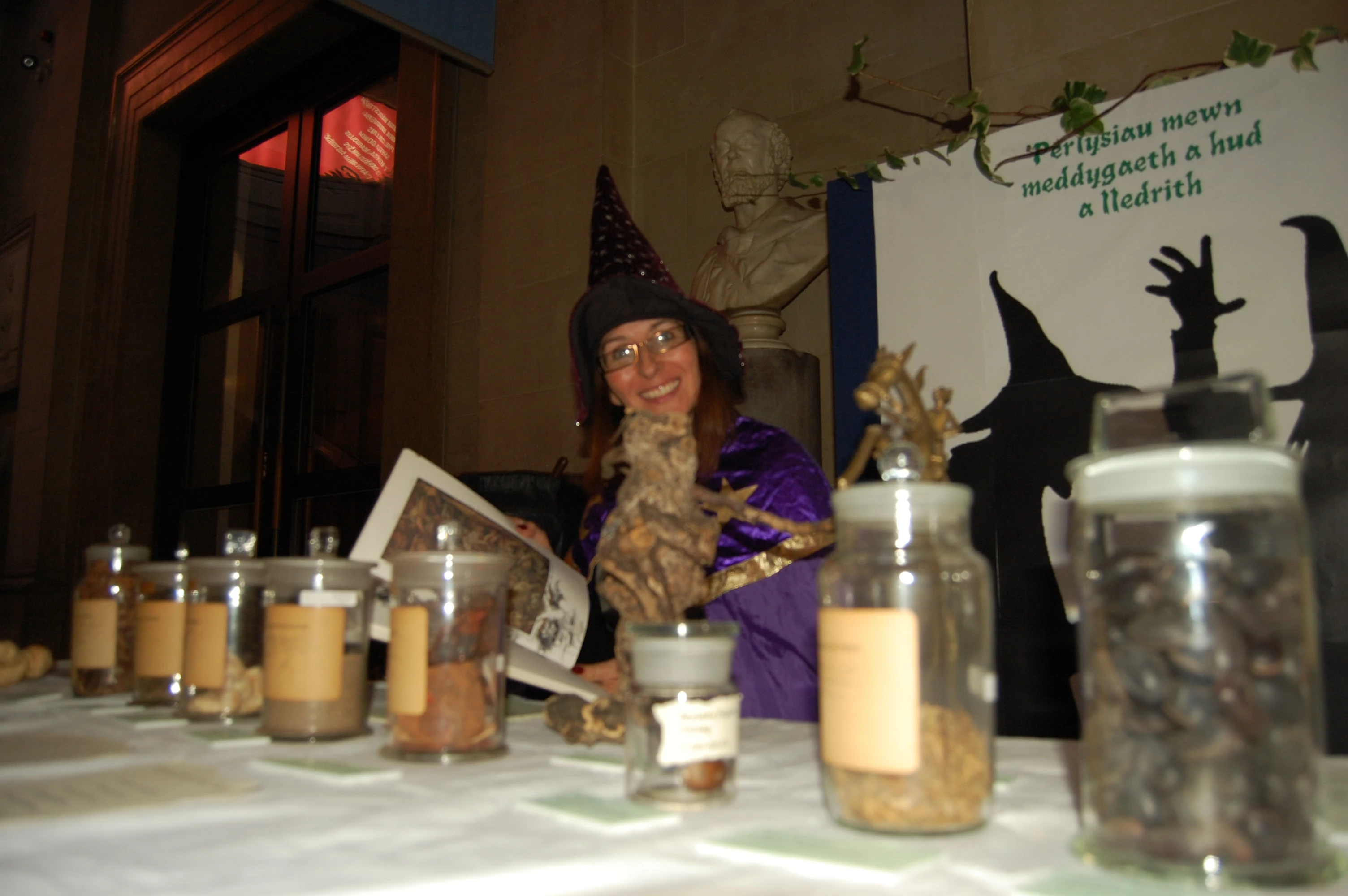
The day had a Halloween theme, and visitors had the chance to engage with a wide range of material from the collections. This included solving a ‘murder mystery’ in the herbarium, comparing our UK bats to the size of the largest fruit bat or studying closely a bedbug!

It was a busy, but fun day for all the staff involved. Look out on the website for the next open day.

Old Bones for a New Exhibition

Julian Carter, 3 Hydref 2012

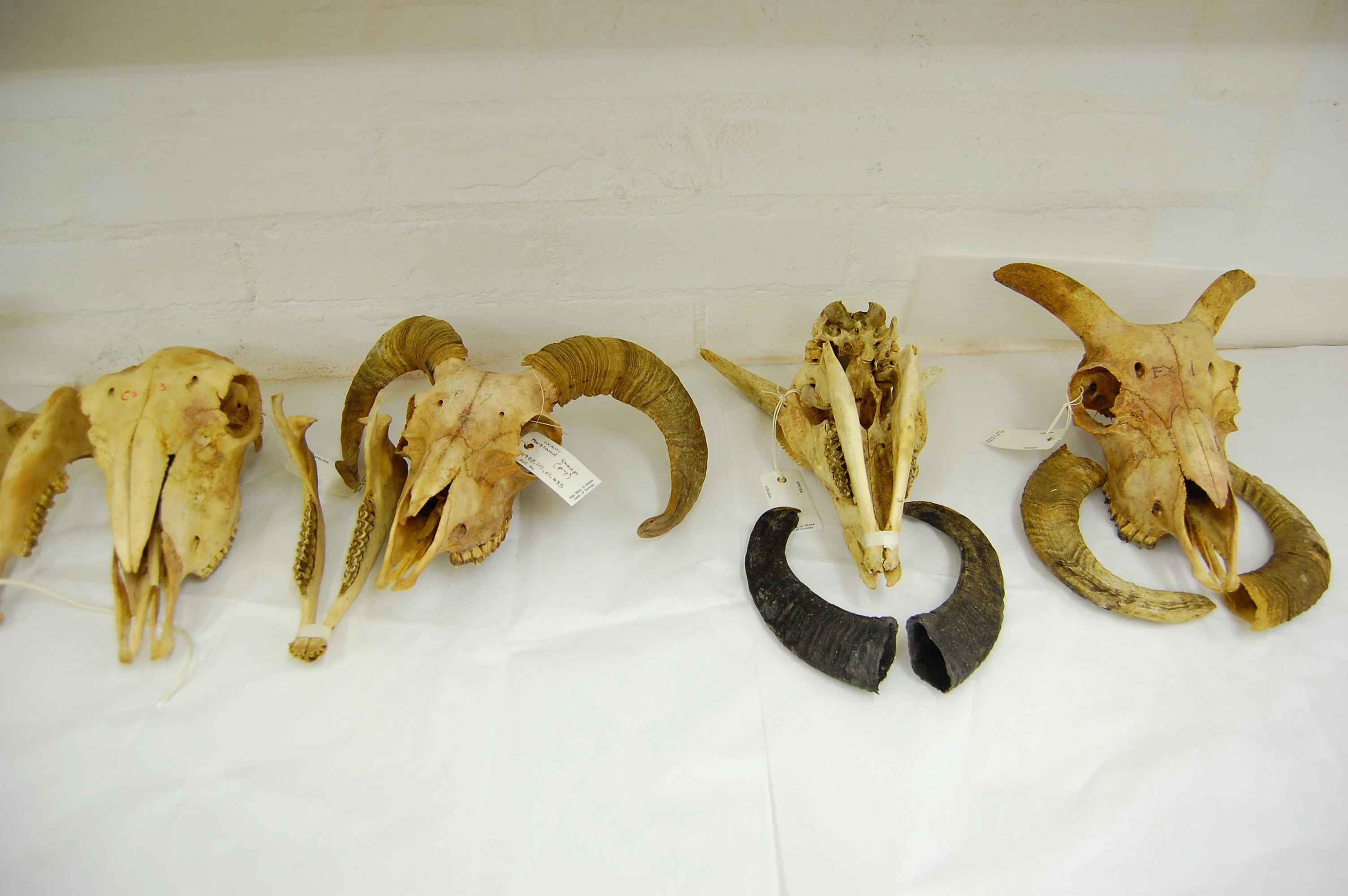
More than 20 years ago the Museum was donated a large research collection of animal bones. This had been put together by a veterinary scientist, Dr Barbara Noddle. The collection mainly consists of sheep, goat and cattle bones from many different breeds.

When it was donated the collection was in a poor state and required extensive conservation and curation. Today it is now housed in over 600 boxes at our offsite Collection Centre at Nantgarw, and a database is available on the website.

Over the years the Noddle Collection has mainly been used in zoo-archaeological research – this is the study of animal remains found at archaeological sites. However parts of the collection will soon find their way into the exhibition limelight!

From the 13th October ‘The Wolf Inside’ exhibition opens. This will be looking at animal domestication, focusing on dogs but also exploring other animals such as sheep and chickens. And this is where Barbara’s collection of old bones finds a new use. We are using a range of skulls from the collection to show some of the diversity found in the different breeds of sheep. A range of these skulls have been checked over and polished up ready for public display.

Along with the skulls there will also be a whole range of animal specimens on display from the museums collections, many of which we haven’t had the opportunity to bring out for many years.

The exhibition runs until February next year.