Linking Past and Future
, 12 Medi 2017
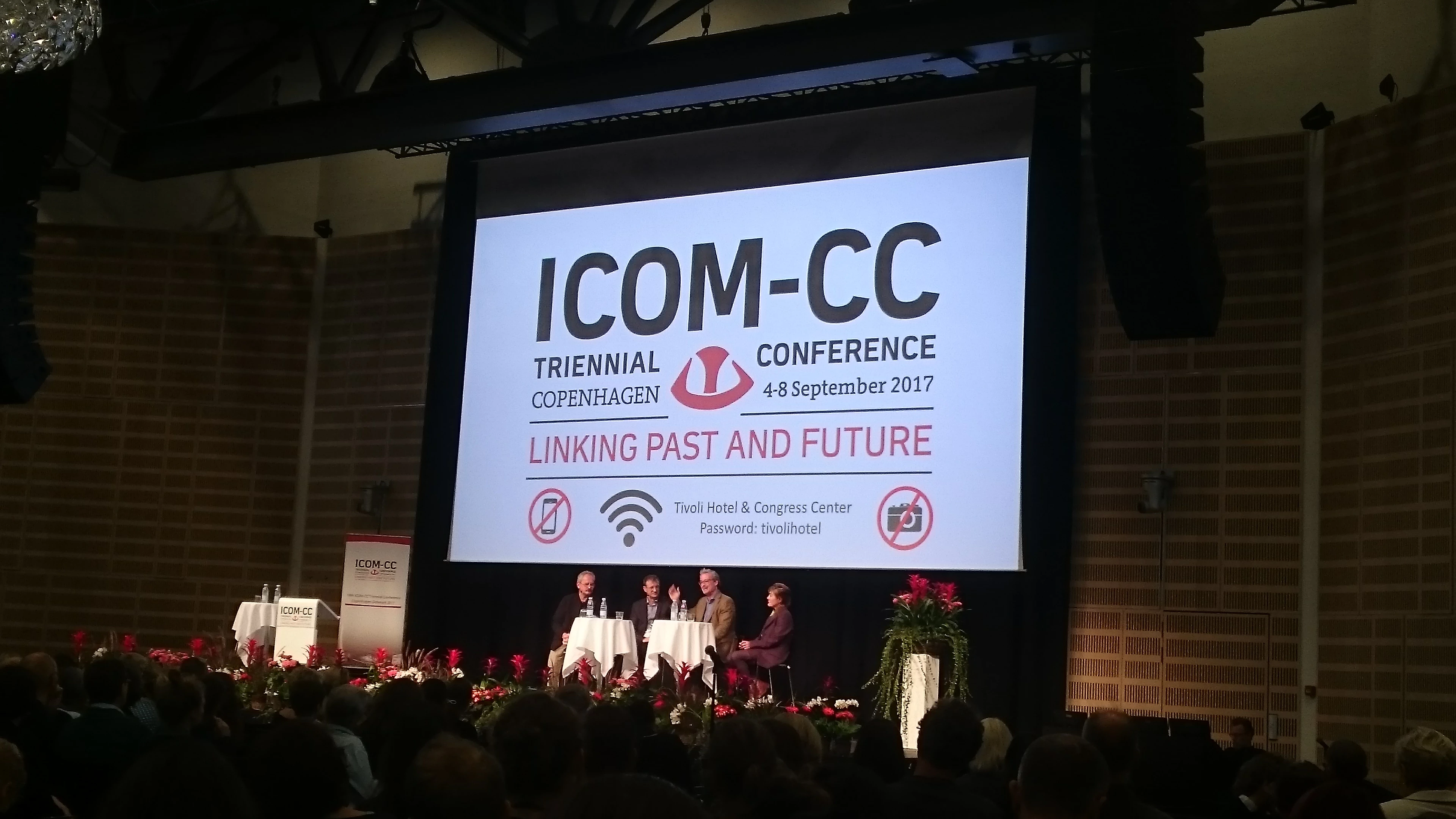
Last week saw the 50th anniversary and the 18th conference of ICOM-CC (Committee on Conservation), the largest of the committees of ICOM (International Council of Museums). ICOM-CC has almost 3,000 members worldwide from every branch of the museum and conservation profession. In addition to their day job of preserving the world's history and culture, these members also promote the conservation of cultural and historic works. I was able to attend thanks to generous support by the Anna Plowden Trust.
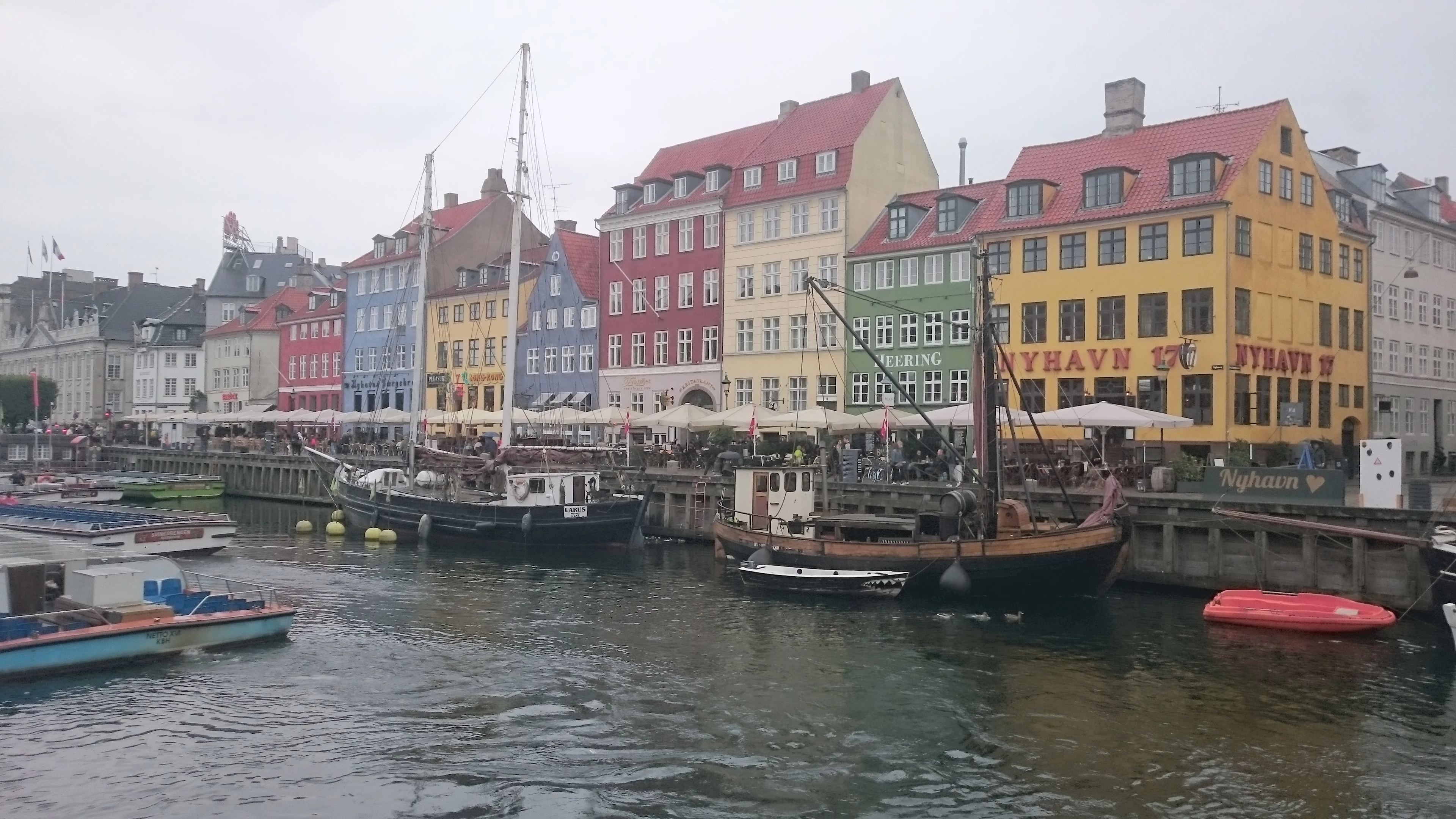
The conference was held in Copenhagen, Denmark, and was enormous: more than one thousand conservators headed the call to report and debate. While Copenhagen is an amazing city there was not much time to explore it, what with 5 parallel sessions and hundreds of talks to listen to during a packed conference programme. I would like to pick out and share just a few of my personal highlights.
The data generated during collections monitoring in museums can be explored sometimes beyond their original intention. Cristina Daron and Matija Strlic from University College London explained how unexpected patterns can be discovered by analysis of existing data sets. For example, they discovered a clear link between damage to archival objects and use of these objects in a reading room. This sort of data mining produces results that cannot be captured by experimental studies, but which can be used to improve decision making.
On the theme of data, I co-presented a talk with my colleague Jane Henderson from Cardiff University on new ways of presenting conservation data; you can find a copy of the paper here. Our suggestion is to present results not simply in the all too ubiquitous bar charts and line graphs, but to use more meaningful visualisations that are easier to interpret and send the correct message to the receiver. This will help make quicker and better decisions and ultimately improve the care of collections.
Conservation of cultural heritage involves a lot of risk assessments – there is so much to do that we try to figure out as objectively as possible where the most urgent need for resources is. Alice Cannon from Museum Victoria, Australia, explained how the deterioration of an object does not always mean a loss. Hence, when attempting to judge value loss, judgments must be made by experts from different fields. The potential value loss of an object needs to be considered when undertaking a risk assessment that might want to predict the estimated deterioration of that object in, say, 100 years.
Every museum has a store (or several), hence storage is a subject close to the heart for most people in the sector. Lise Raeder Knudsen from Conservation Centre Vejle, Denmark, summarised almost 30 years of experience of building low energy collection stores in Denmark. The main principle of such stores is high thermal and hydric inertia. The Danish cultural sector has proven that such stores can have both lower construction and running costs, while at the same time producing a stable environment suitable for the long-term storage of cultural collections. One issue currently still undergoing research is the potential problem of indoor pollutants which may accumulate if there is insufficient fresh air supply.
Likewise, training is an issue that keeps resurfacing in conservation as in other disciplines. Alice Boccia Paterakis introduced the Interdisciplinary Training of Archaeologists and Archaeological Conservators Initiative (ITAACI) programme from the USA, where archaeologists and conservators are being brought together to work jointly and raise awareness of each other’s needs. The training theme also carried through to the poster sessions, where Monika Harter from London informed us how the British Museum, with some clever planning, had used succession planning to train two conservators for the price of one. This included the passing on of hard-to-come-by expert knowledge from one generation to the next.
My final highlight is Jonathan Ashley-Smith’s analogy of coffee shops to explain why, in his opinion, conservation needs a new approach to ethics. He explained that a new, bespoke, code of ethics would use a variety of ingredients to design something that suits each of the various and diverse disciplines that make up cultural heritage conservation. The internet would provide the ideal tool to publish a bespoke code of ethics, as well as conservation intentions, proposals and records all in one place and, ideally, in Wikis. Jonathan’s talk created more debate and Twitter traffic than any other talk and I suspect his idea will keep being discussed.
The conference programme was rounded off by various specialist working group meetings, technical visits, opportunities to see Copenhagen’s museums and social events. A packed week with countless inspiring conversations with colleagues from all over the world. Not always without controversy of course – some ideas out there are interesting but perhaps require further scrutiny. Perhaps a topic for a future blog or paper.
Find out more about Care of Collections at Amgueddfa Cymru - National Museum Wales here and follow us on Twitter.


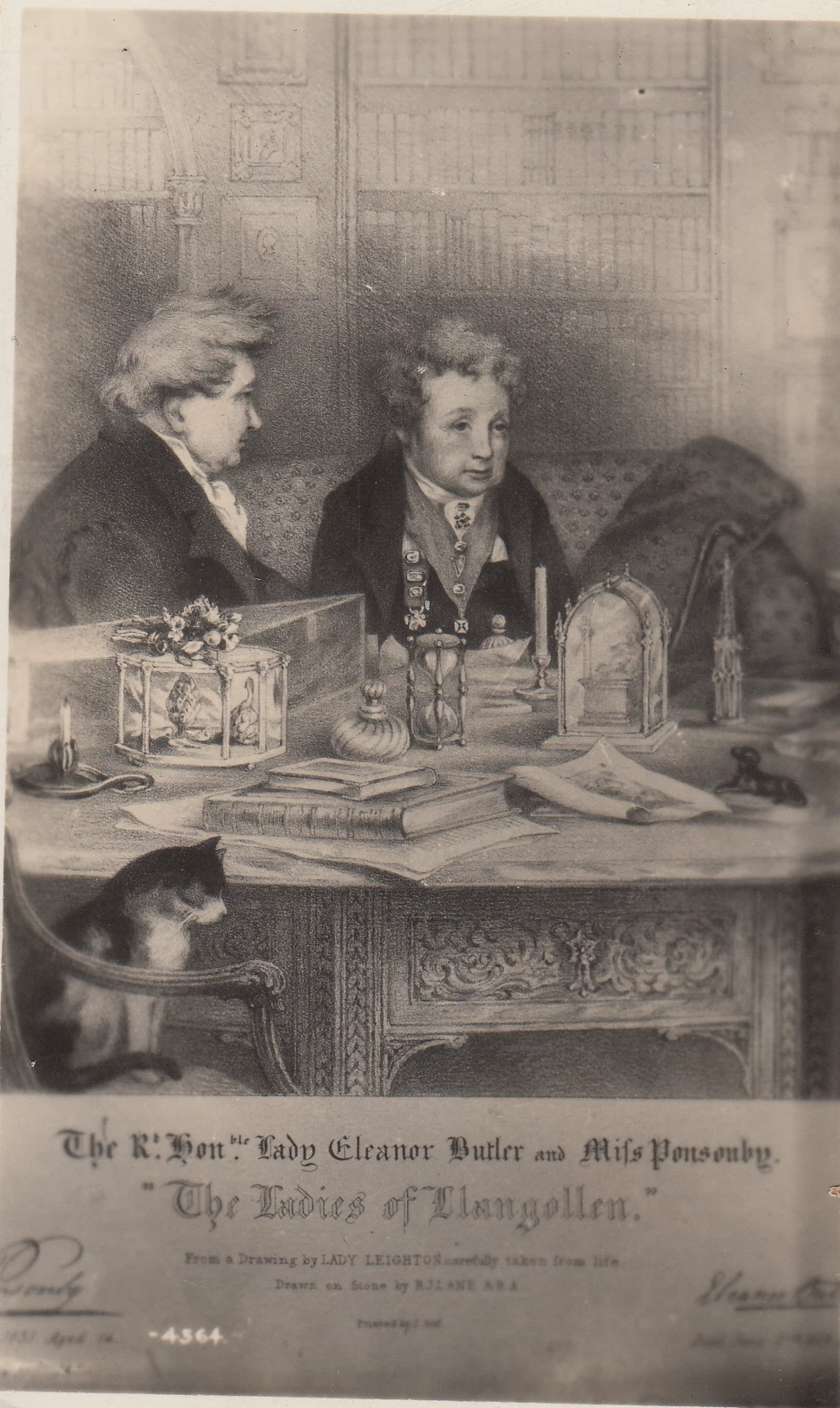
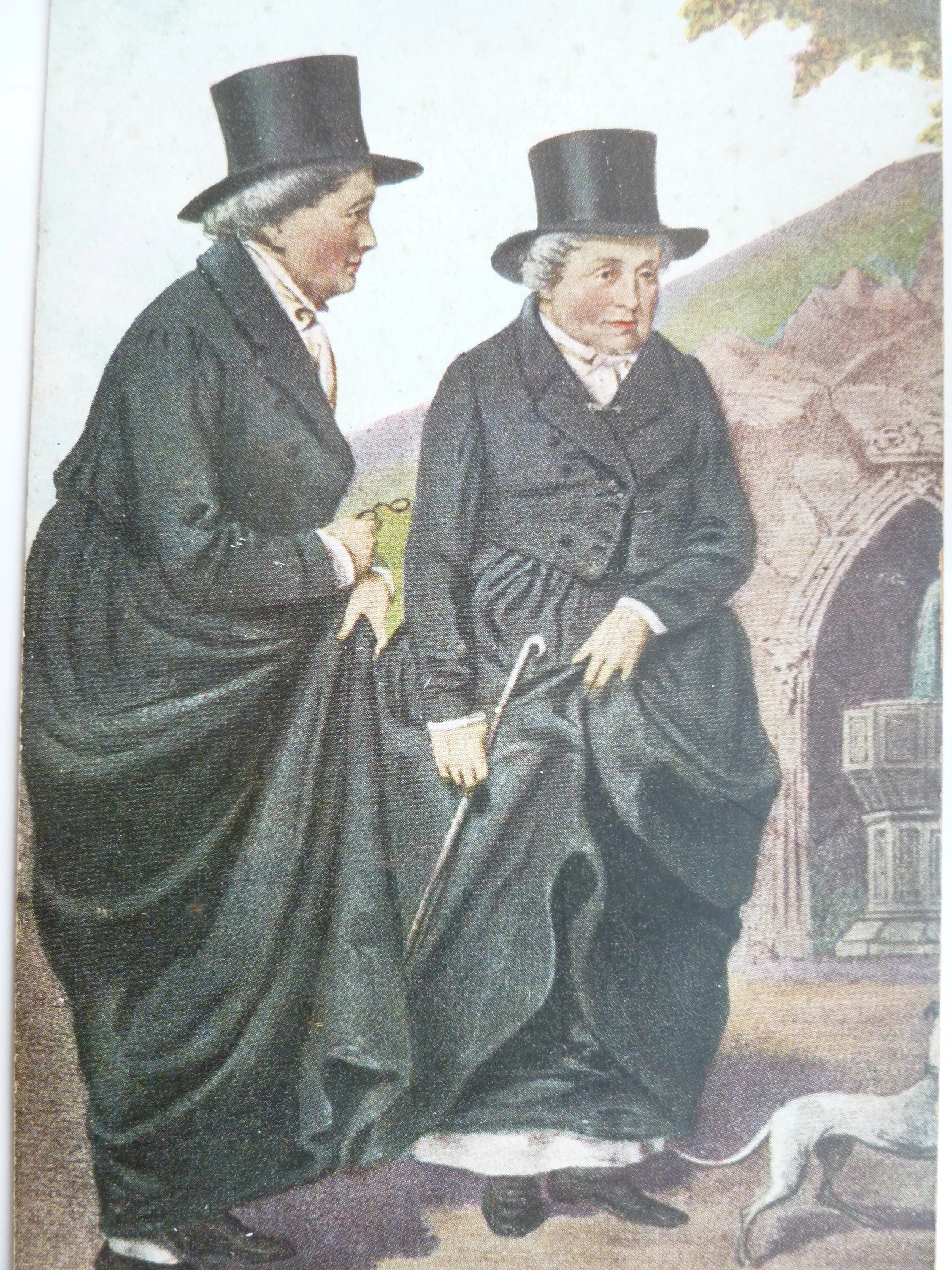
 Roedd y ddwy yn bendant yn ystod eu bywydau nad oedden nhw am gael llun neu bortread wedi’i dynnu.
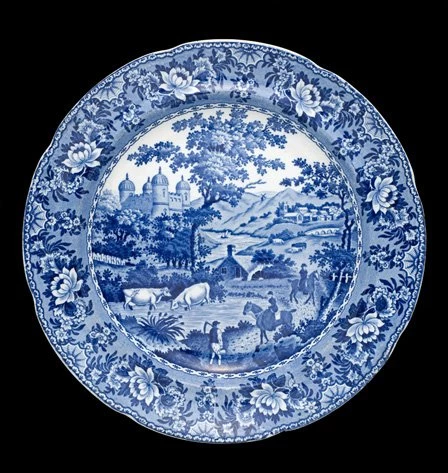
  Mae’r plât cyntaf yn dangos y ddwy ar eu ceffylau yn siarad â gwr yn cario pladur dros ei ysgwydd. Yn y cefndir mae gyrr o wartheg, tref Llangollen, afon Dyfrdwy a fersiwn hynod ramantus o gastell Dinas Brân.
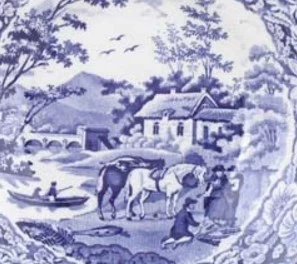
 Mae’n anodd dweud os taw plât Crochendy Morgannwg oedd y cyntaf i gael ei gynhyrchu, neu plât gan William Adams o Stoke. Ladies of Llangollen yw enw’r dyluniad hwn hefyd, gyda dwy fenyw mewn clogynnau marchogaeth yn sefyll dros ŵr sydd yn dangos pysgodyn mawr i’r ddwy. Yn y cefndir mae’r ceffylau, ac yn y pellter mae dau ŵr mewn cwch ar afon gyda phont drosti a bwthyn gwerinol ar y lan. Ar y gorwel mae mynydd Cadair Bedwyr.