Addysg

Palu yn y pridd

Danielle Cowell, 28 Hydref 2010

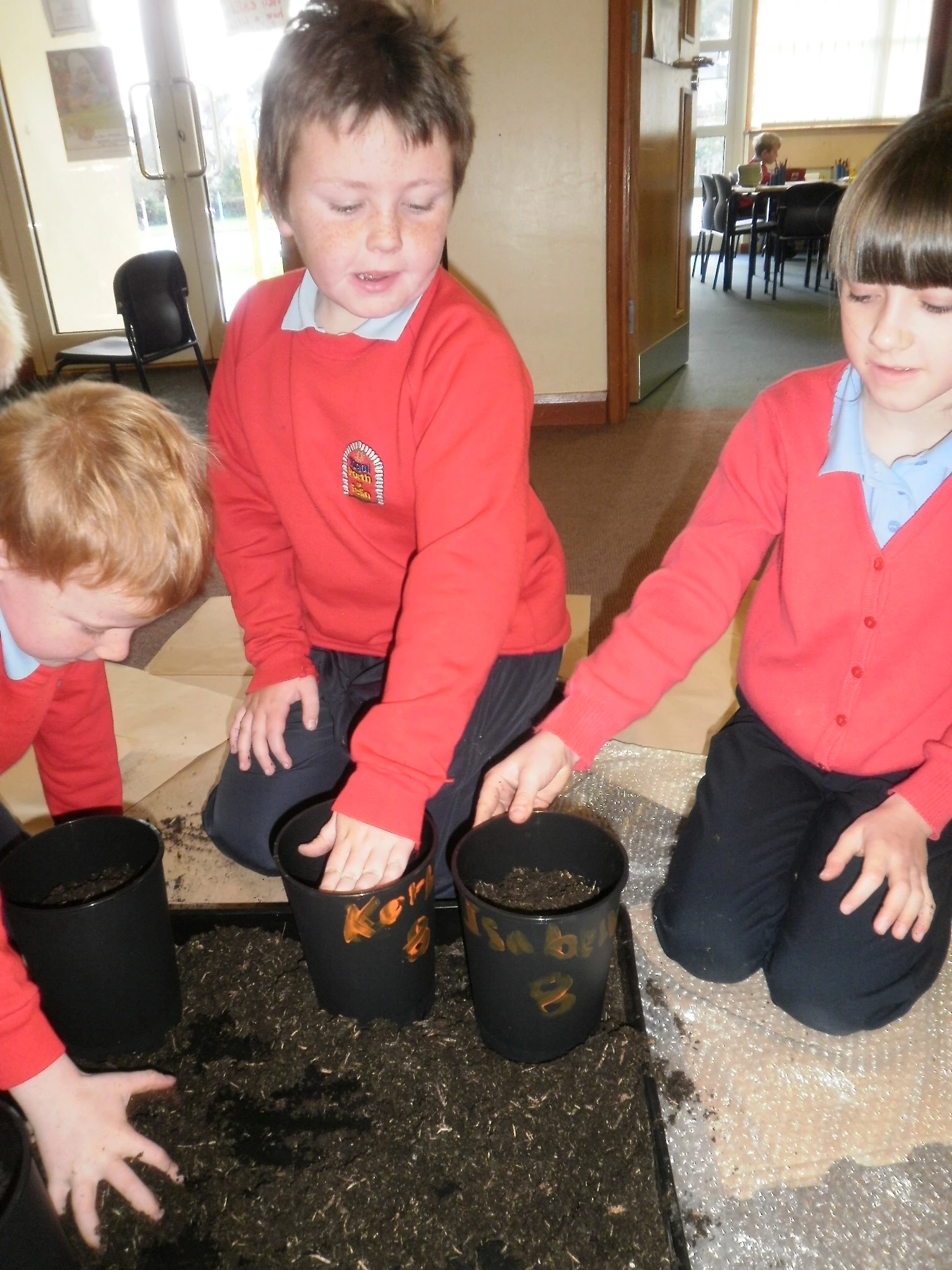
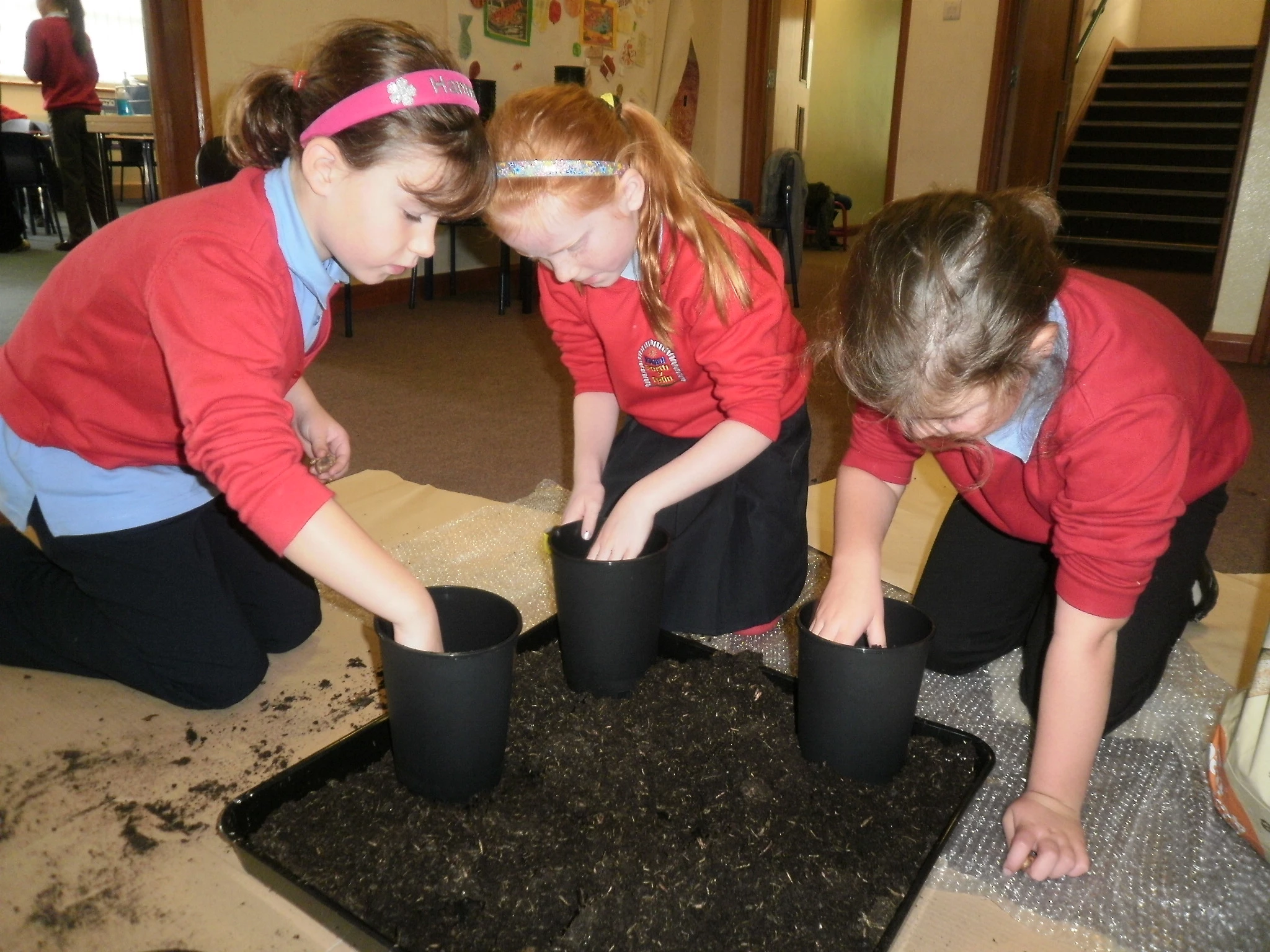
Ar dydd Mercher 20 Hydref cafod miloedd o blant hwyl yn palu yn y pridd fel rhan o broject Bylbiau’r Gwanwyn i Ysgolion – ymchwil newid hinsawdd.

Roedd nifer yn edrych ymlaen i blannu’r bylbiau bach y byddant yn gofalu amdanynt tan y gwanwyn nesaf. Yr wythnos nesaf bydd yr ysgolion yn dechrau casglu cofnodion tywydd a chwblhau sialensiau Athro’r Ardd er mwyn ennill eu Tystysgrifau Gwyddonwyr Gwych.

Mae’r project yma yn gyfle gwych i ddysgu y tu allan i’r ystafell ddosbarth, ond mae hefyd yn fodd i Amgueddfa Cymru rannu gwybodaeth ac adnoddau  gwyddonol gydag ysgolion ledled Cymru.

Yr ystadegau...

Mae 5.4% o ysgolion cynradd Cymru yn cymryd rhan eleni, 2,681 o ddisgyblion mewn 71 ysgol ar drws Cymru.

Mae 60% o’r ysgolion dros 30 milltir o Amgueddfa Genedlaethol Caerdydd, sy’n bencadlys yr ymchwiliad. 

Mae 42% o’r ysgolion wedi’u lleoli yng Ngogledd Cymru, 33.8% yn Ne Ddwyrain Cymru, 16.9% yng Ngorllewin Cymru a 8.4% yng Nghanolbarth Cymru.

Mae 38% wedi’u lleoli mewn ardaloedd Cymunedau’n 1af ac mae 40% yn ysgolion Cymraeg neu ddwyieithog.

Mae 37% yn cymryd rhan yn y project am y tro cyntaf tra bo 63% wedi bod yn rhan o’r project am ddwy flynedd neu fwy.

Wales for Africa: crisis

Mari Gordon, 25 Hydref 2010

We've convened a crisis meeting of the Forum's members in order to draw up a planned response to the Government's National Development Plan - the Plan with no chapter on housing. Members also looked at the Position Statement I'd drafted the week before, which we're placing in the Times of Zambia - a government paper, so we altered the tone a little bit!

I spent the rest of the week visiting members to carry out the baseline survey. The week was sort of topped and tailed by highlights. At the beginning we visited two women's co-operatives in rural areas, teaching women skills like brick-making and land rights issues. The week ended, however, with a visit I'll never forget. If I said I enjoyed it that would be inappropriate - nobody could enjoy seeing the appalling circumstances some people live in. We visited two compounds, one in Lusaka and one 200 miles north in Kitwe, to conduct focus groups with the residents' committees. In Lusaka, about 2,000 people live in the compound in homes that range from breezeblock constructions to shacks that are collapsing around them. They draw water from shared taps located around the compound. Everywhere is dirt and dust. Some people, usually women, set up their own business, ranging from a single table with a few vegetables to brick-built grocery shops - and loads of hairdressers. I was taken to see the school, which was spotless and being repainted as I was there. A gang of schoolchildren, in their navy blue uniforms, were chatting and giggling on their way from school, just like a crowd of Cardiff schoolkids. Everywhere I went I was followed by a growing crowd of small children. At first they mutter 'muzungu' (white person) but when I wave at them I get dazzling smiles and waves back. And then when I attempt to greet them - 'muli shani' - they burst into laughter.

The residents' committees in both Lusaka and Kitwe are simply inspirational. They're politicised, aware, committed; they spoke in dialect but I continuously heard the words 'advocacy', 'sensitised' and 'empower'. They have the will, the intelligence and the inner resources to achieve what's needed to lift these communities out of abject poverty, if only the infrastructure we take for granted was put in place for them.

Some good news, after our crisis meeting my colleague secured a meeting at the Ministry of Finance the next morning, and a committment to revisit the Housing Chapter to try, with the NGO's help, to make fit for reinstatement in the National Plan. It's a start.

Wales for Africa (Oct-10)

Mari Gordon, 14 Hydref 2010

Finally, finally feel like I've started work. I've spent hours in the back of a very hot car driving around a gridlocked Lusaka, a crash course (nearly literally) in NGO culture. But met some amazing people along the way though.

I wrote a press release and was very excited when the comms person from the organization we share offices with told me he'd take it to the journalist he was meeting that evening. Unfortunately, i hadn't counted for the dire network connection in our offices and lack of networked printer, so I couldn't get the press release to him, by hard copy or email. Not so exciting.

Then wrote a letter to the Minister for Finance and National Planning, an open letter we're placing in The Post and a letter to housing stakeholders inlcuding the World Bank. All part of our preparation for a crisis meeting. The Zambian government has published their Sixth National Development Plan, but left out the chapter on housing - madness if they want to deliver on their other priorities like health and education.

The Post is the paper with highest circulation figures, and very much holds the government to account. Unlike UK high-circulatin 'newspapers', The Post is crammed with political items, including a substantial international section. Not a celebrity in sight. How refreshing.

I think I'll be doing a lot of responsive stuff like this, as well as working on the longer-term strategy, but it's all useful as we talk a lot about voice, audience and tools.