‘Stuffed, Pickled & Pinned’ Julian Carter, 9 Rhagfyr 2015 Linking Collections is a project that unites the natural science collections found in the museums across Wales. Put together these make up a distributed natural history collection for the whole of Wales, forming a part of our shared cultural and scientific heritage.As part of this project a touring exhibition entitled ‘Stuffed, Pickled & Pinned: 50 Wonders of Nature in Welsh Museums’ has been developed. Formed from a selection of objects and specimens from across the regional museums the exhibition will visit 18 museums over the next three years!In preparation for the tour the chosen specimens and objects were brought together at Amgueddfa Cymru – National Museum Wales. Here the Natural Sciences conservation team prepared them for their three year journey by creating packaging to protect them in transit, minimise the need for handling and, where necessary, provide an easy form of display.The exhibition contains a very diverse range of natural history specimens and objects with many different packaging and display requirements. For a number of the specimens specific support mounts were made from a conservation grade of inert foam called Plastazote.For other specimens it was possible to create a display mount that also provides support when in transit. A good example is the puffer fish. This has been mounted on black Plastazote that slides out of a Correx box that opens from the side. For extra support when travelling a thin strip of Plastazote is placed diagonally across the puffer fish and secured to the base with entomology pins.A pickled (fluid preserved) adder from Llandudno Museum required some creative packaging to protect it when travelling. Two plastic tubs were cut to shape and Plastazote padding placed at each end. The specimen jar is then placed inside and empty space filled with acid free tissue. The plastic tub is then placed tightly within a thick black Plastazote box. An option for some of the fossils was to package them so that they could be displayed in their box. Plastazote with cut outs support the specimen and they can be presented as they are or at an angle on a Perspex support.Old entomology boxes have also been put to good use as a way of creating a display case for collections of small specimens such as eggs and shells.The Linking Collections Exhibition “Stuffed, Pickled & Pinned; 50 Wonders of Nature in Welsh Museums” opened at Powysland Museum on October 20th 2015. Further information can be found on the People’s Collection Wales website - http://www.peoplescollection.wales/collections/475828Ruth Murgatroyd, Masters Student in Conservation at Cardiff University
Making a photographic collection accessible - Part 2 Mark Etheridge, 8 Rhagfyr 2015 As mentioned in my last blog post staff at Amgueddfa Cymru are working on the Hansen shipping photographic collection to enable this collection to be made fully accessible to researchers and interested parties. I also gave a background to the collection and the work staff and volunteers are doing on it – you can read it here. In this post I’ll explain a bit about the cataloguing process. We are working at putting each individual negative onto our collections management database (CMS), where details of all the museum’s collections are stored. Each entry will record full details of the name of the ship, the date and place the photograph was taken, and the name of the photographer. This will allow us to do comprehensive searches. It will also include the medium (in many cases gelatin dry plate negatives, with some film negatives). We will also being adding as much historic details of the ship as possible, and one of our volunteers has been working on brief histories of some of the vessels. This collection comprises over 4,500 negatives, so you can appreciate the scale of the work needed to fully catalogue, store and digitise this collection. We have made good progress so far, having added a further 334 negatives since the last blog post, and now have 1,834 records on the system.As staff are working through the collection we are also re-packing from old glassine bags into modern conservation grade four-flap envelopes specifically designed for the long term housing of glass plate and film negatives. We no longer use glassine bags for storage of photographic collections as under certain conditions, especially if exposed to moisture, the bags can stick to the glass and film negatives causing permanent damage. Therefore, where possible we are re-packing into conservation grade packing. The whole collection is stored in an environmentally controlled photographic store at the National Collections Centre, Nantgarw. Mark Etheridge Curator: Industry & Transport Follow us on Twitter - @IndustryACNMW
UK Disability History Month - Invalid Chair Sioned Williams, 7 Rhagfyr 2015 The focus for UK Disability History Month this year is how disability and disabled people have been portrayed in the past and present.With this in mind, I revisited some objects in the collection at St Fagans which made an appearance on the Welsh Millennium Centre stage last year. These objects had been selected by Mat Fraser to be used in his keynote address at the Museums Association Conference in Cardiff, October 2014. Mat’s ground-breaking performance, Cabinet of Curiosities: How Disability was kept in a Box looked at museum collections and how we should reassess the ways we portray - or as in most cases - don’t portray disability.One of the objects selected by Mat for his show was an early wheelchair, or ‘invalid chair’ as they were once referred to. At first, I was surprised that the chair was among Mat’s choice of objects for the simple reason that there wasn’t much to say about it. I later realised of course, that it was exactly the point he wanted to make.When we initially received the request to list potential candidates from the Museum’s collections for Mat’s performance, we knew it wasn’t going to be an easy task. The Museum’s classification didn’t include a section on disability so the only way of searching was to systematically trawl through all of the index cards. The few invalid chairs in the St Fagans collection were catalogued under the theme of transport, among various wheeled vehicles, from agricultural carts to bicycles.The chair was collected by the Museum in 1985 from a house in Cardiff along with other various objects but there was no further information in the file about the donor or its previous owner. So I started to do a bit of research.It seems that this type of folding invalid chair would have been manufactured from the early 1900s up until the Second World War. It has a cane seat and back, and a wooden frame which means it’s not too heavy to manoeuvre. It was designed with two small wheels at the back so that it could be wheeled up and down stairs by two people without having to lift the chair ‘saving effort and reducing the risk of accident’. [1]There’s no maker’s name on the chair but it’s very similar to models manufactured by the more well-known specialist makers from London such as John Ward, Tottenham Court Road, and Carters of Great Portland Street. Their products were advertised in newspapers and could be purchased from catalogues. Their ranges included the more expensive bath chairs with leather upholstery to basic chairs such as this example, costing around £3 in the early 1900s.However, this was still expensive for the majority of the population. In the industrial south Wales valleys during the first half of the twentieth century, many medical aid societies would help with the purchase or loan of wheelchairs and mobility aids.[2] After the First World War the British Red Cross also lent surplus equipment such as bed rests and invalid chairs which could be hired out on a weekly basis – a service which continues today.Without knowing why or who used this chair, we are still missing a big part of its history. Sadly, this is also true of most disability-related collections in museums. As Mat Fraser noted in his keynote address last year:‘...but we know nothing about it, and this illustrates so many artefacts to do with disability – they have no notes. Nobody knows anything. So I suppose the only thing I would take from that is to say that when we have artefacts, we need to label them, we need to get the right people to write the right notes to accompany some of these artefacts because conjecture would be very different for every single one of us as to where this came from. And yet, none of us will never know the real truth which exemplifies and illustrates many points.’ [1] The Concise Home Doctor Encyclopaedia of Good Health Vol 1, p.303 [2] Ben Curtis and Steven Thompson, ‘A Plentiful Crop of Cripples Made by All This Progress’: Artificial Limbs and Working-Class Mutualism in the South Wales Coalfield, 1890-1948’, Social History of Medicine (2014) 27 (4): 708-727.
William Smith a chychwyn y Map Daearegol Tom Sharpe (Amgueddfa Lyme Regis a Phrifysgol Caerdydd, a chyn Guradur Palaeontoleg ac Archifau Amgueddfa Cymru), 30 Tachwedd 2015 I’r daearegwr, mae mapiau daearegol yn offer hanfodol. Maent yn dangos sut mae gwahanol fathau o greigiau’n cael eu dosbarthu ac i ba oes y maent yn perthyn. Dyma’r cam cyntaf wrth geisio deall daeareg lle, a’r allwedd wrth chwilio am ddeunyddiau crai. Heddiw, mae Prydain gyfan wedi’i mapio, yn bennaf drwy waith yr asiantaeth swyddogol, Arolwg Daearegol Prydain. Serch hynny, ddau gan mlynedd yn ôl, roedd daeareg yn wyddor newydd a’r Arolwg heb ei sefydlu. Roedd y chwyldro diwydiannol ar ei anterth a galw aruthrol am haearn, calchfaen a glo. Yna, byddai arolygwyr tir yn crwydro o le i le gan fanteisio ar drachwant ac anwybodaeth tirfeddianwyr, a oedd, wrth gwrs, yn awyddus i glywed bod glo ar eu tiroedd. Byddai’r arolygwyr yn eu perswadio i dalu am archwiliadau mewn mannau lle nad oedd unrhyw debygrwydd o ddod o hyd i lo. Deallodd William Smith, arolygwr tir o Swydd Rhydychen, y byddai map yn dangos ble roedd gwahanol haenau o greigiau - y strata - yn dod i’r wyneb yn ddefnyddiol i dirfeddianwyr ac arolygwyr tir fel ei gilydd, nid dim ond er mwyn dangos lleoliad y glo, ond hefyd at ddibenion amaethyddiaeth, gan y byddai’n dangos y gwahanol greigiau ac yn sgil hynny, y gwahanol fathau o briddoedd. Bu wrthi’n ddyfal am oddeutu 15 mlynedd yn cwblhau’r gwaith. Ganwyd Smith ar 23 Mawrth 1769 ym mhentref Churchill, yn ardal y Cotswolds, yn fab i’r gof lleol. Ni chafodd lawer o addysg ond yn ddeunaw oed cafodd brentisiaeth gan gwmni syrfewyr Edward Webb yn Stow-on-the-Wold. Roedd ganddo ddawn naturiol wrth fesur tir a thrin ffigurau a llygad dda wrth archwilio tirweddau. Ym 1791, anfonwyd Smith i archwilio a phrisio gweithfeydd glo ym meysydd glo Gwlad yr Haf i’r De o Gaerfaddon, ac ymhen dwy flynedd fe’i penodwyd i dirfesur y llwybr ar gyfer camlas newydd i gludo’r glo o’r gweithfeydd. Darganfyddiadau Yn ystod y chwe blynedd y bu Smith yn gweithio ar y Gamlas Lo yng Ngwlad yr Haf, darganfu ddwy ffaith sylfaenol. Wrth gloddio’r gamlas, roedd yn fforchio ac yn dilyn dau drywydd gwahanol ar hyd dau gwm cyfochrog. Gwelodd Smith fod yr haenau o greigiau yn dilyn yr un drefn yn y ddau gwm, a bod yr haenau o greigiau’n gogwyddo tuag at y de-ddwyrain bob tro. Wrth deithio’r wlad i archwilio camlesi eraill, sylweddolodd Smith fod strata de Lloegr bob amser yn dilyn trefn benodol a’u bod i gyd yn gogwyddo i’r un cyfeiriad. Darganfu hefyd fod gan bob strata o greigiau eu cyfres benodol o ffosilau hefyd; felly, o ganlyniad, gallai ddefnyddio’r ffosilau i ganfod ble’r oedd haen o graig yn gorwedd o fewn dilyniant strata penodol. Sylweddolodd Smith ar unwaith y gallai ddefnyddio’r darganfyddiadau hyn at ddibenion ymarferol. Mae haenau glo yn digwydd yn yr un lle â haenau o gerrig llaid llwyd, ond mae’r creigiau hyn i’w gweld mewn llawer o fannau yn y dilyniant strata, ymhell o dan ac uwchben yr haenau glo. Trwy ddefnyddio ffosilau, gallai Smith bennu pa gerrig llaid llwyd oedd yn rhan o’r gwythiennau glo, ac oherwydd ei wybodaeth am y dilyniant strata gallai Smith lunio map yn dangos lleoliad y gwahanol greigiau ar yr wyneb a ble gellid dod o hyd i’r glo. Pan eglurodd Smith ei waith i’w gyfeillion Joseph Townsend a Benjamin Richardson yng Nghaerfaddon ar 11 Mehefin 1799, mynnodd y ddau y dylai gyhoeddi ei ddarganfyddiadau er mwyn cael ei gydnabod amdanynt ac o bosibl ei wobrwyo. Y noson honno, aeth ati i arddweud trefn y strata wrth ei gyfeillion ac yn fuan roedd rhestrau mewn llawysgrifen o’r dilyniant o greigiau o’r glo i fyny at y calchfaen ar gael yn eang. Yn fuan wedyn, lluniodd Smith fap yn dangos y creigiau yn ardal Caerfaddon a map bychan yn dangos rhai o’r brigiadau creigiau ar draws Lloegr. Ym 1801 cyhoeddodd brosbectws o’r gwaith mawr roedd yn bwriadu ei lunio ar y strata yng Nghymru a Lloegr. Yn ystod y pymtheng mlynedd nesaf, teithiodd Smith i bob cwr o’r wlad, gan weithio ar gomisiynau fel arolygwr tir a draenio tir. Wrth deithio, byddai’n nodi’r tirweddau a’r creigiau ac o dipyn i beth yn casglu’r holl wybodaeth angenrheidiol er mwyn llunio’i fap. Cyhoeddu'r Map O’r diwedd, cyhoeddwyd y map ddiwedd 1815 gan John Cary, un o’r prif wneuthurwyr mapiau yn Llundain. Yn ddi-os, roedd y gwaith A Delineation of the Strata of England and Wales, with part of Scotland yn gampwaith. Graddfa’r map oedd pum milltir i’r fodfedd, felly roedd yn enfawr, dros wyth troedfedd o hyd a chwe throedfedd o led. Roedd wedi’i liwio â llaw (proses ddrud iawn). Ei bris oedd 5 gini am fap ar bymtheng dalen, yn ogystal â mynegfap a Memoir ategol. Ond er bod Memoir Smith yn rhestru bod mwy na 400 wedi tanysgrifio i’w fap, nid oedd llawer wedi talu amdano ymlaen llaw. Hefyd, gan fod cymaint o amser wedi mynd heibio cyn cwblhau’r map, roedd rhai o’r tanysgrifwyr wedi marw erbyn i’r gwaith gael ei gyhoeddi. Ni allwn fod yn sicr, ond credir mai dim ond tua 350 o fapiau gafodd eu gwerthu. Yn ystod blynyddoedd cynhyrchu’r map, roedd Smith yn parhau i’w newid wrth i wybodaeth newydd am ddosbarthiad strata ddod i law. Rydym yn gwybod am o leiaf bum gwahanol rifyn o’r map. Ymhen pum mlynedd, cafodd map Smith ei ddisodli gan fap a oedd i raddau yn fwy manwl, ac a luniwyd ar y cyd gan aelodau Cymdeithas Ddaearegol Llundain dan oruchwyliaeth y Llywydd cyntaf, George Bellas Greenough. Ugain mlynedd ar ôl cyhoeddi map cyntaf Smith, daeth mapio daearegol manwl yn rhan o gylch gwaith asiantaeth newydd a ariannwyd gan y llywodraeth, sef Arolwg Daearegol Prydain. Serch hynny, mae map lliwgar a chain Smith yn parhau yn eicon ym maes daeareg ac yn ôl y farn, dyma’r gwir fap daearegol cyntaf o unrhyw wlad yn y byd. Mae’n hynod hefyd oherwydd mai gwaith un dyn ydyw, a aeth ati ar ei ben ei hun i fapio dros 175,000 cilomedr sgwâr o Brydain. Heddiw, mae cryn alw amdano ymhlith casglwyr mapiau ac mae’r pris amdano’n uchel hefyd. Mae un ar werth yn Llundain ar hyn o bryd am dros £90,000. Mae ymchwil ar waith i nifer y copïau sy’n dal i fodoli, sy’n debygol o fod oddeutu 150. Mae adran ddaeareg Amgueddfa Cymru mewn sefyllfa unigryw gan fod ganddi naw copi cyflawn a rhannol o’r map, sy’n fwy nag unrhyw sefydliad yn y byd, diolch i weledigaeth ein swyddogion cyntaf, Frederick J. North, Douglas A. Bassett a Michael G. Bassett. Llwyddodd North yn arbennig i sefydlu casgliad o fapiau ac archifau yn yr adran ddaeareg sydd gyda’r gorau yn y wlad, ac mae ei ddilynwyr wedi datblygu’r casgliad ymhellach. Amgueddfa Cymru yw’r unig le yn y byd lle gellir archwilio bron pob un o’r gwahanol rifynnau o’r map ochr yn ochr. Cyhoeddwyd fersiwn o’r erthygl yn Earth Heritage.
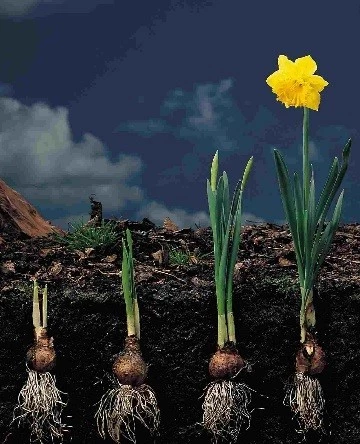
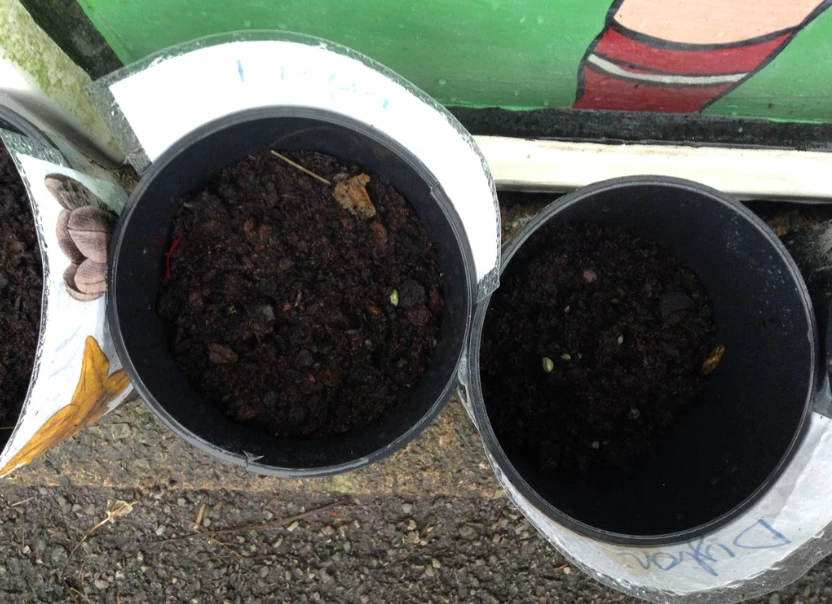
Rydym wedi cael cychwyn gwych, Penny Dacey, 30 Tachwedd 2015 Helo Gyfeillion y Gwanwyn!Rydym wedi cael cychwyn gwych eleni. Mae 'na 177 o ysgolion a 6,339 o ddisgyblion yn cymryd rhan yn arolwg Bylbiau'r Gwanwyn i Ysgolion, 2015-16.Mae pob disgybl sy'n cymryd rhan yn y project wedi plannu eu cennin Pedr a chrocws a labelu eu pot. Mae ysgolion wedi bod yn defnyddio'r thermomedr a mesurydd glaw a ddarperir gan y project i gymryd darlleniadau tywydd ar bob diwrnod ysgol, ac wedi bod yn rhannu eu canlyniadau ar wefan Amgueddfa Cymru.Gallwch weld y canfyddiadau hyd yn hyn ar dudalen we y project Bylbiau'r Gwanwyn i Ysgolion.Mae'r canlyniadau ar gyfer pob ysgol sy'n cymryd rhan yn cael eu darlunio gan graffiau. Mae'r wefan wedi cael ei golygu eleni i gynnwys canlyniadau o flynyddoedd blaenorol. Mae hyn yn golygu y gall ysgolion weld sut mae eu data yn cymharu â blynyddoedd blaenorol!Eleni cymerodd ysgolion yng Nghymru ran yn 'Cystadleuaeth Ffotograffiaeth Diwrnod Plannu’ Ymddiriedolaeth Edina. Anfonodd ysgolion lawer o luniau hyfryd, ac roedd hi’n anodd iawn i ddewis dim ond 5 enillydd. Gallwch weld y lluniau i gyd ar dudalen Twitter project Bylbiau Gwanwyn: @Professor_PlantMae llawer o gwestiynau a sylwadau diddorol wedi cael eu hanfon mewn gyda'r data wythnosol. Mae’r cwestiynau a’r atebion i’w gweld isod.Daliwch ati Gyfeillion y Gwanwyn!Athro'r ArddEich cwestiynau, fy atebion:Stonehouse Primary School: Tuesday was a strange day for weather. It was frosty in the morning but in the afternoon all the children had their coats off because it was so hot. Ysgol Pentrefoelas: Mae hi wedi bod yn gynnes wythnos yma a nin chwarae allan heb ddim cot. Professor Plant: Helo Ysgol Pentrefoelas a Stonehouse Primary. Yn yr wythnos gyntaf o gofnodi’r tywydd, fe wnaethoch chi’ch dau nodi ei bod yn ddigon cynnes i chwarae tu allan heb gotiau. Dyna lwcus! Roedd llawer o ysgolion eraill wedi cael glaw a barrug! Mae’n ddiddorol bod y ddwy ysgol mor bell o’i gilydd a bod un ohonoch ar yr arfordir (Conwy) a’r llall yn bell o’r môr (De Swydd Lanark). Am dywydd od ym mis Tachwedd – mae cennin Pedr wedi blodeuo yng Nghernyw! Mae’r cennin Pedr yn blodeuo yn gynharach yng Nghernyw am ei bod yn gynhesach yno, ond roedden nhw’n dal fis yn gynnar! Tybed fydd ein planhigion ni’n gynharach nag arfer eleni?School: Hi, I'm unsure as we are recording the amount of rain- do we need to water the plants ourselves? Professor Plant: Hello, thank you for your question. Yes, please do water your plants twice a week if they look like they need it. You won’t need to water them on days where it has rained enough that the soil is moist.St David's RC Primary School: It was sunny at the start of the week and then the rain came and got heavier and heavier through the week and it was terrible weather for us. We had to stay inside through the rest of the week it was awful weather we had on Wednesday Thursday and Friday. We did not like the weather, did you have good weather where you are or bad weather because we didn't have very good weather it was horrible it was very, very, very boring for us because we had to stay in side for 2 weeks isn't that boring Mr Plant what would you do if you stayed inside for 2 weeks. Professor Plant: Dear St David’s RC Primary, I’m sorry to hear you had such awful weather during the first week of the project. I hope it has improved! I will look at your weather reading now to see! Inside for two weeks! I would probably read lots of books if I had stay indoors that long. There are some things you can read on the Spring Bulbs website. When you are next stuck indoors why not have a look for the ‘Life of a Plant – make your own Origami booklet’ resource on my website!Severn Primary: We had an INSET day on Monday November 2nd, so we didn't take any readings. It wasn't really 0degrees. Ysgol Mair: On Monday 2nd November we were not in school so have no data but we were not able to record 'no record'. Professor Plant: Dear Severn Primary & Ysgol Mair, I’m sorry you weren’t able to record your inset day. We had a slight blip with the website where the ‘no record’ button wasn’t working. In future please record all days where there are no readings as ‘no record’. Thank you for spotting that readings of 0degrees can affect the results and for letting me know Bulb Buddies!Betws Primary School: We collected the data for our class. It was warm and sunny at the start of the week. We had a lot of rain on Thursday and Friday. Our bulbs should be happy! Professor Plant: Well done Betws Primary. Keep up the good work.Castlepark Primary School: P6 were very enthusiastic about keeping track of the temperature and rainfall this week. They felt like real scientists and are ready to show another class how to record the details next week. Professor Plant: Fantastic Castlepark Primary. I’m glad you are learning new skills through the project and that you are having so much fun doing so. You really are Super Scientists!St. Oswalds V A School: We are worried about having a true reading on a Monday if it has rained over the weekend. Shall we empty the rain gauge Monday morning and take the rainfall measurement as normal? Professor Plant: Hi St Oswalds. That’s a good question, well done for thinking about the effect this has on Monday’s results. The reading on Monday afternoon will include any residual (left over) rain fall from the weekend. Please don’t empty the rain gauge before taking Monday’s reading, as we want the reading to reflect the weather over at least the last 24 hours. Keep up the good work bulb buddies.Our Lady of Peace Primary School: Hello we had fun planting the bulbs. It wasn't the first time we have planted something. We have planted spider plants in primary 1. Hopefully our plants come up healthy. Good bye. Professor Plant: Hello Our Lady of Peace Primary, I’m glad to hear you enjoyed planting! You sound like experienced gardeners now! Keep up the good work!Drumpark Primary ASN School: We have had fun taking data. Professor Plant: I’m glad to hear it Drumpark Primary. Keep up the good work!Biggar Primary School: We are enjoying the experiments. Professor Plant: I’m glad to hear you are enjoying the project Biggar Primary. For more experiment ideas look for ‘Professor Plant’s investigation Ideas’ on the Spring Bulbs website: https://www.museumwales.ac.uk/spring-bulbs/Maesycoed Primary: A very mild start to the season. Our year group is split into two classes with a different facing outdoor area. We are monitoring the effects the other class experience against our own as we have more sunlight then they do but they are more sheltered. We will let you know if their flowers appear first. Professor Plant: Fantastic experiment Maesycoed Primary! Please do let me know what your findings are and what you learn from them! This also gives you an opportunity to practice averages. As only one reading a day is needed on the Museum website, you could look at the readings taken by each class and work out the average to enter to the website! Keep up the good work Bulb Buddies.Brisbane Primary School: Our Monday reading is collated over the weekend. We are taking our readings at 2.30pm Mon - Frid. Thank you Professor Plant. Professor Plant: Hello Brisbane Primary, thank you for your up-date. It’s great that you are managing to take your readings at the same time each day, as this helps to ensure a fair experiment. Keep up the good work Bulb Buddies.