Gwared ni rhag drwg: Dillad cuddiedig

O dan y lloriau

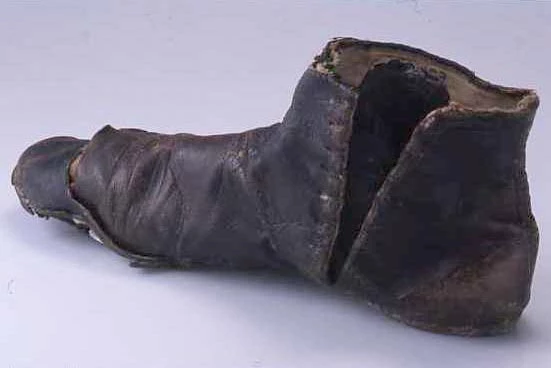
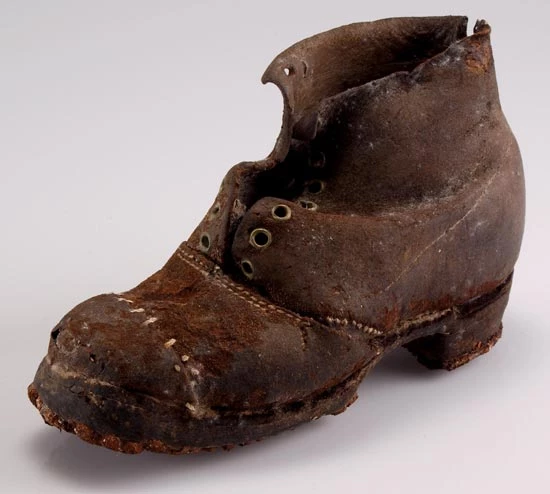
Esgid chwith oedolyn, a ddefnyddiwyd fel swyn

Esgid chwith oedolyn. Mae naw twll botwm ar hyd yr ochr. Fe'i claddwyd dan loriau Hen Wernyfed, Felindre, Aberhonddu er mwyn dod â lwc i'r tŷ.

Wrthi'n adnewyddu hen dŷ? Byddwch yn wyliadwrus! Pwy a ŵyr beth sydd o dan y lloriau neu'r tu ôl i'r waliau? Efallai dewch chi ar draws dilledyn wedi ei guddio'n fwriadol gan gyn-drigolion y tŷ er mwyn dod â lwc a ffrwythlondeb i'r cartref. 'Caches' yw'r term a ddefnyddir i ddisgrifio'r cuddiadau bwriadol hyn, enw a ddaw o'r gair Ffrangeg am guddio. Mae Sain Ffagan Amgueddfa Werin Cymru wedi casglu nifer ohonynt dros y blynyddoedd. Mae pob darganfyddiad newydd yn rhoi cipolwg gwerthfawr inni ar y traddodiad gwerin diddorol hwn.

Esgidiau cuddiedig

Esgidiau sy'n cael eu darganfod amlaf. Ceir hyd iddynt fel arfer yn agos i simneiau neu lefydd tân, ond anaml y'u darganfyddir fesul pâr. Esgidiau plant ydynt fel arfer. Cafwyd hyd i'r esgid ledr uchod o'r 19eg ganrif y tu ôl i le tân tŷ yn Llanfachreth ym 1994. Fe ddaeth y perchnogion ar draws pedair esgid arall yn yr un man, pob un ohonynt wedi mewn cyflwr treuliedig. Mwy na thebyg roeddent yn perthyn i uned deuluol o ddau riant a thri o blant.

Roedd simneiau a llefydd tân yn fannau poblogaidd i guddio pethau oherwydd mai'r aelwyd oedd canolbwynt y cartref. Dyma oedd ffynhonnell gwres a chysur y cartref a lle i'r teulu ymgynnull. Weithiau byddai esgidiau yn cael eu cuddio o dan y lloriau, o gwmpas drysau ac o dan y grisiau. Credai rhai mai'r llefydd hyn oedd y mannau gwannaf mewn adeilad, ac felly gallai ysbrydion drwg neu wrachod gael mynedfa trwyddynt. Gosodid esgidiau yn y llefydd hyn er mwyn dal neu gornelu unrhyw ddrwg.

Staes y tu ôl i'r wal!

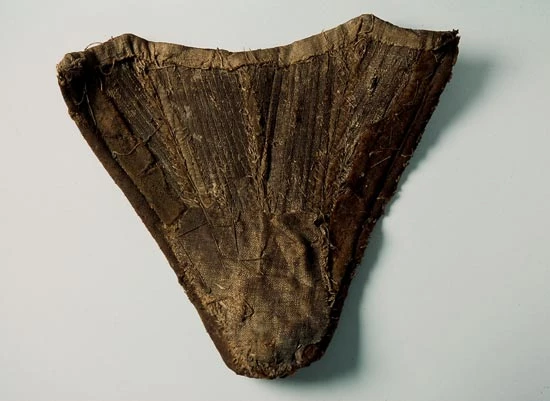
Nid esgidiau yw'r unig bethau sy'n cael eu darganfod. Cafwyd hyd i hetiau, siacedi a chlos penglin hefyd. Daeth y darn yma o staes o dŷ to gwellt yn Heol Cae Cerrig, Pontarddulais, o'r tu ôl i wal drwchus ar un ochr i'r aelwyd. Mae'n dyddio o ganol y 18fed ganrif ac wedi ei wneud o dair haen o ddefnydd: haen allanol o wlân, stribedi o esgyrn morfil a leinin o liain. Mae olion pwythau sidan mewn mannau. Y darn hwn fyddai panel blaen y staes yn wreiddiol, yn gorchuddio'r frest a'r stumog.

Beth os dewch chi ar draws dilledyn wedi ei guddio? Os yn bosibl, ceisiwch osgoi ei drafod yn ormodol a chysylltwch â'ch amgueddfa leol am gyngor pellach. Cofiwch gymryd digon o luniau o'r dilledyn yn ei safle gwreiddiol cyn ei symud. Yn anad dim, cadwch eich llygaid ar agor; efallai mai darn o hanes yr adeilad yw'r hen recsyn yna dan y cerrig!
Lots of talk, for some very small numbers

Ok, so we had the iPad moment. What’s changed? Lots. The iPad itself was, in truth, disappointing for publishers. Beautiful, sure, but not very helpful. It wasn’t multifunctional and it wasn’t backward compatable with much stuff either (I can’t be the only person still using OS 10.4?) But, like Apple’s previous offers, it was a gamechanger. It established the tablet as a device, despite many people, myself included, wondering if anyone really wanted Job's 'third device'. Apple then let other manufacturers come up with their own versions, the best of which is probably Samsung’s Galaxy, and quietly went home to improve their own model. Having established the tablet, and just in time to catch the secondary wave of adopters, out comes iPad 2. With improved functionality and more features (camera – two, actually), it still passes itself off as the most desirable tablet, even if it’s not necessarily the best. With iPad 2 and the iPhone, Apple has now firmly entered the mainstream consumer market. In losing the geek factor, what has it gained? Well, turnover, and profit, obviously. While Apple’s top-quality combined hardware/software model of Macs retains its market-leading position in the creative industries, the iPods, Ipads and iPhones are now thoroughly high-street, even with their top-end price tags.

However, part of this trajectory has been the strategic downplaying of the iPad’s e-reader function, which is what publishers were most  excited about. Instead, the iPad focuses on portable, sleek, seamless acces to the web and email – truly, a big iPhone, but also ready and waiting for Web 3.0.

In terms of e-readers the iPad moment just didn’t happen. This has left Amazon’s Kindle as market leader, even though it only reads Amazon’s own e-book file format (although there are rumours Amazon will soon be allowing US publishers to submit e-books in the industry-standard e-Pub format). Amazon introduced the Kindle in 2007, by 2010 in the US Amazon were selling more Kindle books than hardbacks; today Amazon sells more Kindle books than hardback and paperback put together. At the moment it’s selling 105 Kindle books for every 100 print books, and three times more Kindle books than this time last year. In the UK, where the Kindle store has only been open a year or so,  Amazon are selling twice as many Kindle books as hardbacks.

What can we learn from this? Remember, the Amazon figures only apply to their own sales, of Kindle books, which can only currently be read on a Kindle device. What’s happening across the rest of the bookselling industry? The true picture for the UK is that sales of e-books are currently 2.5% of all book purchases; interestingly, they peaked at 3% over Christmas (did you get an e-book in your stocking?!) Adult fiction is still the most popular category, at 5.4% of all purchases; men and women are buying e-books equally, and the age group 55-64 makes up over a quarter of e-book buyers.

This 2.5% seems like a tiny figure for us all to be worrying so much about, especially as the value of the sales is low – about 1.6%. I still can't wait to have a go though.

Summer Art Activities

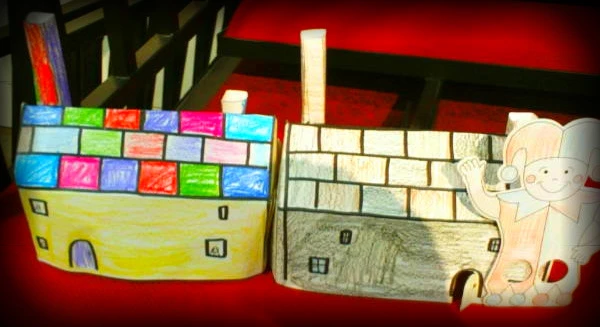
Art activiites have begun in Oriel 1 for the summer and will continue every day throughout August. It's a drop-in session and runs from 11 until 1 and then 2 until 4. We are looking at lots of things to do with the Tudors and making models of Tudor Buildings.

I'll be adding more pictures as the summer goes on!

Printing

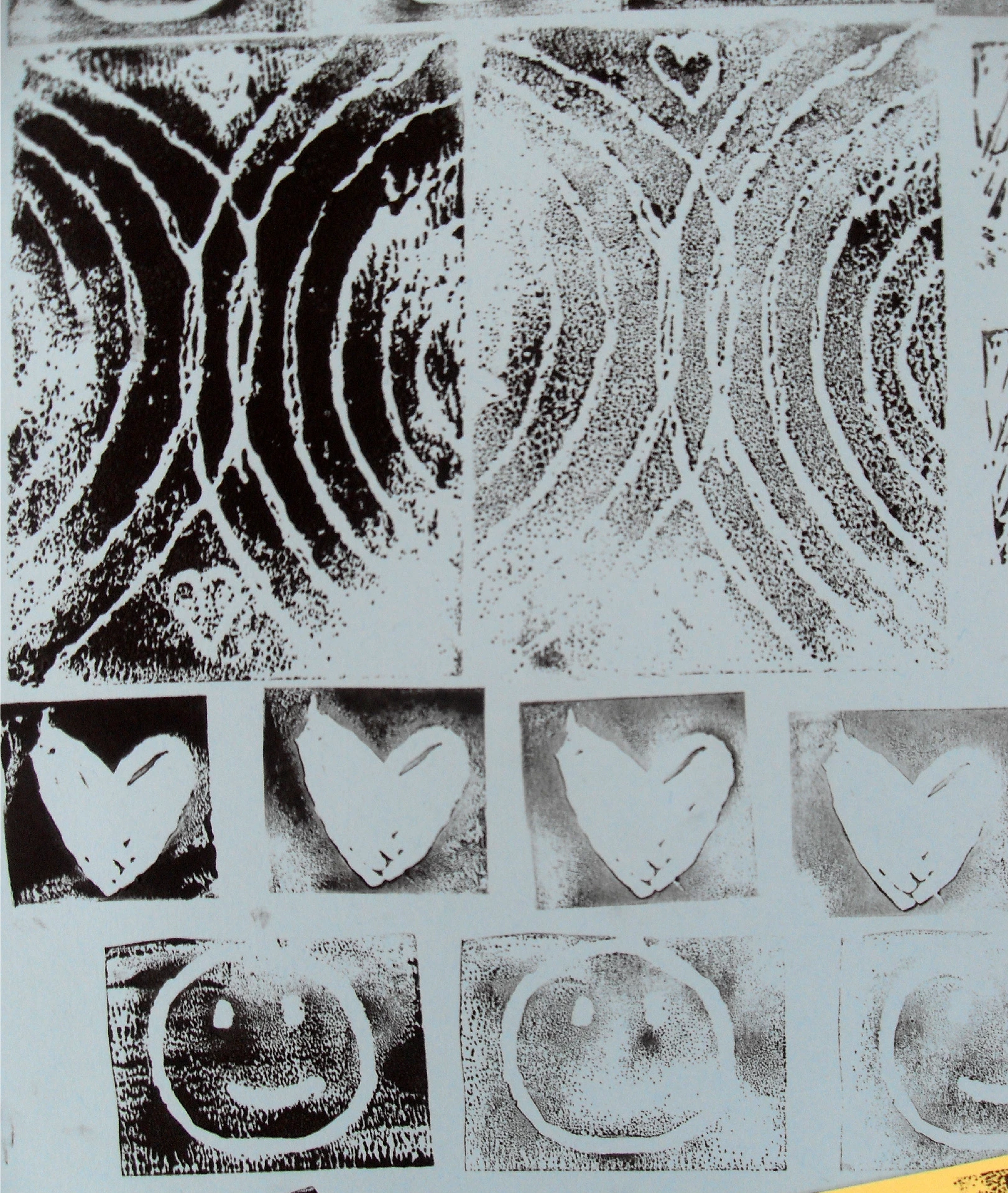
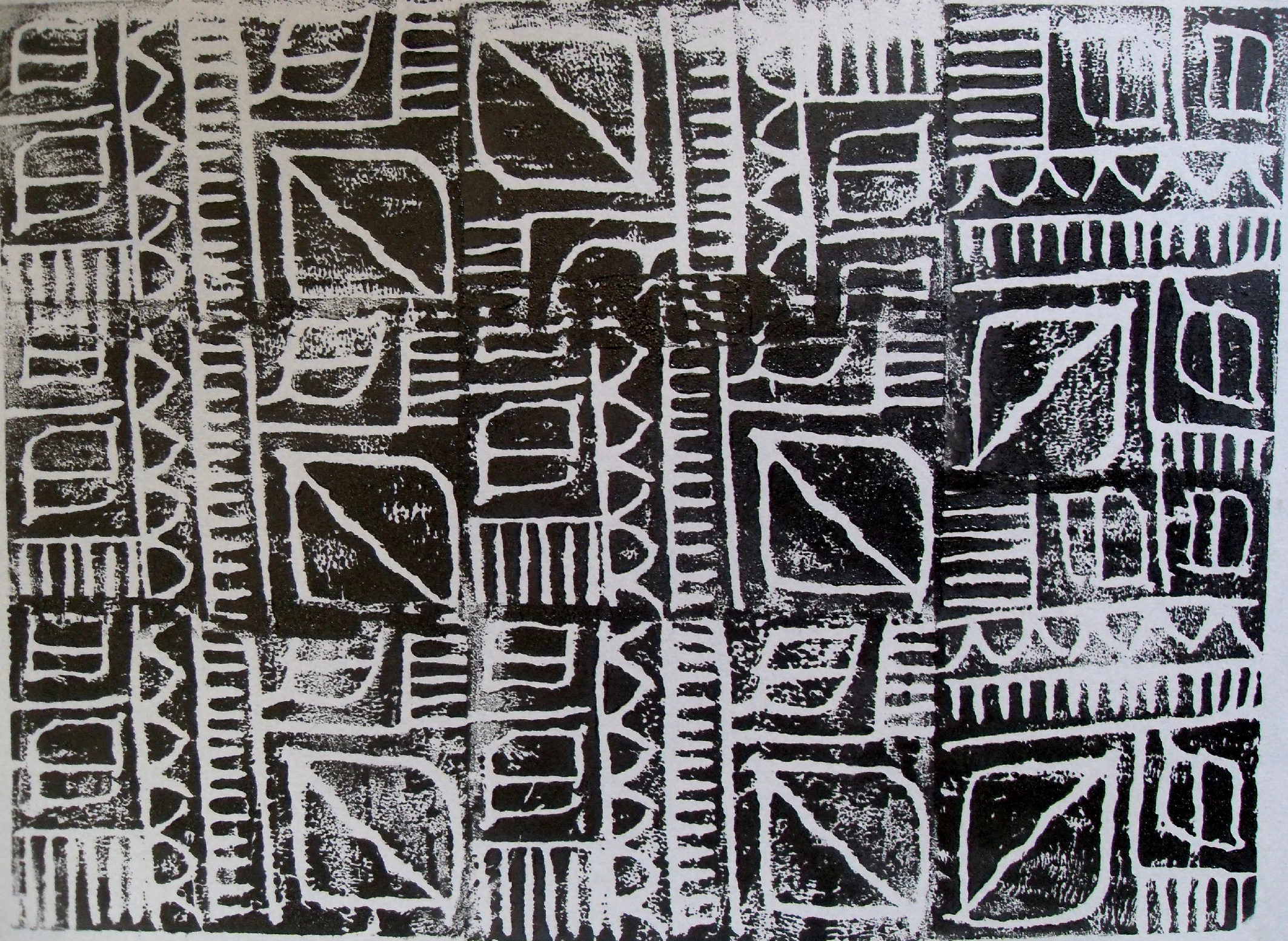
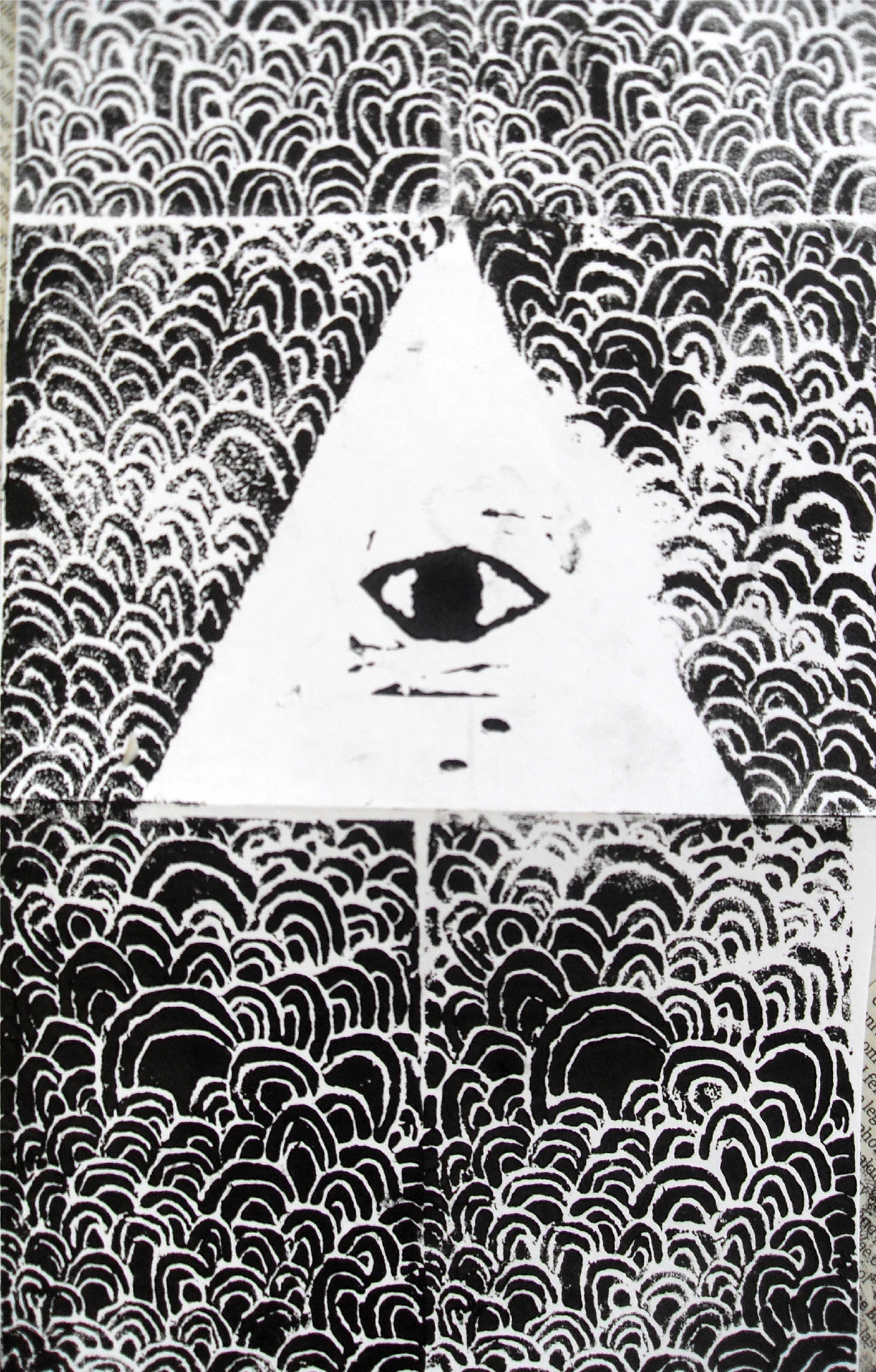
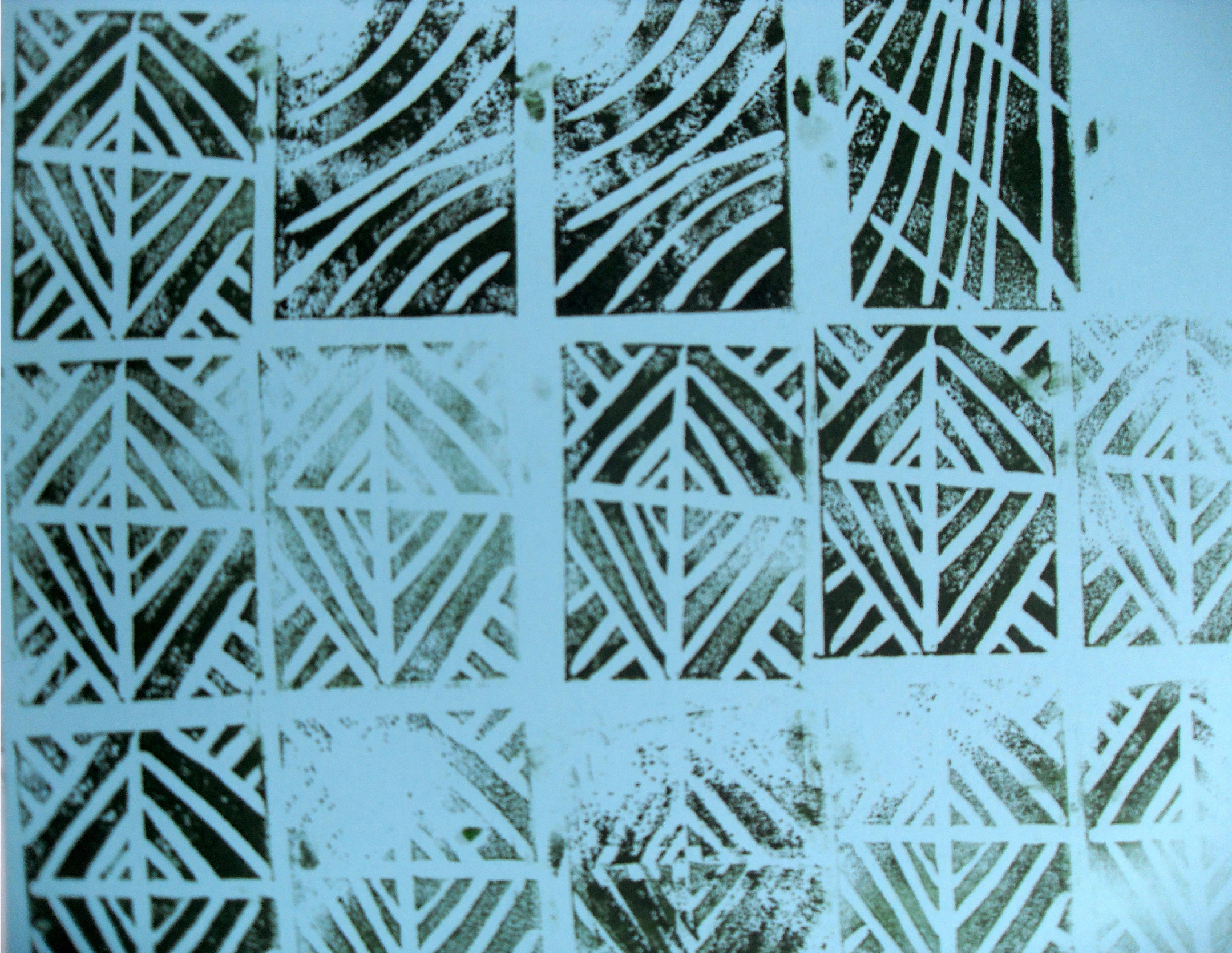
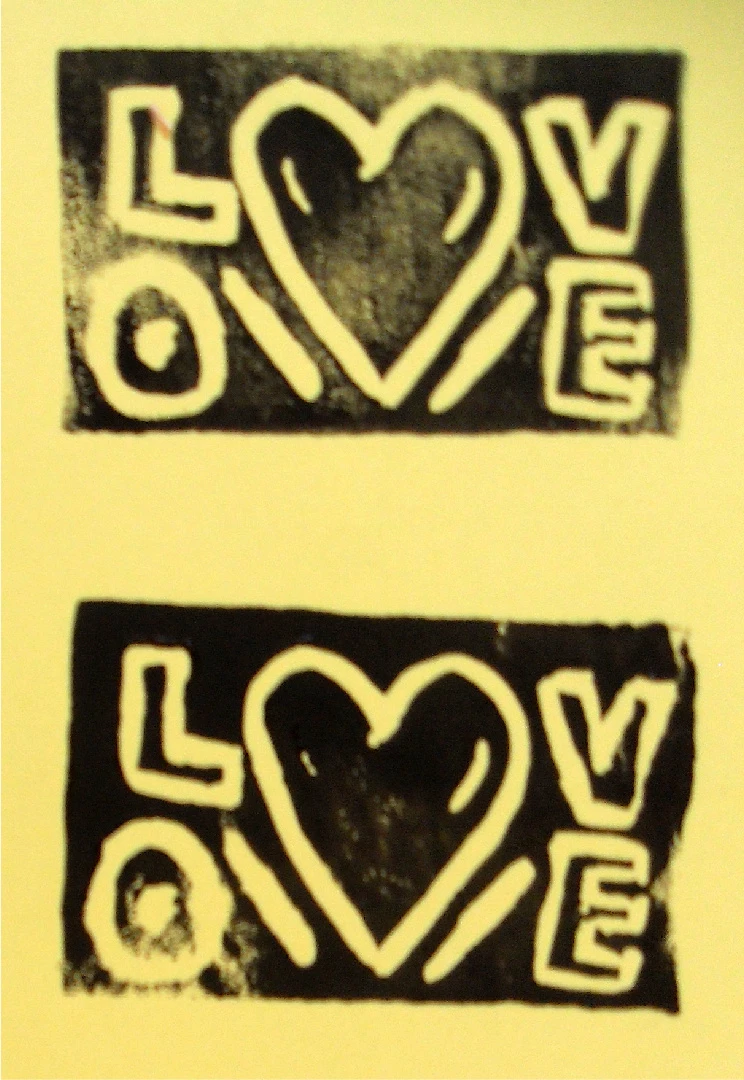
I tried out a printing session with young adults the other day. We looked at designs from the 1950s (on clothes from our collections and in books)and then made some prints based on them. The printing techniques were a mixture of relief prints (like lino but using softblock) and monoprinting. Here are some of the pictures which are fantastic! I'll try and get round to adding more soon.

I'm planning on running something similar next year for adults and young adults (aged 16+) so if anyone has any suggestions or would be interested in having a go, please get in touch.

Da na na na na... bat cam! bat cam!

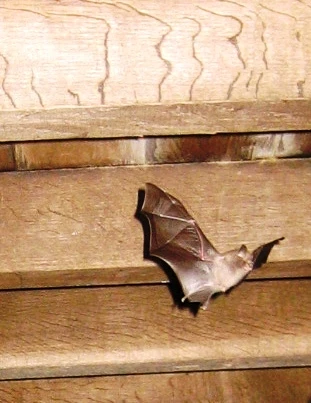
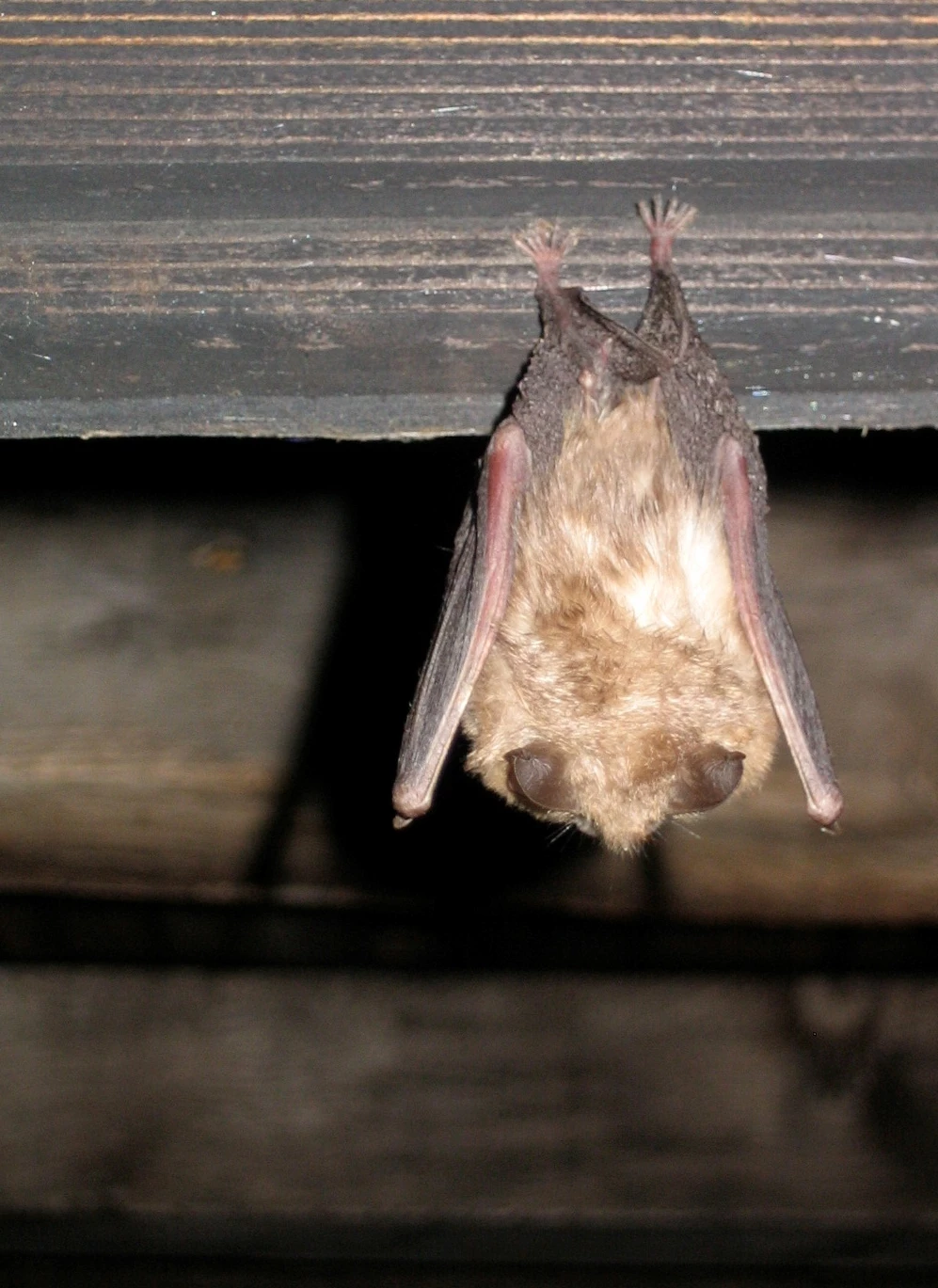
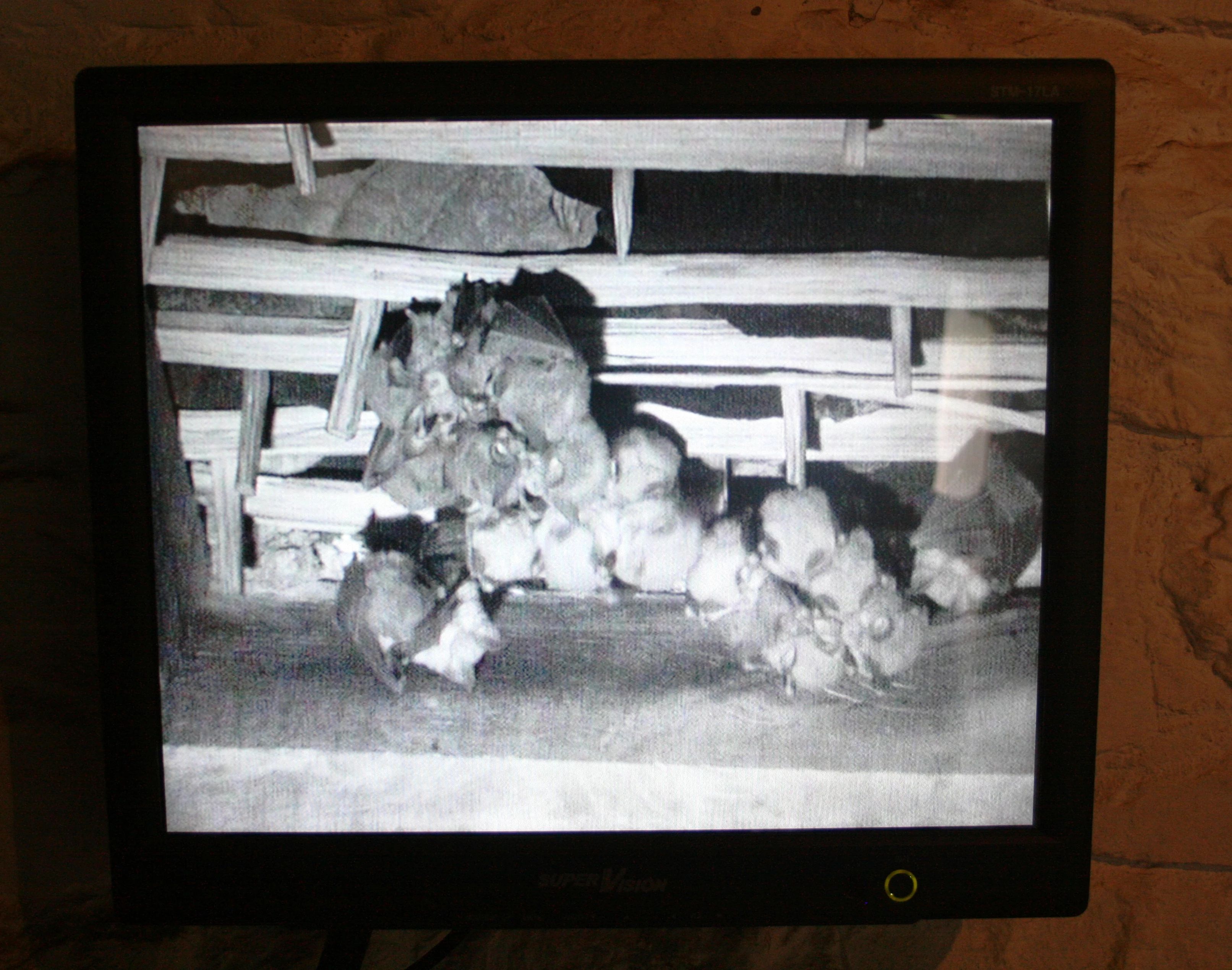
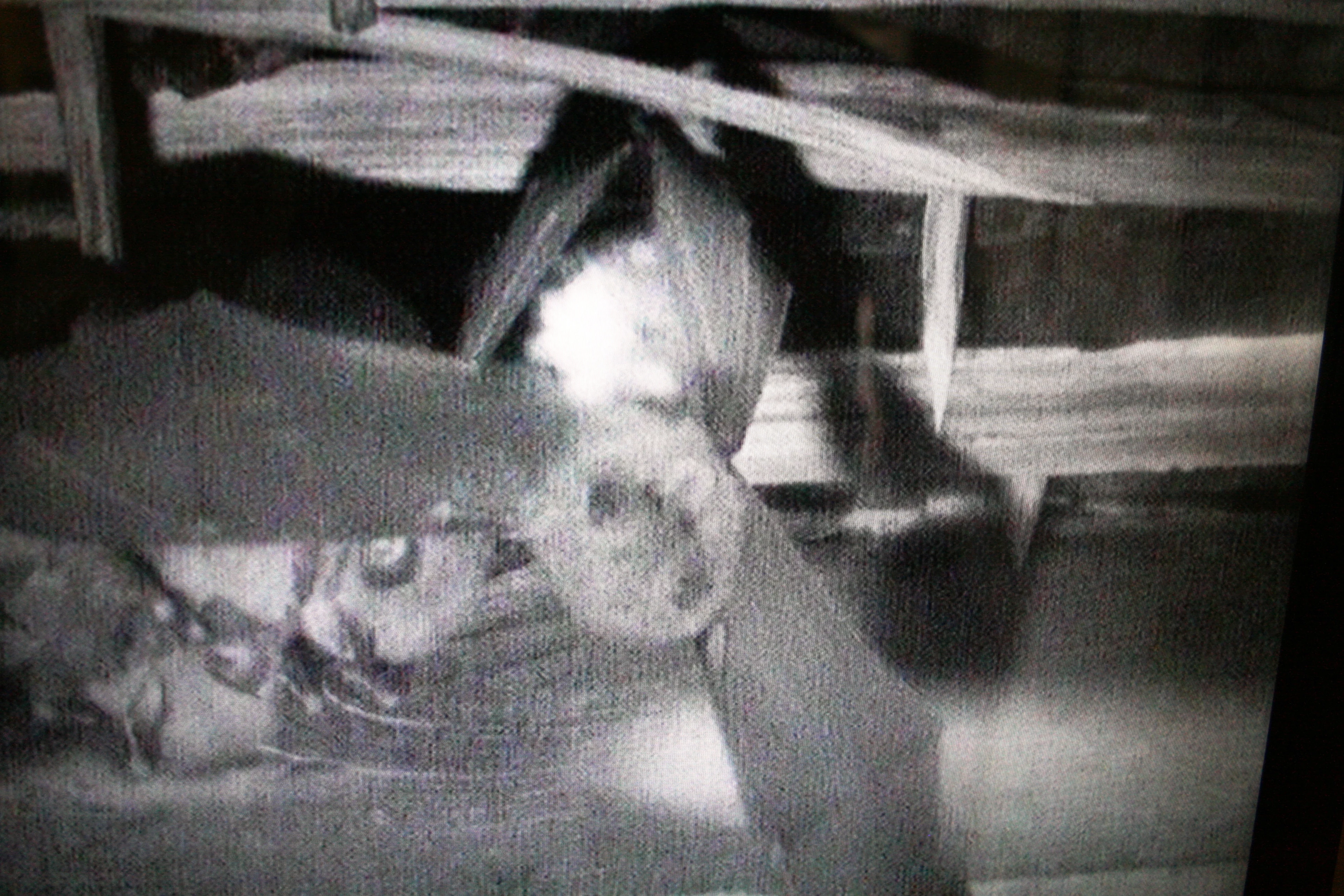
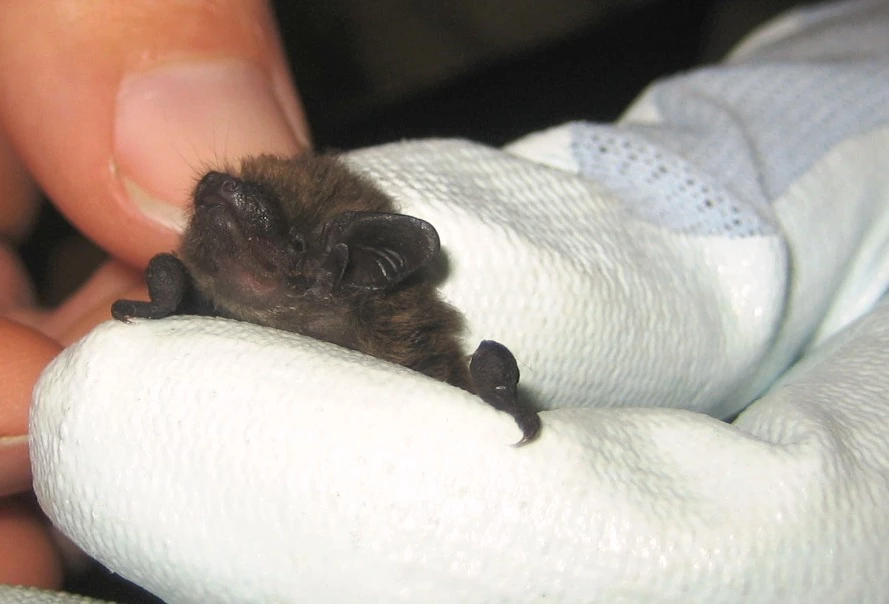
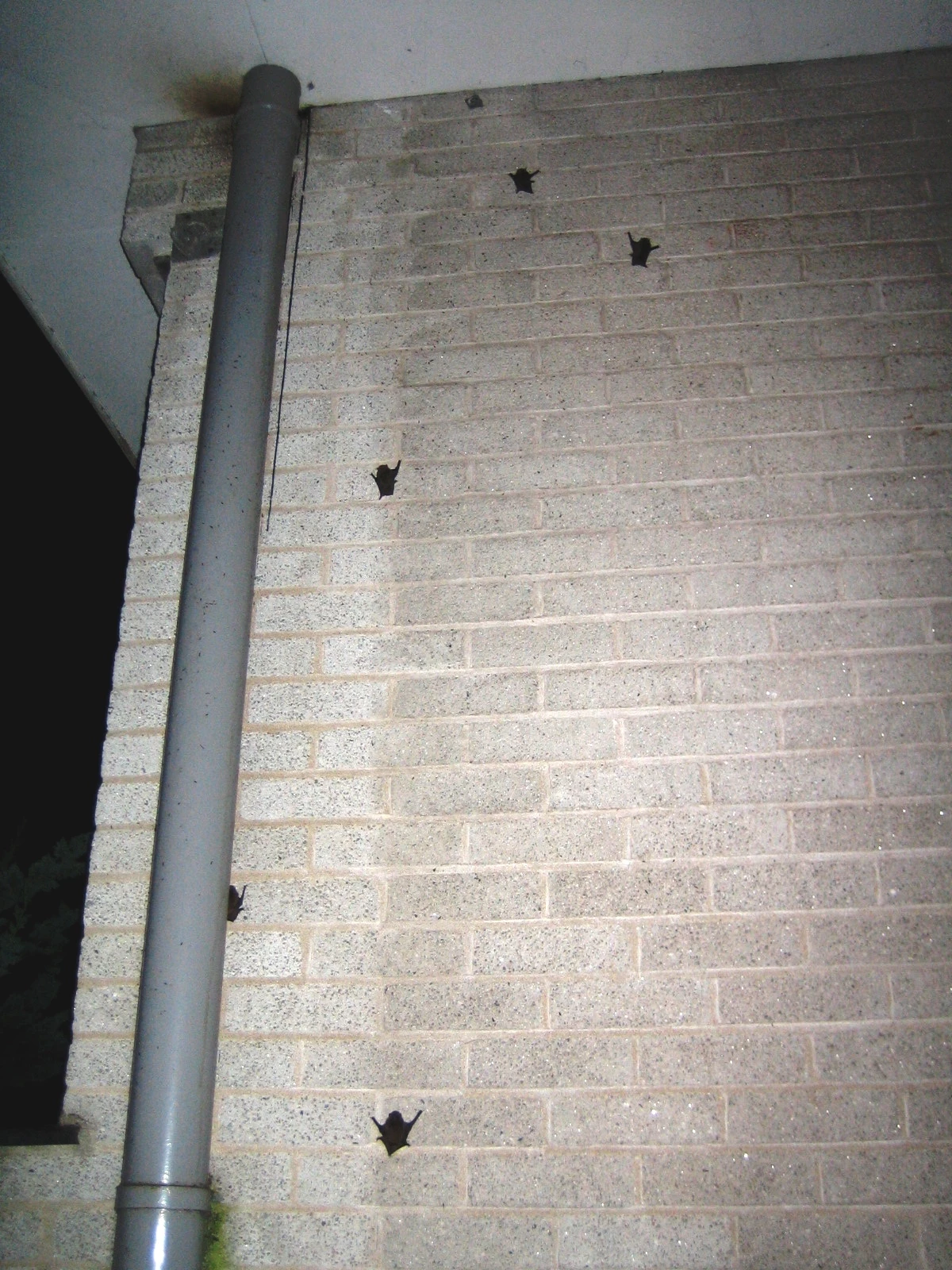
Dewch i weld camera ystlumod Sain Ffagan, lle gallwch chi wylio Ystlumod Pedol Lleiaf yn magu eu cenawon. Mae’r camera yn adeiladau’r Tanerdy a gellir ei weld bob dydd o fis Ebrill hyd fis Hydref.

Neu beth am alw draw i un o’n Diwrnodau Gweithgaredd Archwilio Natur pan fydd Hywel Couch wrth law i ateb cwestiynau am ystlumod ac adar. http://tinyurl.com/3z5a2q5

Os taw gwylio ystlumod wedi iddi nosi sy’n mynd â’ch bryd, archebwch le ar ein taith ystlumod deuluol. https://amgueddfa.cymru/cy/digwyddiadau/?event_id=5029

Heddiw, ar ôl gosod goleuadau Is-goch newydd i wella’r ddelwedd ar y camera, llwyddom i gyfri tua 50 ystlum, ac roedd 20 yn fabanod a anwyd dros yr haf.

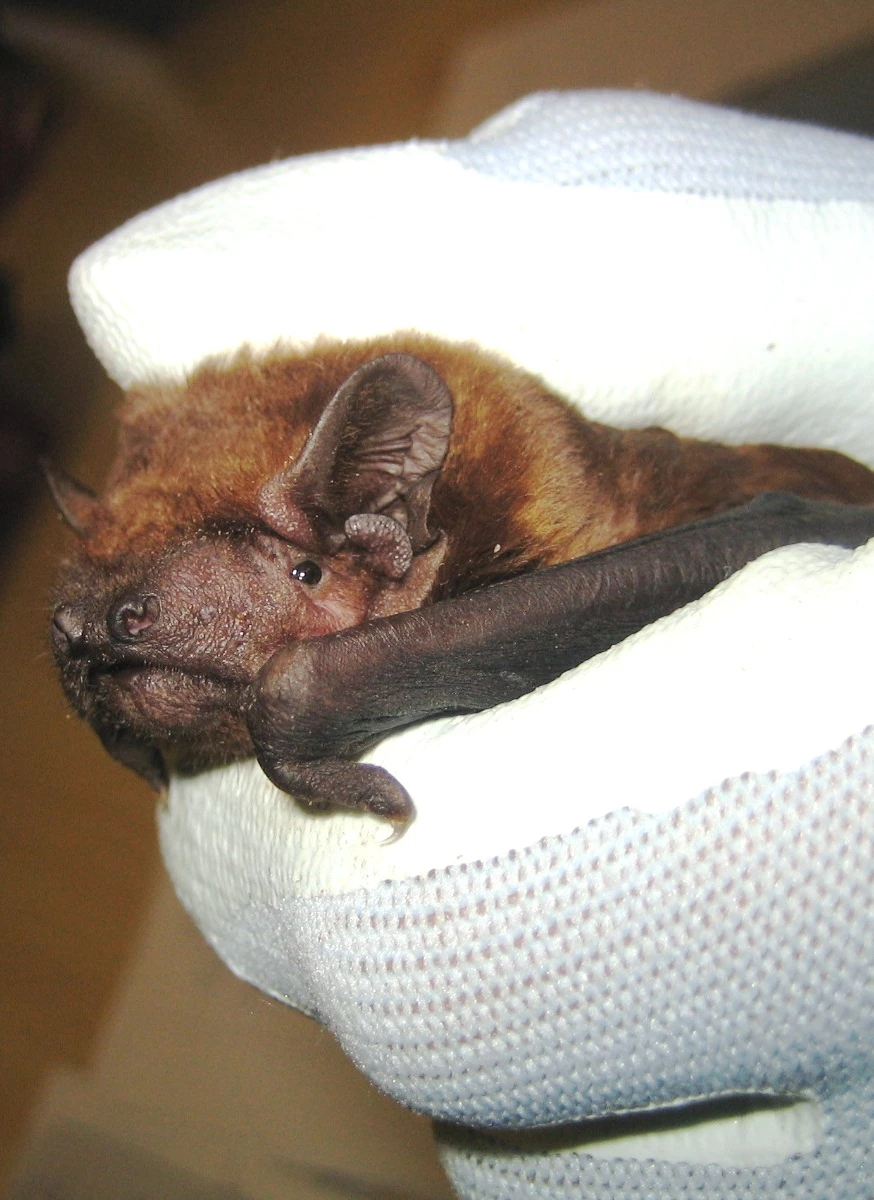
Yr wythnos diwethaf, mynychodd tîm o arbenigwyr ystlumod gwrs arbenigol dan arweiniad Wildwood Ecology. Yn ystod y cwrs, recordiwyd 6 math gwahanol o ystlum sy’n byw ar y safle yn cynnwys: Ystlum Pedol Lleiaf, Ystlum Natterer, Ystlum Adain-lydan, Ystlum Soprano Lleiaf, Ystlum Hirglust ac Ystlum y D?r.