: Hanes Naturiol

Cystadleuaeth Darlunio Cennin Pedr 2014

Catalena Angele, 30 Mai 2014

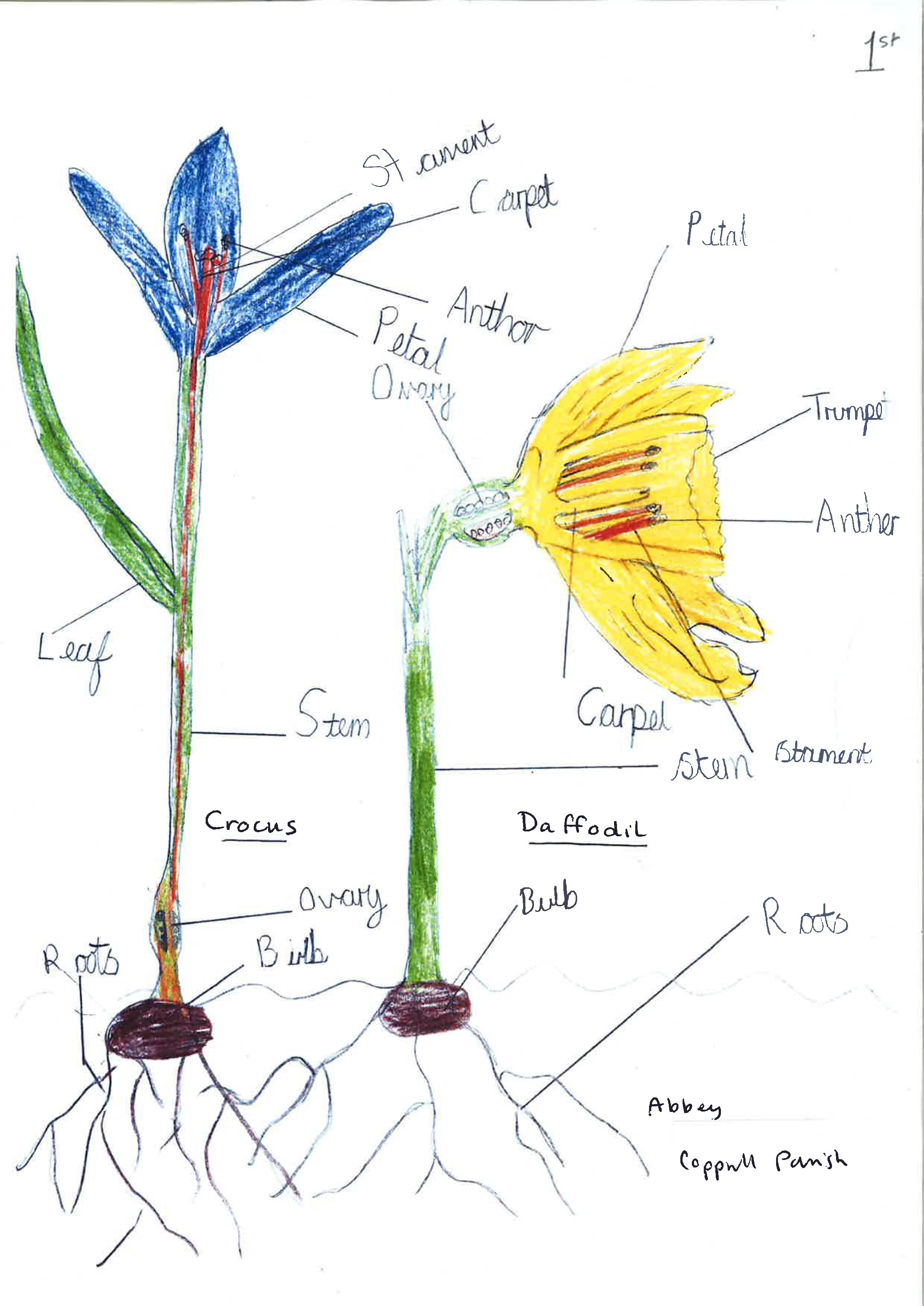
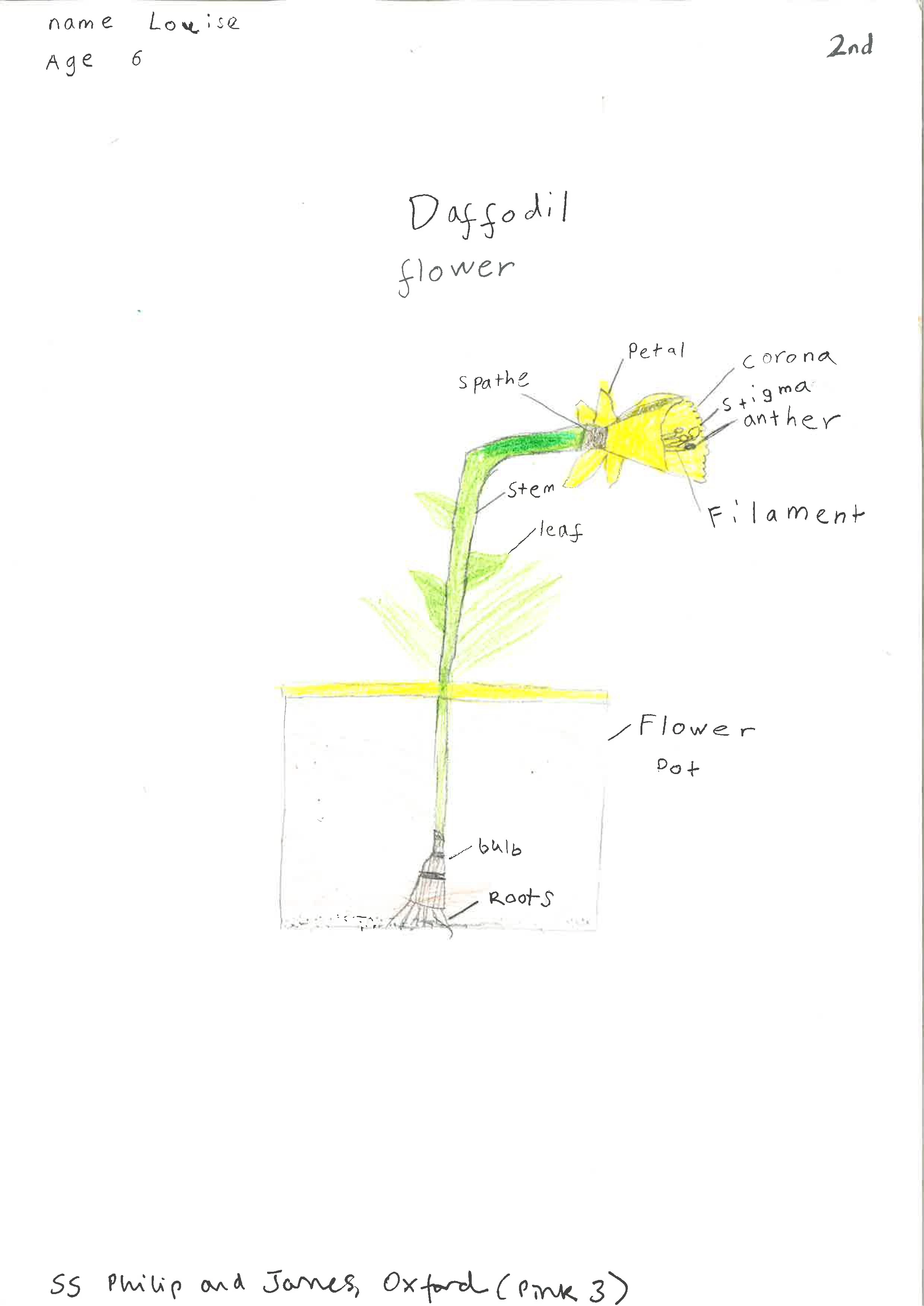
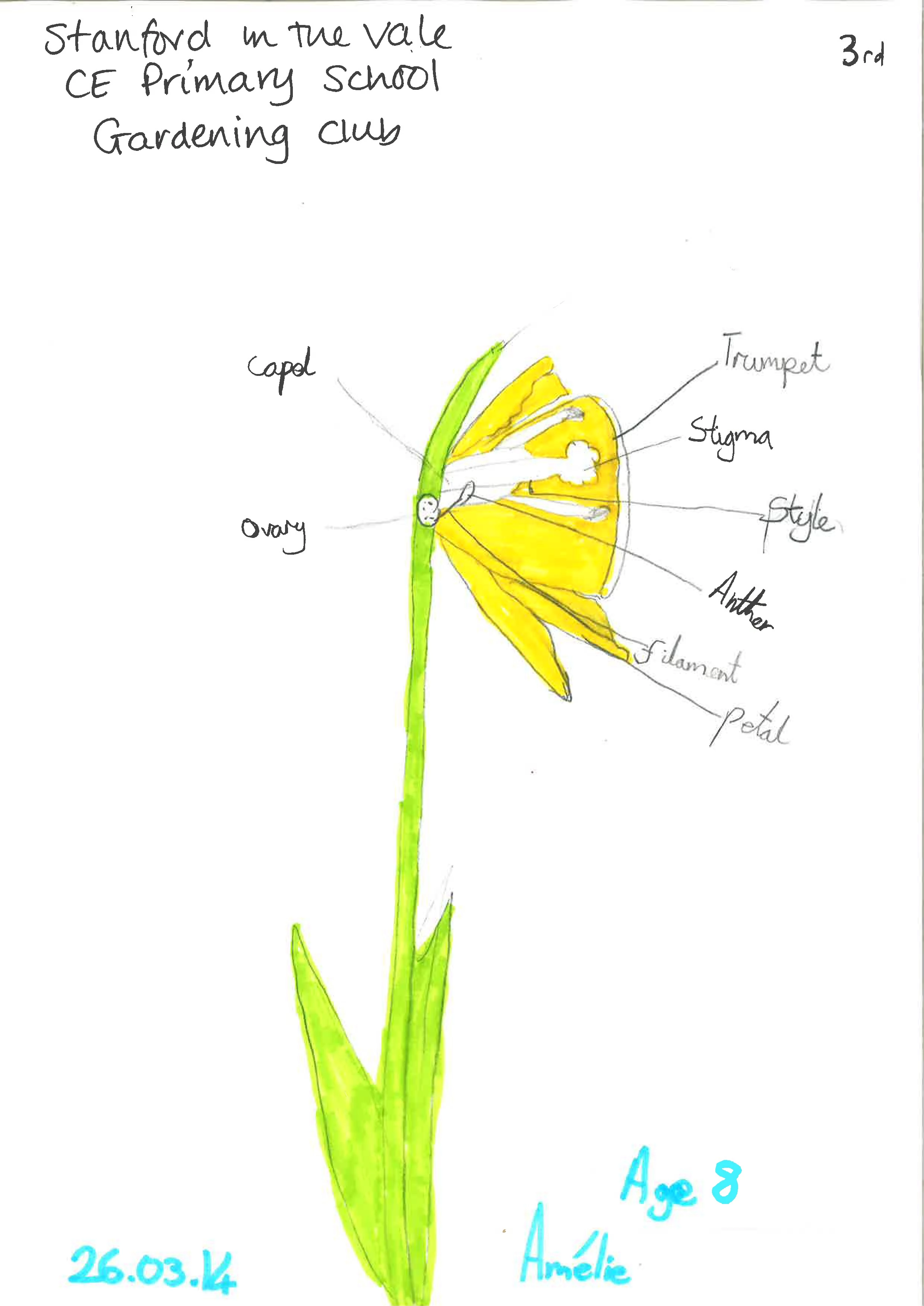
Llongyfarchiadau i enillwyr y gystadleuaeth Darlunio Cennin Pedr 2014! Dyma’u darluniau botanegol gwych.

  • 1af: Abbey – Ysgol Eglwys Plwyf Coppull
  • 2il: Louise – Ysgol Gynradd SS Philip a James CE (Pinc 3)
  • 3ydd: Amelie – Ysgol Gynradd Stanford in the Vale CE

Roeddwn i’n chwilio am ddarluniau botanegol – sef darluniau o blanhigion mewn arddull wyddonol. Yn ogystal â thynnu llun gwych, roedd angen labelu gwahanol rannau’r blodyn yn glir hefyd.

Roedd pob un o’r darluniau a dderbyniais i yn wych, felly gallwch chi eu gweld nhw i gyd ar y wefan! Da iawn bawb.

Gallwch chi weld y darluniau i gyd yma.

Diolch yn fawr,

Athro’r Ardd

Overcoming the Taxonomic Impediment in the Amazon

Adrian Plant, 28 Mai 2014

It is well known that the Amazon rainforests are amongst the most biodiverse places on the planet. However, much of this biodiversity remains completely unknown having never been formally described and with absolutely no knowledge of the ecological and other conditions required for its survival. This profound lack of scientific knowledge arises from what is called the Taxonomic Impediment - there simply are too few taxonomists (people who can identify and describe living things) to get to grips with the magnitude of biodiversity. The Taxonomic Impediment is a world-wide problem as taxonomists themselves have become endangered species and few, if any, countries now devote sufficient resources to biodiversity research. There are many unfortunate knock-ons from this fact; for example designing rational conservation strategies is difficult without knowledge of the animals and plants that live in an area and some knowledge of why. It is only taxonomists who can deliver this knowledge.

In the Brazilian Amazon the situation is improving with a major research institute Instituto Nacional de Pesquisas da Amazônia (INPA) now conducting extensive taxonomic research and training a new generation of taxonomists to lead in future biodiversity studies. One such trainee is Josenir Camara, a PhD student at INPA now spending 6 months as an intern at Amgueddfa Cymru under the tutelage of Dr Adrian Plant (Principal Curator, Entomology). Josenir’s research is describing the diversity of a group of aquatic flies (Hemerodromiinae). She has already discovered more than 50 new species, and using sophisticated cladistic techniques to understand more of their evolutionary relationships with related forms elsewhere in the world. The Museum’s extensive collections and taxonomic skills will be an invaluable aid to develop her research and the expertise and experience she develops will be lasting benefits she will take home to Brazil. A small but positive contribution to removing the Taxonomic Impediment in her own country.


Bylbiau'r Gwanwyn i Ysgolion: Canlyniadau 2005-2014

Catalena Angele, 27 Mai 2014

Mae project ‘Bylbiau'r Gwanwyn i Ysgolion’ yn gyfle i filoedd o wyddonwyr ysgol weithio gydag Amgueddfa Cymru i archwilio newid yn yr hinsawdd a'i ddeall.

Ers mis Hydref 2005, mae gwyddonwyr ysgol  wedi bod yn cadw cofnod o'r tywydd a phryd mae eu blodau'n agor, fel rhan o astudiaeth hirdymor o effeithiau'r tymheredd ar fylbiau'r gwanwyn.

Mae tystysgrifau wedi cael eu hanfon at yr holl ddisgyblion yn 4,075 a gwblhaodd y prosiect eleni.

Mae rhagor o fanylion yn adroddiadau Athro'r Ardd neu gallwch chi lawrlwytho'r daenlen i astudio'r patrymau!

  • Gwnewch siartiau amlder a graffiau i ganfod y cymedrau.
  • A wnaeth blodau agor yn hwyr mewn ysgolion oedd yn cofnodi tywydd oer?
  • Sut wnaeth tymheredd, heulwen a glaw effeithio ar ddyddiadau blodeuo ar gyfartaledd?
  • Chwiliwch am dueddiadau mewn gwahanol lefydd yng Nghymru.

Diolch yn fawr

Athro'r Ardd

www.museumwales.ac.uk/scan/bylbiau

Twitter http://twitter.com/Professor_Plant

From Amazonian Rainforest to Welsh Rain!

Katie Mortimer-Jones, 23 Mai 2014

Brazilian PhD student Josenir Camara is working with Dr Adrian Plant, Principal Curator of Entomology at Amgueddfa Cymru, on a three-year project to describe some of the diversity of Diptera (flies) inhabiting the rainforest of Brazil’s Amazon Basin. The two researchers have already made numerous collecting expeditions to remote parts of the Amazon, but now they are both back in Cardiff where Josenir will spend the next six months studying at the Museum. As a part of her research she will describe all the Amazonian species of a group of water-inhabiting flies known as Hemerodromia. She already has more than 50 species that are completely new to science and once these have been formally described, the next task is to construct an evolutionary tree showing how the Amazonian Hemerodromia have diversified in respect to Hemerodromia elsewhere in the world. This is where Amgueddfa Cymru comes in as our extensive collections will provide her with an invaluable resource she can use to compare how Amazonian species differ from others. By careful comparison of ‘characters’ of each species and using sophisticated computing methods, Josenir will construct a ‘phylogenetic tree’ to illustrate the sequence of evolutionary changes that have occurred. By comparing the evolutionary tree with the fossil record, geological and climatic history it is hoped that we start to learn more about the biogeography of the Amazon (biogeography is the study of how species and communities or organisms become distributed both geographically and through geologic time).


Aurelian Society

Jennifer Evans, 13 Mai 2014

The following photographs are from the book, Twelve new designs of English butterflies, by Benjamin Wilkes [published in 1742]. This rare work consists solely of twelve engraved plates each depicting geometric arrangements of both butterflies and moths. Wilkes produced this profoundly beautiful work as member of the Aurelian Society. Aurelian is an archaic word for lepidopterist [one who is interested in butterflies]; the term is derived from aurelia, meaning chrysalis, and relates to the golden colour it may attain just before the butterfly emerges.

The Society of Aurelians [London], one of the oldest organized bodies of specialists in any branch of zoology. The group collected and documented insects from the 1690s but came to an abrupt end in March 1748. While members of the society were in a meeting in the Swan Tavern, a great fire broke out  in Cornhill and enveloped them. All the members escaped, but their entire collection, library, and records were destroyed. This event was documented by Moses Harris in The Aurelian; or, Natural History of English Insects (1765). The loss disheartened the group so much that they never managed to regroup again…Aurelian societies were formed several times in Britain [most notable 1762 and 1801], but each time they collapsed.

…Benjamin Wilkes was an 18th-century artist and naturalist whose profession was 'painting of History Pieces and Portraits in Oil'. When a friend invited him to a meeting of the Aurelian Society, where he first saw specimens of butterflies and moths, he became convinced that nature would be his 'best instructor' as to colour and form in art. He began to study entomology spending his leisure time collecting, studying and drawing the images larvae, pupae and parasitic flies of Lepidoptera, assisted by the collector Mr Joseph Dandridge. Wilkes' own collection was kept 'against the Horn Tavern in Fleet Street' London 'Where any gentleman or lady' could see his collection of insects [Wikipedia].


Our  holdings of other Aurelian books include:

The English Lepidoptera: or, the Aurelian's pocket companion: containing a catalogue of upward of four hundred moths and butterflies ... / Moses Harris [1775]

 The aurelian. a natural history of English moths and butterflies, together with the plants on which they feed. Also .../ Moses Harris [1766]

 English moths and butterflies… Benjamin Wilkes [1749] This work ran to three editions of which the last, incorporating Linnaean nomenclature, was published in 1824

 The British Aurelian:  twelve new designs of British Butterflies and Directions for making a collection, with an essay by R.S. Wilkinson / Benjamin Wilkes, R.S. Wilkinson [1982]

All photographs in this post taken by the author