Surviving an unsettled pain

Angham Abdullah, Refugee Wales project researcher, 23 Gorffennaf 2020

When I first read about this project, “Refugee Wales: The Afterlife of Violence,” I immediately identified with the idea of the afterlife of violence. This idea is closely related to my personal experience as an Iraqi survivor of wars, an asylum seeker and a former academic in my home country, struggling at some stage, to set my foot in the British academia. Moreover, my PhD research “Contemporary Iraqi Women’s Fiction of War” and my publications focus on war-related trauma and on how memory and identity function to shape and define the lives of survivors. 

In my PhD research, I analyzed narratives of the three decades of wars, sanctions and occupation in Iraq and I examined how survivors of traumatic events undergo a “crisis of survival” which transform them into victims to their survival. The crisis of the characters in the narratives takes different forms: sorrow, guilt, uncertainty, fear, and loneliness. However, the characters are determined to live and can put up with the hardships they are facing by means of the strategies of coping: denial, escape, daydreams and through the act of narration.

 Not only fictional characters could survive the woes of war, but also the writers of the texts and myself. In my PhD research, I added my personal memories of war to the experiences of the characters and the writers to generate one story of dealing with loss of a country and of loved ones and of putting up with the sorrow of an unfinished political disarray. My recollections of war work as a personal testimony to a historical fact and locate me as a historian and in my thesis also as an author who narrates the history of the political conflict in Iraq.

Unfortunately, this conflict was enlarged to engulf Syria, a very close country to Iraq and with which Iraqis share similar culture, traditions, and values. And above all we share Arabic language which enabled me to work as a volunteering interpreter with the Syrian refugees in the UK since 2012. 

In my role as an Associate Researcher in the “Refugee Wales Project,” I am responsible for meeting with Syrian refugees in Wales and of conducting interviews with them. The data collected from the recorded interviews will be translated, analyzed and be part of a book later. Thus, I am offered a great opportunity to add my initial PhD research findings and my personal story of displacement, of longing and of belonging to the stories of refugees who are striving to build a new life in Wales. Together we will produce another narrative of survival and a historical record to generations of Syrians who would be longing to hear testimonies from the witnesses who are seeking to integrate while enduring an unresolved misery back home.

https://refugee.wales

1 - 4 Fron Haul

Mared McAleavey, 21 Gorffennaf 2020

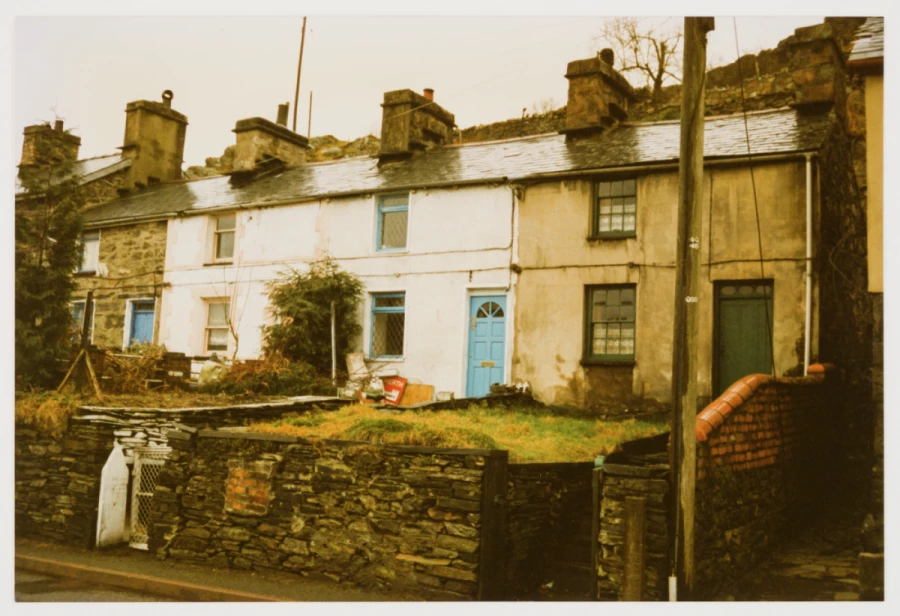
Mae’n anodd gen i gredu fod 21 mlynedd wedi hedfan heibio ers agor Fron Haul yn Amgueddfa Lechi Cymru. Dyma oedd fy mhrosiect cyntaf yn yr Amgueddfa, ac fel un sy’n hanu o’r ardal, mae gen i atgofion melys iawn o’r cyfnod. Dyma ddarn nes i ysgrifennu ar y pryd er mwyn rhoi ychydig o gyd-destun i’r rhes.

Pam Fron Haul?

Yn wreiddiol wedi eu lleoli ar fin ffordd yn Nhanygrisiau, yng nghysgod y graig; dewiswyd y rhes gan eu bod yn nodweddiadol o’r tai teras a welir ar hyd a lled ardaloedd y chwareli. 

O ran ail-godi a dehongli’r tai hyn, penderfynwyd dilyn esiampl lwyddiannus a phoblogaidd rhes Rhyd-y-car. Ond yn hytrach na chyfyngu’r stori i Danygrisiau’n unig, mae’r tai yn darlunio gwahanol gyfnodau hanesyddol yn ogystal â’r amrywiol ardaloedd chwarelyddol.

‘Oes Aur’

Ceir y cofnod cyntaf o’r tai yng Nghyfrifiad 1861. Erbyn hyn roedd y diwydiant llechi ar ei ffordd i fod yn un o’r diwydiannau pwysicaf yng Nghymru a’r prif gyflogwr yng Ngwynedd. Wrth i’r galw am lechi gynyddu, symudodd llawer o ddynion o ardaloedd amaethyddol cyfagos i weithio yn y chwareli. Mewn amryw o achosion byddai’r chwarelwyr yn aros yr wythnos mewn barics gerllaw'r chwarel ac yn teithio nôl i’w cartrefi i fwrw’r Sul. Ond yn sgil adeiladu tai gerllaw'r chwareli, symudodd amryw o’r teuluoedd er mwyn ymuno â’r penteulu, gan ffurfio cymunedau newydd ac unigryw. Fel y gellir disgwyl, chwarelwyr oedd trigolion cyntaf Fron Haul, yn hanu o blwyfi tu hwnt i Ffestiniog.

Fodd bynnag, nid oedd digon o dai i gartrefu pawb, ac yn aml iawn cydrannai dau deulu’r un tŷ, neu cafwyd perthynas neu gyfaill yn lojio â’r teulu.  Tystia Cyfrifiad 1871 fod saith o bobl yn trigo yn un o dai Fron Haul. Yn ogystal â’r fam a’r tad, cafwyd merch 13 mlwydd oed, dau fab, chwech ac un mlwydd oed, morwyn 27 mlwydd oed a lojwr 29 mlwydd oed. O ystyried mai un ystafell wely oedd yn y tŷ yn wreiddiol, anodd yw amgyffred maint y gorboblogi. Yn ogystal â’r gorlenwi, roedd lleithder yn broblem, y dŵr yn amhur a’r system garthffosiaeth yn gyntefig.  Does ryfedd fod afiechydon megis typhoid a’r diciâu yn fwrn ar y gymdeithas.

Y ‘Streic Fawr’

Er i’r chwarelwr dderbyn cyflog eithaf da am flynyddoedd lawer, doedd dim i’w hamddiffyn rhag colli eu swyddi neu dderbyn cwtogiadau cyflog mewn cyfnod o ddirwasgiad. Cafwyd streiciau a chloi allan yn y chwareli o dro i dro, yr amlycaf wrth reswm oedd ‘Streic Fawr’ y Penrhyn. Dyma’r anghydfod mwyaf hynod a hir hoedl yn hanes diwydiannol Prydain - y ‘Streic Fawr’ fel y’i gelwir yn aml, ac a fu ymestyn o Dachwedd 1900 hyd Tachwedd 1903.

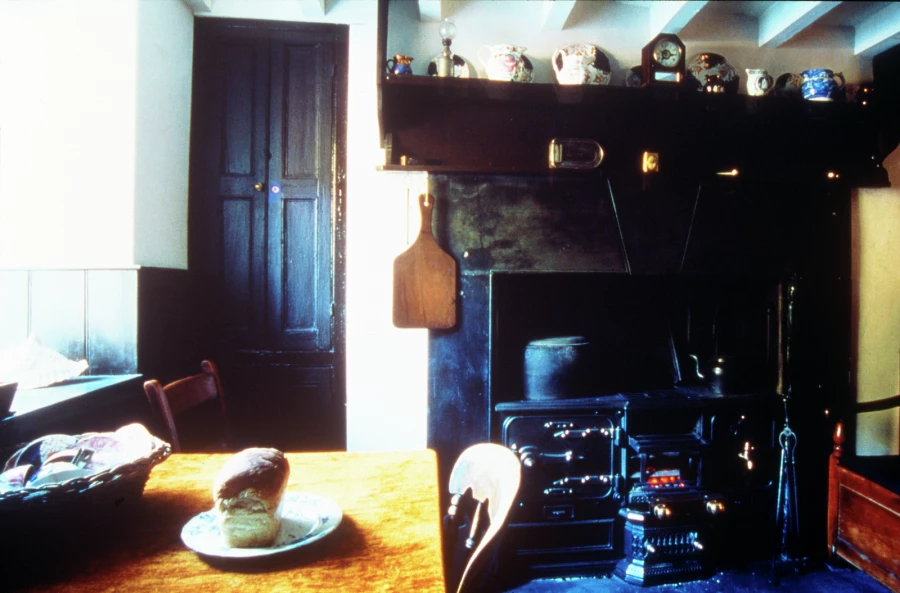
Tasg anodd fu adlewyrchu’r tlodi a’r caledi wrth ddodrefnu tŷ streic, yn arbennig gan fod llygaid yr ymwelydd yn cael ei dynnu’n syth ar y dresel derw â’i llestri gleision a’r jygiau lustre; y trugareddau uwch y silff ben tân a’r lluniau ar y pared. Bydd yr ymwelydd craff yn sylwi ar y cerdyn printiedig â'r geiriau 'Nid oes Bradwr yn y tŷ hwn' yn ffenestr y tŷ.  Gosodwyd y rhain yn ffenestri'r streicwyr gan rannu'r gymuned yn ddwy garfan. Mae cragen glan-y-môr ar y silff ffenestr - arferai gwragedd a phlant y streicwyr weiddi a hwtian ar y ‘Bradwyr’, drwy chwythu drwy gregyn glan-y-môr. Roedd y cregyn hyn i'w clywed trwy'r ardal pan ddôi'r amser i'r 'Bradwyr' ddychwel yn ôl o'r chwarel. Yn ystafell wely’r rhieni gwelir fod tad y tŷ’n hel ei baciau a cheisio ei lwc yn Y Tymbl, sir Gaerfyrddin. Amcangyfrif fod rhwng 1,400 a 1,600 o chwarelwyr Dyffryn Ogwen wedi ymfudo i lofeydd de Cymru yn ystod y Streic Fawr er mwyn cynnal eu teuluoedd.

Diwedd Cyfnod

Methodd y Streic yn ei hamcan, ac fe ddadfeiliodd y diwydiant yn fuan wedi hyn. Bu cau chwarel mor ddylanwadol â’r Penrhyn am dair blynedd lwgu’r farchnad o’u cyflenwad llechi, a bu’r masnachwyr droi eu golygon tuag at farchnadoedd tramor am eu deunydd toi. Dechreuodd y chwareli gau o un i un ar droad y ganrif, a daeth y broses i’w lawn dwf rhwng 1969 a 1971 pan orffennwyd gweithio chwareli Dinorwig, Dorothea ac Oakeley, tair o’r cewri cynt.

Mewn llai na chanrif felly, bu’r diwydiant llechi ddatblygu, llwyddo, yna edwino ac mae Fron Haul wedi cael eu dodrefnu i adlewyrchu’r newid hyn.

Taith Danddaearol Gyfeillgar i Dementia yn Big Pit, Amgueddfa Lofaol Cymru

Sharon Ford, 14 Gorffennaf 2020

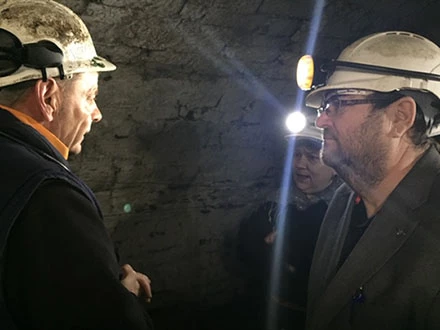
Ym mis Mai 2017 lansiwyd taith danddaearol newydd a ddatblygwyd gyda phobl sy'n byw gyda dementia a'u gofalwyr. Mae'r Daith Danddaearol Gyfeillgar i Dementia yn dilyn yr un egwyddorion a’r deithiau eraill, ond gydag ychydig o addasiadau. Mae’r daith ychydig yn fyrrach nag arfer gyda llai o ffigyrau a rhifau a mwy o hanes. Cynhelir y teithiau gan ein tywyswyr sydd wedi cael hyfforddiant penodol ac mae gan lawer ohonynt brofiad uniongyrchol o bobl sy'n byw gyda dementia. Hyd yma mae dros 200 o bobl sy'n byw gyda dementia a'u gofalwyr wedi cymryd rhan yn y teithiau. Ein bwriad yw i drefnnu mwy o'r teithiau rhad ac am ddim yma, ar ôl i'r Amgueddfa ail-agor. Dyma rai dyfyniadau gan ein tywyswyr a phobl sy'n byw gyda dementia a'u gofalwyr, sydd wedi cymryd rhan yn ein Teithiau Tanddaearol Cyfeillgar i Ddementia:

"Mae'n wych pan fyddwch chi'n gweld rhywun â dementia yn siarad ac yn cofio o'u gorffennol."

"Doeddwn i ddim yn gwybod ei fod wedi bod yn löwr ers 23 o flynyddoedd a dywedodd ei ffrind mai dyma'r tro cyntaf iddyn nhw glywed cymaint ganddo mewn oesoedd!"

"Daeth y daith yn ôl yr holl atgofion o ymgloddio."

“Sir, I want you to stand aside."

Samuel Sequeira, Research Associate, Refugee Wales project, 8 Gorffennaf 2020

Samuel Sequeira, Cydymaith Ymchwil, prosiect Ffoaduriaid Cymru

It was the summer of August 2007. After finishing our holidays in the area in Germany where my wife was born, we (my wife and I) were waiting for a delayed flight from Frankfurt to Heathrow, London. Finally, when the flight arrived, and we were about to board there was chaos as all started rushing towards boarding. An officer was checking our passports and as usual I had no reason to be anxious because my visa and resident documents were in order. 

Despite having all travel documents perfect when the officer took our passports he took inordinately longer to examine them, and to our shock he looked at me as said, “Sir, I want you stand aside” while handing over my wife’s passport to her to proceed towards boarding. But my wife, who is German by nationality, would have none of this and she took up a fight with the officer asking for an explanation. The officer was livid with rage and could not believe the anger displayed by my wife. Also, the crowd was growing impatient. Obviously, having no legitimate reason other than my skin colour and Indian nationality, the officer had to relent. But his minute-long stare at me was something that has remained with me even today. Whenever I read or watch the long caravans of migrants struggling to crossover myriad real and imaginary borders to reach a place of safety my own experience at Frankfurt airport comes to haunt me. This and several more such small but unforgettable experiences at border crossings have inspired me embark on a research area that relates to migrants and refugees.

When I embarked on my doctoral research at Cardiff University some years ago I focussed on the group of South Asians who had migrated to the UK (Wales in particular) since Indian partition in 1947 as labourers, professionals, students, refugees as well as those who were ousted from African countries in the 1970s. During my doctoral years I recorded stories of their home that they had left behind, their migration process, settlement, and life in the UK. Being of Indian origin I, too, have shared their migration experience and viewed this area of research most suited to my interests and personal experience. Having completed my PhD in 2016 and while looking for an opportunity to continue my research career I found this current research project: Refugee Wales having received funding support and I saw this as a great opportunity to research on Sri Lankan Tamil community in Wales.

Prior to arriving in the UK, I had worked in India as a journalist. Being from South India I was keeping a close tag on what had been going on Sri Lanka during the time by way of civil war. I have witnessed the plight of Sri Lankan Tamil refugees in India from close quarters and empathised with their plight. It was very sad that the issue that arose due to real or perceived discrimination led the Sri Lankan Tamils go to the extreme situation of taking up arms and demand a separate homeland. Failure of the state to resolve this ethnic issue and the intransigence of the radical groups among Tamils led to the final war that ended in the defeat and encampment of thousands of Tamils in 2009. I personally had felt a tinge of sadness when the Tamil Tiger leader Prabhakaran was killed and the Sri Lankan state was celebrating the triumph. My sadness was not for the demise of Prabhakaran but for the defeat and humiliation suffered by a proud and valiant people who fought for their rights and equality within Sri Lankan nation.

The media images of mass- graves, destroyed villages and people in camps huddled behind barbed wires soaked in monsoon rain and ragged condition still haunt me. As a journalist I was always imagining what stories those people behind barbed wires may have had to tell. Now, with this project, I have an opportunity to listen to at least some of those who suffered those years of conflict, state oppression and war and yet managed to escape to the safety of Britain. Their stories of how they managed to escape, what trauma they suffered while crossing those borders and, finally, ending up being settled in the UK will inspire others who go through a similar experience. These stories will no doubt help the state and the wider community to view the issue of migrants and refugees beyond the pale of legality and deal with it as a human condition requiring compassion and assistance. As for the Sri Lankan Tamils in Wales it is their opportunity to imprint their story on the canvas of the larger story of Wales as a multicultural nation. That is why I am delighted to be part of this interesting research project.

https://refugee.wales

Dillwyn’s Book of Algae. A glimpse into the scientific life of a 19th century philanthropist in Wales

Katherine Slade, 1 Gorffennaf 2020

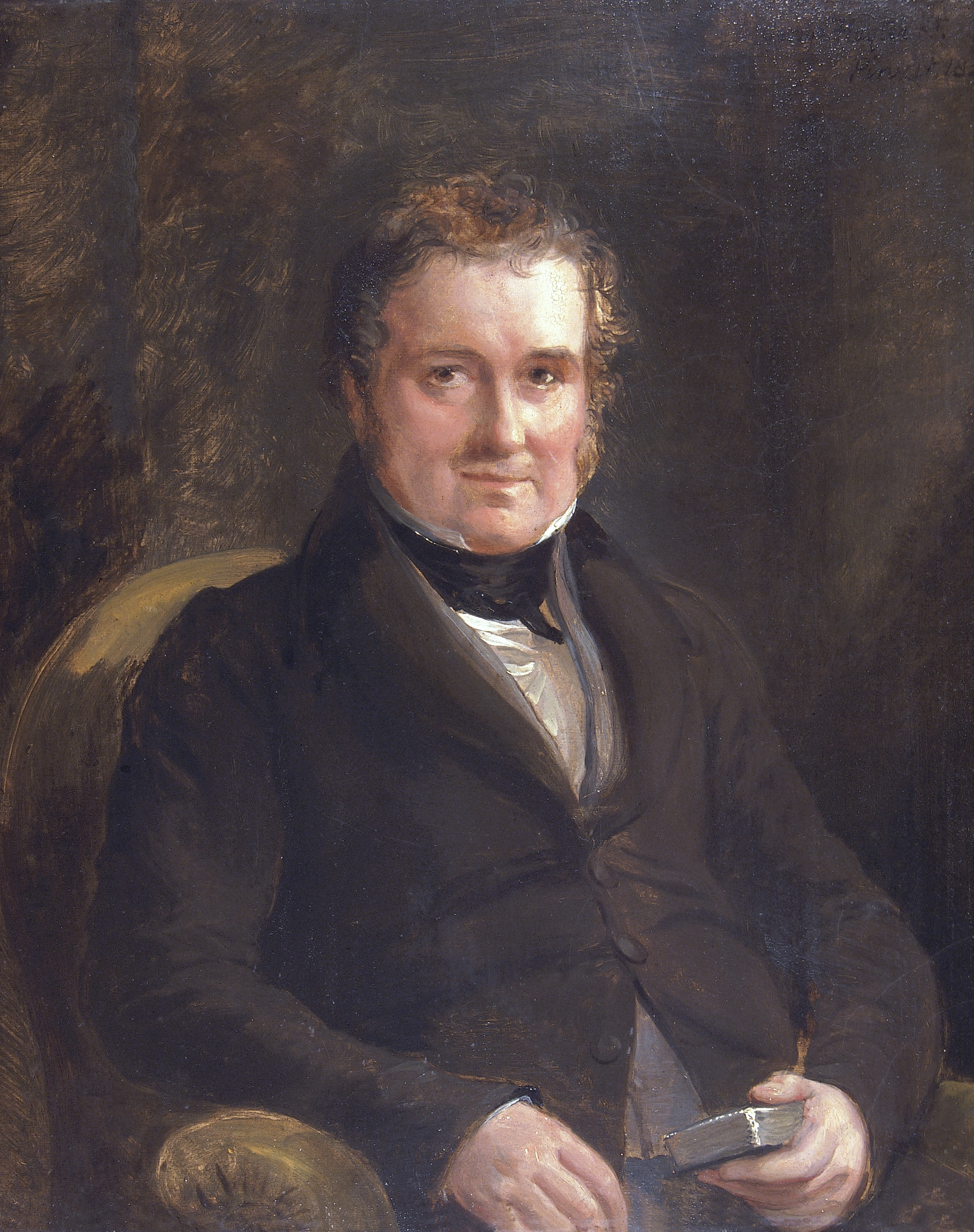
Lewis Weston Dillwyn (1778-1855)

Lewis Weston Dillwyn is part of the influential Dillwyn family in south Wales during the 19th century. They were pioneers in photography, culture, industry, politics and science. Lewis Weston himself was a campaigner for social justice, a Whig MP for Glamorgan (1832-37), mayor of Swansea (1839) and a magistrate. He studied the natural world and advanced our scientific understanding of it, becoming a Fellow of the Royal Society and a founder member of the Royal Institution of South Wales.

Lewis Weston was born 1778 to William Dillwyn, an American Quaker and anti-slave campaigner. After settling in England in 1777, William was one of the 12 founding committee members for the Society for Effecting the Abolition of the Slave Trade formed in 1787. In 1802, William established Lewis Weston Dillwyn, then aged 25, as owner of Cambrian Pottery in Swansea. A year later Lewis Weston moved to south Wales and four years after that married Mary Adams, heiress of John Llewellyn, firmly establishing the Dillwyn-Llewellyn family’s influential position in south Wales. He was an abolitionist like his father but was also close friends with the De la Beche family who owned slave plantations up until the early 1830s. His son Lewis Llewellyn Dillwyn married Elizabeth De la Beche in 1838.

It was mainly during the time he was head of Cambrian Pottery that Lewis Weston studied algae.

The Book of Algae

Lewis Weston had a scientific interest in the natural world, most notably plants, beetles and molluscs. At a time when art, industry and science were often pursued in conjunction with one another rather than separately, he introduced many natural history designs onto the products made at his Cambrian Pottery.

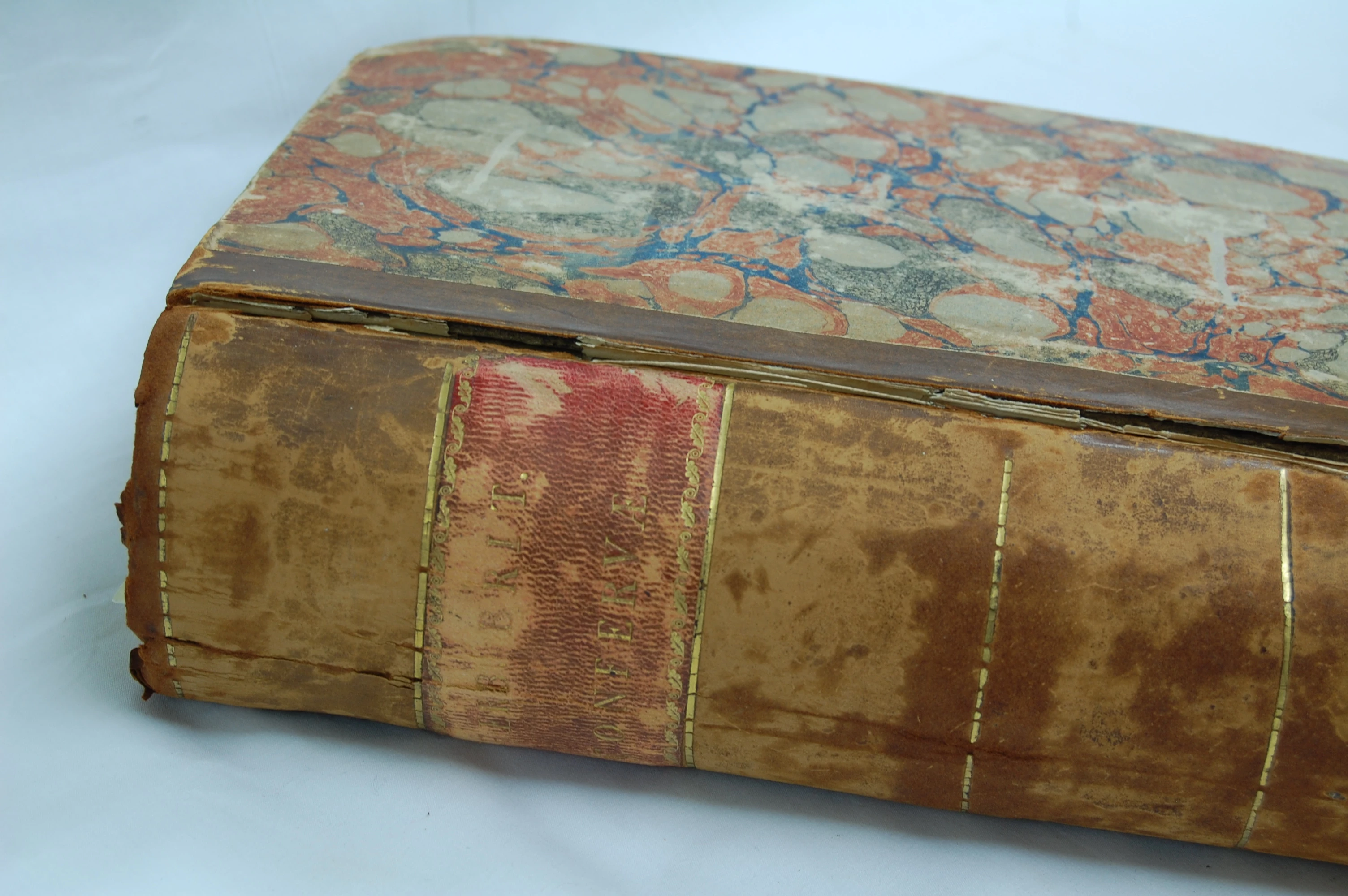
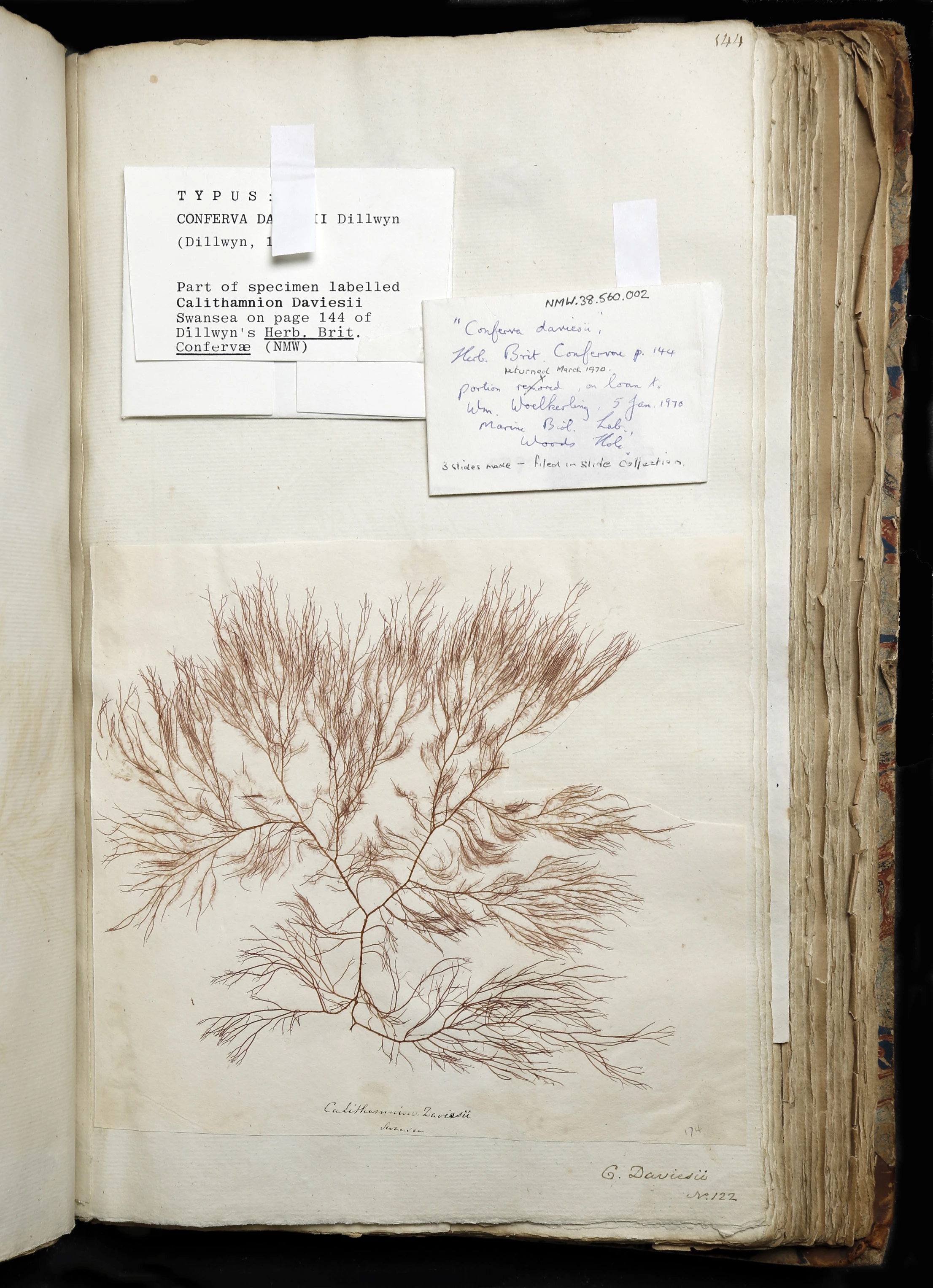
The Museum holds Lewis Weston Dillwyn’s book of pressed seaweeds and algae. Inside are over 280 specimens of algae from both fresh and seawater, mainly from Wales and England. Many are thought to have been collected by Dillwyn himself, and many were sent to him by scientists from the UK and Ireland. The book contains algae that were completely new to science and described by Dillwyn for the first time. Some of these new to science algae were discovered for the very first time in Wales. The book is an early record of the natural heritage of Wales and a glimpse into the scientific life of a prominent 19th century philanthropist.

New to Science

It was particularly between 1800 and 1810 that Lewis Weston Dillwyn focussed on algae. He noted that Linnaeus, who was classifying the whole of the natural world, “was too busily engaged in the immense field he had entered on, to spare the time necessary for an investigation of the submerged Algae.” (Dillwyn, 1809, British Confervae). Dillwyn felt he had found a niche for his scientific study.

The algae that Lewis Weston studied was a group with very thin fine branching known as the Confervae. He collected specimens, pressed them and placed them into the book now held at the Museum. His many connections led to a network of scientists who would send him specimens he was interested in to his home in south Wales. He described 80 kinds of algae new to science.

Someone in Dillwyn’s position could afford to buy a microscope powerful enough to study this group which have very small features. He would also have needed expensive books and his standing in society meant he was able to access the libraries of friends such as William Jackson Hooker and of the Linnaean Society in London, where he was made a Fellow. It also meant he was able to discuss current thinking with other prominent scientists of the time and gauge where to place his efforts.

At the time, there had been little work done on this difficult to study group. Dillwyn knew the algae he was looking at were probably unrelated, but in his published work he put them into one group. He had done the initial pioneering groundwork to describe them but he himself modestly admitted that it was flawed. The pressed algae in his book at the Museum includes what scientists now know belong in many different groups: green algae, red algae, brown algae, lichens, fungi, cyanobacteria, stoneworts and diatoms. Dillwyn published the results of his studies in instalments, culminating in the publication ‘British Confervae’ in 1809.


Further reading

The Diaries of Lewis Weston Dillwyn, transcribed by Richard Morris: https://www.swansea.ac.uk/crew/research-projects/dillwyn/diaries/lewis-weston-dillwyn-diaries/

The Dillwyn Dynasty by David Painting (2002): https://www.swansea.ac.uk/crew/research-projects/dillwyn/dillwyn-day/dillwyn-dynasty/

British Confervae by Lewis Weston Dillwyn: https://www.biodiversitylibrary.org/bibliography/2189#/summary