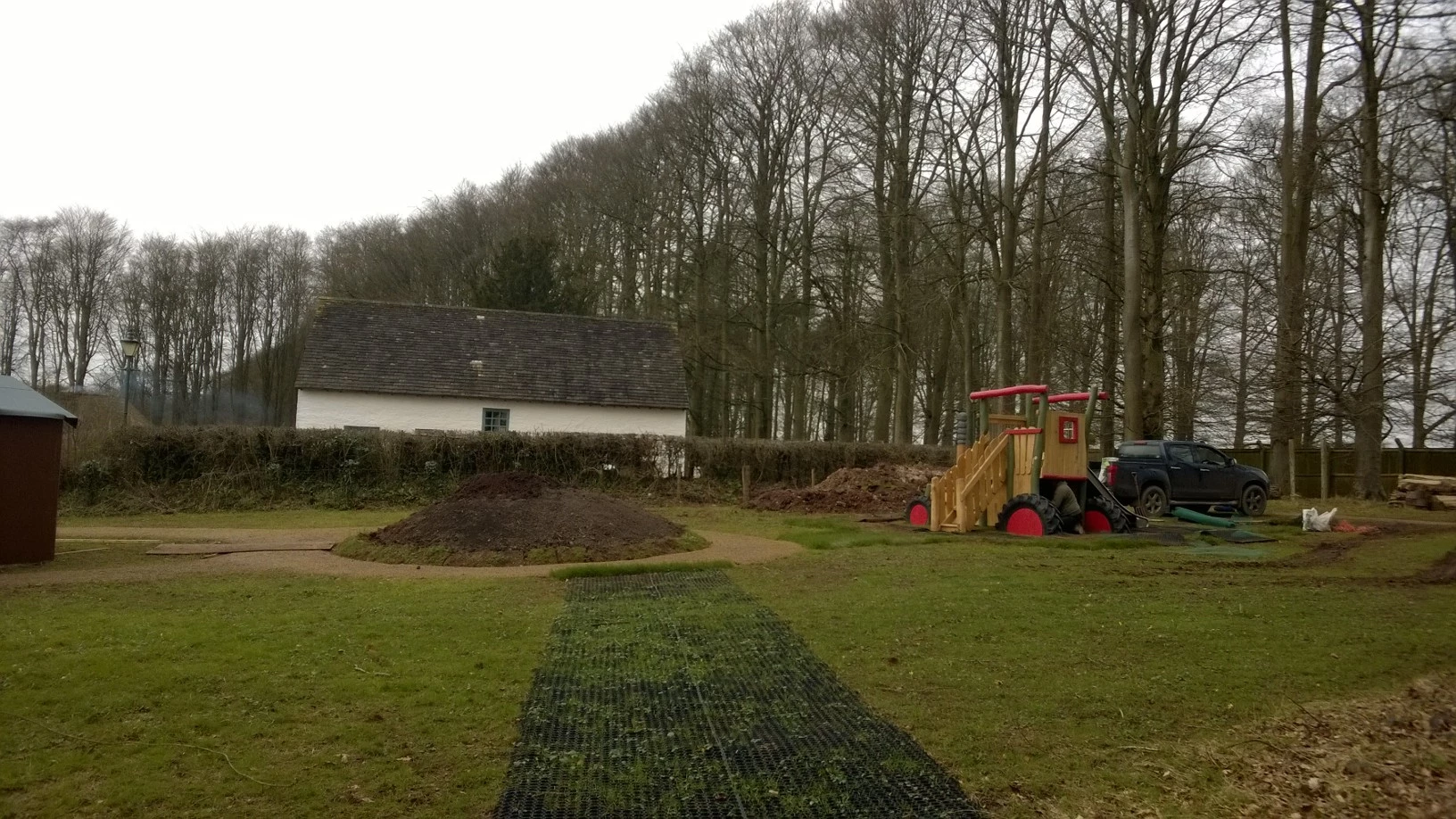
Ysgol Pentrefoelas: Cawsom wythnos wlyb arwahan i ddydd Iau. Disgynnodd y tymheredd yn ystod yr wythnos ac roeddem yn chwarae yn ein capiau a sgarff!
Athro'r Ardd: Helo Ysgol Pentrefoelas, mae'n ddrwg gen i glywed rhydych wedi cael tywydd mo gwael. Rwy’n siŵr roedd o'n newydd-deb i chwarae yn eich capiau a sgarff! Mae Ysgol Arkholme wedi cael tywydd gwael hefyd, roedd rhaid iddyn nhw ganslo eu gêm bêl-droed: Arkholme CE Primary School: It was so wet that we had to call off our football match on the field. The weather got a bit milder for most of the week though but our bulbs are doing very well despite the weather conditions.
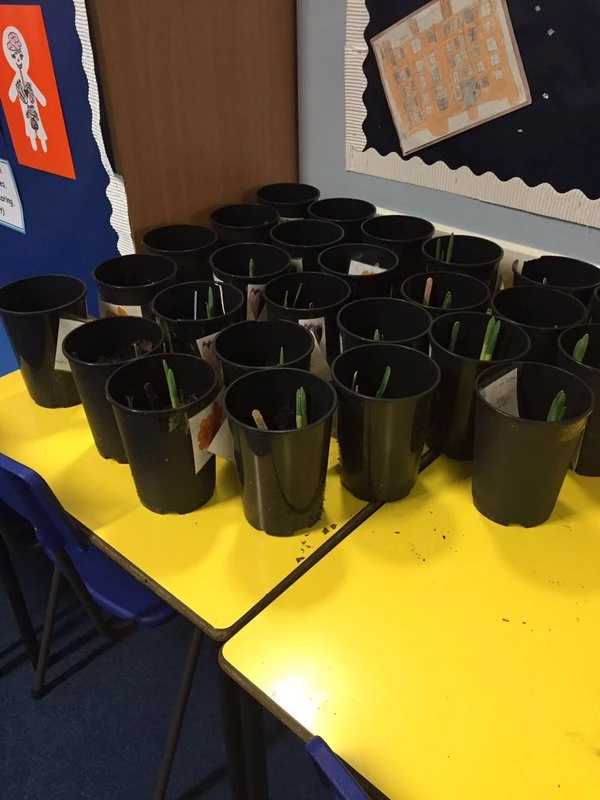
Blackwood Primary School: We have noticed that some of the plants have been growing in the plant pots.
Professor Plant: Fantastic Bulb Buddies, keep a close eye on them and remember to read the ‘keeping flower records’ resource on the website.
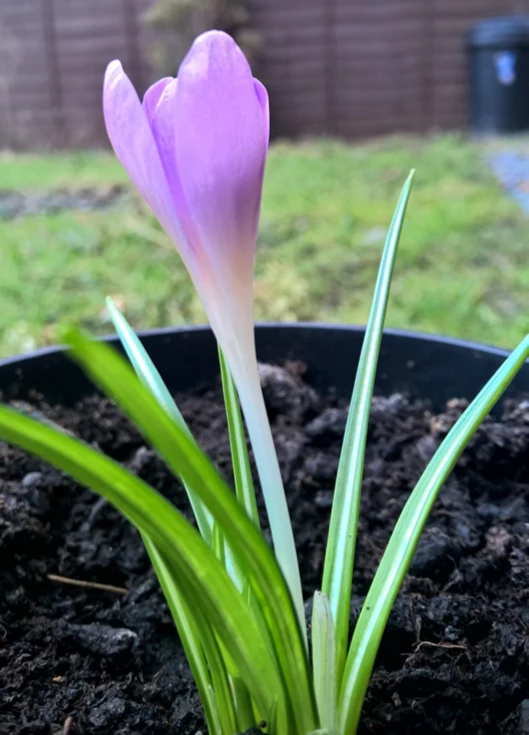
East Fulton Primary School: School started back on Wednesday. Some of our plants are showing through the soil.
Professor Plant: Exciting news East Fulton. Watch them closely because they will grow quickly!
Coppull Parish Primary School: Sorry we didn't do Friday. This is the best job EVER.
Professor Plant: Thank you for letting me know and don’t worry about Friday’s data. I’m very happy to hear that you are enjoying the project! If you think that studying the Weather is the best job ever maybe you will become a Meteorologist when you are older!
St Robert's R.C Primary School: We had an INSET day on Friday 12th so we couldn't send the data. Sorry professor!
Professor Plant: Thank you for letting me know St Robert’s RC Primary. Keep up the good work Bulb Buddies.
Shakespeare Primary School: Dear Professor Plant, The temperature has actually been okay this week. But on Tuesday there was a LOT of rain wow I still cannot believe how much rain there was, can you?
Professor Plant: Wow Shakespeare Primary, you must have had some bad weather to collect a high rainfall reading! I hope this week will be dryer for you!
St. Mark's Primary School: The thermometer broke and we were trapped outside in the pouring bucketing rain on Monday, Tuesday and Wednesday and A refused to wear a jacket on all days.
Professor Plant: Hi St Mark’s Primary, I’m sorry to hear that you were caught in the rain. Thank you for continuing to take weather readings despite the bad weather! Have you fixed or replaced your thermometer? I hope A has started to wear a jacket – it’s been very cold!
Rougemont Junior School: The water in the measuring funnel froze. Which must mean it's getting quite chilly. We melted the ice. That was really fun.
Professor Plant: Hi Rougemont Primary, well done for remembering to take the rain fall reading after the ice had melted. I’m glad you enjoyed the experiment. Keep up the good work!
Drumpark Primary ASN School: We can see the leaves sticking out but not all of them yet.
Professor Plant: It won’t be long now Drumpark. There are some fun experiments you can try once your plants are a bit bigger, have a look at ‘Professor Plant’s investigation ideas’ on the website.
Henllys CIW Primary: We had a minus 2 reading this week brrr but it was before our recording time.
Professor Plant: I hope it starts to get warmer for you Henllys. Well done for taking your readings at the same time each day, and for also looking at how the temperature changes throughout the day. Why do you think it is colder in the mornings than it is in the afternoons?
Severn Primary: We wonder if plants can get too much rain?
Professor Plant: Hi Severn Primary, this is an interesting question! Plants can get too much water. The plant pots you are using have holes in the bottom to drain the excess water so that they don’t become water-logged. You should only water your plants when the surface of the soil is dry. If the soil is damp then your plants won’t need extra watering. Keep up the good work Bulb Buddies.
Craigbank Primary School: This week, there was snow and our plants were covered in ice. Our ice melted and we had a lot of water in our rainfall collector.
Professor Plant: Well done for letting the ice melt before taking your readings Craigbank Primary. Did you notice if the reading was higher before the ice melted or after?
Broad Haven Primary School: A really cold frosty morning on Wednesday ice on the playground. Will it affect our bulbs?
Professor Plant: Hi Broad Haven Primary. Lots of schools have reported colder weather through weeks 2-6. Frost can affect your plant. Usually, cold weather would mean that your bulbs would take longer to grow. However, because we had such a mild December your bulbs will have started growing earlier than normal and should now be sturdy enough to survive short periods of cold weather.
St. John the Baptist Primary School: J saw some flies today and says that the country is warming up and the flies are coming out of hibernation - it is much warmer today! H says it is already starting to turn spring because it has been mostly sunny this week. But, it really snowed on Saturday and some children built snowmen and went sledging but the snow melted very quickly and was away by Monday. The sun is very bright today and it made L's eyes a bit sore. R says it was boiling today compared to what it has been. Interestingly, M saw a bee in her garden this morning, it tried to land on her finger! She says it was a very big bee perhaps a queen.
Professor Plant: Wow St John the Baptist’s, what a busy week! Well done for noting changes in the weather and looking out for the first signs of spring! There are lots of early signs of spring as a result of mild weather throughout December, but the cold snaps keep reminding us that it is still winter! Hopefully the weather will start to get warmer soon!
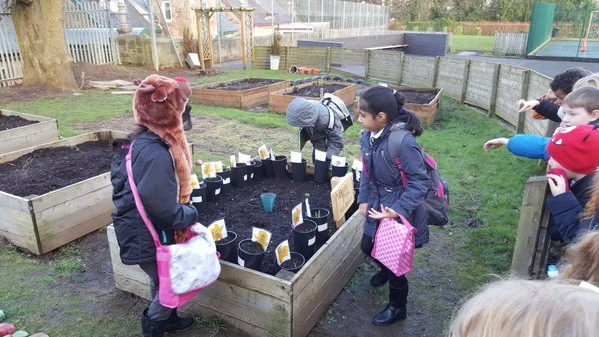
The Blessed Sacrament Catholic Primary School: The weather this week has been variable. We have had sun, rain and snow. The plants have not needed watering but have not grown very much more. On Wednesday we found that the rain gauge had disappeared and we found it on the other side of the garden with a crack in it. We think someone had been playing with it! Fortunately, we don't think it rained that day so no results were lost.
Professor Plant: Hi The Blessed Sacrament Primary, I’m sorry to hear about your broken rain gauge! Do you need another one if it is cracked or have you already replaced it? Keep up the good work Bulb Buddies!
Ysgol Rhys Prichard: It was -6 degrees on Wednesday morning. Frost on the ground all day in the shade.
Professor Plant: My gosh Ysgol Rhys Pritchard, -6 is very cold! I see it warmed up slightly by the time you took your weather readings. Well done for checking on the thermometer throughout the day to see how the temperature changes.
Coppull Parish Primary School: Hello! This week it has been very very cold and muddy we are also training people to do the rain gauge and we are upset that were not gonna do the rain gauge any more! Thanks for the opportunity! Thanks so much from J and L!!!!
Professor Plan: I’m glad to hear you are enjoying the project J and L. Well done for taking the skills you have learnt and training other people to use the rain gauge. You really are Super Scientists!
Stanford in the Vale Primary School: What a bitter cold week! All our water butts have been frozen solid, we have had lots of fun playing with the ice we have found around the school grounds, and endless experiments!
Professor Plant: Hi Stanford in the Vale Primary. I’m glad you have been having fun despite the cold weather! I’d love to hear more about the experiments you have been doing with ice! There are lots of great weather experiments to be found on the MET Office website:
http://www.metoffice.gov.uk/learning/weather-for-kids/experiments
Keep up the good work Bulb Buddies!!