by National Roman Legion Museum - Youth Forum, 30 Mawrth 2016
Exhibition review by Museum's Youth Forum.
As youth forum members we were able to help input our opinions into the design of the temporary exhibition and have been able to see it develop from a drawing on paper to a physical form. Today we have examined the exhibition and have evaluated the information and items displayed.
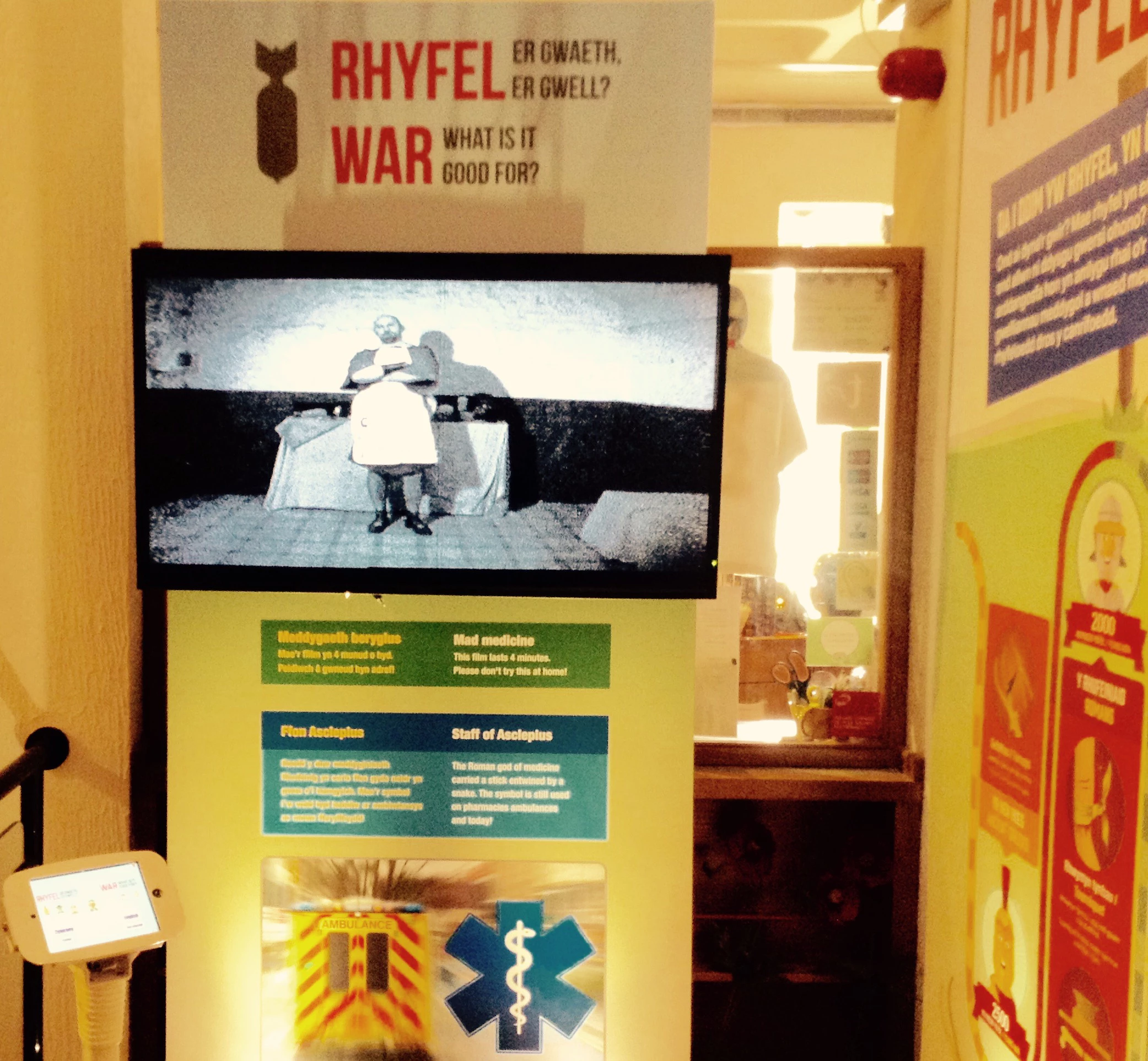
Amgueddfa Cymru has been tasked with commemorating the WW1 centenary. Personally, we believe that the exhibition is very interesting as it gives an insight into the medicinal history starting from Ancient Greece right up to the 21st century. We enjoyed the exhibition overall. The video grabbed our attention the most and we were able to see a visual aspect of medicinal practice with a humorous touch.
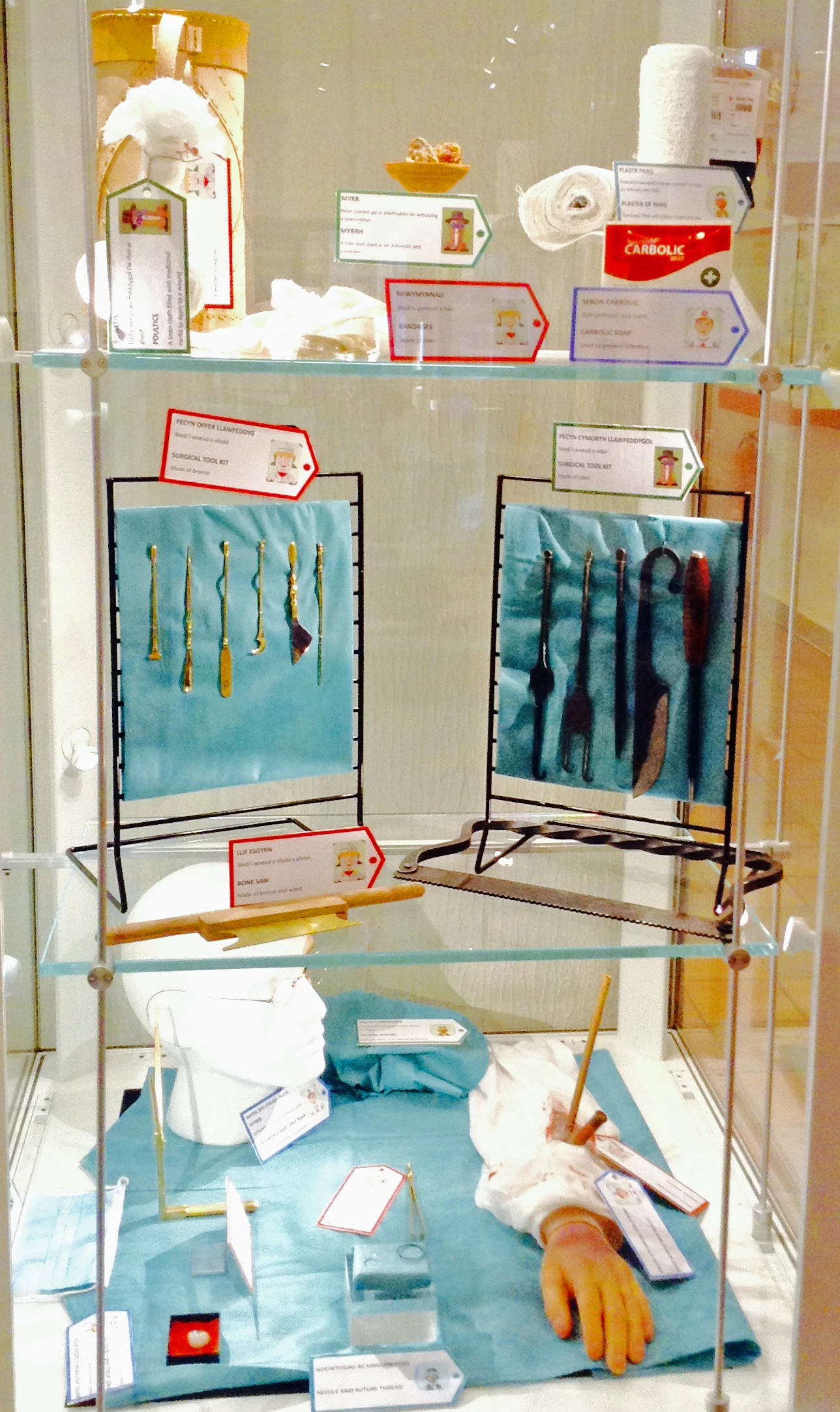
The exhibition has a number of different displays which hold valuable information about medicine and the different tools used to carry out medical procedures such as amputations. It contains a silent video in both Welsh and English that shows a few medical procedures from the Roman times. There are some replicas of medical items in the display case that have been used such as a Face Mask used in World War One to disguise facial wounds.
There is also a small game on an iPad that tests your knowledge of the information in the exhibition. This together with the video has proved to be a success with the general public. Some reviews say that they liked “the doctor video” and a young person enjoyed it when the doctor was “cutting the leg off”.
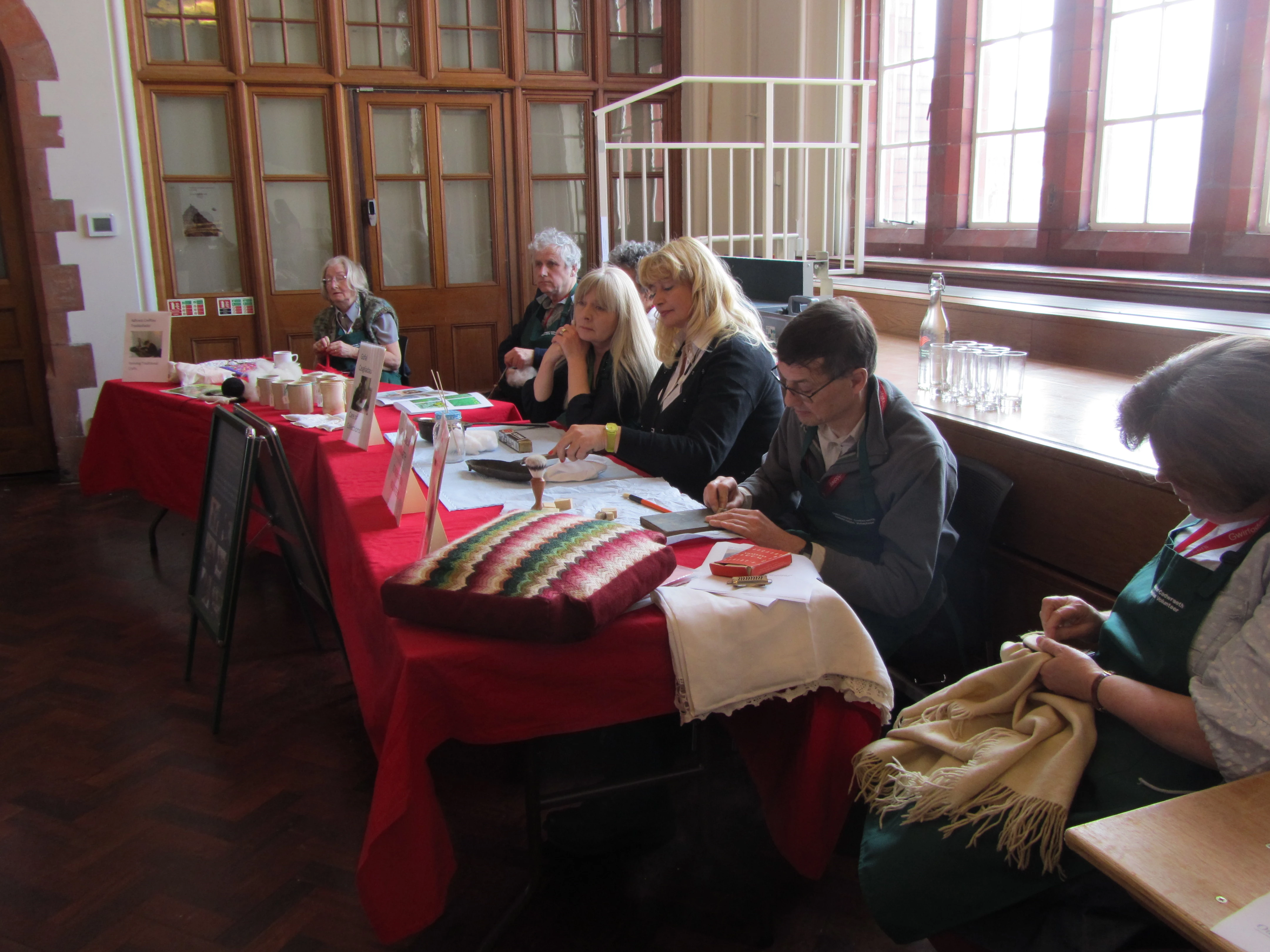
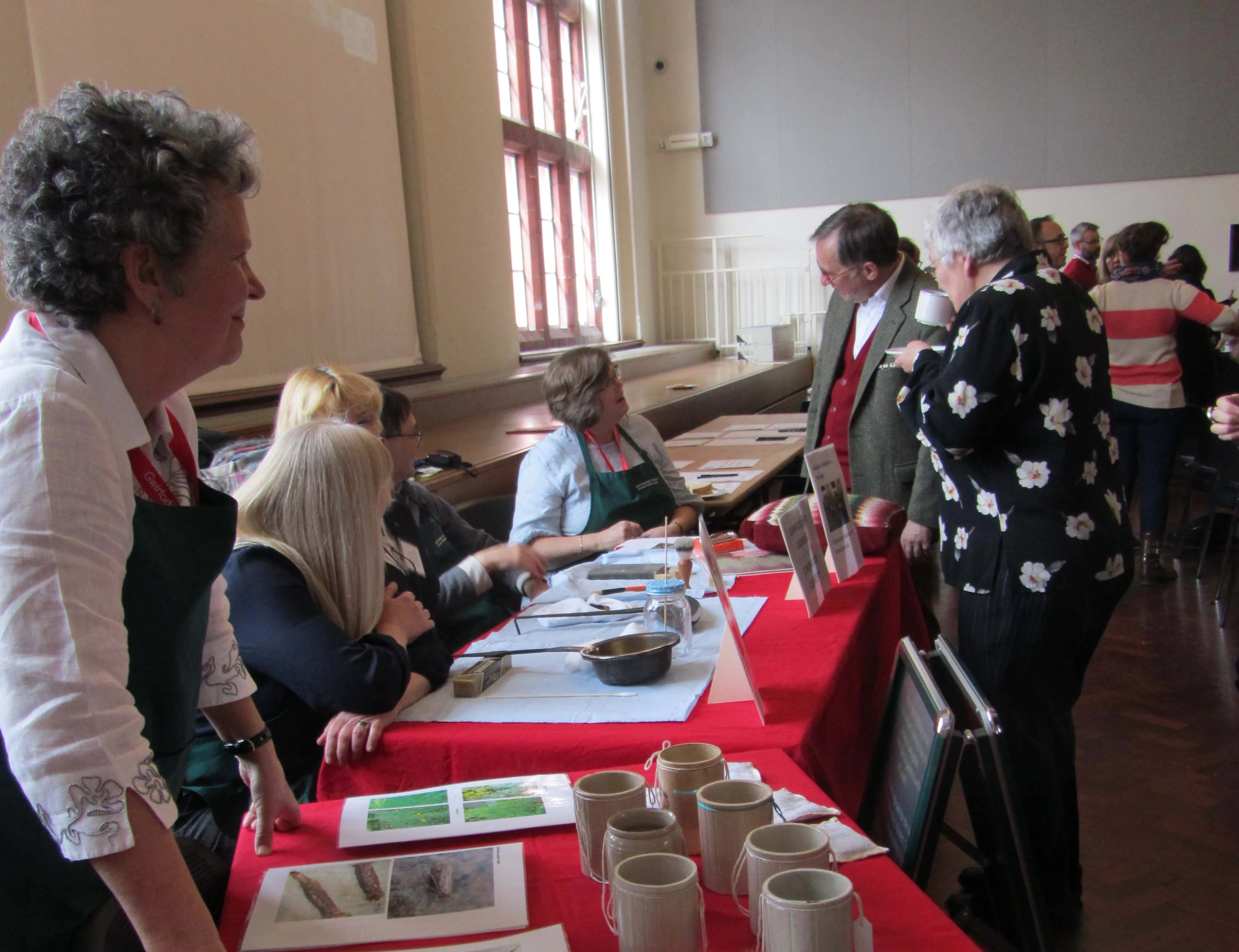
We are 6 months old now and still going strong. We have achived loads in that time, such as treating 130 objects and sorting out the support collection so we can use the objects on site. We have also produced handcrafted soft furnishings to help improve interpretation in the houses, plus introduced traditional skills back into the historic buildings by using herbs to protect our textiles from pests and creating rag rugs to keep the dust down. Not to mention learning to spin the wool from our sheep. Phew what a lot!
We are now well settled into our cottage at Llwyn yr eos farm at St. Fagans and even reinstated the open fireplace, which has been a welcome boost to the heating on colder days this winter. Also it's good for toasting teacakes!
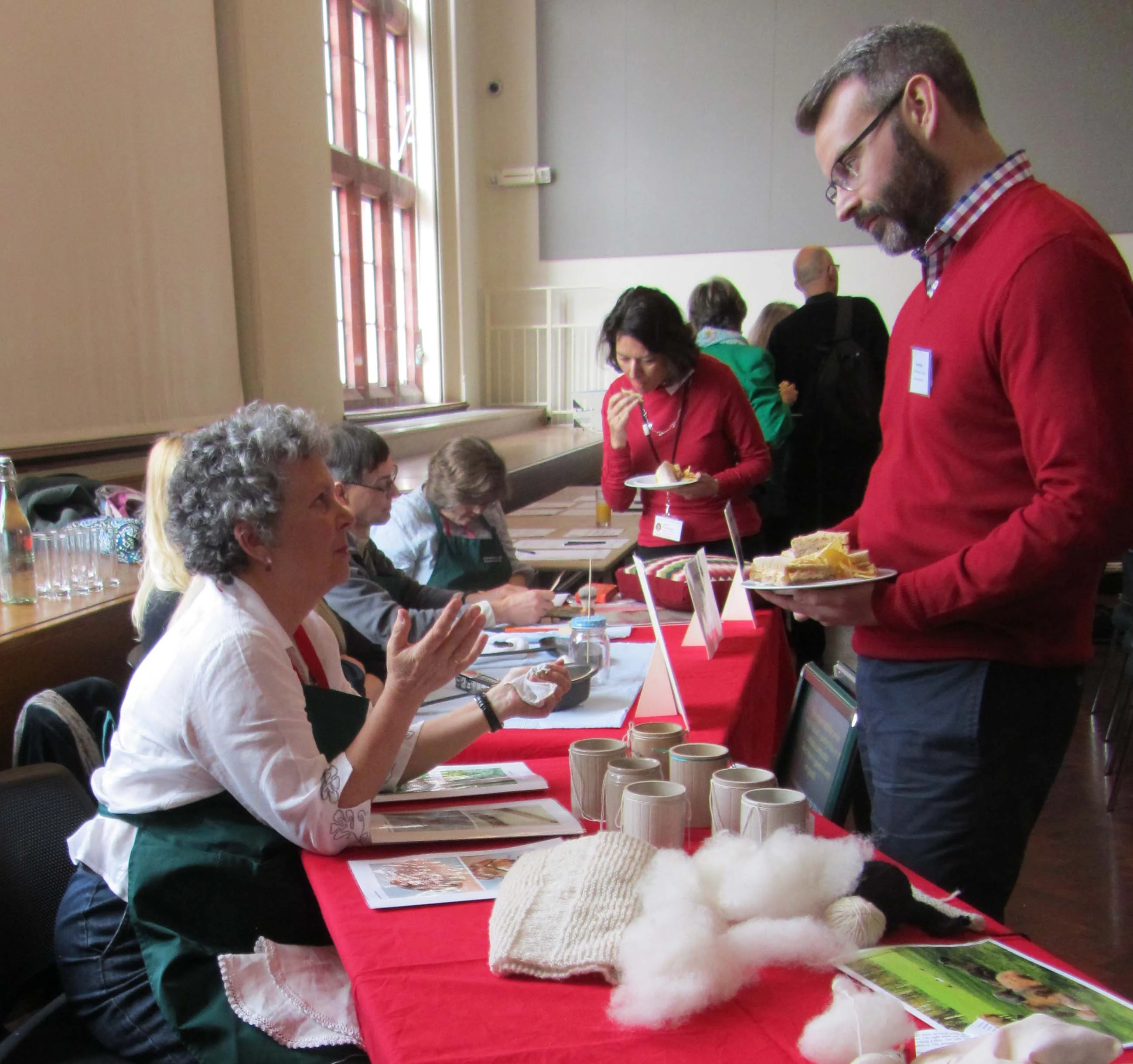
Yesterday we put our work on show during a one day seminar in Cardiff ' Small Changes Add Up' organised by the the Wales Council for Voluntary Action and the Museum. Here are some photos
Guest blog by St Fagans Youth Forum members - Amy Gifford, Kate Gregory & Beth Ivey-Williams - live from Bryn Eryr!
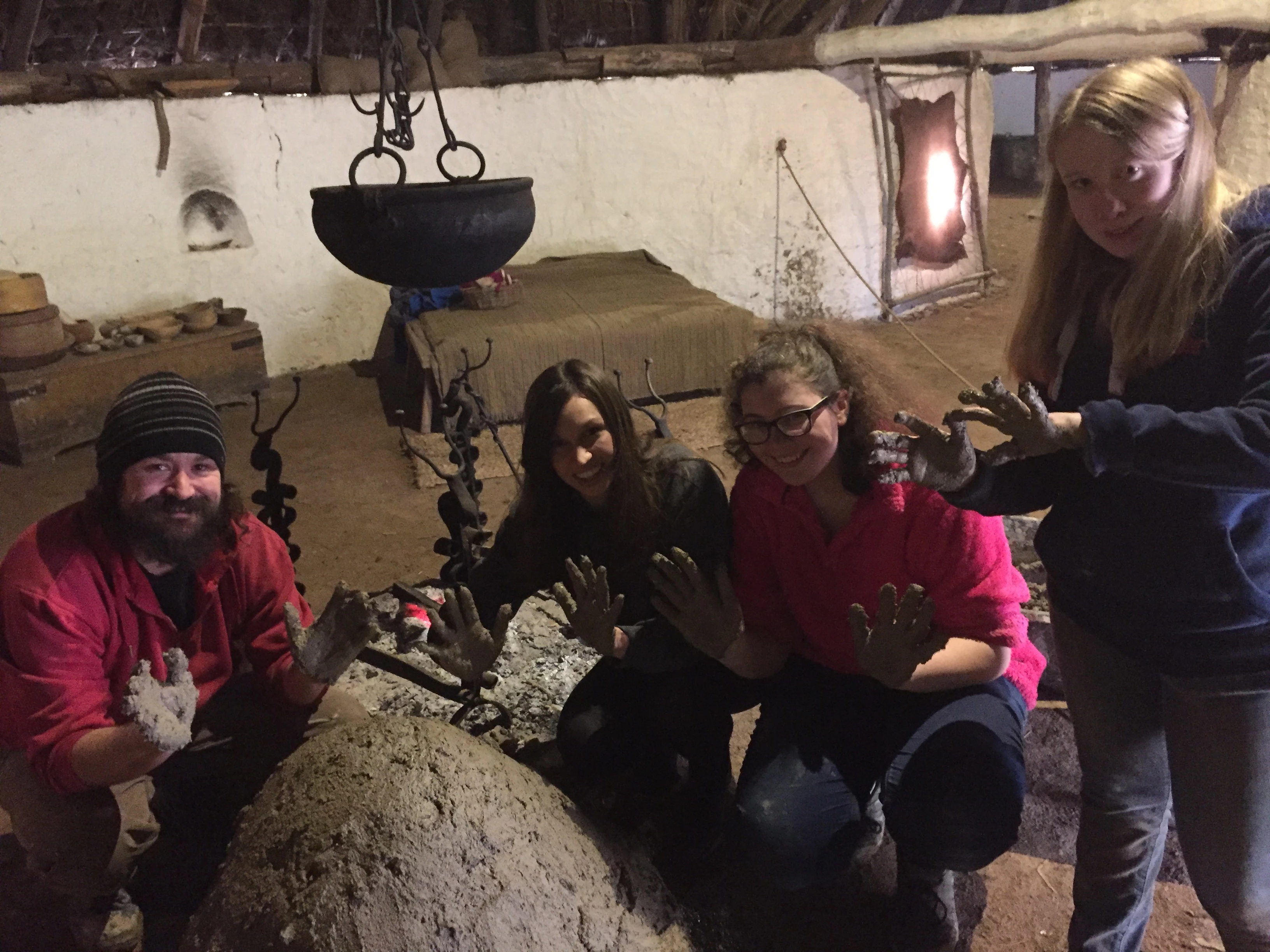
Hello everyone. We’re the St Fagans Youth Forum and today (12 March) we’re helping to build an Iron Age bread oven at Bryn Eryr. Ian, the Museum’s Interpreter, has been busy researching traditional building methods and the history of bread ovens through time. In this blog, we’ll take you through part one of the process. So if you fancy building your own pizza oven for your garden at home, follow our guide below.
Step 1
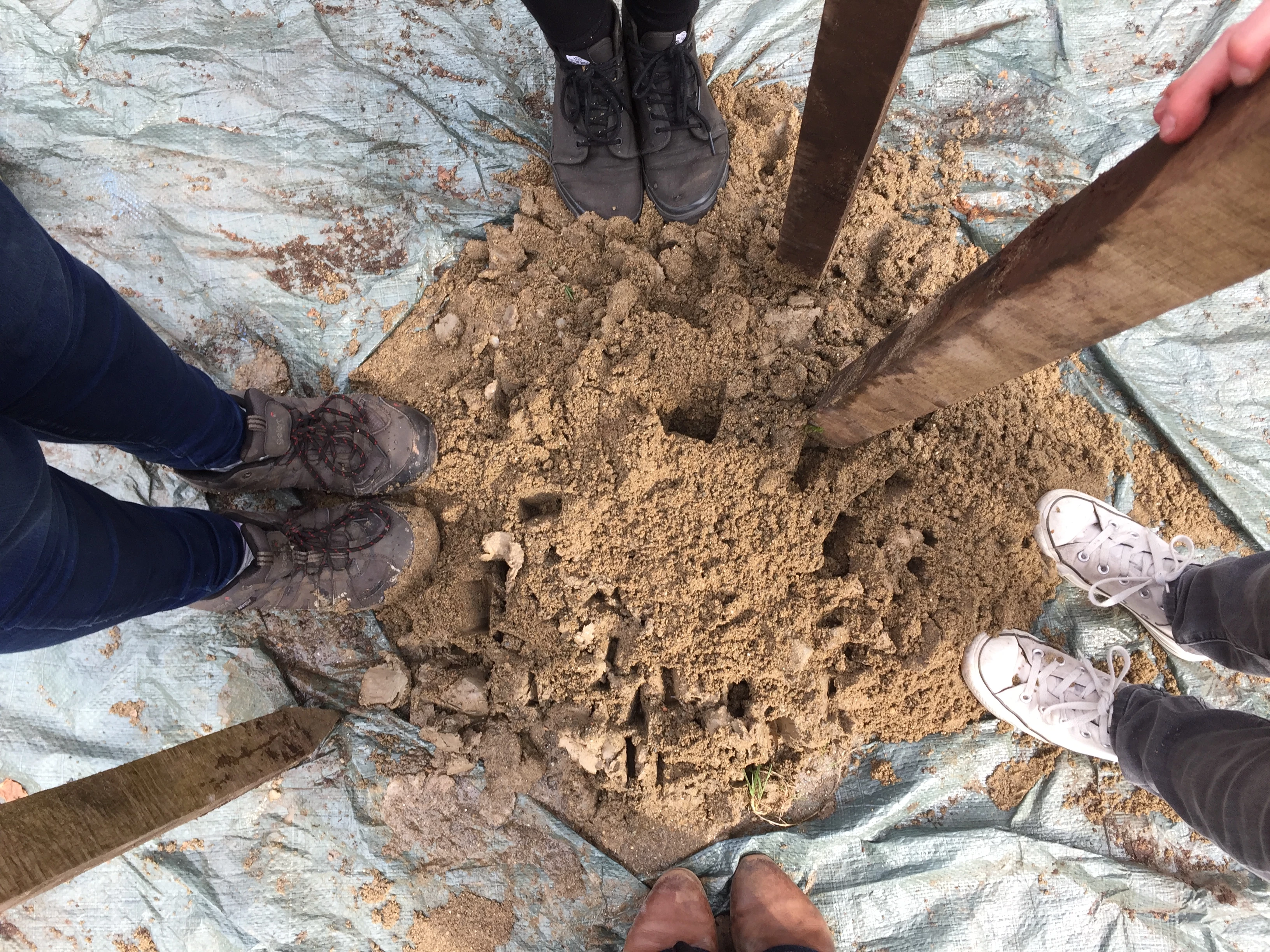
Use wooden stakes to mix local ‘clom’ (clay), water and sand to a thick dough. Patience and perseverance essential! Some would say it’s quite therapeutic; a weird kind of stress buster!
Tip from Amy: “Go with your gut instinct. You’ll know when the dough is at the right consistency.”
Step 2
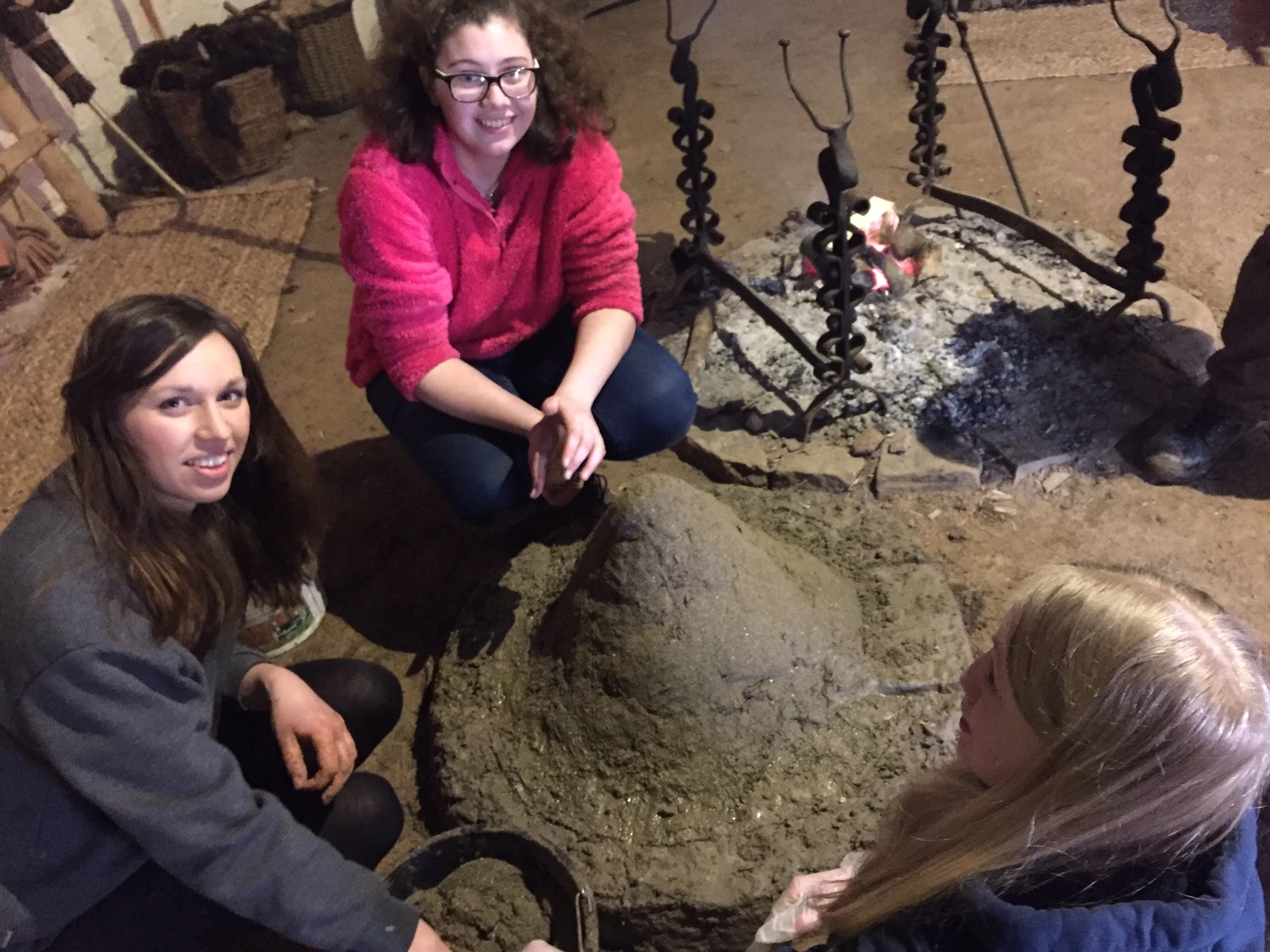
Mix dry sand with water. Use the mixture to build a dome (former) in the centre of the oven base. Ian pre-made the base out of clay and a flat stone. When building the dome, even out the sides for a rounded finish. Don’t use too much water.
Tip from Beth: “You’ll have to get your hands dirty, but it’s just like building a sand castle.”
Step 3
Build-up your dome to a rounded arch.
Tip from Kate: “Keep warm as you work. Your hands will get very cold as you sculpt the wet material.”
Step 4
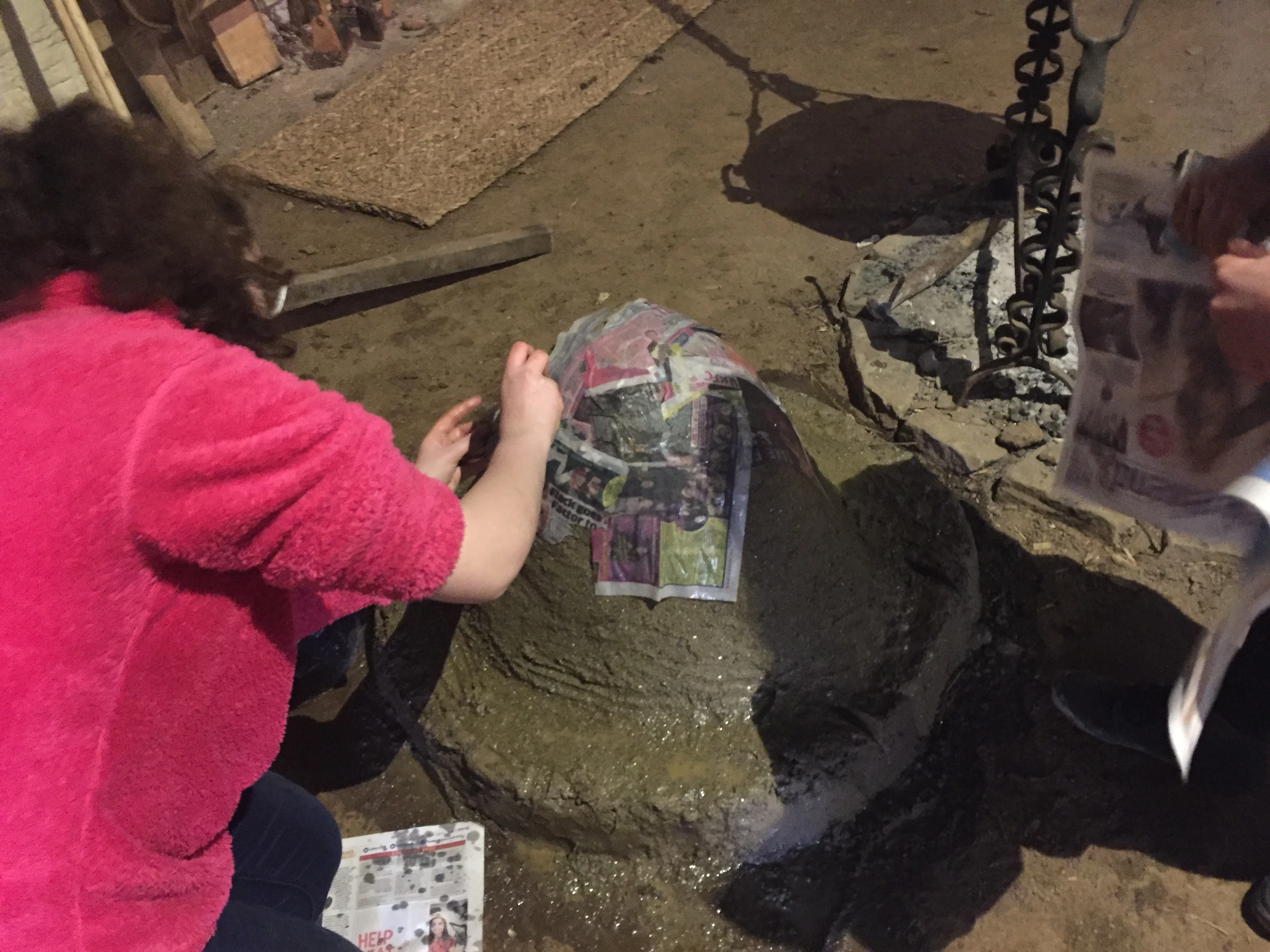
Smooth off all the sand and cover your dome with strips of damp newspaper. This is a bit like papier mâché.
Step 5
Cover the dome with the clay mixture you prepared earlier in step 1. Let it set for two days.
I volunteer one day per week with National Museum Cardiff’s Preventive Conservation team who is responsible for the care of the museum’s collections.
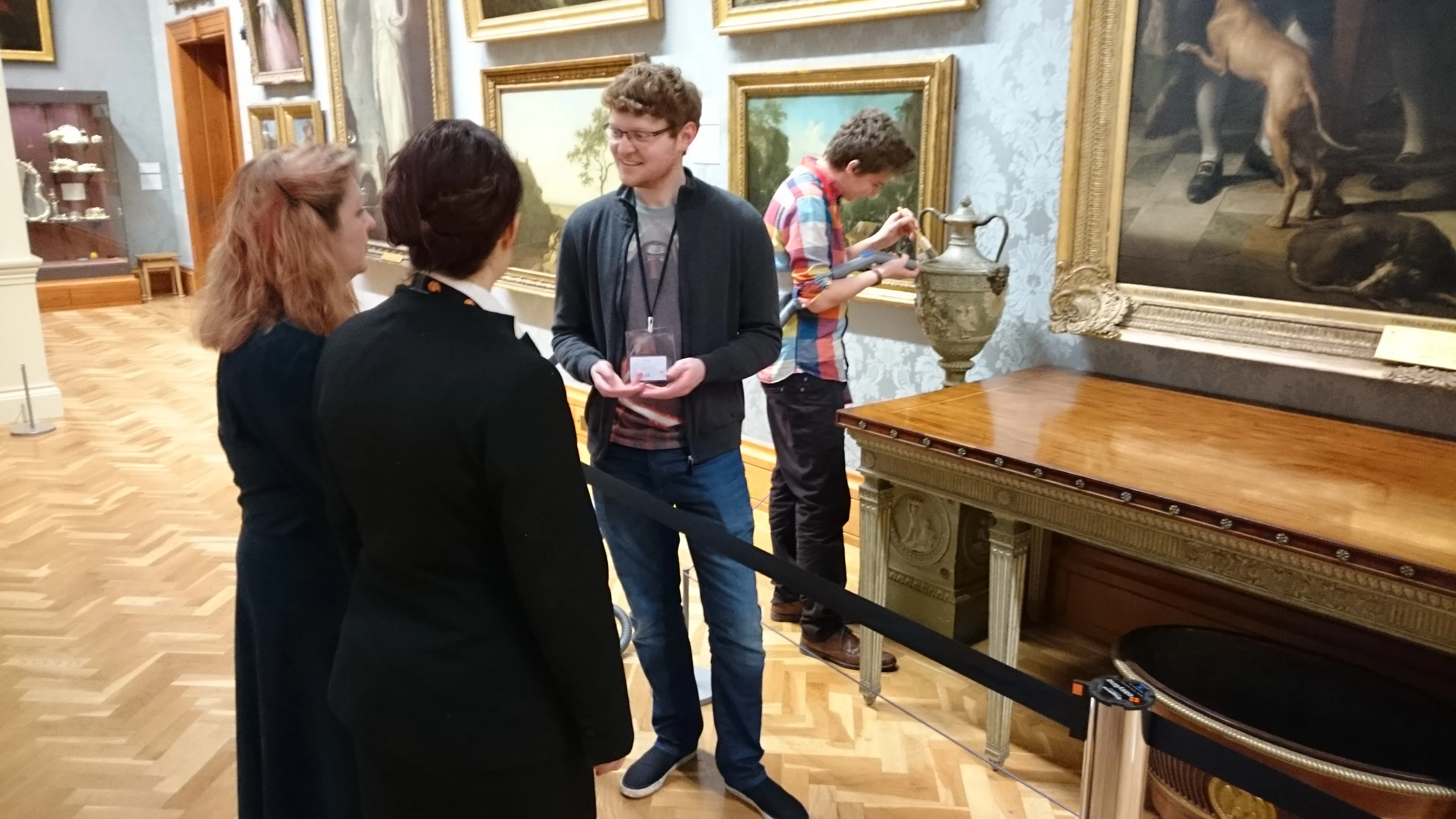
So what constitutes a typical day in the life of a Preventive Conservation volunteer? Typical is not a word that you can really use because it is pretty rare that we’ll be doing the same thing two weeks in a row. Looking after museum collections involves many diverse jobs.
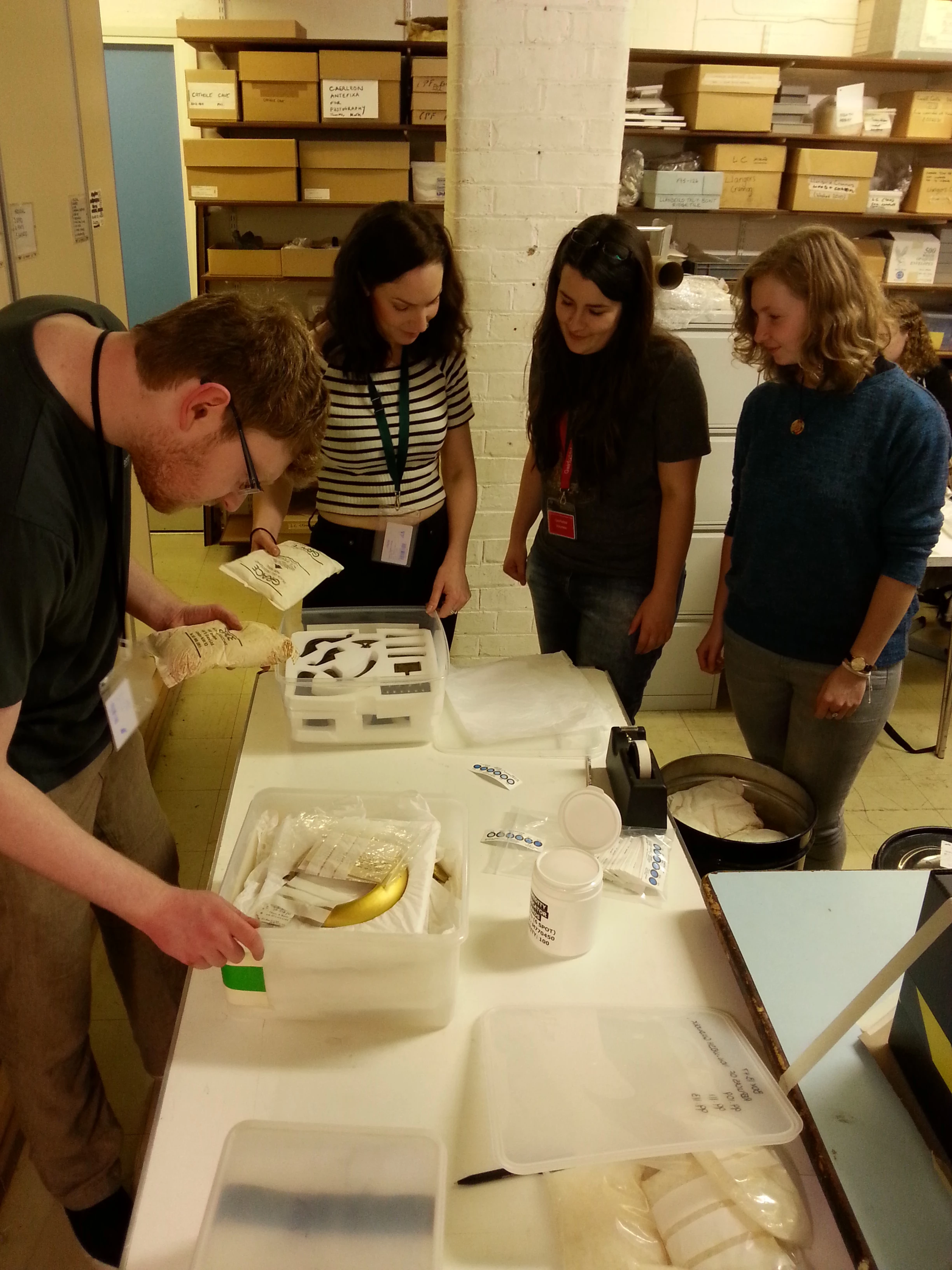
My first ever task as a volunteer was to replace the silica gel in some of the object storage boxes in one of the Archaeology stores. Each of the plastic boxes contains a unique object. The silica gel keeps the object dry, which prevents metals corroding, for example helmets and swords. It’s pretty exciting to work in a museum store, see different parts of the past and know that you had a hand in preserving objects for the future.
What else has this volunteer done? Spot checking for pests in the Entomology store was a pretty strange experience. We look over the insect collections for signs of pest damage. Yes, the dead insects in the store are at risk of being eating by live insects! It really gives this sense of awe and then sadness when you see beautiful insects, both large and small, that you’d never imagined you’d see in real life and then you spot parts where they’ve been eaten by a pest. Looking over the collection regularly, and spotting pest activity early, means that specimens are not damaged by pests.
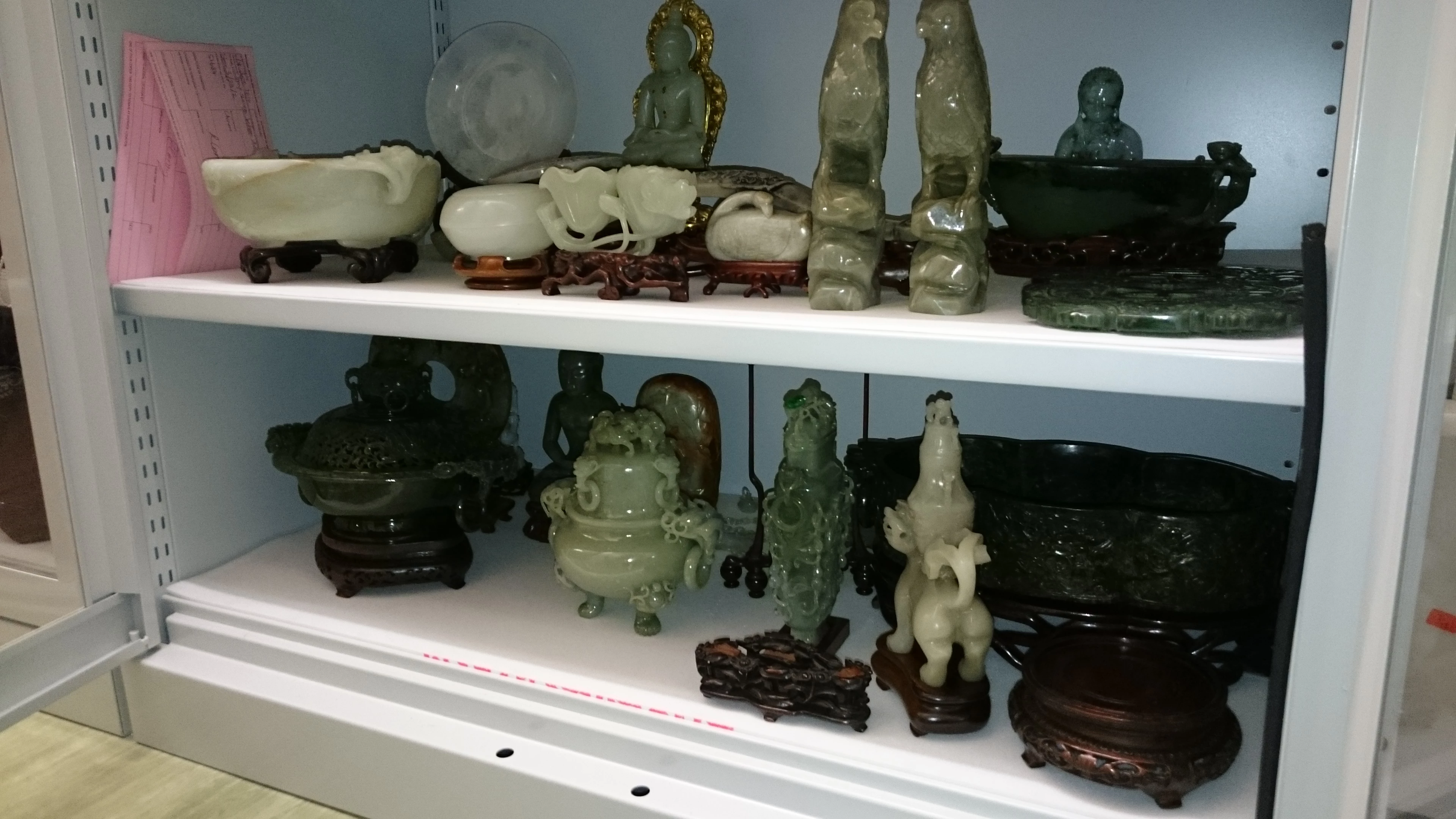
Most recently we’ve been moving some of the silver and jade objects in an Art store into new storage cases. If you ever get the chance to do this let me give you some advice; don’t think about the value of the objects you’re moving. If you do then you will be nervous. Instead focus on how amazing these objects are and how you’re helping to continue their story by making sure they are stored correctly. The museum objects will stick around a while longer because of your help.
In closing I only have this to say; if you ever get the opportunity to volunteer at a museum you should do it. It may end up giving you some of the best experiences of your life. That’s what it did for me.
Stefan Jarvis.
Find out more about care of collections at Amgueddfa Cymru - National Museum Wales here.
Guest Blog by Holly Morgan Davies, National Museum Cardiff Youth Forum, 8 Mawrth 2016
While I enjoy going to the Youth Forum very much, I have to say a once-in-a-lifetime experience was not what I was expecting when I turned up last week. But there we were, in the art conservation room, a few feet away from an original Van Gogh, out of its frame on the next table, having just come back from being loaned to an American museum. I could have actually touched it (and I was quite tempted, though of course I didn’t).
Now, I’m not exactly an art aficionado, as you can properly tell by the way I haven’t included the name of the painting because I don’t know it, but I have to say it was pretty amazing.
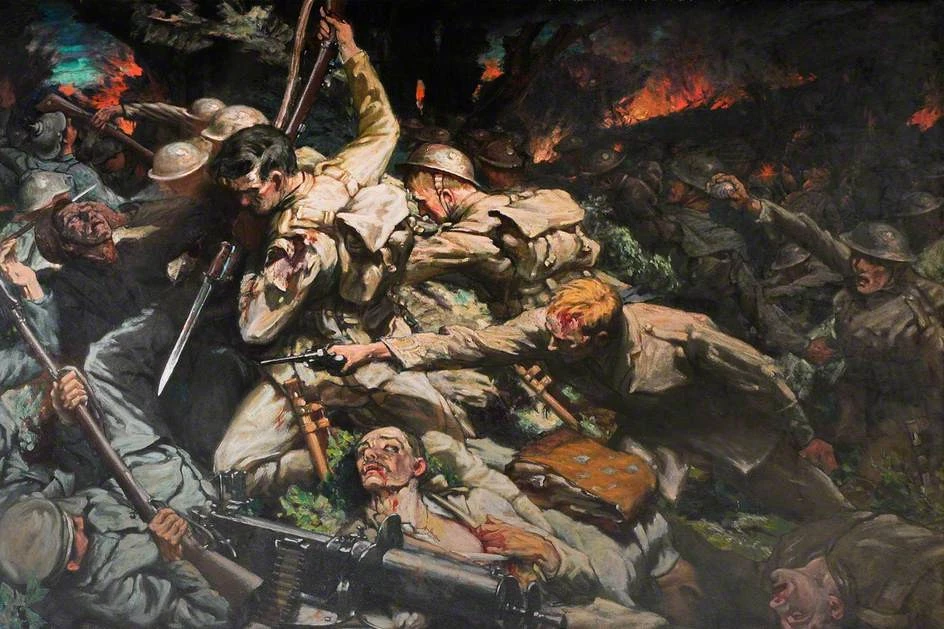
However, the focus of the meeting was actually the imposing The Welsh at Mametz Wood by war artist Christopher Williams, which is going to be part of a new exhibition focusing on the First World War battle at Mametz in a few months time.
This is a battle where hundreds of men from the Welsh Division were killed in July 1916, and thousands more were injured, something that the painting certainly doesn’t shy away from. It’s big, bloody, and quite brutal. While war sketches of poppies blooming among the trenches and beleaguered soldiers limping through mud evoke the tragedy of the slaughter that took place, they arguably don’t capture the fighting itself, but the aftermath, the few moments of calm in a four-year storm.
Williams’ painting does the opposite. The desperate struggle of the hand-to-hand slaughter was immediately obvious. It felt almost claustrophobic, the way the soldiers were almost piling on top of each other, climbing over their fallen comrades to try and take out the machine gunner. It was certainly a world away, as we discussed, from the posters bearing Lord Kitchener encouraging young men to enlist. We also talked about the way the painting is quite beautifully composed, almost in a Renaissance style.
It was hard to look at, but at the same time it was something you wanted to look at.
After this, we went to the archives to look at some sketches made by Williams and other artists while at the trenches. I was about to get goosebumps for the second time that evening - one of them still had mud from the trenches staining the edges!
In any other context, 100-year-old mud probably wouldn’t have been very exciting, but this mud is so strongly linked in people’s minds with images of the First World War.
Think of the trenches, and you think of mud. People slept, ate and died surrounded by this mud; it seems to be inextricably bound up with the nightmare of having to live and fight in that environment, and made looking at the sketches even more powerful.
Another document we looked at was a sort of manual given to recruits of the Royal Welsh Division, containing poems, stories and pictures that the soldiers would have submitted themselves. It was touching to see one of the ways they would have injected moments of humour into their lives as soldiers, and also their own perspectives on their experiences. All in all, I’m really looking forward to seeing how this exhibition comes together, and learning more about Mametz, a part of the war I hadn’t even heard of until a couple of weeks ago.