Himalayan balsam invasion in South Wales
, 13 Rhagfyr 2017
Shwmae,
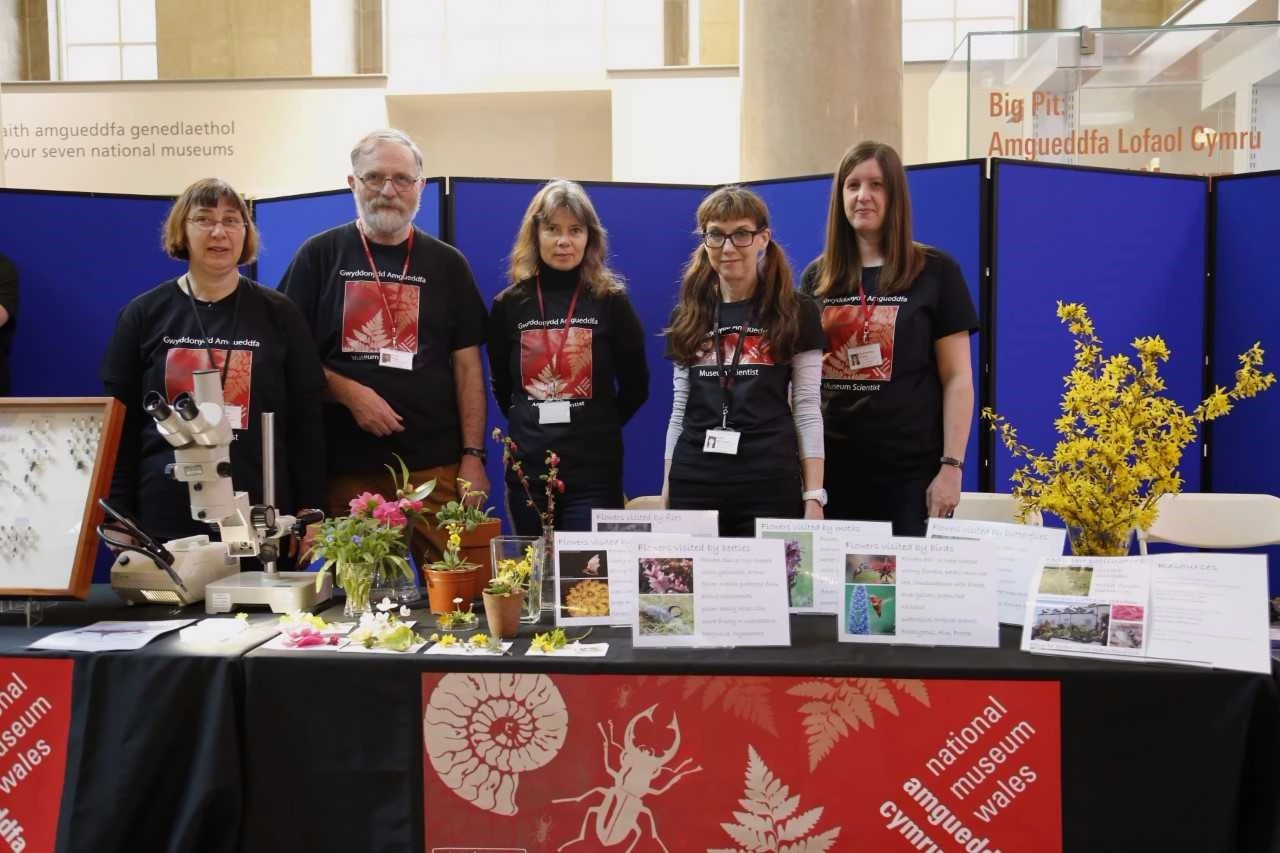
I am a Biology Undergraduate at Cardiff University and today I am just over two months into my professional training year placement within the Botany section, Department of Natural Sciences at the National Museum Wales. Plant life of all sorts has always delighted me, and when an opportunity to work in Wales’s largest herbaria arises, you grab it by both hands! So far, my experience has been nothing short of extraordinary. Working with and learning from a team of respected and experienced botanists has been the highlight of my stay so far, rivalled only by the history and scientific value that this department holds behind its doors.
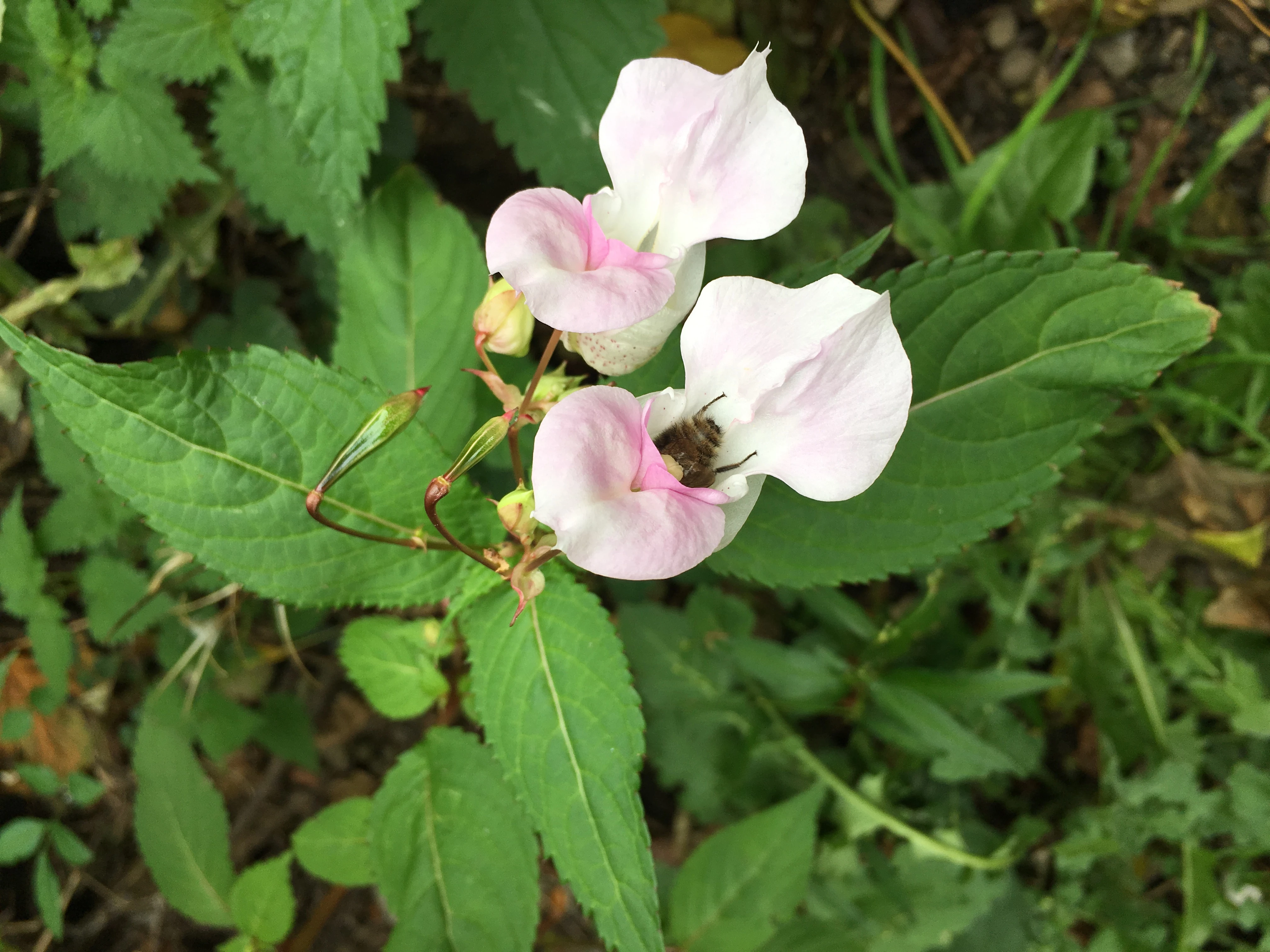
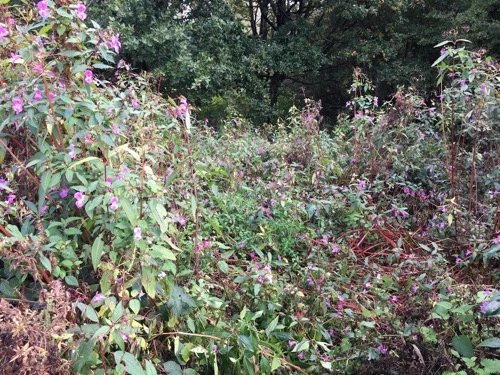
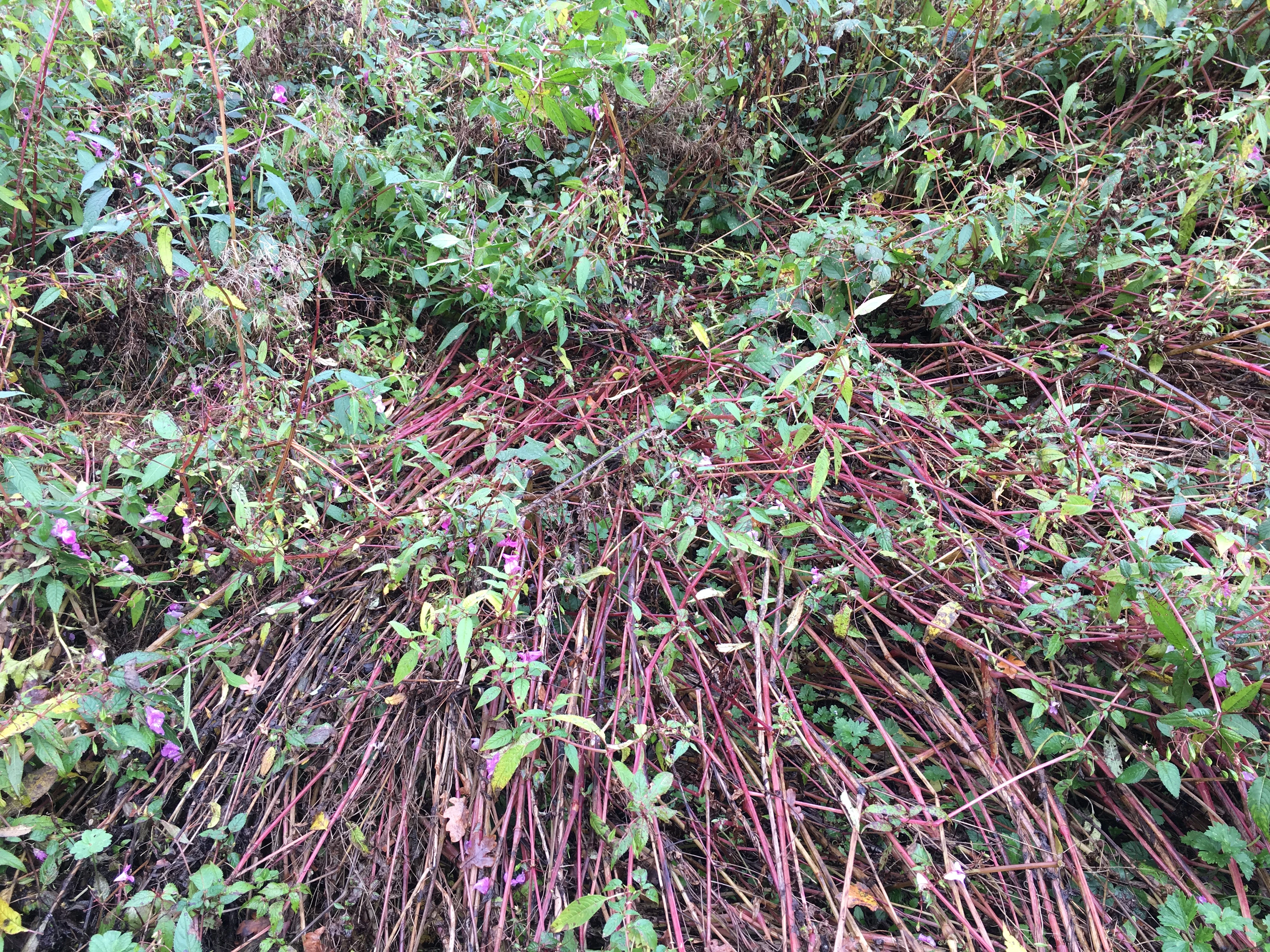
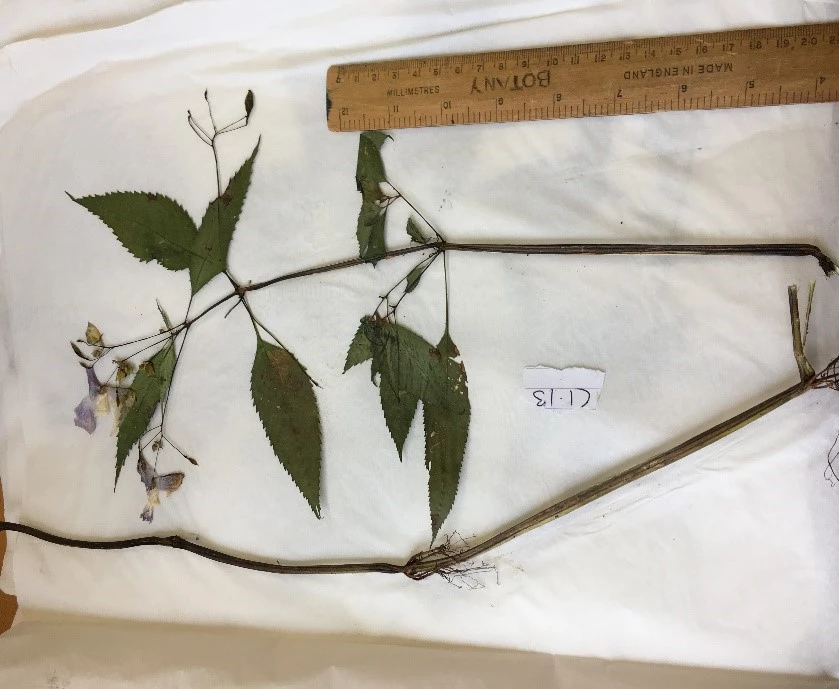
The project I am working on involves studying the highly invasive annual plant Impatiens glandulifera,-Royle, or Himalayan Balsam as it is commonly known. Himalayan balsam, like so many other invasive plants found in Britain today was introduced by the Victorians as a botanical curiosity. First contained in botanical gardens, its high growth rate and reproductive output mean that now, it is found in almost every area of Britain. Himalayan balsam can reach heights of 3 metres and produce up to 2500 seeds per plant, often forming dense populations along river banks throughout the UK. Buoyant seed pods mean that seeds are easily transported in river systems, and seeds don’t have to germinate the following year after set, they have a two-year dormancy period whilst they wait for the right growth conditions. The life traits of Himalayan balsam mean that it has become incredibly invasive in the UK, with it being listed as a Schedule 9 plant in the Wildlife and Countryside Act; i.e. it is illegal to plant or otherwise cause it to grow in the wild.
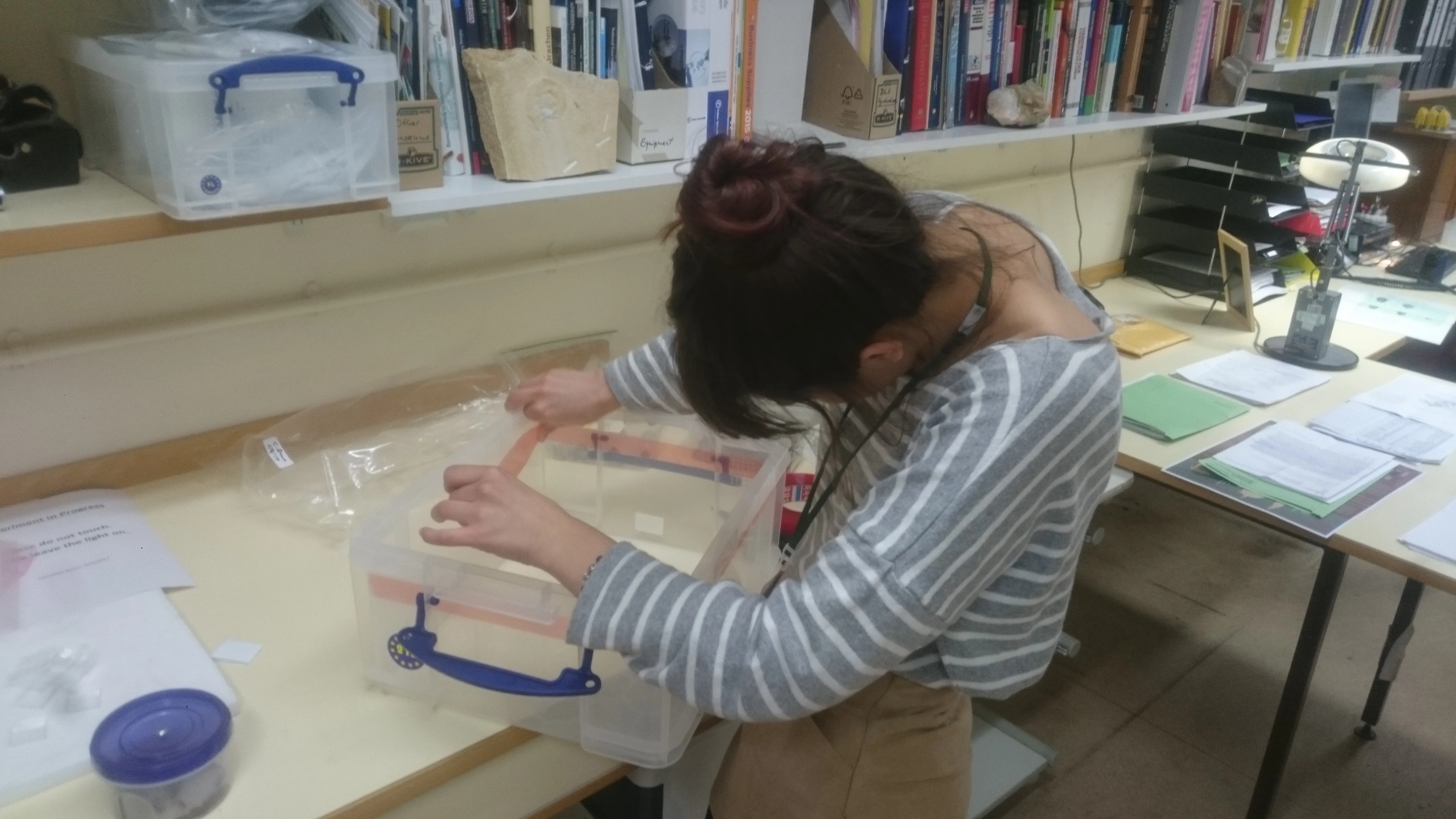
My project involves studying specimens to see if any morphological traits have changed since its introduction into the UK in 1839, and looking at variation between populations of Himalayan balsam in the South Wales area. So far, much of my time has been spent conducting field work! I have been out collecting specimens of Himalayan balsam using a plant press. Specimens are randomly chosen from their habitat, mounted between a folded bit of thin paper called a ‘flimsy’, making sure that all leaves and flowers are flat and arranged in a way that their features can still be studied. Acid free card is placed between specimens and they are mounted into a plant press, straps are then wrapped around the plant press and pulled as tight as possible before it is placed in a specialist drying oven. After the specimens have been in the drying oven for between 5-7 days, they are then placed in a freezer for 4 days to kill any insects, bacteria or fungal spores that may have contaminated specimens.
After the drying and freezing process is over, specimens are ready to be examined and studied! So far, I have spent most of my time in the field collecting information such as number of seeds, flowers, height, colour of flowers, type of habitat, light levels, whether population is managed or not, etc. I plan to use this information to compare differences between sites where I. glandulifera is found in the South Wales area, and whether there are discrete differences between these populations. This will involve molecular work in the lab; potentially looking at differences in the number of ‘microsatellites’ between populations. ‘Microsatellites’ are repetitive DNA sequences and by directly comparing the number of repeats of microsatellites we can learn more about the diversity within and between local populations.
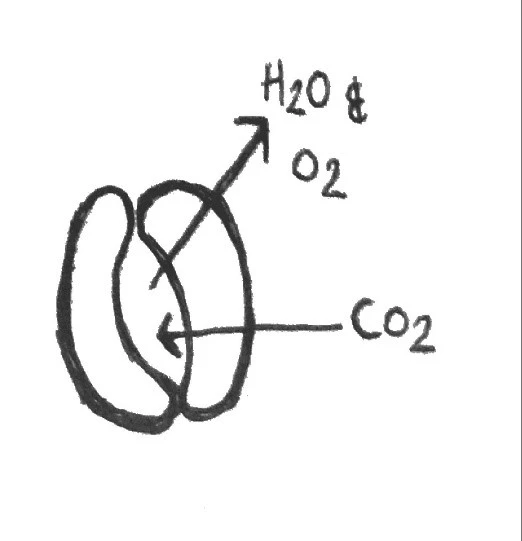
I am collecting a large data-set for I. glandulifera in the South Wales area, looking at different morphological characteristics of the plants, as well as collecting measurements from the habitat it was collected from. Measurements include light levels, tree cover, habitat type, whether the population was managed etc, with the ultimate goal of allowing me to see if these different habitat variables impacts how I. glandulifera grows. After I have collected specimens from different habitat types, their morphological characteristics can be analysed. This will involve imaging software to look at traits like leaf area, leaf width, leaf length, flower length, leaf shape, and microscopy work looking at stomatal density, size of ‘guard cells’ that make up a plant’s stomata and pollen structure (picture). Once I have collected measurements from I. glandulifera collected in 2017, I can then look at specimens of I. glandulifera in the herbarium collected in the 1900s to see if there has been a change in any of these morphological traits in the past 100 years. If there has been a change, what is happening, are the leaves larger or smaller? Are plants taller or shorter? Do they produce less or more flowers? These are the questions I am hoping to answer with my research, and in doing so produce some answers on how we can begin to tackle this unwelcome invader.
It has been a very exciting and enjoyable few months in the herbarium I have had opportunities that most people would only dream of, and each day I spend here I learn something new from the experienced curators I have surrounding me. The herbarium is something to be treasured, plant records frozen in time that contain a wealth of information just waiting to be discovered. And this resource is here for you to explore and enjoy too, just contact one of the herbarium team to make an appointment (https://museum.wales/curatorial/botany/staff/). Everything here fills me with sheer joy, and it is an absolute pleasure to wake up each day knowing that I am spending my time in such a wonderous place. I don’t look forward to leaving this gorgeous establishment, but I look forward to seeing what wonders this herbarium has in store for me, and what answers it can provide me on my path to stop invasive species here in Wales.