Gweithdai Gwyddoniaeth Gwych Grace!

Sarah Williams - Ysgol Gyfun Cwm Rhymni, 15 Medi 2017

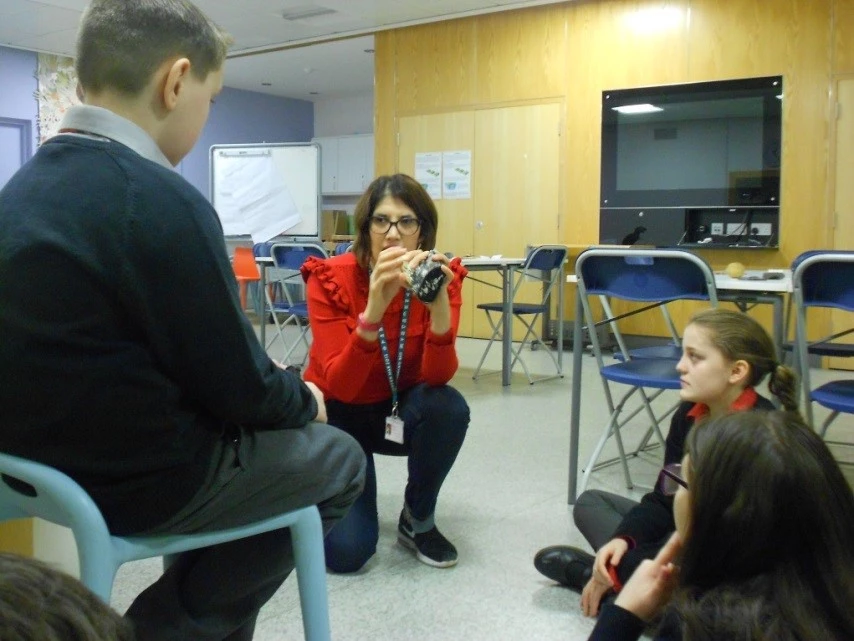
Eleni, am y tro cyntaf, fe fachon ni ar y cyfle i gymryd rhan mewn pedwar gweithdy Gwyddoniaeth o dan ofal Grace Todd. Ond, yn gyntaf, fe ddewision ni wneud y daith hunan-arweiniol o gwmpas yr amgueddfa gan ddefnyddio’r llyfryn lawrlwythog.

Mae dau grwp bach Blwyddyn 7 anghenion addysgu ychwanegol lawr wedi mynychu’r amgueddfa o ddau safle Ysgol Gyfun Cwm Rhymni. Roedd y daith gychwynnol yn llwyddiant llwyr gyda chynnwys a gofynion y llyfryn yn addas iawn at oed a gallu’r plant gyda chymorth cynorthwyydd a finnau. Roedd y daith yn rhoi cyflwyniad i’r plant o beth sydd yn yr amgueddfa ond hefyd cyfle i astudio addasiadau a chynefinoedd yn ogystal ag esblygiad trwy edrych ar adran y deinosoriaid. Ymateb y plant wrth fynd i mewn i’r adeilad am y tro cyntaf oedd ‘Waw!! Mae’n awsym!’.

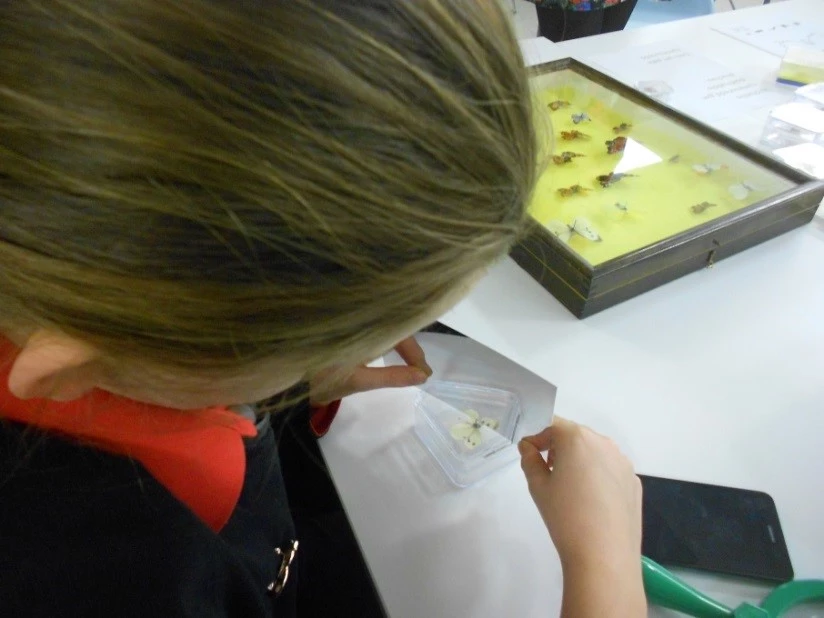
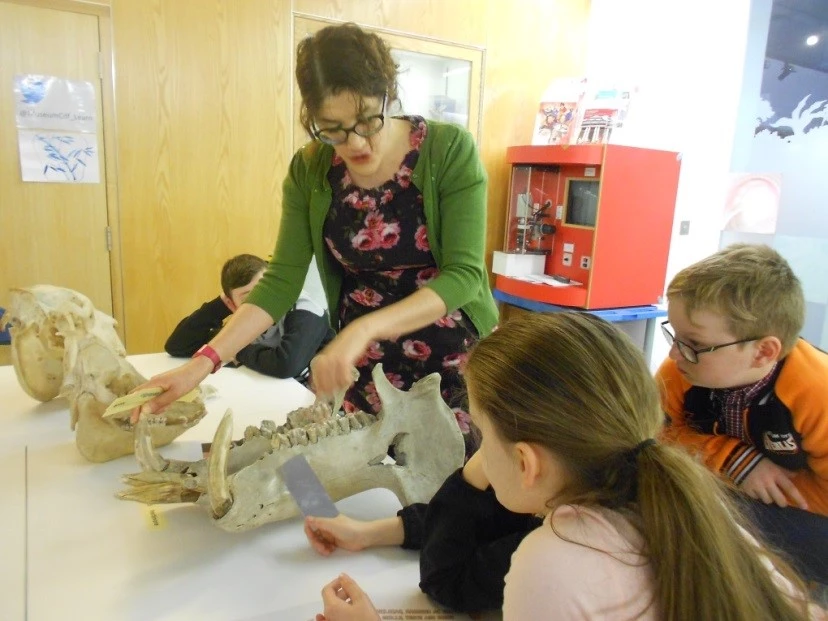
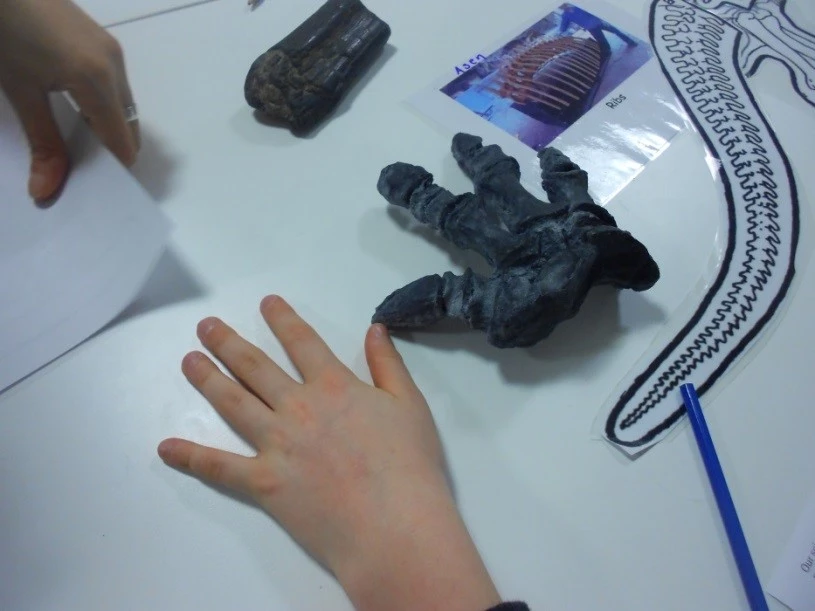
Roedd y broses o fwcio’r gweithdai yn hwylus iawn trwy ebost (gydag Alun) ac wedyn bant â ni gyda’r pedwar gweithdy: Darganfod!, Ditectif y Deinosoriaid, Penglogau, Dannedd ac Esgyrn, a Bwystfilod Bac. Roedd modd wrth wneud y gweithdai  yma, dynnu sawl peth astudiwyd eisoes yn yr ysgol i mewn e.e. y corff, Mathemateg (trwy wneud cymesuredd ac ati). Beth o’n i’n hoffi fwyaf oedd y ffaith bod y plant yn gallu ymdrîn ag artiffactau ac eitemau casgliadau go iawn. Yn y gweithdy terfynol, roedd y plant yn cael ymchwilio cannoedd o eitemau, eu trin, eu pwyso, eu mesur, eu disgrifio…ac wedyn, roedd pob un yn dewis un er mwyn creu arddangosfa dosbarth. Profiad mor werthfawr ac addysgiadol. Yn ogystal â’r sgiliau gwyddonol oedd Grace yn eu hyrwyddo, roedd cyfle i’r plant ddatblygu sgiliau cyfathrebu trwy drafod gyda’i gilydd a chyflwyno o flaen pawb. 

Felly, diolch Grace ac Amgueddfa Genedlaethol Cymru. 😊

(Rydyn ni hefyd wedi gwneud y gweithdy Celf gyda Catrin ac roedd hyn yn fuddiol iawn. Wedi lawrlwytho adnoddau eraill o’r wefan ar gyfer lleoliadau eraill e.e. Pwll Mawr a Sain Ffagan.)


Sut i Archebu

Owain Glyndŵr a thrawst Sycharth

Dafydd Wiliam, 15 Medi 2017

Ar 16 Medi, 617 o flynyddoedd yn ôl cyhoeddwyd Owain Glyndŵr yn Dywysog Cymru gan ei ddilynwyr yn ei lys yn Glyndyfrdwy. Pahaodd ei frwydr yn erbyn grym Lloegr rhwng 1400 ag 1409. Roedd ei gartref, Sycharth, yn gastell mwnt a beili Normanaidd yn Llansilin, Sir Ddinbych. Cyn y gwrthryfel, honnai y bardd Iolo Goch fod naw neuadd yn y llys, a bod to o lechi ar bob un. Ysgrifennodd ‘Mae’i lys ef i nef yn nes’. Ar y stad roedd llyn pysgod, perllan, gwinllan, ceffylau, ceirw, peunod, a dim ond y cwrw lleol gorau fyddai ei weithwyr yn yfed. Wedi darganfod Sycharth yn wag fe losgwyd y lle i’r llawr gan Harri o Fynwy (a goronwyd wedyn yn Harri V). Wedi hynny fe losgodd Glyndyfrdwy.

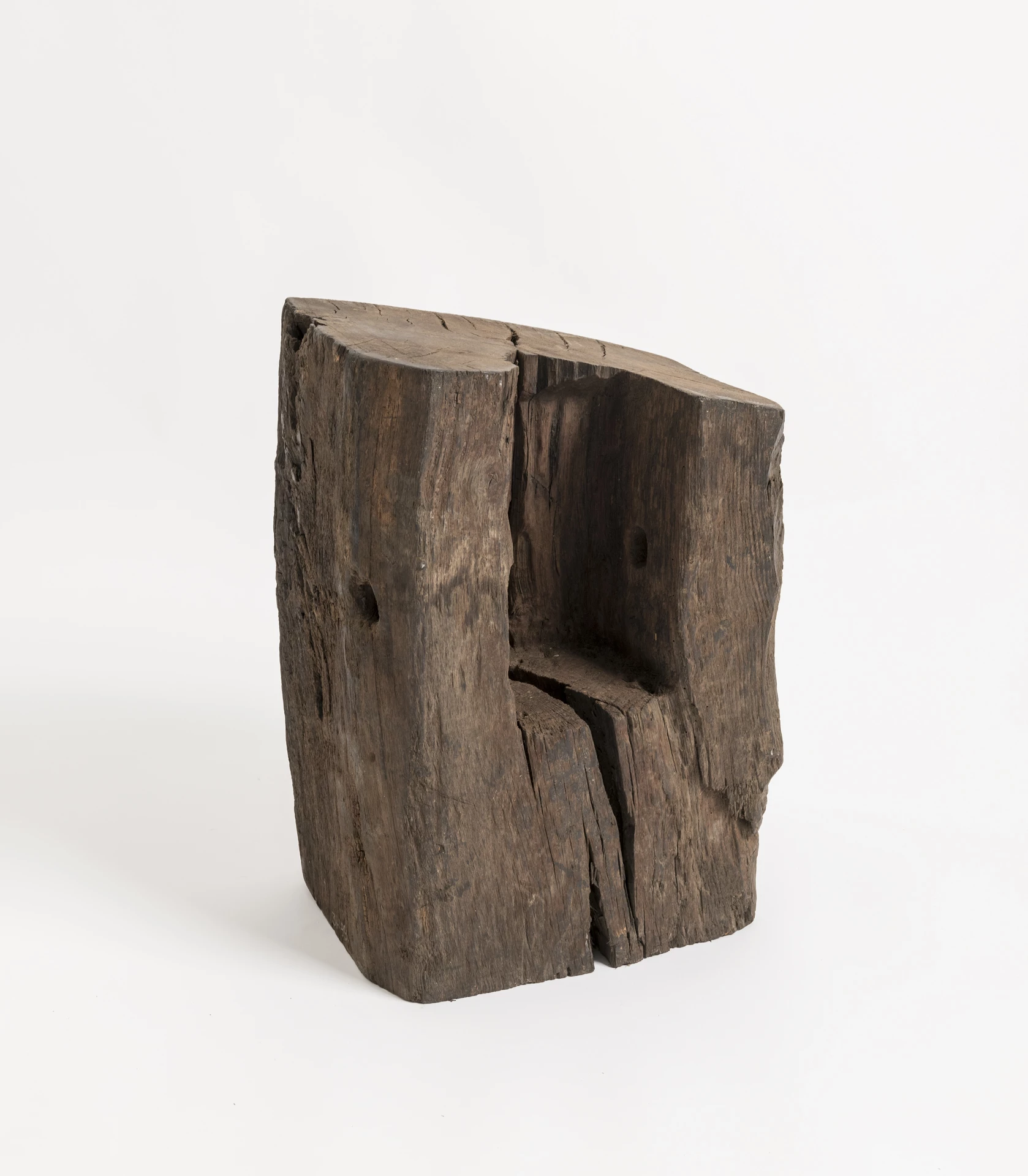
Yn 1927 cysylltodd Yr Aldramon Edward Hughes o Wrecsam â Syr Cyril Fox, pennaeth Amgueddfa Genedlaethol Cymru, a oedd newydd agor i’r cyhoedd. Yn ei lythyr honodd fod trawst mawr derw wedi cael ei ddarganfod 30 mlynedd ynghynt tra’n gwagio ffos Sycharth I’r perchennog, Syr Watkin Williams-Wynn. Symudwyd y trawst yn ofalus i Neuadd Llangedwyn gan y Foneddiges Williams-Wynn. Yn 1924 gofynnodd Y Aldramon Hughes os gallai ddefnyddio’r trawst yn Neuadd Goffa newydd Llansilin. Roedd y trawst yn rhy hir i’r pwrpas, felly fe lifiwyd darn o un pen, gwaith anodd iawn yn ôl y son. Rhoddwyd y darn a oedd ar ôl i’r Amgueddfa.

Glanhawyd y trawst yn ddiweddar fel y gellid tynnu lluniau ohono ac ei arddangos yn Eisteddfod Genedlaethol y Fenni. Doedd dim golwg o losg arno fel y disgwylid, ond fe all fod yn ddarn o’r bont dros y ffos na losgwyd i’r un raddfa. Mae yn 50cm o uchder, a 27cm x 36cm o drwch (20” x 11” x 14”). Mae y mortis sylweddol sydd i’w weld yn un ochr yn 27cm x 14cm (11” x 6”).

Achosodd yr arddangosfa gryn diddordeb, ac fe gysylltodd Richard Suggett o Gomisiwn Brenhinol Henebion Cymru i gynnig mwy o wybodaeth. Rhai blynyddoedd ar ôl codi Neuadd Llansilin, tynnwyd trawst Sycharth o’r adeilad oherwydd pydredd, a rhoddwyd mewn sgip. Achubwyd y trawst gan Mr. Dick Hughes, perchennog garej lleol, a’i rhoi yn ôl i’r Neuadd rhai blynyddoedd wedyn. Mae gweddillion y trawst yn awr mewn cas gwydr, a bellach ond yn 75cm o hyd.

Mae gwaith cloddio archaeolegol yn Sycharth wedi darganfod neuadd 18 medr o hyd (43’), ond nid y naw a honnai Iolo Goch. Er mwyn cefnogi yr honiad taw darn o Sycharth yw’r trawst mae angen ceisio dyddio y pren. Wedi dweud hyn, nid yw pob darn o bren yn addas i’r dechneg o ddyddio drwy dendrocronoleg, ac eraill fel hwn o bosib yn rhy fregus yw ddyddio drwy gymeryd sampl gyda dril llaw.

Mae ein gwaith diweddar wedi bod yn canolbwyntio ar ddarganfod cymaint o wybodaeth a phosib drwy ymchwiliadau a wneith ddim niwed i’r pren. Hynny yw, defnyddio ein llygadau. Drwy oleuo y pren or ochr roedd modd gweld y gwahannol farciau a oedd wedi casglu drwy ddeunydd ers cyfnod Glyndŵr lan at ei dderbynodi mewn i’n casgliadau ni yn 1931. Mae’r rhain yn cynnwys y torriadau llif ar ddau ben y pren. Oherwydd bod un ohonnynt yn gam, y tebygrwydd yw y torriad yma a ddinistriwyd tri llif tua 1924 pan addaswyd y pren i ffitio i mewn i neuadd Llansilin.

Rydym hefyd wedi glanhau un o’r wynebau yma er mwyn gweld tyfiant y goeden dros amser. Ar ôl cyfri’r cylchoedd tyfiant fe welom fod y goeden tua 200 mlwydd oed pan y torrwyd hi. Ein cam nesaf yw cymharu patrwm tyfiant y goeden gyda’r catalog o gronoleg coed derw er mwyn rhoi dyddiad i’r trawst o Sycharth.

Creating a card catalogue for the Oakdale Workmen's Institute Library

Kristine Chapman, 15 Medi 2017

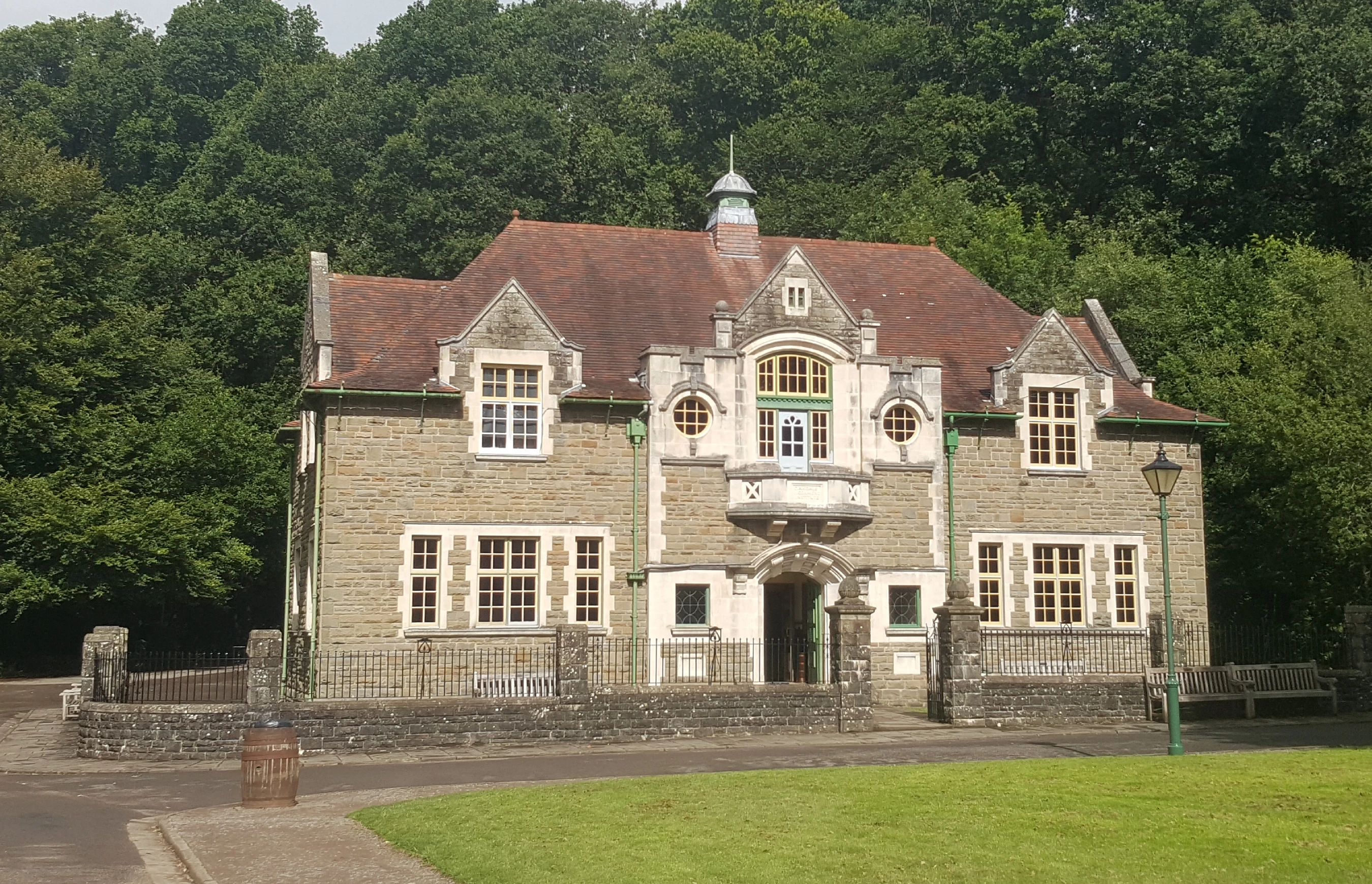
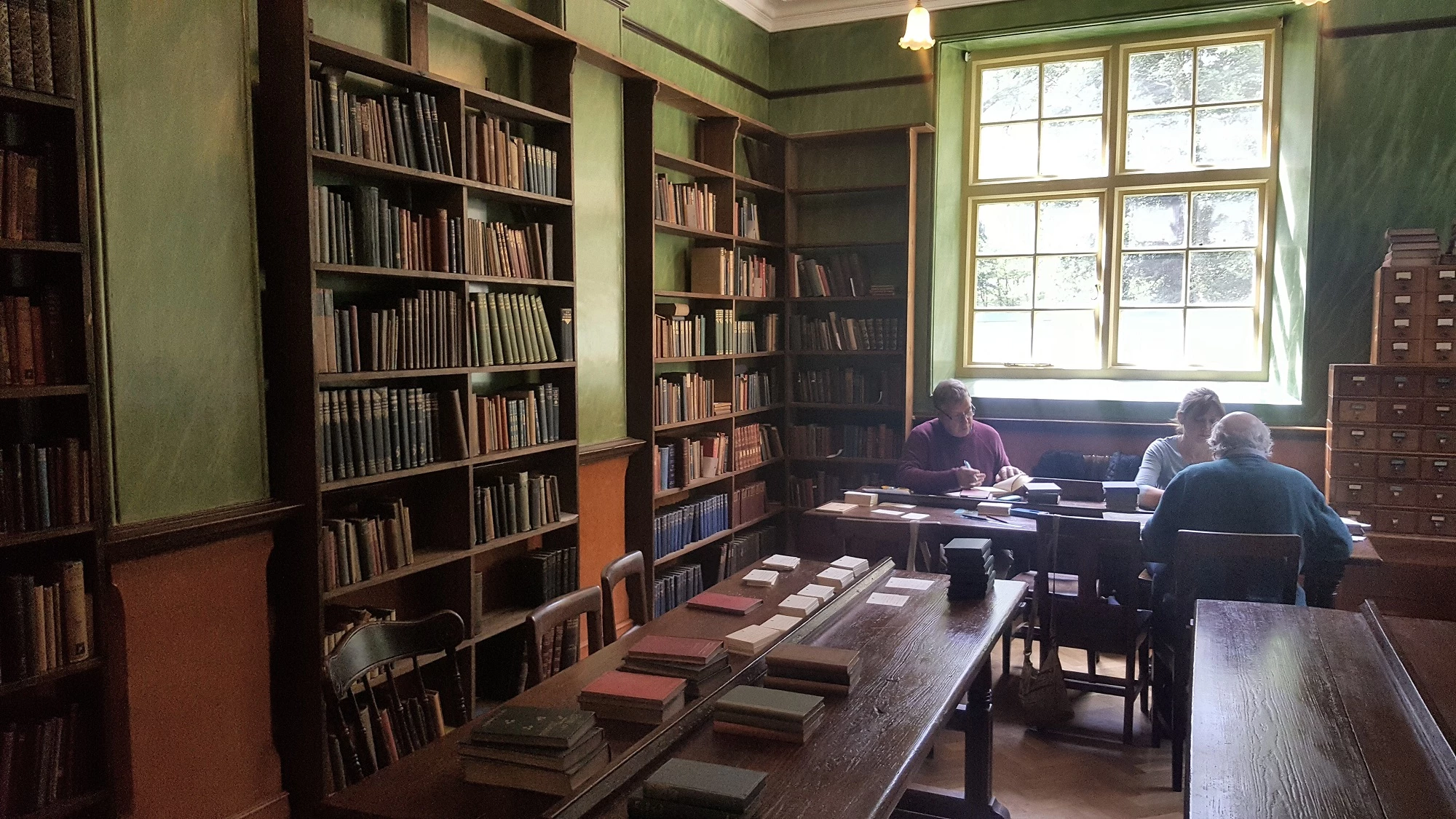
Throughout 2017 the Museum has been celebrating the 100th anniversary of the Oakdale Workmen’s Institute with a variety of projects, all aimed at bringing the building alive again. One of these projects has involved cataloguing the books housed in the Institute’s Library.


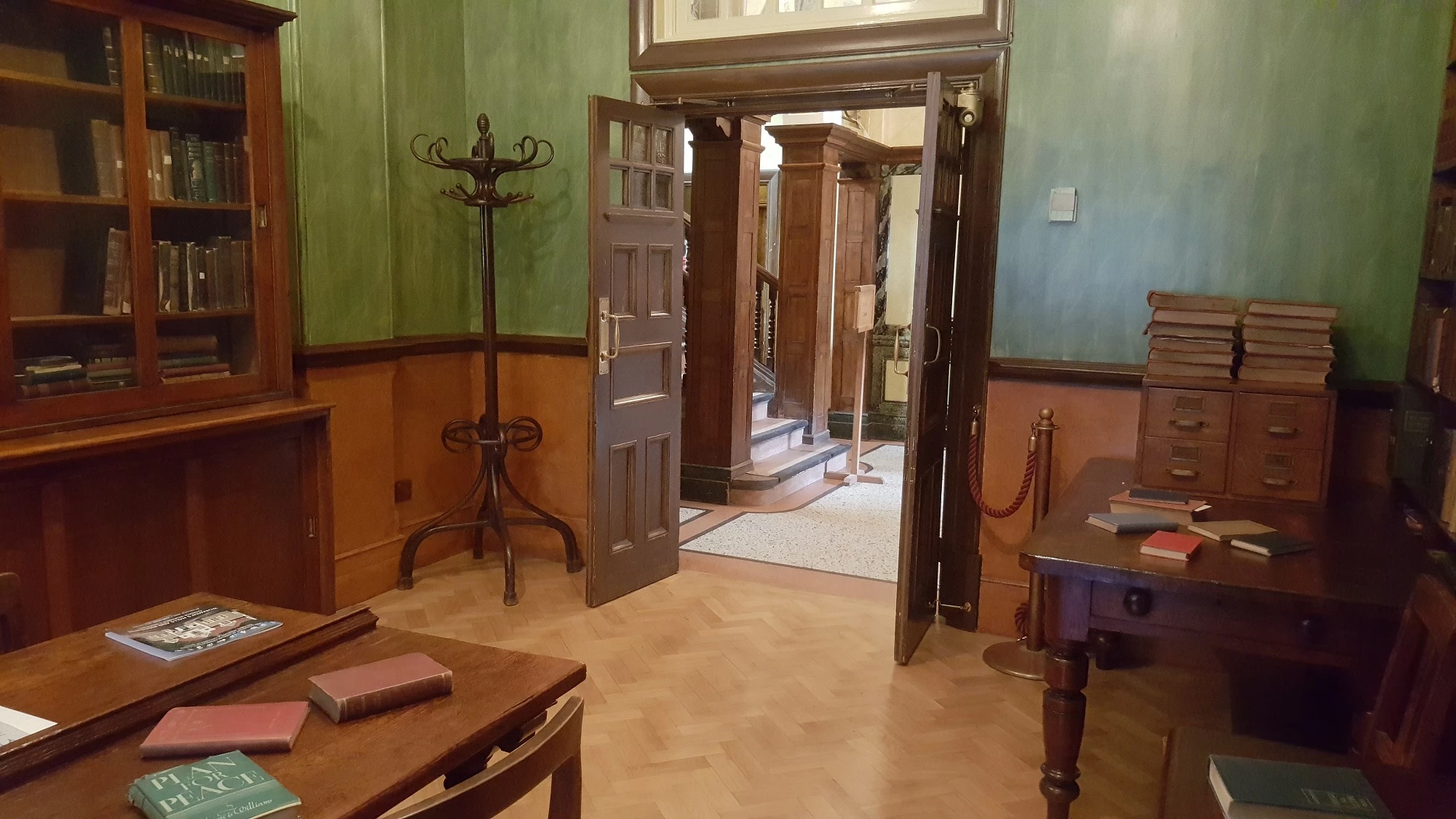
When the building opened in 1917, the Circulating Library operated out of the Book Room (which is now the ladies lavatories), it wasn’t until 1932 that it was relocated into the current room, due to outgrowing its space.


The Book Committee was responsible for choosing and purchasing the books, and they purchased a wide variety of different subjects. There is a note in the Committee Minutes that in 1918 a book of “questionable character” was to be burned, but not before the Committee had been allowed to read it, if they so desired!


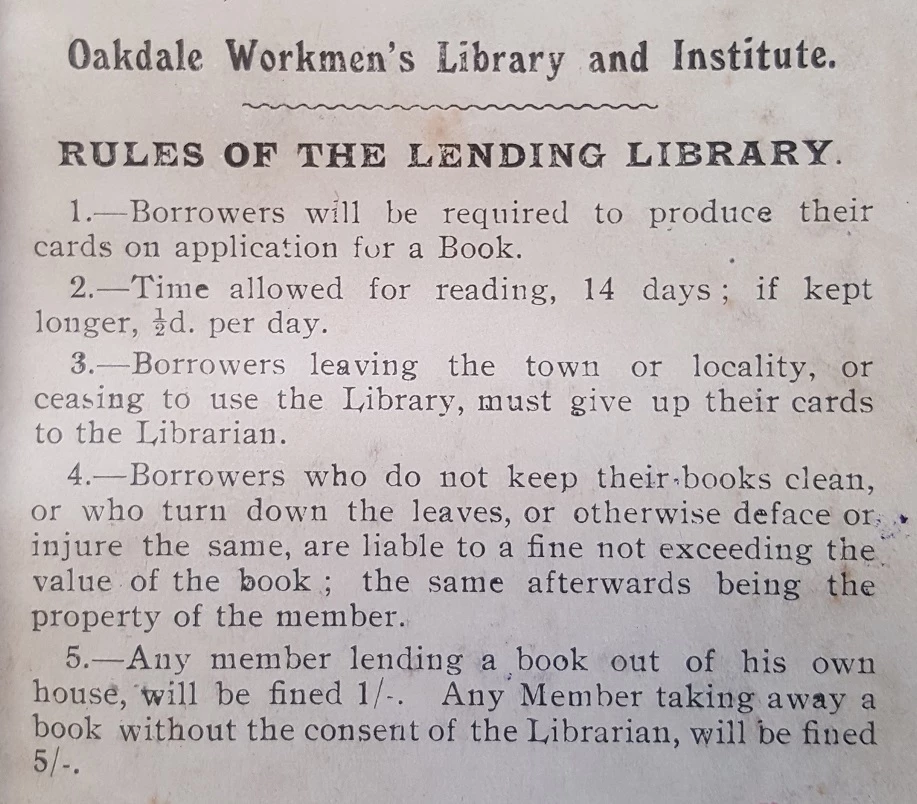
The rules for using the Library allowed for one book per member for 14 days, although in 1928 that was increased to two, so as to allow members to choose a book for their wives. And, in 1933 they decided to set up a children’s section in the Library.


The Library was well used, the minutes record the poor state of repair of the book stock due to overuse, at one point 300 to 500 books were being loaned each month. However, the Library was closed and the books dispersed when a branch of the County Library opened in 1967.


The Institute then closed entirely in 1987, before being relocated to St Fagans, where it was rebuilt and reopened to the public in 1995. At this time many other Workmen’s Institutes donated items from their buildings, and now the Library holds a mix of books from across many of those areas.


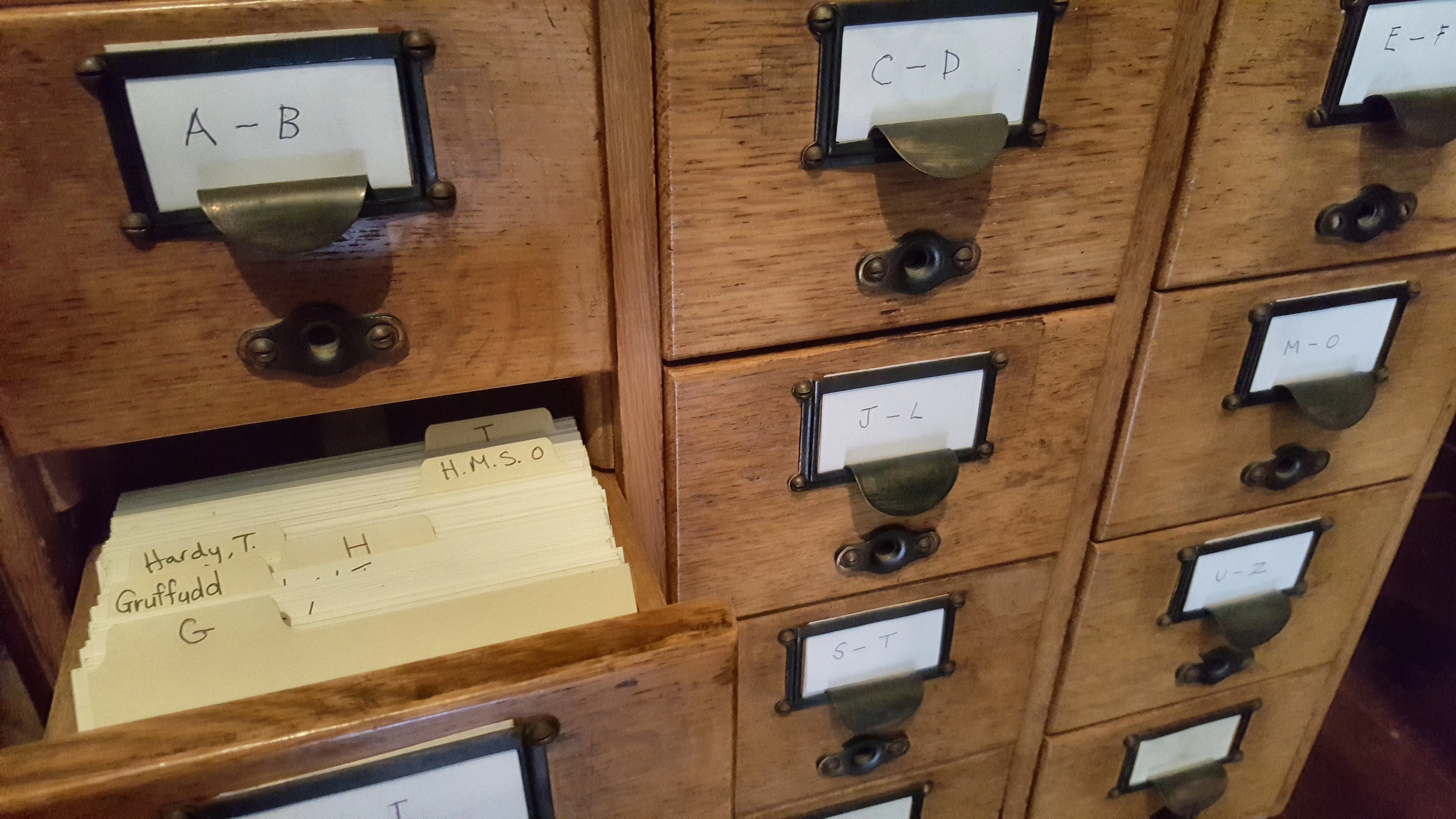
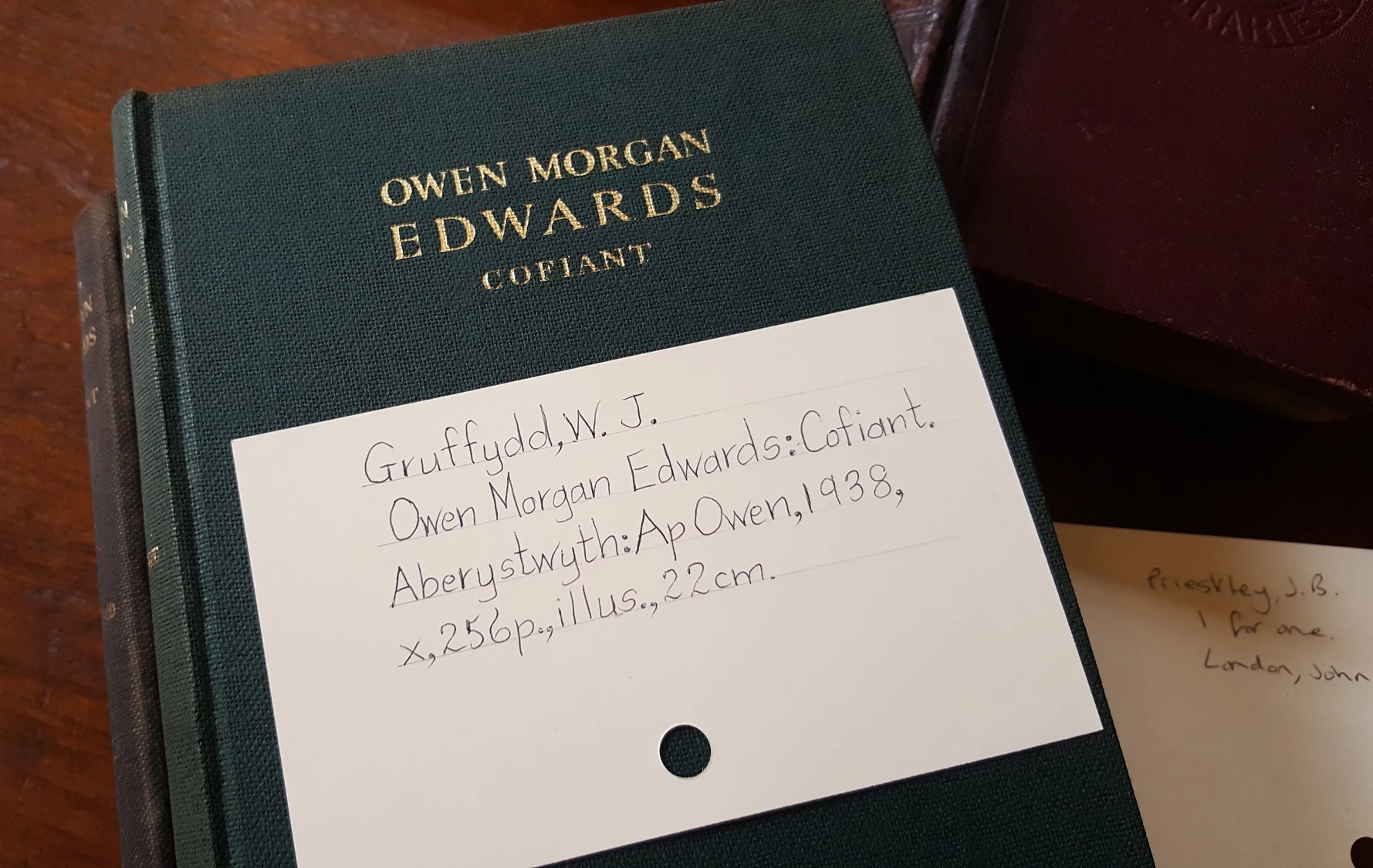
A keen group of volunteers came together to in May 2017, to start working on writing out book record cards. These would then be housed alphabetically in wooden drawers, allowing visitors to browse through the contents of the library shelves, much as original users of the Institute’s Library would have done.


As we copied out the details of each book, one by one, we had the opportunity to discuss the wide range of material available to the Institute’s members. The collection included technical manuals, classic works, poetry, sermons and bible stories, mysteries, thrillers and adventure stories, and political works.


The mystery and adventure novels certainly seemed the most popular, judging by the amount of date stamps in the front. However, probably the really popular books didn’t survive, as the wear and tear on them would have been the greatest.


We found many books in the library with the distinctive red covers of the Left Book Club, a publishing group founded by Victor Gollancz in 1936, with the aim to “help in the struggle for world peace and against fascism”. It offered members a monthly book choice, and the Book Committee at Oakdale joined in 1937.


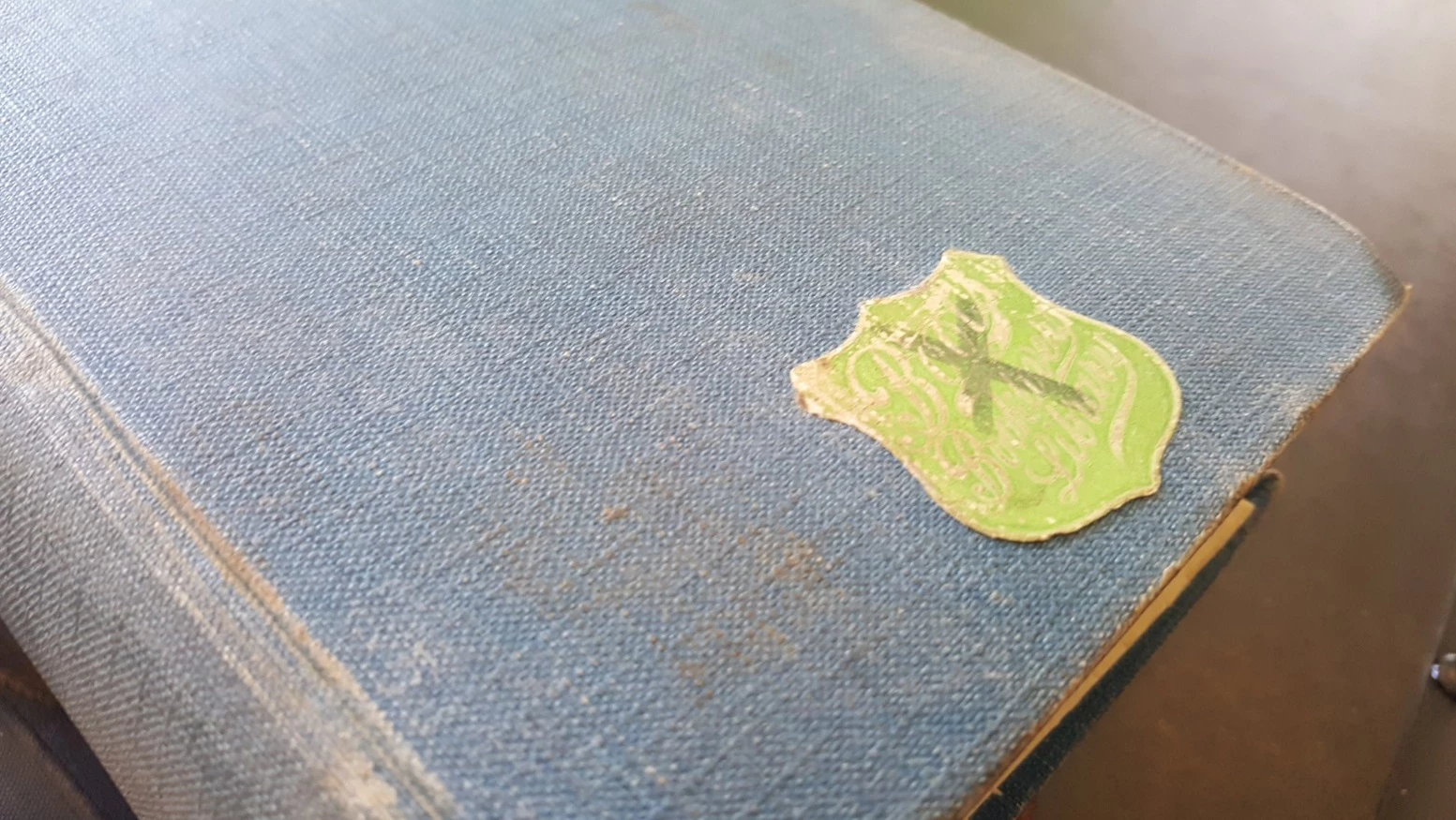
We also found a number of books which had been part of the Boots Booklovers Library, an initiative that many of us hadn’t heard of before. From 1899 till 1966 Boots ran a subscription based lending library out of their chemist branches, at one point more than 400 branches across the UK were participating in the scheme. Many of the books had a distinctive green badge, identifying them as part of the Boots Library, and were probably donated after the closure of the branches.


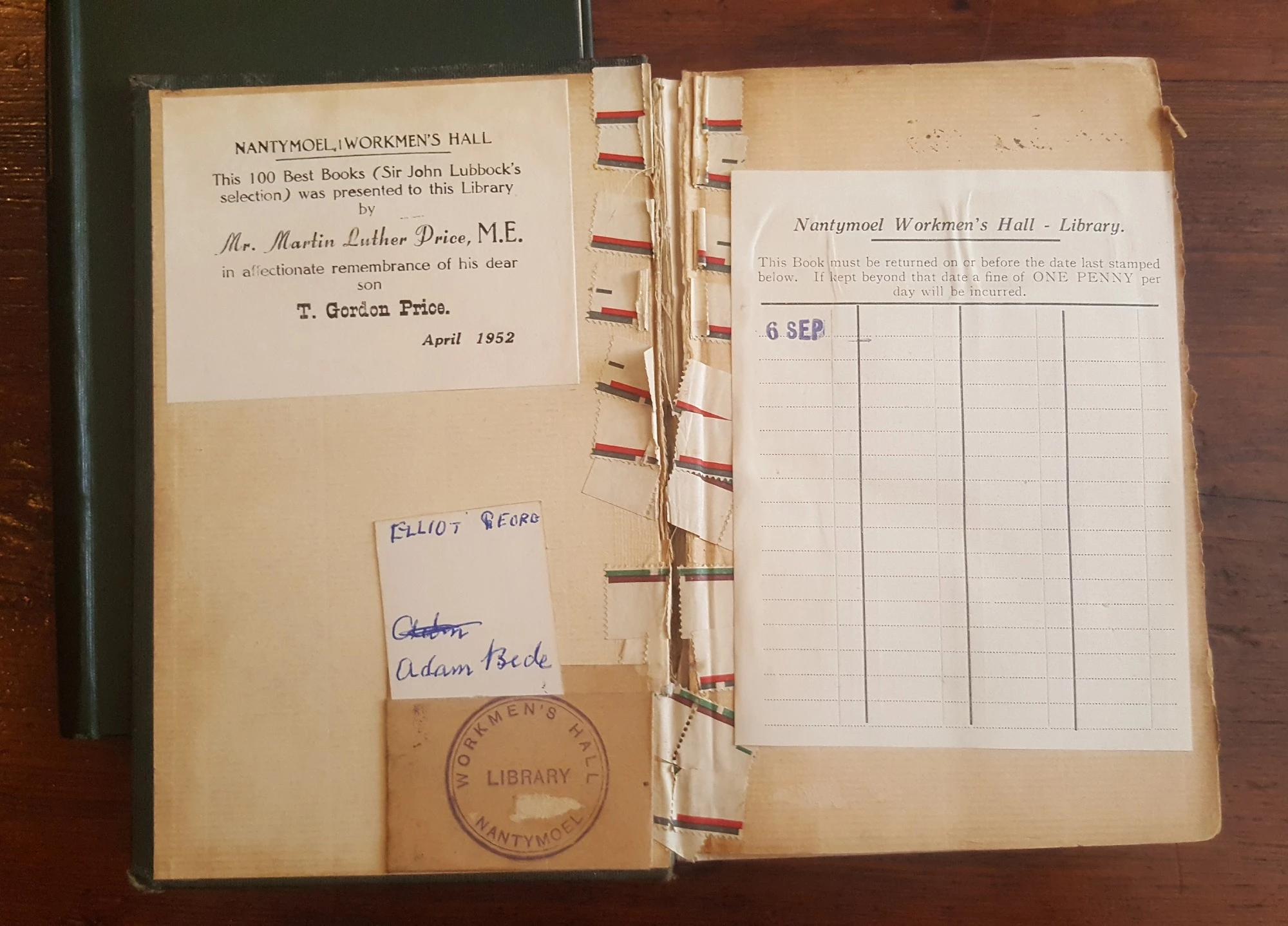
A large collection of books that came originally from the Nantymoel Workmen’s Hall, donated by a father in 1952 in remembrance of his son. They were copies of the 100 Best Books collection from Sir John Lubbock's choice of books. This was a list originally compiled in 1886, after a speech given at the Working-Men’s College in London, on the best books for self-education.


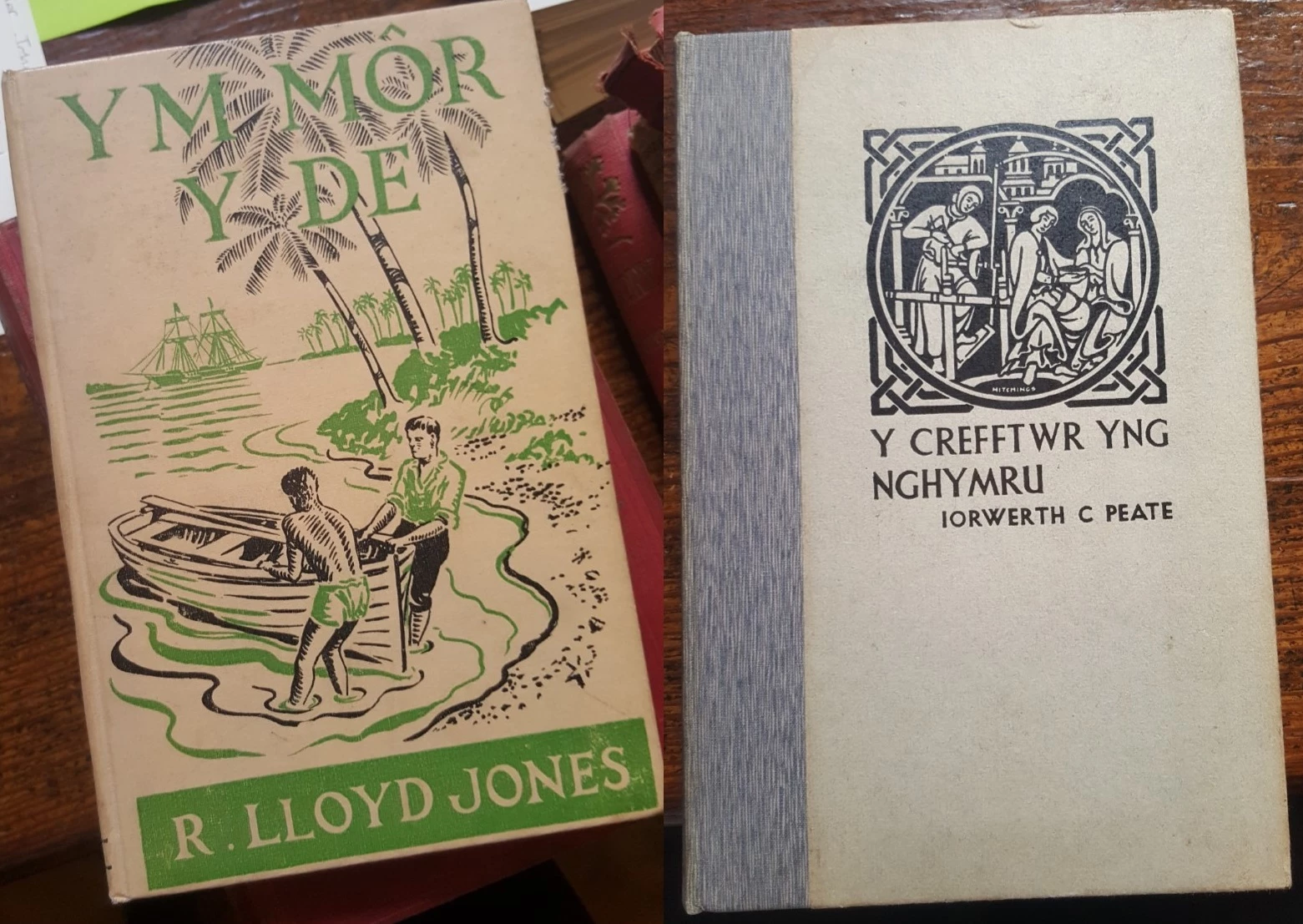
We admired how attractive some of the books looked, with stunning illustrations or cover designs. There were a number dating from the 1930s, published by Gwasg Aberystwyth which had very striking designs, including a copy of Y crefftwr yng Nghymru (The craftsman in Wales) by Iorwerth C. Peate, founder of St Fagans National Museum of History!
Bronze Age South Wales Axes

Matthew Guiseppe Knight, 12 Medi 2017

The Bronze Age is full of different types of objects.

The discovery of metal about 3500 years ago meant new objects could be made or redesigned.

One such object is the axe. For thousands of years people across the world had been making axes out of stone. Bronze Age axeheads were then made out of metal in different shapes and sizes.

By the Late Bronze Age (1100-800 BC), axes were made with sockets, which allowed for the insertion of a wooden haft/handle. Often they had loops to secure the haft with binding, such as leather strips.

In South Wales, a specific form of axe seems to have been very popular and has been named the ‘South Wales axe’.

These axes have thick, flat socket mouths and a loop on one side. They are often heavy and poorly made. There are three raised ‘ribs’ on both faces of the axe. These are sometimes parallel and sometimes converging.

Hundreds of these axes have been found buried in Wales, either on their own or in large hoards of objects. Sometimes they are complete and sometimes they are broken; the reasons for this are uncertain.

An example has recently been found in the Trevithen Hoard, Torfaen, and is currently on display at Pontypool Museum.

South Wales axes have also been found across England, and as far away as northern France.

This implies these products were traded and exchanged over long distances.

The function of these axes is unclear. These axes may have been left in a rough condition because they were used in agricultural activities, such as cutting roots and breaking plough soil.

Whatever the reason they appear to have formed an important part of the Late Bronze Age in South Wales. As more are discovered, archaeologists will continue to gain insights into these objects.


Linking Past and Future

Christian Baars, 12 Medi 2017

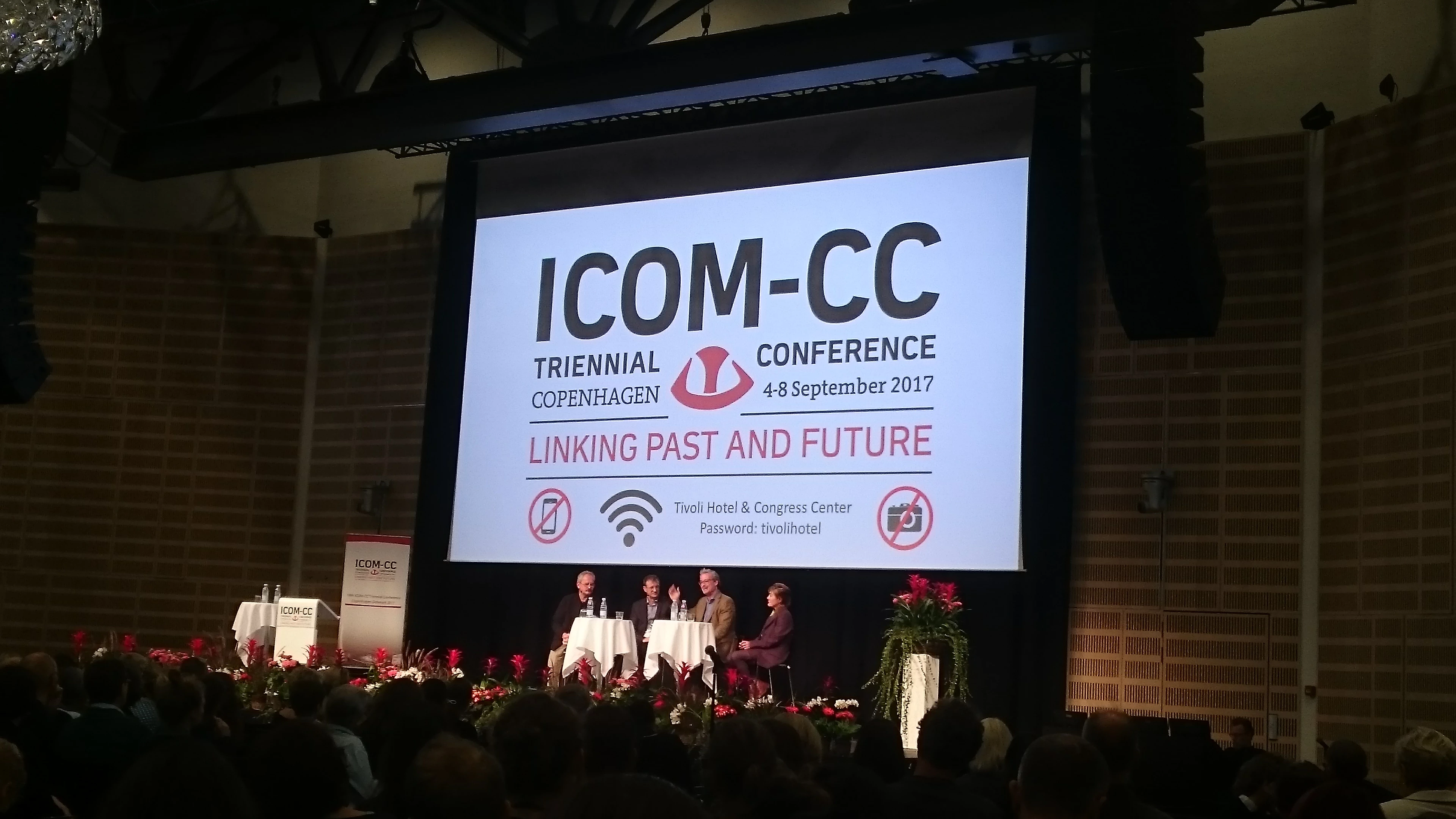
Last week saw the 50th anniversary and the 18th conference of ICOM-CC (Committee on Conservation), the largest of the committees of ICOM (International Council of Museums). ICOM-CC has almost 3,000 members worldwide from every branch of the museum and conservation profession. In addition to their day job of preserving the world's history and culture, these members also promote the conservation of cultural and historic works. I was able to attend thanks to generous support by the Anna Plowden Trust.

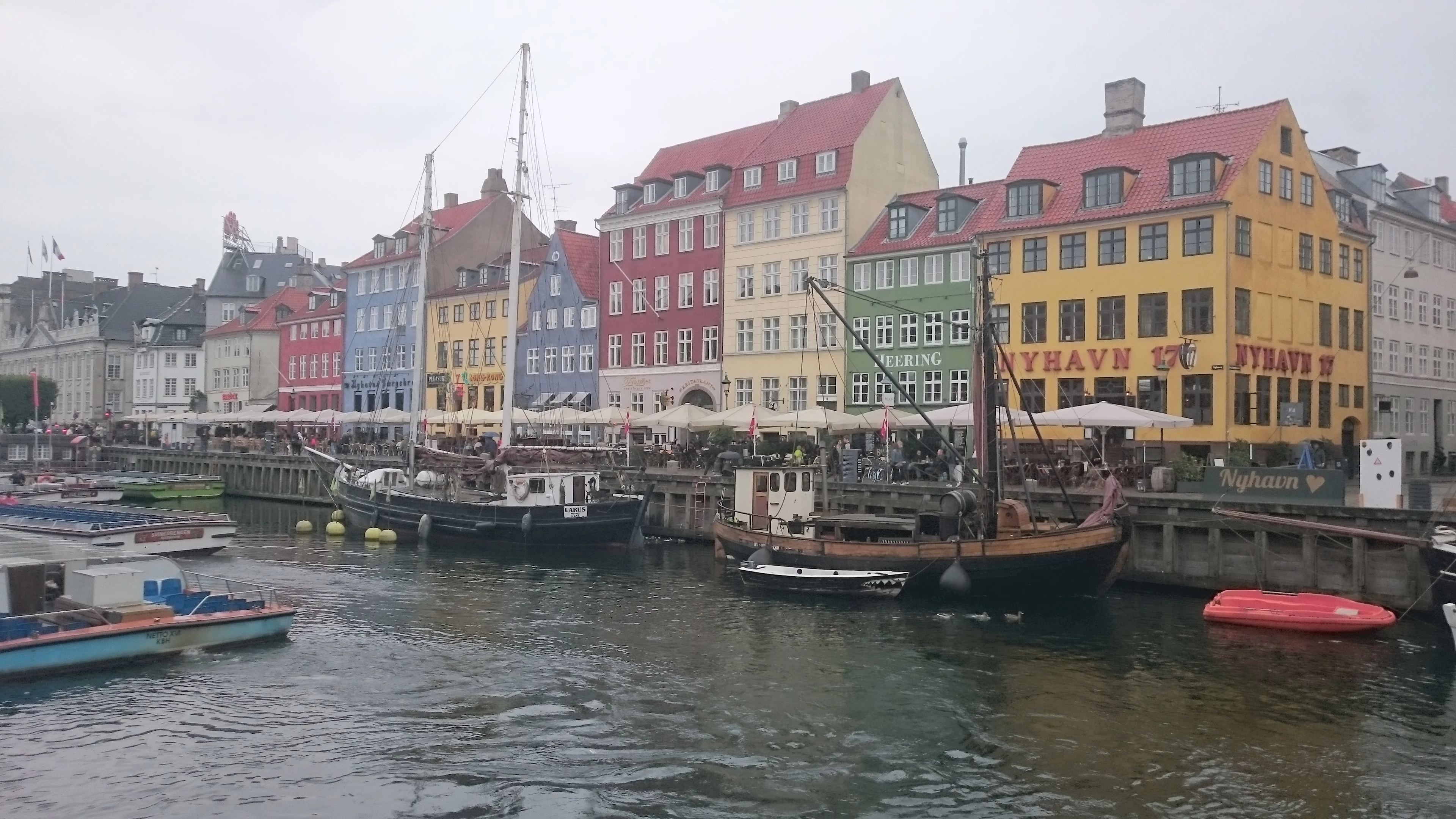
The conference was held in Copenhagen, Denmark, and was enormous: more than one thousand conservators headed the call to report and debate. While Copenhagen is an amazing city there was not much time to explore it, what with 5 parallel sessions and hundreds of talks to listen to during a packed conference programme. I would like to pick out and share just a few of my personal highlights.

The data generated during collections monitoring in museums can be explored sometimes beyond their original intention. Cristina Daron and Matija Strlic from University College London explained how unexpected patterns can be discovered by analysis of existing data sets. For example, they discovered a clear link between damage to archival objects and use of these objects in a reading room. This sort of data mining produces results that cannot be captured by experimental studies, but which can be used to improve decision making.

On the theme of data, I co-presented a talk with my colleague Jane Henderson from Cardiff University on new ways of presenting conservation data; you can find a copy of the paper here. Our suggestion is to present results not simply in the all too ubiquitous bar charts and line graphs, but to use more meaningful visualisations that are easier to interpret and send the correct message to the receiver. This will help make quicker and better decisions and ultimately improve the care of collections.

Conservation of cultural heritage involves a lot of risk assessments – there is so much to do that we try to figure out as objectively as possible where the most urgent need for resources is. Alice Cannon from Museum Victoria, Australia, explained how the deterioration of an object does not always mean a loss. Hence, when attempting to judge value loss, judgments must be made by experts from different fields. The potential value loss of an object needs to be considered when undertaking a risk assessment that might want to predict the estimated deterioration of that object in, say, 100 years.

Every museum has a store (or several), hence storage is a subject close to the heart for most people in the sector. Lise Raeder Knudsen from Conservation Centre Vejle, Denmark, summarised almost 30 years of experience of building low energy collection stores in Denmark. The main principle of such stores is high thermal and hydric inertia. The Danish cultural sector has proven that such stores can have both lower construction and running costs, while at the same time producing a stable environment suitable for the long-term storage of cultural collections. One issue currently still undergoing research is the potential problem of indoor pollutants which may accumulate if there is insufficient fresh air supply.

Likewise, training is an issue that keeps resurfacing in conservation as in other disciplines. Alice Boccia Paterakis introduced the Interdisciplinary Training of Archaeologists and Archaeological Conservators Initiative (ITAACI) programme from the USA, where archaeologists and conservators are being brought together to work jointly and raise awareness of each other’s needs. The training theme also carried through to the poster sessions, where Monika Harter from London informed us how the British Museum, with some clever planning, had used succession planning to train two conservators for the price of one. This included the passing on of hard-to-come-by expert knowledge from one generation to the next.

My final highlight is Jonathan Ashley-Smith’s analogy of coffee shops to explain why, in his opinion, conservation needs a new approach to ethics. He explained that a new, bespoke, code of ethics would use a variety of ingredients to design something that suits each of the various and diverse disciplines that make up cultural heritage conservation. The internet would provide the ideal tool to publish a bespoke code of ethics, as well as conservation intentions, proposals and records all in one place and, ideally, in Wikis. Jonathan’s talk created more debate and Twitter traffic than any other talk and I suspect his idea will keep being discussed.

The conference programme was rounded off by various specialist working group meetings, technical visits, opportunities to see Copenhagen’s museums and social events. A packed week with countless inspiring conversations with colleagues from all over the world. Not always without controversy of course – some ideas out there are interesting but perhaps require further scrutiny. Perhaps a topic for a future blog or paper.

Find out more about Care of Collections at Amgueddfa Cymru - National Museum Wales here and follow us on Twitter.