Siôn Davies-Rollinson, Cydlynydd Ymgysylltu a Gwirfoddoli
Helo Siôn, dywed ychydig am dy hun a dy rôl gydag Amgueddfa Cymru.
Siôn ydw i; fe ymunais ag Amgueddfa Cymru yn 2012 fel rhan o’r tîm Blaen Tŷ yn Sain Ffagan. Ers tair blynedd, dwi wedi bod yn Gydlynydd Gwirfoddoli ac Ymgysylltu yn Sain Ffagan. Yn y swydd yma dwi’n cefnogi gwirfoddolwyr a grwpiau cymunedol i weithio gyda’r Amgueddfa ar draws ystod eang o rolau. Un o’r pethau gorau am fy swydd yw dod i nabod ein gwirfoddolwyr amrywiol, a dod i ddeall pam eu bod wedi dewis gwirfoddoli gydag Amgueddfa Cymru.
Yn ddiweddar dwi hefyd wedi dod yn Gydlynydd Gwirfoddoli ac Ymgysylltu yn Big Pit, er mwyn helpu i ddatblygu rhaglen wirfoddoli yno, sy’n gyffrous iawn!
Faint o wirfoddolwyr sydd yna ar draws y safleoedd, a beth maen nhw’n ei wneud?
Mae dros 850 o wirfoddolwyr ar draws Amgueddfa Cymru. Mae 8 o wahanol swyddi gwirfoddoli ar gael yn Sain Ffagan yn unig! Er enghraifft, mae gwirfoddolwyr yr ardd yn helpu i gynnal gerddi hanesyddol y Castell, a gwirfoddolwyr y project llyfrau yn casglu ac yn gwerthu llyfrau ail law i godi arian i’r Amgueddfa. Mae gwirfoddolwyr archwilio yn gofalu am y trolis yn yr orielau, gan roi cyfle i ymwelwyr drin a thrafod rhai o’r casgliadau. Efallai eich bod wedi gweld grwpiau mawr o wirfoddolwyr o’r gymuned yn helpu i baentio ffensys, torri gwrychoedd a gwyngalchu tai. Mae myfyrwyr o Goleg Caerdydd a’r Fro wedi bod yn ein helpu ers tair blynedd bellach. Mae’n wych gweld hyder y myfyrwyr yn datblygu trwy wirfoddoli, a rhoi cynnig ar bethau newydd.
Prosiect Llyfrau dan arweiniad gwirfoddolwyr yn Sain Ffagan
Rydyn ni wedi gweld hen hetiau glowyr o Big Pit yn cael eu defnyddio fel basgedi crog yn Sain Ffagan – roedden nhw’n wych. Oes projectau tebyg ar y gweill?
Roedd hetiau’r glowyr yn broject difyr, a’r gwirfoddolwyr wedi mwynhau cymryd rhan. Rhoddodd y blodau dipyn o liw i’n Hwb Gwirfoddoli. Rydyn ni wastad yn chwilio am ffyrdd newydd i hybu cynaliadwyedd, ac ailgylchu deunyddiau.
Yn ddiweddar bu gwirfoddolwyr yn plannu dros 2,000 o fylbiau eirlysiau a chlychau’r gog yn Sain Ffagan. Pan ddaw’r gwanwyn bydd yna lwybr o flodau hyfryd yn ymestyn o Lys Llywelyn i Fryn Eryr. Bydd hyn yn cefnogi gwenyn a pheillwyr eraill, sy’n dibynnu ar flodau cynnar i gael paill a neithdar ar adeg o’r flwyddyn pan fydd blodau’n brin. Cam bach, ond un pwysig iawn i fioamrywiaeth yr ardal.
Beth yw eich hoff broject hyd yn hyn?
Gardd wedi'i hysbrydoli gan y Celtiaid y tu allan i Fryn Eryr, Sain Ffagan
Fy hoff broject i hyd yma yw gardd y gwirfoddolwyr yn Bryn Eryr, Sain Ffagan. Daethom â grŵp o wirfoddolwyr at ei gilydd i greu a chynnal gardd Geltaidd fel rhan o dai crwn Bryn Eryr. Mae pedwar gwely i’r ardd, yn tyfu cymysgedd o bys, ffa a phannas, gwahanol berlysiau, ac un gwely ar gyfer planhigion sy’n rhoi lliw. Rydyn ni wedi plannu hadau llin yn ddiweddar, ac yn edrych ymlaen at weld beth ddaw ohonyn nhw.
Dwi’n hoffi bod y project yn cael ei arwain gan wirfoddolwyr ar y cyfan, ac yn rhoi cyfle iddyn nhw wneud penderfyniadau ar sut i ddatblygu’r ardd. Rydyn ni’n gobeithio clirio ardal fach yn yr ardd i blannu coed afalau surion y flwyddyn nesaf.
Gardd Bryn Eryr, Sain Ffagan
Sut all pobl wirfoddoli gydag Amgueddfa Cymru?
Mae llawer o ffyrdd i wirfoddoli gydag Amgueddfa Cymru. Y ffordd hawsaf i ddod o hyd i gyfleoedd gwirfoddoli yw ar ein gwefan. Rydyn ni’n hysbysebu ein holl rolau gwirfoddoli ar-lein; gweler fan hyn.
A’r un cwestiwn ydyn ni’n ofyn i bawb – beth yw eich hoff ddarn yn y casgliadau?
Rhyd y Car, Sain Ffagan
Cwestiwn anodd! Dwi wedi treulio llawer o amser yn gweithio yn adeiladau hanesyddol Sain Ffagan, ac mae gan bob un ei stori a’i awyrgylch unigryw. Os oes rhaid dewis un – tai teras Rhyd-y-car. Dwi’n hoff iawn o’r ffaith fod y tai yn llinell amser sy’n dangos newidiadau’r blynyddoedd yn yr ystafelloedd a’r gerddi. Ac mae ymwelwyr wrth eu bodd yn teithio trwy amser wrth ymweld â’r tai. Mae teimlad y tai a’r gerddi yn newid gyda’r tymhorau hefyd, felly mae wastad rhywbeth newydd i sylwi arno.
Ym mis Mehefin 2023 cychwynnodd Amgueddfa Lechi Cymru rôl wirfoddoli crefftau er mwyn creu 6 mat rhacs ar gyfer ein rhaglen addysg. Wnaethon ni recriwtio 6 o wirfoddolwyr, ac oedd Isabel de Silva yn rhan o’r grŵp. Dechreuodd wirfoddoli tra'r oedd hi'n gorffen ei gradd meistr ym Mhrifysgol Bangor, a’i rheswm dros wirfoddoli oedd er mwyn ennill profiad ar gyfer swydd neu yrfa.
Yn o gystal a chreu matiau rhacs, bu rhaid i Isabel a’r gwirfoddolwyr ymgysylltu ag ymwelwyr yn Nhŷ’r Prif Beiriannydd er mwyn egluro sut oedd creu matiau rhacs a thrafod hanes y draddodiad. Pan ddechreuodd Isabel wirfoddoli, roedd hi’n eithaf swil ac yn ddihyder. I weithio ar hyn ymhellach, gwirfoddolodd Isabel i'n helpu ni adeg y Nadolig gyda gweithdai gwneud torchau rhacs hefyd – roedd yn amgylchedd prysur a bywiog! Tyfodd ei hyder wrth iddi siarad â mwy a mwy o ymwelwyr a delio â'r llu o gwestiynau am y matiau rhacs gan ymwelwyr brwdfrydig.
“Nath gwirfoddoli hefo'r Amgueddfa Llechi helpu fi i godi fy hyder, gwella fy sgiliau cyfathrebu a dysgu sgil ymarferol newydd.” - Isabel de Silva
Ar ôl iddi raddio a chwblhau ei gradd meistr ac ers magu hyder a datblygu sgiliau gwaith, mae Isabel bellach wedi cael swydd gyda Gwasanaeth Llyfrgelloedd Gwynedd a gyda Storiel, amgueddfa ac oriel Gwynedd. Mi orffennodd Isabel mat rhacs bendigedig ar ei phen ei hun erbyn Gorffennaf 2024… cymerodd blwyddyn o wirfoddoli unwaith yr wythnos!
"Drwy fy ngwirfoddoli nes i ddysgu gymaint amdan hanes yr ardal leol, ac effaith y chwarel ar fywydau pobol Gogledd Cymru heddiw. Nath y wybodaeth hynny ysbrydoli fi i neud fy rhan mewn cadw a rhannu hanes Cymru, a dwi wedi cael y cyfle i neud hynny drwy fy swydd yn Storiel." - Isabel de Silva
I ddathlu Mis Balchder eleni, bydd rhai o'n cynhyrchwyr amgueddfa cymru anhygoel yn cynnal gweithdai ar thema Balchder ar draws rhai o'n hamgueddfeydd ym mis Mehefin. Fel rhan o'r dathliad hwnnw, gofynnon ni iddyn nhw fyfyrio ar y themâu a'r ysbrydoliaeth y tu ôl i'w gweithdy a'r hyn y mae Balchder yn ei olygu iddyn nhw.
Y Gweithdy: Torri, Adfer, Ymadfer
Mae mis Balchder yn fwy na dathliad – mae hefyd yn gyfnod o adfer. Amser i ganfod llonyddwch. Amser i hawlio eto ein lle – yn y byd o'n cwmpas a'r byd y tu fewn i ni. Mae fy ngweithdy Toredig ond Prydferth yn byw yn y bwlch hwnnw lle mae mynegiant creadigol ac ymadfer personol yn cwrdd – lle nad yw darnau'n deilchion ond yn ddeunydd i greu rhywbeth newydd.
Dechreuodd y project hwn yn ystod fy mlwyddyn olaf, yn dilyn siwrnai bersonol yn darganfod hunaniaeth, adferiad a gwytnwch. Roedd yn fwy na phroject – daeth yn fodd o ddeall y byd a'n lle ni ynddo. Gydag amser fe dyfodd yn weithred gydweithredol ddofn: gweithdy lle gall pobl dorri gwrthrych cerameg a'i ailadeiladu gyda chlai. Mae harddwch hynod yn y broses hon – catharsis, llonyddwch a nerth tawel.
Ar ddiwedd fy nghyfnod preswyl fe ysgrifennais flog trylwyr ar gyfer Cynfas yn esbonio sut y tyfodd Toredig ond Prydfertho'r project terfynol a'n siwrnai bersonol.
Felly, pan ddes i â Toredig ond Prydferth i Amgueddfa Genedlaethol y Glannau ar gyfer Mis Balchder eleni doeddwn i ddim yn cyflwyno rhywbeth newydd. Roeddwn i'n creu lle i bobl eraill brofi'r hyn wnes i: y rhyddid o dorri ac ailadeiladu, o ymollwng, ac o greu rhywbeth newydd gyda gofal.
Yn ystod y gweithdy bydd pobl yn dewis gwrthrychau, eu torri'n ofalus, a chymryd amser yn ailadeiladu'r darnau yn feddylgar. Byth yr un peth, ond eto’n llawn ystyr. Y cyfan i gyfeiliant seiniau cerameg yn tincial yn y cefndir, nid dinistr ond dihangfa.
Darnau o Hanes: Gweithiau Wnaeth fy Nghyffwrdd
Wrth fyfyrio ar y gwaith hwn fe dreuliais i amser yn edrych drwy gasgliad LHDTC+ Amgueddfa Cymru. Roedd rhai gweithiau yn arbennig yn cyffwrdd â fi – Cwpan, Llestr Theatr a Tebot Estynedig gan Angus Suttie (1946-1993). Pan welais i Menywod Llangollen – Dillwyn a Llestri Hufen gan Paul Scott, fe stopiais i. Fe rewais i am eiliad. Roeddwn i'n teimlo fy mod i wedi canfod stori oedd ddim angen gweiddi i gael ei chlywed.
Mae'r gwaith – hambwrdd pren yn llawn darnau cerameg – fel map o’r cof. Cwpwrdd atgofion. Mae pob llafn o grochenwaith glas a gwyn yn gip ar le ac amser, serch a chwalfa. Nid casgliad cerameg yw hwn, ond tirlun o emosiwn. Rhyw archif dawel. Fel artist a churadur yn ymdrin â themâu hunaniaeth ac adfer, roeddwn i'n uniaethu'n syth gyda gwaith Paul Scott.
Adferwn, nid i guddio’r graith, ond
i'w holrhain a'i dyrchafu. Er chwalu'r
gorffennol – daliwn bob darn fel
atgof o'r gwanwyn.
Mae'r cyfeiriad at Fenywod Llangollen – Eleanor Butler a Sarah Ponsonby – yn haen dyner arall. Dwy fenyw a heriodd ddisgwyliadau'r 18eg ganrif, gan gydfyw mewn cyfeillgarwch rhamantus a throi eu cartref yn hafan i wybodusion, artistiaid a meddylwyr yr oes. Byddwn yn aml yn rhamantu eu hanes, ond yma yng ngwaith Paul Scott mae'n real. Yn gyffredin. Darnau o fywyd bob dydd y cartref a'r platiau, y cwpanau, a'r llestri hufen yn orlawn o atgofion, agosatrwydd, a safiad cwiar.
Y peth mwyaf teimladwy i fi yw nad yw'r gwaith yn ceisio 'trwsio' unrhyw beth. Nid yw'r darnau toredig wedi eu cuddio neu eu gorfodi i'w ffurf wreiddiol. Maen nhw wedi'u fframio. Eu dal. Eu hailddehongli. Ac mae urddas tawel yn hynny. Safiad tawel sy'n dweud mwy o wirionedd nag unrhyw adferiad.
I mi mae Menywod Llangollen yn adleisio bwriad Toredig ond Prydferth: nid i guddio'r creithiau ond i'w dyrchafu. Nid i geisio adfer rhywbeth i'w ffurf wreiddiol, ond gadael iddo dyfu'n rhywbeth arall – rhywbeth sy'n adrodd gwirionedd ei stori.
Yn y weithred hon – o greu nid o guddio – mae grym y gwaith.
Perthyn drwy Greu
Drwy Amgueddfa Cymru rydw i wedi cal cyfle i ddod i nabod Bloedd – rhaglen dan arweiniad pobl ifanc i ddyrchafu lleisiau LHDTC+ ar draws Cymru. Os ydych chi'n berson ifanc, mae lle yn Bloedd i chi. I greu, i siarad, i berthyn.
Dros Fis Balchder eleni rydw i'n dathlu mwy na hunaniaeth. Dwi'n dathlu'r nerth tawel mae'n ei gymryd i adfer, a nerth cydweithio.
Mae cymaint mwy i'r gweithdai hyn na chreadigrwydd. Maen nhw'n llefydd i fyfyrio, bodoli a gwella. Hyd yn oed yn deilchion, rydyn ni’n un darn.
Cynhyrchwyr Amgueddfa Cymru yw grwp pobl ifanc rhwng 16 – 25 oed sy’n byw yng Nghymru a chydweithio gyda’r Amgueddfa drwy gyfleoedd cyfranogol a chyflogedig.
Hwn yw lle i ddyfnhau gwybodaeth a sicrhau bod mannau treftadaeth a diwyllianol yn fwy cynrychioliadol o’r bobl ifanc a’u diwylliannai niferus sy’n byw yng Nghymru neu o Gymru. Rydyn ni yma i wneud treftadaeth yn berthnasol.
Rydyn yn edrych ar gelf, treftadaeth a hunaniaeth, amgylcheddaeth, gwyddorau naturiol, hanes cymdeithasol ac archaeoleg drwy ein casgliadau a chyd-cynhyrchu digwyddiadau, gweithdai, arddangosfeydd, cyfryngau digidol cyhoeddiadau, grwpiau datblygu a mwy! Mae ein Cynhyrchwyr Amgueddfa Cymru yn gweithio’n agos gydag adrannau ar draws yr Amgueddfa i'n helpu ni ddyfnhau cynrychiolaeth yn ein casgliadau a rhaglenni, i adlewyrchu pob cymuned yng Nghymru. Mae hyn yn cynnwys ehangu ein casgliadau LHDTC+, dad-drefedigaethu ein casgliadau a chasglu hanesion llafar ar hanes dosbarth gweithiol. Gall Cynhyrchwyr Amgueddfa Cymru hefyd ddod â’u syniadau neu bynciau y hoffen nhw archwilio trwy ein casgliadau!
Cofrestrwch ar gyfer ein rhestr bost i glywed am gyfleoedd ar draws yr Amgueddfa yma.
Mae Wythnos Fawr Werdd Climate Cymru wedi bod yn rhedeg ers 7fed Mehefin, gyda phobl ledled Cymru (a’r DU!) yn dod at ei gilydd i helpu i warchod ein planed. Mae yna weithgareddau hwyliog, digwyddiadau gwych, a llawer o ffyrdd i chi a’ch ysgol gymryd rhan.
Beth yw’r Wythnos Fawr Werdd?
Y Wythnos Fawr Werdd yw dathliad mwyaf y DU o weithredu cymunedol i fynd i’r afael â newid hinsawdd a gwarchod natur. Mae pob math o bobl yn gwneud newidiadau bach sy’n gwneud gwahaniaeth i’r blaned. O blannu blodau i gasglu sbwriel, mae pob cam yn cyfrif!
Pwy yw Climate Cymru?
Mae Climate Cymru yn fudiad sy’n cynnwys cannoedd o sefydliadau a miloedd o bobl o bob cwr o Gymru, yn gweithio gyda’i gilydd i fynd i’r afael â’r argyfyngau hinsawdd a natur. Trwy ddod â lleisiau o bob rhan o gymdeithas Cymru (ysgolion, busnesau, grwpiau cymunedol, a mwy) mae Climate Cymru yn sicrhau bod pawb yn cael eu clywed ac fod arweinwyr yn cymryd camau ystyrlon ar gyfer dyfodol gwyrddach a thecach i Gymru a’r blaned.
Beth yw Ymchwiliad Bylbiau’r Gwanwyn i Ysgolion?
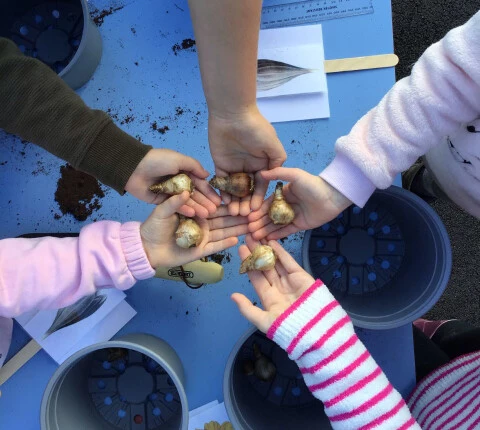
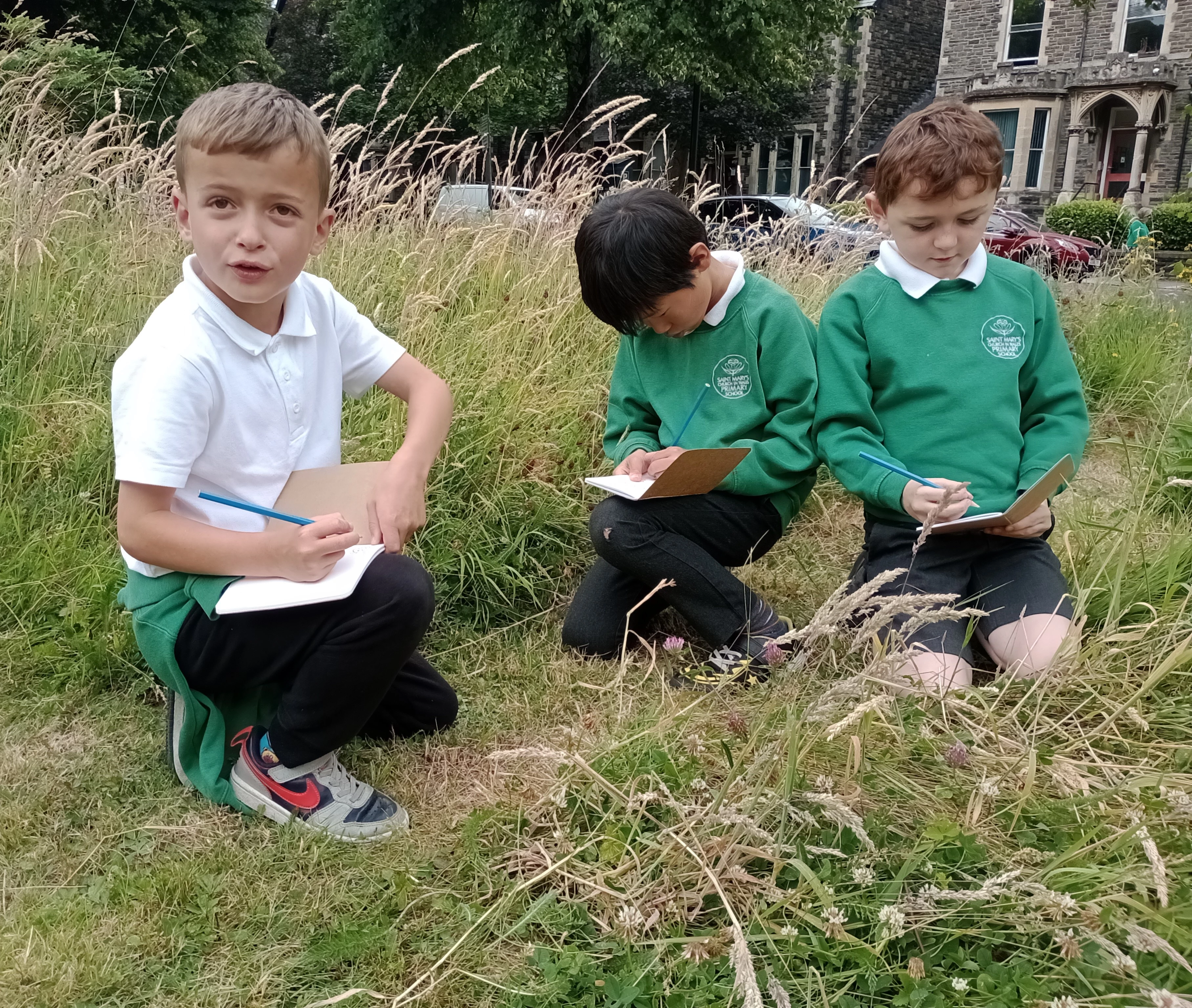
Mae Ymchwiliad Bylbiau’r Gwanwyn i Ysgolion yn cynnwys miloedd o blant o bob rhan o’r DU bob blwyddyn mewn astudiaeth wyddonol am effeithiau newid hinsawdd ar ddyddiadau blodeuo bylbiau’r gwanwyn. Mae disgyblion yn mabwysiadu, gofalu am ac yn astudio eu planhigion. Maen nhw’n cymryd darlleniadau tywydd bob diwrnod maen nhw yn yr ysgol rhwng Tachwedd a Mawrth ac yn rhannu eu canfyddiadau ar wefan Amgueddfa Cymru. Mae ein hadroddiadau o’r ymchwiliad llynedd ar gael yma, ynghyd â llawer o adnoddau addysgol eraill. Bydd yr adroddiadau dwyieithog eleni yn cael eu cyhoeddi ddechrau Gorffennaf.
Os ydych chi wedi cymryd rhan yn y prosiect eleni drwy blannu a thyfu blodau’r gwanwyn, rydych chi eisoes yn bencampwr hinsawdd! Os ydych chi’n chwilio am weithred Wythnos Fawr Werdd i’ch ysgol, mae ceisiadau ar agor i ysgolion yng Nghymru, a gallwch wneud cais yma! Bydd 2025-2026 yn flwyddyn pen-blwydd 20 mlynedd y prosiect gwych hwn!
Pwy yw Ymddiriedolaeth Edina?
Mae Ymddiriedolaeth Edina yn bartneriaid ac yn noddwyr Ymchwiliad Bylbiau’r Gwanwyn i Ysgolion Amgueddfa Cymru. Elusen yw hon sy’n helpu ysgolion cynradd gyda gwyddoniaeth drwy gynnig grantiau di-gystadleuaeth ar gyfer prosiectau cyffrous fel garddio, adnoddau gwyddoniaeth, a dysgu awyr agored. Eleni, gall ysgolion yn Sir Ddinbych, Casnewydd, a Thorfaen wneud cais am grantiau Edina Trust, felly os yw’ch ysgol chi mewn un o’r ardaloedd hyn, rydych chi’n sicr o gael cyllid i ddatblygu eich anturiaethau gwyddonol! Dysgwch fwy yma!
Rhowch gynnig ar Cwis Hinsawdd Amgueddfa Cymru!
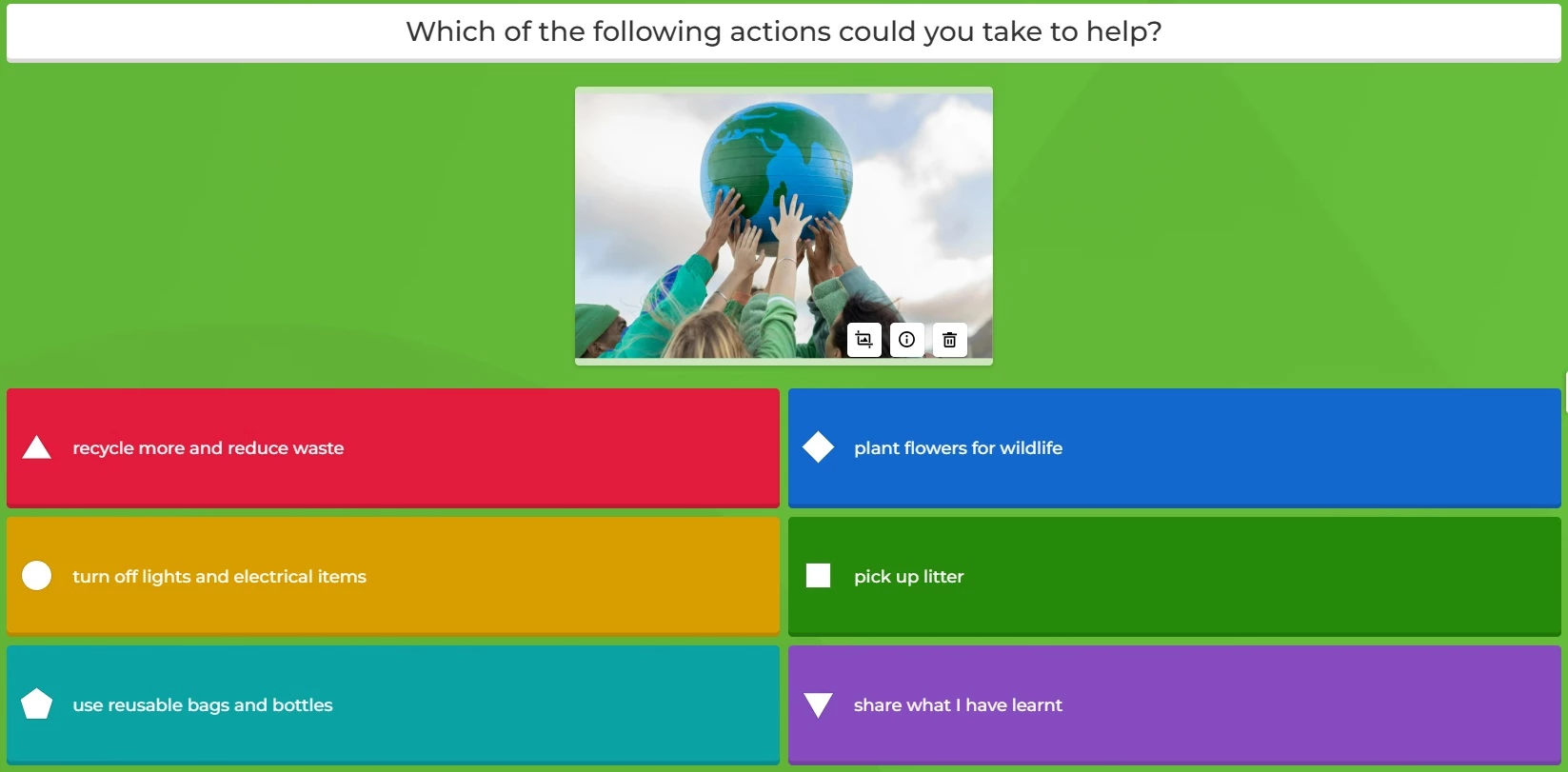
I ddathlu’r Wythnos Fawr Werdd, mae Amgueddfa Cymru wedi creu Cwis Hinsawdd arbennig i chi. Mae’n rhan o Ymchwiliad Bylbiau’r Gwanwyn i Ysgolion, ac mae’n ffordd hwyliog o brofi eich gwybodaeth am yr hinsawdd a sut gallwn ni i gyd helpu i warchod natur.
Beth yw’r gwahaniaeth rhwng tywydd a hinsawdd?
Faint o ynni’r DU sy’n dod o ffynonellau adnewyddadwy?
Pam mae pryfed mor bwysig i’r hinsawdd?
Pa gamau allwch chi eu cymryd i helpu?
Darganfyddwch drwy gymryd y cwis gyda’ch ffrindiau neu deulu. Efallai y byddwch chi’n synnu at yr hyn rydych chi’n ei ddysgu!
Dewch yn Warchodwyr y Blaned!
Cofiwch, gall newidiadau bach wneud gwahaniaeth mawr. Drwy ymuno yn y Wythnos Fawr Werdd a’r Cwis Hinsawdd, rydych chi’n helpu i godi ymwybyddiaeth o sut gallwn ni i gyd ofalu am y Ddaear ar gyfer anifeiliaid, planhigion, a phobl ym mhobman.
Rhannwch yr hyn rydych chi wedi’i ddysgu:
Dywedwch wrth eich athro am y Wythnos Fawr Werdd a’r Ymchwiliad Bylbiau’r Gwanwyn i Ysgolion. Mae llwyth o adnoddau gwych y gellir eu defnyddio yn y dosbarth.
Victoria Hillman, Arweinydd Prosiect: Datblygu Cynaliadwy a Datgarboneiddio, 29 Mai 2025
Victoria Hillman, Arweinydd Prosiect: Datblygu Cynaliadwy a Datgarboneiddio
Helo Victoria, allet ti gyflwyno dy hun a dweud ychydig wrthon ni am dy rôl yma yn Amgueddfa Cymru?
Siŵr iawn! Fe ges i ’ngeni a’m magu yng Nghaerdydd, felly, fel llawer o bobl, fy atgofion cynharaf o Amgueddfa Cymru yw tripiau ysgol i Sain Ffagan a Big Pit! Roedd y profiadau trochi a gawson ni mor fyw ac yn ysbrydoliaeth – yn enwedig i blentyn pan mae’ch meddwl chi’n agored i bob posibilrwydd. “Ychydig” o flynyddoedd ar ôl y profiadau ffurfiannol hyn, roeddwn i’n ddigon ffodus i ymuno ag Amgueddfa Cymru ym mis Ebrill 2024 fel Arweinydd Prosiect Datblygu Cynaliadwy a Datgarboneiddio. Mae fy ngwaith yn cwmpasu’r sefydliad i gyd, felly rwy’n rhyngweithio gyda phob safle amgueddfa a gyda phob tîm. Mae’n fraint cael gweithio gyda chymaint o wahanol bobl. Mae pob safle’n unigryw ac mae ’na gydweithwyr hynod o wybodus ar draws y sefydliad sy’n anhygoel o angerddol dros eu swyddi.
Fi sy’n gyfrifol am sicrhau bod Amgueddfa Cymru’n cydymffurfio â deddfwriaeth amgylcheddol ac am ysgogi gwelliannau mewn agweddau eraill perthnasol i gynaliadwyedd amgylcheddol ar draws y sefydliad. Mae hyn yn amrywio o edrych ar arferion caffael, i’r ffordd mae arddangosfeydd yn cael eu cynllunio; o optimeiddio amodau amgylcheddol mewn orielau i hyrwyddo teithio llesol gyda staff a gwirfoddolwyr; o wella bioamrywiaeth i ddatgarboneiddio’r stad.
Yn ystod y 10 mis diwethaf, rydw i wedi gweithio’n rhan-amser hefyd ar agweddau cynaliadwyedd y Prosiect Ailddatblygu yn yr Amgueddfa Lechi Genedlaethol. Mae’r gwaith dylunio wedi’i gwblhau erbyn hyn, a mis Mai yw’r mis pan fydd y safle’n cael ei drosglwyddo i gontractwyr er mwyn i’r gwaith adeiladu ddechrau – mae’n gyfnod cyffrous iawn i’r prosiect!
Fel dinasyddion y byd, rydyn ni’n gwybod pa mor hollbwysig yw cynaliadwyedd, yn ymarferol. Beth alli di ei ddweud wrthon ni am y gwaith rydyn ni’n ei wneud yn Amgueddfa Cymru i gyrraedd y targedau sydd wedi’u gosod ledled Cymru?
Pwmp gwres yn cael ei osod yn Sain Ffagan
Ie wir. Fe wnaeth Amgueddfa Cymru gyhoeddi argyfwng hinsawdd ac argyfwng byd natur yn 2019. Rydyn ni wedi bod o ddifri yn ein hymrwymiad i ddiogelu’r amgylchedd ers blynyddoedd, ond ers y garreg filltir bwysig honno, rydyn ni wedi cynyddu’n hymdrechion ac wedi ysbrydoli eraill i ddilyn. Mae chwe ymrwymiad yn ein Strategaeth 2030, gan gynnwys “rhoi’r blaned yn gyntaf”. Yr ymrwymiad hwn yw sail ein dymuniad i gyfrannu at gyflawni sero net carbon gan sector cyhoeddus Cymru erbyn 2030. Ar draws y stad, rydyn ni wedi bod yn gweithio i leihau’r defnydd o danwydd ffosil trwy uwchraddio offer i fersiynau mwy effeithlon a disodli systemau gwresogi gyda dewisiadau trydan amgen (e.e. pympiau sy’n codi gwres o’r aer). Dros 5 mlynedd (2019/20 i 2023/24), mae’r defnydd o nwy naturiol wedi gostwng 36%.
Yn ogystal â datgarboneiddio’r stad, mae Amgueddfa Cymru’n gweithredu mewn ffordd sy’n cyd-fynd yn llawn â gofynion Deddf Llesiant Cenedlaethau’r Dyfodol. Mae’n rhaid i bob proses ac adroddiad mewnol ystyried y pum ffordd o weithio (Cydweithio, Integreiddio, Cynnwys, Atal a Hirdymor).
Rwyt ti’n sôn am ‘roi’r blaned yn gyntaf’; pa brosiectau sy’n digwydd ar draws ein hamgueddfeydd heddiw, sy’n ein helpu ni i greu Cymru gynaliadwy?
Dw i eisoes wedi sôn am y cynnydd mawr o ran datgarboneiddio’r stad ac mae’r gwaith hwnnw’n mynd yn ei flaen diolch i gyllid Grant Gwres Carbon Isel y Sector Cyhoeddus. Rhwng Ionawr a Mawrth 2025, gosodwyd pympiau codi gwres o’r aer mewn wyth adeilad ar bedwar safle i ddisodli systemau gwresogi tanwydd ffosil (nwy naturiol, LPG ac olew). Mae ’na gynlluniau i wneud gwaith tebyg yn 2025/26, os caiff ceisiadau am gyllid eu cymeradwyo.
Ein Gardd Rufeinig yn Amgueddfa Lleng Rufeinig Cymru
Ar raddfa fwy, a mwy hirdymor, mae dau brosiect yn cael eu cynllunio ar hyn o bryd a fydd yn sefydlu cynaliadwyedd yn y sector diwylliant dros y 5–10 mlynedd nesaf. Ailddatblygu Caerllion Rufeinig yw’r cyntaf, sy’n ymdrech ar y cyd rhwng Amgueddfa Cymru, Cadw a Chyngor Dinas Casnewydd. Nod y prosiect yw gwneud y mwyaf o botensial treftadaeth Rufeinig Caerllion tra’n gwella profiad ymwelwyr a denu mwy o bobl. Un allwedd i lwyddiant y prosiect fydd sicrhau bod digon o waith yn cael ei wneud er mwyn addasu’r safleoedd i’r effeithiau a ddaw yn sgil y newid yn yr hinsawdd. Ac yn yr un modd, yr ail brosiect lle bydd hi’n allweddol canolbwyntio ar addasu safle i’r newid hinsawdd yw ailddatblygiad Amgueddfa Genedlaethol Caerdydd. Dyw hi ddim yn gyfrinach bod yr adeilad 100 mlwydd oed wedi profi heriau yn ddiweddar a does dim ateb syml. Mae tîm amlddisgyblaethol wedi’i sefydlu i gynllunio’r ffordd orau ymlaen er mwyn gwarchod a moderneiddio’r adeilad hardd ac eiconig hwn.
O safbwynt pobl, y prosiect mewnol gwirioneddol bwerus yw cyflwyno hyfforddiant Llythrennedd Carbon. Dechreuodd hyn yn ôl yn 2018 gyda chriw bach o unigolion ymroddgar, ac erbyn hyn mae cannoedd o aelodau staff yn cael eu hyfforddi ac yn ennill tystysgrif llythrennedd carbon. Un o brif fanteision yr hyfforddiant Llythrennedd Carbon yw ei fod yn annog newid ymddygiad gartref yn ogystal ag yn y gweithle – mae aelodau staff sydd wedi dilyn y cwrs yn gweld hyn fel pwynt gwerthu cryf.
Yn fwy cyffredinol, mae gwaith dyddiol ar draws yr amgueddfa’n cyfrannu at Gymru fwy cynaliadwy. Mae Curaduron y Gwyddorau Naturiol yn gwneud gwaith ymchwil arloesol, yn disgrifio rhywogaethau ac yn monitro rhywogaethau goresgynnol; mae Curaduron a Chadwraethwyr yn cadw ac yn dehongli eitemau fel y gallan nhw gael eu deall gan ymwelwyr heddiw a’u mwynhau gan ymwelwyr y dyfodol; mae’r Tîm Dysgu’n darparu adnoddau i ysbrydoli ac ysgogi meddyliau holgar; mae’r Tîm Ymgysylltu’n cynnig amrywiaeth o weithgareddau a chyfleon hygyrch a chynhwysol i bobl o bob cwr o Gymru; mae’r tîm Profiad Ymwelwyr yn defnyddio’u gwybodaeth helaeth i ateb cwestiynau a thanio dychymyg ymwelwyr... Mae’n rhestr hirfaith.
Mae ganddon ni Ddiwrnod Bioamrywiaeth y Senedd, Diwrnod Rhywogaethau mewn Perygl, Diwrnod Rhyngwladol Bioamrywiaeth a Diwrnod Gwenyn y Byd, i enwi dim ond ychydig, wedi’u hamlygu yn ein dyddiaduron y mis yma! Beth allwn ni ei wneud, fel casgliad o saith amgueddfa genedlaethol ac un ganolfan gasgliadau, ar y dyddiadau allweddol hyn?
Cynnal Cynhadledd Gweithredu 2025 yn Amgueddfa Genedlaethol Caerdydd
Mae mis Mai yn sicr yn fis prysur o ran dathlu byd natur! Mae dyddiau o’r fath yn rhoi cyfle i ganolbwyntio ar ymgyrchoedd penodol ac, yn bwysicach, i gydweithio gyda gweithwyr mewn sefydliadau eraill yn y sector cyhoeddus neu’r trydydd sector. Yn reit aml, amcanion tebyg sydd gan unigolion, ond heb ddylanwad neu gyfeiriad ar eu pen eu hunain. Drwy uno (ac mae ’na lawer o sefydliadau gwych ledled Cymru), rydyn ni’n gryfach ac yn gallu canolbwyntio ar dargedau. Fu hyn erioed yn fwy amlwg nag yn yr Uwchgynhadledd Gweithredu a gynhaliwyd ar 29 Ebrill yn Amgueddfa Genedlaethol Caerdydd i nodi rhyddhau Adroddiad Cenedlaethau’r Dyfodol 2025. Diwrnod i’n hysbrydoli oedd hwn, yn cadarnhau’r ffaith bod natur, diwylliant ac economi llesiant yn hanfodol i greu’r Gymru yr hoffem ni i gyd ei gweld.
Mae pobl yn ein hadnabod am ein hamgueddfeydd dan do ac awyr agored, ond efallai nad ydyn nhw’n gwybod am ein gerddi a’n dolydd gwyllt! Dwed rywbeth wrthon ni am y rhain.
Gwirfoddolwr yn garddio yng ngardd GRAFT, Amgueddfa Genedlaethol y Glannau
Oes – mae ganddon ni erddi, dolydd, coedlannau a chynefinoedd tir gwyllt hyfryd hardd ar draws stad yr amgueddfa. Amgueddfa Werin Sain Ffagan yw’r safle gyda’r mwyaf o le agored – a dyma ganolfan ein Tîm Garddio. Mae’r Tîm Garddio’n creu ac yn gofalu am erddi ffurfiol yn y tir o amgylch Castell Sain Ffagan ac yn y blynyddoedd diwethaf maen nhw wedi cyflwyno dulliau amgylcheddol gyfeillgar fel plannu planhigion lluosflwydd yn hytrach nag unflwydd, casglu dŵr glaw at ddibenion dyfrhau, defnyddio compost di-fawn a newid o offer sy’n rhedeg ar danwydd ffosil i ddewisiadau amgen trydan. Yn Amgueddfa Genedlaethol y Lleng Rufeinig, mae’r Tîm Dysgu wedi ail-ddychmygu gardd Rufeinig, tra’n sicrhau bod digon o rywogaethau’n bresennol i ddenu peillwyr.
#NoMowMay yn Amgueddfa Wlân Cymru
A sôn am beillwyr, mae pob un o safleoedd yr amgueddfa’n gefnogwyr brwd i ymgyrch Mai Di-Dor ac fe blannwyd blodau gwyllt yn y ddôl drefol ger Amgueddfa Genedlaethol Caerdydd ac mewn tri lle yn Sain Ffagan yn gynharach eleni. Mae’r ardd ‘Graft’ yn Amgueddfa Genedlaethol y Glannau’n falch o gyfuno cynhyrchu bwyd gyda thyfu rhywogaethau cyfeillgar i beillwyr. Mae Amgueddfa Wlân Cymru wedi’i lleoli wrth Nant Bargod ac mae’r ddôl orlif yn y fan honno’n llawn bywyd – planhigion ac anifeiliaid. Mae llwybr addas i deuluoedd wedi’i greu er mwyn annog pobl i archwilio mwy!
Ac i gloi, rydyn ni wedi cadw’r gorau tan y diwedd. Pa un ydi dy hoff ddarn yn ein casgliad?
Dyna gwestiwn anodd, ac mae’n amhosibl ei ateb wrth gwrs! Rwy wrth fy modd gyda hen beiriannau diwydiannol – yn enwedig pan maen nhw’n dal i weithio. Mae enghreifftiau gwych o hyn i’w gweld ar draws y sefydliad – yn Amgueddfa Wlân Cymru, Amgueddfa Lechi Cymru, Amgueddfa Lofaol Big Pit ac Amgueddfa Genedlaethol y Glannau. Mae’r eitemau diwydiannol yn y Ganolfan Gasgliadau Genedlaethol yn wych hefyd ac yn gymysgedd eclectig go iawn – fel y byddech chi’n ei ddisgwyl gan storfeydd amgueddfa genedlaethol!
Trilobit o’n casgliad
Ond os oes raid dewis un eitem, mae oriel Esblygiad Cymru yn Amgueddfa Genedlaethol Caerdydd yn agos at fy nghalon. Geowyddoniaeth Amgylcheddol oedd pwnc fy ngradd ac rwy’n dwlu ar brosesau naturiol – tectoneg platiau, ceryntau’r cefnforoedd, ffurfiant creigiau, amrywiaeth bywyd ar y Ddaear a’i allu i ymgyfaddasu... Fy hoff gasgliad felly, o raid, fyddai’r ffosiliau trilobit, a’r hoff eitem unigol fyddai ôl gên Megalosawrws, a gafodd ei ddarganfod ger Pen-y-bont ar Ogwr ym 1898. Mae’n hynod o gyffrous dysgu bod cigysyddion enfawr yn arfer crwydro’r tir sydd bellach yn gartref i ni!