Theatre of insects Jennifer Evans, 8 Gorffennaf 2013 Thomas Moffet [Moufet, Muffet] (1553-1604), was a physician and naturalist. After graduating from Cambridge, he travelled abroad, gained the degree of MD in 1579 from Basel University and eventually established a successful medical practice in Frankfurt. In 1580 he visited Italy, where he studied the culture of the silkworm and developed an absorbing interest in entomology. By 1588 he had returned to England and secured a good practice, first in Ipswich and afterwards in London. On 22 December of that year he was admitted as a candidate of the College of Physicians, then became a fellow and eventually censor. In 1589 he was appointed to a committee responsible for compiling the Pharmacopoeia Londinensis (1618) for the College of Physicians. Moffet combined real literary aptitude with his interests in natural philosophy, publishing the lengthy poem, The Silkworms and their Flies, in 1599. Theatre of Insects was published posthumously. In 1590 he had completed a compendious work on the natural history of insects, partly compiled from the unpublished writings of Edward Wotton, Conrad Gesner and Moffet’s friend [and fellow physician] Thomas Penny. After Moffet’s death, this still unpublished manuscript (BL, Sloane MS 4014) came into the hands of his apothecary [Darnell], who sold it to Sir Theodore Mayerne, who published it in 1634 as Insectorum, sive, Minimorum animalium theatrum. It was translated into English by J. Rowland as The Theatre of Insects, or Lesser Living Creatures and appended to Edward Topsell’s History of Four-Footed Beasts and Serpents (1658). We hold copies of both the 1634 and 1658 editions; the copy photographed here is one of the earlier editions. These books, along with many other early natural history works, were bequeathed to the Library by Willoughby Gardner in 1953 [for more details visit our website or see The Willoughby Gardner Library: a collection of early printed books on natural history, by John R. Kenyon, published by Amgueddfa Genedlaethol Cymru / National Museum Wales, 1982] It has been supposed, on the basis of Moffet’s interest in spiders that his daughter Patience was the ‘little Miss Muffet’ of the nursery rhyme; although some sources state this unlikely as the rhyme did not appear in print until 1805. Biographical information taken from Oxford Dictionary of National Biography
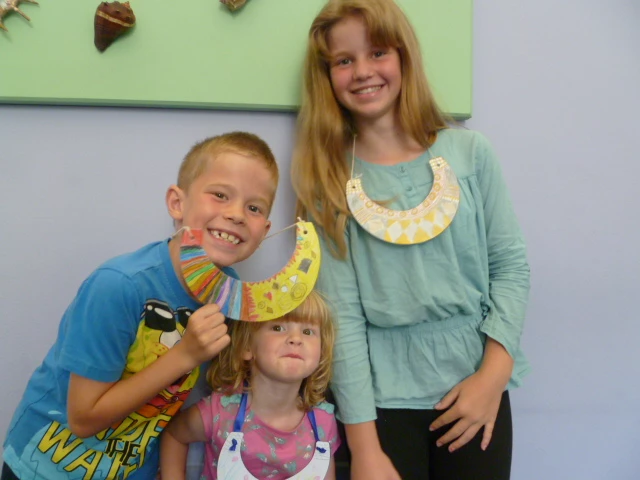
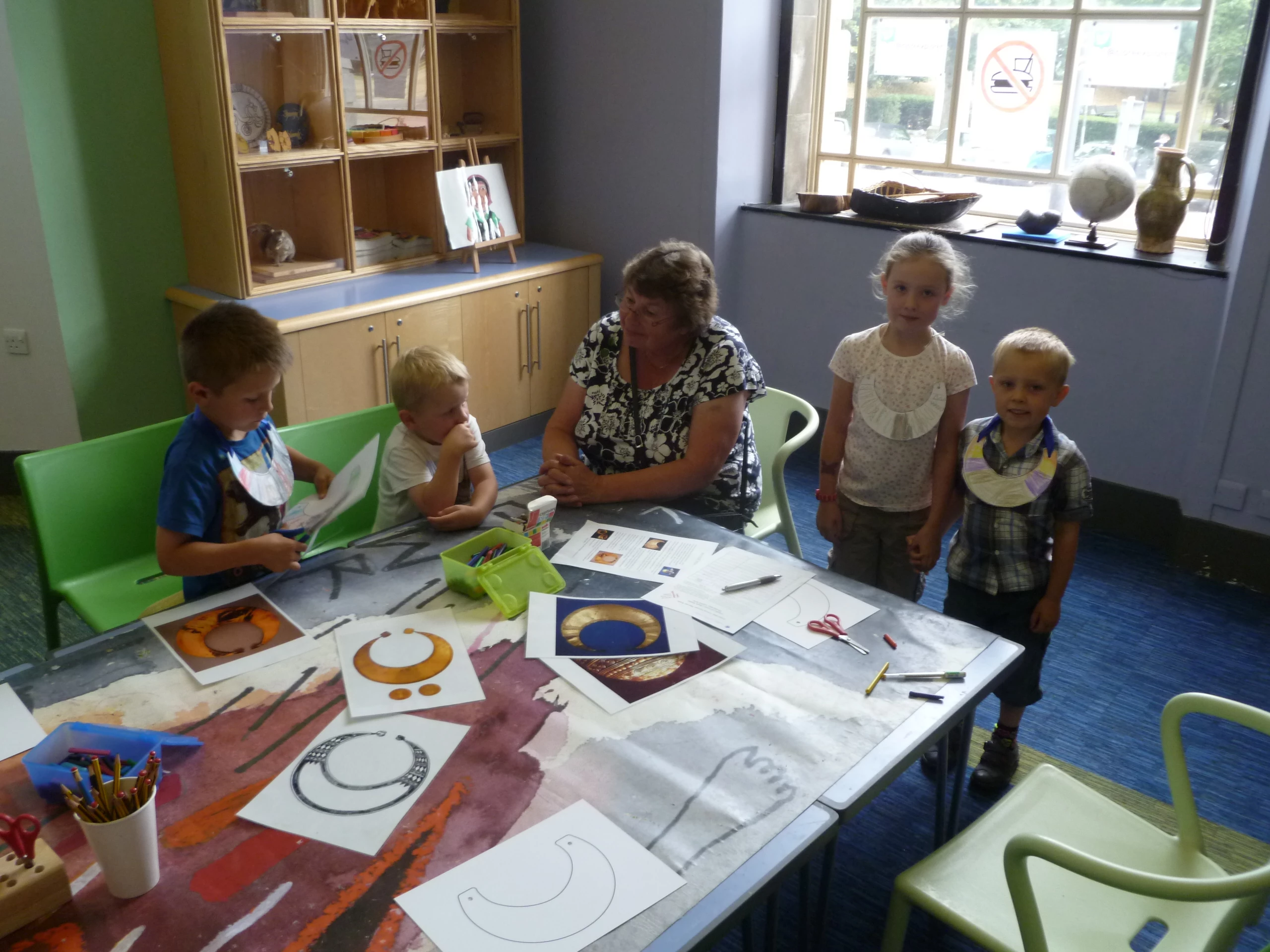
The famous Mold Gold Cape comes to Wales David Anderson, 5 Gorffennaf 2013 I’m delighted that one of Europe’s most important Bronze Age finds has arrived at National Museum Cardiff this week! The display of the Mold Gold Cape, on loan from the British Museum, was officially opened in a special event on Wednesday by the Minister for Culture & Sports, John Griffiths.A highlight exhibit at the British Museum, the ceremonial gold cape, found in north Wales, was made around 3,700 years ago during the Early Bronze Age. It’s one of the finest examples of prehistoric sheet and embossed-gold working in Europe. It's craftsmanship and materials reveal the wealth and significance of north east Wales at this time.The cape was discovered by workmen near Mold in 1833, many years before the establishment of Amgueddfa Cymru - National Museum Wales. Having the Mold Gold Cape return to Wales from the British Museum offers a wonderful opportunity for local people and visitors to enjoy and find out more about their heritage and the early past.The ancient artefact is in Cardiff until 4 August and then goes to Wrexham Museum from 7 August -14 September, as part of Spotlight Tours, a programme of loans organised through the British Museums’ Partnership UK Scheme.Working in partnership with other museums enables precious artefacts of Welsh origin like this to be more accessible to the people of Wales. The Mold Cape contributes significantly to our understanding of cultural expression and power relations in Early Bronze Age Europe, reflected both in life and in death.There are activities and events related to the Mold Cape here all month so if you’re in the Cardiff area, or in Wrexham next month, why not come and have a look at this unique artefact?
A species new to science! Peter Howlett, 5 Gorffennaf 2013 The first results and new species have now been published from the project on the Polychaetes of the Falkland Islands. The project, which started in 2011, intends to document the polychaetes (marine bristleworms) of the intertidal region around the islands, information that will help inform marine environmental work and improve future identification of the group in the area. Further details of the project can be found in a Rhagor article here and earlier blogs here that documented the fieldwork.The new species, Micromaldane shackletoni, was named in recognition of the Shackleton Scholarship Fund who support the work. The species is of particular interest as it is a simultaneous hermaphrodite, which means that it produces eggs and sperm at the same time that fertilise internally. The larvae are then brooded inside the animal's tube until they are large enough to leave and build their own tube. This method of reproduction has only been reported once amongst other species in the same genus. To document the stages of reproduction involved using a scanning electron microscope to look in detail at the eggs and sperm (see photo) from inside the body, the developing larvae and other structures on the adult bodies (see photo of head). Animals are only 0.3mm wide and around 11m long. The species description and details have been published in the scientific journal Zootaxa.Teresa Darbyshire
Y Galdrist Rithiol – un o blanhigion prinnaf Prydain 3 Gorffennaf 2013 Galdrist Rithiol Swydd Henffordd, 2009. Map yn dangos dosbarthiad y Galdrist Rithiol ym Mhrydain (pob cofnod: data trwy garedigrwydd Cymdeithas Fotanegol Ynysoedd Prydain 2013). Eleanor Vachell, tua 1930 Y Galdrist Rithiol a gasglwyd gan Rex Graham, 1953 Y Galdrist Rithiol o Swydd Henffordd 1982, wedi’i chadw mewn fformalin. Mae gan y Llysieufa Genedlaethol yn Amgueddfa Cymru gasgliad bychan – ond hynod werthfawr – o’r Galdrist Rithiol (Epipogium aphyllum Sw.) neu Degeirian y Cysgod. A ddylem fod yn falch o hynny, neu a ddylent fod wedi’u gadael yn y gwyllt? Mae’r ateb yng nghasgliad yr Amgueddfa, a gan wlithod... Mae’r Galdrist Rithiol ymhlith planhigion prinnaf gwledydd Prydain. Fe’u canfuwyd mewn tua 11 safle yn ardaloedd y Chilterns a gorllewin canolbarth Lloegr, ond gan eu bod mor brin a’u lleoliad mor gyfrinachol, mae’n anodd gwybod sawl safle sydd yna’n union. Planhigyn diflanedig Cafodd y Galdrist Rithiol ei darganfod ym Mhrydain am y tro cyntaf ym 1854, ond dim ond un ar ddeg o weithiau y’i gwelwyd cyn y 1950au. Fe’i gwelwyd yn rheolaidd yma a thraw yn y Chilterns rhwng 1953 ac 1987, ond yna diflannodd, ac fe’i hystyriwyd yn ddiflanedig nes i un planhigyn gael ei ddarganfod yn 2009. Dim ond unwaith y’i gwelwyd yn y mwyafrif o safleoedd, ac yn anaml iawn am fwy na deng mlynedd. Y Galdrist Rithiol – golygfa brin dan gysgod tywyll y goedwig. Mae’r planhigyn lliw gwyn hufen i frown pincaidd hwn yn tyfu mewn coedwigoedd tywyll a chysgodol a dyna sy’n egluro’i enw. Diffyg cloroffyl sy’n gyfrifol am ei liw gan ei fod yn barasit ffyngau sy’n gysylltiedig â gwreiddiau coed, ac nid oes angen iddo gael ei fwyd ei hun trwy ffotosynthesis. Mae’n treulio’r rhan fwyaf o’i oes fel rhisom (cyffion tanddaearol) ym mhridd neu ddeiliach coetiroedd, a dim ond ambell dro y gwelir blagur blodau uwchlaw’r ddaear. Hyd yn oed wedyn, mae ei maint bychan (llai na 15cm fel arfer, a phrin yn cyrraedd 23cm) a’u hymddangosiad anwadal rhwng mis Mehefin a mis Hydref yn golygu mai anaml iawn y gwelir y Galdrist Rithiol. Tan yn ddiweddar, darn o risom a gasglwyd ar gyfer Eleanor Vachell ym 1926 oedd yr unig sbesimen Prydeinig yn nwylo Amgueddfa Cymru. Ei llysieufa hi yw un o’r rhai mwyaf cynhwysfawr gan fotanegydd o Brydain, a chyflwynodd ei chasgliad i’r Amgueddfa pan fu farw ym 1949. Mae ei dyddiadur botanegol yn adrodd hanes darganfod y Galdrist Rithiol: "28 May 1926. The telephone bell summoned Mr [Francis] Druce to receive a message from Mr Wilmott of the British Museum. Epipogium aphyllum had been found in Oxfordshire by a young girl and had been shown to Dr [George Claridge] Druce and Mrs Wedgwood. Now Mr Wilmott had found out the name of the wood and was ready to give all information!!! Excitement knew no bounds. Mr Druce rang up Elsie Knowling inviting her to join the search and a taxi was hurriedly summoned to take E.V. [=Eleanor Vachell] and Mr Druce to the British Museum to collect the particulars from Mr Wilmott. The little party walked to the wood where the single specimen had been found and searched diligently that part of the wood marked in the map lent by Mr Wilmott but without success, though they spread out widely in both directions... Completely baffled, the trio, at E.V.'s suggestion, returned to the town to search for the finder. After many enquiries had been made they were directed to a nice house, the home of Mrs I. ?, who was fortunately in when they called. E.V. acted spokesman. Mrs I. was most kind and after giving them a small sketch of the flower told them the name of the street where the girl who had found it lived. Off they started once more. The girl too was at home and there in a vase was another flower of Epipogium! In vain did Mr Druce plead with her to part with it but she was adamant! Before long however she had promised to show the place to which she had lead Dr Druce and Mrs Wedgwood and from which the two specimens had been gathered. Off again. This time straight to the right place, but there was nothing to be seen of Epipogium! 2 June 1926. A day to spare! Why not have one more hunt for Epipogium? Arriving at the wood, E.V. crept stealthily to the exact spot from which the specimen had been taken and kneeling down carefully, with their fingers they removed a little soil, exposing the stem of the orchid, to which were attached tiny tuberous rootlets! Undoubtedly the stem of Dr Druce's specimen! Making careful measurements for Mr Druce, they replaced the earth, covered the tiny hole with twigs and leaf-mould and fled home triumphant, possessed of a secret that they were forbidden to share with anyone except Mr Druce and Mr Wilmott. A few days later E.V. received from Mr Druce an excited letter of thanks and a box of earth containing a tiny rootlet that he had found in the exact spot they had indicated." [Ffynhonnell: Forty, M. & Rich, T. C. G., eds. (2006). The botanist. The botanical diary of Eleanor Vachell (1879-1948). Amgueddfa Genedlaethol Cymru, Caerdydd] Rhannodd Eleanor ei gwreiddiosyn â’i chyfaill mynwesol Elsie Knowling, a oedd hefyd yn cadw llysieufa. Trwy gyd-ddigwyddiad lwcus, mae’r ddau ddarn bellach gyda’i gilydd yn yr Amgueddfa ar ôl bod ar wahân am 84 o flynyddoedd. Ym 1953, daeth Rex Graham, mab Elsie, ar draws 22 Galdrist Rithiol mewn coedwig yn Swydd Buckingham, sef y gytref fwyaf erioed yng ngwledydd Prydain (Graham 1953). Dyma’r tro cyntaf i’r Galdrist Rithiol gael ei gweld ers ugain mlynedd, a hawliodd sylw’r wasg Brydeinig. Dim ond tri sbesimen gasglodd Rex ar y pryd, ond aeth ati i gasglu rhagor dros y blynyddoedd dilynol pan welodd fod gwlithod yn eu bwyta. Ymhen hir a hwyr, roedd gan Rex bedwar sbesimen ar gyfer ei lysieufa ei hun, i’w hychwanegu at y darn yn llysieufa ei fam. Roedd y Galdrist Rithiol ymhlith trysorau llysieufa Graham & Harley, a roddwyd i Amgueddfa Cymru yn 2010. Y trydydd casgliad yw’r unig sbesimen yn yr Amgueddfa sy’n cael ei gadw mewn gwirod (yn hytrach na’i wasgu a’i sychu) er mwyn dangos strwythur tri dimensiwn y blodyn. Darganfuwyd gan y Dr Valerie Richards (Coombs gynt) ym 1982, a’i roi trwy garedigrwydd i’r Amgueddfa yn 2013. I waith caled a greddf Mark Jannink, yn ogystal â gwlithen lwglyd arall, y mae’r diolch am y pedwerydd casgliad a’r olaf. Dechreuodd Mark ystyried a oedd y Galdrist Rithiol yn blodeuo’n amlach ar ôl gaeafau oer. Ymchwiliodd i’r holl ddarganfyddiadau blaenorol o’r Galdrist Rithiol – ei hoff gynefin, tymor blodeuo a phatrymau’r tywydd – yna dechrau gwylio deg safle posib yng ngorllewin canolbarth Lloegr, ac ymweld â nhw bob pythefnos gydol haf 2009, ar ôl un o’r gaeafau oeraf ers blynyddoedd lawer. O’r diwedd, ym mis Medi, daeth ar draws un sbesimen bach. Roedd yn destun cryn gyffro i fotanegwyr, gan fod y Galdrist Rithiol wedi’i dynodi’n ddiflanedig yn swyddogol yn 2005. Dychwelodd Mark yno sawl tro yn ystod y dyddiau nesaf, wrth i’r planhigyn bylu a ‘brownio’ yn araf, hyd nes bod y gwlithod wedi cnoi drwy’r coesyn. Cafodd y gweddillion eu casglu a’u gwasgu, a’u cyfrannu i’n llysieufa ni yn fuan wedyn. Felly, cafodd pump o’r saith Galdrist Rithiol o Brydain sydd yn Amgueddfa Cymru, eu casglu yn sgil gwlithod, sy’n fwy o fygythiad na botanegwyr. Mae’r Galdrist Rithiol wedi’i diogelu’n llawn gan y gyfraith, dan Ddeddf Bywyd Gwyllt a Chefn Gwlad 1981, ond dyw’r gwlithod ddim callach! Mae gennym wyth sbesimen o Ewrop hefyd, lle mae’r Galdrist Rithiol yn fwy cyffredin, ond eto’n brin. Cafodd un o’n sbesimenau gorau ei gasglu gan W. A. Sledge yn y Swistir. Mae croeso i chi ddod draw i weld y Galdrist Rithiol yn Llysieufa Genedlaethol Cymru, ond peidiwch â disgwyl i ni ddatgelu o ble y daethant! A da chi, gadewch eich gwlithod gartref. Darn o wreiddiosyn y Galdrist Rithiol yn llysieufa Eleanor Vachell. Mae hefyd yn cynnwys cyfeiriad y Dr George Claridge Druce (1924) ato yn Gardeners Chronicle cyfres 3 cyfrol 76, tudalen 114 a dau fraslun bach gan Miss Baumgartner. Galdrist Rithiol o’r Swistir a gasglwyd gan W. A. Sledge ym 1955. Galdrist Rithiol Swydd Henffordd, 2009 Cyfeiriadau Graham, R. A. (1953). Epipogium aphyllum Sw. in Buckinghamshire. Watsonia 3: 33 a’r tab. (http://archive.bsbi.org.uk/Wats3p33.pdf ). Harley, R. M. (1962). Obituary: Rex Alan Henry Graham. Proceedings of the Botanical Society of the British Isles 4: 505-507. Rhagor o wybodaeth am y Galdrist Rithiol: Farrell, L. (1999) Epipogium aphyllum Sw. tudalen 136 yn Wigginton, M. J. (1999) British Red Data Books 1. Vascular plants. 3ydd argraffiad. JNCC, Peterborough. Foley, M. J. Y. a Clark, S. (2005) Orchids of the British Isles. The Griffin Press, Maidenhead. Jannink, M. a Rich, T. C. G. (2010). Ghost orchid rediscovered in Britain after 23 years. Journal of the Hardy Orchid Society 7: 14-15. Taylor, L. a Roberts, D. L. (2011). Biological Flora of the British Isles: Epipogium aphyllum Sw. Journal of Ecology 99: 878–890. http://onlinelibrary.wiley.com/doi/10.1111/j.1365-2745.2011.01839.x/abstract:
what i've been up to... Sian Lile-Pastore, 2 Gorffennaf 2013 Hello!I've been pretty quiet blog-wise but not work wise! Oriel 1 is now shut so I've been taking my art and craft activities further afield, trying out different locations on the site in St Fagans: National History Museum and going to Hay festival, Tafwyl, as well as doing some outreach work with schools. Our quilting club is still going and our next meeting will be on 20 July and will be all day! from 11 until 1 and 2 until 4 (though you are welcome to just come along for some of it). I have also started up a knit and sew group, it's just a chance to come along and meet new people and exchange ideas and the next one of those is on 28 September from 11 until 1. To keep up to date with what we're up to quilt and craft wise, have a look at our facebook page We've also taken part in a few Craftivism projects and hope to do more of those over the next few months too. Again, there's a facebook page for that, although we don't just meet in the museum and take part in lots of other events!And the other newish thing that I've been involved with is the St Fagans book group (yep, there's a facebook page for that too) which meets every month (next meeting 20 july) to discuss novels that have links with the site or have links with Wales. We also invite speakers to come and give us some context for the books too - so, for instance, when we read 'The Rebecca Rioter' by Amy Dillwyn, Sioned Hughes (curator: Politics, Trade and Religion) talked to us about the Tollhouse in St Fagans, when we 'read' (I'm yet to finish it) 'For Whom the Bell Tolls' by Hemingway, Heulwen Thomas talked to us about the Welsh links with the Spanish Civil War, and last meeting when we disussed 'The Hill of Dreams' by Arhtur Machen, writer and Machenite Catherine Fisher talked to us about Machen's life and times. The current book we are reading is Wolf Hall by Hilary Mantel and we'll then be joined by Dr Madeleine Gray who'll be giving her historical take on the novel whilst we visit the church. If you are interested in getting involved with any of these things please let me know! my email address is sian.lile@museumwales.ac.uk and I'd love to hear from you.I have to get back to my crochet bunting now!