It's i-read, not e-read

As predicted, Apple have launched their new product, what we were expecting to be their version of an ereader, with suggestions for names like 'Tablet' and 'iSlate'. In fact, the iPad isn't even marketed as an ereader but as a tool for engaging with media all-round. Jobs describes it as a "third category", and the promotional video highlights three aspects to the iPad experience:

  • a web browser
  • email
  • and lastly an ereader, featuring, inevitably, iBook.

Hachette, HarperCollins, Macmillan, Penguin and S&S have signed on provide content through iBook. Apple has offered a more attractive deal than Amazon by agreeing to link the ebook price to the print price. They'll split the sale 30/70. Initially publishers will still earn less from the iPad, but the agreement gives longer-term control and helps still fears that Amazon are driving prices even lower over time - and gives publishers some leverage.

Of course there are other features, and the larger touchscreen makes this a much better tool for enjoying your images in iPhoto and the most feasible device yet for downloading and watching films.

Perhaps one reason why Apple avoided positioning the iPad directly into the ereader market is the size. Although the 25cm multitouch colour screen is clearly easier to read from, ereaders have so far been promoted for their convenience, which includes being highly portable - more so than a pile of books. The iPad is nearer the size of a netbook, although at 1.25cm much slimmer (and prettier!). Another reason will be the price: although initial guesses at the cost were around 1,000$, at 499$ for the basic model the iPad is still a wee bit pricier than other ereaders, and the 3G 64GB model will be 849$.

Industry comments so far have questioned whether consumers actually want a "third category" device, especially at those prices. Publishers, however, seem to breathing a sigh of relief: at last, an attractive device and a publishing model that protects our profits. And as Jobs says, the 75m people who've bought iPods and iPhones already know how to use an iPad. The questions are, can they afford to, and do they want to?

Santes Dwynwen

Dyma ychydig o luniau o'r cardiau Santes Dwynwen gafodd eu gwneud ar y cert celf dros y penwythnos.

Pen Penywyrlod: wyneb dyn 6,000 o flynyddoedd oed

Penglog prin o Oes y Cerrig

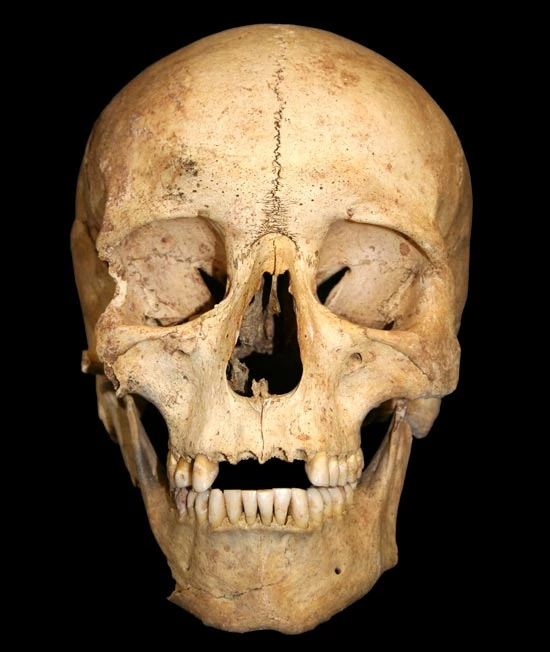
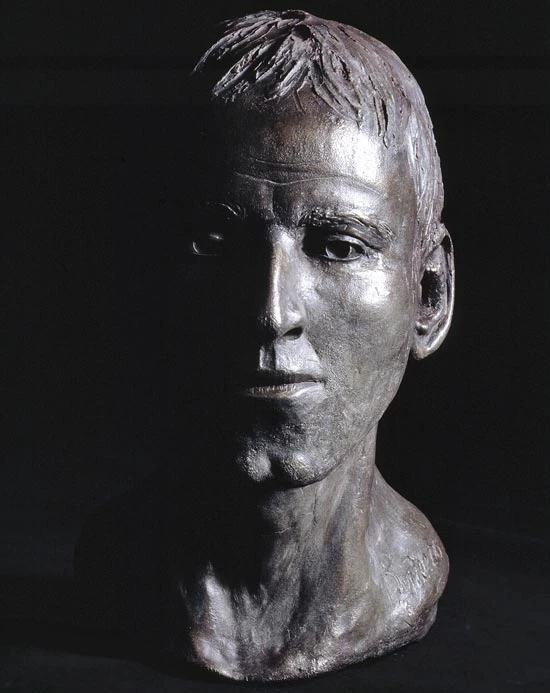
Mae penglog prin o Oes y Cerrig, a ddarganfuwyd mewn tomen gladdu ym Mhowys, wedi rhoi cyfle i wyddonwyr ail-greu wyneb dyn 6,000 o flynyddoedd oed, gan ddatgelu nad dyn ogof afrosgo mohono ond unigolyn digon tebyg o ran golwg i'r dyn modern.

Ym Mehefin 1972 ym Mhenywyrlod, ger Talgarth ym Mhowys, dechreuodd ffermwr gloddio blociau cerrig rhydd o dwmpath gwair yn un o'i gaeau. Roedd am ddefnyddio'r cerrig i greu seiliau caled ar gyfer buarth. Ymhen ychydig, daeth ar draws slabiau cerrig mwy yn leinio twll a oedd yn arwain yn ddyfnach i'r twmpath. Yn y siambr hon roedd pentyrrau o esgyrn dynol.

Tomen gladdu cynhanesyddol

Cysylltodd y ffermwr â Hubert Savory, archeolegydd o'r amgueddfa ac arbenigwr ar domenni claddu cynhanesyddol. Daeth Savory i weld y darganfyddiad newydd cyn gynted ag y gallai. Mae'n rhaid bod y darganfyddiad wedi ei synnu: roedd archeolegwyr wedi bod yn mapio tomenni claddu yn y rhan hon o Gymru am genedlaethau, ond dyma lle'r oedd yr enghraifft fwyaf, a'r gorau o ran cyflwr, ym Mhowys - roeddent wedi ei methu'n gyfan gwbl!

Dangosodd gwaith cloddio bod y domen yn fath o feddrod a ddefnyddiwyd tua 3,600 CC. Roedd yn cynnwys tomen garreg betryalog a oedd yn lletach ar yr ochr de-ddwyreiniol. Yma, roedd muriau'r domen yn crymu tuag i mewn i greu blaengwrt. Roedd nifer o siambrau, yr un fath â'r un a ddarganfuwyd gan y ffermwr, ar hyd ochrau'r domen.

Penglog gyflawn

Erbyn i'r gwaith cloddio ddod i ben, roedd gweddillion o leiaf chwech o bobl wedi cael eu darganfod yn y siambrau. Ond y prif ddarganfyddiad oedd penglog gyflawn - darganfyddiad anghyffredin iawn - a oedd yn perthyn i ddyn a fu farw yng nghanol ei ugeiniau.

Nid yw'r benglog yn dangos beth oedd achos ei farwolaeth, ond mae'n dweud ychydig am y dyn ei hun. Roedd ei ddannedd mewn cyflwr da, ond roedd esgyrn ei drwyn ychydig yn gam ac roedd yn dioddef o anhwylder ar groen ei ben. Roedd esgyrn ei benglog wedi methu ag asio yn gyfan gwbl - canlyniad cyflwr etifeddol na fyddai wedi peri unrhyw anghyfleustra iddo, ond a fyddai wedi golygu bod ganddo dalcen lletach nag oedd yn arferol a gên banylog.

Ail-greu'r wyneb

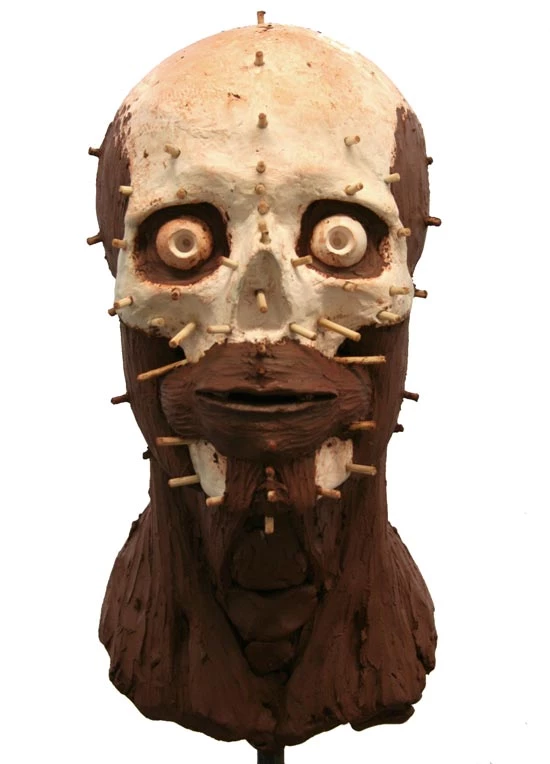
Fel penglog, mae stori'r dyn yn gorffen yma, ond yn 2005 comisiynwyd Caroline Wilkinson o Brifysgol Dundee i gynhyrchu ailgread fforensig o'i wyneb. Mae gwaith Caroline yn cynnwys cymryd cast plastr o'r benglog a gosod pinnau arno i ddangos dyfnder tebygol y cnawd mewn nifer o leoliadau allweddol. Mae'r dyfnderoedd hyn yn seiliedig ar wynebau pobl modern o hil debyg. Yna, mae'n defnyddio clai i adeiladu'r haenau o gyhyr, cyn ychwanegu'r croen a'r gwallt. Wrth gwrs, mae steil y gwallt a blew'r wyneb yn oddrychol.

Mae'r ffigwr a ddatgelwyd yn rhyfeddol. Nid dyn ogof afrosgo mohono; mae'r dyn 6,000 o flynyddoedd oed yn edrych mor fodern ag unrhyw un sy'n cerdded ar ein strydoedd ni heddiw. Er bod gan y bobl a adeiladodd y domen gladdu hon ac a gladdodd eu meirw mewn pentwr o esgyrn draddodiadau diwylliannol sy'n edrych yn rhyfedd i ni, mae ei ddelwedd yn dangos nad pobl gyntefig oedden nhw. Efallai ein bod yn wahanol, ond nid ydym yn well na nhw.

Erthygl gan:

Dr Steve Burrow, Cynhanesydd Cynnar, Adran Archaeoleg a Niwmismateg

To e or not to e?

A couple of years ago we were being told that everyone was talking about changes to the supply chain. Today the book industry "buzz" is undoubtedly ebooks. In fact, I'd bet that more words are being written about this issue than are being e-read – estimates on the size of the market are still 1%-2%, even in the USA. This first wave of users are the 'early adopters', people who habitually use new technology, whatever it's for.

First, there were the usual 'death of the book' noises, which have been emerging every now and then ever since the invention of newspapers (or probably since the invention of moveable type itself). Curiously, the fact that this premise has been discredited several times doesn't stop it re-emerging. In reality books align themsleves fairly quickly and eventually benefit from whatever was meant to sound the death-knell (remember how after VHS videos came out, cinema attendance rose?). The content crosses the platforms, whatever the medium or the technology. Newspapers publish books. Films and tv programmes have tie-ins. And publishers are exploring ways of spreading their content across online, broadcast and print. The online content adds value to the book experience, it's not yet replacing it.

Booksellers now have to find a way to maximize on these opportunities, as selling coffee and DVDs isn't the answer (just ask Borders UK – oh, you can't). Some publishers are already blurring the lines, or even eradicating the traditional route to market – booksellers – entirely. Amazon, playing cuckoo in the nest, is simply gobbling up other people's content and selling it packaged as an Amazon product. It buys rights to content and publishes ebooks that can only be read by the ebook reader Kindle – produced by Amazon. The same will be true of the forthcoming Kindle 2. And when you download your book you don't actually own it, you just sort of licence it – if it's deleted or withdrawn you lose access to the content. Imagine buying a new book from Blackwell's only for a bookshop assistant to turn up at your house some time later and take it back! (Actually that wouldn't happen if only because they don't get paid enough to make house calls. Booksellers are among the best qualified, best-informed and worst paid employees anywhere.)

The Kindle and other ebook readers are probably the reason ebook reading is still marginal to the market. The reading experience isn't great, as on the whole the screens are smallish and black and white. As pieces of kit they're expensive (average £250-£400) and limited in what they do (no video, for example). In fact most ebook users (53%) are using their laptop instead. Another common complaint is the lack of quality and range of books available. There are only 250,000 titles available for Kindle in the UK (350,000 in the USA, none in Canada); that might sound a lot but over 100,000 new titles are published every year in the UK.

For publishers, the pricing is the major issue. We can't for the life of us decide what ebooks should cost. Most existing and potential readers – over 80% - believe ebooks should be cheaper than print books. But, cheaper compared to what? Paperback? Hardback? Book club edition? And should it be available before or after the paperback release? Publishers have already seen supermarkets loss-leading on trade titles, should the value­ (not price) of their product, brand or author be even further undermined? And then there's the debate over author royalties, which the Society of Authors believe should be higher than the current 15%-20%, given the larger margins available to the publishers.

Soon, however (March, actually), a new ereader enters the market. We're going to get the long-awaited 'iPod moment'. Apple are making a press announcement on 27 January, which is expected to end much speculation and say that in March they launch their own ereader. An ereader is already available as one of the thousands of Apps for the iPhone, and it will probably be the kind of multifunctionality and style we expect from Apple that will change the ebook reader landscape, for the better, if more expensive – the Apple version is expected to retail at about admin:edit_field,000. By doing more and doing it better, Apple will bring the 'added value' to the experience that other ereaders haven't. Apple don't launch products until Steve Jobs believes they've got something special. Some years ago he said he wasn't interested in the ereader market – but, a long time ago, he said that about mobile phones… At least one very major publisher, HarperCollins, is already in talks about making ebooks available for the Apple hardware (iSlate?), possibly via iTunes.

Of course, there are still the whines of "you can't read an ebook in the bath" and so on; hey - only 6% of us say that the bath is our favourite place to read, so there goes that argument. Sustainability is a more valid concern: I wonder how much carbon we'll using as we charge up our ebook readers, what nasty materials they're made out of and what happens to them all when we thrown them away.

Once we get to know and, undoubtedly, love the iSlate, answers will emerge for some of these issues, and publishers can continue their experimenting with multiple, complimentary formats, while hopefully maintaining the true value of creative, high-quality content.

Yr oerfel mawr

Am newid yn y tywydd ers fy mlog diwethaf! Cyn Nadolig roeddem yn sôn am y tywydd gwlyb a thwym a sut roedd y bylbiau wedi dechrau tyfu'n gynnar fel canlyniad.

Ers hynny syrthiodd y tymheredd a daeth eira dros y wlad. Caewyd y rhan  fwyaf o'r ysgolion a chafodd ein gwyddonwyr ifainc gyfle i chwarae yn yr eira. Ar gyfer yr ysgolion a oedd ar agor roedd problemau cofnodi gyda thermomedrau rhewedig a bylbiau dan eira dwfn.

Felly beth mae'r tywydd oer hwn yn ei feddwl ar gyfer ein bylbiau, y ffermwyr a chynhesu byd-eang?

Ar gyfer y bylbiau: Os dechreuodd eich b?lb dyfu cyn Nadolig bydd fwy na thebyg yr un uchder heddiw. Peidiodd â thyfu nes i'r tywydd gynhesu. Mae'n bosibl bod rhai planhigion wedi'u niweidio gan y rhew ac felly ni flodeuant ond dylai'r rhan fwyaf flodeuo'n iawn.

Dywedodd ffermwyr o'r fferm Really Welsh: ‘Fel arall byddem wedi dechrau pigo'r math cynharaf o gennin Pedr yn barod ac erbyn hyn byddent wedi mynd i'r archfarchnadoedd. Ond fel y gwelwch o'r llun a dynnwyd o'r fferm, nid ydynt yn agos at fod yn barod. 

'Roedd rhai o'r cennin Pedr ryw wythnos neu ddwy ar y blaen ddiwedd Tachwedd ond nid ydynt wedi tyfu o gwbl ers cyn Nadolig. Mae angen ar gennin Pedr dymheredd uwch na 6 gradd er mwyn iddynt dyfu. Os yw'r tywydd yn parhau ni fydd gennym unrhyw gennin Pedr am ychydig o wythnosau.’

Ydy cynhesu byd-eang yn digwydd o hyd? Camgymeriad hawdd yn y tywydd oer byddai anghofio bod ein planed yn cynhesu ond yn anffodus mae'n wir o hyd y bydd y tymheredd ar y cyfan yn codi fel bod lefelau carbon deuocsid yn cynyddu. Y tymheredd ar y cyfan yw'r allwedd i ddeall cynhesu byd-eang. Bydd rhai gaeafau o hyd yn oerach a rhai hafau o hyd yn dwymach. Amrywiaeth naturiol yw hynny. Ond wrth edrych ar dymheredd ein planed ar gyfartaledd dros y ganrif ddiwethaf mae'n bendant yn codi ac nid oes gan wyddonwyr unrhyw amheuaeth na fyddant yn parhau i godi.

Ar gyfer Cymru nid yw cynhesu byd-eang yn golygu mwy o haul ond hafau twymach a gwlypach a thywydd mwy cyfnewidiol fydd yn cynnwys llifogydd sydyn a stormydd.

Cennin Pedr o Daiwan. Dyma lun a anfonwyd atom gan Chao-mei, athrawes o Daiwan sy'n dysgu am yr amgylchedd. Dywed: Hylo, Athro'r Ardd. A wyddoch chi fod y cennin Pedr wedi blodeuo yn Nhaiwan? Mae'n f'atgoffa o wanwyn prydferth Prydain. Dangosais i blant yn Nhaiwan sut i gadw dyddiadur natur drwy edrych ar eich blog. Mae'n gymorth mawr. Dysgaf blant yng Nghanolfan Addysg Tir Gwlyb Cheng-long a dyma'n tudalen blog, mae'n flog Tsieinëeg yn unig mae arnaf ofn.

Bwydo'r adar. Ewch i'n blog coedwigoedd i weld lluniau o fywyd gwyllt Sain Ffagan yn yr eira. Cewch wybod hefyd sut i helpu adar eich gardd oroesi'r gaeaf neu gymryd rhan yn y Big Schools' Birdwatch.

Diolch yn fawr

Athro'r Ardd