Ymgysylltu â'r Gymuned

Spirited

Spirited is an immersive installation in honour of fractured African traditions that feed and underpin our island culture in Trinidad and Tobago.


The Vision

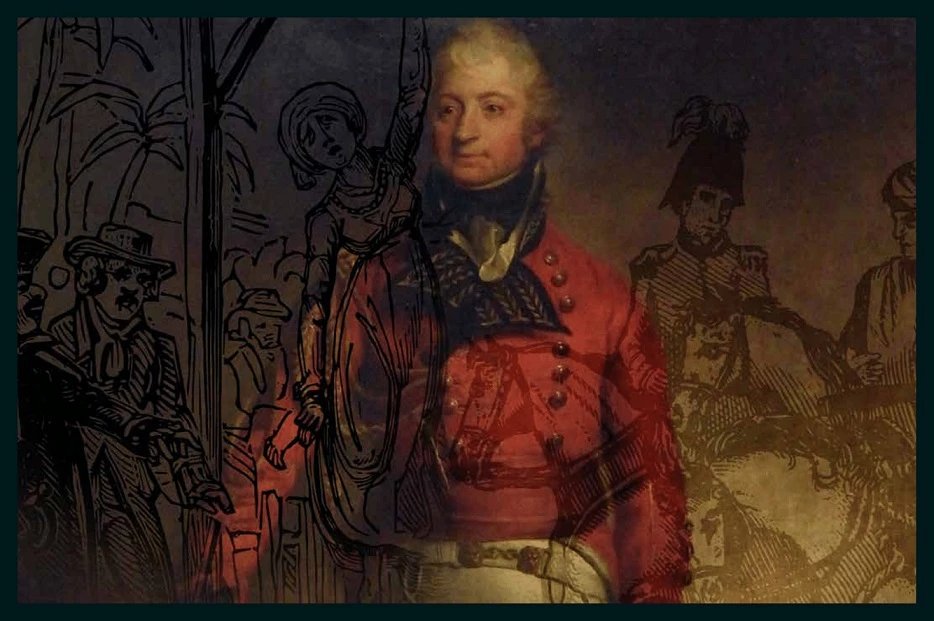
In dreaming this work we thought about women. We knew about Luisa Calderón whose torture became well known during the infamous 1806 trial of Picton. We found reference to Present (a young enslaved woman executed by Picton for attempting to run away), in a Bridget Brereton history book. V.S. Naipaul’s Loss of El Dorado informed us of Thisbe, who was accused of sorcery and condemned to death - hanged, decapitated and burnt at the stake - her head placed on a pole. These women are essentially our ancestors. We considered questions such as: what would they say if they were able to speak through us? How can we honour them and transform their suffering - scream into song, torture into dance?

On seeing the drawings of Luisa’s torture we imagined her suspended figure as an elegant dancer. Captivated by the beauty of the human form, that motif would become a feature throughout the final piece.

Mary-Anne has a beautiful phrase: “6 aunties and a grandma” -  embodying in many ways the kitchen space as a creative yard, a place for wisdom, disagreement, challenge, questioning and throwing lots of ideas into a pot - The kitchen, that yard aesthetic, was how we dreamed together. 

In dreaming, we imagined that anything was possible. We wanted to play with traditional and contemporary digital media and create an immersive journey, a dance.


The Work

While the kitchen yard aesthetic informed our dreaming, it was the Carnival yard aesthetic that informed how we made the work. At the heart of this was an invitation to be involved. 

Having worked in community arts, the intuition here was that, in order for people (such as museum staff) to have ownership over the work, they must feel part of it, so that they can deliver the message and share with others.

The making involved:

Collecting, Twisting, Weaving - “A tapestry of memory and understanding” The woven newspaper was the most communal aspect of our work - chosen as a way of utilising a handmade, something-from-nothing Carnival making aesthetic.

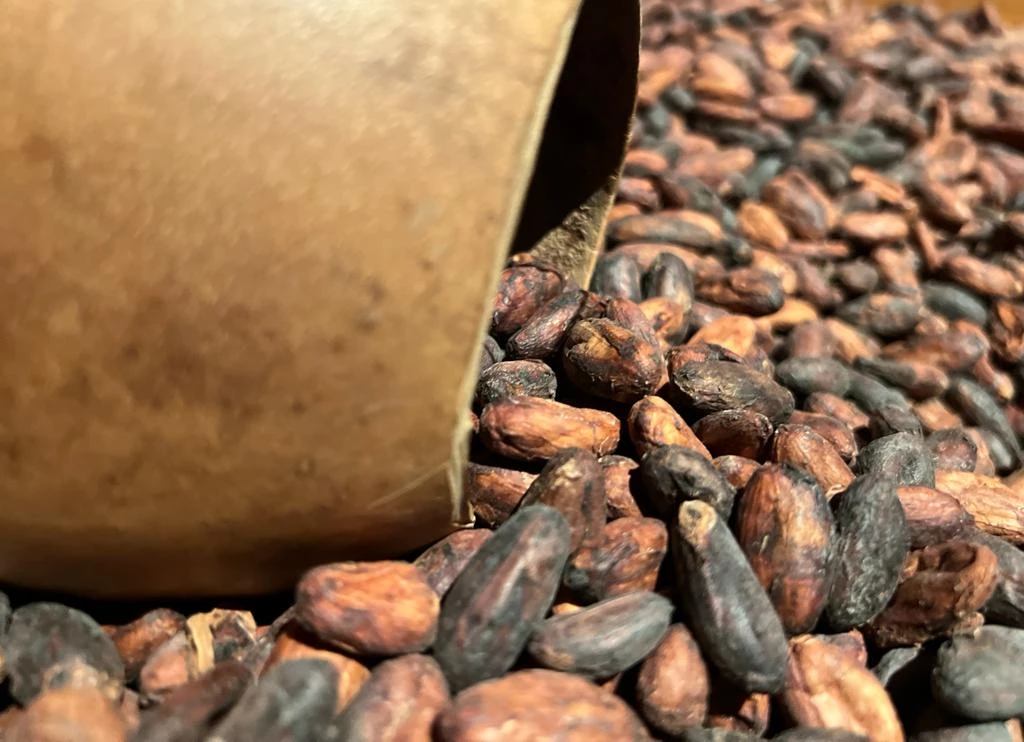
Metal work - Led by Cindy, we worked with Cardiff Engineering Company on the large centrepiece gallows structure. The intricate music box with a chocolate-covered wire Luisa, is a micro reflection of the macro centre installation.

Video & Photography - We produced 3 videos, each speaking to a different aspect of the journey we were symbolising through the 3 women. The photographs  aimed to re-imagine a childhood for Present, our women and all whom they represent.

Soundscape - We approached the audio as a continuation of the weaving. We invited and commissioned 4 musicians and composers to contribute pieces based on their interpretation of the environment we wanted to invoke. Interwoven are the spoken words of Luisa from a translation of Governor Picton’s trial.

Everyday hurricane Passing - This acapella by Mary-Anne is an invocation for Grandmothers we never knew and Nennen, women who cared for us in their absence, to dance.

‘Everyday Hurricane Passing’ but despite destruction, invasion, derision, separation, obstruction, bombardment, intrusion and denial, ever resourceful, we dream, we create riches, we dance and fight, we raise.

Painting - In this we wanted to engage an idea of transformation, with a particular focus on Thisbe representing warrior and healer. The limited and bright colour palette is in deliberate high contrast to Picton’s portrait.

The women - The presence, the actions and the duties of women are all pervading in the Caribbean. Our men were not allowed to be there to protect us. Through the narratives we know and the narratives we imagine, we centre these women within our paintings, wire work, photographs, videos and chocolate. We dance with beauty and the macabre - we tell a story of the named and step into the unnamed collective - the procession of those killed, tortured, wounded and maimed.

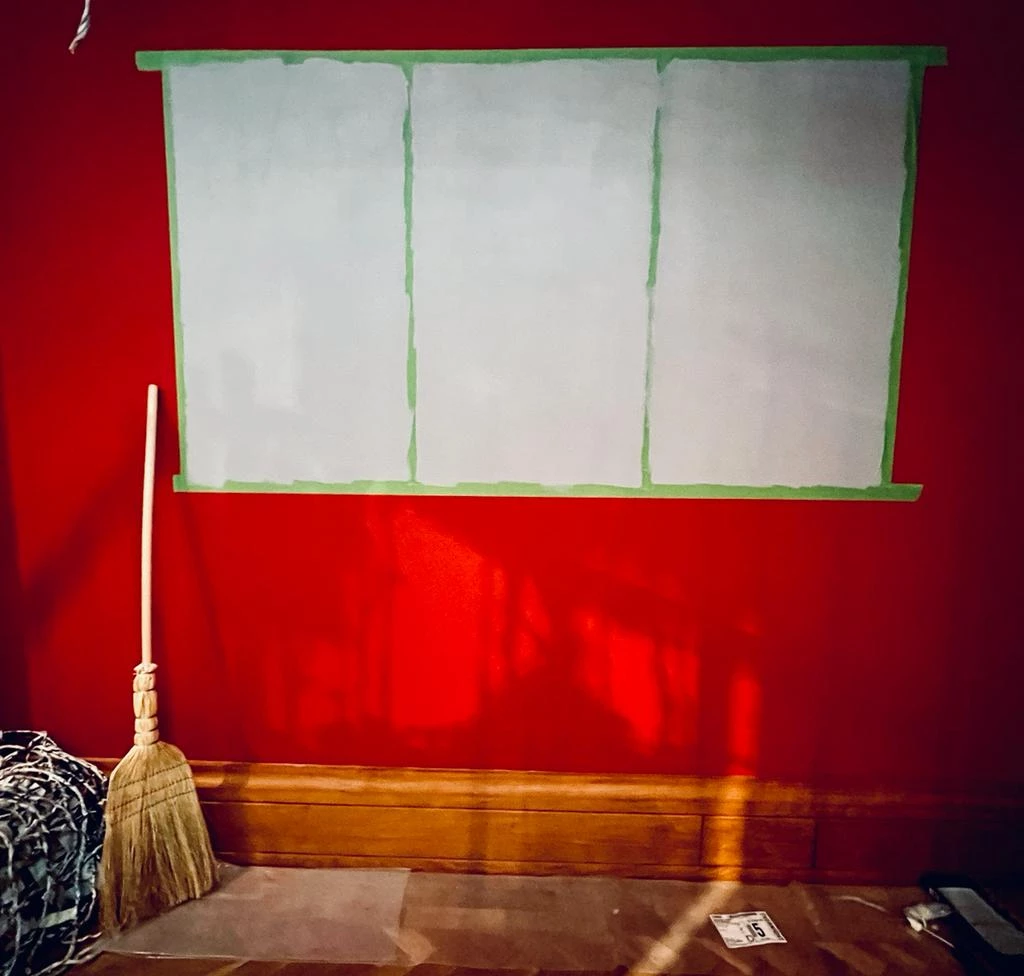
Creating the environment - The spiral is an echo of the centrepiece moving outward and inward - symbolising the processional. The colours on the wall represent the vibration and intensity of Caribbean colour and flavour.


The Resonance

This work is a celebration - we are still here.


See Spirited for yourself as part of the Reframing Picton exhbition at National Museum Cardiff until 3 September 2023.

Black Lives Matter - A speech from the opening of the Reframing Picton exhibition at National Museum Cardiff

Black Lives Matter.

For generations, even up to recent years, that’s been a controversial statement. Thomas Picton is only one of many instruments of the British Empire who exported, demonstrably, an opposing belief.

I’m unsure where I heard this but it’s stuck with me since:

“The instant a subject becomes aware they have been exposed to propaganda, that propaganda ceases to be effective”

In the case of Thomas Picton and his legacy, drenched in the blood of Africans and Native Caribbeans, was sanitized, valorised iteratively while he lived and especially following his death. The murder of George Floyd spurred people and institutions into gear, Amgueddfa Cymru were thankfully one of those institutions.

At the heart of the idea of empire is a differential sense of importance. Some places are more important than others, setting up the Metropole and the Colony. A center and a periphery. The prevailing narrative has always been fundamentally white supremacist, at the expense of Africans and Natives. The British Empire used the metropole-colony model to evade accountability for events driven by people like Picton.

Reframing Picton represents a divergence from this narrative. 

In the time we worked on this project we made a point to expose, not erase history. It was essential that we directly involved people connected to Trinidad, where Picton entrenched his reputation for barbarism during his tenure as Governor. 

Amongst the goals for this exhibit is the creation of a site of conscience rather than indoctrination. To create a dialogue between museums, the governments that fund them and the communities they serve. To create healthy ways of addressing.

Finally, I’ll leave you with a quote that I think encapsulates the purpose of the project most pertinently:

“If we want our future to be better than our past we need to challenge which aspects of our culture we preserve, build upon and deconstruct”

Our Museum Garden June 2022

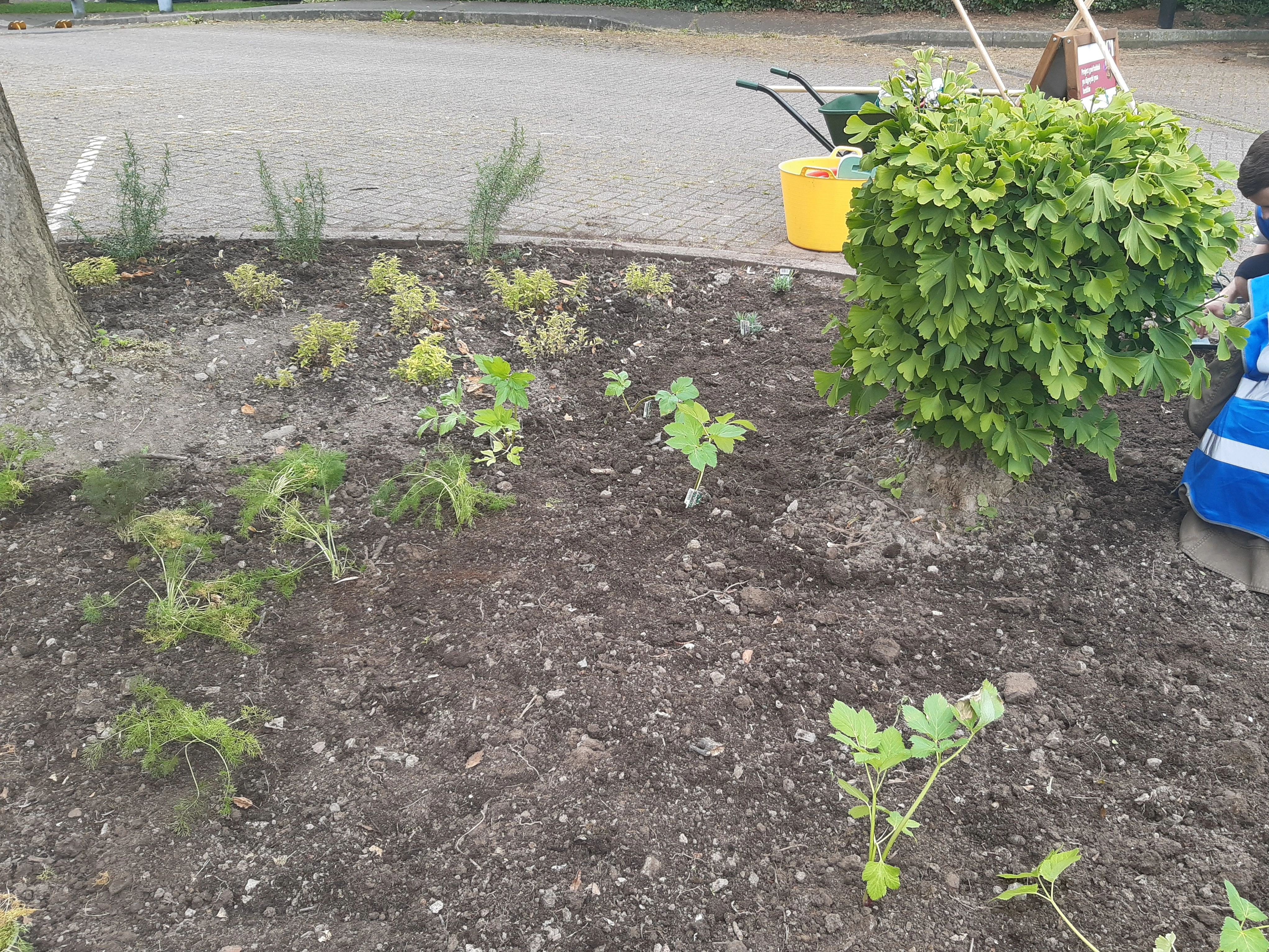
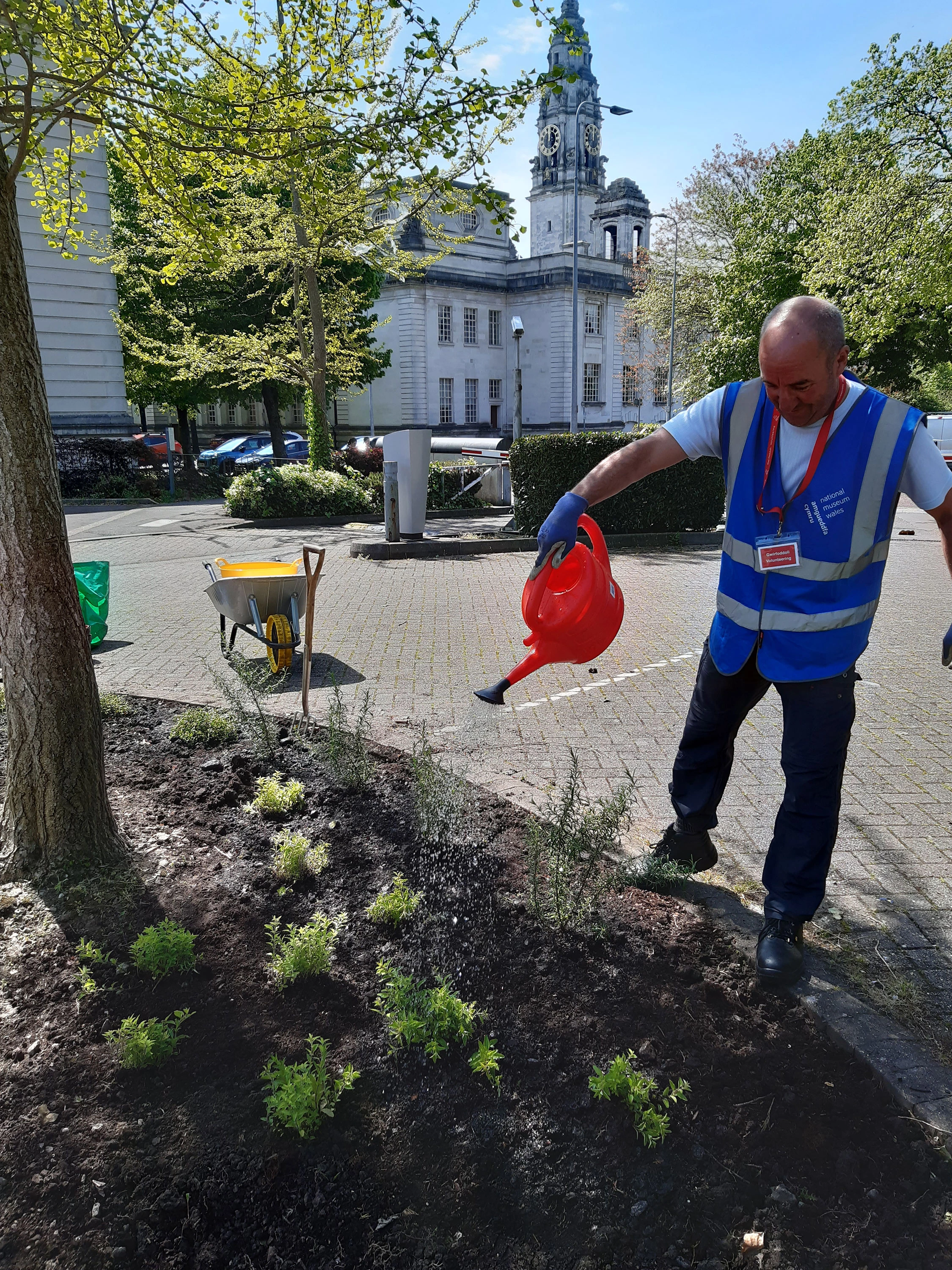
Our wonderful ‘Our Museum Garden’ volunteers have made a great start in the first 3 months of the project. We are on a mission to improve our museum grounds for biodiversity and the public. At the end of March we set about clearing the carpark and grounds of huge amounts of Irish Ivy (Hedera hibernica) and removing dead shrubs. It’s given us some great planting opportunities:

  • We have planted spring bulbs (for next year) under the trees as you drive into the carpark. There are snowdrops (Galanthus nivalis) and a variety of different daffodils (Narcissus spp.) We also added some geraniums and ferns for some later interest.
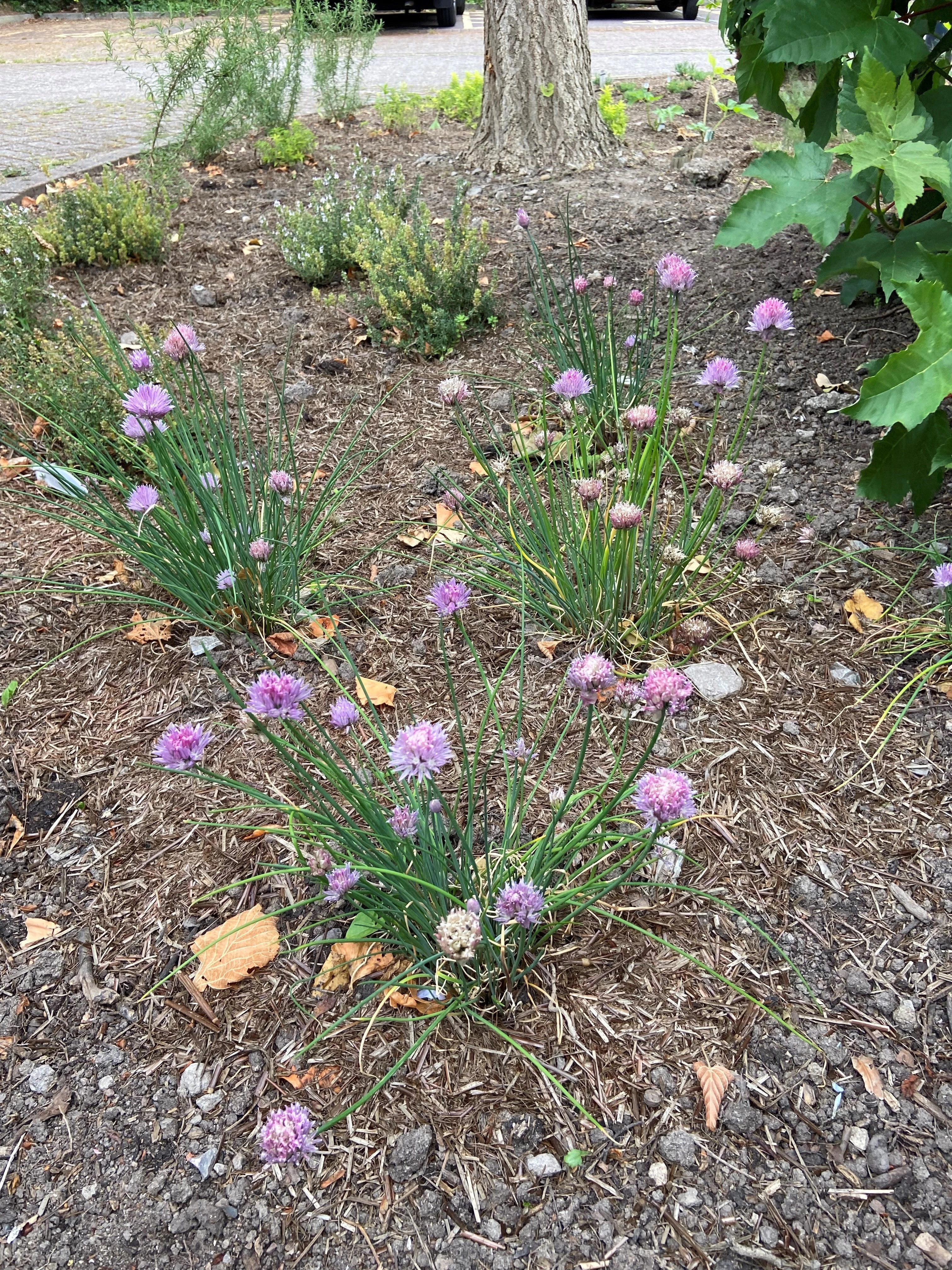
  • We have started to develop a herb bed. This isn’t intended solely for human consumption – but to provide for the pollinators too. The ‘herb bed’ has been planted up with rosemary (Salvia Rosmarinus), lavender (Lavandula), marjoram (Origanum marjoram), thyme (Thymus vulgaris), chives (Allium schoenoprasum), borage (Borago officinalis), angelica (A. archangelica), fennel (Foeniculum vulgare) and chamomile (Chamaemelum nobile). We have already seen lots of insect visitors to the patch.
  • There are the beginnings of plans for a small herbaceous border.


The volunteer group is also tasked with looking after the ‘Urban Meadow’. For the next few months, this patch of ground adjacent to Park Place will be alive with wildflowers and pollinators. We supported Plantlife’s ‘No Mow May’ campaign which encourages people to keep their lawns uncut to increase biodiversity. We surveyed the meadow at the end of the month and found a wide selection of grasses and 8 different flowers including bird’s foot trefoil (Lotus corniculatus) and creeping buttercup (Ranunculus repens). We estimate at that time there were 4950 wildflowers within the space.


We will have an event running to celebrate National Meadows Day on Saturday July 2nd too. Come and join us, survey the meadow with us and make seed bombs to take away and start your own mini-meadow!  All the details you need are here: National Meadows Day | National Museum Wales


This project is funded by Welsh Government’s Landfill Disposals Tax Communities Scheme, administered by WCVA.


Amgueddfa Cymru yn ennill Gwobr Buddsoddi mewn Gwirfoddolwyr!

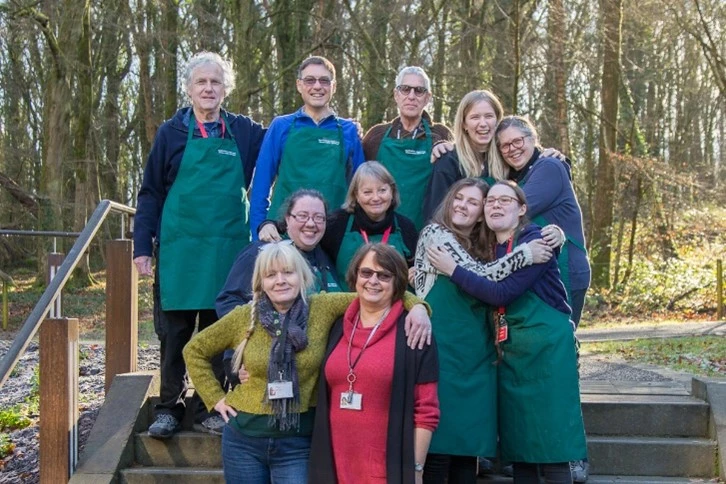
Rydyn ni'n falch iawn o gyhoeddi ein bod wedi ennill Gwobr Buddsoddi mewn Gwirfoddolwyr am y trydydd tro.

Mae Buddsoddi mewn Gwirfoddolwyr yn wobr safon ansawdd ar gyfer Rheoli Gwirfoddolwyr.

Allen ni ddim bod wedi gwneud hyn heb waith caled ac ymroddiad ein staff a'n gwirfoddolwyr gwych. Diolch yn fawr!

Wedi cael cyfle i ddarllen yr adroddiadau asesu, yr uchafbwynt i ni oedd y sylw hwn...

"Dywedodd gwirfoddolwyr eu bod yn teimlo bod eu cyfraniad yn ystyrlon, a'u bod wedi mwynhau eu rolau. Roedd y rhan fwyaf o wirfoddolwyr yn dweud pa mor groesawgar oedd yr Amgueddfa. Dywedodd un gwirfoddolwr eu bod yn teimlo fel rhan o deulu."

Mae gwirfoddolwyr yn rhoi o'u hamser, sgiliau, arbenigedd a brwdfrydedd i Amgueddfa Cymru bob blwyddyn. Elusen ydym ni, ac mae eich cefnogaeth chi yn helpu i gyfoethogi a dod a safbwyntiau newydd i'n hamgueddfeydd cenedlaethol.

Os hoffech chi gymryd rhan, ewch i Cymryd Rhan | Amgueddfa Cymru (amgueddfa.cymru)

@WCVACymru

#BuddsoddiMewnGwirfoddolwyr


The Making of the Tip Girl

The Craft group of volunteers had been “coasting” for some time waiting for our next assignment from the museum. We’d made rag rugs for the houses at Rhyd y Car, we made mediaeval costumes for the children visiting Llys Llewellyn and we’d used the lavender grown in the castle gardens to make lavender bags to sell in the shops. For a few other meetings we’d been doing our own crafting projects in Gweithdy, talking to visitors, showing them how we made our various quilts, rugs, throws, and tapestries, but we were ready for a new project.

None of us had been familiar with the term Tip Girls, or the work they did in the mining industry when Noreen and Ceri from Big Pit visited us to ask for help in setting up a new temporary exhibition at the big pit Museum.

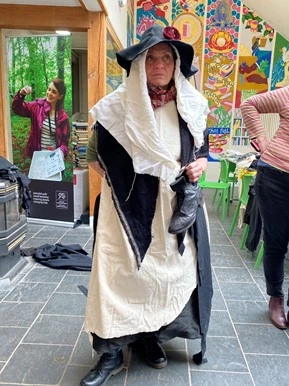
We were asked to design and make an outfit suitable for a Tip girl as would have been worn in the Welsh coal fields. Little research has been done on these girls in Wales but some records were kept of those girls working in the coal fields of Nottinghamshire and Durham. There were similarities between the two but also some distinct differences; most notably the names: Tip Girls in Wales and Pit Girls in the north of England

We obviously needed to research these Tip Girls and the period in which they were working, to find out the type of clothes they wore in order to undertake our task.

Until 1842 women and children had regularly worked underground, but after a dreadful mining disaster in Barnsley, Queen Victoria demanded an enquiry. This resulted in the Mines and Collieries Act banning women, girls, and boys under 10 from working underground.

This was a blow to many women who earned their living, or supplemented their household income from working underground, but women who needed to work adapted. They worked at loading wagons or hauling tubs up from the pithead and some became Tip Girls, sorting rocks and stones from the coal when it had been brought up from the mines below ground.

In our research we found that Tip girls developed a distinctive style of dress and different areas develop their own distinctive styles

The work was cold and wet and very dirty and the girls’ dresses catered for this.  In Wales, W. Clayton had taken photographs of these women; although they were posed and in a studio setting we still get a good idea of how they were dressed.  They wore long flannel skirts or frocks covered by leather aprons. Some wore breeches under their skirts, but this was frowned on in some mines, although it was commonplace in the mines in the north of England. They clothed their heads in hats and scarves, ensuring all of their heads were completely covered to prevent the coal dust saturating their hair.

Several members of the Craft group luckily have experience in costume design and they shared their expertise with us, helping us to design the costume.

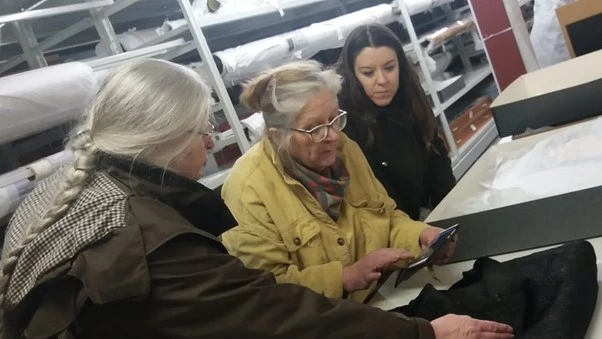
We needed to decide what fabric we could use for the costumes, and we were lucky to be allowed the opportunity to see the museum exhibits in storage that would help us in designing the costume. We saw skirts, aprons, petticoats, stockings, socks and even boots that were all being carefully conserved by the museum.


We had been given a shop-window mannequin to use as the Tip Girl and were expected to dress her. However, her solid hands and feet posed a problem in that we needed to give her gloves and boots, and her elegant pose made making her resemble the Tip Girl very difficult.                                                                 

It took some time to work out that she couldn’t be used and something else had to be sorted out. There was no other mannequin available from the museum, so our resourceful team got together and manufactured one from various sources. (It does help having costume designers in the group!)

We used the original mannequin as the basis to design the clothes and even used our own members as models.  The tip girls hats seem to have been of special interest to the girls. They were all decorated quite lavishly with beads, ribbons, bows, flowers, and even birds and cherries and other fruit.  This seems to have been their gesture to glamour in the midst of the grime of the pit head.

We were getting on nicely with the manufacture of the clothes when Covid hit and we were locked down. We carried on our monthly meetings over Zoom but the Tip Girl project was side-lined for a while, while we made masks and protective clothing for the NHS. Edwina however was still working on our model and when a year later we resumed, we were nearly there with our very own Tip Girl, who we had nicknamed Brenda, for some unknown reason!

In discussion with a friend who is also doing research on the Tip Girls of the Welsh mines, I discovered that these girls were not the lowly workers they seem to be from their photos. In fact, they were quite well-paid and regarded themselves as better off than girls who had to go into service at the local “big houses”. Photographers also wanted to take their photographs and make them into postcards to sell to the public which made some of the tip girls into minor celebrities.

During lockdown we have made headscarf, skirt, chemise and socks. We’d made hands (ready for gloves) hats, bloomers and a bodice.  On returning to face-to-face volunteering, we collected what we had been working on and found we had been quite productive during lockdown.

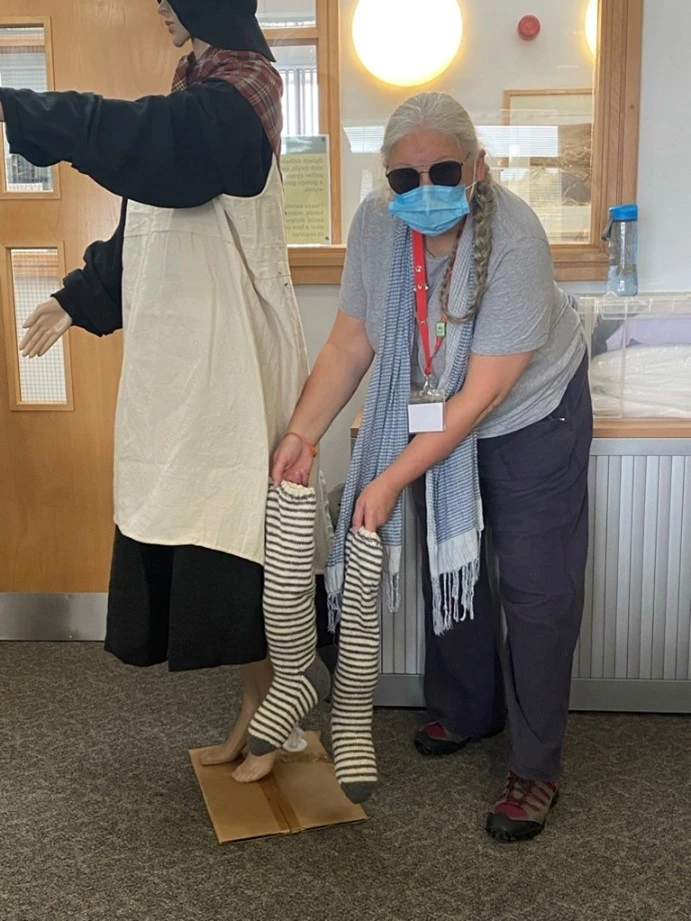
The home-made mannequin was coming along at pace and caused some hilarity when we first assembled the legs and body as they weren’t quite compatible. Caroline, our expert in period costume, had knitted a wonderful pair of stockings that fitted the homemade legs perfectly.


The figure of the mannequin at the beginning caused much hilarity, and the arms and legs both had to be considerably altered. Having it made by different people in different places had its difficulties!


Our next meeting was at Big Pit, when we collected the disparate pieces of the costume and put them on the model. Our home-made model was not in use, and the museum was using another mannequin that was being altered to fit the brief. It was rather tall for the display case, but the staff intended shortening it discreetly.

The main reason for visiting Big Pit was to make the costume look as realistic as possible for the exhibition. They all looked newly made and pristinely clean, and we had to make them look as grubby and dirty as possible. So, after dressing up the model, we then undressed her again, and took the clothes over to the Forge where we had a good time rubbing them into the dirtiest and most filthy parts of the machinery.


It’s finished now, and we are waiting eagerly for the opening of the exhibition. We’ve left the clothes with the museum, along with both models, and it depends on which model best suits the display cabinet. When we visit the exhibition we will be very interested to find out more about the Tip Girls, and proud to see the small contribution we made to the exhibition on display.