: Gwirfoddoli

Become a Housekeeping volunteer

Penny Hill, 17 Mehefin 2015

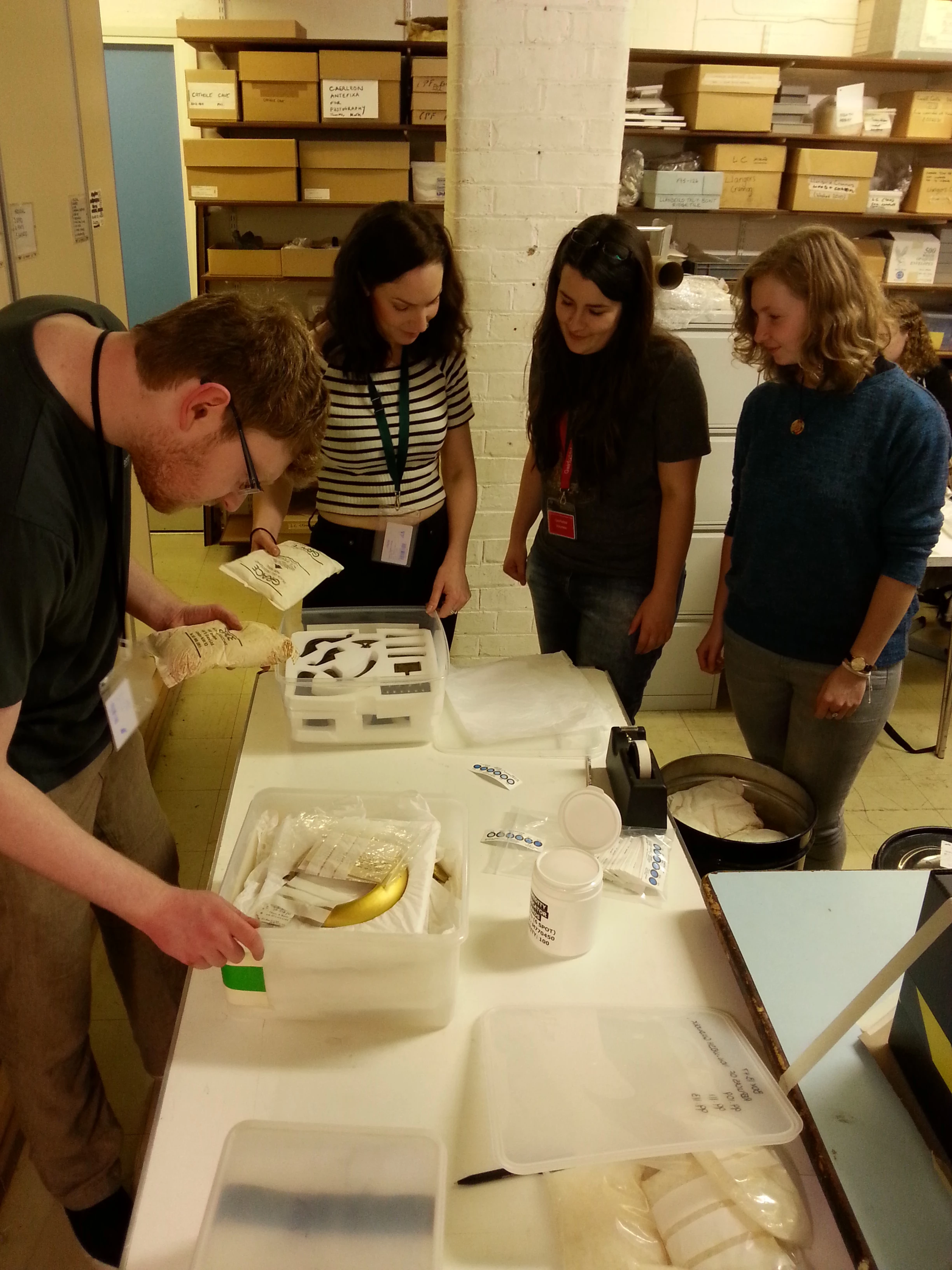
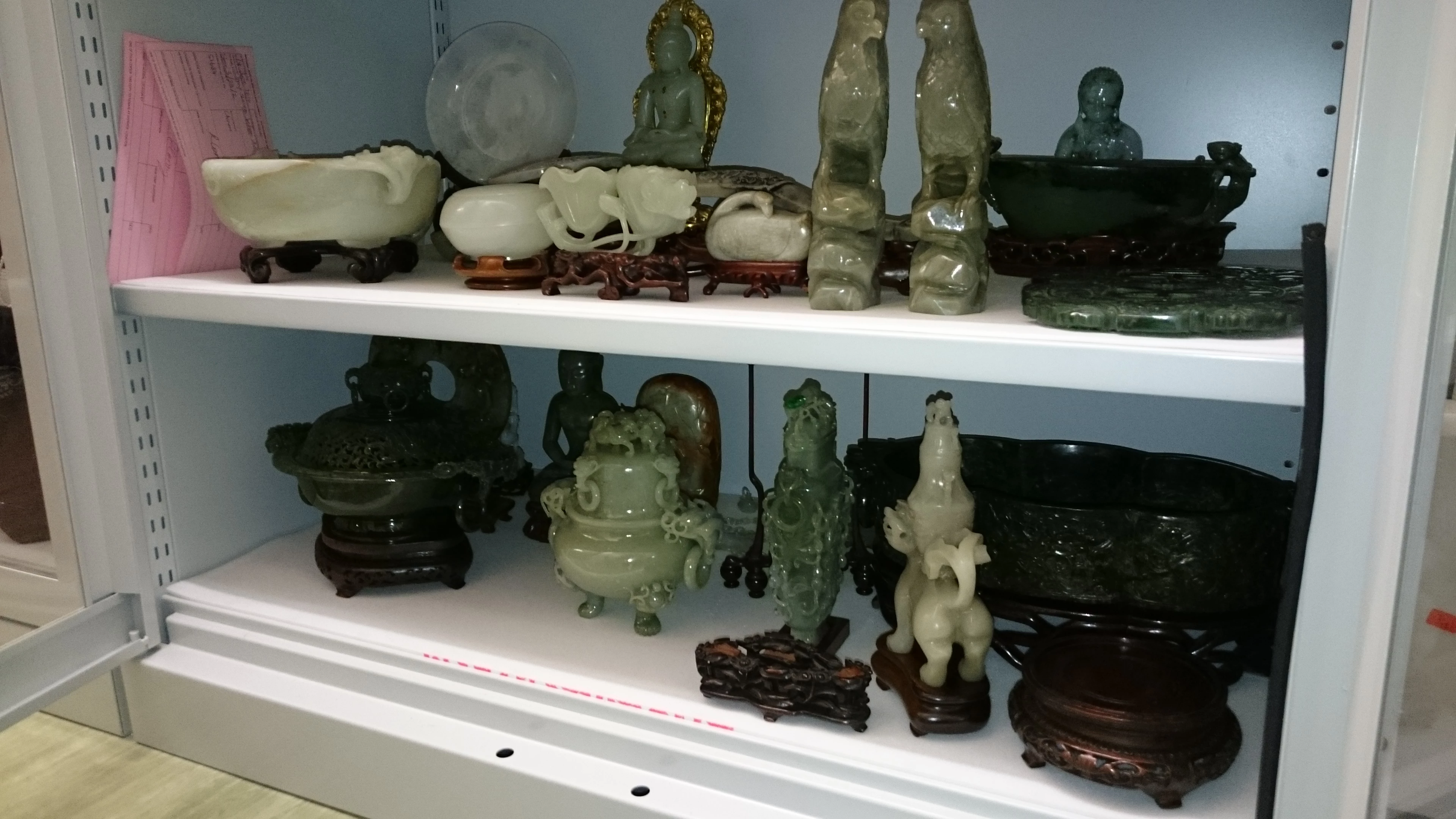
We would like to offer volunteers the opportunity to get involved in caring for the museum collections on open display in the historic houses. We have a huge number of objects, including items made from pottery, glass, textiles, paper, wood and leather, all of which need constant care and repair.


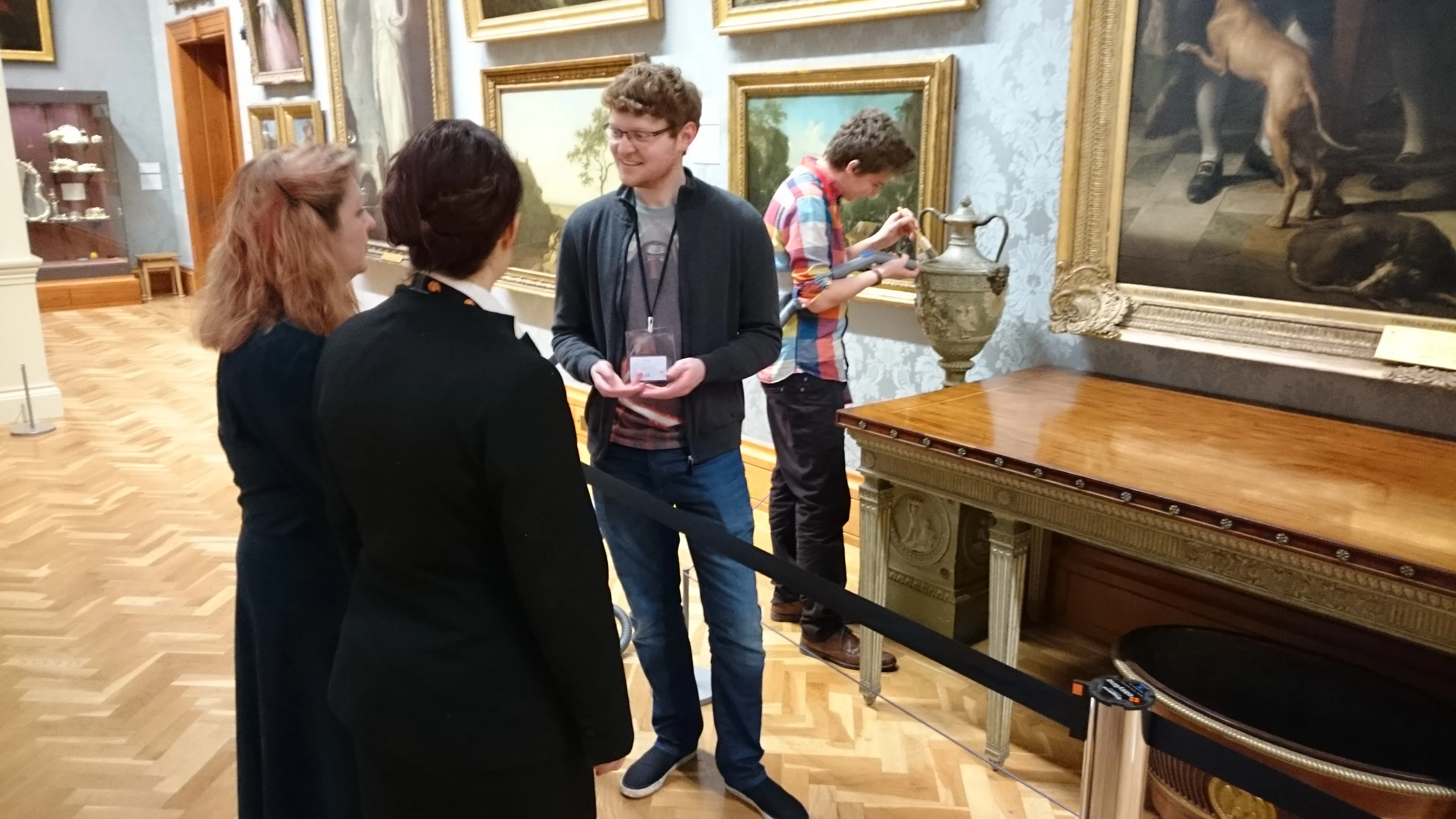
We plan to use traditional housekeeping techniques as well as modern conservation methods to help keep our collection looking good.  No previous experience is required, all training will be provided.


New facilities are also being created for our housekeeping volunteers, providing a comfortable area to work as well as relax.


If you are interested in joining us, please follow this link to the application form and we look forward to hearing from you.
This is a pilot project so even if the initial days we offer are not suitable, please still register your interest as more opportunities will arise in the future.

Become a Housekeeping volunteer

Penny Hill, 13 Mehefin 2015

We are currently recruiting housekeeping volunteers at St.Fagans to help look after the displays in the historic houses and Castle. This is a new scheme that is open to anyone who would like to get involved and learn more about traditional housekeeping techniques. Many of which still have a use today, such as using natural herbs and flowers to repel moths from precious woollen jumpers.


With your help we would also like to enhance the interpretation of the buildings by putting more of the collections on display and reintroduce traditional crafts to create replica items, such as rag rugs, baskets and wicker carpet beaters.


Training will be provided, so no previous experience is required, all we ask in return is a few hours of your time a week.  This is a pilot project, so even if the days currently on offer are not suitable please do still get in contact and register your interest.


As part of the project we have converted one of the cottages at Llwyn yr Eos farm into a base for housekeeping volunteers, with studios and a comfortable place to relax.


If you are interested in becoming a housekeeping volunteer please follow this link and we look forward to hearing from you.

Bryn Eryr - Volunteers' Week

Ffion Davies, 7 Mehefin 2015

As part of Volunteers’ Week 2015 Amgueddfa Cymru invited the Volunteers, Community Partners and Staff who helped to build Bryn Eryr to a special preview event.

Bryn Eryr is our newly built Iron Age Farmstead which will be open to the public in the near future. Our volunteers and staff have helped with all elements of this build; from mixing clay to make the walls, to making nettle rope, to threshing spelt and even thatching the roof! They have been busy building this farmstead for the last 12 months, in preparation for the thousands of visitors and school children who will come to experience what life might have been like in the Iron Age.  

Our Bryn Eryr celebration was a great chance for everyone to bring family and friends, and even their dogs to see the outcome of all their hard work. Our learning department held activities for everyone to get involved in. There was copper beating, rope making and wool spinning, so everyone learnt a new skill and had fun in the process. This gave us a great chance to trial these activities before Bryn Eryr opens officially.

This marked the end of Amgueddfa Cymru’s Volunteers’ Week celebrations and as a final note we would like to thank everyone who has volunteered with us, either as an individual, in a group or to the 1025 visitors who last summer helped us make nettle rope, without your ongoing support we wouldn’t have achieved this.

Tea, Scones and Investing in Volunteers!

Ffion Davies, 3 Mehefin 2015

We've been celebrating volunteering this week as part of Volunteers' Week (1-7 of June 2015) and a big part of this for us at Amgueddfa Cymru is saying Diolch/Thank you to the people who volunteer their time with us. To say thank you this year we decided to throw a Garden Party at St Fagan's Castle, unfortunately it was raining so we ended up with a Tea Party instead!

We had bunting, flowers and a pop-up exhibition celebrating all the projects volunteers volunteer on across Amgueddfa Cymru. This included rope out of nettles, Celtic tools and booklets on the torture of witches.

 During the event our Deputy Director Mark Richards presented our Investing in Volunteers award, which we have achieved for all of our Museums across Amgueddfa Cymru, to the people who take part and are the reason behind the award; our volunteers, community partners and staff.

Paul and Anna, Samian Pottery Volunteers accepted the award on behalf of our volunteers across Amgueddfa Cymru, while Kat accepted it on the behalf of one of our Community Partners, Newlink Wales. Janet, Head of HBU accepted this on behalf of the staff who work with volunteers.

This was followed by tea, sandwiches and scones! Fortunately there was enough cake left that most of the staff at St Fagans were able to join in and have a scone or two... All in all a great party was had!

Our volunteers are an important part of our team at Amgueddfa Cymru, they add-value to our work, have fresh ideas and challenge us to be more creative. From all of the staff who work with you we would like to say a big DIOLCH!

WW1 flag day badges - a blog by volunteer Lydia Griffiths

Elen Phillips, 2 Mehefin 2015

To celebrate Volunteers' Week, Lydia Griffiths, a volunteer and Youth Forum member at Amgueddfa Cymru, talks about her research into British charity and voluntary action during the First World War through studying a collection of Flag Day badges at St Fagans National History Museum.

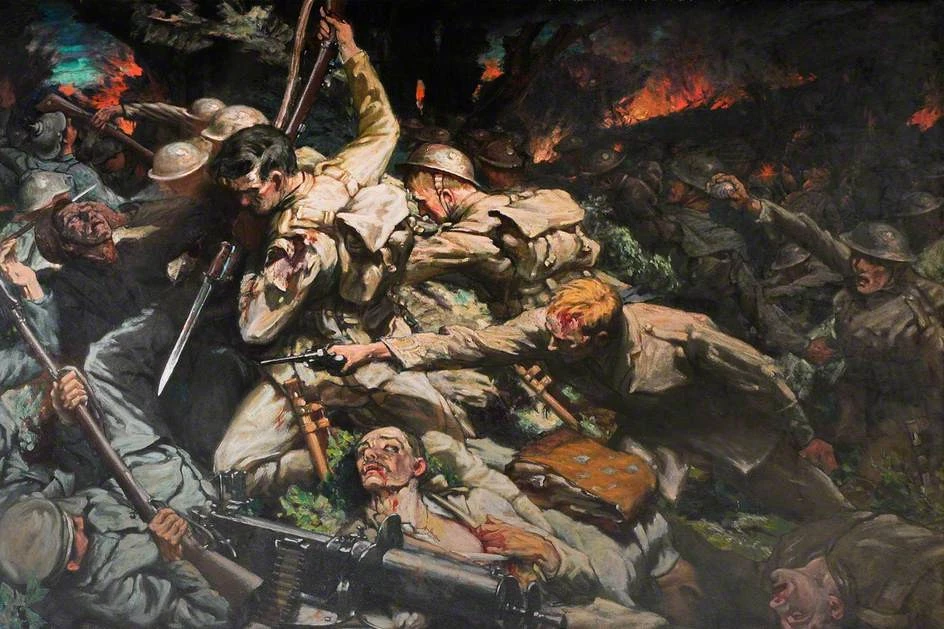
Voluntary action made a significant contribution to the First World War, not only in the numbers of soldiers who volunteered to fight but also the civilians on the Home Front who donated food and clothing in addition to providing medical and financial support. As part of my Art History Degree at the University of Bristol, I embarked on a dissertation to research a collection of Flag Day badges at St Fagans National History Museum and discovered a fascinating legacy of British voluntary action that can be traced to the present day.

Flag Day badges consist of paper and sometimes silk flags attached to metal pins that were simple to produce and sold for as little as a penny. They tended to be sold on specific days and in addition to being easily adapted to suit any cause, they were quickly and efficiently produced offering the contributor the opportunity to display their commitments to the war effort by simply purchasing and wearing a Flag Day badge. Many thousands of volunteers contributed to the war effort by selling and producing these badges which generated an impressive amount of money. It has been estimated that during the First World War, the Red Cross alone raised £22 million - the equivalent to £1.75 billion today - which included the selling of Flag Day badges.

The collection of Flag Day badges at St Fagans could be regarded as social signifiers indicative of a nation committed to supporting and helping those in need, a trend that continues today. There are hundreds of flags in the collection and all have their own specific purpose and underlying story, such as those that reference St Dunstan’s Day, a charity based in London which was set-up to help the blinded soldiers which is still functioning today under the title Blind Veteran UK. There are also many Red Cross related Flag Day badges and some bear the words ‘Our Days’ that reference a day dedicated specifically to fundraising for the Red Cross which has been described as the equivalent to our modern day Comic Relief and Children in Need.

Personally, I found the Russian Flag Day badges featuring the symbol of the Red Cross the most inspiring as they were established by a London based Russian Petroleum Scientist, Dr Paul Dvorkovitz, who wanted to improve the allied relationship between Russia and Great Britain. The archives in the Imperial War Museum currently have all his telegrams and diaries and they reveal that he proposed the idea that British towns across the country could hold ‘Russian Days,’ where Russian themed Flag Day badges would be sold to generate funds for the Russian war effort and in return certain Russian cities would hold similar English or British Flag Days to raise funds for Britain. In Wales, Welsh newspapers from the period report that many Russian Flag Days were held in Swansea and Cardiff which is why they appear in the collection at St Fagans. Nationally the movement raised £50,000 in 1916 that prompted the Tsarina to send a telegram to The Times newspaper thanking the British for their generosity.

Since the Great War, voluntary action and charities have emerged as hugely significant assets to British society and their importance has certainly not wavered. Without the work of volunteers many institutions across the country would struggle to survive and it is interesting to note that many of today’s volunteers could be viewed simply as following in the footsteps of our ancestors from the First World War who took it upon themselves to volunteer to fight, fundraise and work to ensure a better future for their country.     

Happy Volunteers Week!

LYDIA GRIFFITHS @lydiabranweng

References:

Adrian Gregory, The Last Great War: British Society and the First World War (Cambridge, 2008)

Carol Harris, '1914-1918: How charities helped to win WW1' Third Sector

Imperial War Museum Archives

Peter Grant, Philanthropy and Voluntary Action in the First World War (New York, 2014)

The Times Newspaper Archives