Eisteddfod Genedlaethol 2019 - Pwrcasiad Amgueddfa Cymru

Andrew Renton, 6 Awst 2019

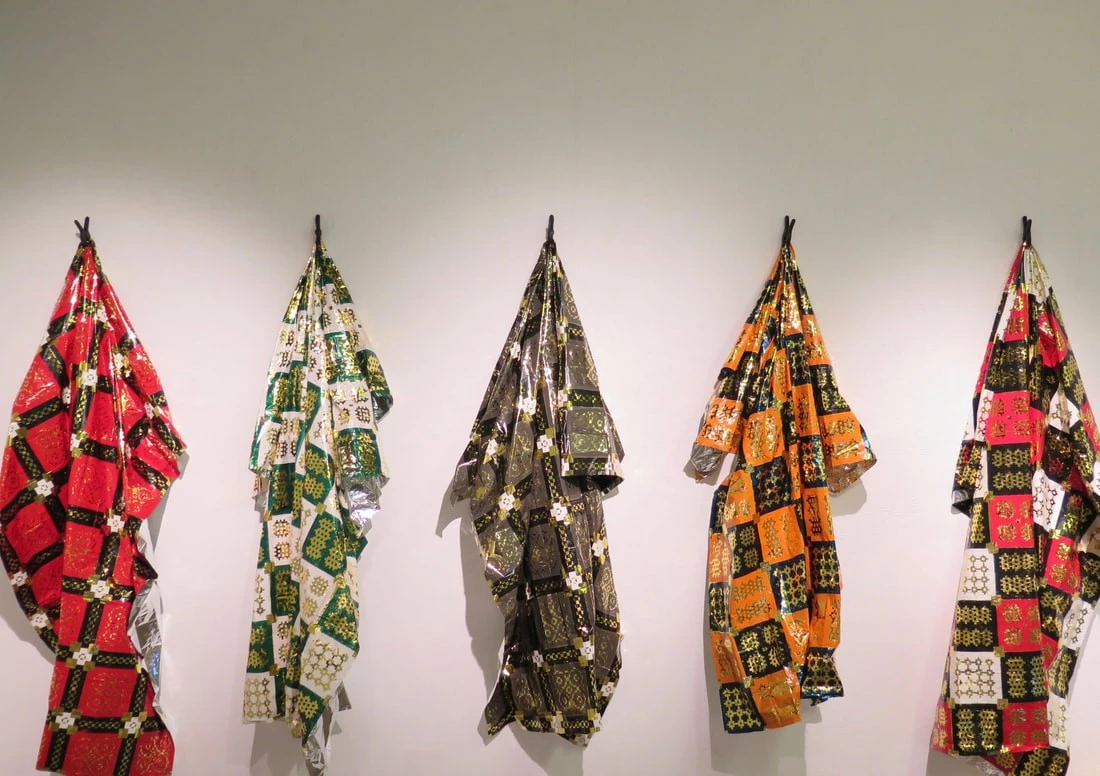
Blancedi Argyfwng Cymreig gan Daniel Trivedy

Trist yw gweld trafodaeth wleidyddol a chyhoeddus heddiw yn troi fwyfwy yn senoffobia, atgasedd at ffoaduriaid a cheiswyr lloches gyda sêl bendith llywodraethau, cenedlaetholdeb mewnblyg a hiliaeth agored. Yn y cyd-destun hwn, gellir gweld gwaith Daniel Trivedy fel gwrthsafiad calonogol. Mae'n dangos Cymru fel cenedl groesawgar, drugarog, gynhwysol a gwlad sydd â nod o ddod yn 'Genedl Noddfa', y gyntaf yn dilyn lansio Cenedl Noddfa – Cynllun Ffoaduriaid a Cheiswyr Lloches Llywodraeth Cymru ym mis Ionawr 2019.

Braint Amgueddfa Cymru felly yw dewis Blancedi Argyfwng Cymreig Daniel fel pwrcasiad blynyddol cyntaf y sefydliad o'r Eisteddfod Genedlaethol. Blancedi argyfwng gyda gorchudd ffoil PET arian ac aur yw'r rhain. Mae'r blancedi'n rhan gyfarwydd o'r golygfeydd o driniaeth annynol mewnfudwyr o Fecsico ar ffin UDA, neu'r mewnfudwyr i Ewrop a achubwyd wrth groesi Môr y Canoldir. Ond rhoddwyd naws groesawgar unigryw a Chymreig i'r rhain drwy brintio dros yr ochr aur (sy'n cadw gwres) batrymau blancedi gwlân traddodiadol Cymreig – esiampl wych o gyfuno'r lleol a'r rhyngwladol.

Mae Daniel yn deall fod gan ddeunyddiau iaith, a bod gan ddefnyddiau penodol gysylltiadau sy'n ennyn ymateb penodol. Ei nod yw dangos i ni beth all ddigwydd o uno'r gwahanol elfennau. 'Ydyn nhw'n gwrthdaro a chroestynnu, neu'n cydorwedd mewn tawelwch anghysurus? Ydyn nhw'n uno ac asio, yn siarad â'i gilydd, neu'n esgor ar ffurf newydd hyd yn oed?'

Ar y naill llaw, dyluniwyd y flanced argyfwng i'w masgynhyrchu yn rhad ac effeithiol, a fawr mwy na hynny. I nifer ohonom, mae'n dwyn i gof boen a dioddefaint ymfudwyr mewn amodau erchyll ar y môr neu mewn gwersylloedd ffoaduriaid. Mae'n perthyn i 'rywle arall' a 'phobol eraill', fel dywed Daniel.

Ar y llaw arall, mae'r flanced wlân Gymreig yn cyfleu cynhesrwydd, traddodiad ac atgof, diogelwch a chysur. Beth sy'n digwydd wrth ddod â'r ddwy nodwedd ynghyd? Dwi'n credu ei bod hi'n neges galonogol. Rydyn ni'n sylweddoli ein bod 'ni' ac 'eraill' yr un fath. Fe allwn ac fe ddylem ni feddwl a gweithredu yn lleol ac yn rhyngwladol ar yr un pryd. Fe allwn ac fe ddylem ni ddefnyddio ein traddodiadau, nid i'n cau rhag eraill, ond i ddod at ein gilydd i gefnogi'n gilydd.

Ganwyd Daniel Trivedy ym 1975 ac mae o dras Indiaidd. Cafodd ei fagu yn ne-ddwyrain Lloegr ac mae bellach yn gweithio yn Abertawe. Yn ogystal â gweithio fel artist, mae'n darlithio yng Ngholeg Sir Gâr, Caerfyrddin, ac yn Swyddog Rhanbarthol Cyngor Celfyddydau Cymru, Caerfyrddin. Wedi ennill gradd dosbarth cyntaf mewn Daeareg a Phalaeontoleg yn Imperial College, Llundain (1993-1996), yn ddiweddarach astudiodd Gelfyddyd Gain yng Ngholeg Celf Abertawe (2010-2013).


Andrew Renton, Ceidwad Celf


http://www.danieltrivedy.com/welsh-emergency-blankets.html

Being Part of the Snake Care Team

Pip Diment, 5 Awst 2019

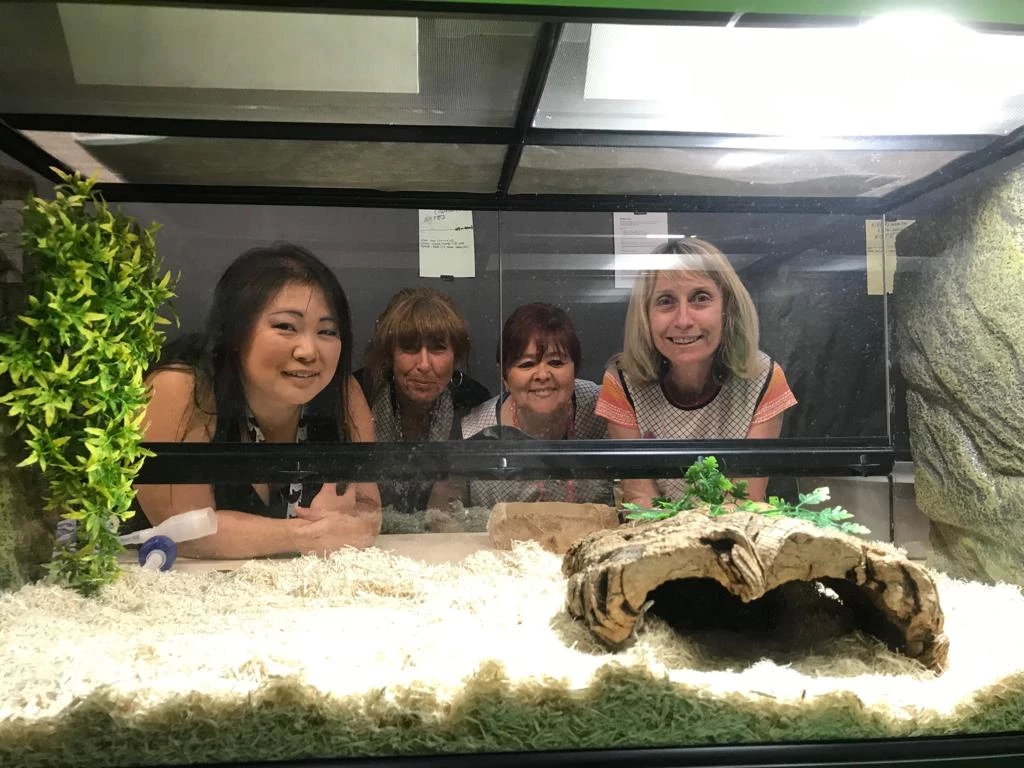
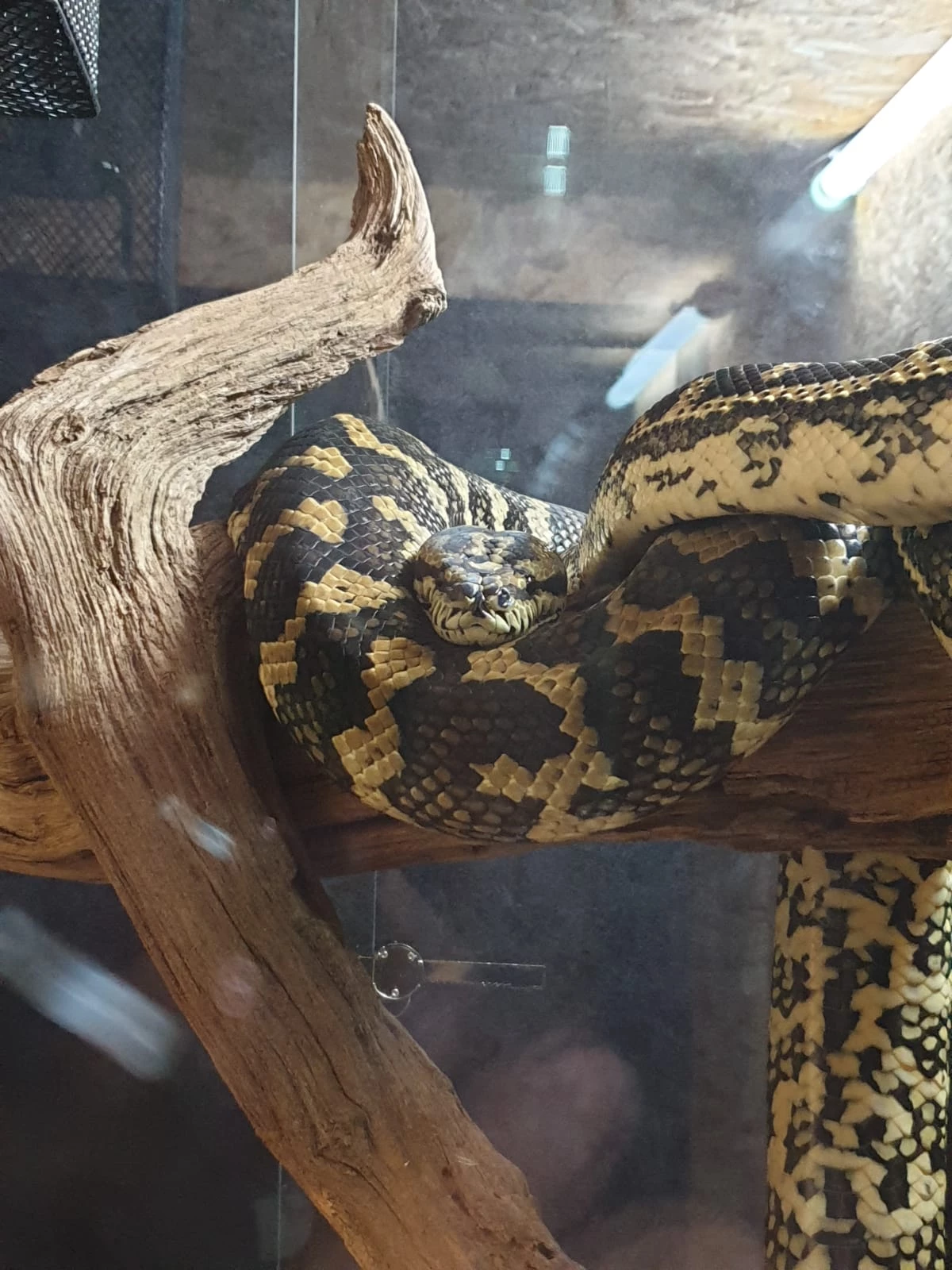
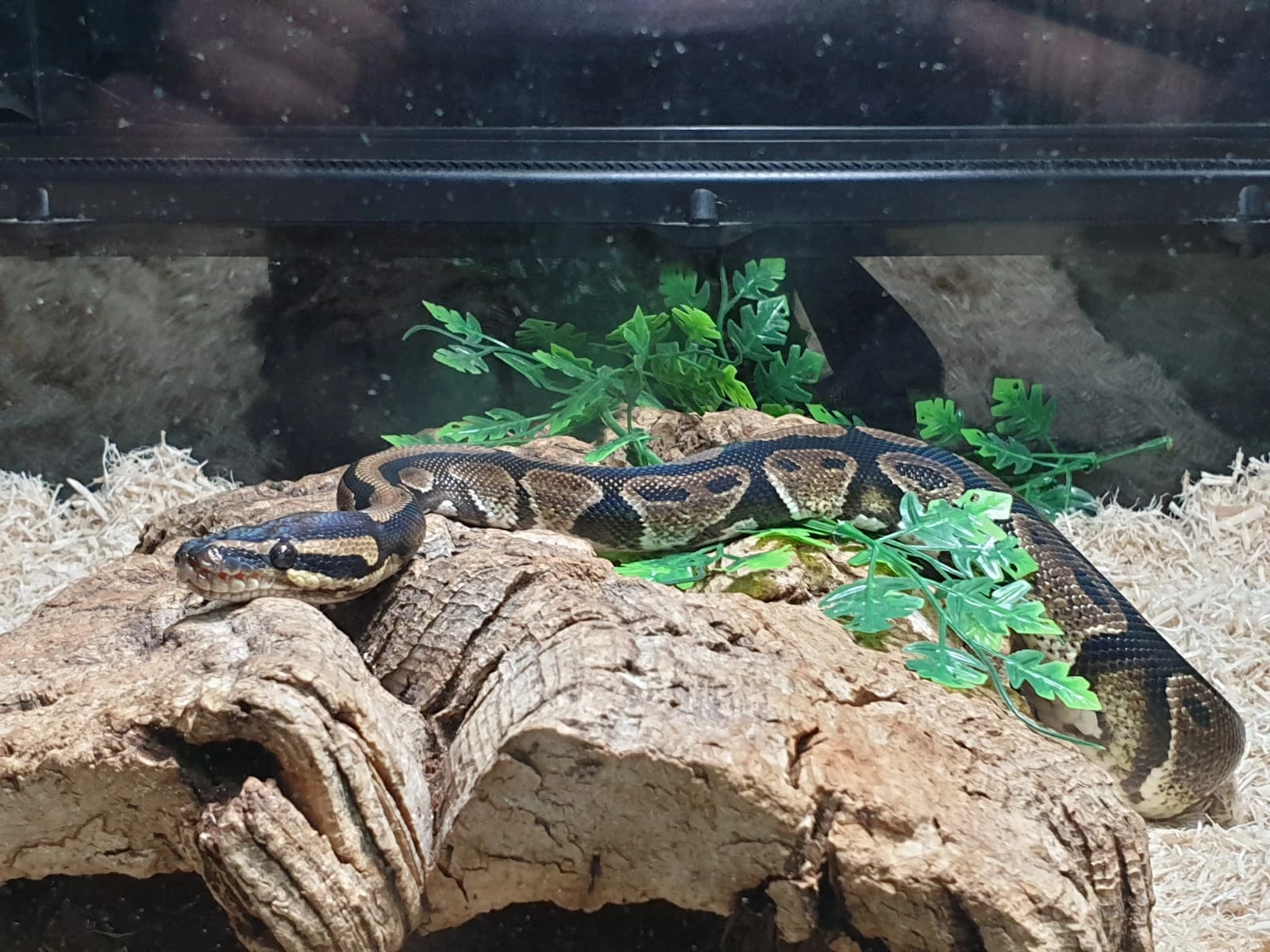
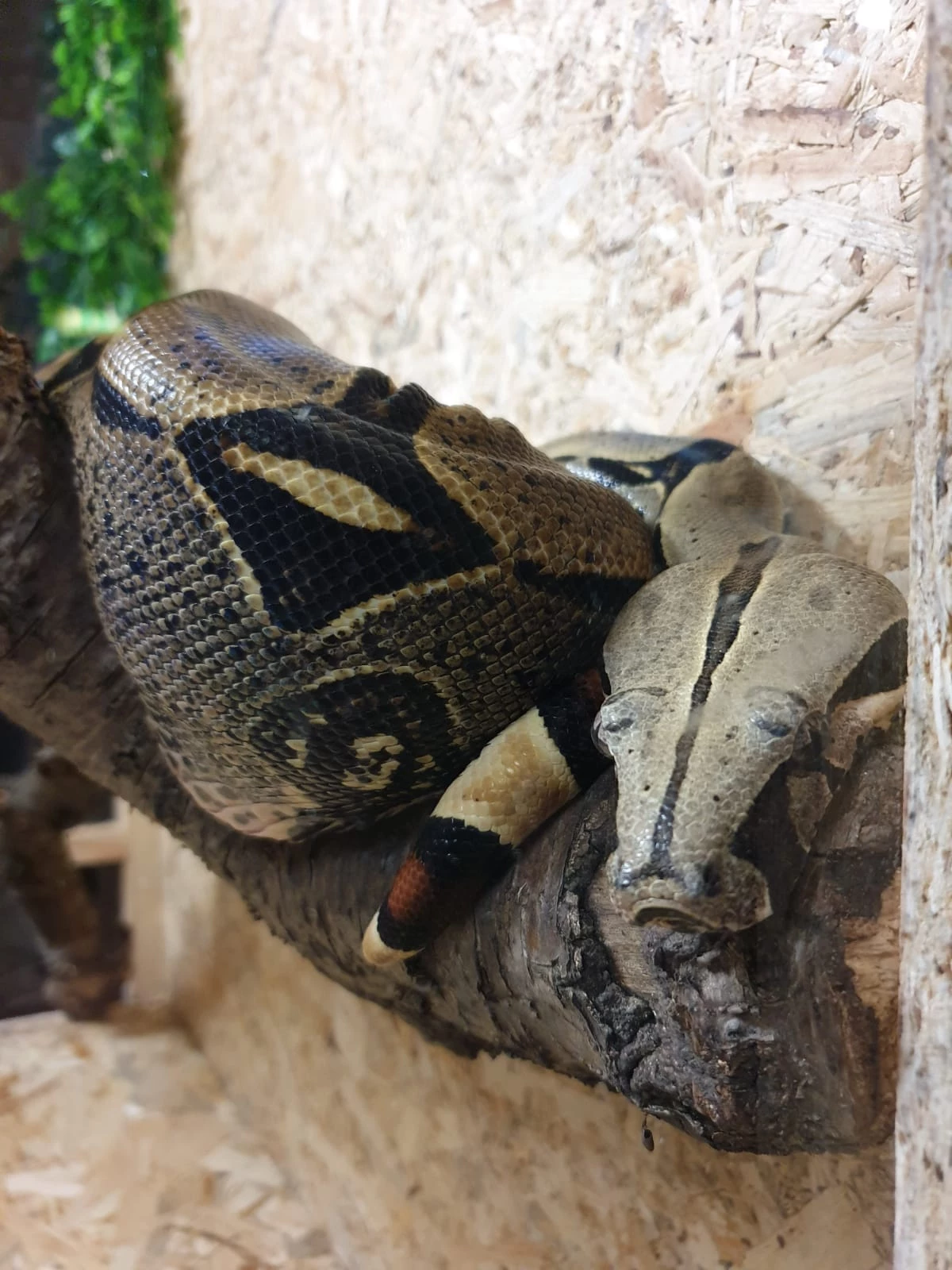
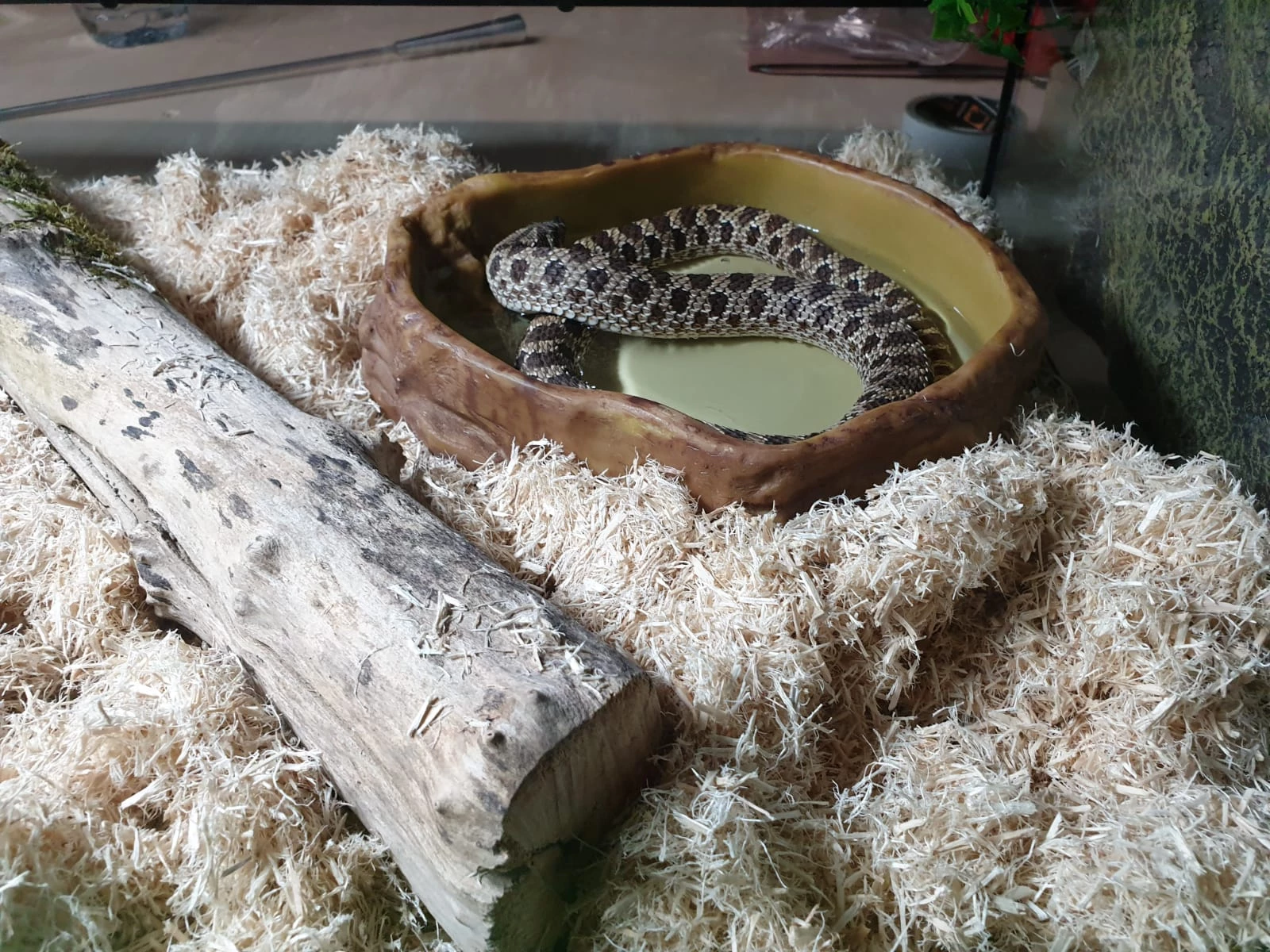
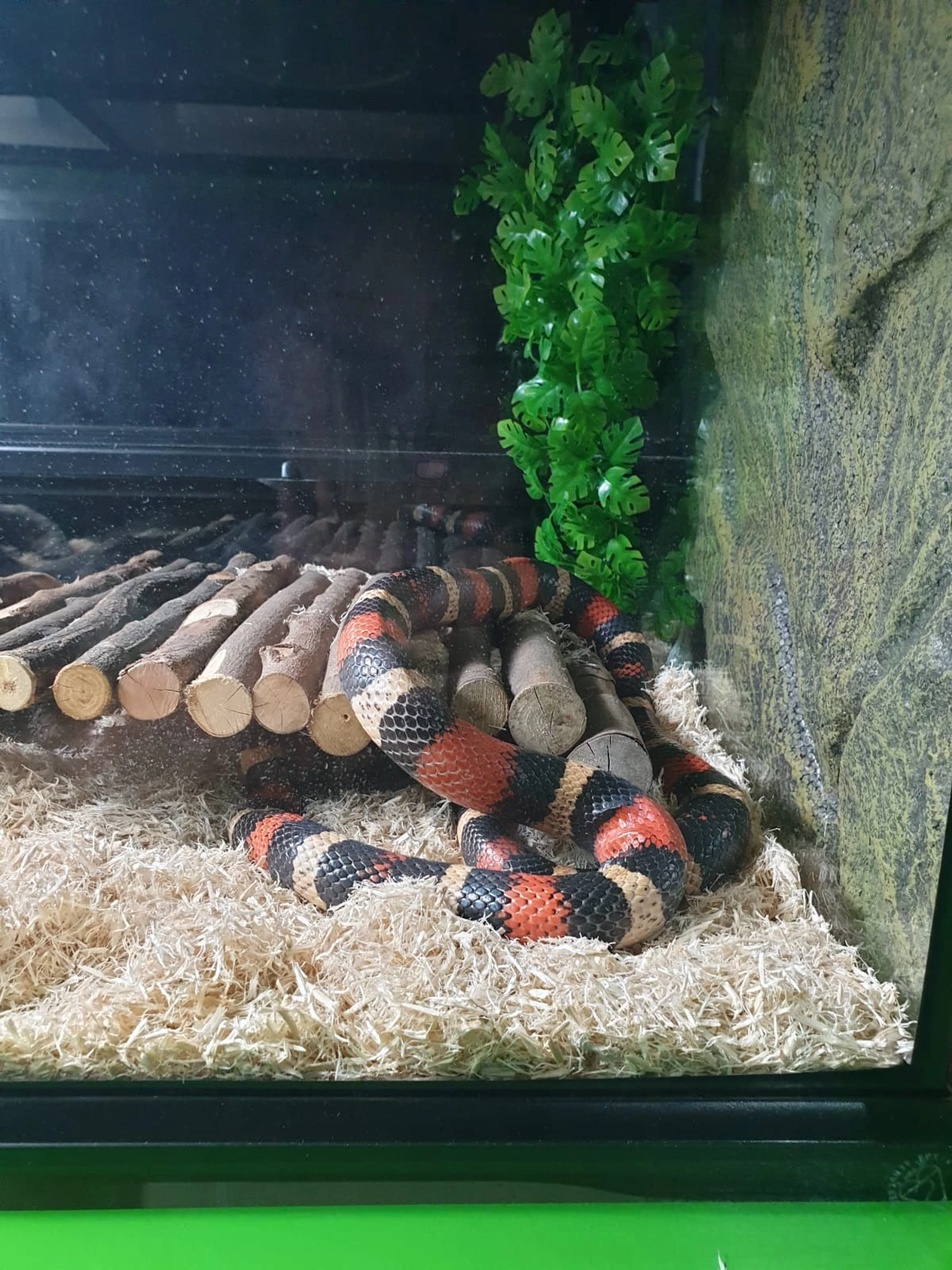
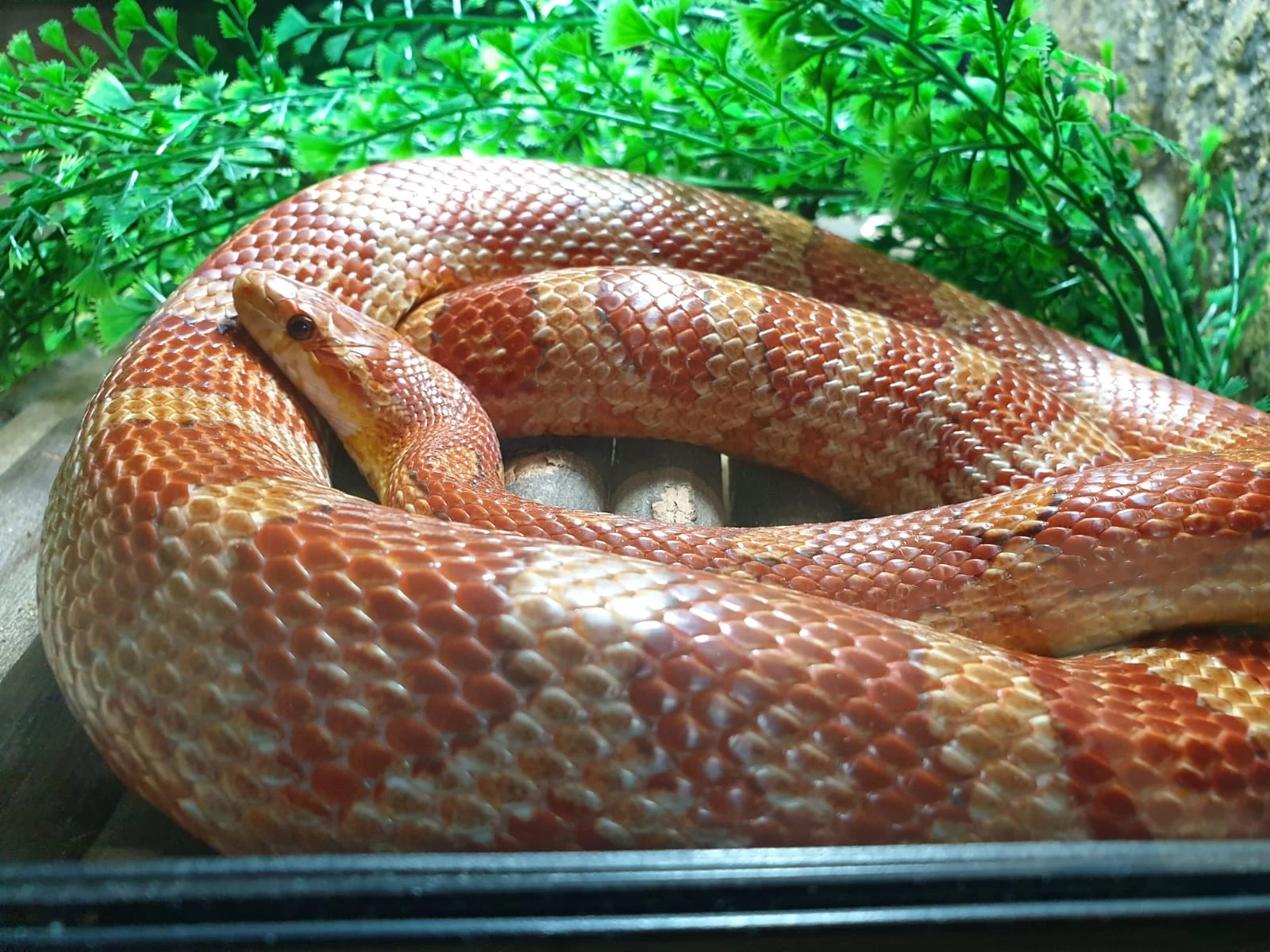
Hi all, I’m Pip Diment from the Exhibitions team, and I'm one of a group of staff volunteering to care for the six live snakes we are housing as part of the 'Snakes’ exhibition at National Museum Cardiff.

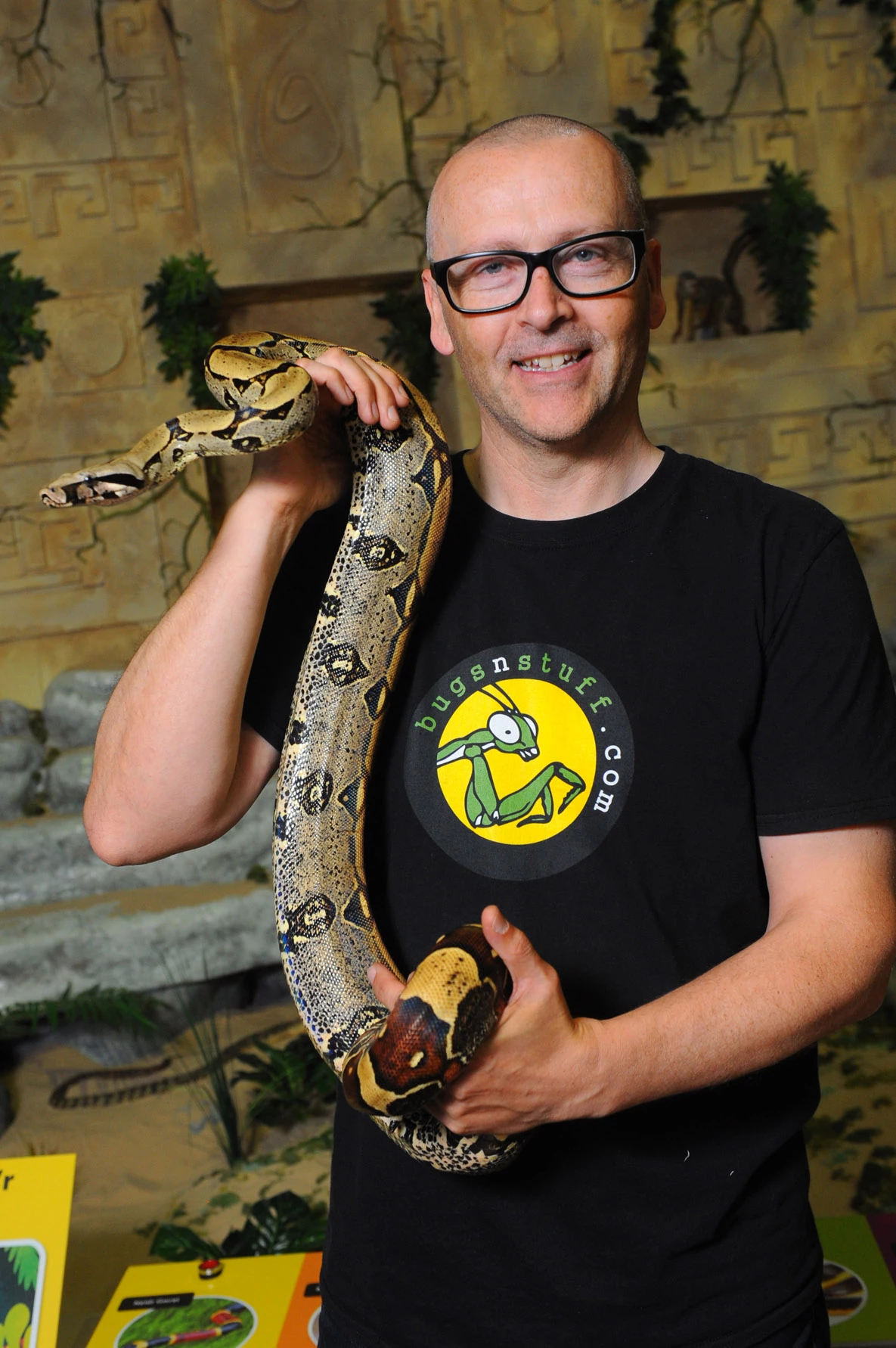
Our exhibition is now open and runs to 15 September 2019. I was part of the team who cared for the snakes for the second two weeks of the exhibition run. We were trained by Guy Tansley from Bugsnstuff and he showed a group of us volunteers how to check on the snakes safely and provide basic care.

We are not required to feed the snakes – we have Dr Rhys Jones generously helping us with that. Our tasks are to change the water daily, remove any poo, ureic acid crystals (wee!) and calcium plugs, also to remove any shed skin and to check the snakes are not too cold or hot and that they are ok. These checks are all done daily by a team of two or three volunteers.

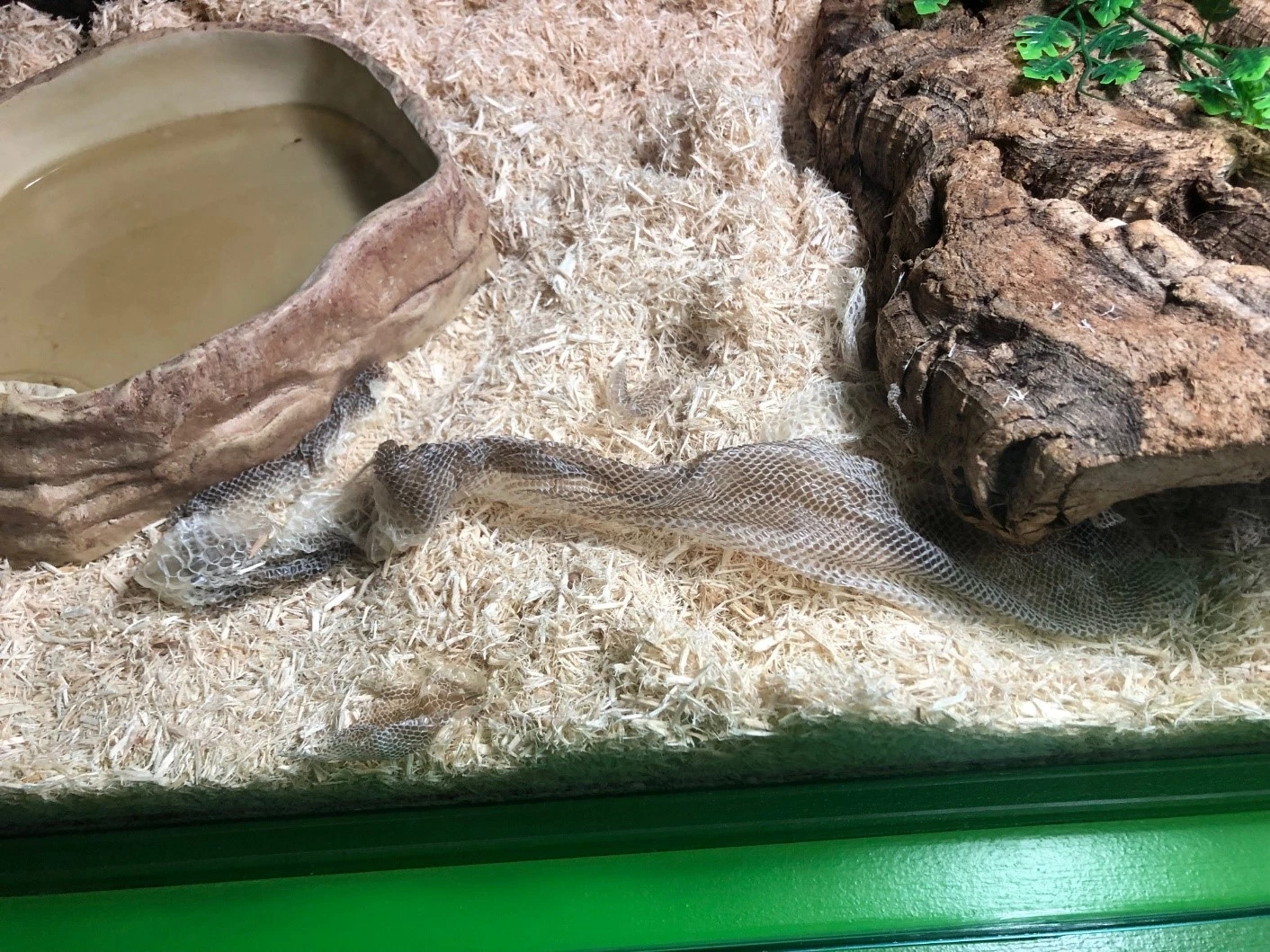
On my first day volunteering I worked with Melissa Hinkin (from Artes Mundi, who is a snake enthusiast) and Vic le Poidevin (from our Events team). There was great excitement the first morning as Prestwick, the Jungle Carpet Python had shed her skin and had an enormous poo!  She’s a fairly large snake so it shouldn’t have been a surprise, but it was huge! Like a large dogs! The skin itself came off in two parts and is now being used as part of the handling collections (not too much handling as it is fragile!). Underneath all that shed skin Prestwick has now emerged even more beautiful with her skin a stunning irridescent effect. And this was still only day one.

On day two I worked with Christian Baars (from Conservation) and Robin Maggs (from Photography). Once again, much excitement as Keith, the Royal Python, shed his skin overnight. Much smaller poo – smaller snake, so made sense! He also looked much more beautiful after shedding his skin.

Days three and four were not as eventful – only water changing and general checks required. Everyone seems very healthy and happy, and we are following their care instructions meticulously to ensure they stay that way. 

I admit I have an unhealthy interest in snake poo – and for the end of my first week we’ve had another poo! This time, again, from Keith. I am not the only one now excited by snake poos – see Robin and Christian admiring Keith’s offering (look closely it has substrate on it which makes it looks like it has eyes!)

I’m so glad I agreed to volunteer. I’ve held snakes before, but never spent so much time with them. I love that they all have great names and their own characters:


Thanks for reading. You can read some of our other snake blogs here, here and here.

The exhibition runs till 15 September 2019, entry charges do apply, and all your contributions go towards bringing you even bigger and better exhibitions in the future.

Please note that there is no live handling of the snakes within the exhibition. In August we’ll be having snake handling sessions for the public – see here for details of booking.

Also, make sure you come and visit us this saturday (10 August) for our Venom Open Day!

Time to chill

Christian Baars, 2 Awst 2019

One of the best reasons for housing heritage collections inside buildings is that the building keeps the weather out. Paintings, fossils, books and skeletons are best kept dry, and walls and roofs protect our collections (as well as staff and visitors) from the elements.

In addition, many of the objects in our collections also need specific temperature and humidity ranges to prevent them from suffering damage. Too high a humidity can cause swelling of wood, for example, initiating cracks in objects, or, if humidity gets even higher, mould growth. Therefore, National Museum Cardiff has a complicated air conditioning system. This system is more than 40 years old and has been maintenance-intensive and inefficient for some time.

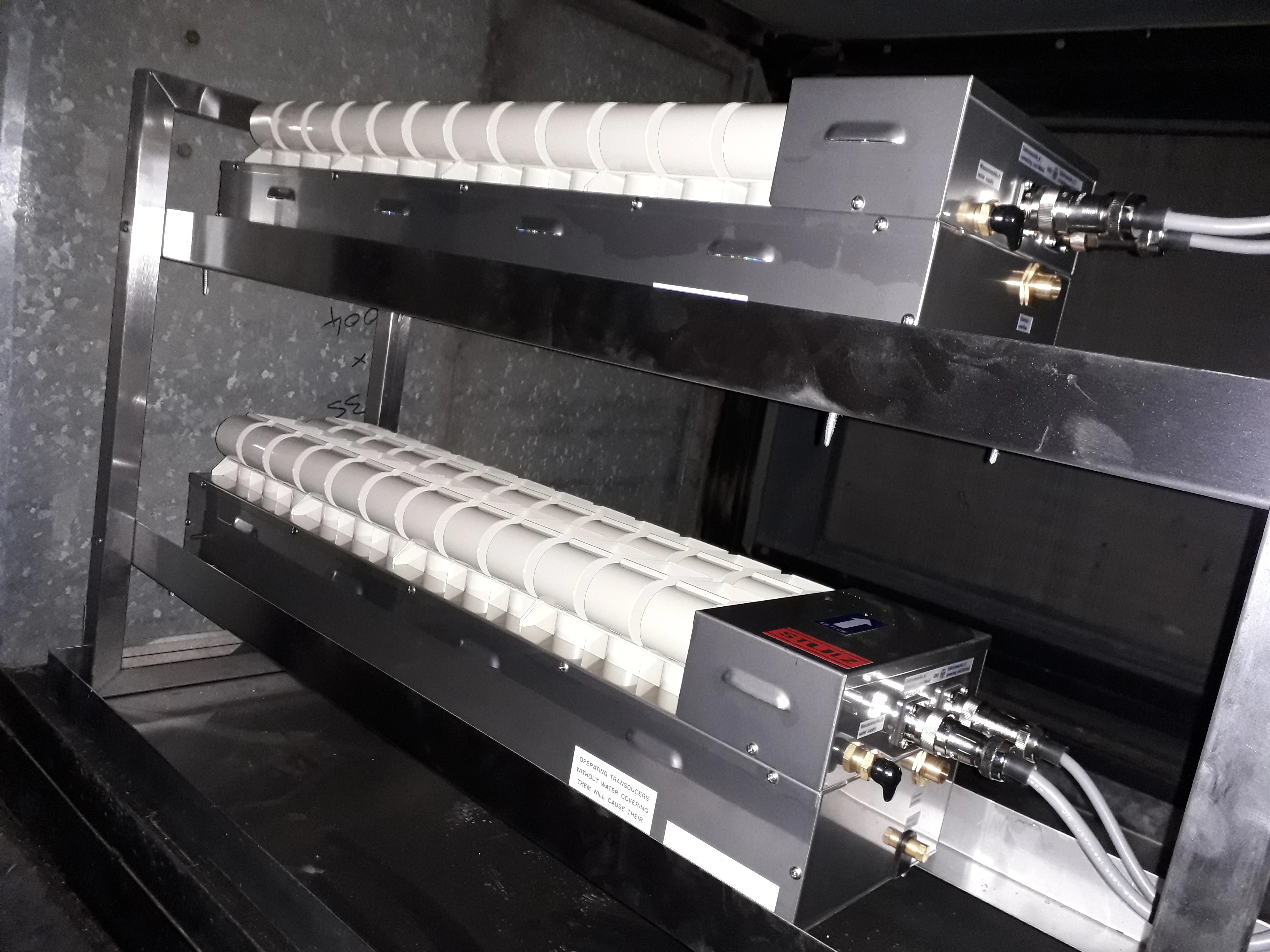
We are happy to report that, after several years of planning, we have just completed the installation of new chillers and humidifiers at National Museum Cardiff. The purpose of chillers in the museum is to provide cold water – for lowering the temperature of galleries and stores in the summer, and for dehumidifying stores and galleries if there is too much moisture in the air. Humidifiers achieve the opposite effect: they increase humidity in stores and galleries if it is too low. Low humidity is usually a problem during the winter months – you may have experienced your skin drying out at home when you have the heating on in winter. To prevent our collections drying out we cannot apply skin cream; instead, we maintain a minimum level of humidity in stores and galleries.

The chillers and humidifiers have been commissioned now, and are working well. They have already proved that the control of our indoor environments is better than it was before. A very positive side effect of the new technologies is that they are much more efficient than the old equipment. In fact, they are so efficient that we are anticipating to shave almost 50% off our annual electricity bill for National Museum Cardiff, saving the planet more than 500 tonnes of carbon dioxide every year. That is the equivalent of taking 100 cars off the road, or the average energy a family home uses in 38 years.

By investing in such new technologies, Amgueddfa Cymru – National Museum Wales continues to ensure the safe storage and display of the nation’s heritage collections, whilst at the same time making a massive contribution towards the National Assembly’s commitment to reduce carbon emissions by 80% by 2050 (Environment Wales Act 2016).

Find out more about Care of Collections at Amgueddfa Cymru - National Museum Wales here and follow us on Twitter. Follow the progress of the maintenance works during the coming months in 2019 on Twitter using the hashtag #museumcare.


VOLUNTEER BLOG: The Dutch Garden at St Fagans

Luciana Skidmore, Garden Trainee & Volunteer , 31 Gorffennaf 2019

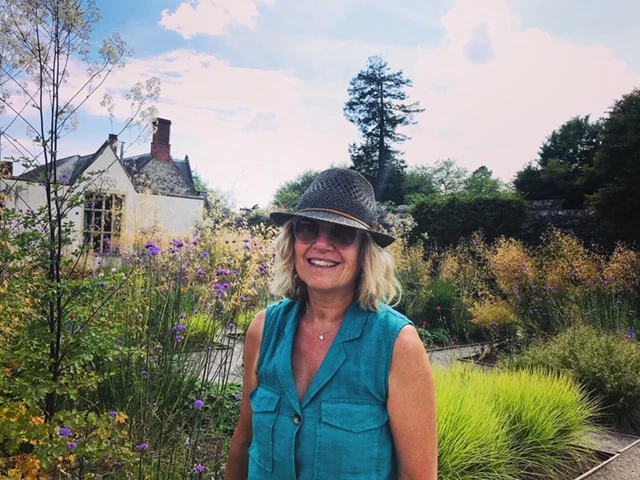
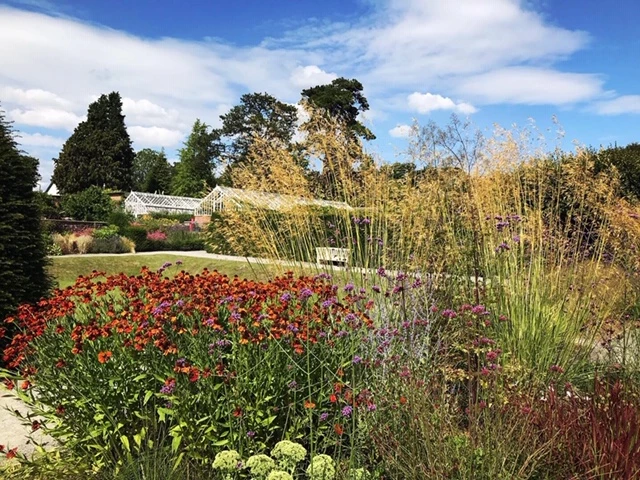
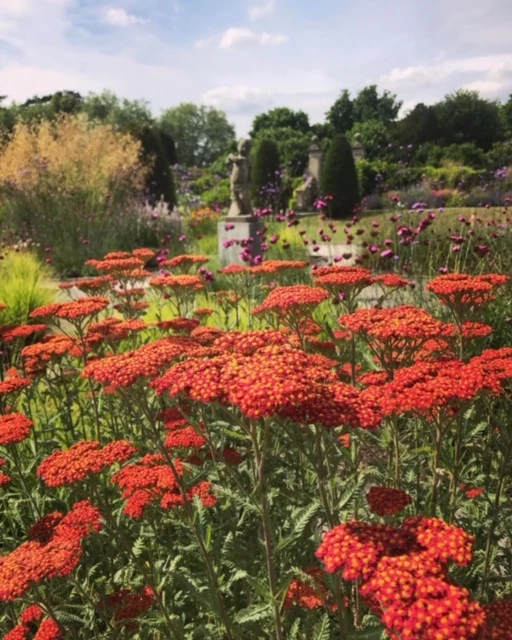
If you stroll through St Fagans National Museum of History in August you will be exposed to an exuberant display of color, texture and fragrance at the Dutch Garden. Located at the parterre next to the Castle, this is one of the most beautiful historic gardens in Wales!

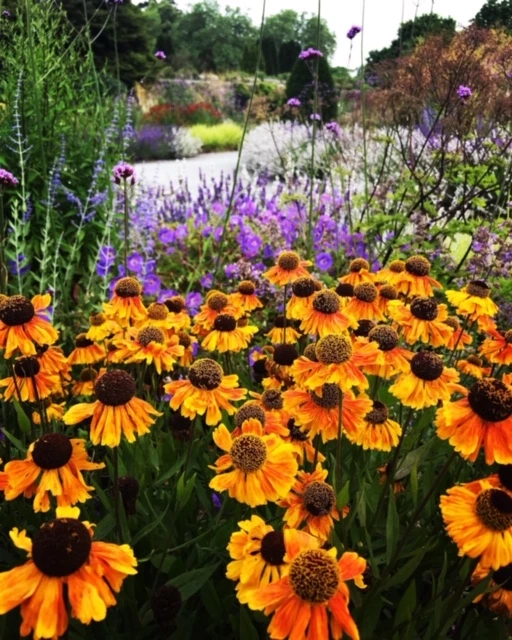
As you walk through the symmetrical paths you will find a variety of grasses such as the impressive gold Stipa gigantea, the bright green Sesleria autumnalis and the graceful Sporobulous heterolepis surrounding the Cherub statues. These all add texture and the dreamlike feel to the garden. There is also plenty of colour in a palette of purple, blue and red from flowers contrasted with the gold and bright green of grasses. You will notice the Verbena bonariensis with tall stems and clusters of purple miniature flowers, the vigorous blue Geranium Rosanne and the Helenium Moerheim Beauty with dark orange red flowers amongst a variety of Sedums and other cultivars.

I suggest that you visit this magnificent garden through different seasons of the year as it goes through a magical transformation.

This garden has changed a lot over the years. The most recent design was created by our talented Deputy Head Gardener Ceri Goring and maintained by a team of gifted gardeners and volunteers. This sustainable and drought tolerant garden has been carefully planned to withstand dry summer months, saving not only water but also the gardener’s hosing time.

If you walk around the fountain on a warm summer day your senses will be awakened by the fragrance of the lavender hedges, the buzzing of the pollinating bees, the tranquil sound of the cascading water and the impressive visual display of one of the most beautiful gardens in Wales.

My CC Skills Experience by Danielle Edmunds

Danielle Edmunds, 31 Gorffennaf 2019

I went with a friend to a CC Skills open day for the Cardiff sector. I didn’t know anything about it and I wasn’t interested in it because the venues didn’t interest me. I spoke to Jo Esposti about other venues and she mentioned that the Newport sector would include Big Pit as a host venue and I was instantly interested. I have always had a very big interest in Big Pit from a young age because of my grandfather telling me stories and taking me to Big Pit as a child.

Once I thought there would be a chance that I would get to work there I took the opportunity. Even though not completely feeling 100%, I couldn’t leave the opportunity there so I applied. I got through and had an interview and I didn’t shut up about Big Pit through my whole interview because I was so nervous about doing it.

When I heard I got the job I was beyond excited and couldn’t wait to start. Within a week of working at Big Pit I had a lot more confidence and could easily talk more to the public and other members of staff.

Since I started my placement 6 months ago I have worked in all areas of Big Pit. When I first started I worked a lot in the Pit Head Baths and the King Coal: Mining Galleries Exhibition where I was interacting with visitors and meeting and greeting. I learnt a lot of facts about the pit that visitors often asked and wanted to know.

Then I started assisting with the educational workshop  ‘Servants of the Empire’  which is a lesson for key stage 2/3 pupils to have them learn about what it would have been like to work underground in the 1800’s, they have to find out about the girl that worked as a drammer girl underground. I was supervising the students in the second part of the activity where they have to draw a dram and feel coal, while the facilitator would be with half of the class showing them the clothes they would have worn, food they would have taken underground and the weight of the drams. I was helping them get the positions right for pulling the dram whilst making sure the children did not hurt themselves and help them answer the questions on their worksheets.

I have also worked in the office with Kathryn the Marketing and Communications Officer learning how Big Pit promotes itself and offers events and activities to the public to encourage visitors to come through the door. I have also worked in the reception, meeting and greeting people as they come into the museum, booking people in and telling visitors about the site and anything they want to know about the facilities.

I found working in all these different areas of the museum gave me a really goood idea of how the museum works and what goes on behind the scenes to make the museum run as it does and how the different departments work to keep the museum efficient and open to the public as expected.

Since working at Big Pit I have grown in confidence and, as a person from suffering anxiety and depression for 3 years, coming into an environment where everyone onsite is friendly and encouraging has helped me become a better version of myself.

I have really enjoyed my time working at Big Pit and I am very grateful to everyone who works there for their time and everything they have done for me. I am also very grateful to Paul Green, Deputy Mine Manager, who has been my mentor and who has been great and very supportive since I started.  I am glad that this was the first placement I had as it has given me the confidence to go to my other placements and feel at ease there.