Amgueddfeydd, Arddangosfeydd a Digwyddiadau

Starting work on our new Celtic Village

Steve Burrow, 20 Rhagfyr 2013

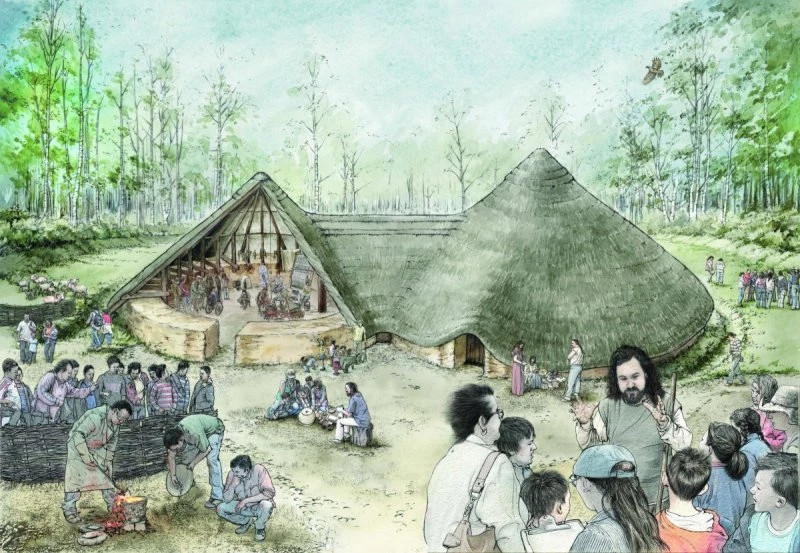
As many regular visitors to St Fagans will know, our much-loved Celtic Village was closed earlier in the year. Twenty years seems to be about the normal life-span for reconstructed Iron Age roundhouses – the timbers decay and they begin to get a bit wobbly after that. To replace it we're going to be building a new reconstruction based on a 2,000 year old Iron Age farmstead on Anglesey called Bryn Eryr, and just recently we reached a really exciting milestone along the way.

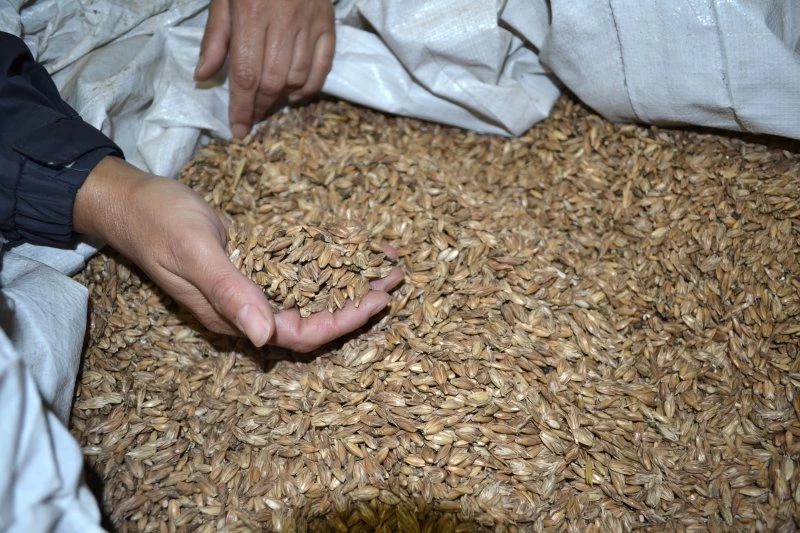
The Bryn Eryr roundhouses consisted of two buildings built side-by-side. Their walls were made of packed clay (probably mixed with grit and straw, like Wales's traditional clom-built houses) and the roofs were thatched. We've had a lot of discussions about what we should use to thatch them. Naturally the roofs of the original buildings haven't survived, but we do know that its Iron Age owners had access to spelt – an early form of wheat – because charred grains were found at the site. From there the argument goes, if they were harvesting spelt grains to make their bread they also had their hands-on a useful thatching material, spelt straw.

So, we thought, St Fagans is surrounded by farm land, we've got an excellent farming team, and lots of enthusiasm, why not try to grow a crop of spelt ourselves and see whether we can thatch our next Iron Age farmstead with it?

There are a lot of uncertainties involved in this, many things can go wrong between the idea and the harvesting but St Fagans is part of an EU collaboration which encourages just this kind of experimental research. So thanks to the OpenArch project, with its Culture programme funding, and a lot of advice from experts in the field (apologies for the pun), we've decided to give it a go.

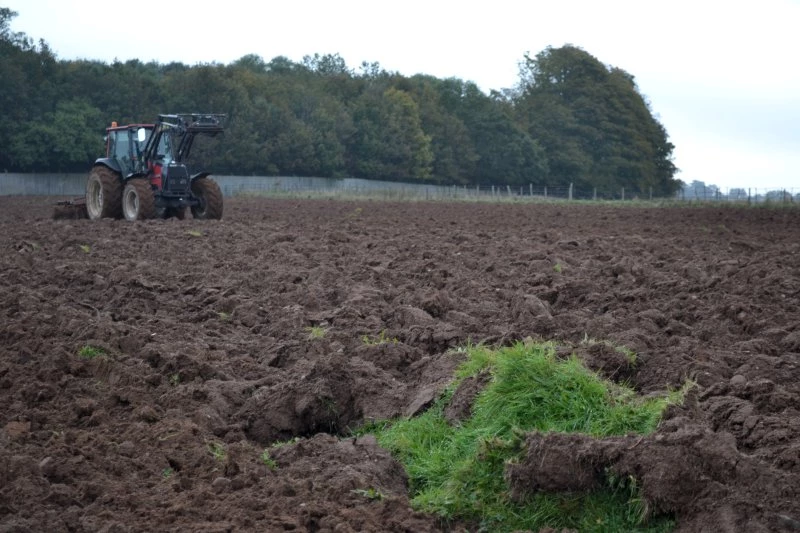
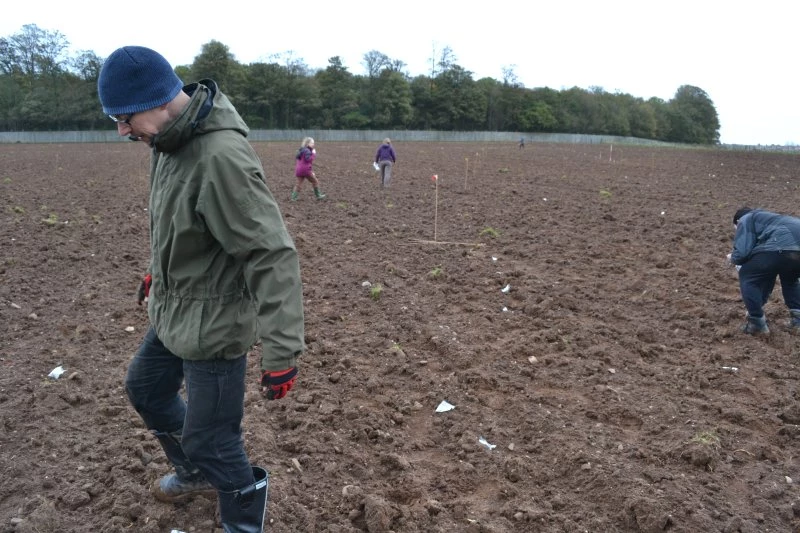
A few months ago we ploughed 3.4 hectares (8.4 acres) just outside the main museum site. This looks like an enormous area when you're stood beside it, but we're told this is what we need in order to produce enough straw to thatch two large roundhouses.

With the ploughing done, our Learning Team organised an opportunity for school groups to come out and see what we were up to. This was followed by the museum's archaeologists bringing together a team of volunteers who walked the area in search of any artefacts that may have been turned up by the plough. The finds from this have yet to be analysed but already we can see that the area had been visited by prehistoric hunter-gatherers, a 13th-century traveller who lost some loose change, and many other more recent people.

And then it rained, and rained and rained. Our spelt seed arrived and was placed in a barn, and still it rained. I was beginning to get very worried. It's all very well having a plan to grow a crop of Iron Age wheat, but that's not going to happen if the seed stays in sacks. Then a few weeks the weather cleared up, the ground dried sufficiently and we finally got a chance to plant.

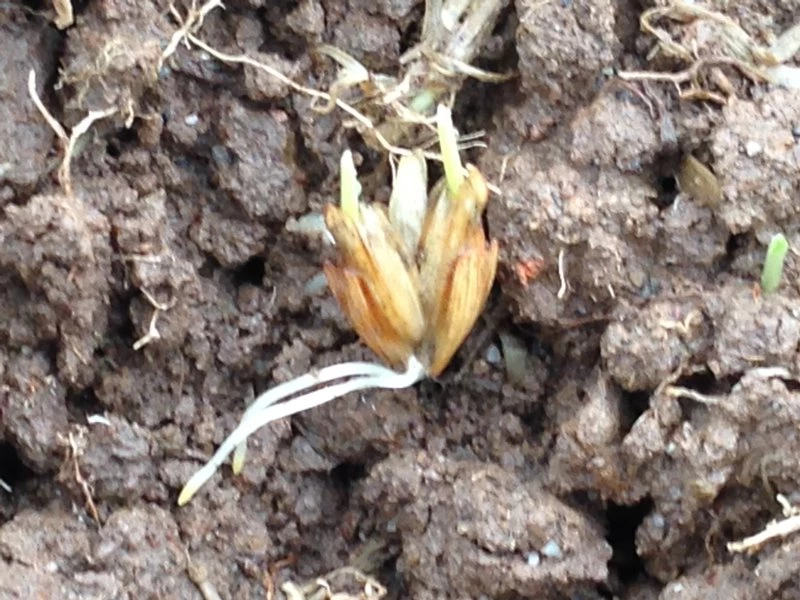
Then we waited… Would anything happen? Had we left it too late? Would frosts / rain / snow put a stop to our plans? Happily not! Last week we found the first seeds had germinated. I’m going out to the field again today to check on its progress. Will the shoots be showing? Have we got the spacing of the seed right? Will the rabbits leave it alone? Will it grow tall? I feel like an expectant father all over again.

Y Fforymau Cyfranogi 2013-11-12

Penny Dacey, 12 Tachwedd 2013

Y Cenhadon Ifanc


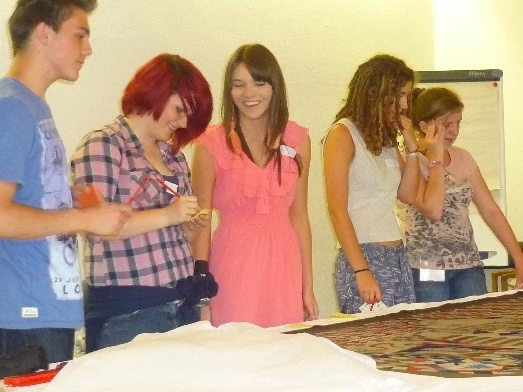
Cafodd y grŵp hwn o oedolion ifanc ei gyfarfod cyntaf ddechrau mis Mehefin. Maent wedi dangos llawer o frwdfrydedd ac angerdd dros broject ailddatblygu’r Amgueddfa ac maent yn awyddus i greu a chynnal rhaglen allestyn yn arbennig ar gyfer ieuenctid Cymru. Bydd y grŵp hefyd yn adolygu’r rhaglen o weithgareddau ar gyfer pobl ifanc ac yn cynnig eu safbwyntiau ar gynnwys a dehongli’r orielau. Cymerodd y grŵp yma hefyd ran yn y gweithdai dehongli ym mis Gorffennaf, a dywedodd y staff eu bod yn ‘ysbrydoliaeth’.

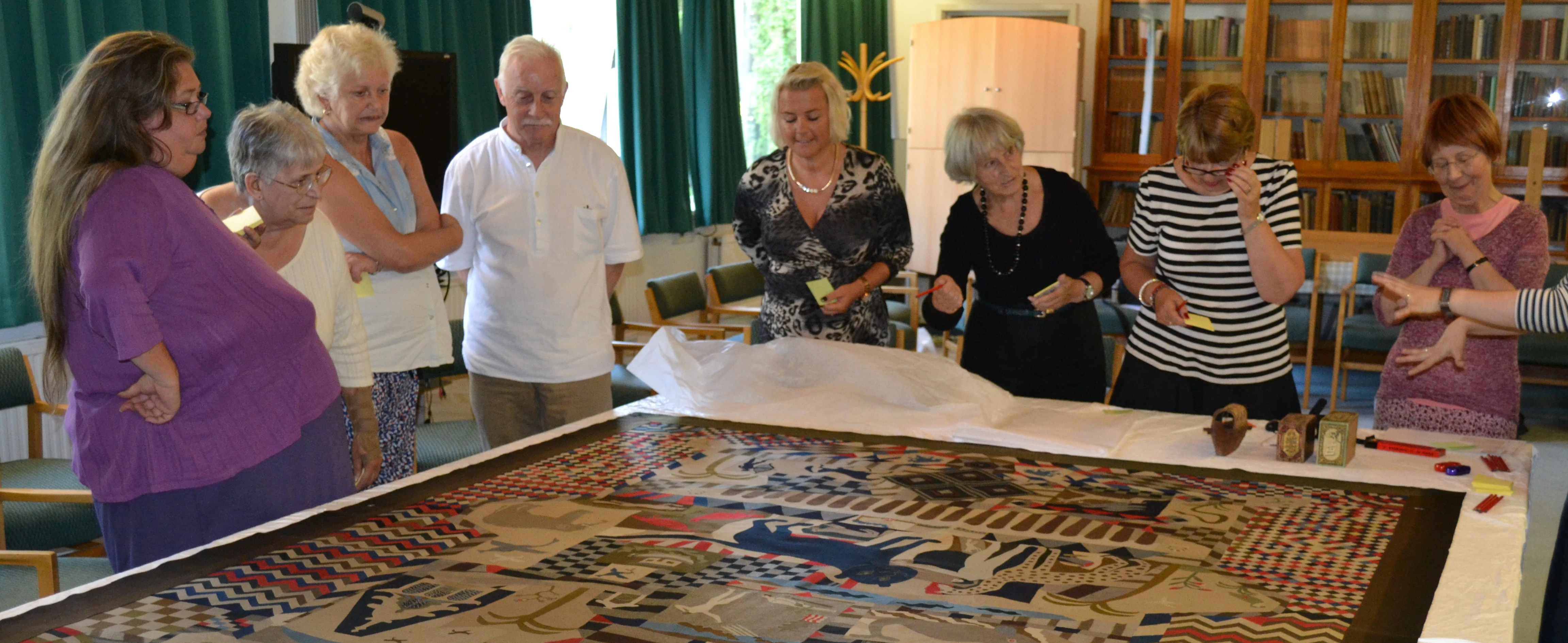
gweithdy dehongli


Y Fforymau Cyfranogi 2013-11-07

Penny Dacey, 7 Tachwedd 2013

Our Museum

Sefydlwyd Fforwm Cyfranogiad Our Museum yn 2011 tra’n datblygu cais i Gronfa Treftadaeth y Loteri i ailddatblygu Sain Ffagan a’r cais i Sefydliad Paul Hamlyn i ddatblygu ymgysylltiad cymunedol yn yr Amgueddfa. Canlyniad hyn yw bod cyswllt annatod wedi bodoli rhwng ddwy fenter o’r dechrau. Staff yr Amgueddfa, Ymddiriedolwyr a chynrychiolwyr sefydliadau trydydd parti a sector cyhoeddus sy’n gweithio’n agos â grwpiau cymunedol yng Nghymru yw aelodau’r Fforwm. Mae cyfrannu at y Fforwm yn fodd iddynt gyfleu anghenion a diddordebau’r cymunedau y maent yn eu cynrychioli, a dod yn greiddiol i fethodoleg yr Amgueddfa drwy hyn.

Nod y Fforwm yw gwneud Gwirfoddoli yn greiddiol i’r Amgueddfa ac yn gynaliadwy ac i greu ‘Cymuned o Wirfoddolwyr’. Y prif nod yw sicrhau bod anghenion gwirfoddolwyr yn greiddiol i’n gwaith, gan wneud gwirfoddoli yn haws ac yn fwy perthnasol i’r cymunedau amrywiol yr ydym ni, fel amgueddfa genedlaethol, yn eu cynrychioli.

Cynhaliwyd ymgyrch fawr dros yr haf i recriwtio gwirfoddolwyr. Gyda chymorth ein Partneriaid Cymunedol cafwyd tua 50 o wirfoddolwyr i weithio mewn amryw swyddi ar draws yr Amgueddfa; yn yr Uned Adeiladau Hanesyddol, Addysg, Ystadau a Digwyddiadau ymhlith eraill. Cafwyd gwirfoddolwyr o bob lliw a llun, a phob un yn gwirfoddoli am resymau gwahanol; rhai wedi ymddeol, rhai’n fyfyrwyr, rhai’n chwilio am her newydd ac eraill yn chwilio am weithgaredd rheolaidd mewn lleoliad prydferth lle gallent ddysgu sgiliau newydd a chyfarfod pobl newydd.

Gwirfoddolwyr Addysg yn paratoi ar gyfer y gweithdy Creu Tarian.

Y Fforymau Cyfranogi 2013-10-29

Penny Dacey, 29 Hydref 2013

Y Fforwm Amrywiaeth


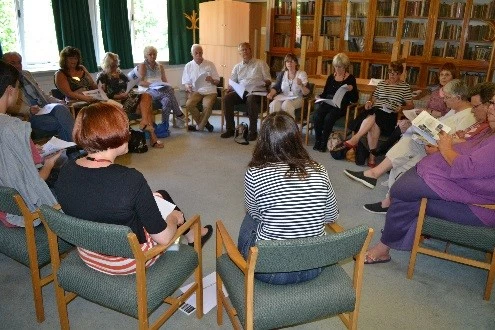
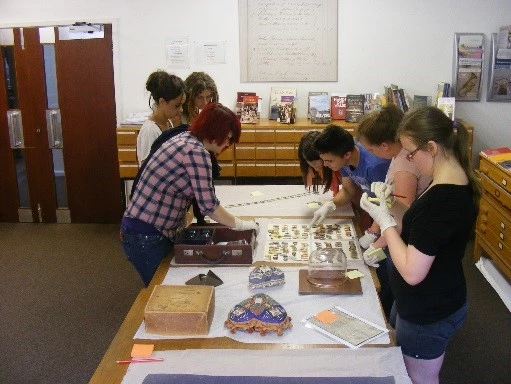
Dyma grŵp o gynrychiolwyr sefydliadau sy’n gweithio’n agos gyda grwpiau cymunedol amrywiol. Sefydlwyd y grŵp gyda’r nod o sicrhau y bydd ailddatblygiad Sain Ffagan yn hygyrch, o ddiddordeb i bawb ac yn cynrychioli pawb. Cafwyd y cyfarfod cyntaf ym mis Ebrill a thrafodwyd dulliau o gydweithio, dulliau o ymgysylltu â chynulleidfaoedd allweddol a phwysigrwydd datblygu modelau arfer gorau.

O ganlyniad i’r Fforwm, cymerodd grŵp o gynrychiolwyr Cymunedau yn Gyntaf De Glan yr Afon ran mewn gweithdai dehongli ym mis Awst. Ymhlith y gwrthrychau a drafodwyd roedd delw o’r dduwies Durga a chyfres o wrthrychau archaeolegol yn ymwneud â’r gweddillion dynol hynaf i’w canfod yng Nghymru. Dywedodd y curaduron ei bod yn braf gweld y gwrthrychau trwy lygaid newydd. Roedd y grŵp yn awyddus i osod y gwrthrychau yng nghyd-destun hanes y byd – dull diddorol fyddai’n helpu i ymgysylltu â’r rhieni o gefndiroedd amrywiol sy’n byw yng Nghymru a’r holl ymwelwyr tramor yr Amgueddfa.


Wallace; the Forgotten Evolutionist?

Julian Carter, 25 Hydref 2013

This week our exhibition to commemorate the centenary of the death of the brilliant naturalist, Alfred Russel Wallace has opened for exploration. But who was he?

Wallace was many things - an intrepid explorer, a brilliant naturalist, a social activist, a political commentator – overall a remarkable intellectual. By the time of his death in 1913, Wallace was widely praised as the 'last of the great Victorians'.

Wallace is most famously associated with co-discovering the process of evolution by natural selection alongside Charles Darwin. Yet we have all heard of Darwin, whilst Wallace has become more of a forgotten figure.

In his time Wallace travelled extensively, surviving malaria, numerous fevers and even shipwreck! He covered thousands of miles, lived with indigenous tribes and collected over 125 000 animal specimens. He also wrote widely on a range of subjects, publishing more than 800 articles and writing 22 books.

This exhibition attempts to explore some of Wallace's life and work, and in doing so raise our awareness of this remarkable man. The exhibition uses a mix of media, and has rich diversity of specimens on display, including specimens collected by the great man himself.

Associated with the exhibition are a range of workshops, talks and tours. Check out the website for an up-to-date list of ‘whats on’.


We really hope you enjoy the exhibition and welcome feedback on your visit